

How to Layer for Coverage Without Overheating: 15 Tips
You leave home feeling fine, and by midday the heat has settled into every layer. Your cardigan feels heavy, your top sticks, and the short walk to lunch feels long. None of that means your coverage has to change.
Learning how to layer for coverage without overheating is mostly about order. Put the coverage in the main piece first. Then add only the light layers you truly need, in fabrics that let air move through them all day.
Start with cotton, linen, and loose cuts that skim your body. Keep collars and cuffs loose where you can. Choose light colors for strong sun, and hold thin fabric up to daylight before you trust it at work.
The 15 tips below walk through each choice in plain steps. You will find base layers, outer layers, sleeves, hemlines, and a quick test to do before you leave home, so hot days feel calm, covered, and comfortable.
This post contains affiliate links. If you buy through them, we may earn a small commission at no extra cost to you. See our Affiliate Disclosure.
1. Start With Coverage Built Into the Main Piece
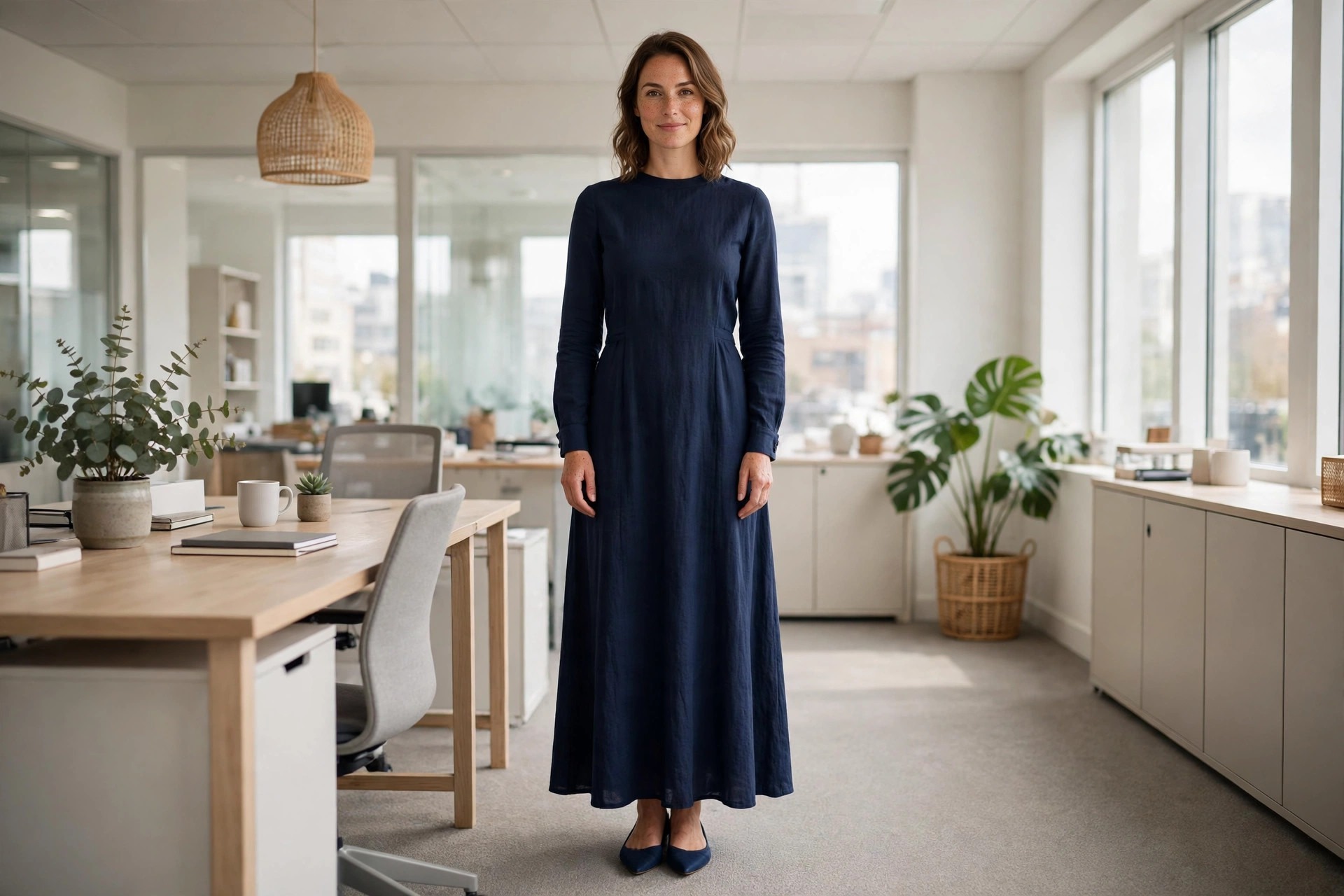
The coolest layer is the one you never have to add. Choose a main piece that already gives you the sleeves, neckline, and length you want. A long sleeve maxi dress or a long tunic does that work in one garment.
When the main piece covers you well, any layer on top stays optional. You can leave a cardigan at your desk during a warm walk outside. You are not stuck wearing it just to feel covered.
This is why work dresses with sleeves for women help so much on hot days. The dress handles coverage on its own, and you add nothing else unless the office air feels cold.
Before you buy, check three spots in the mirror. Look at the sleeve length, the neckline when you bend, and the hem when you sit. If all three pass, the piece is ready.
2. Pick Cotton and Linen Before Anything Else
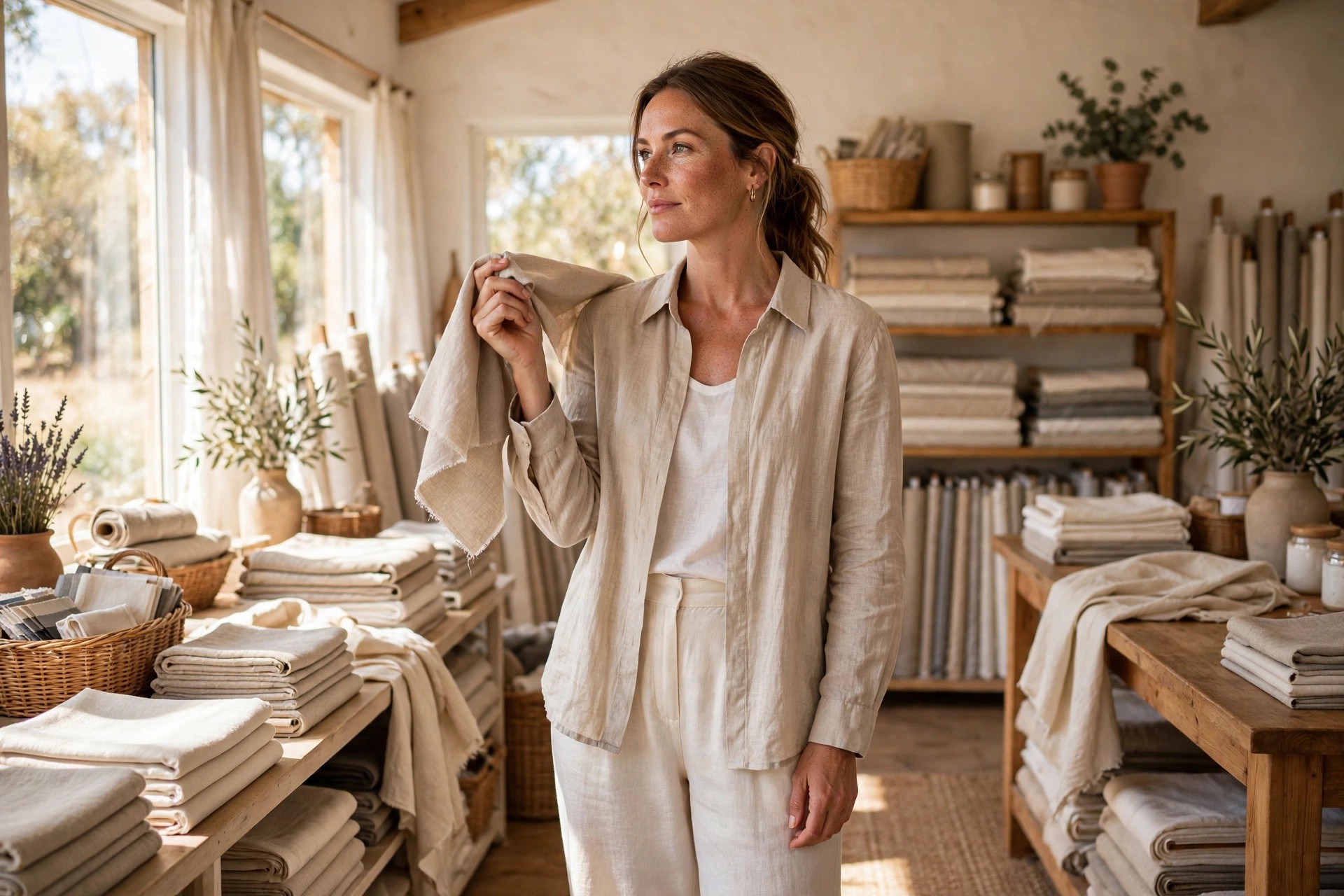
Fabric decides how a layered outfit feels by noon. Cotton and linen let air pass through and feel light on skin. A cotton and linen blend can feel smoother, with fewer creases than pure linen through a workday.
Hold the fabric in your hand and note how it drapes. A soft, open feel usually breathes better than a tight, slick feel. Thick fabric that blocks light may still feel warm if air cannot move through it.
Start with one or two pieces you can test on a real day. Wear a linen shirt over a cotton top for a full shift. Note how you feel at lunch, not just in the cool morning.
Keep heavy, stiff layers for cooler months. In heat, let each fabric earn its place by feeling light, drying fast after a warm commute, and staying comfortable against your skin for hours at a time.
3. Use One Outer Layer, and Give It One Job

Ask what your outer layer is for before you put it on. It might add arm coverage, soften a sheer top, or keep you warm in a cold office. If it has no clear job, leave it behind.
One outer layer is enough for most hot days. Two outer layers trap warm air between them and add weight at your shoulders. The outfit also starts to feel bulky, even when each piece seems light alone.
Think of a thin cardigan over a sleeveless maxi dress. That single layer covers your arms and finishes the look. A blazer over that cardigan adds heat with no new benefit on a warm afternoon.
At home, try the outfit with and without the extra layer. Sit, walk, and lift your arms. Keep the version that still feels light after five minutes, not just the one that looks good standing still.
4. Choose Loose Cuts That Let Air Move

Air needs room to move, and loose cuts give it that room. A tunic that skims your waist feels cooler than one that clings to it. Wide sleeves, full skirts, and relaxed trousers all help in the same way.
Loose does not mean shapeless or oversized. Look for a clear shoulder line, a hem that ends cleanly, and fabric that falls in a smooth line. That shape reads neat at work while still letting air flow.
Try this test in a store or at home. Walk fast for one minute in the outfit. If fabric sticks to your back or legs right away, the cut is too close for a hot day.
Keep one part of the outfit a bit more neat if the rest is full. A loose maxi skirt pairs well with a simple tucked top. Balance keeps the look calm and easy to wear.
5. Keep the Under Layer Thin and Smooth
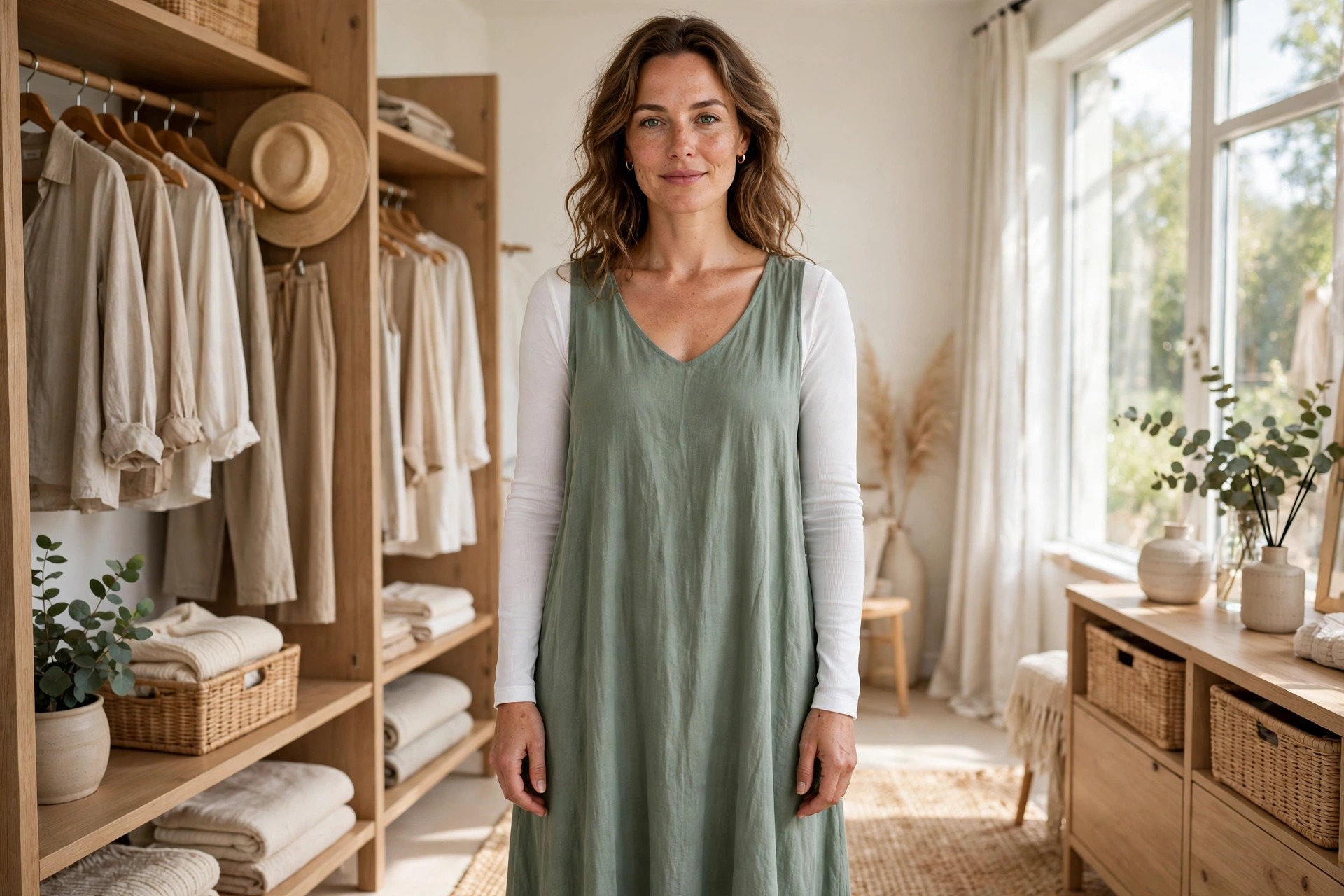
A thin under layer can add coverage without adding much heat. Choose a smooth cotton top with long sleeves under a sleeveless dress. The fabric should lie flat, with no thick seams at the shoulder or neck.
Fit matters more than thickness here. A baggy under layer bunches at the waist and traps warm air in folds. A close, smooth fit slides under other pieces and stays in place when you reach or bend.
These same thin layers are central to layering tricks that make regular clothes modest, since one good base can work under dresses, tops, and jumpsuits you already own and like.
Pick a color close to your skin tone or to the outer piece. Close colors show less at the neckline and cuff. That small choice makes the whole outfit look calm and well planned.
6. Wear Light Colors on Top in Strong Sun

On a bright day, the outer layer faces the sun first. Light colors on that top layer feel cooler during a walk outside. White, cream, pale blue, and soft sage are easy picks for work and weekends.
You do not need a whole pale outfit. Keep darker trousers or a darker skirt if you like them. Just let the piece closest to the sun, often a shirt, cardigan, or scarf, stay light in color.
Think about where your day takes you. A short drive in a cool car is one thing. A long bus wait or a walk across a sunny lot is another, and light layers help more there.
Check pale fabric in daylight before you wear it out. Some light cloth turns sheer in sun and needs a thin layer below. A quick window check at home saves an extra layer later.
7. Leave the Outer Layer Open Down the Front

An open front lets warm air escape as you move. Wear a long cardigan, an open shirt, or a light duster open over a covered base. Your arms and sides stay covered, and the front stays airy.
The base below still needs to cover you well on its own. That is the key to this tip. If you close the outer layer later for cold office air, you gain warmth. If you open it, you stay covered.
For work, breathable summer work dresses for women make a strong base for this move. Add an open layer on top, and the dress still looks complete if you take that layer off indoors.
Watch the length of the open layer as you walk. It should swing clear of your legs and not catch on chair arms or bag straps. A clean swing keeps you cool and calm.
8. Pick Wide Sleeves That Let Air In at the Cuff

Sleeves cover your arms, but the cut decides how they feel. A wide sleeve with an open cuff lets air move up the arm. A tight sleeve in thick cloth can feel warm within an hour.
Look for sleeves that reach the wrist and still feel loose at the forearm. You should be able to slide two fingers under the cuff with ease. The sleeve should also stay in place when you lift your arm.
A cotton shirt with a soft, wide sleeve works well over a thin base or on its own. Roll nothing back and add nothing below. The sleeve itself gives coverage, and the open cuff gives relief.
At a desk, note how the cuff feels on the surface. A smooth, light cuff rests well while you type. A thick cuff with hard seams can rub and add heat through a long shift.
9. Let Wide Leg Pants and Long Skirts Do the Cooling

Your bottom layer can cool you more than you expect. Wide leg pants and long, full skirts let air move around your legs with each step. They cover fully while feeling far lighter than close, heavy trousers.
Choose cotton, linen, or a soft blend that swings as you walk. The hem should clear the floor so it does not drag or catch. At your desk, the fabric should pool lightly, not pull tight across your knees.
Pair wide bottoms with a shorter or neater top layer. A long tunic over wide pants can feel like a lot of cloth. A tucked cotton shirt keeps the shape clear and the total weight lower.
On very hot days, this pairing often needs no third layer at all. The pants or skirt gives length, the top gives sleeve coverage, and you are done. Fewer pieces means less heat held in.
10. Swap a Heavy Blazer for an Unlined, Loose One

A lined blazer can feel like a coat in warm weather. An unlined blazer in a light cloth gives the same neat shape with far less weight. Look inside before you buy, and feel for thick padding at the shoulder.
Choose a loose cut that does not pull when you sit or reach. The front should hang open with ease if you leave it unbuttoned. That open hang lets air in while the blazer still frames the outfit well.
Keep the blazer for the parts of the day that call for it. Wear it for a meeting, then hang it on your chair for desk work. A layer you can remove in seconds is a smart layer.
Pair it with a simple cotton top and wide leg pants. The blazer adds polish, the top breathes, and the pants keep air moving. Together they cover you fully without a heavy stack of cloth.
11. Keep Layers Loose Around Your Neck on Hot Days

Heat builds fast around the neck, so keep that area simple. Skip thick scarves, tight collars, and stacked necklines on hot days. One neat neckline, worn with room to breathe, feels better by the end of a shift.
If you wear a hijab, choose a light cotton or chiffon feel and a soft undercap that is not tight. Wrap it in a simple style with fewer folds at the neck. Less cloth at the throat means less trapped heat.
For more workday ideas in this style, office outfits for hijabi women show how light wraps pair with long tunics, wide pants, and neat shoes for a full day at a desk or in meetings.
Check your neckline stack in a mirror before you leave. If you see a collar, a scarf, and a cardigan all piled in one spot, remove one piece. Your coverage stays, and the heat drops.
12. Check Opacity in Daylight So You Can Skip an Extra Layer
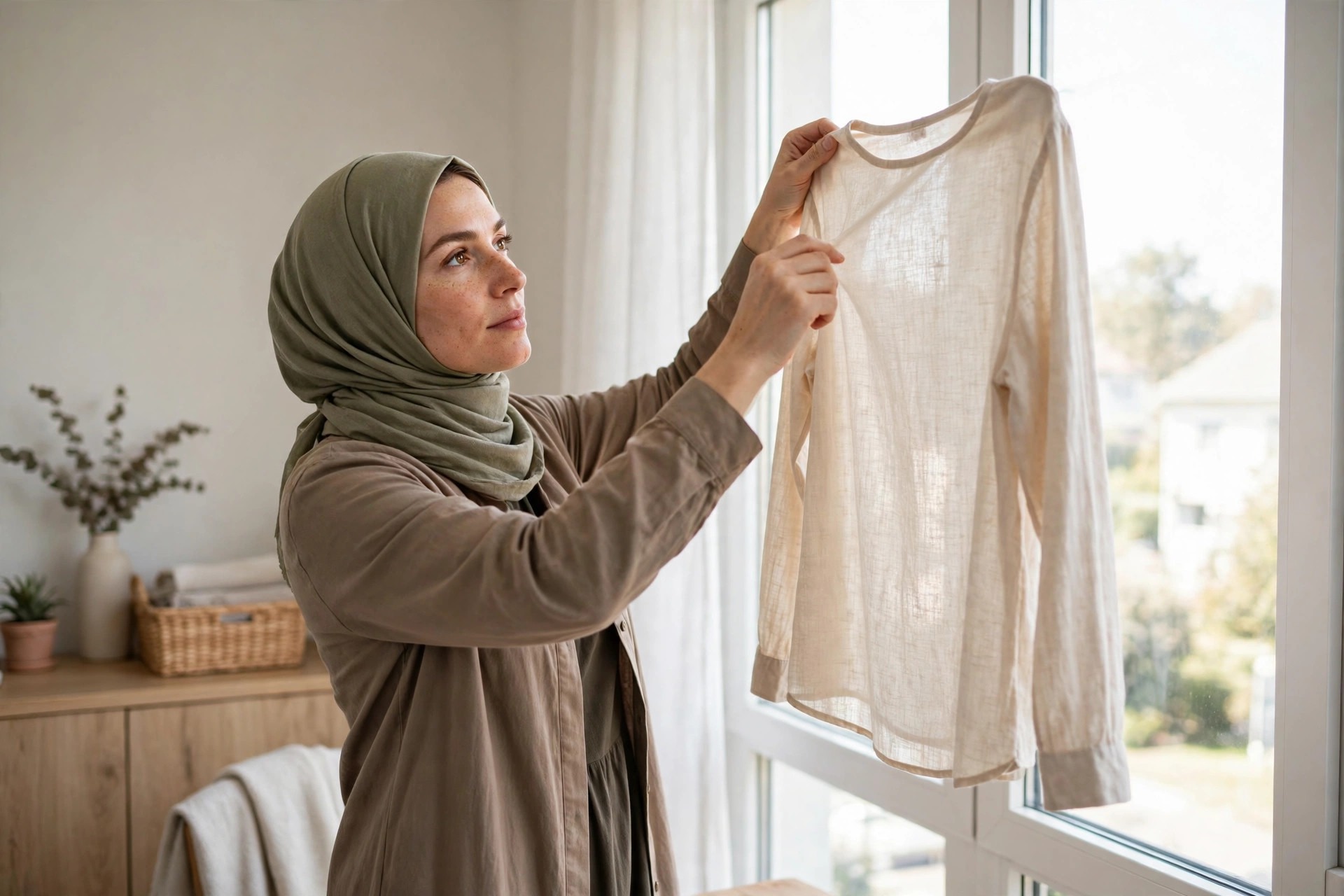
A quick daylight check can save you a whole layer. Hold a thin top, skirt, or pair of pants up to a bright window. If you can see your hand clearly through it, the cloth will look sheer outside too.
When a piece passes the test, you can wear it with confidence and no extra layer below. That is real heat saved. When it fails, choose a slightly thicker cloth in the same color and cut instead.
Check pale colors with extra care, since they turn sheer more often in sun. Also check the back of a skirt or dress, where light hits as you walk away from a window or door.
Do this check once, when a piece is new, and note the result. Keep a short list on your phone if it helps. Known pieces make busy mornings faster and layering choices much more calm.
13. Choose One Long Piece Instead of Three Short Ones

Three short pieces stacked for length add seams, waistbands, and heat. One long piece gives the same coverage with less cloth in the middle. A maxi dress, a long tunic, or a long skirt does the job in a single step.
Waistbands are where stacked outfits feel hottest. Each band adds a tight ring of cloth at the same warm spot. A long dress with no waistband, or one soft tie, lets that area breathe through the day.
Keep the long piece loose enough to sit and climb stairs with ease. It should not pull at the hip or cling at the back. A clean fall of fabric is both cooler and neater.
Add only a light outer layer if the room turns cold. The long piece stays the base of the outfit, and the extra layer stays easy to remove. That simple order works on most hot days.
14. Plan an Easy Off Layer for Cool Indoor Air

Many hot days split between warm streets and cold rooms. Plan for both with one layer you can take off fast. A light cardigan or cotton shirt in your bag covers that shift without weighing down the whole outfit.
Your base outfit must still cover you fully when that layer comes off. Test it at home first. Stand in just the base, check the sleeves and length, and be sure you feel at ease in it alone.
Choose a layer that folds small and does not crease badly. A soft cardigan rolls into a tote with ease. Hang it on your chair at work so it is ready when the air turns cold again.
This is also where summer modest outfits for women help as a base plan, since a breathable full coverage set needs only that one indoor layer to handle a whole split day.
15. Do a Five Minute Walk Test Before You Leave

Your mirror shows how an outfit looks, but a short walk shows how it feels. Walk around your home for five minutes in the full outfit. Climb stairs if you have them, sit down, and stand up a few times.
Note where heat builds first. It might be the neck, the waist, or the back under a bag strap. That spot tells you which layer to thin, loosen, or swap before the day gets any warmer.
Also note what shifts as you move. A cuff that rides up, a hem that pulls, or a wrap that slips will bother you all day. Fix it now with a better fit, not with another layer.
If the outfit still feels light after five warm minutes, trust it. You have tested the fabric, the cut, and the layers in motion. That is how a covered outfit stays calm in real heat.
Good layering on a hot day comes down to a few calm choices. Build coverage into the main piece, choose cotton and linen, and give each added layer one clear job. That is how to layer for coverage without overheating on a real workday.
Start with two or three tips that fit your closet this week. Test them on a warm day, note what felt light, and keep those pieces near the front of your wardrobe for the rest of the season.
Save this to your modest work outfits board for later, and pull it up on the next hot morning. A short check before you dress can make the whole day feel cooler and more at ease.


