

15 New-Home Kids Bedroom Ideas for First-Night Comfort
The first night in a new home decides how a child feels about the move, and that night is won with familiar things, not new furniture.
These new home kids bedroom ideas first night comfort put the old blanket, the same night light, and the usual bedtime routine ahead of paint colors and new decor. Strange rooms feel safe when the bed feels like home.
Set the child room up before the kitchen if you can. A child who sleeps well on night one gives the whole family a calmer week of unpacking.
This post contains affiliate links. If you buy through them, we may earn a small commission at no extra cost to you. See our Affiliate Disclosure.
1. Pack a First Night Bag That Rides in the Car
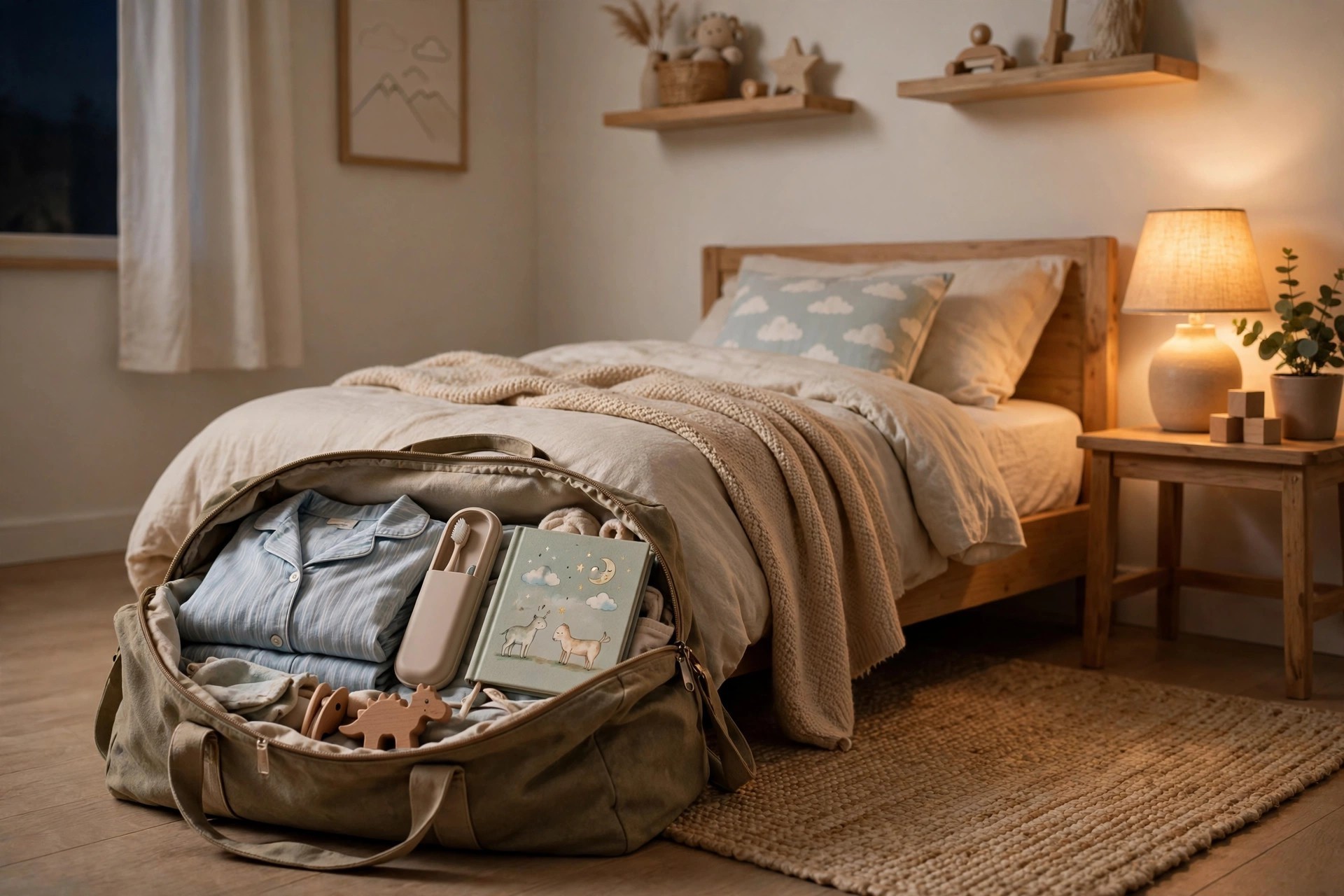
Moving trucks run late, boxes hide, and bedtime does not wait. Pack one bag per child that rides in the car: pajamas, toothbrush, the bedtime toy, one book, and a change of clothes.
Keep the bag out of the packing crew hands entirely. Bags placed near the truck have a way of riding in the truck. A bag by the car door at breakfast is a bag in hand at bedtime.
Add one small surprise to the bag, a new coloring book or a note from a grandparent. A tiny bright spot inside a strange day helps. The familiar items do the calming, the surprise does the smiling.
Our dream bedroom ideas for kids can wait for week two. Night one belongs to this bag, the bed, and the routine, in that order, with everything else a distant second.
2. Make the Bed First, Before Any Other Furniture
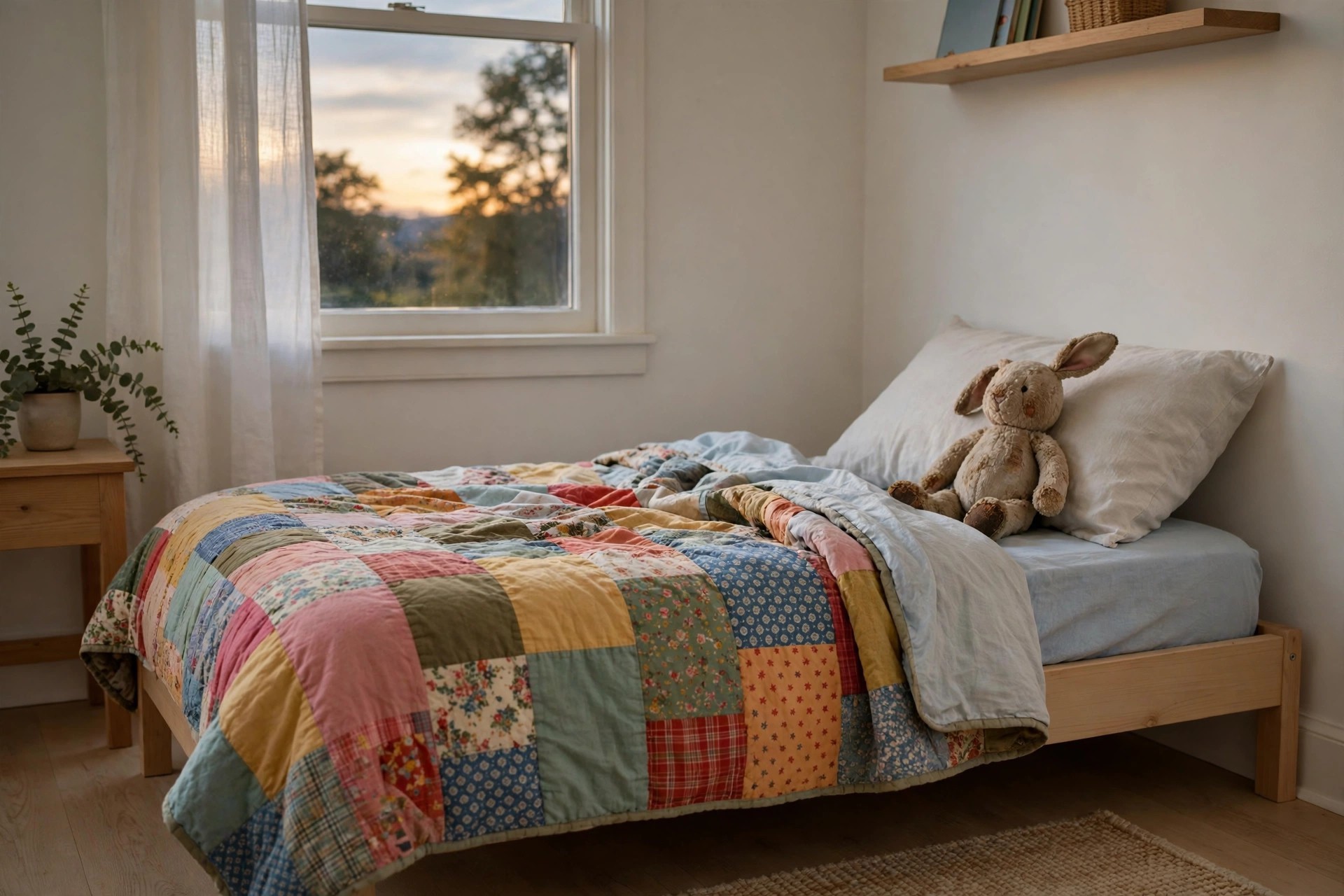
In a room full of boxes, one made bed is an island of normal. Build the bed frame, lay the mattress, and make the bed fully before touching shelves, desks, or toy boxes.
Use the bedding from the old room, washed or not, exactly as it was. Familiar bedding carries the look and feel of the old bed. New bedding on a strange frame doubles the newness at the worst hour.
Set the pillow in its usual spot and the bedtime toy on top. A child who walks in and sees their bed, made their way, relaxes in a way no speech about the nice new house can match.
Small rooms make this even more vital, since boxes eat floor fast. Our teen girl bedroom ideas for a very small room show bed first layouts that keep a clear path even while unpacking runs for days.
3. Bring the Old Blanket and Bedtime Toy Exactly as They Were
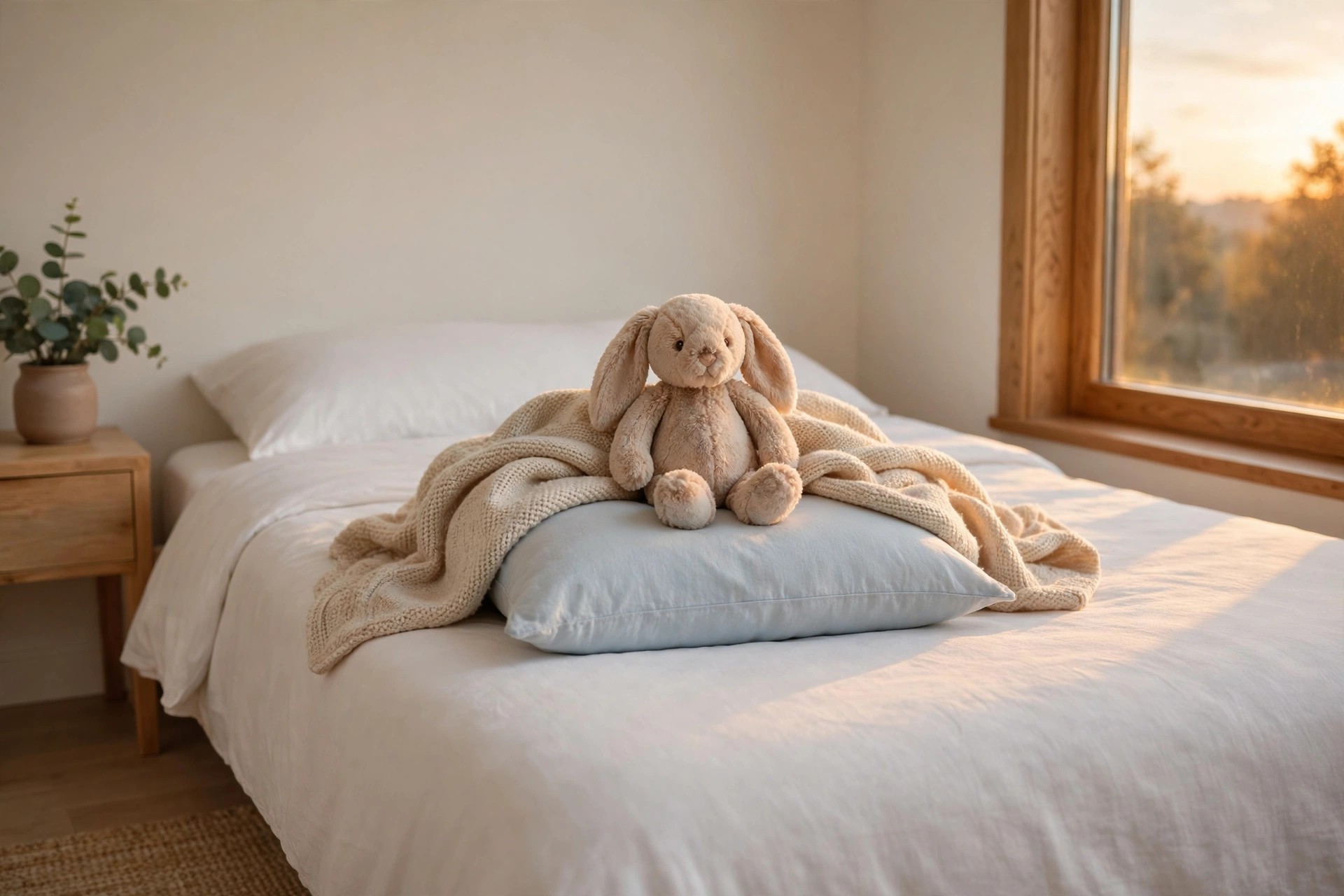
Resist the urge to wash, repair, or upgrade the comfort items before the move. The worn blanket with the frayed edge is the point. Its feel and smell tell a child brain that home came along.
Carry the blanket and toy in the first night bag, never in a general box. Boxes labeled miscellaneous swallow comfort items whole. Hand carried means hand placed on the new bed within minutes of arrival.
If a comfort item has a backup twin at a grandparent house, borrow it for move week. Lost item insurance is real peace for parents. One less disaster to fear makes the whole day gentler.
Let the child place the toy on the new pillow themselves. Small acts of placing and arranging build ownership of the new room. The room becomes theirs one small choice at a time.
4. Plug In the Same Night Light From the Old Room
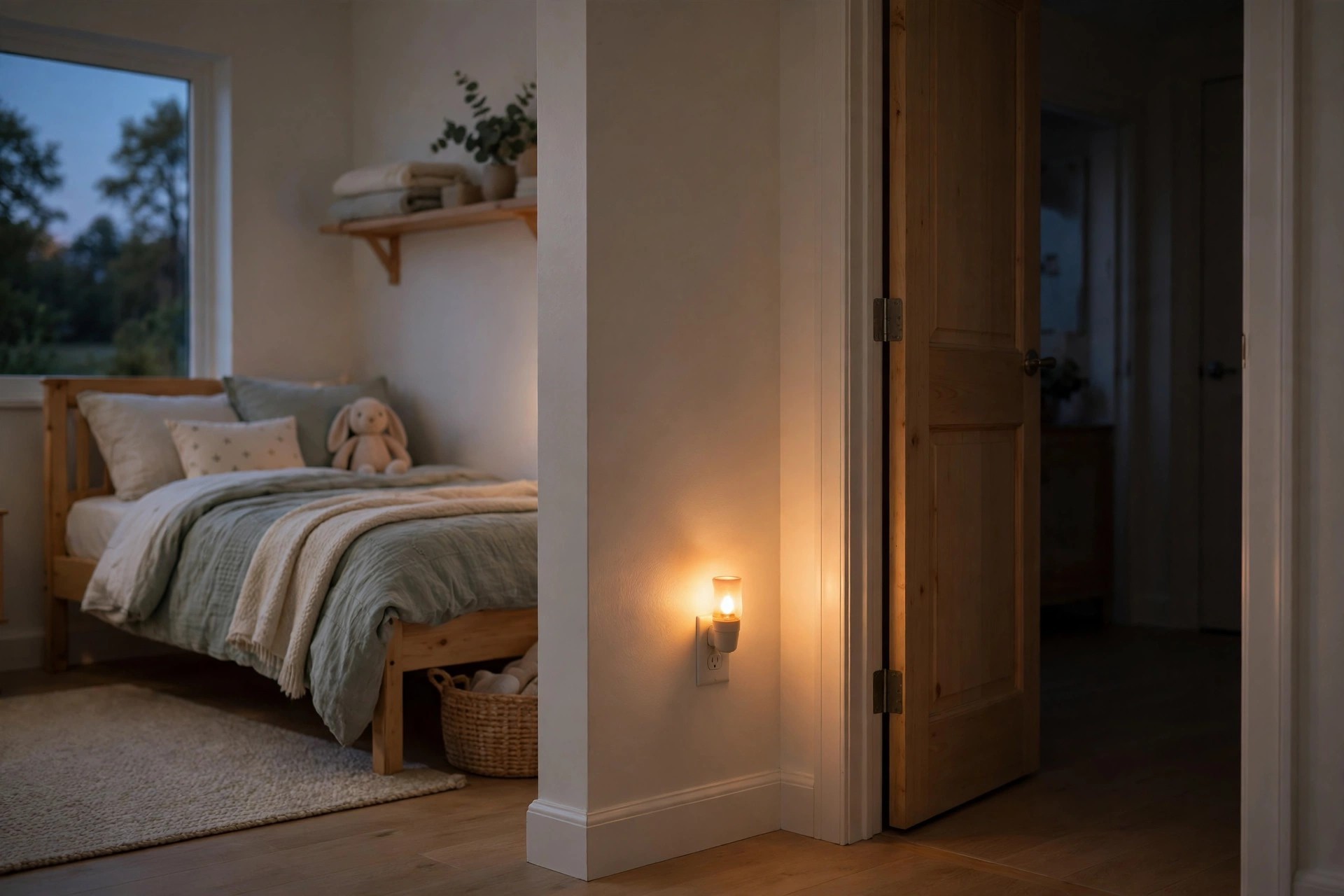
A familiar night light casts a familiar glow, and glow is what a waking child reads first at two in the morning. Pack the old night light in the first night bag and plug it in before dark.
Place it where the old room had it, near the door or low by the bed. Same light, same spot, same soft color. The brain maps the new room against the old one and finds a match.
If the old light broke or stayed with the old house wiring, match its color and brightness as closely as you can. Warm and dim beats bright and white for a sleep room in any house.
Test the outlet before bedtime, not after lights out. New homes hide dead outlets and switched sockets in odd spots. A light that dies at midnight undoes a whole evening of calm planning.
5. Set the Bed in a Similar Spot to the Old Room
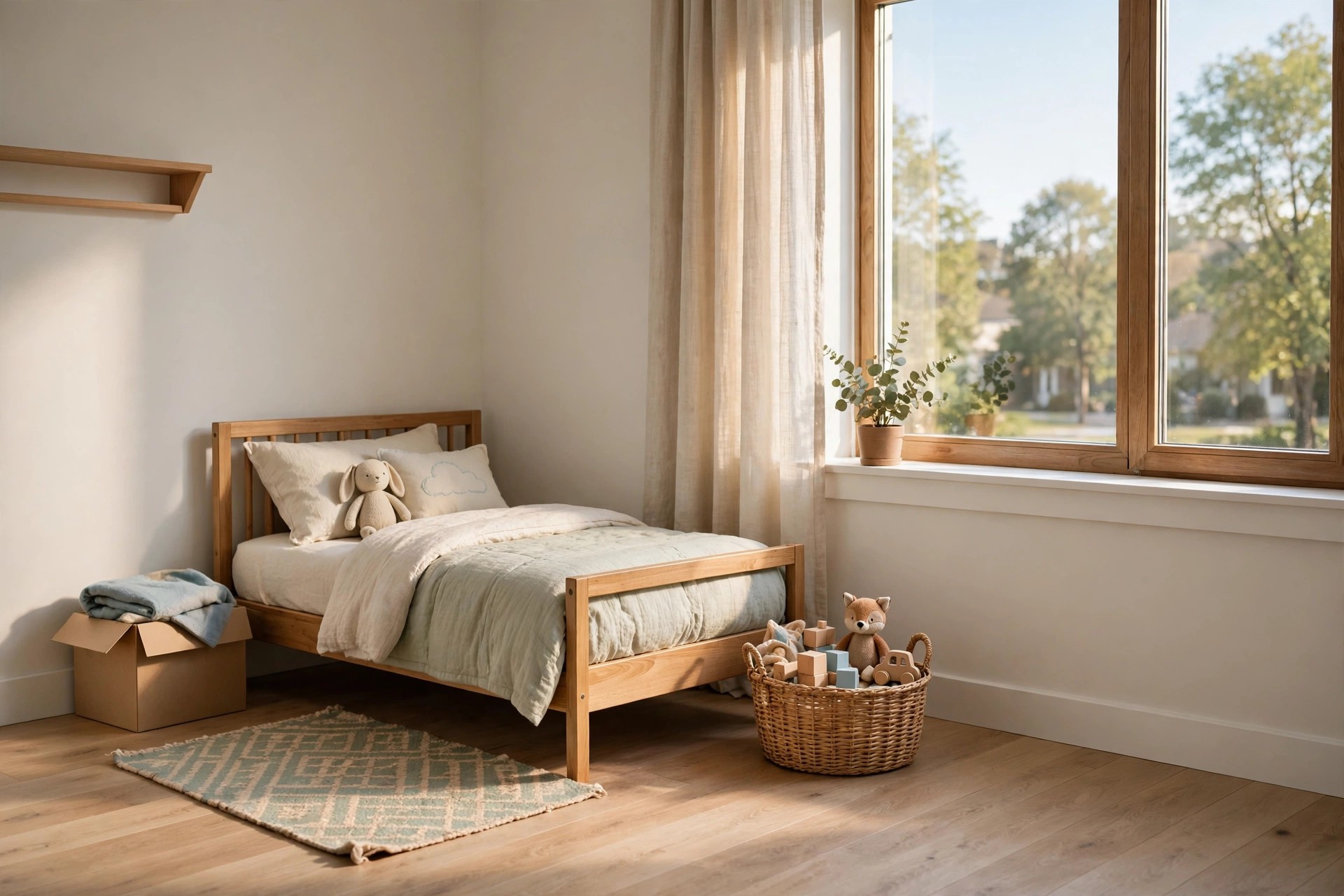
Children learn their room layout by feel in the dark. If the old bed sat with the headboard on the left wall, try the same arrangement in the new room before inventing a fresh layout.
A similar layout means night walks to the door follow old muscle memory. Fewer bumps, fewer tears, faster returns to sleep. Novel layouts can come in month two, once the house feels known.
Keep the door view in mind from the pillow. Many children sleep easier seeing the door, others prefer a wall. Match the old room answer rather than testing a new one on night one.
Shared rooms in a new home need the same care doubled. Our shared kids bedroom ideas for brother and sister zone beds so each child keeps a familiar side and a private corner from the start.
6. Hang One Familiar Picture on the First Day
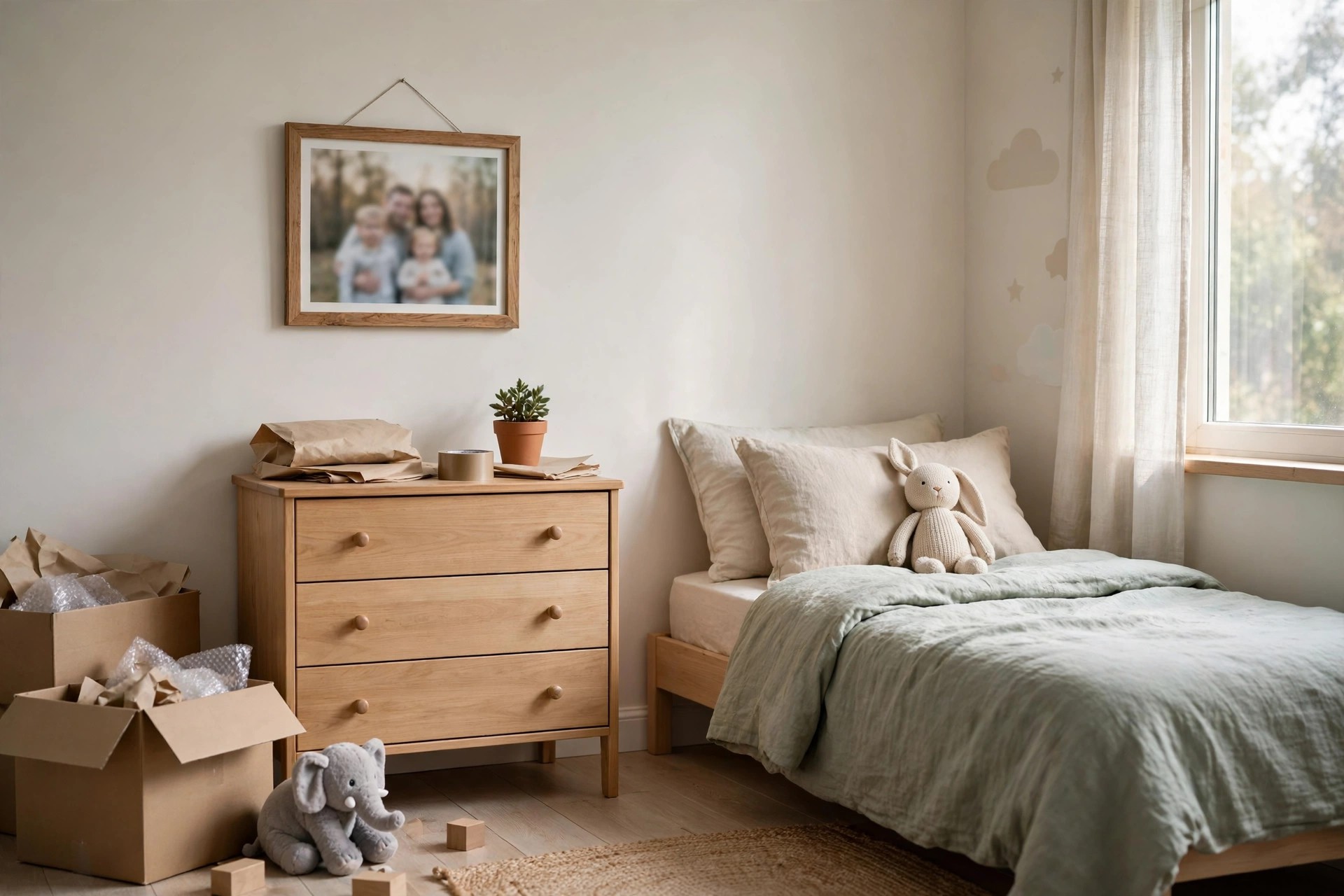
Blank walls make a new room echo, in sound and in feeling. Hang one familiar picture, poster, or family photo on day one, even if the nail spot is not final.
Choose the piece that hung nearest the bed in the old room. A child falling asleep under a known image settles faster. The rest of the wall art can wait for paint decisions and proper hooks.
A single picture also proves the room is becoming theirs. Kids read progress in visible signs, not in box counts. One picture says this room has started, and started with their favorite thing.
Use removable hooks if walls will be painted soon. Move week is no time for patching debates. The picture matters, the hanging method does not, so pick the easy one and move on.
7. Keep the Bedtime Routine in the Same Order and Time
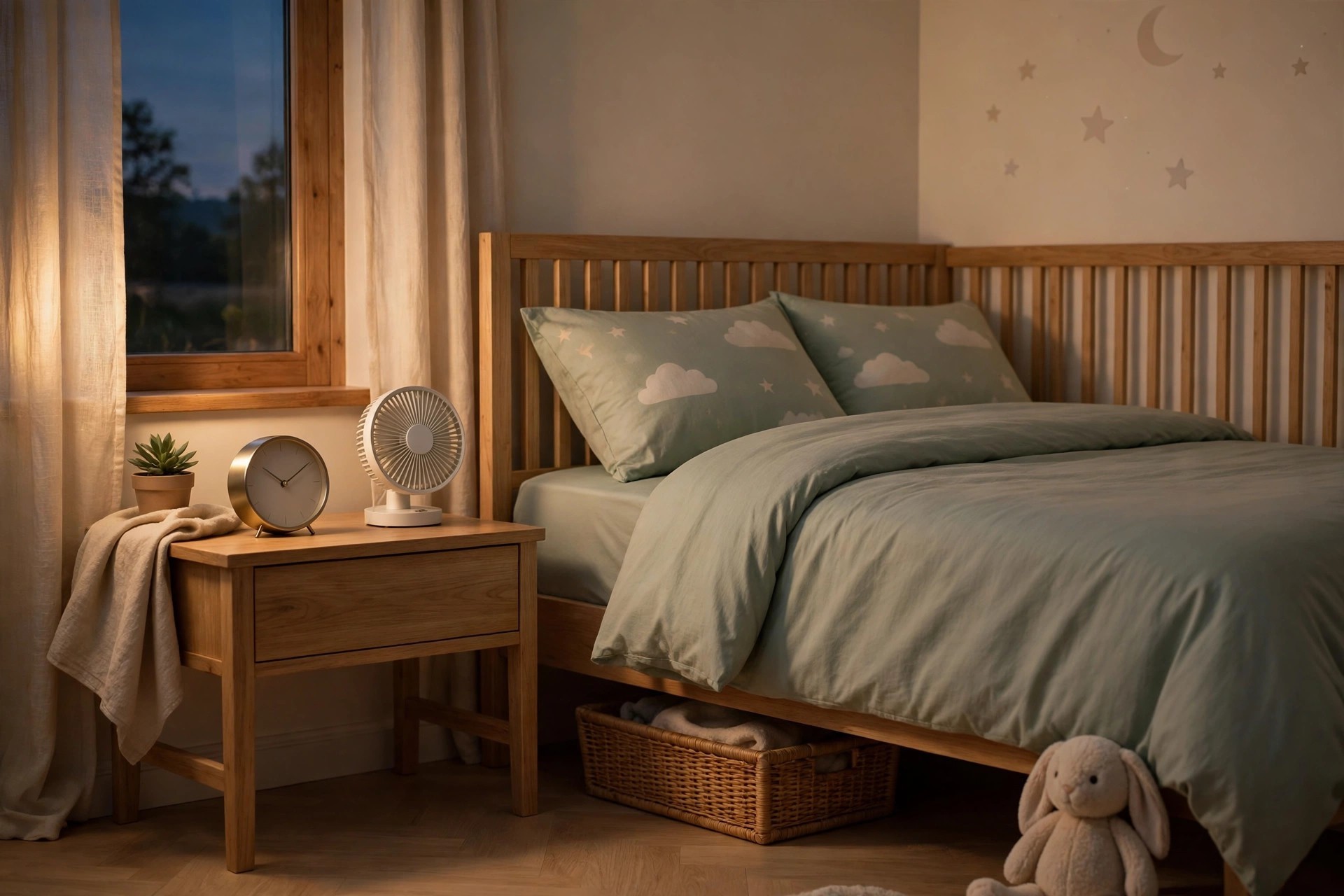
Bath, pajamas, teeth, book, lights out, in the old order, at the old time. Routine is a portable home a child carries inside themselves, and move night is when it earns its keep.
Read the usual book, or the current chapter of it, even if boxes still crowd the floor. Ten minutes of normal story time outweighs an hour of unpacking progress on the first night.
Say the same goodnight words your family always says. Small repeated phrases become anchors for kids. Hearing the usual words in a strange room tells them the important things did not change.
If the routine slips due to a late truck, keep the order even if the hour shifts. Order matters more than the clock for young kids. A late but normal sequence calms better than a rushed scramble.
8. Set Favorite Books in a Small Stack by the Bed
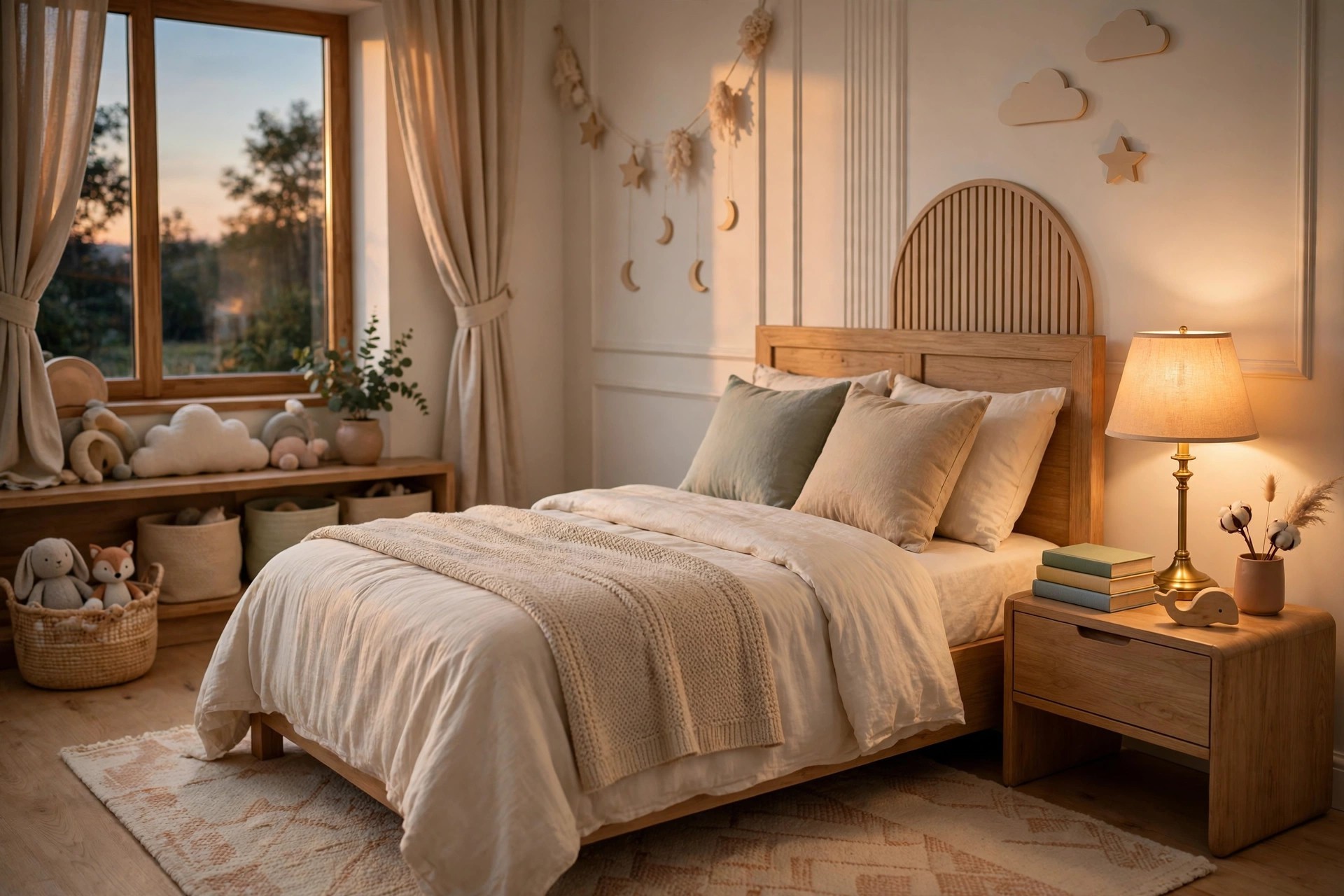
A tall bookcase can wait, but five favorite books cannot. Stack the most loved reads by the bed on night one, spines out, in the order the child likes them.
Familiar stories do double duty during move week. They fill the reading step of the routine and give calm daytime breaks when the house feels like a warehouse of boxes.
Let the child choose the five at the old house before packing. Choice gives control in a week when adults make every big call. Five self picked books on a new shelf is a small flag planted.
Restock the stack from book boxes as they open. Growing stacks show the room filling with their life again. Kids notice their things returning, shelf by shelf, and it reassures them daily.
9. Light the Way to the Bathroom and the Parents Room
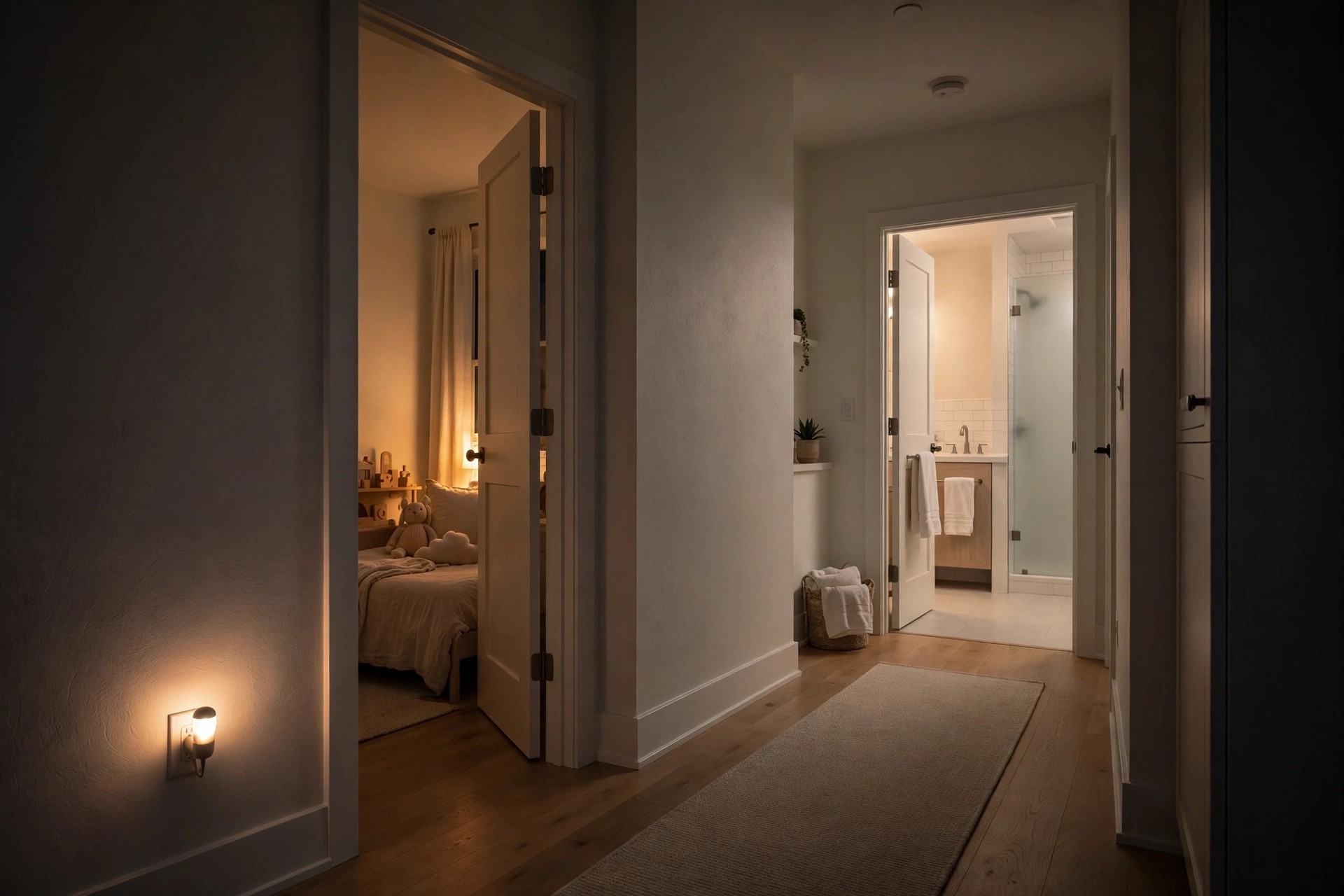
A new hallway at night is a dark river to a small child. Plug a soft light between the child room and the bathroom, and show the child the lit path before bedtime.
Walk the path together once, both ways, as a small adventure. Door to bathroom, bathroom to parents room, and back to bed. A walked path at seven in the evening is a known path at three in the morning.
Leave the parents bedroom door in its usual night position, open or ajar. A child who finds the expected door state feels the house rules survived the move. Small consistencies stack into real security.
Keep the path clear of boxes from the first evening onward. Move boxes love hallways, and a blocked path at night frightens children and trips adults. Clear halls are a safety rule, not a tidiness one.
10. Run Pajamas and Morning Clothes From One Open Suitcase
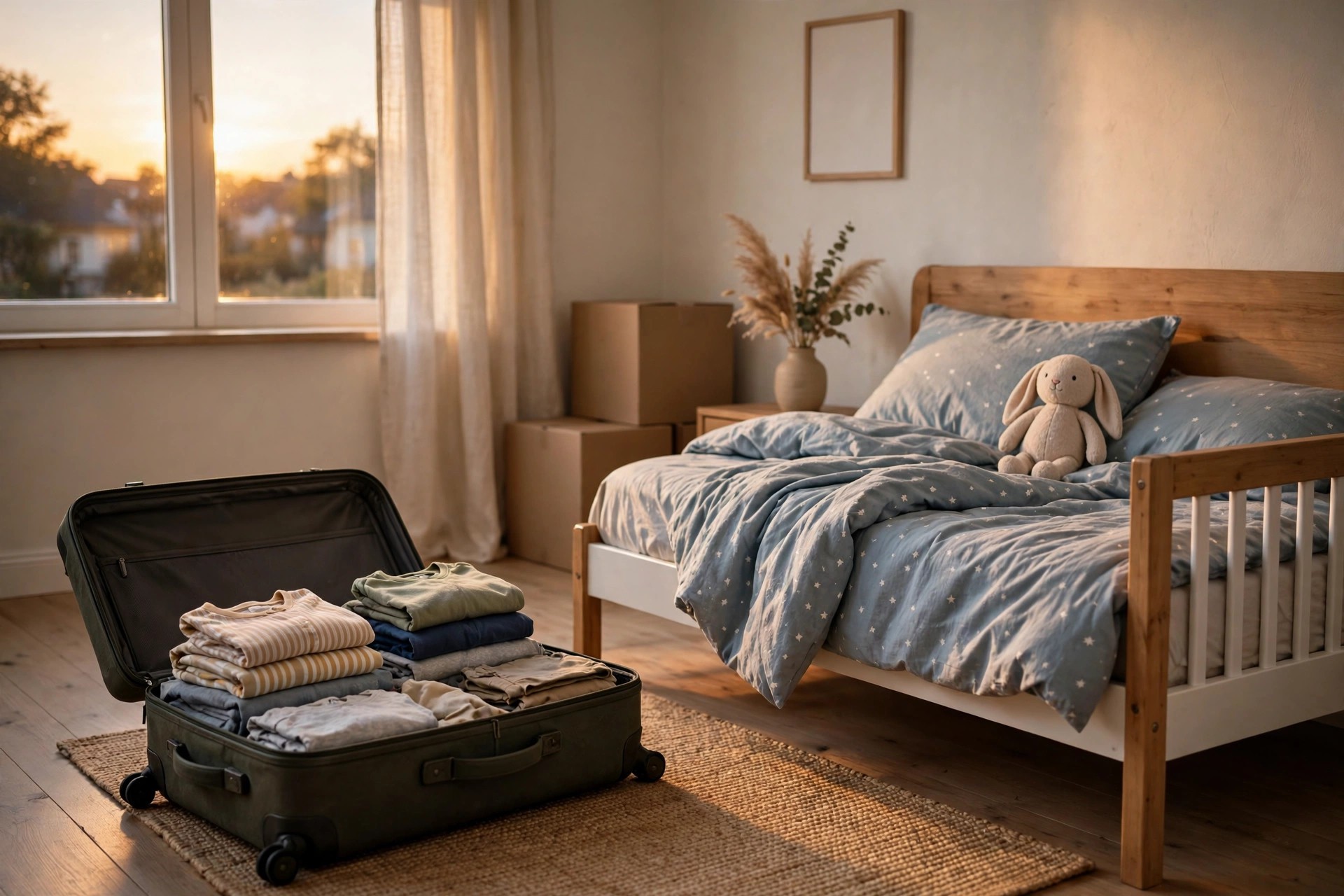
Dressers may not be built or filled for days. One open suitcase or laundry basket, holding pajamas and two days of clothes, gives the child a simple station they can work themselves.
Place the station where the dresser will live later. Habits formed in week one stick, so the clothes spot should sit in its long term home from the start.
Let the child pick tomorrow outfit each night from the station. The small ritual replaces the lost feeling of a known closet. It also ends morning box digging, which frays everyone patience fast.
Top up the station from clothing boxes as they open, rather than refilling it all at once. A station that grows slowly stays tidy. A dumped box of clothes becomes a floor pile by day two.
11. Open One Toy Box and Leave the Rest Packed
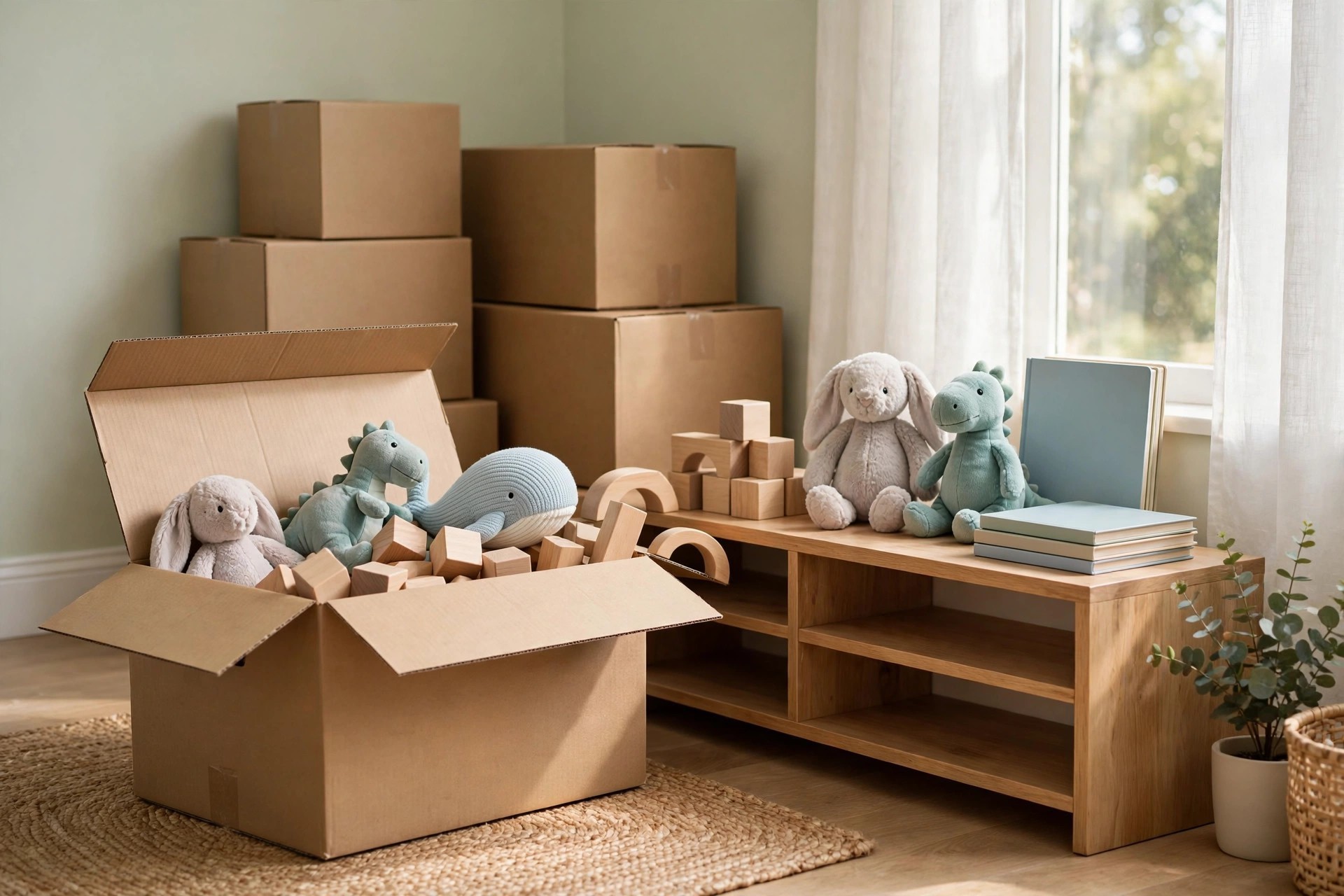
A room buried in every toy at once overwhelms a tired child. Open one box of favorites on day one, cars, dolls, blocks, whatever earns the title, and leave the other boxes closed and stacked neatly.
One box of loved toys makes the room playable at once. Play is how children test a new space and decide it is friendly. A playable room on day one speeds the whole settling process.
Open one more box every few days, like a slow gift season. Each opening renews interest in the room and spreads the work for parents. Rushing all boxes open on day one helps no one.
Keep the empty boxes out of the bedroom as you go. Cardboard towers make a room feel temporary and camp like. A room losing its boxes day by day starts to feel like a real home.
12. Keep Window Coverings Simple for the First Nights
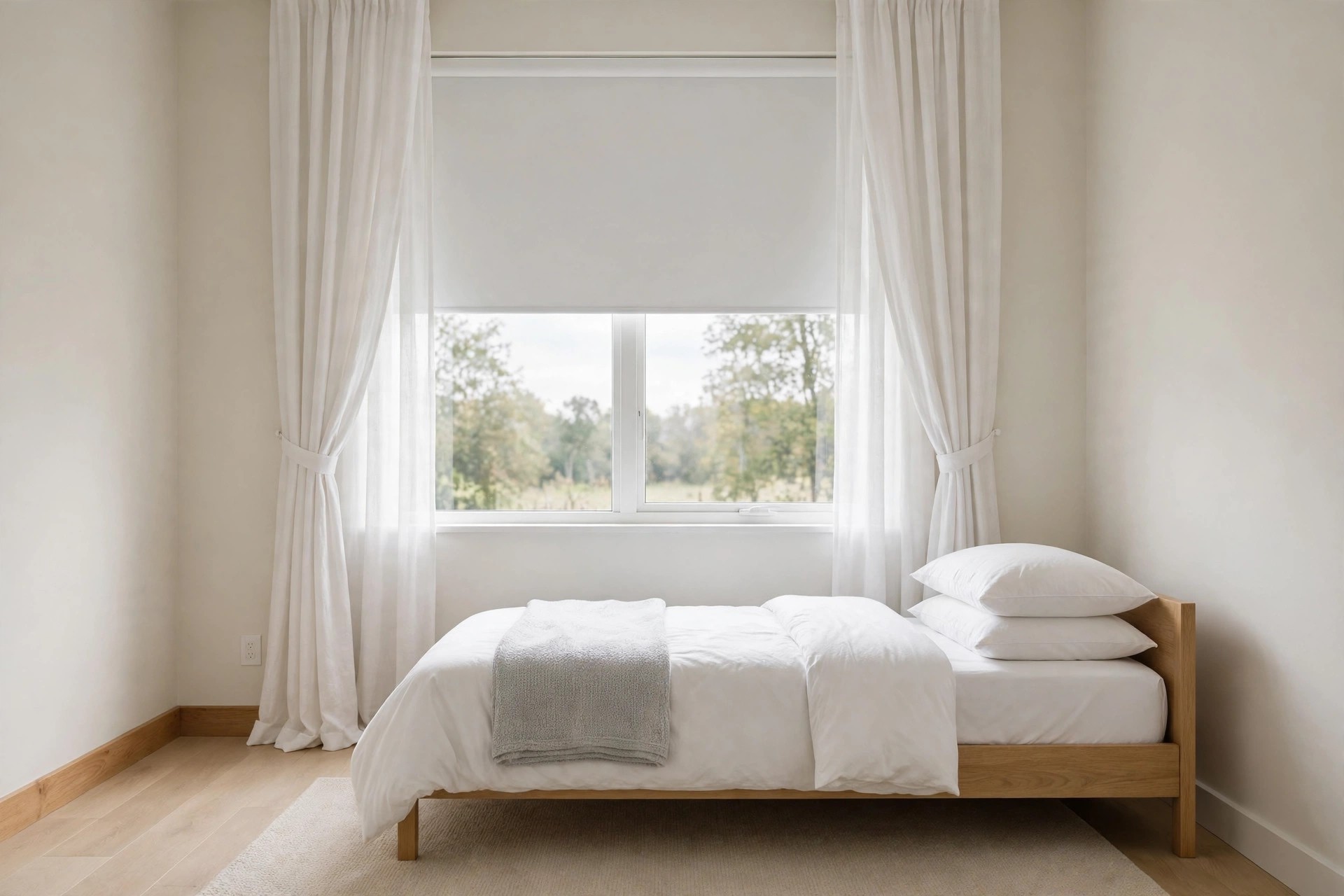
New rooms often lack curtains on night one, and summer or street light can wreck sleep. Hang a blanket, a sheet, or the old room curtains on a quick rod or clips as a stand in.
Dark sleep matters more than pretty windows during move week. A child who sleeps long and deep copes with change twice as well the next day. Cover the glass, skip the styling, rest first.
Match the old room darkness level if you can. A child used to a dark room wakes early in a bright one, and early waking in a strange house often comes with tears.
Plan the real curtains for week two, with the child choosing the color. A pending choice gives them something to look forward to in the room, a small future plan planted in a new place.
13. Make One Happy First Memory in the Room
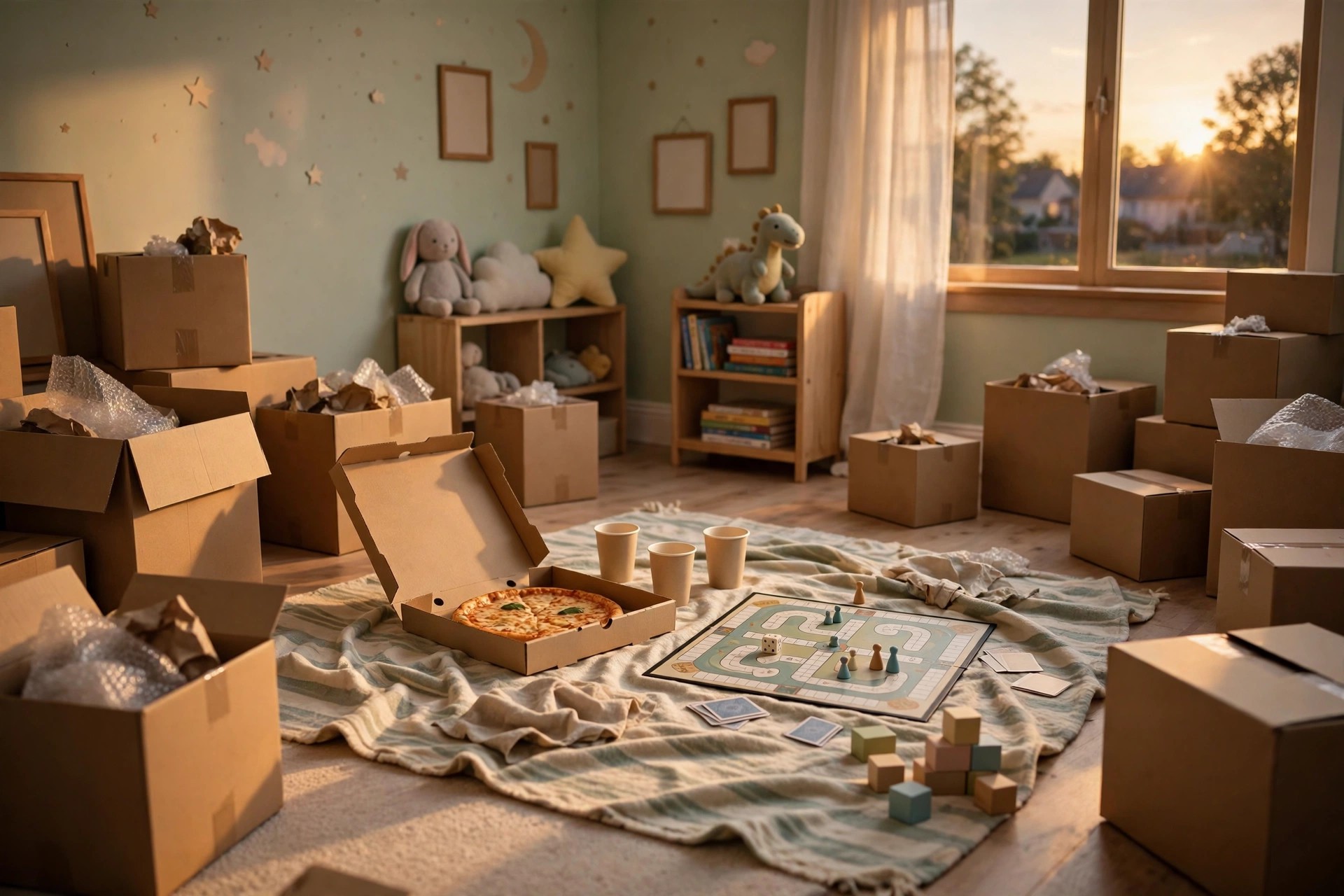
First memories stick, so plant a good one on purpose. A pizza picnic on the new floor, a family card game on the bed, or hot drinks and a story for everyone in the child room works well.
Take one photo of the moment, boxes and all. Years later that photo tells the move story warmly. Children who see move photos full of smiles remember the move as an adventure, not a loss.
Keep the mood light and the hour short. Tired parents faking long fun fool no one. Twenty happy minutes beat an hour of forced cheer, and bedtime still lands near the usual time.
Repeat a smaller version the next night if the child asks. A second picnic turns a one off treat into an early tradition. Traditions are how a new house becomes our house in a child mind.
14. Leave One Wall or Corner for the Child to Plan
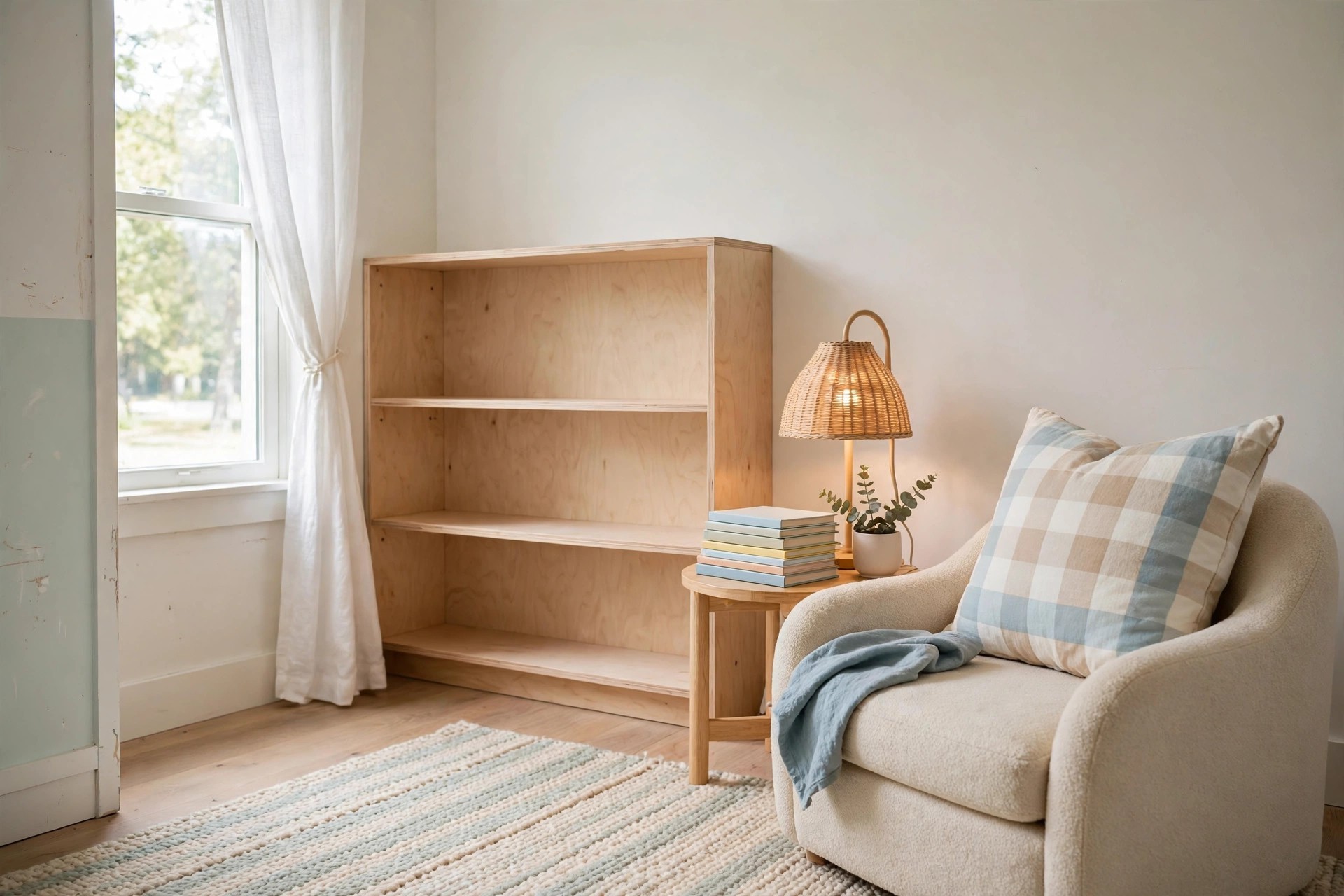
Total adult control makes a new room feel assigned, not owned. Leave one wall, a corner, or the space above the desk for the child to plan over the coming weeks.
Talk plans at breakfast, not at bedtime. Daytime planning feels exciting, bedtime planning can spin into worry. A drawing of their plan, pinned by the bed, turns waiting into looking forward.
Honor the plan when the time comes, within reason and house rules. A child whose plan happens learns the new home listens to them. That lesson settles a child deeper than any decor can.
Older siblings can plan alongside with their own corners. Our teen girls bedroom decor ideas give older kids a starting board of ideas when their new room planning begins in earnest.
15. Do a Calm Room Check Together Before Lights Out
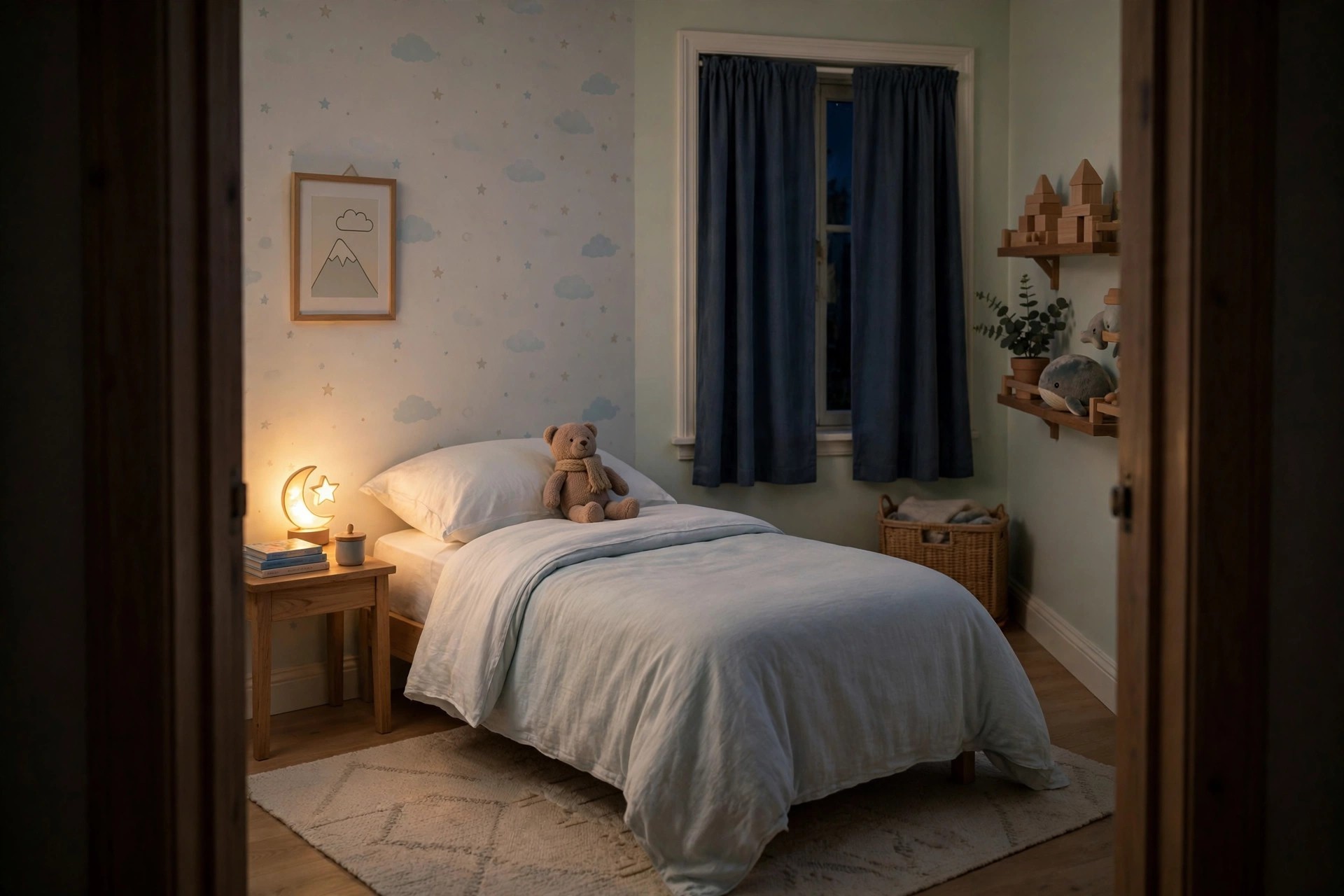
End day one with a slow walk of the new room together. Bed made, night light on, books stacked, toy box open, path to the bathroom lit. Naming each ready thing out loud settles both child and parent.
Let the child test everything: lie on the bed, switch the night light, walk the hall path. Tests turn unknowns into knowns. A room that has been tested feels far less strange than a room only seen.
Ask what one thing would help tomorrow night feel even better, and write it down. A heard child sleeps easier, and the note gives parents a clear first job for day two.
Save this list to your moving board, and pack the first night bag this week while the old room still stands. Night one will come fast, and the familiar things do the heavy lifting.
Old bedding, the same night light, and the usual routine beat new furniture on night one, every time. Set the bed up first, light the hall path, and let paint and new decor wait for week two.
A child who sleeps well the first night wakes up ready to like the new house. Save this list to your moving board, and start the first night bag before the first box gets taped.


