

Guest Bed Options Compared: Sofa Bed vs Daybed vs Air Mattress in 15 Checks
Three beds can all sleep a guest tonight, and still suit three completely different homes, because the right choice depends on the room, the routine, and the length of the stay.
A sofa bed is furniture first, a daybed is a bed that sits like a sofa, and an air mattress is a bed that vanishes into a closet between visits.
This guide to guest bed options compared runs the three through fifteen plain checks, from sleep surface and open footprint to morning put away time and yearly upkeep.
No single winner waits at the end. Instead, each check hands a point to the bed that earns it, and the pattern of points points to the bed your house actually needs.
Measure your room before you start, note the open size of each option as you read, and keep your real hosting pattern in mind rather than the one you wish for.
This post contains affiliate links. If you buy through them, we may earn a small commission at no extra cost to you. See our Affiliate Disclosure.
1. How Often You Host Decides Most of It
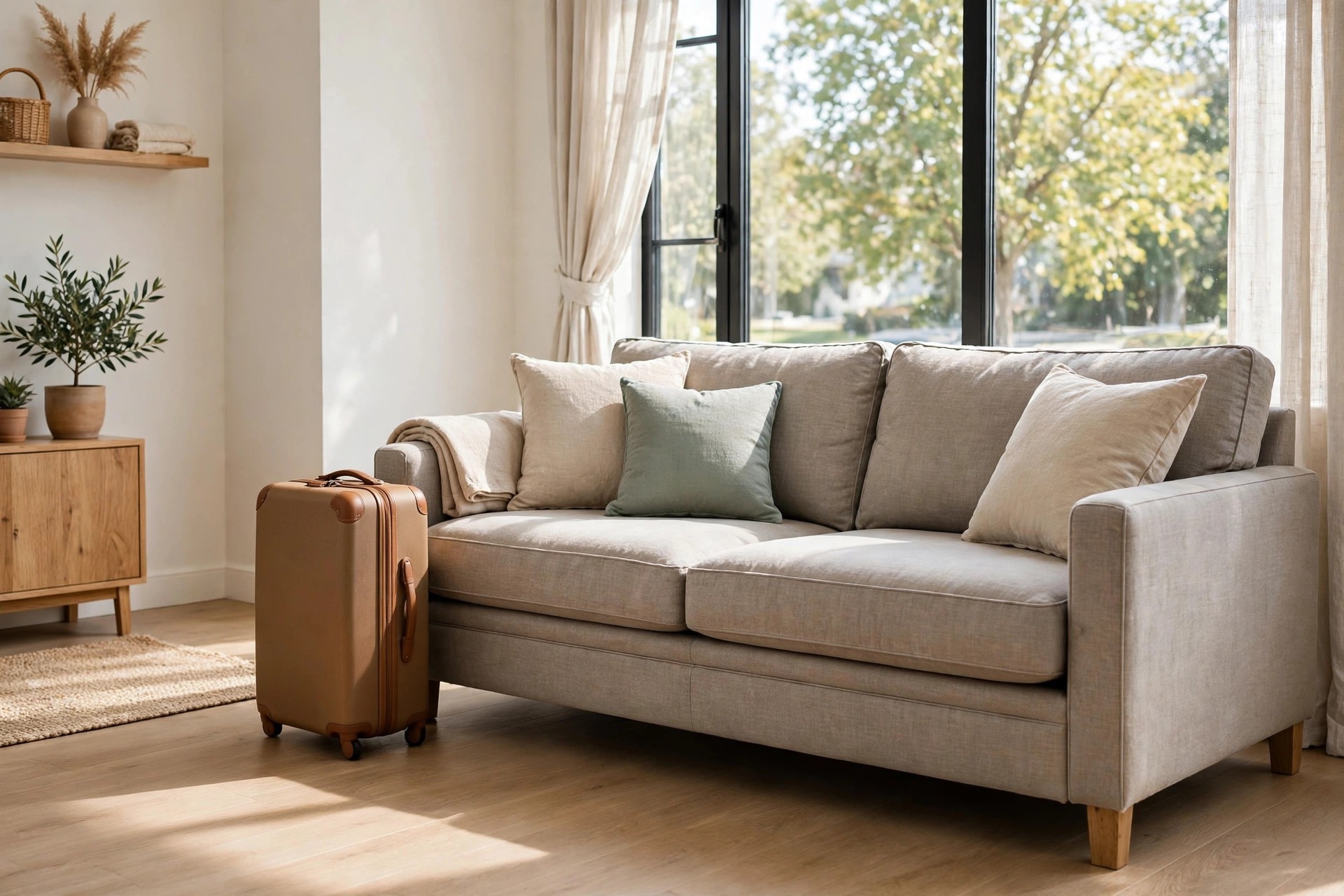
Start with the calendar, not the catalog. Count last year’s guest nights honestly: two weekends, a long holiday stay, or a steady stream of family through the year.
An air mattress earns its place at the low end of that count, where a bed used four nights a year should not claim floor space for the other three hundred plus.
A daybed suits the middle pattern, regular guests in a room that stays a bedroom. A sofa bed suits homes where the guest space must work daily as seating too.
Holiday surges count as their own pattern, and our first thanksgiving hosting ideas show how one busy week can stretch every bed in the house at once.
2. The Sleep Surface, Checked Side by Side
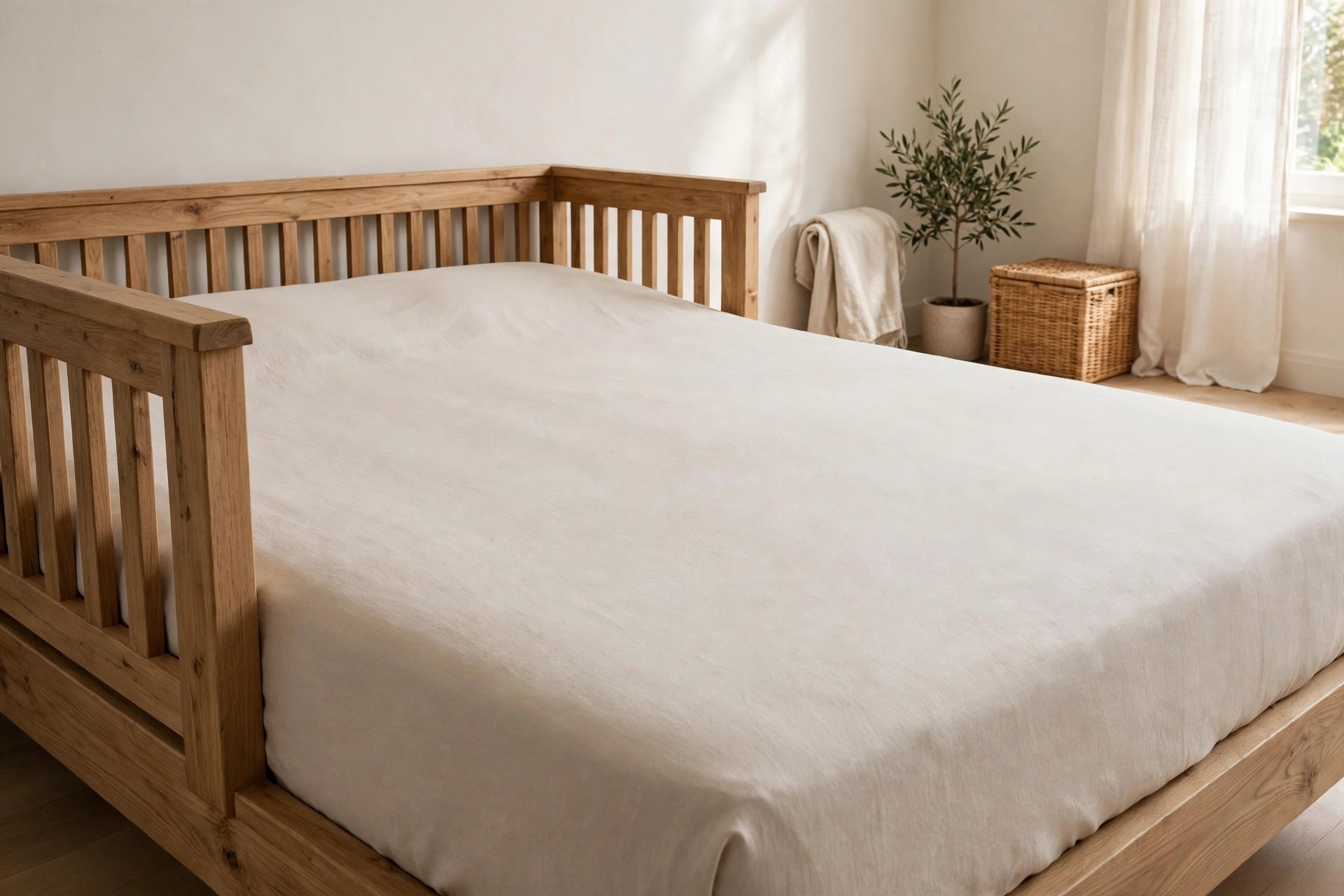
A daybed sleeps a guest on a standard single mattress, the same surface as a real bed, so it feels familiar from the first night and needs no getting used to.
A sofa bed folds its mattress in two or three sections inside the frame. Thinner sections and a bar or hinge line can be felt on some models more than others.
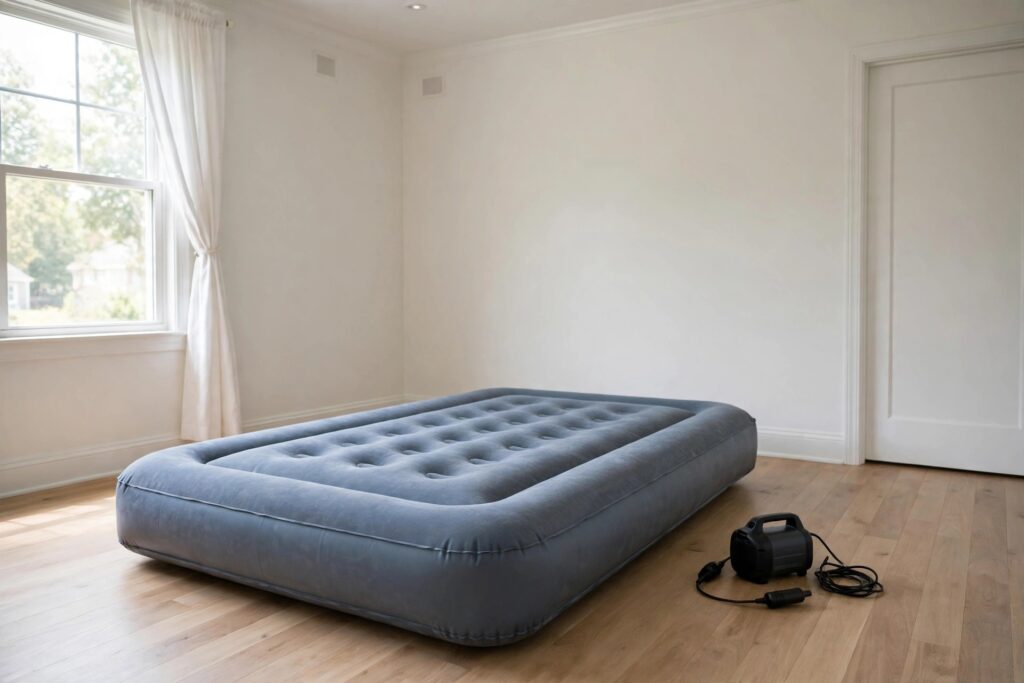
An air mattress gives a smooth, even surface whose firmness you set with the pump, though its feel changes a little as the room cools and the air inside settles overnight.
For a guest staying a week, surface honesty matters most, and the daybed leads this check. For one or two nights, all three surfaces can serve a guest perfectly well.
3. Space Taken Up While Open for the Night
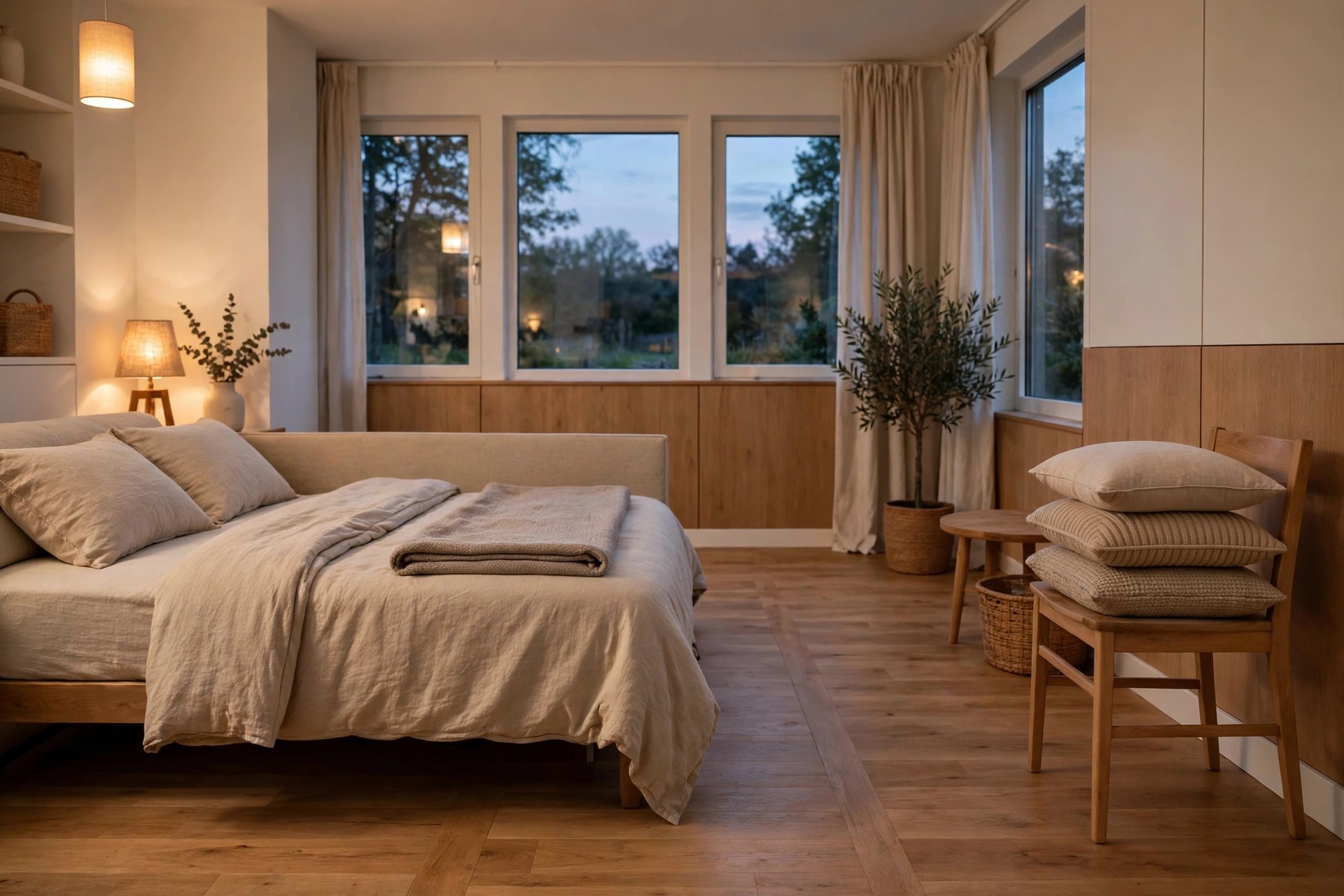
Measure each bed open, not folded, because the open size is the one your room must hold at midnight with a suitcase, a chair, and a walking path beside it.
A sofa bed opens forward from its seat, roughly doubling its depth, and it needs that clear floor in front every single night it hosts, with no coffee table sitting there.
A daybed takes no extra floor at all when in use. Its sleeping footprint is its daytime footprint, which makes it the calmest choice in a small spare room.
An air mattress claims its full size wherever you lay it, often in the middle of a living room floor, so the room gives up its center for the night entirely.
4. Space Taken Up the Rest of the Month
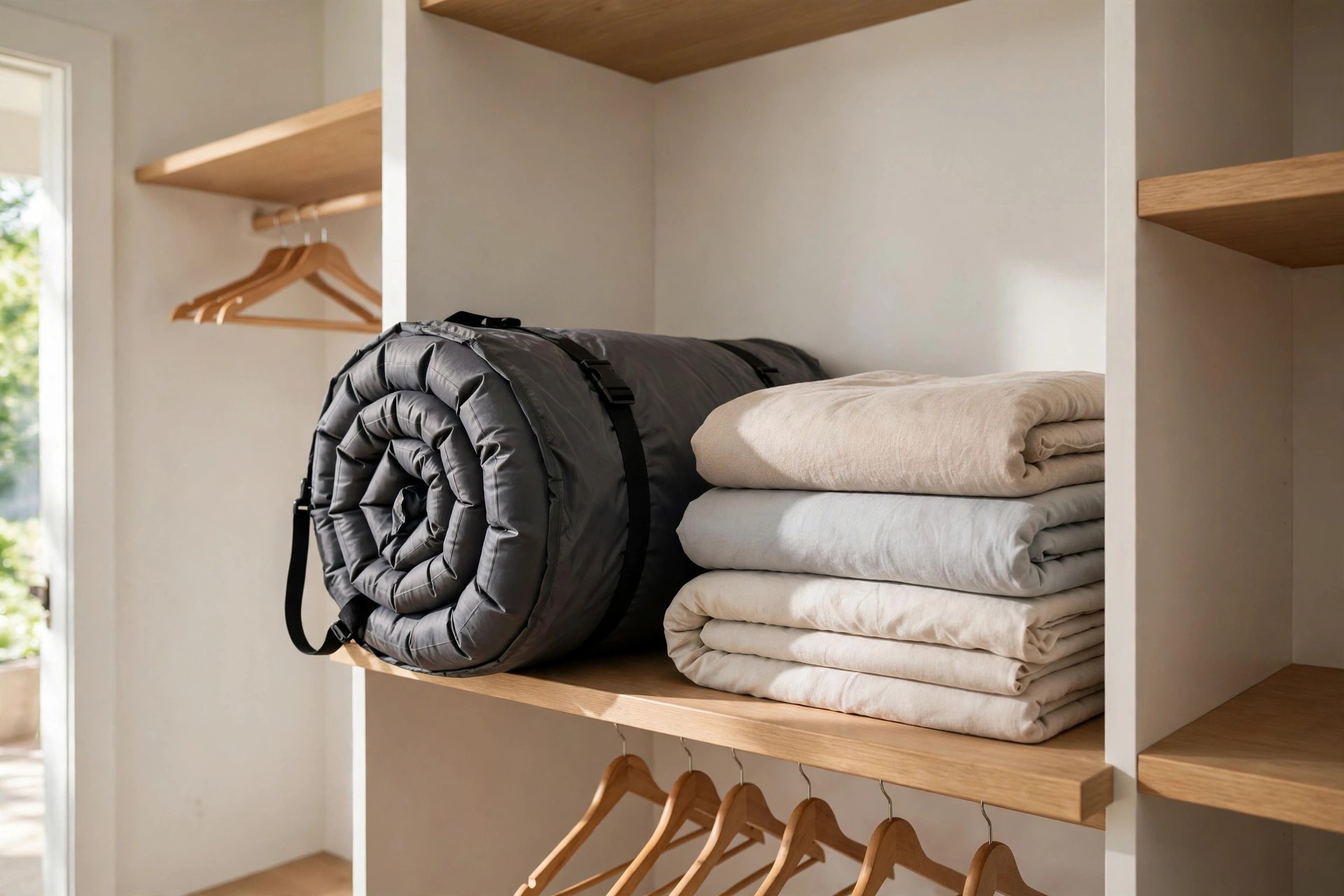
Now reverse the question: what does each bed cost the room on the twenty something nights a month when nobody is sleeping on it at all?
The air mattress wins this check outright. Deflated and rolled, it lives on a closet shelf or in a storage box, and the room forgets it exists between visits.
A sofa bed keeps its bed hidden but stays a full sofa all month, which is no cost at all if the room needed a sofa in the first place.
A daybed stays a bed shape all month too. In a spare room that is fine, and in a shared room it asks the space to admit a bed lives there permanently.
5. The Daytime Job Each Bed Does
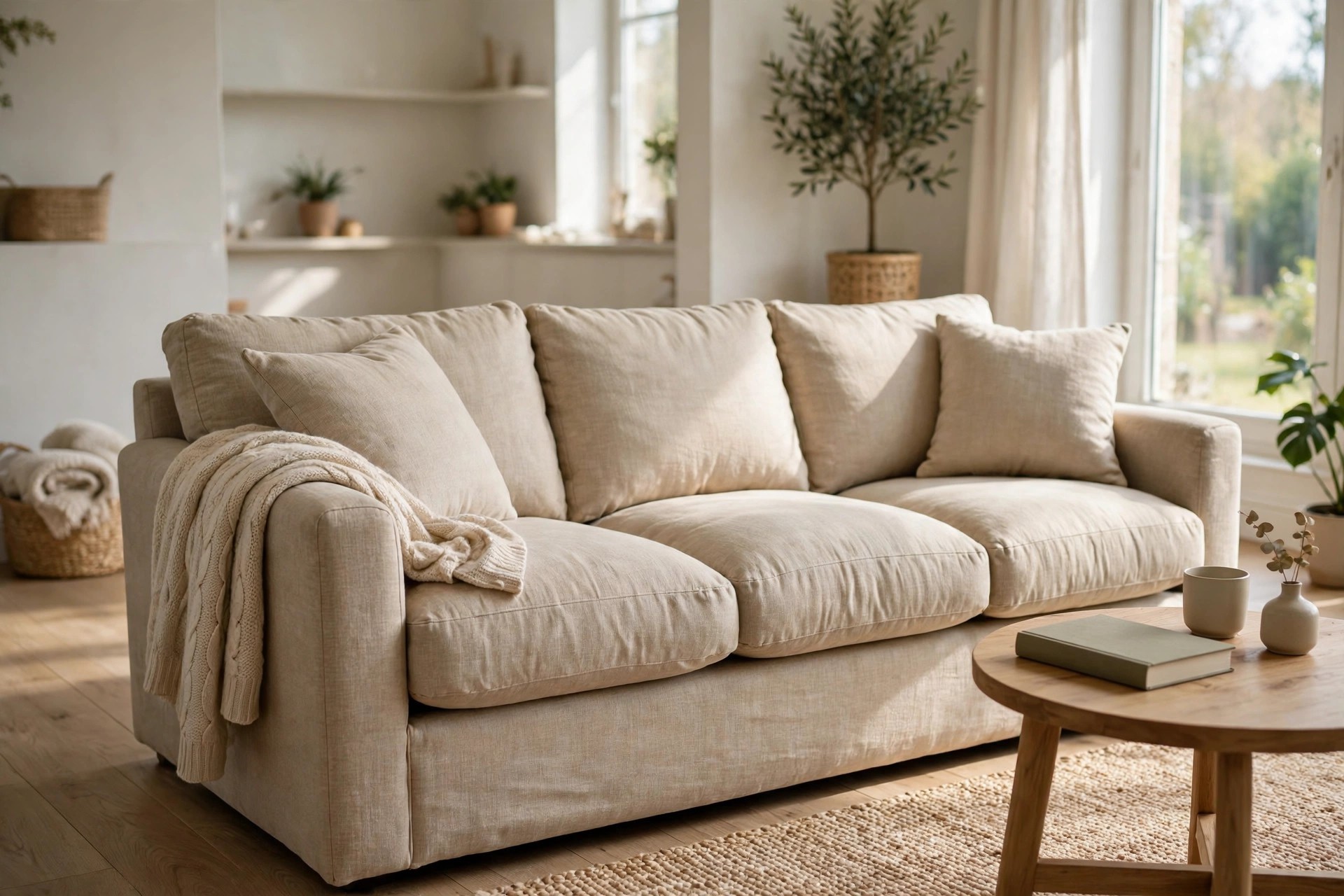
A sofa bed does the strongest daytime job: real seating for real evenings, with arms, back cushions, and a place in the room’s main conversation layout.
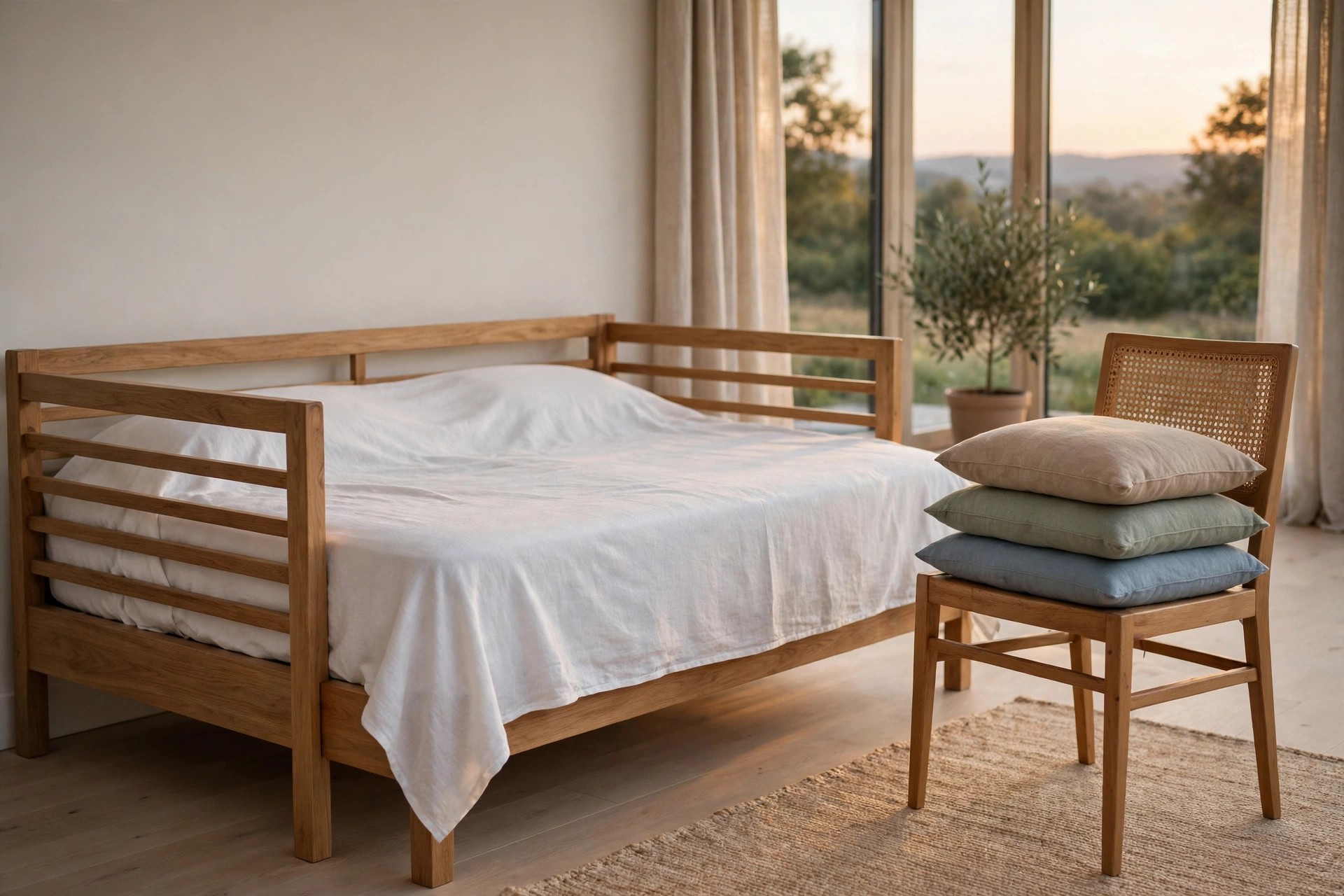
A daybed does a lighter version of that job. Dressed with cushions along its back rail, it seats guests for reading or talking, in the style of the rooms in our guide to daybeds for overnight guests.
An air mattress does no daytime job at all, and that is its own kind of virtue in a small home: nothing to style, nothing to walk around, nothing to explain.
Choose by the room’s honest daily life. A home office that hosts twice a year needs its floor back, while a den used every evening needs its sofa far more.
6. Evening Setup, Timed Honestly
Setup decides how hosting feels at ten at night, so picture each changeover at the end of a long day, with a tired guest standing in the doorway holding a bag.
A daybed is ready in minutes: cushions off, bedding on, done. There is no mechanism, no pump, and nothing to unfold, which is why hosts with weekly guests love it.
A sofa bed takes a few minutes more: cushions moved, frame pulled out and leveled, mattress unfolded and dressed, as hosts in our sofa bed living room ideas know well.
An air mattress needs its pump time and its bedding after that, plus a floor cleared first. It is simple work, but it happens in full view of the guest waiting.
7. Morning Put Away and the Room Reset
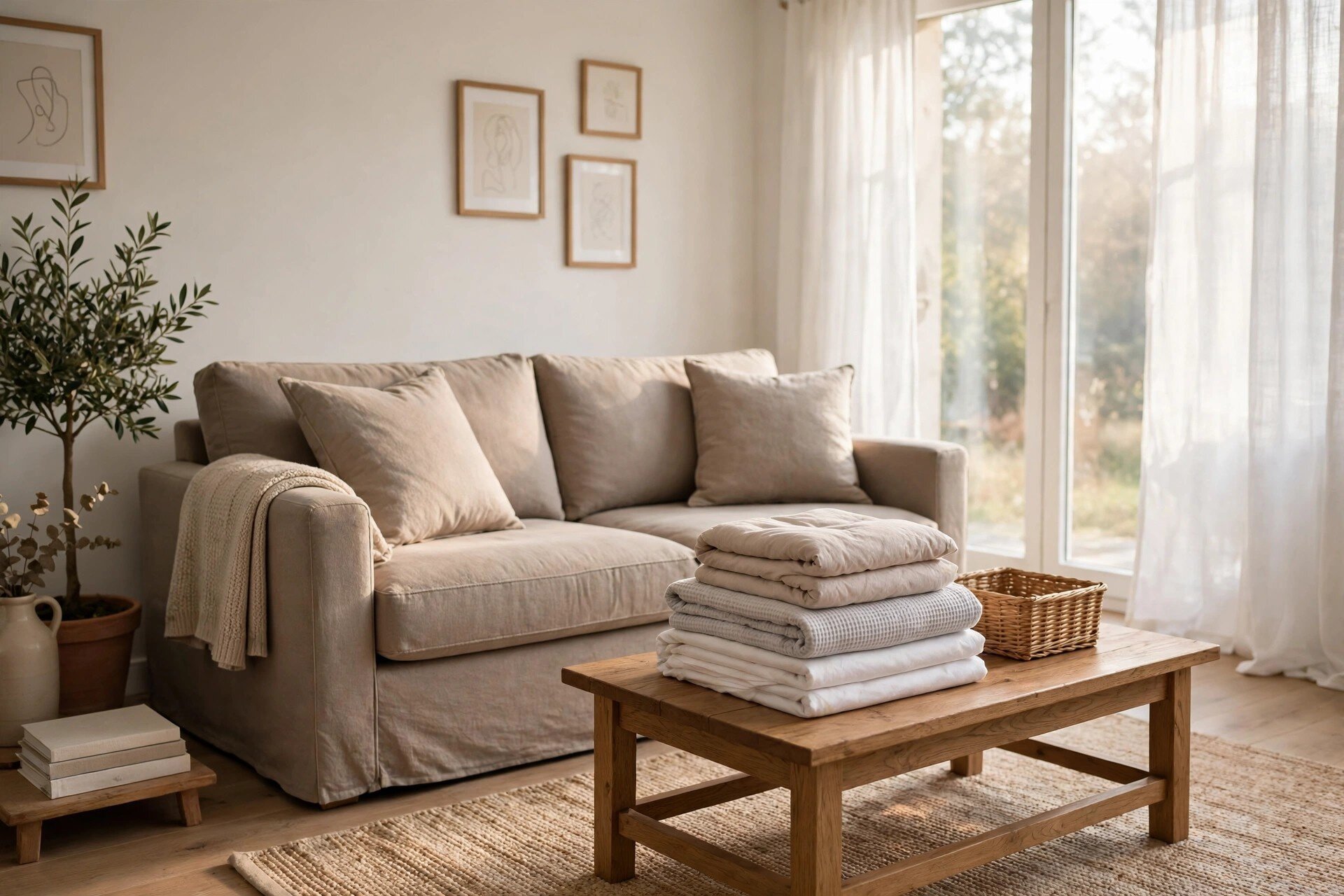
Morning tells the other half of the story. A daybed is re-dressed in two minutes, cushions back along the rail, and the room looks like itself again before breakfast.
A sofa bed asks for bedding stripped or folded inside where the model allows, the frame closed carefully, and the seat cushions replaced, a small routine that becomes quick with practice.
An air mattress takes the longest reset: bedding off, air out fully, then rolling or folding tight enough for its closet spot, which rewards hosts who learn its one neat fold.
If your guests stay a week, daily reset barely matters, since the bed stays open. If they stay one night at a time, this check may outweigh the sleep surface itself.
8. Room for Two Guests, or Just One
A daybed sleeps one guest on its standard single mattress. Some frames add a pull out trundle beneath, which sleeps a second guest at floor level when the room allows it.
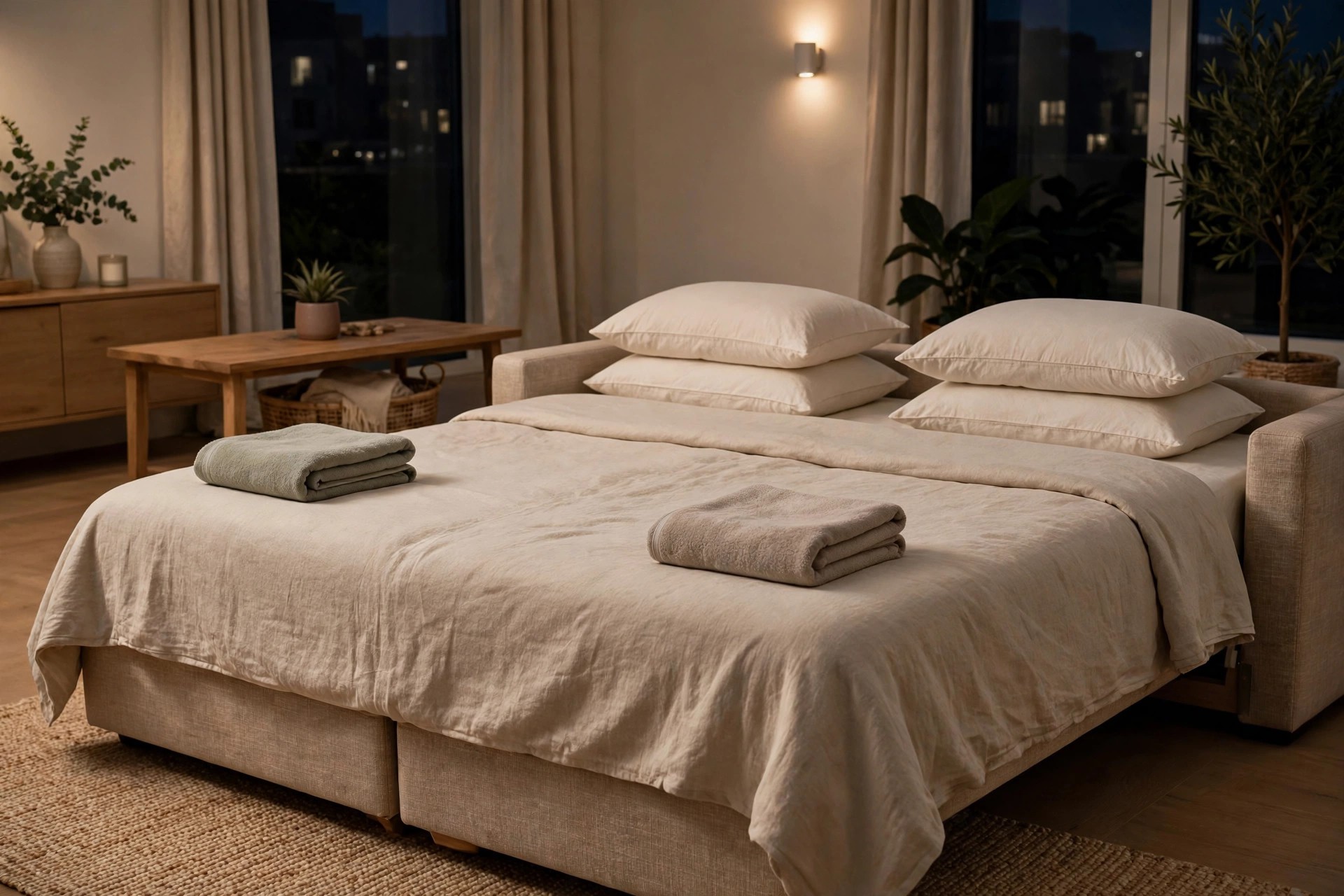
A sofa bed in a full sofa width usually sleeps two, on a surface narrower than a home double bed but wide enough for a couple on a short stay together.
An air mattress comes in single and double widths and can be chosen to match the guest list, with two singles offering restless sleepers more peace than one shared double.
Homes that host couples often should weigh this check heavily. Homes that mostly host one parent, one friend, or one grandchild at a time can let it go entirely.
9. The Best Length of Stay for Each Bed
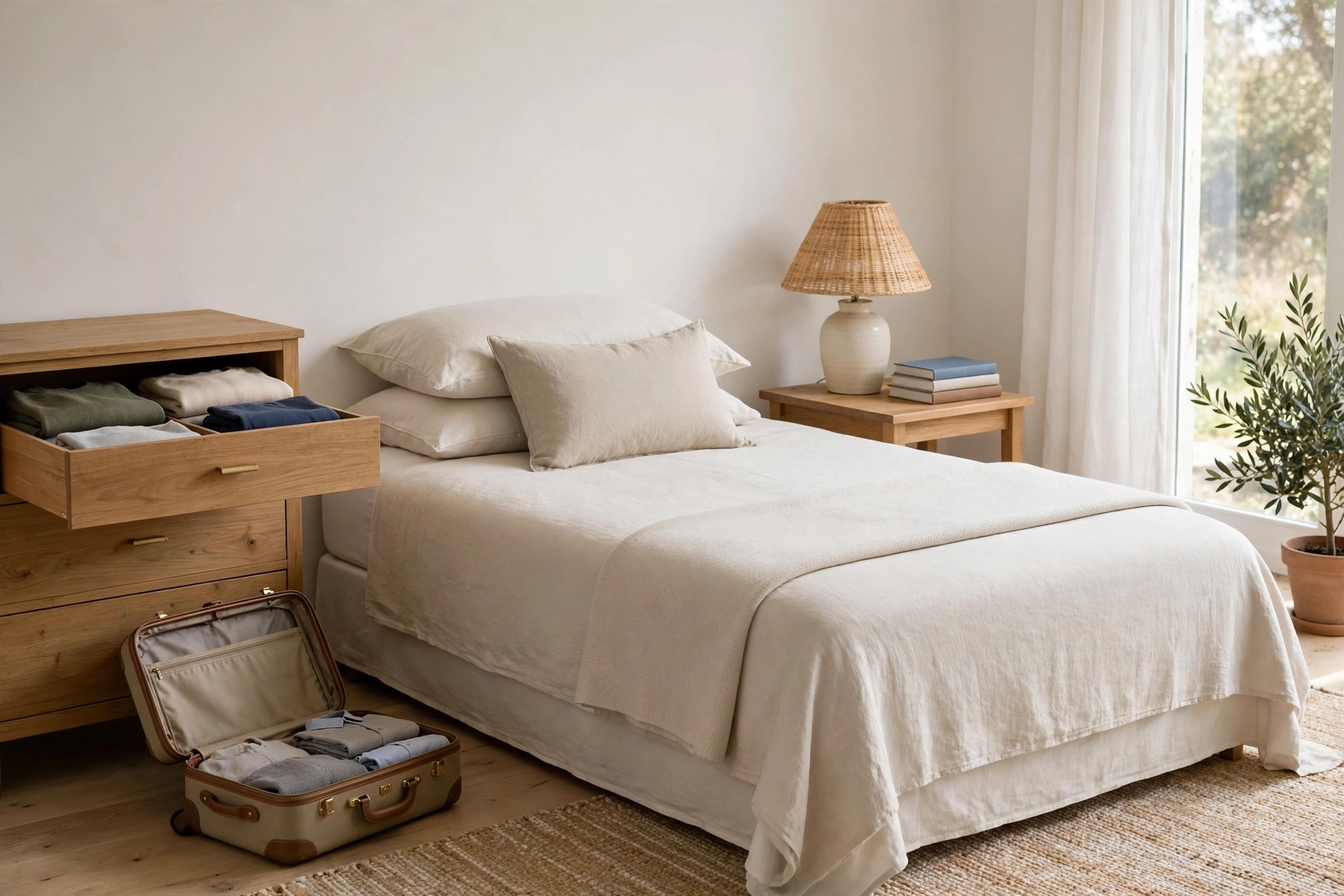
Match the bed to the stay, not the arrival. One night forgives almost anything comfortable and clean, while a week’s stay tests every seam, slope, and squeak nightly.
The daybed handles the long stay best, because nothing about it degrades across nights: no air to top up, no fold line to notice more on night five than night one.
The sofa bed suits the long weekend well, two to four nights, where its furniture value shines and its folded mattress has too few nights to become the story of the visit.
The air mattress is the honest one night to two night choice. Beyond that, most hosts and guests both do better with a surface that was built to stay open.
10. Height Off the Floor at the Bed Edge
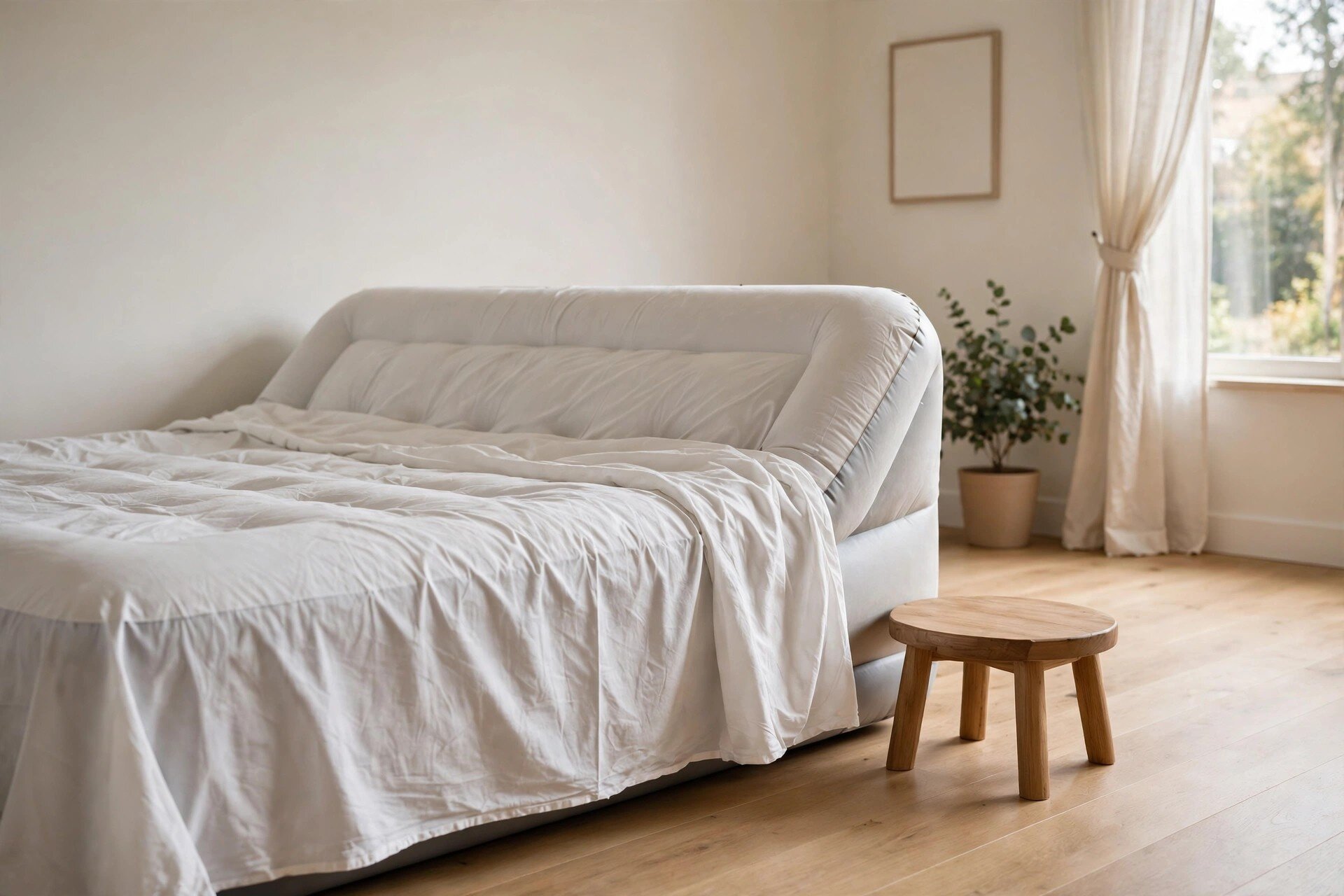
Sit on the edge of each bed in the store or at home and notice your feet. A daybed sits at normal bed height, so sitting, standing, and turning in feel familiar.
A sofa bed sits lower once open, since its mattress rests on a frame inside the sofa base, and its edge can feel soft where the seat cushions used to be.
An air mattress varies the most: low models rest near the floor, while raised models reach near bed height and are far kinder to anyone who dislikes sleeping low.
This check matters for older guests and for anyone who simply rests better at a height they know. When in doubt, choose the height your most regular guest prefers.
11. The Bedding Each Option Takes
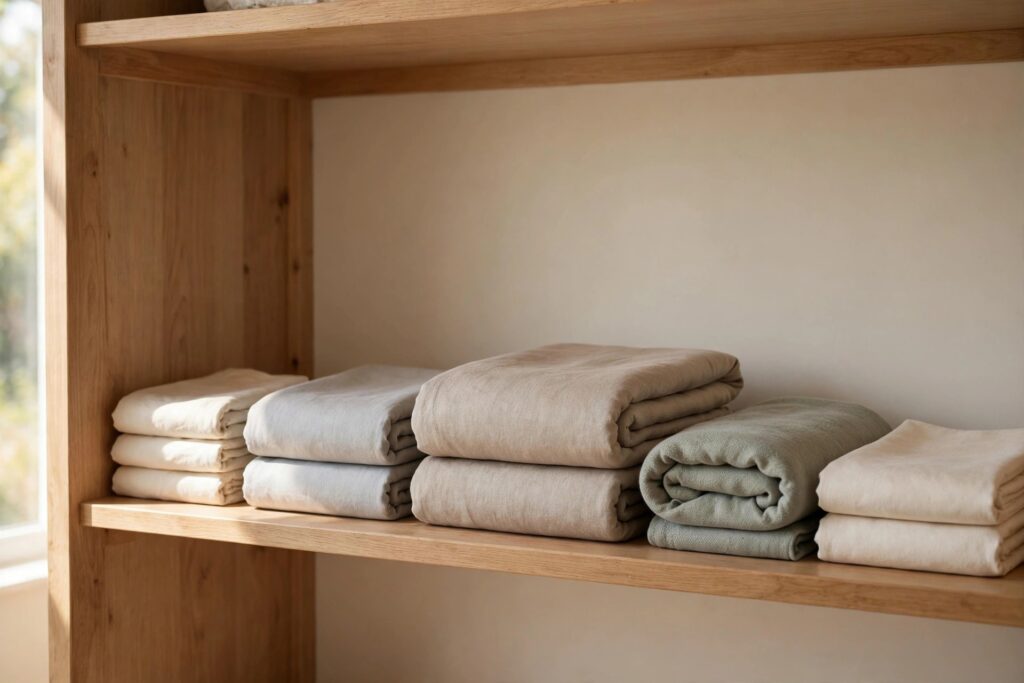
A daybed takes standard single sheets and a normal blanket or duvet, washed and stored with the rest of the house linen, with no special sizes anywhere in the routine.
A sofa bed takes sheets sized to its thinner mattress, and bulky duvets can fight the folding frame, so flatter layers that fold or remove cleanly serve it best of all.
An air mattress takes standard sheets in its width, though deep fitted corners grip better on its smooth sides, and a soft topper layer evens out its cool, smooth feel.
Whichever bed wins, keep its bedding together as one labeled set. Hosting stays calm when the right sheets come out of the closet in a single armful every time.
12. Storage Each Bed Gives or Needs
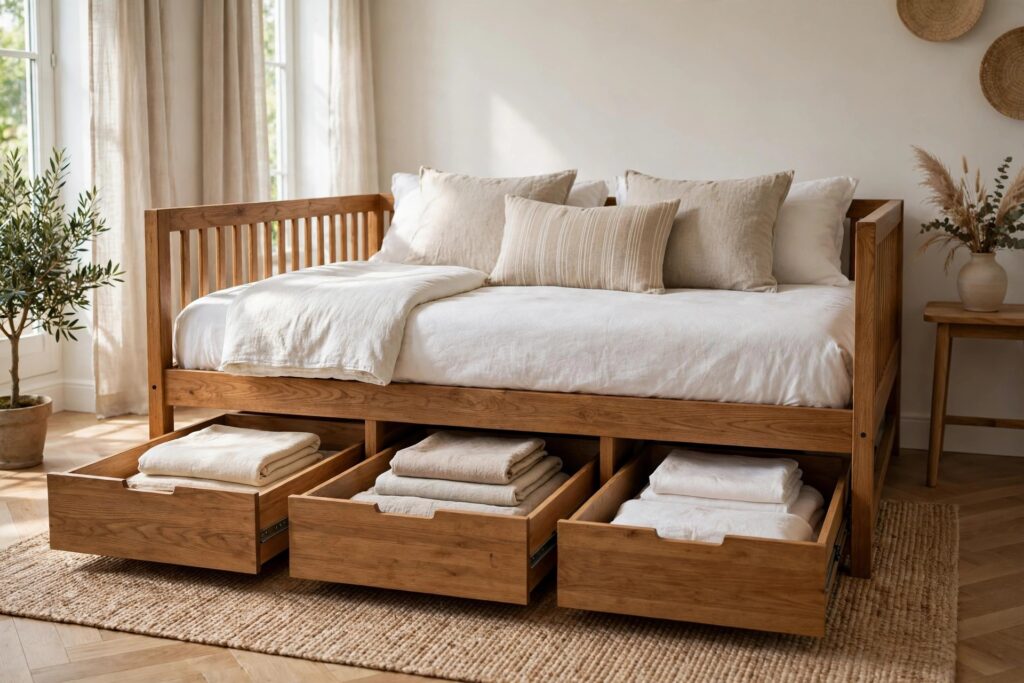
A daybed can give storage back: many frames hold drawers beneath, or open space for spare bedding boxes, which is rare generosity from a piece of guest furniture.
A sofa bed gives no storage and asks for a little: its cushions need a corner to stand in overnight, and its bedding needs a shelf or box of its own nearby.
An air mattress needs the least room of all when stored, a single shelf, but it gives nothing back during the stay, and its pump and repair kit should live beside it.
Count storage honestly in a small home. A bed that stores the spare blankets under itself may beat a smaller bed that pushes those same blankets into your only closet.
13. Moving and Repositioning Around the House
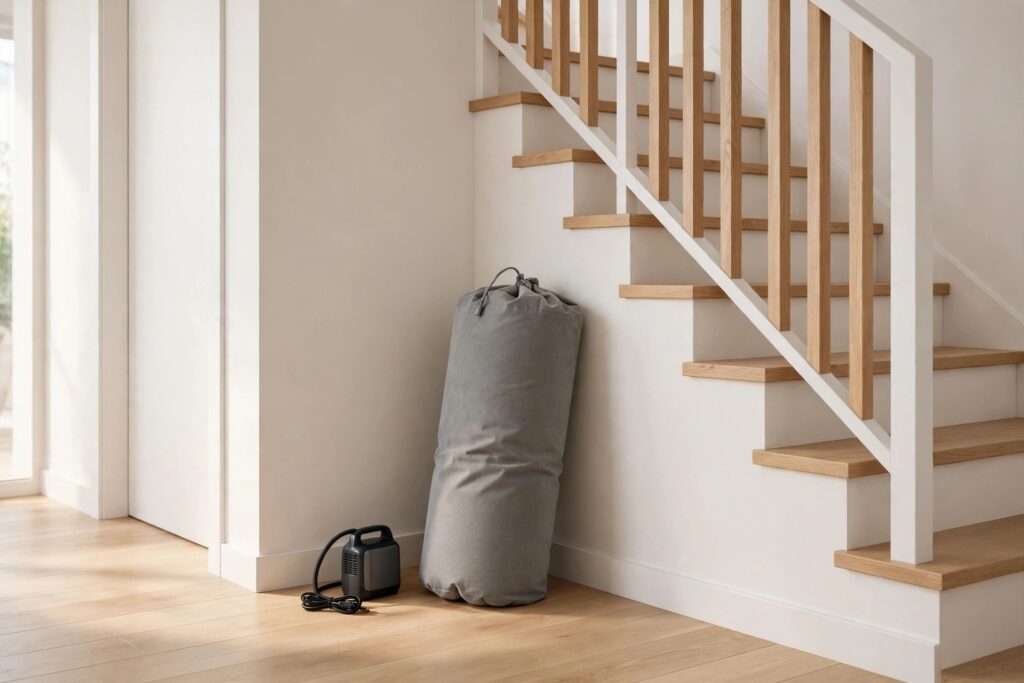
An air mattress moves anywhere in one trip: up stairs, across the hall, into a child’s room for a sleepover, or to another home entirely, carried under one arm.
A daybed moves rarely and with effort. Its frame comes apart for a house move, but nobody shifts it between rooms for a single weekend, so its first position must be right.
A sofa bed is the heaviest of the three, since it carries a full sofa and a folding frame together, and door widths should be measured before it ever arrives at the house.
If your hosting moves around the home, with guests in different rooms across the year, portability may decide this whole comparison before comfort even enters the discussion.
14. Upkeep Checks Through the Year
A daybed asks the least upkeep: turn its mattress now and then, wash its bedding, and tighten frame bolts once a year, the same routine as any bed in the house.
A sofa bed asks a little more: vacuum its fold, check the mechanism for smooth travel, and keep bedding stored so the frame closes without forcing anything shut.
An air mattress asks for small, regular honesty: inflate it before a visit rather than during one, check seams and the valve, and store it dry, loosely rolled, away from sharp edges.
None of these routines is hard, but the skipped one always shows itself at bedtime. Put the check for your chosen bed on the calendar twice a year and forget it otherwise.
15. The Room Each Bed Belongs In
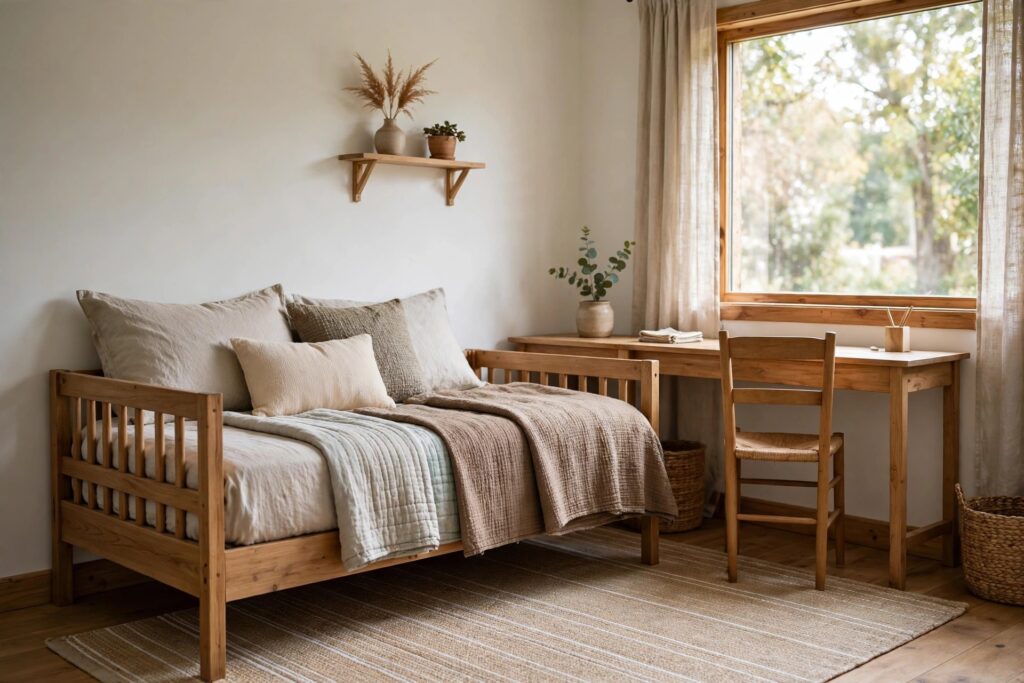
The pattern is now clear. The daybed belongs in a spare room that hosts often, where a real mattress and a two minute reset repay their floor space every week.
The sofa bed belongs where seating rules the day: a living room, den, or office that must earn its keep daily and host kindly at night, like the rooms in our multi-purpose guest bedroom ideas.
The air mattress belongs in the home with no spare room at all, where a stored bed and a cleared floor beat no guest bed, every single time a visit is offered.
And if your guest space sits open to the house with no door, read our guide to adding privacy to a guest space with no door before the first night on any of the three.
Fifteen checks, and the winner changes with the house: the daybed for the busy spare room, the sofa bed for the room that seats all day, the air mattress for no spare room.
Run your own count before you buy, using your room sizes, your guest pattern, and your most regular visitor, because those three facts decide more than any single feature can.
Save this comparison to your Guest Bedroom Ideas board, measure once more in the morning light, and choose the bed your house will still be glad of in a year.


