

How to Choose Balcony Furniture That Survives Weather: 15 Checks
Last summer, a pretty balcony chair of mine sagged after one wet week, and its cushion stayed damp for days. I had picked it for its color, not for rain, sun, or wind, and the balcony taught me that lesson fast.
If you are shopping for a small outdoor space, this guide on how to choose balcony furniture that survives weather will help you slow down and check the details that matter.
A balcony is a hard place for furniture to live, with sun on one side, rain from above, and wind that finds every loose joint.
Small spaces make each flaw show faster, since one wobbly chair or damp cushion takes up a big share of the room.
The 15 checks below walk you through frame, fabric, fit, and care, one at a time. Use them in a shop, on a product page, or at home with a tape measure in hand, and you will spot weak spots before you pay.
1. Match the Frame Material to Your Rain and Sun
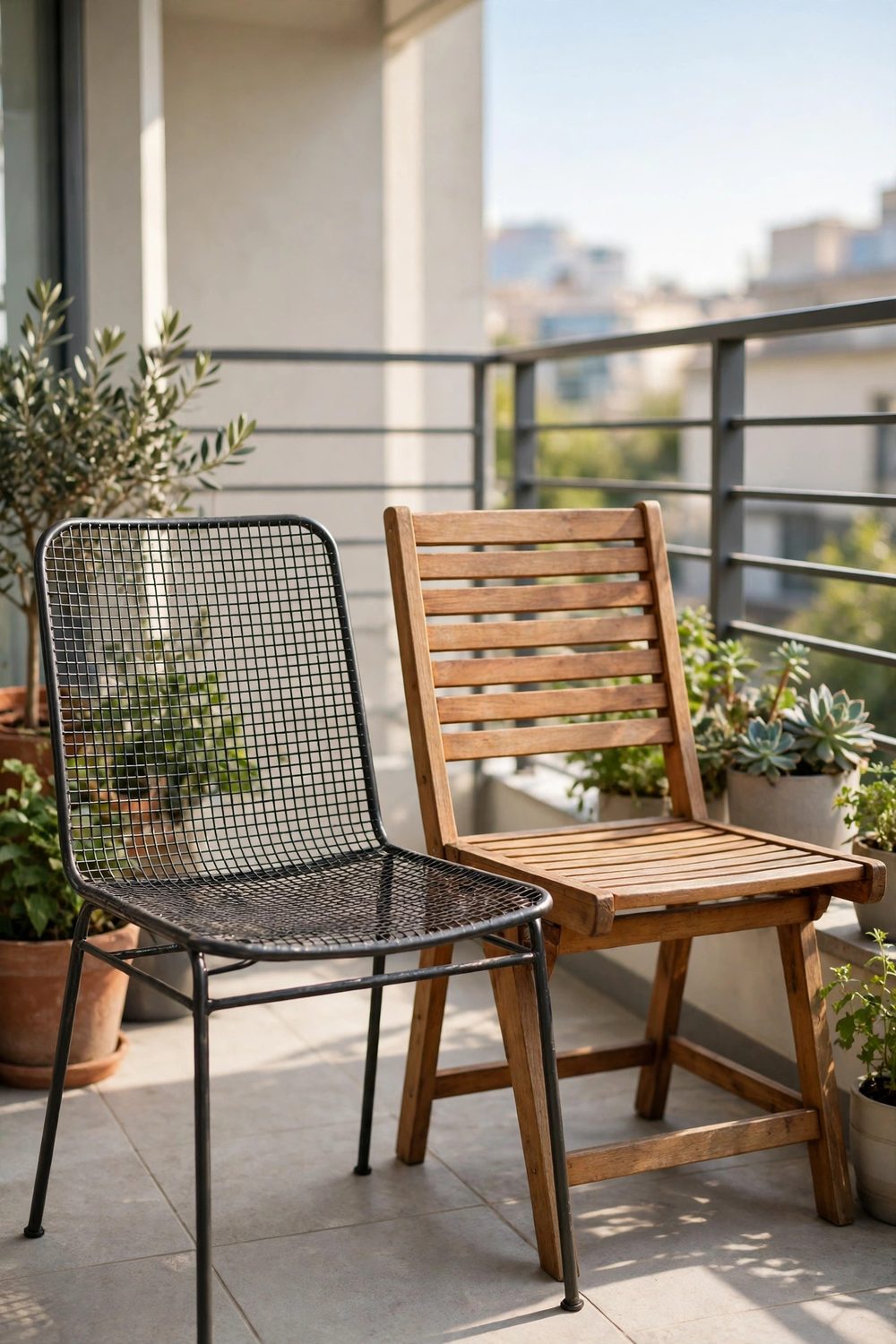
Start with your balcony, not the catalog photo. A south facing balcony bakes in sun all day, while a shaded balcony stays damp long after rain, and each one asks for a different frame.
Metal frames that resist rust suit wet spots, and dense hardwood suits sun, but soft untreated wood can swell, crack, or stain when it stays wet. Ask what the frame is made of, and read the care note before you fall for the shape.
My own test is simple: I picture the chair after a storm, not on a dry showroom floor. If the material needs a cover every time it rains, it may not fit how you really live.
2. Check the Joints Before You Check the Color
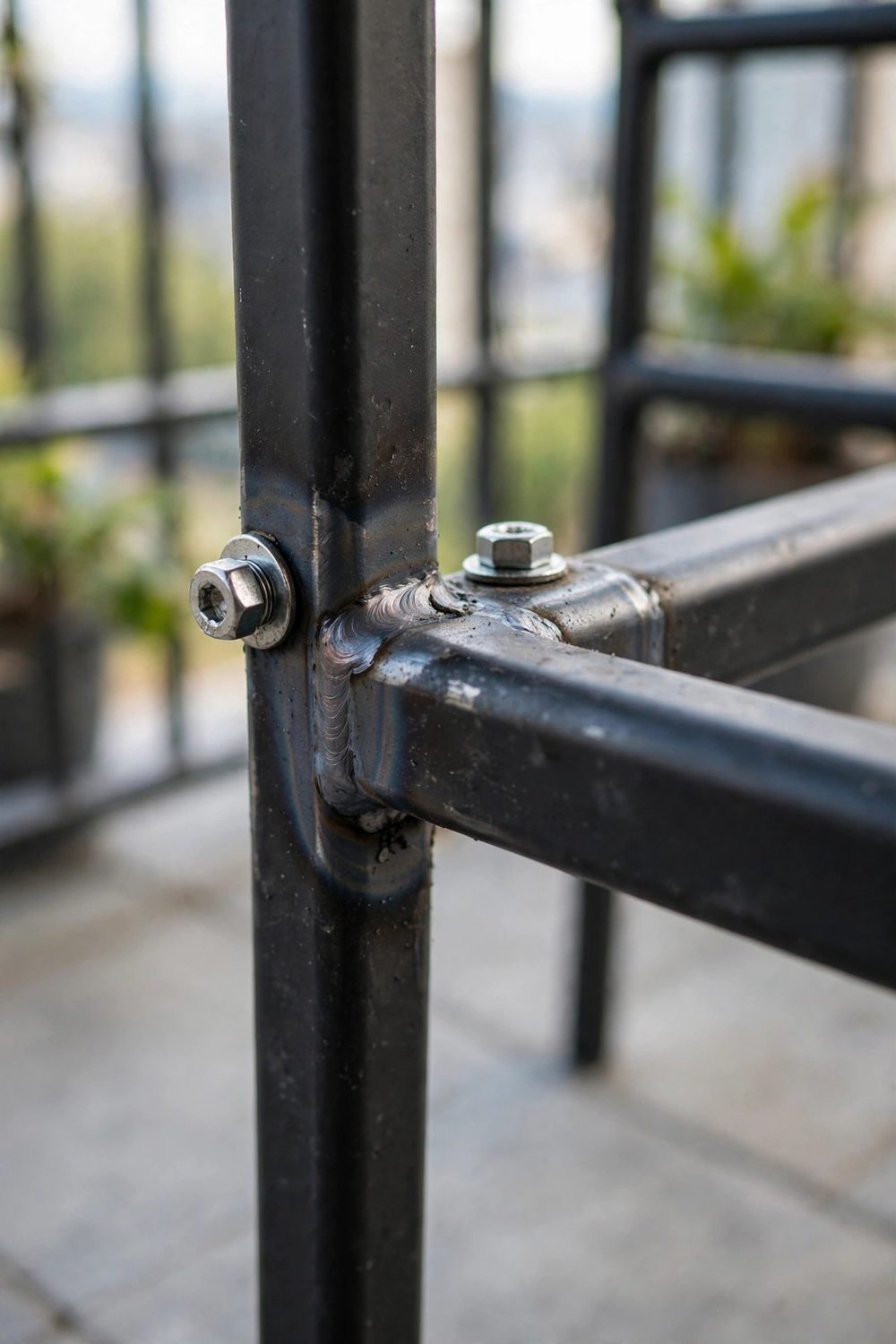
A chair can look solid and still wobble after a month outside. Joints take the stress when you sit, shift, and drag a chair across tiles, so they deserve a close look.
Welded metal joints tend to hold firm, while bolted joints can loosen with use and weather, so check if bolts are easy to tighten. On wood, look for snug joins with no gaps where rain can sit and soak in.
If you shop in person, sit down, lean back, and rock gently from side to side. A small wobble in the shop often turns into a loud creak on a windy balcony.
3. Look Closely at the Finish, Not Just the Frame
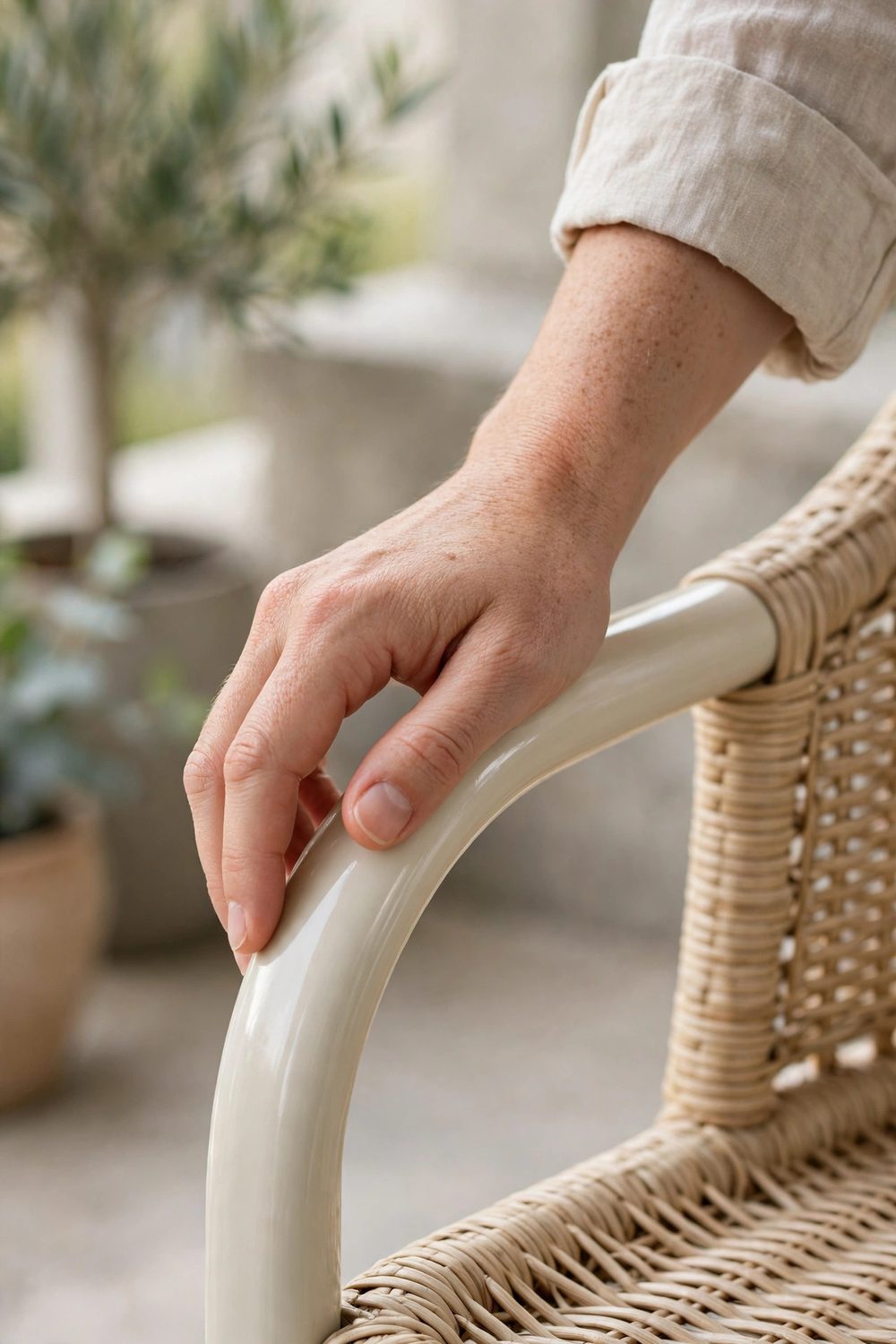
Two chairs can share the same frame and age very differently, and the finish is often the reason. A good coat seals the surface, while a thin coat lets water and sun reach the material below.
On metal, look for an even powder coat with no thin spots at bends and welds. On wood, look for a smooth, even seal, and ask how often it needs a fresh coat.
Run a hand along edges and under the seat, where makers sometimes skip a coat. Rough spots, chips, or bare patches there are early signs of rust or rot.
4. Pick Cushions That Dry Fast After Rain
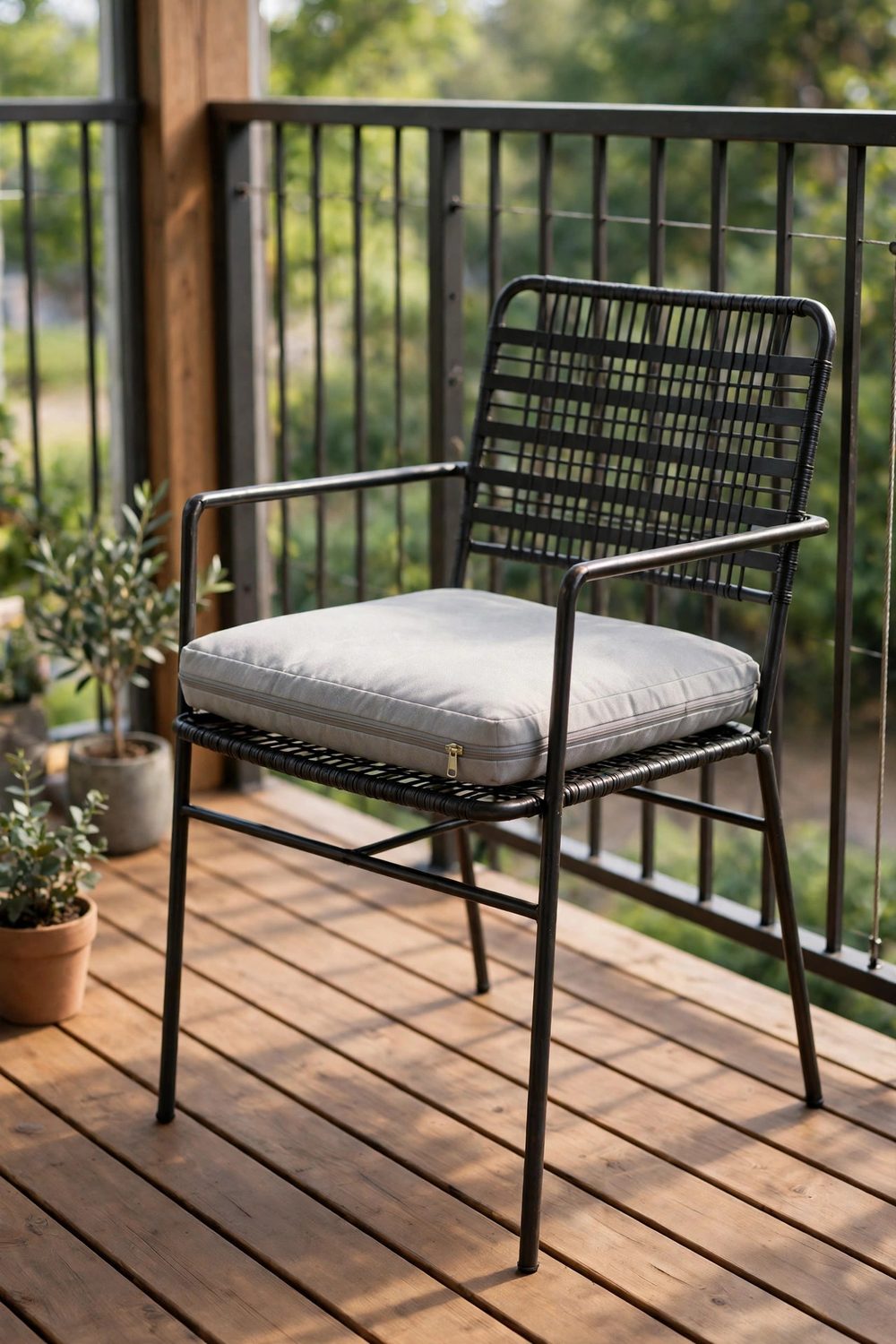
A damp cushion can ruin an otherwise good balcony set. Foam that holds water stays heavy, smells musty, and takes days to dry on a shaded balcony.
Look for quick dry foam and covers that zip off for washing, and ask if the fabric is made for outdoor use. Outdoor fabric should shed light rain and dry in open air, not stay soggy like indoor cloth.
At home, my rule is plain: if I cannot lift a wet cushion with one hand, it is too much work. Light, fast drying cushions make a rainy week far less of a chore.
5. Read the Fabric Label for Sun and Fade
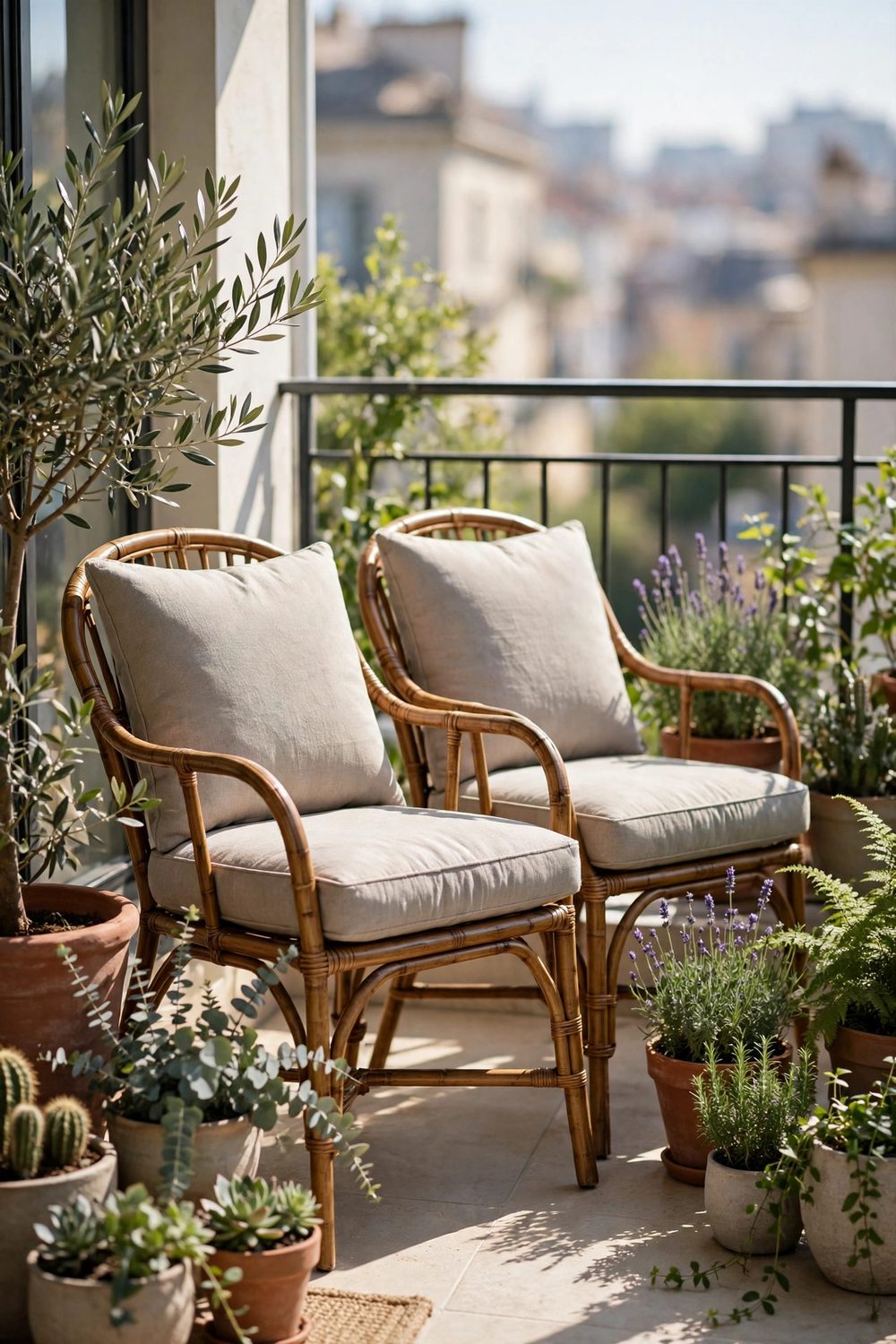
Sun fades balcony fabric faster than most people expect, and a bright chair can look washed out by the end of one summer. The label tells you more than the color swatch does.
Look for fabric dyed through the fiber, which holds color better than fabric dyed only on the surface. Mid tones and muted colors also hide light fading better than very dark or very bright shades.
Check if the cover can be replaced on its own, since a fresh cover can save a good frame. That one detail can stretch the life of a set you already love.
6. Test the Weight Against Your Balcony Wind
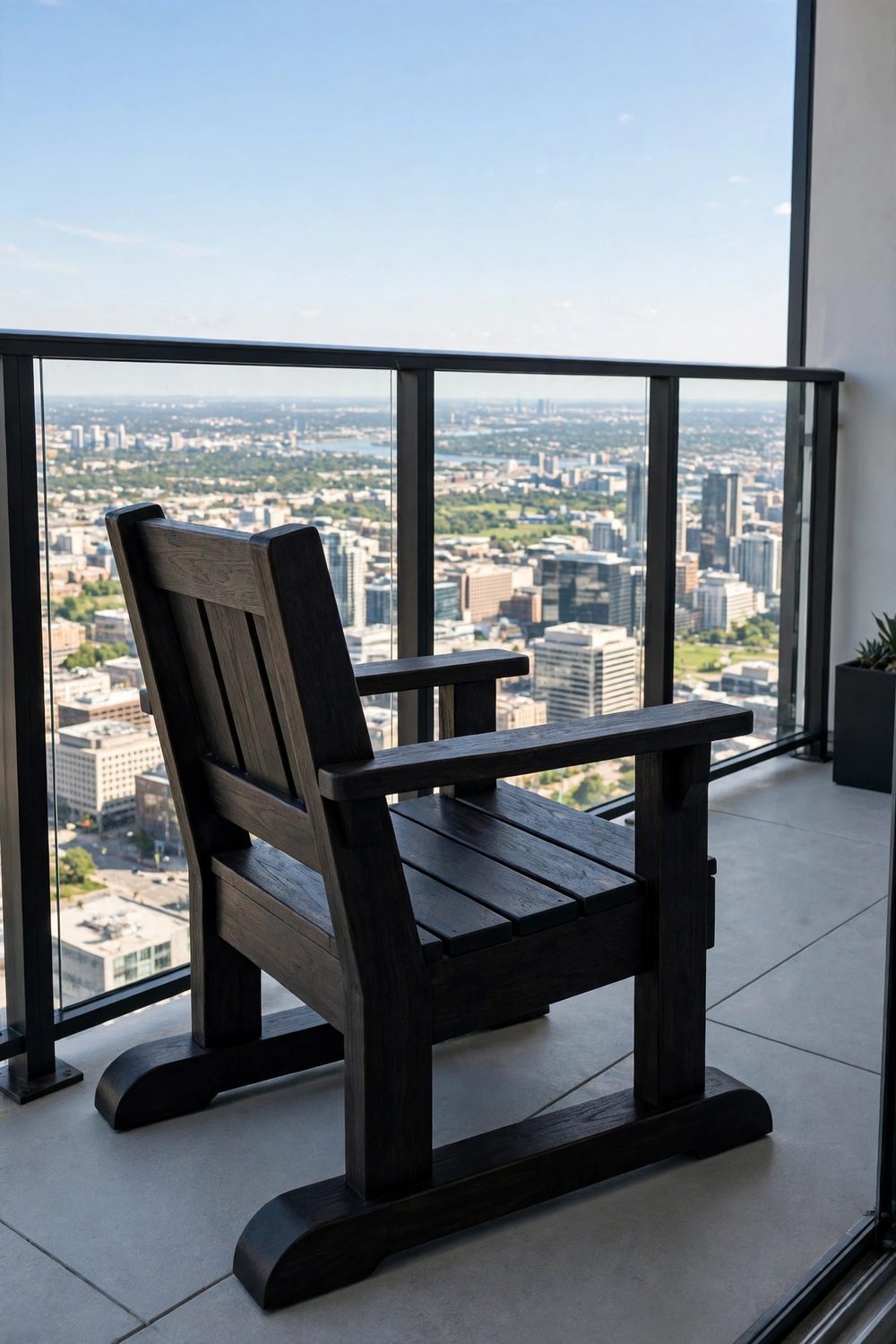
Light chairs are easy to move, but on a high balcony they can slide, tip, or blow into the rail in a gust. Wind is easy to forget on a calm shopping day.
Lift the chair and push it gently across a hard floor to feel how it moves. Heavier frames stay put better, and wide feet grip more than narrow glides on smooth tiles.
Think about your worst windy day, not your best calm one, and pair light pieces with a sheltered corner. For more styling ideas for small sets, see these small balcony furniture ideas that suit tight spaces.
7. Measure Every Door, Lift, and Turn on the Way In
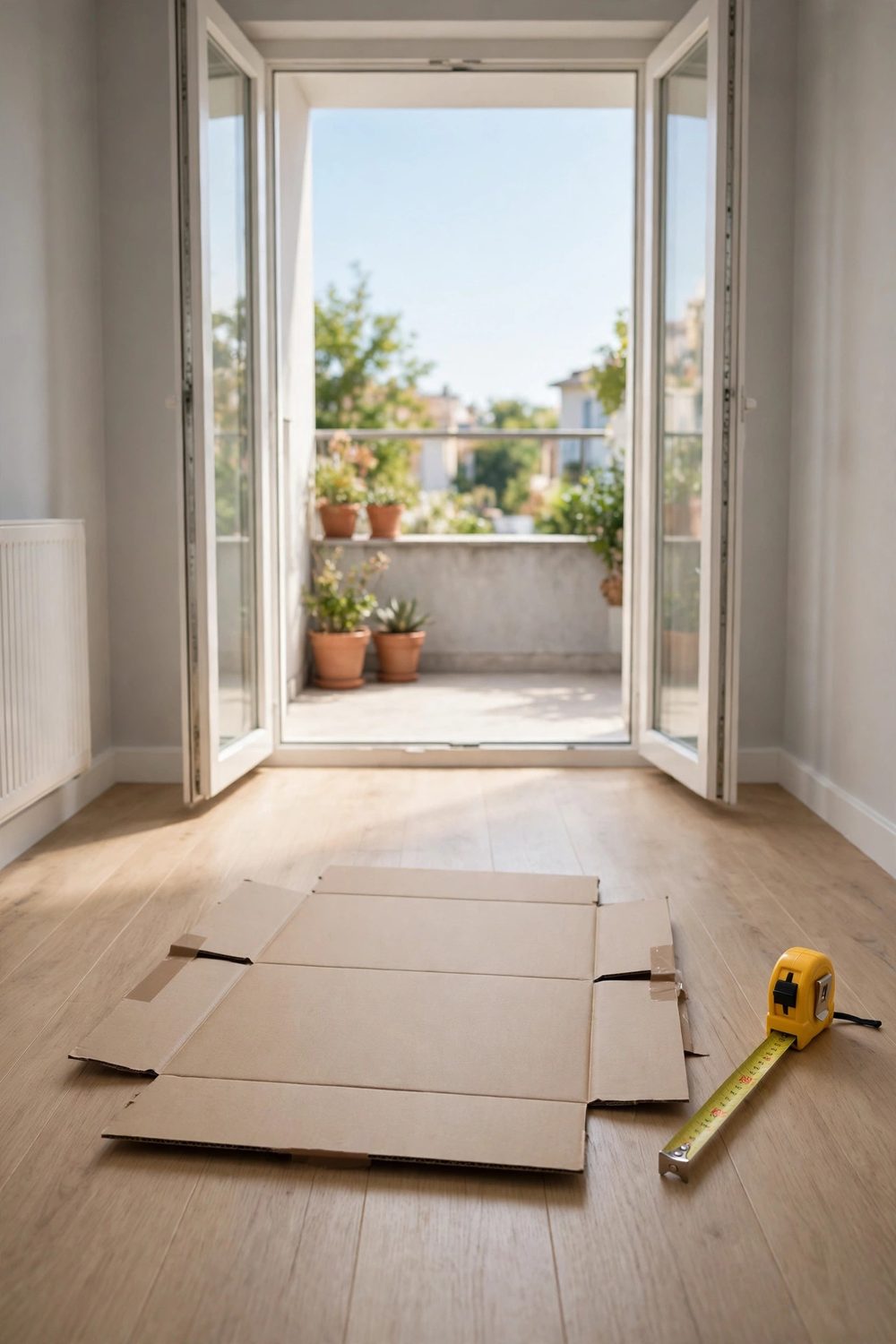
Here is a common mistake: the set fits the balcony, but it never gets there. Narrow doors, tight lift cars, and sharp hall turns can stop a wide chair cold.
Measure the balcony door, the lift door, and the tightest turn, then compare them with the boxed size, not just the chair size. Flat pack sets help, but check that the longest part still fits through each gap.
I once watched a neighbor carry a chair up three flights because it would not fit the lift. A tape measure that day would have saved a long afternoon.
8. Check the Feet and What They Do to Your Floor
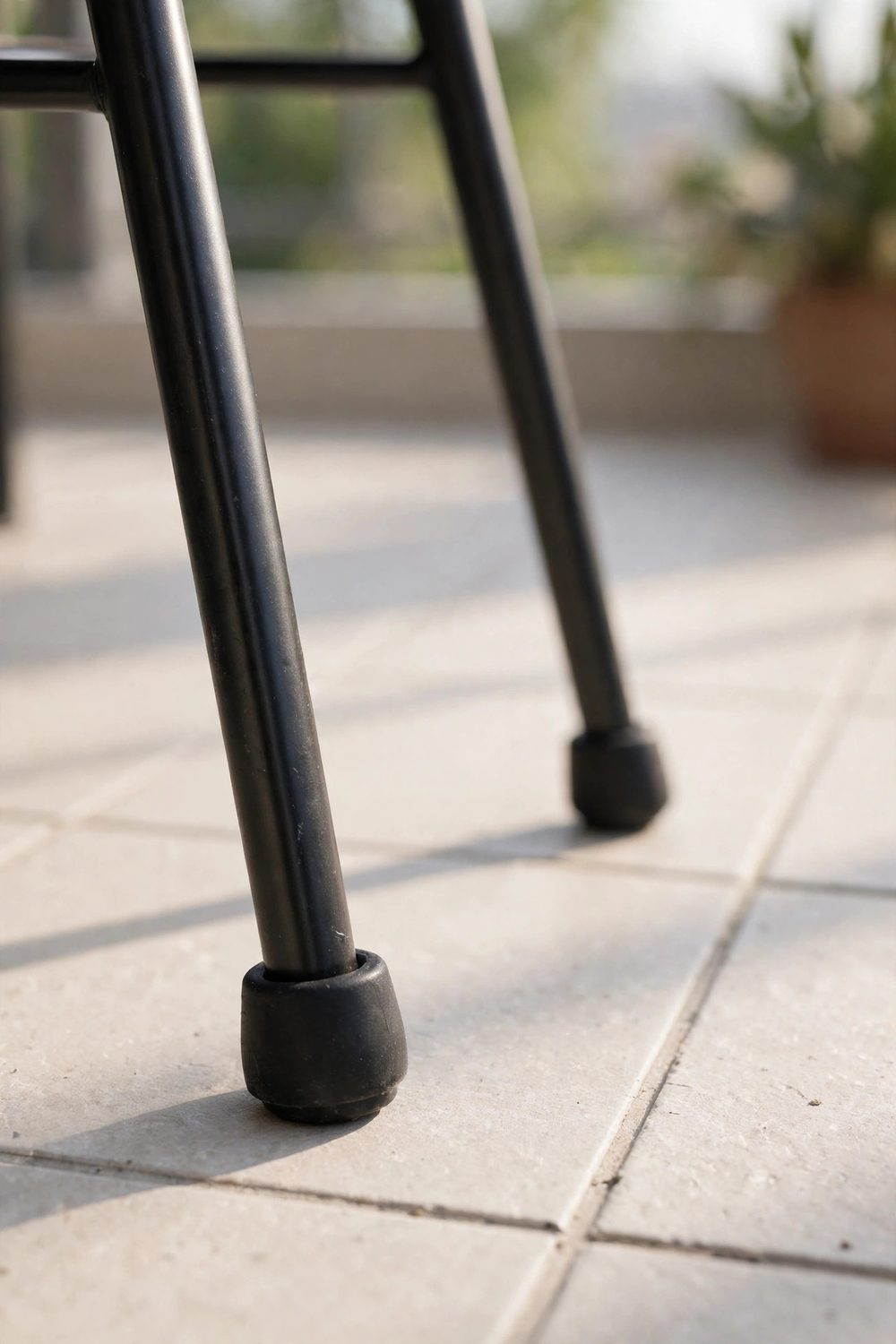
Feet are small, but they decide if your balcony floor stays clean or ends up marked. Bare metal feet can leave rust stains after rain, and hard feet can scratch tiles.
Look for caps or glides made for outdoor use, and check that they stay on when you drag the chair. If caps fall off in the shop, they will fall off faster on rough tiles.
Also check if water can pool under flat feet, since trapped water stains floors and rusts metal. A small raised foot or a slight gap lets the floor dry after rain.
9. Look for Drainage, Not Just a Pretty Seat
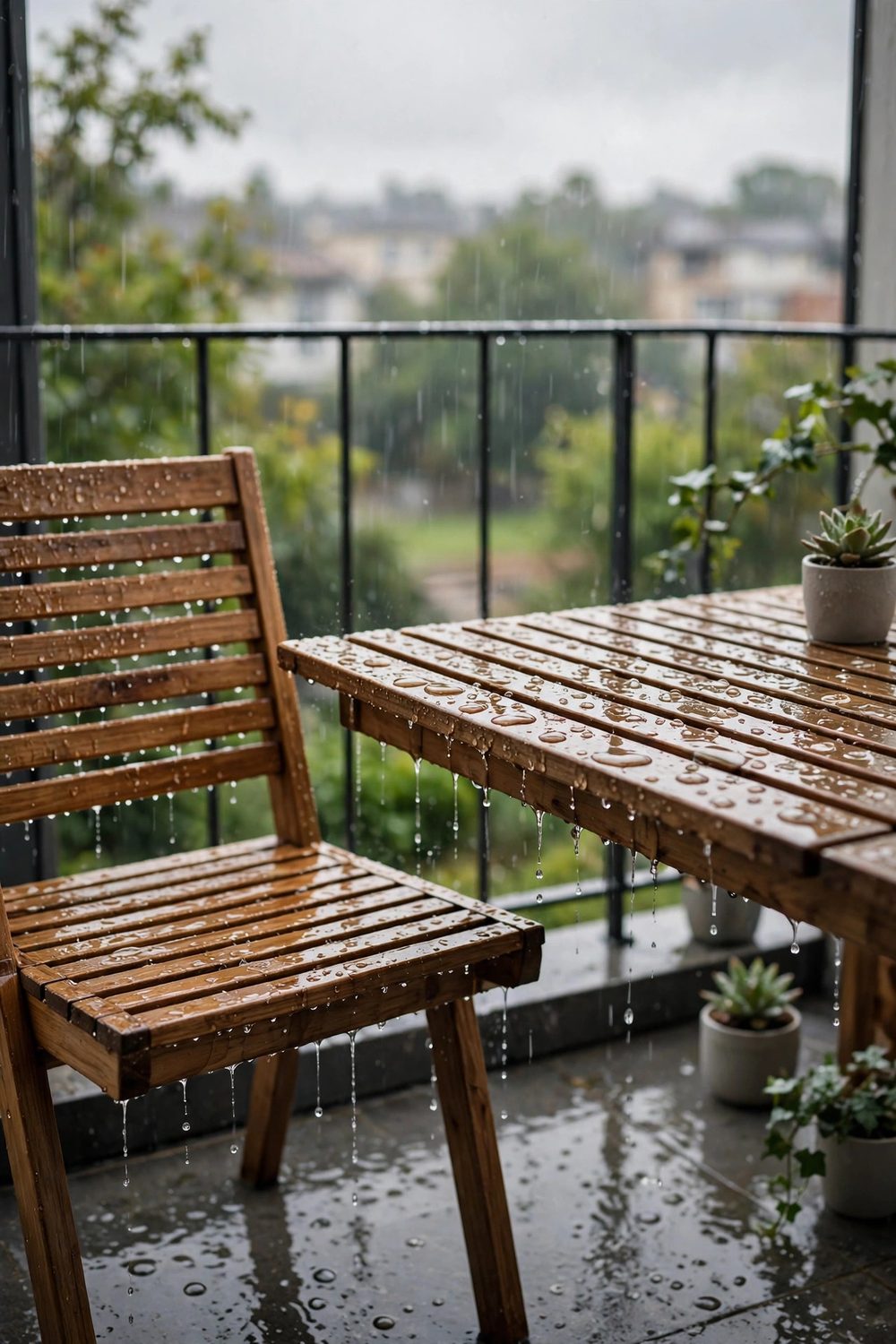
Rain should run off your furniture, not sit in it. Flat seats, deep cups in woven chairs, and solid table tops can hold pools of water for days.
Look for slatted seats, mesh panels, or a slight slope that lets water drain away. On tables, a slatted or mesh top dries faster than a solid top with a raised rim.
After rain, my quick check is to press the seat and look under the table. If water hides in seams or cups, that set will need wiping after each storm.
10. Inspect the Screws, Bolts, and Hidden Hardware
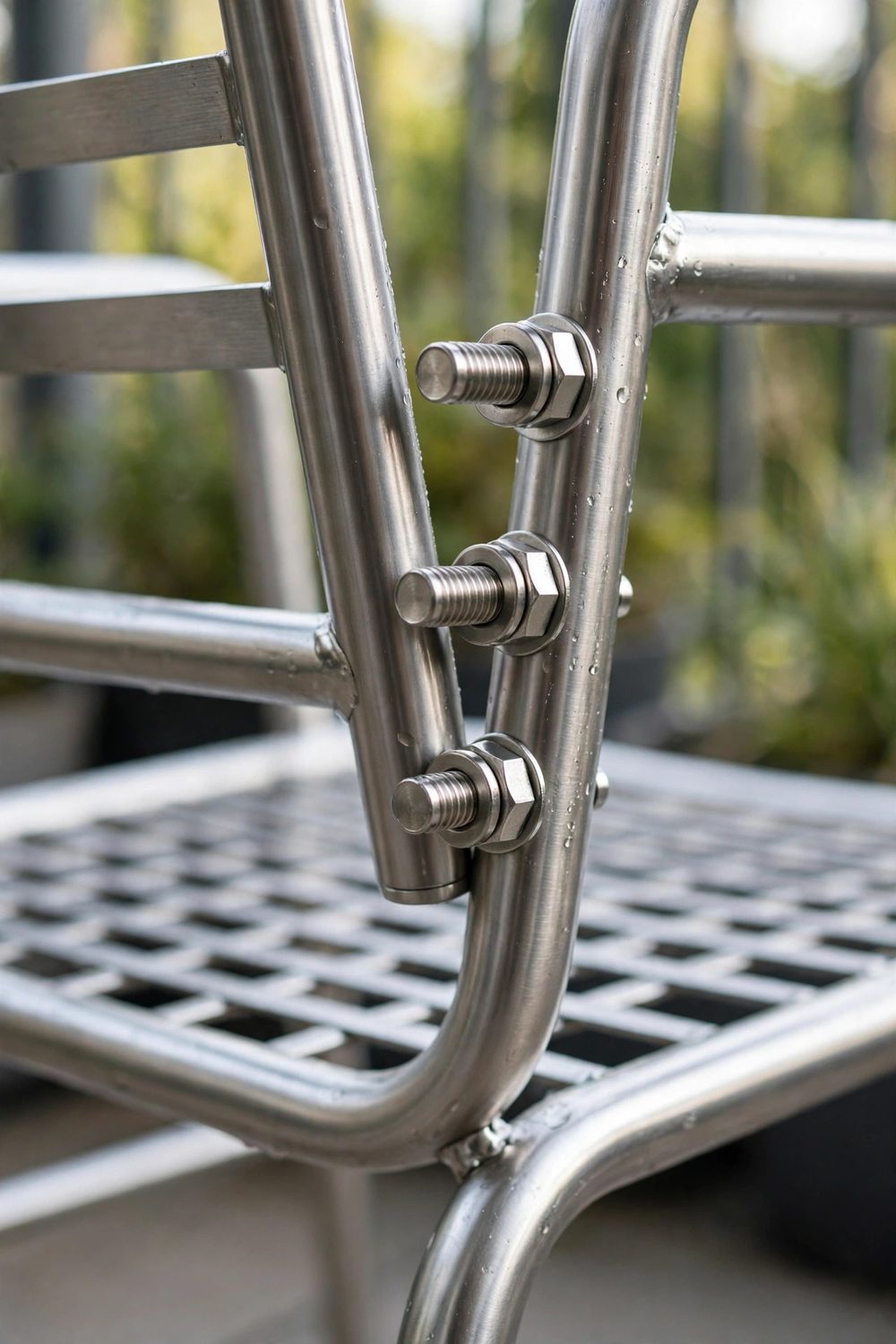
Most people check the frame and forget the hardware, but cheap screws rust first and stain everything below them. A rust streak on a tile often starts at one small bolt.
Ask if bolts and screws resist rust, and look for a smooth, even coat on each one. Stainless hardware costs a little more, but it avoids orange streaks on light floors.
Count the tools you need for a fix, too, and keep spare bolts in a small bag indoors. If you need a special tool for each bolt, simple upkeep turns into a chore.
11. Plan Where It Lives in Winter and Storms
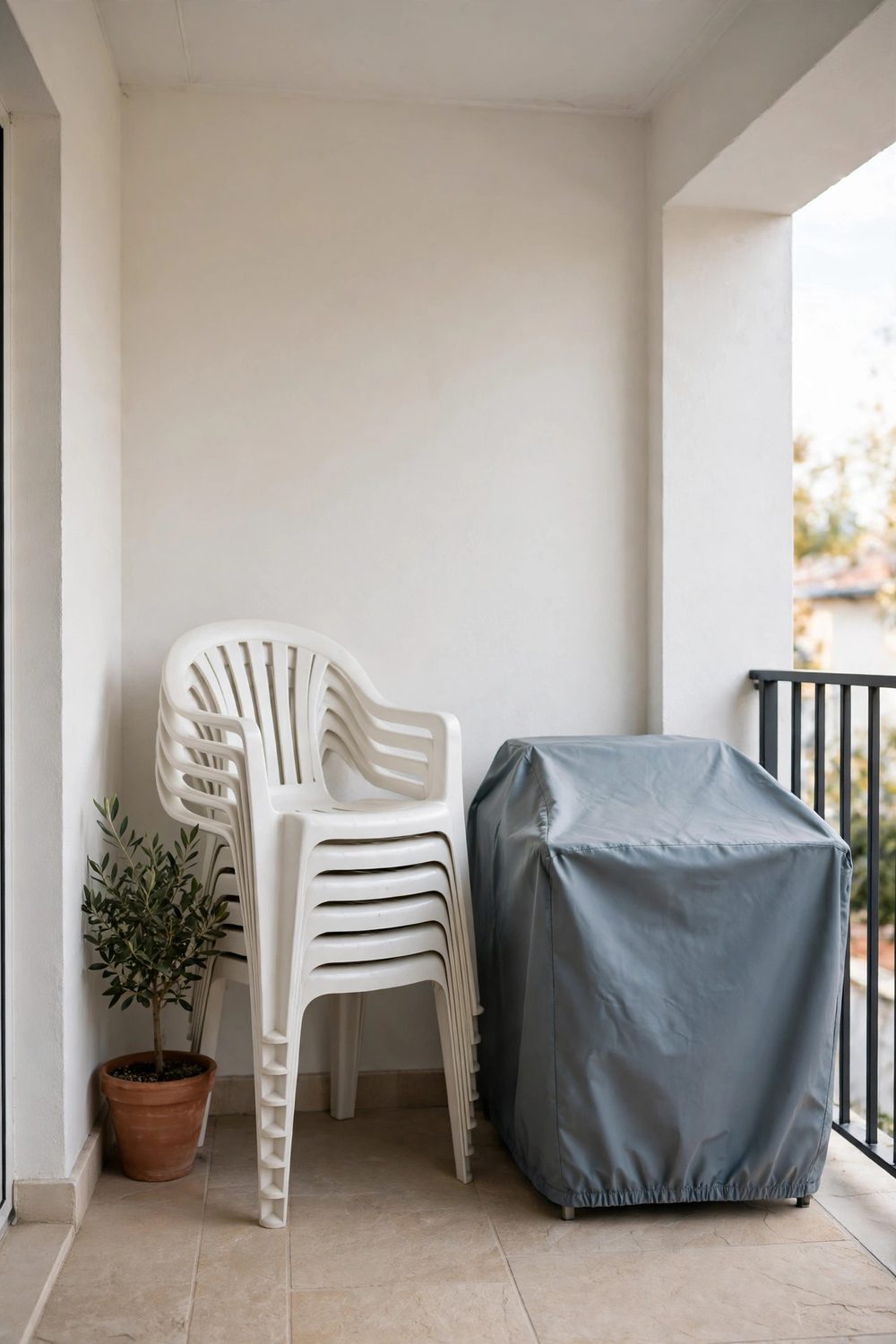
Even tough furniture lasts longer with a rest from the worst weather. Before you buy, decide where each piece goes when a storm hits or winter sets in.
Stacking chairs, folding tables, and light frames store well in a small hall closet or a covered corner. Heavy sets need a cover that fits snug, not a loose sheet that fills with wind.
For a full seasonal plan, our autumn balcony ideas show how a small space shifts into cooler months. A storage plan made now saves you from dragging wet chairs inside in a rush.
12. Feel How Hot It Gets in Full Sun
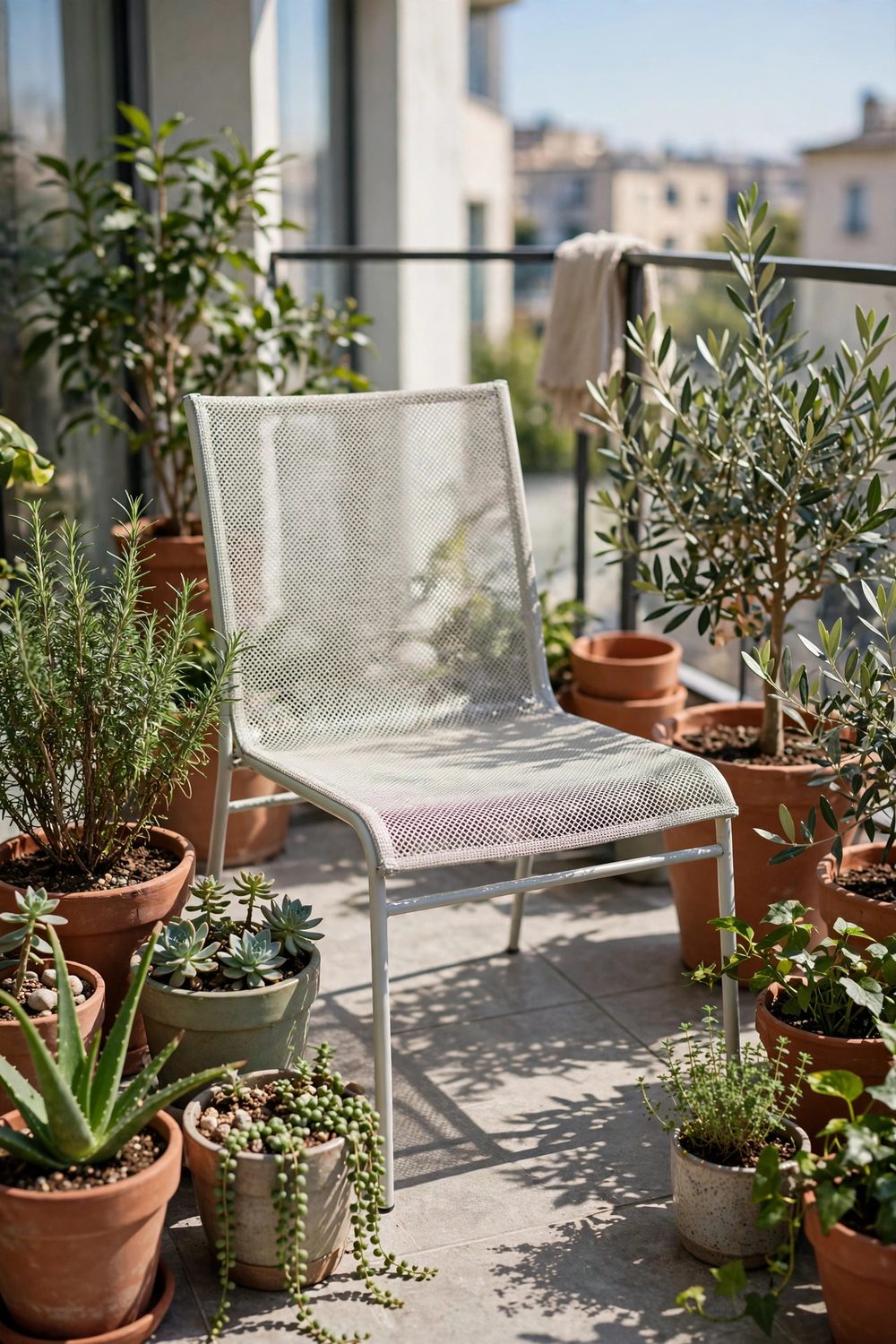
Some balcony furniture looks fine at noon and burns bare legs by two in the afternoon. Dark metal and dark woven seats soak up heat fast on a sunny balcony.
If you can, touch the seat and arm after it has sat in sun, and sit for a minute. Light colors, mesh seats, and wood arms stay cooler, and a small shade can help too.
Think about who uses the seat most, since kids and pets feel hot seats first. A chair you avoid on sunny days is not a good buy, no matter how smart it looks.
13. Pick a Care Routine You Will Really Do
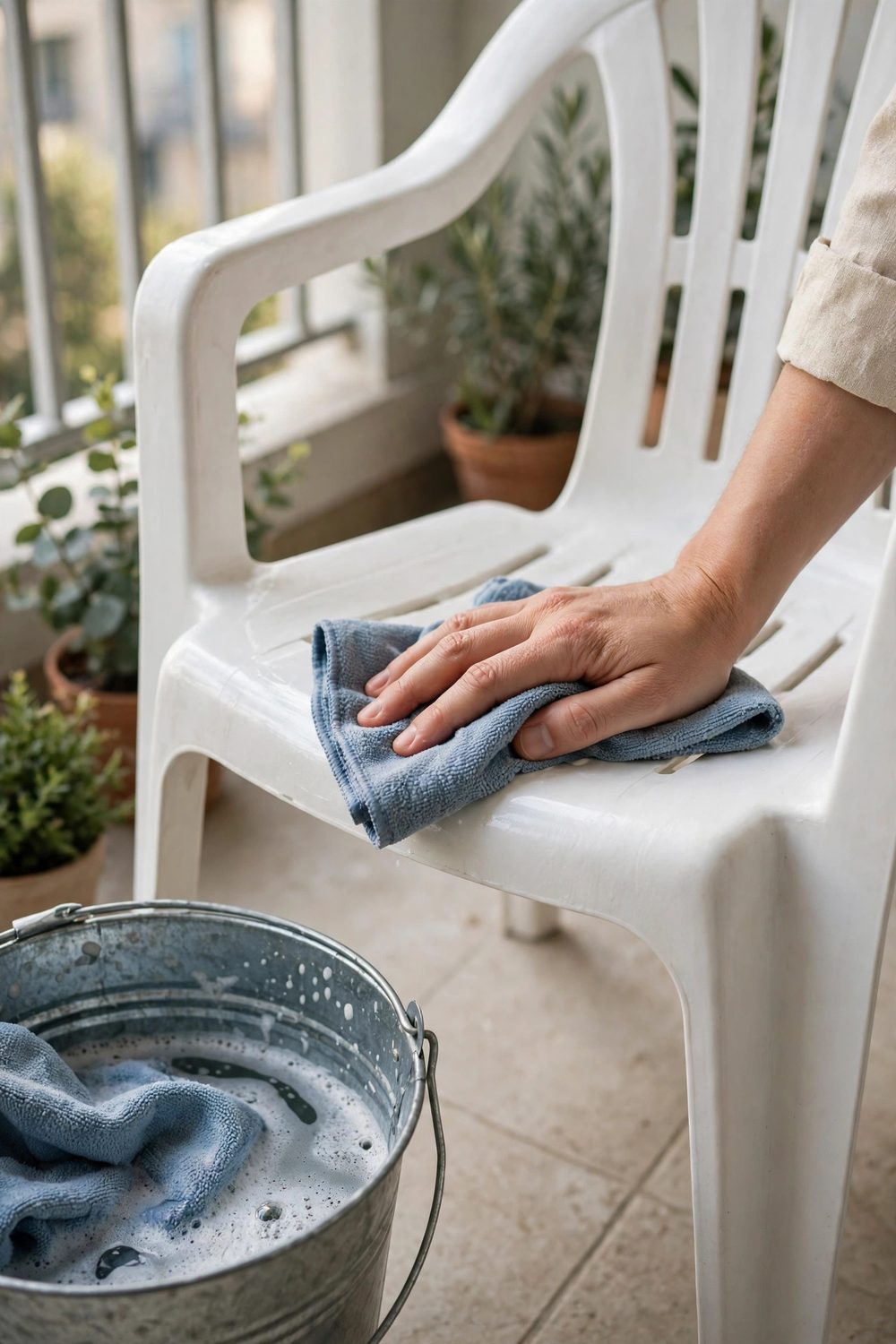
The best care plan is the one you will follow on a busy week. A set that needs oiling each month may suit one home and fail in another.
Ask what cleaning takes: a wipe with a damp cloth, a wash with mild soap, or a full sand and oil. Then be honest about your time, and pick the lower care set if you doubt you will keep up.
Simple shapes clean faster than deep weaves with many small gaps, where dust and pollen settle. For floor care under your set, see these small balcony rug ideas that pair well with easy clean frames.
14. Read the Warranty and Care Notes in Plain Words
A warranty can sound strong and cover very little, so read it before you buy. Look for what it covers on frame, finish, and fabric, and for how long each part lasts.
Watch for notes that void cover if the set stays outside all year, since that rule would clash with balcony life. Keep the care sheet and receipt in one place, so a claim later is simple.
If the terms use vague words with no clear time frame, treat that as a warning sign. Clear terms show a maker who expects the set to face real weather.
15. Buy One Chair First, Then the Full Set
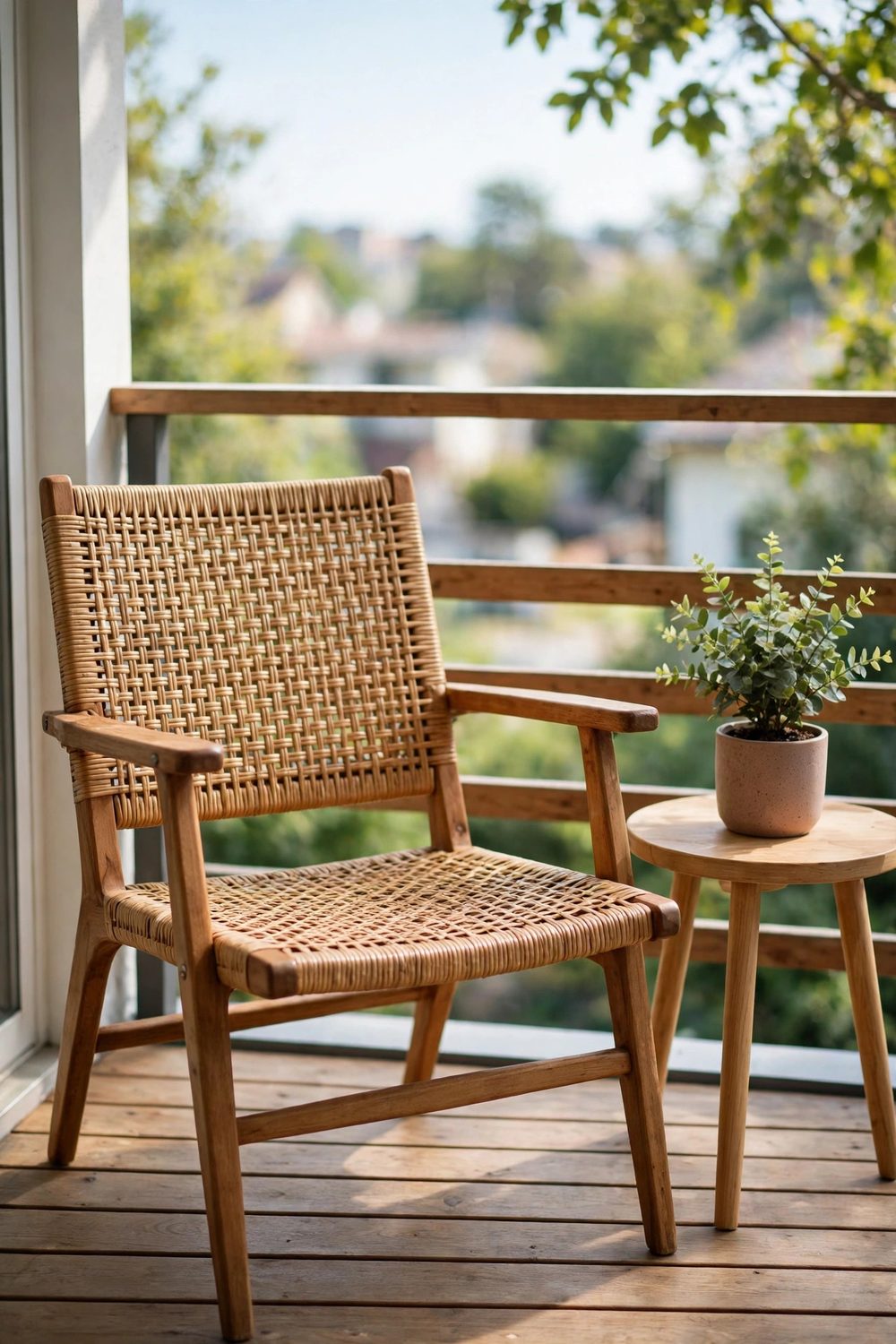
Here is my favorite low risk test: buy one chair before you buy a full set. One chair lets you learn how the frame, fabric, and feet behave on your own balcony.
Leave it out through sun and rain for a few weeks, and watch for fading, rust marks, slow drying, and wobble. Check the floor under it, too, since stains show up there first.
If the chair passes, order the rest with calm. If it fails, you have saved the cost of a full set, and you know just what to check next time.
For the floor under that test chair, these balcony flooring ideas renters can install in an hour can help protect tiles while you test. A cheap mat under one chair also shows stains early, before they spread.
Keep a short note of what you saw each week: dry time, color change, and any new wobble. That note turns a vague feeling into a clear yes or no when you shop for the rest.
Start with the frame and the finish, then check joints, fabric, and feet before you pay. The checks that save you most are the small ones: a drain hole, a rust proof bolt, a cover that zips off.
Pick the set that fits your sun, rain, wind, and the time you have for care. When you find it, you will use your balcony more, not just look at it through glass.
Save this to your balcony board for later, so the list is at hand when you shop. For a broad look at small spaces, see these apartment balcony ideas before your next buy.


