

Petite vs Regular Sizing: 15 Checks for When You Are In Between
You stand at five foot four, or a breath above it, and every shop trip asks the same question. Petite rail or regular rail? The answer changes by garment, and height alone will not settle it.
Petite vs regular sizing is a question of pattern, not just length. Petite patterns move the rise, waist, knee and shoulder points. Regular patterns keep those points lower and longer.
These fifteen checks help you decide garment by garment, using your own tape and a few fitting room tests. Many women in between sizes wear both ranges, chosen with intent.
Start with a base that fits your frame, like the pieces in our capsule wardrobe for petite women, then use the checks to fill the gaps wisely.
Two women of the same height can need different ranges. One carries her height in her legs, the other in her torso, and the patterns reward knowing which one you are before you spend.
This post contains affiliate links. If you buy through them, we may earn a small commission at no extra cost to you. See our Affiliate Disclosure.
1. Check Your Height Against the Brand Chart First
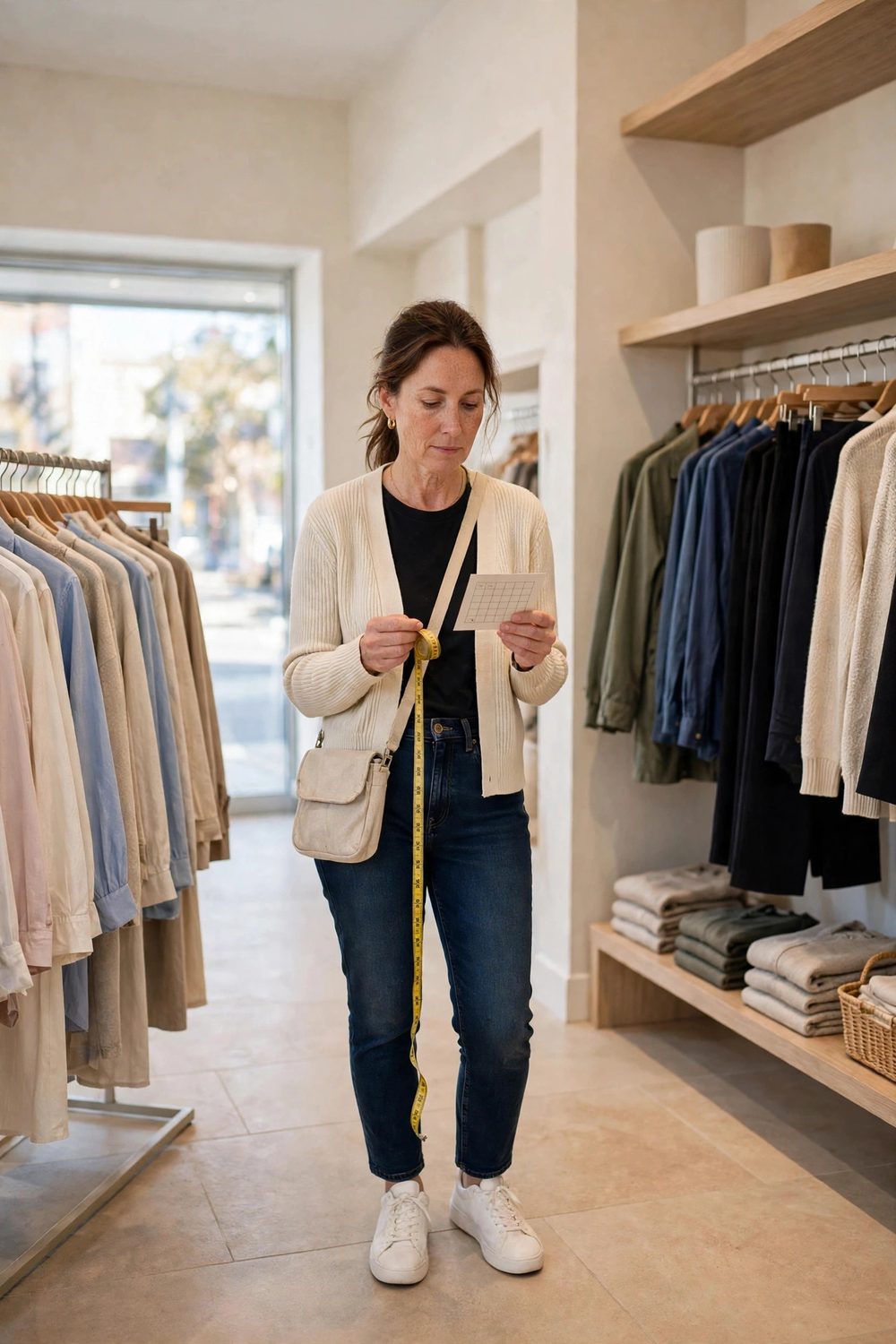
Most brands draw the petite line at about five foot four and under. That line is a starting point, not a verdict, and each brand sets it a little differently.
Read the height guide on the size chart before you pick a range. Some brands run petite patterns slightly longer, which suits women right at the border.
If you are five foot four or five foot five, treat both ranges as open options. Your proportions, covered in the next checks, will pick the winner per garment.
Taller women with a short torso or short legs sometimes fit petite tops or bottoms well. The chart height opens the door, and the tape decides.
2. Measure Your Back Waist Length, Not Just Height
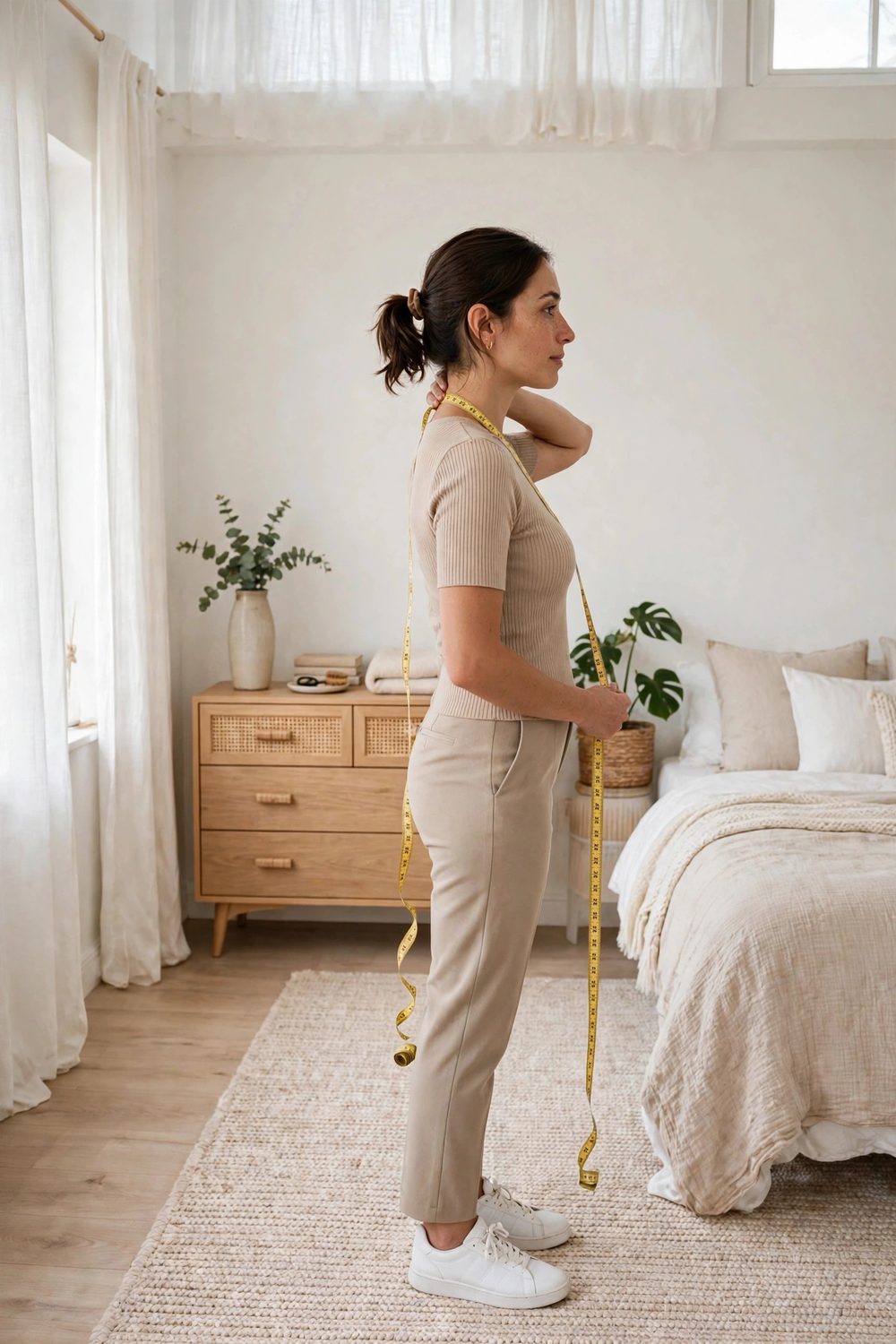
Back waist length runs from the base of the neck down to the natural waist. It is the measure that governs dresses, jackets and fitted tops more than height does.
Ask a friend to run a soft tape from the neck bone to your waist, following the spine. Compare the number with the petite and regular figures on size charts.
A shorter back waist points to petite bodices, even at borderline height. A longer back waist points to regular tops, even if your legs prefer petite bottoms.
Write the number down with your other measures. Patterns differ here by about an inch between ranges, and that inch decides where waist seams land.
3. Compare the Rise on Pants Side by Side
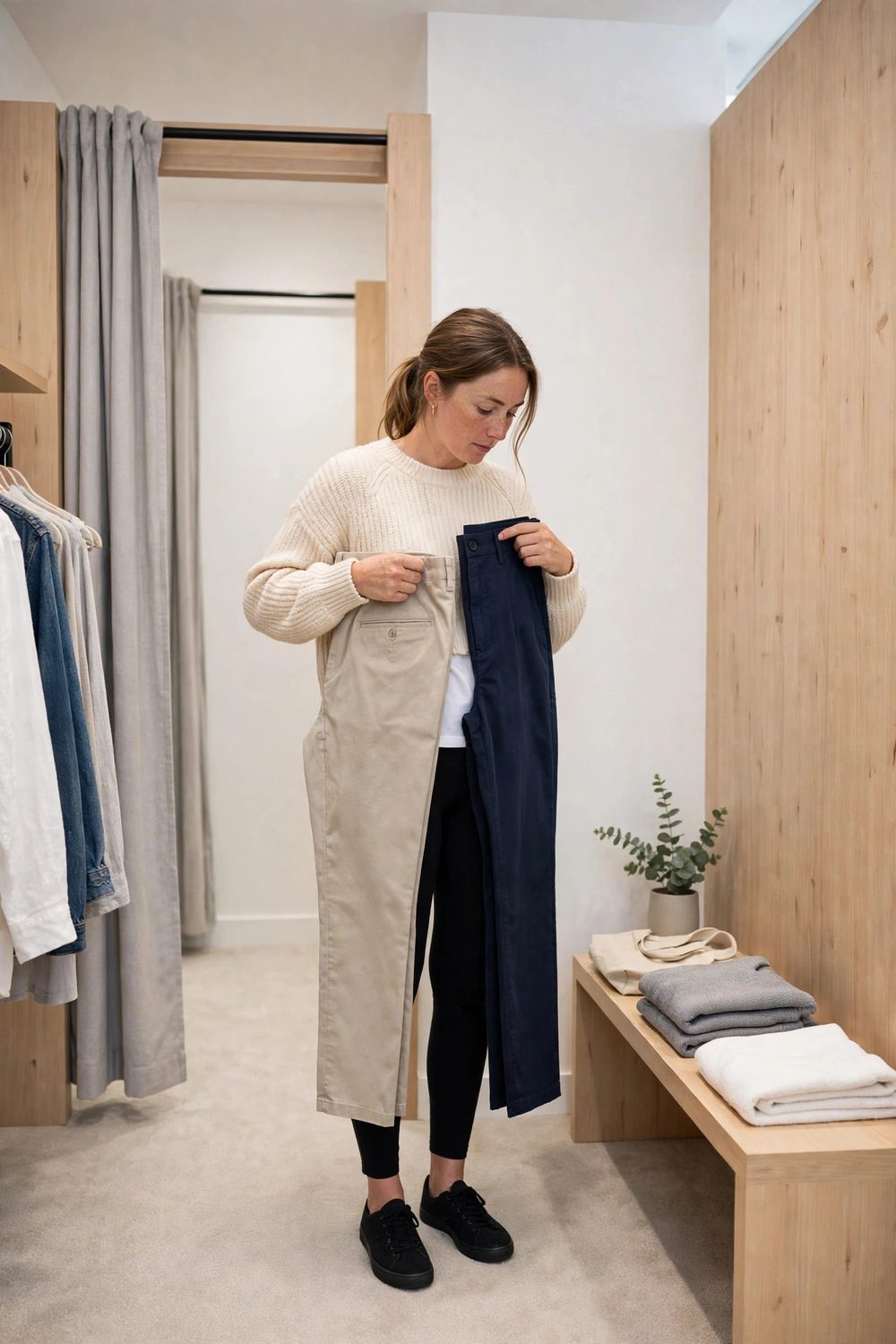
Rise is where petite and regular pants part ways most clearly. A petite rise is shorter, so the waistband lands at the waist with the shaping in the right place.
Hold the same size in both ranges against your body. Note where each front waistband would sit, and how much fabric sits below the crotch seam.
If regular pants give a long, loose front and a waistband under your ribs, the petite rise will likely fit better. Hemming a regular pair cannot fix its rise.
Our fit notes for petite plus size jeans for women show the same rise check working across a wide size range.
4. Look Where the Knee Break Lands
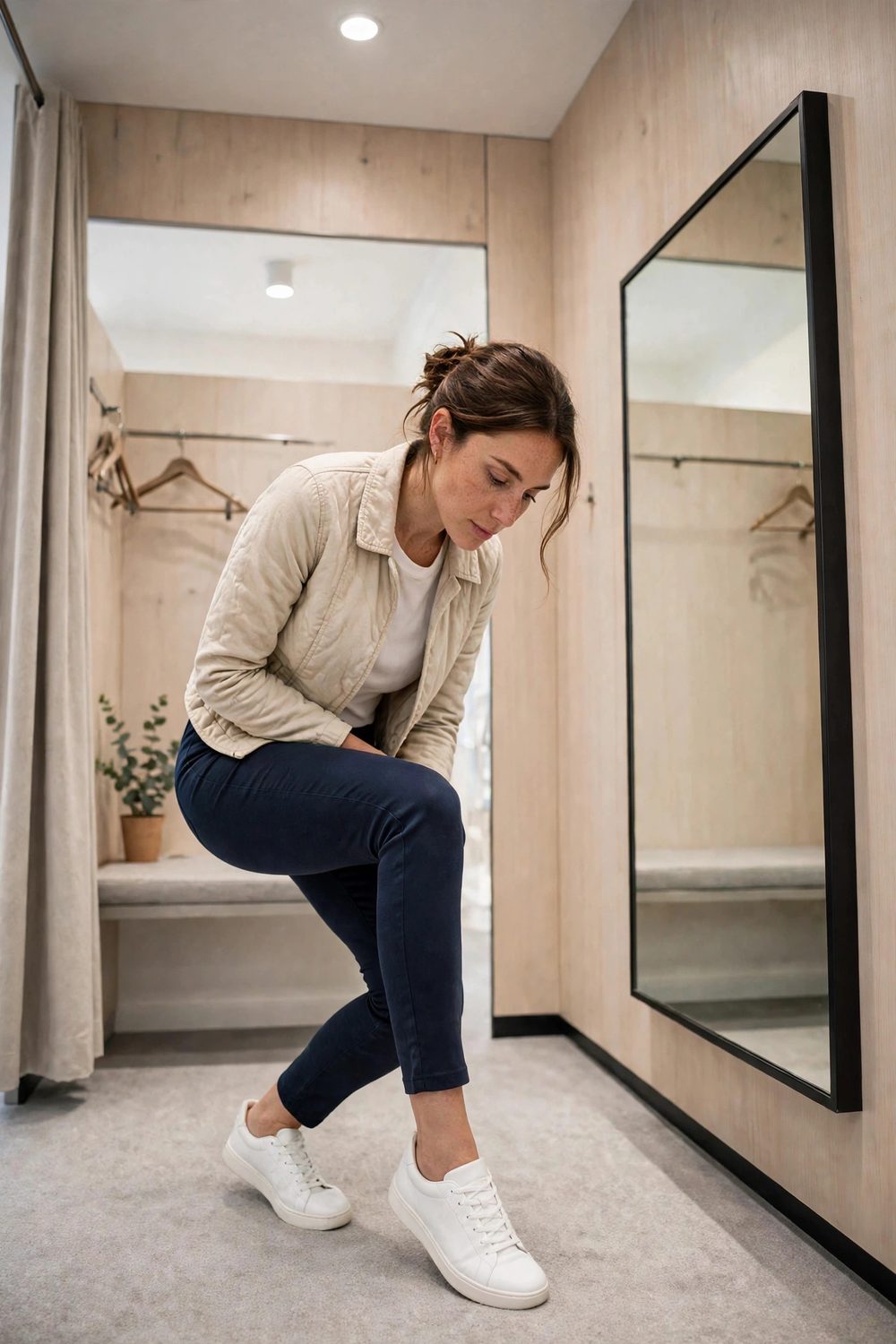
Slim pants and jeans are shaped at the knee. Petite patterns place that shaping higher, to meet a shorter leg at its real joint.
Try the regular pair and bend your knee. If the shaped point sits below your knee and pulls, the pattern is long for your leg, whatever the hem says.
Then try the petite pair. The shaping should meet your knee, and the leg should fall smooth above and below the joint without twisting.
Wide and straight legs hide this check, since they carry little shaping. Use slim styles as your test garment when you compare ranges for the first time.
5. Test the Shoulder Seam Against Your Shoulder Point

Petite patterns cut a narrower shoulder. The seam should end right at your shoulder point, where the arm begins, with no cloth drooping past it.
Put on a regular jacket or shirt and look at the seam in the mirror. A seam that slides down the arm signals a regular shoulder on a petite frame.
Shoulder fit is hard and costly to alter, so it carries real weight in the choice. If petite shoulders fit and regular ones droop, buy petite for tailored pieces.
Softer knits forgive a half inch here or there. Save the strict test for blazers, coats and shirts, where the seam is part of the structure.
6. Measure Sleeve Length From Shoulder to Wrist

Petite sleeves run about an inch shorter than regular sleeves in the same size. That inch is the difference between a cuff at the wrist and cloth over the hand.
Measure your arm from the shoulder point to the wrist bone with the arm relaxed. Compare it with the sleeve figure on the chart, when the brand lists one.
In the shop, let your arms hang and check both sides. Sleeves should end at the wrist bone, with a shirt cuff able to peek below a jacket sleeve.
If your arms run long for your height, regular sleeves may suit you while petite bottoms fit below. Mixed range wardrobes are normal for in between frames.
7. See Where the Waist Seam Sits on Dresses
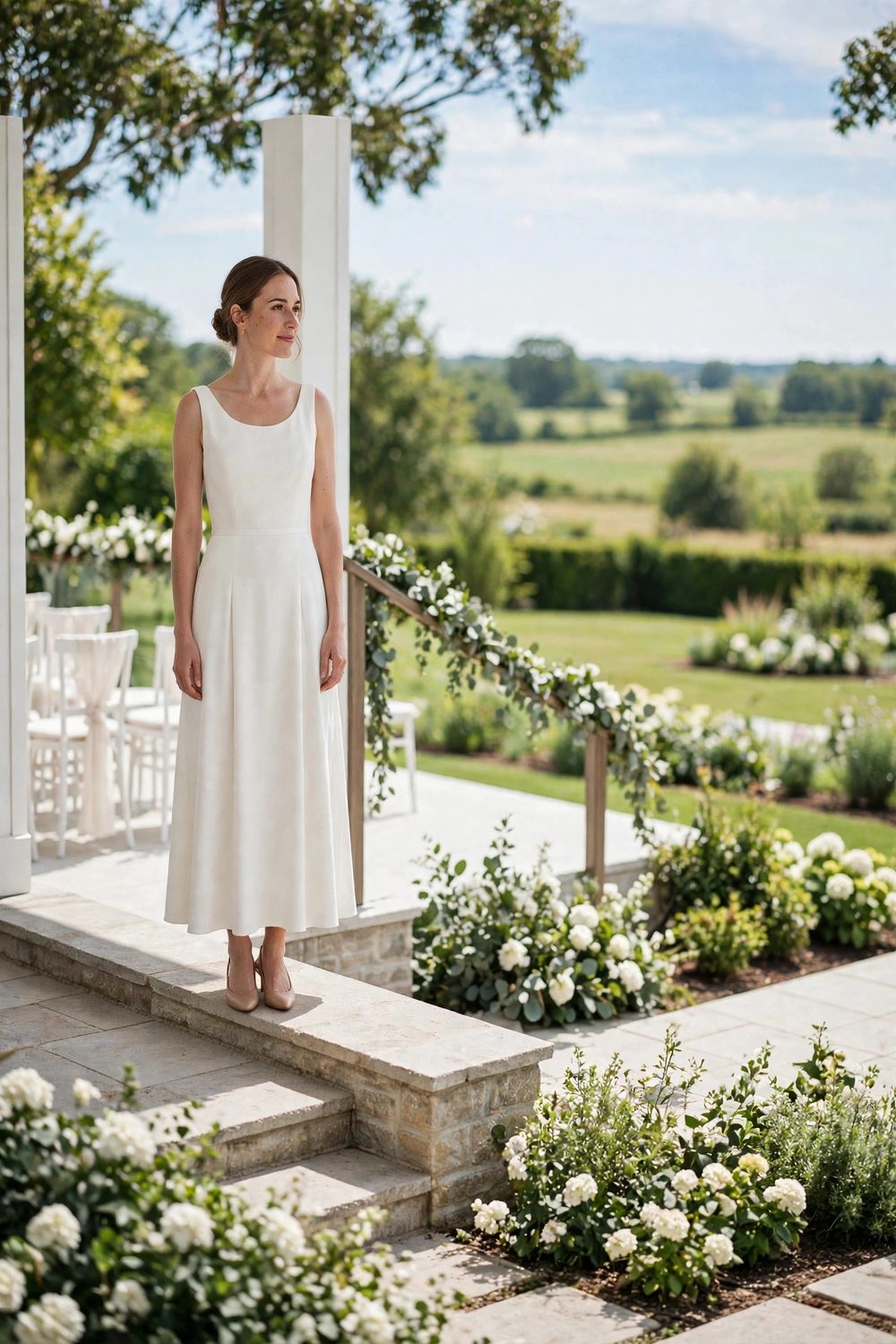
A waisted dress tells the truth about torso fit in seconds. The seam should circle your natural waist, the narrow point you can find with your hands.
On a petite frame, a regular dress often places that seam an inch or more too low. The bodice looks long, and the skirt starts from the wrong point.
Try the same style in petite. If the seam sits at your waist and the skirt falls clean from it, the petite pattern matches your torso.
For guest looks where length also matters, our petite wedding guest outfits for women show waisted dresses landing correctly on shorter frames.
8. Check Torso Length on Tops and Bodices
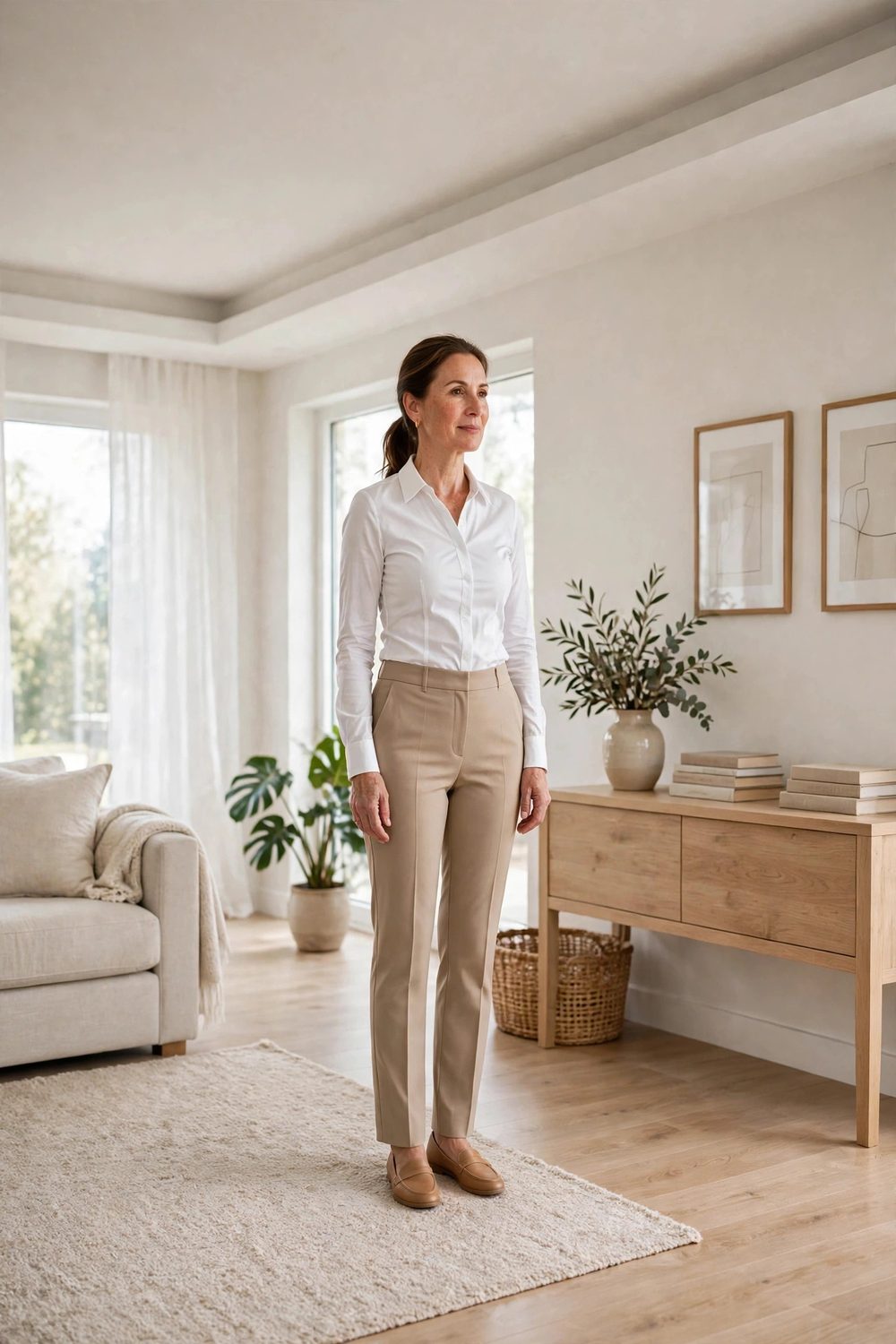
Beyond dresses, torso length shows in every fitted top. A regular bodice on a short torso pools fabric at the waist or ends lower than the design intends.
Tuck a regular top into high rise trousers and look at the back. Loose folds above the waistband mean the bodice is longer than your torso.
Petite tops end sooner and sit smoother. They also place details like darts and pockets higher, where your body actually has those points.
Loose tees and soft knits hide torso length well. Use fitted shirts and bodices as your honest test pieces when you compare the two ranges.
9. Compare Armhole Height and Comfort

Petite armholes are cut slightly higher and smaller. That cut lets the arm move freely and keeps sleeveless edges from gaping at the side.
Raise your arms in a regular top. If the whole bodice lifts with them, or the armhole digs low at the side, the armhole is placed for a longer torso.
In a petite cut, the top stays calmer as you move. Sleeveless styles sit closer at the edge, with no loose scoop showing your bra band.
Armhole faults are nearly impossible to alter at home. When sleeveless tops matter to you, let this check weigh heavily toward the range that fits.
10. Watch Pocket Size and Placement

Petite patterns scale details down. Pockets sit higher and run smaller, so a back pocket covers the seat instead of drifting halfway down the thigh.
Check jeans and trousers from behind in the mirror. Regular pockets on a petite frame often end low, which pulls the whole back view downward.
Chest pockets on shirts tell the same story. A petite pocket sits on the chest, while a regular pocket can land low and wide of its mark.
Pocket placement cannot be moved without leaving stitch marks. Treat it as a buy or pass test, and let it confirm what the rise check suggested.
11. Judge Print and Button Scale in Person
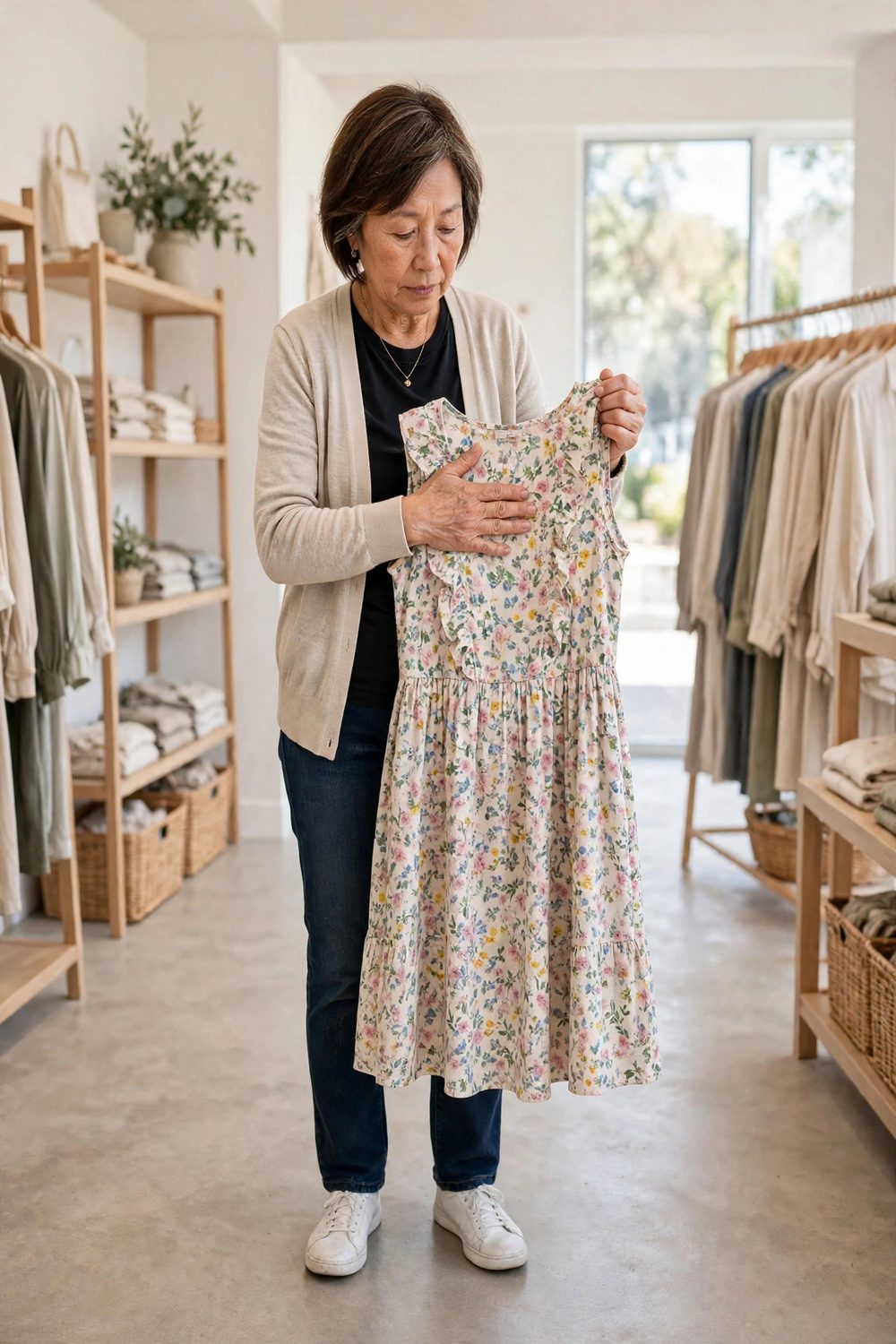
Scale is the quiet difference between ranges. Petite prints use smaller motifs, petite buttons run slightly smaller, and trims are cut narrower to match the frame.
Hold your palm over a print in the shop. On a petite pattern, several motifs should show across a bodice with room to spare between them.
Large scale prints in regular cuts can still work on a bottom half or a coat. For tops and dresses worn near the face, petite scale usually reads better.
Buttons and belts give the same clue. If the details look bold on the rail, they may read oversized on you, so view them at mirror distance.
12. Check Skirt and Dress Lengths Beyond the Hem

Length is the difference most shoppers know, but placement matters more than raw inches. A petite midi is planned to land below the calf on a shorter leg.
A regular midi on the same leg can land at the ankle and read as a maxi. That may suit you, as long as you chose it with open eyes.
Check where each length stops against your leg: above the knee, below the knee, below the calf, or at the ankle. Note which stops feel right on you.
For summer lengths in warm weather, our petite summer outfits for women show shorts and sundresses landing at those planned points.
13. Try the Same Size in Both Ranges
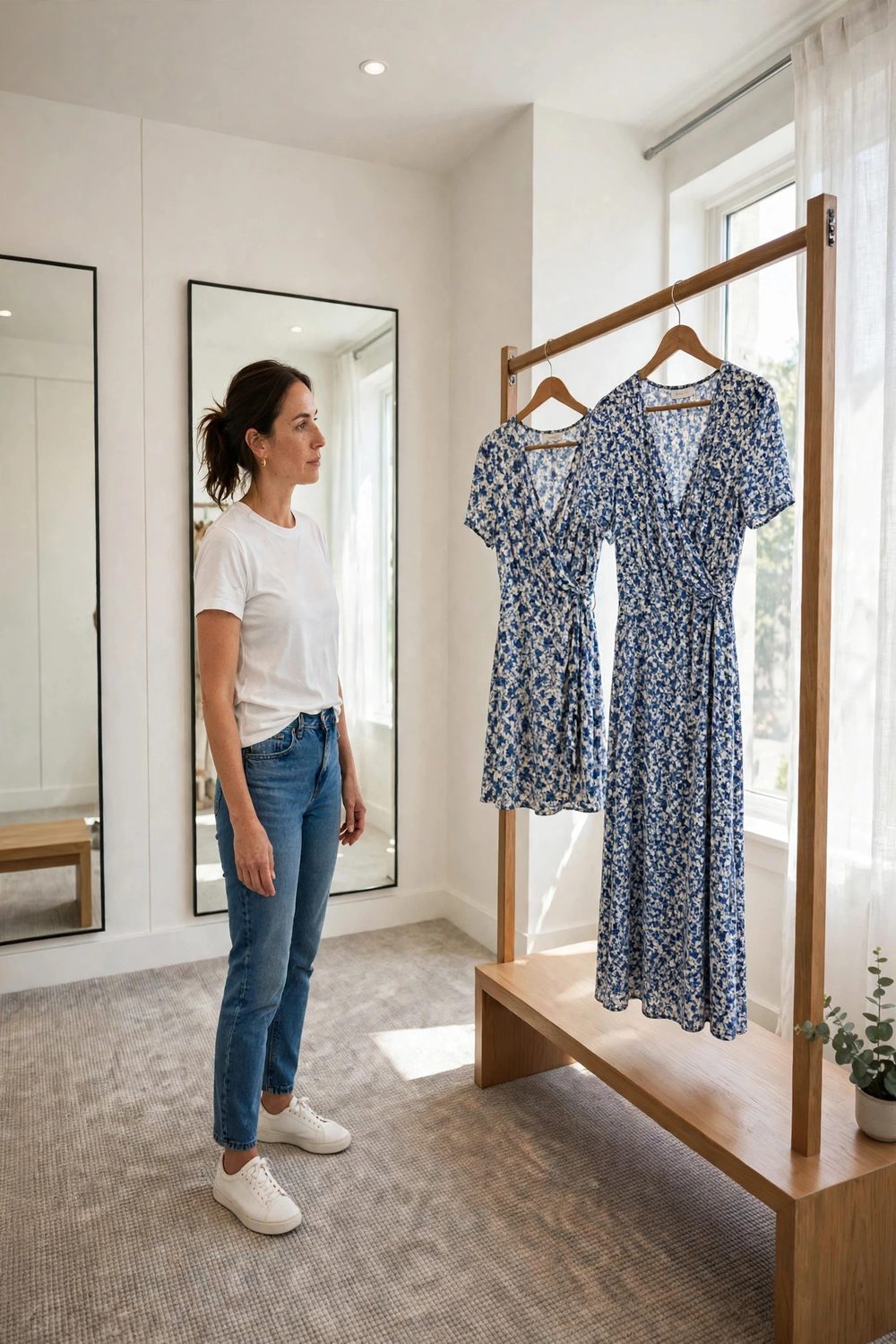
The fairest test is a direct one. Take the same garment, in your usual size, from both ranges into the fitting room and wear them back to back.
Check the same five points on each: shoulder seam, waist placement, rise or bodice length, knee placement, and hem. Score them plainly, point by point.
Most women find a split result. Petite wins for pants and waisted dresses, while regular may win for a coat if your arms run long.
That split is the answer, not a problem. Ranges are tools, and a mixed wardrobe built on your own checks will fit better than brand loyalty.
14. Mix Ranges by Garment When You Sit Between

If your torso is short but your legs are longer, or the reverse, no single range will win everywhere. Buy per garment, using the checks for that type.
A common mix: petite for waisted dresses and tops, regular with a hem for trousers, or petite bottoms with regular knitwear taken at the sleeve.
Small home fixes can bridge the last gap. A hem, a moved button or a shortened strap often turns a near win in either range into a daily favorite.
Keep the mix written down by garment type. After two or three shops, the pattern of your own frame becomes a rule you can shop by.
15. Keep Your Own Numbers Card for Every Order
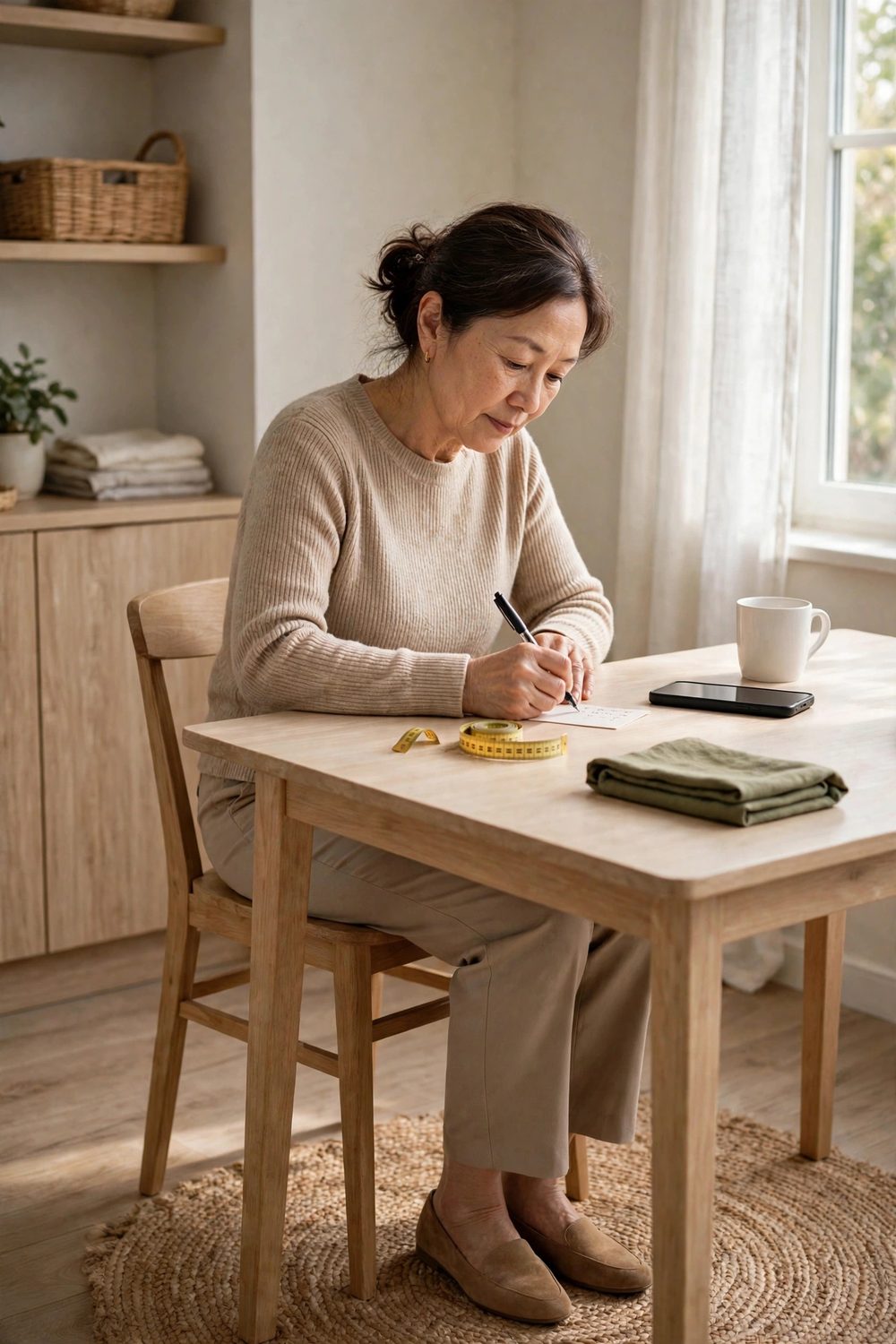
Finish by writing your key numbers on one card: height, back waist length, inseam, front rise, sleeve length, and the ranges that won per garment type.
Keep the card in your phone for shop trips and online orders. Compare it with each brand chart instead of trusting the size you usually take.
Update the card once a year, or after a clear change in size. Charts differ by brand, but your numbers stay the steady part of the process.
For curved frames at petite heights, our notes on petite jeans for curvy women apply these same checks to denim in detail.
Petite is a pattern, not a smaller size, and regular is a pattern too. Once you see where each one places its waist, knee and shoulder, the rail choice gets simple.
You may land mostly in one range, or split by garment like many in between women do. Both outcomes are right, as long as the checks made the call.
Save this guide to our Petite Outfits for Women board, and add your numbers card to your phone today. Your next fitting room visit will take half the time.


