

Container Gardening Mistakes That Kill Beginner Vegetables
Most beginner pots do not die from bad luck. They die from container gardening mistakes that kill beginner vegetables quietly, one wet or dry week at a time, often on a tidy balcony. The good news is that each trap has a clear sign.
A tomato stays wet for days, then bakes dry in one hot afternoon. A pepper sits in deep shade and never sets fruit. A lettuce pot dries out, gets flooded, then wilts again by Friday.
This guide walks through ten common traps, what each one does inside the pot, and the fix that stops it. If past plants died fast, our guide to container vegetables for people who have killed every plant pairs well with this one.
The fixes take a 10 minute weekly check once pots are set up right. Bring a notebook, check the soil first, and work through the list below in order during that check. Most pots need no new gear at all to recover well.
This post contains affiliate links. If you buy through them, we may earn a small commission at no extra cost to you. See our Affiliate Disclosure.
Time: 10 minutes for a weekly check of every pot · Difficulty: Beginner, fixes use basic tools only
What You Need
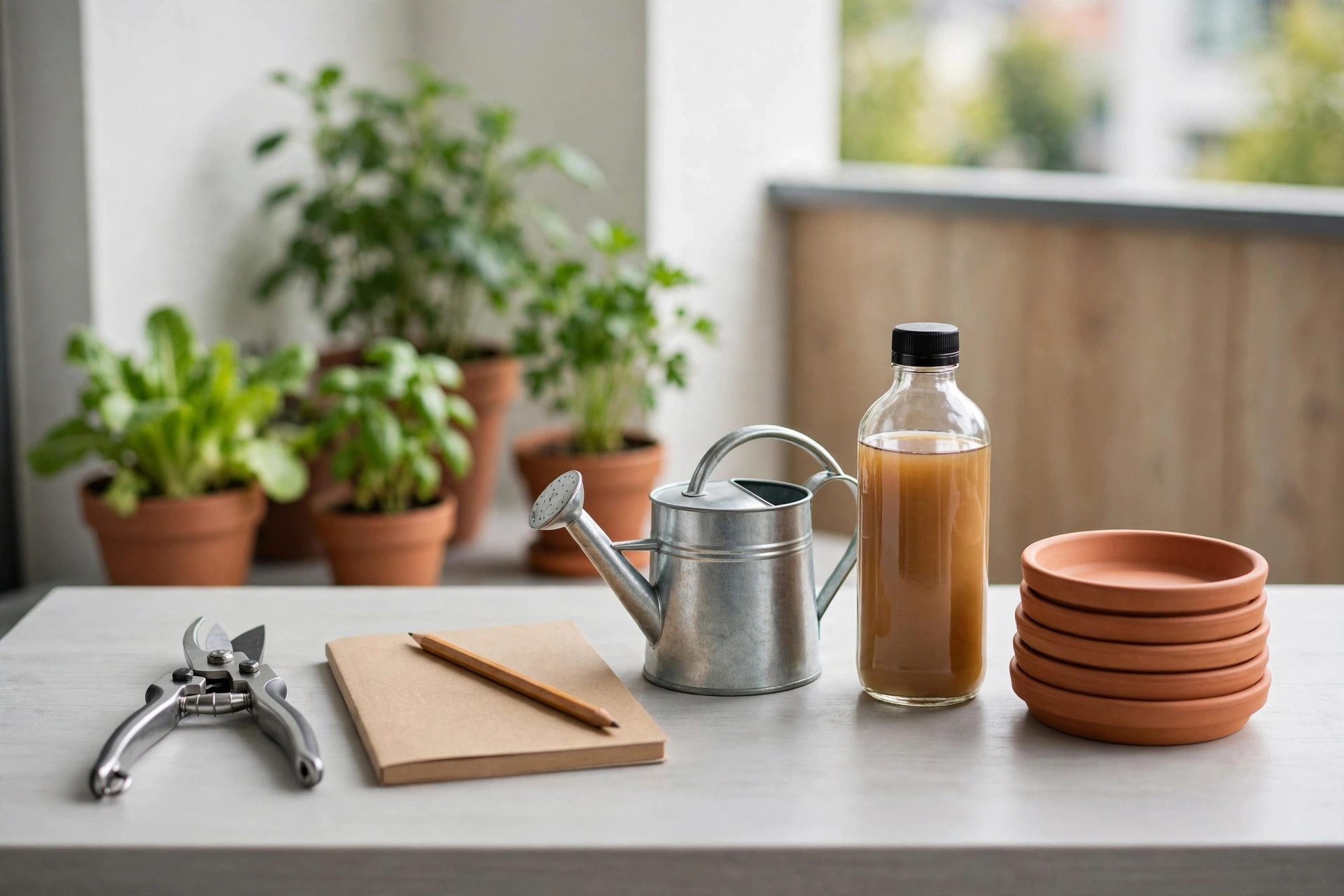
Keep this small check kit within reach of the pots. A short check with the right kit catches most problems while they stay cheap and easy to put right.
Short on storage space near the pots? These small balcony garden ideas show tidy layouts that leave room for a kit by the door.
- Your finger: pushed about 1 inch (2.5 cm) into the mix, it works as a free moisture meter and stops calendar based watering.
- Saucers, one under each pot: they catch drips on the balcony floor and show at a glance when standing water needs tipping out.
- Balanced liquid feed: a bottle for fruiting and leafy crops, used at the rate on the label, since pots hold no spare food store.
- Sharp, clean snips: they cut dead leaves and stems cleanly, without tearing healthy growth or spreading spots from plant to plant.
- A small notebook: a few lines per week on watering, feeding, and first spots turns guesswork into a pattern you can read.
- A watering can with a narrow spout: easy to fill at the kitchen sink, and the spout pours at soil level without splashing leaves.
Stop Watering on a Fixed Calendar
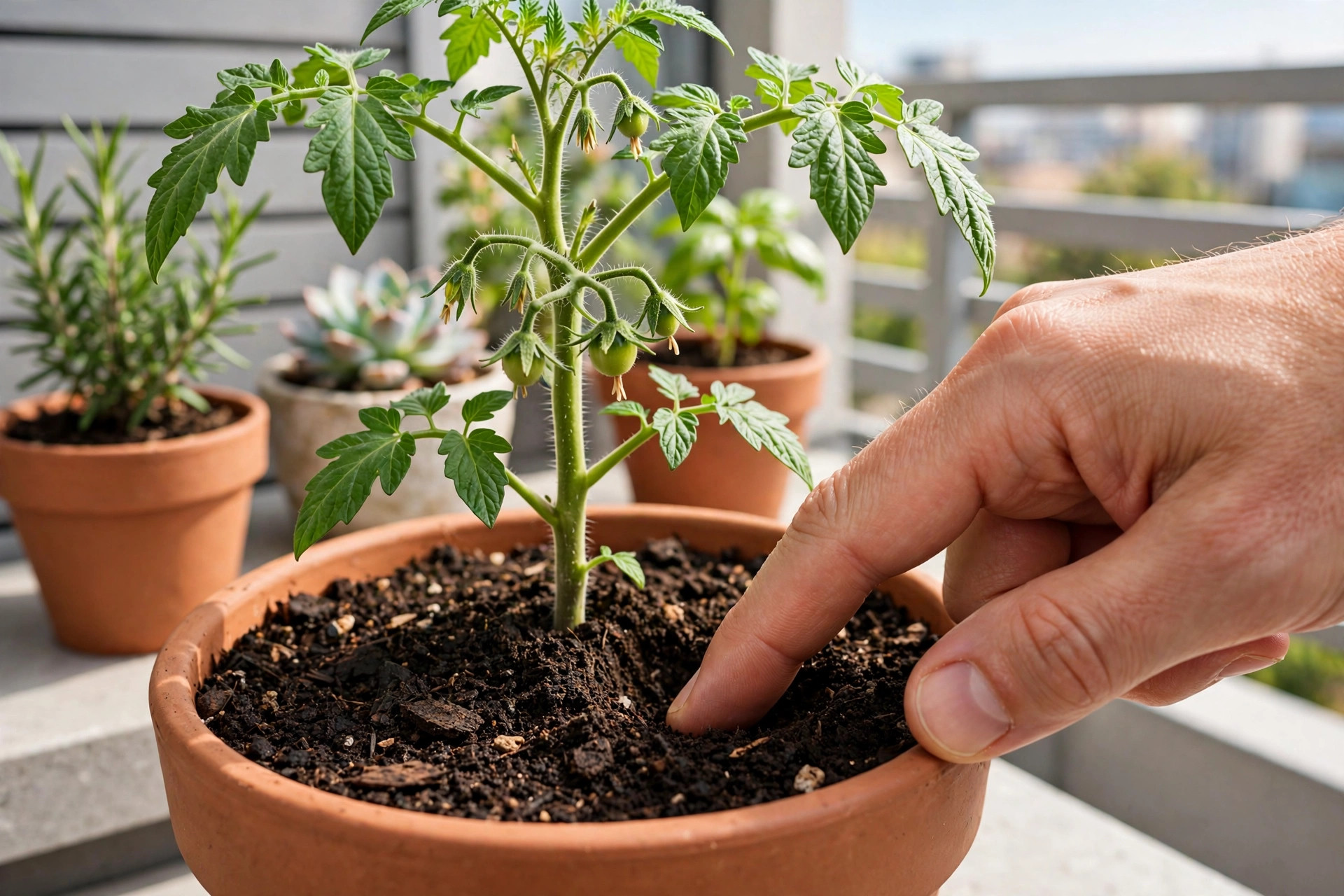
Watering every Tuesday and Friday sounds neat, but pots dry at very different speeds. Wind, sun, pot size, and plant size change the need each day, sometimes within a single hot spell.
A small herb pot can dry in a day, while a large tomato pot holds moisture for three. Extra water with nowhere to go sits around roots, pushes out air, and starts rot.
Roots turn brown and soft, leaves yellow from the bottom, and growth stalls even though the soil feels wet. Fix it with the finger test: water only when the top 1 inch (2.5 cm) feels dry.
Stop Using Pots With No Drainage Holes
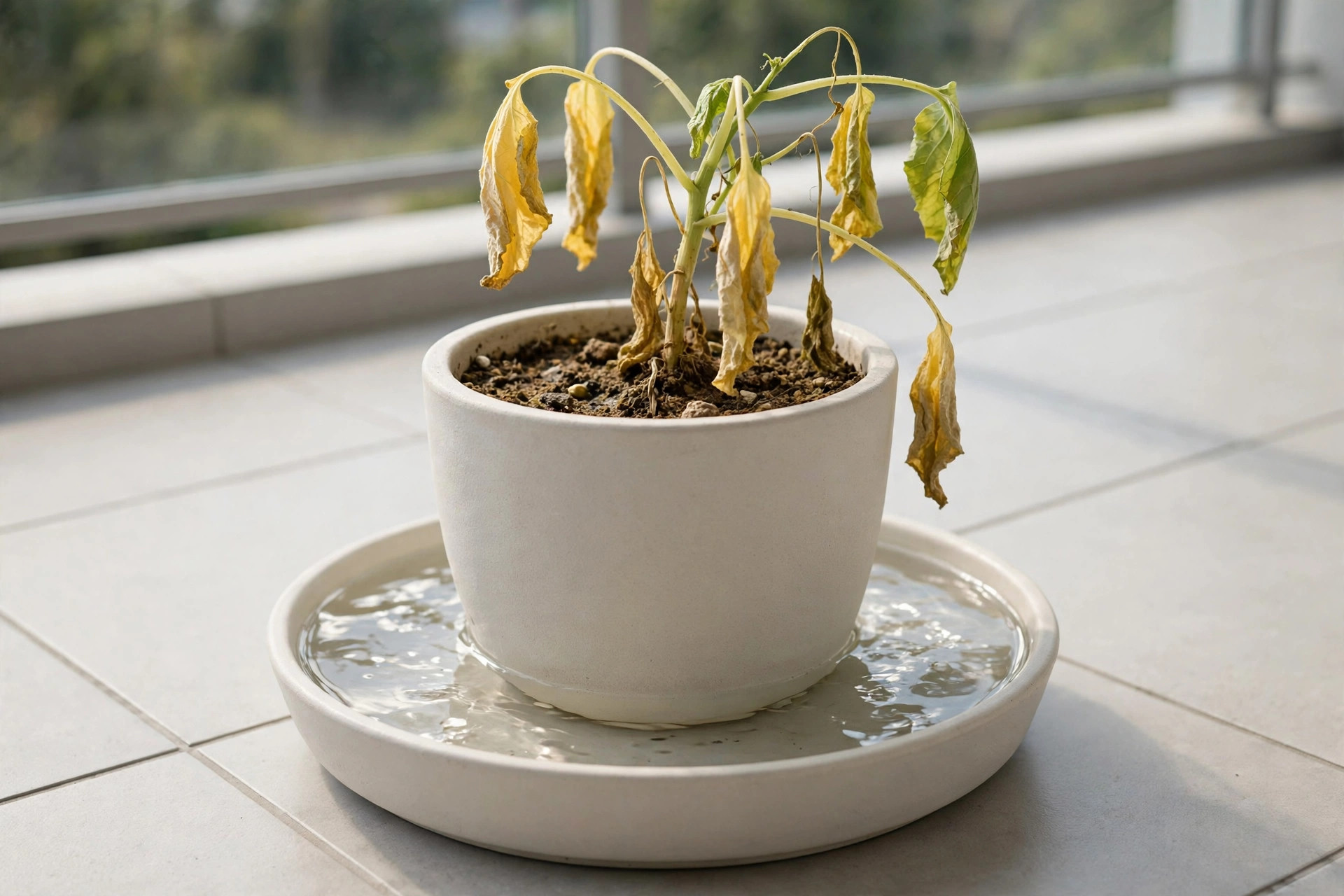
A solid base traps every drop you pour in and every rain shower after it. The mix at the bottom stays soaked for days, and roots sitting in that layer lose access to air.
Growth slows, lower leaves yellow, and a sour smell rises from the mix when you water. Tiny flies over the surface often follow, since they breed in mix that never dries on top.
Pick pots with holes in the base, and set each one on a saucer. A plain inner pot can sit inside a decorative outer pot, as long as you tip out any water caught between them.
Stop Filling Pots With Garden Soil
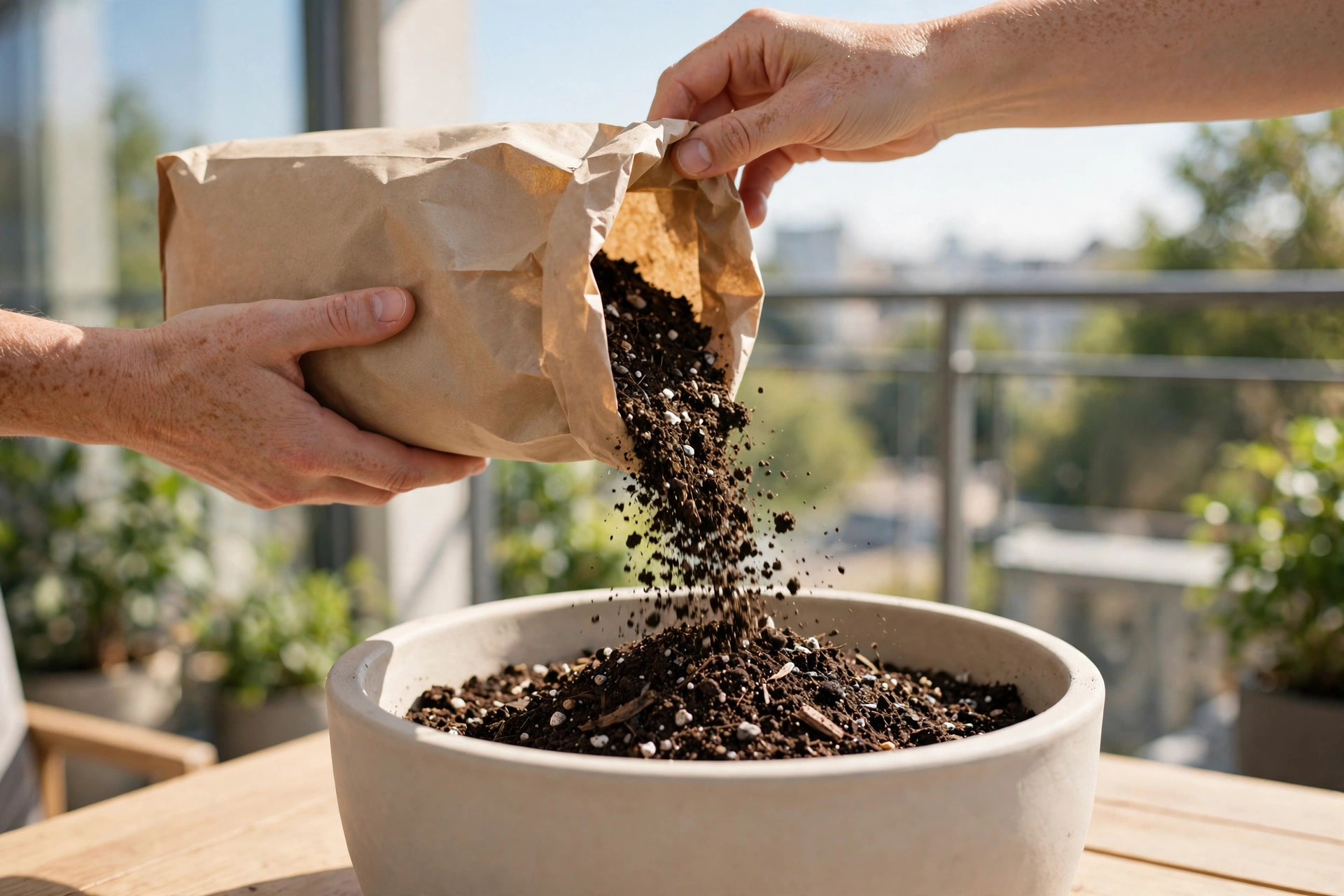
Garden soil works in open ground, where worms and depth keep it loose. Packed into a pot, it compacts hard, drains slowly, and can carry weed seeds and disease from the bed.
Water pools on a crusted surface, then runs down the pot sides and out. Roots below stay dry in patches and soaked in others, and young plants stall with pale, weak growth.
Use bought potting mix made for containers when you grow food crops. Fill the pot, firm the mix gently with your hands, and leave 1 inch (2.5 cm) clear below the rim for watering.
Stop Crowding Several Big Plants Into One Pot
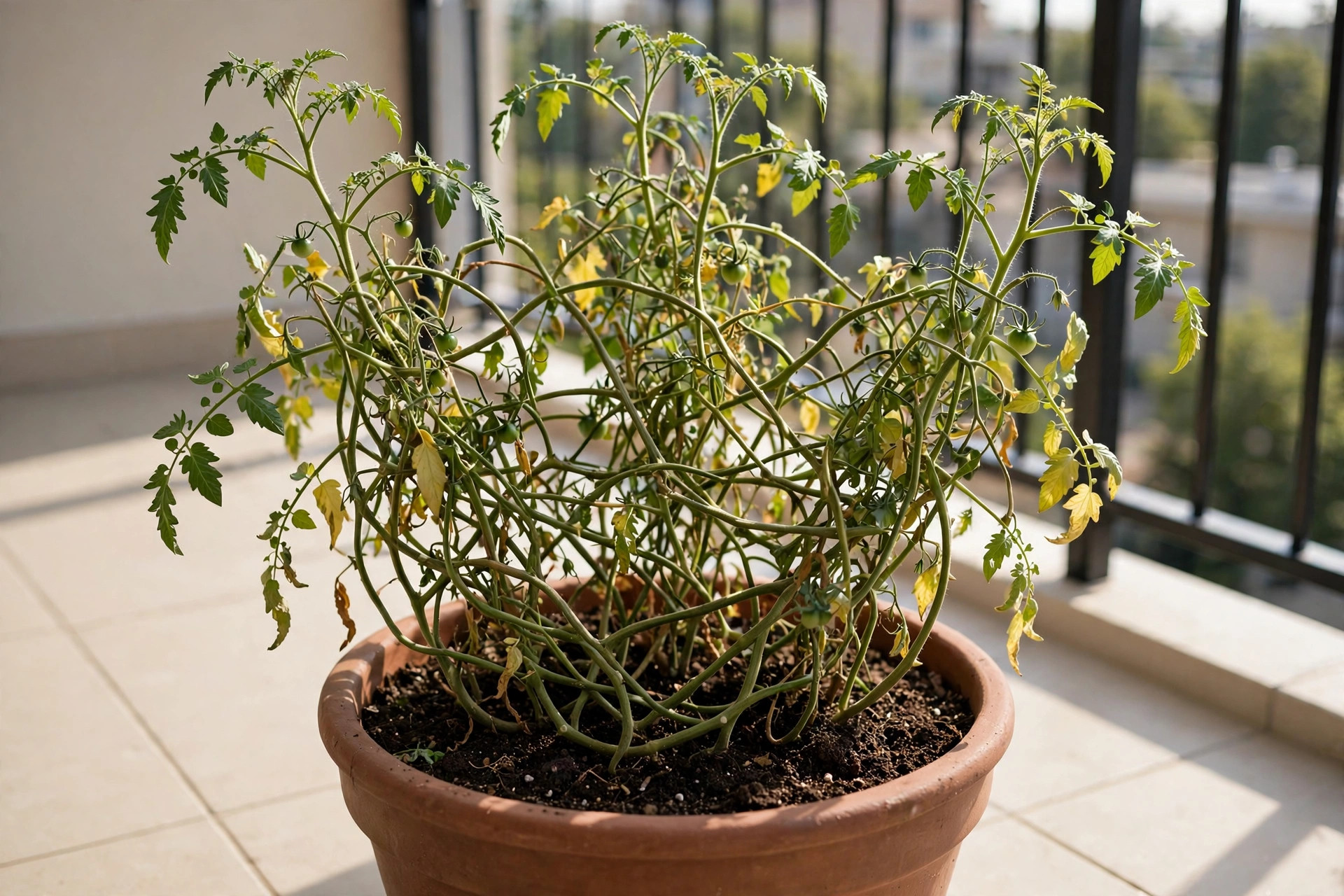
Three young tomato plants look small side by side in spring. By midsummer each one wants the whole pot, and their roots compete for the same water, food, and room.
Crowded leaves shade each other and hold damp air, so spots spread from leaf to leaf fast. Fruit stays small, stems stretch thin, and the pot dries out hours after each watering.
Give one big plant a whole 5 gallon (about 19 liter) pot to itself. Herbs and lettuce can share a wide pot, thinned to the spacing printed on the seed packet or plant label. Thin extra seedlings early, before roots tangle into one mat.
Stop Growing Fruiting Crops in Shade
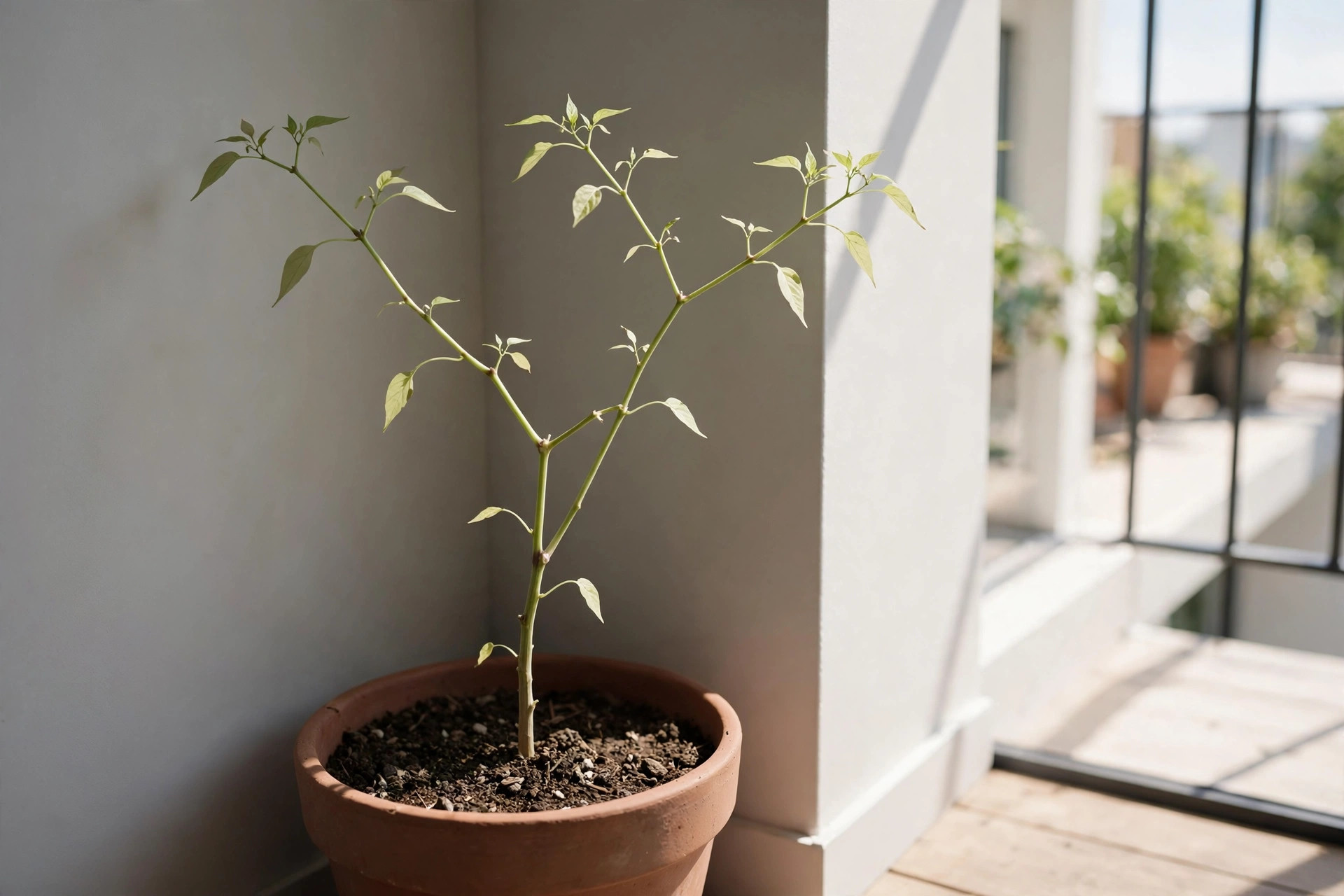
Tomatoes, peppers, cucumbers, and zucchini (courgette) need 6 to 8 hours of direct sun a day to flower and set fruit. Leafy greens manage on 3 to 4 hours, which fools many beginners in spring.
In a shaded corner, fruiting plants grow pale and leggy. Flowers open, then drop, or never form at all. The plant stays alive for weeks, so the light problem hides behind watering worries.
Track the sun across your balcony for one full day before you place big pots. These smart balcony garden ideas help you plan sun, shade, and walking space before heavy pots land.
Stop Letting Pots Dry Out Then Flooding Them
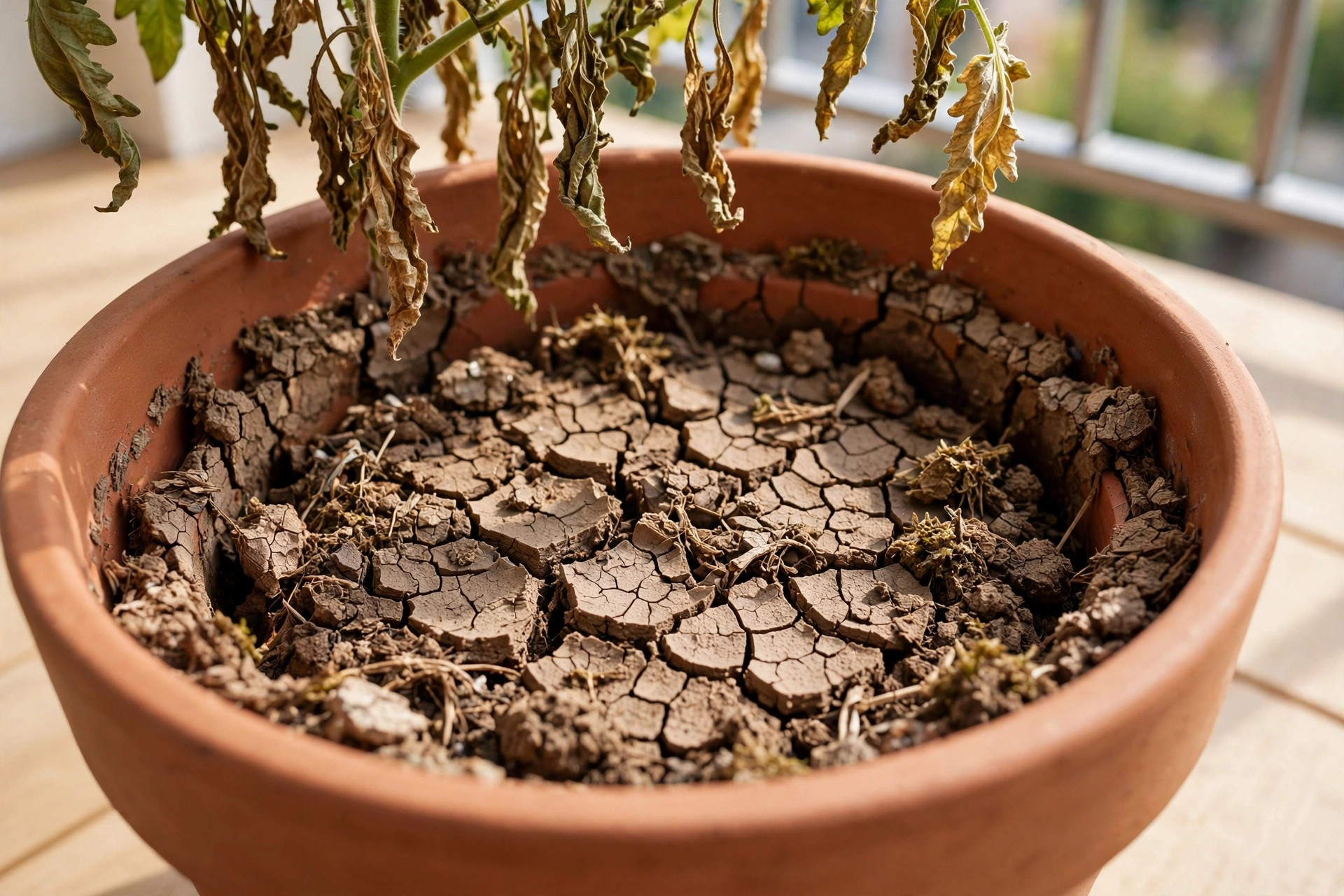
Very dry mix shrinks away from the pot sides and turns hard to wet. Water poured on top runs down that gap and out of the holes, while the root ball stays dry inside.
The panic flood that follows soaks the outer mix and leaves the center dry. That swing from drought to soak stresses roots, cracks tomato skins, and knocks flowers off peppers.
Water deeply and slowly until it runs from the holes, then check again after 10 minutes. For a pot that dried out fully, set it in a tray of water for 20 to 30 minutes.
Stop Skipping Feed for Hungry Pots
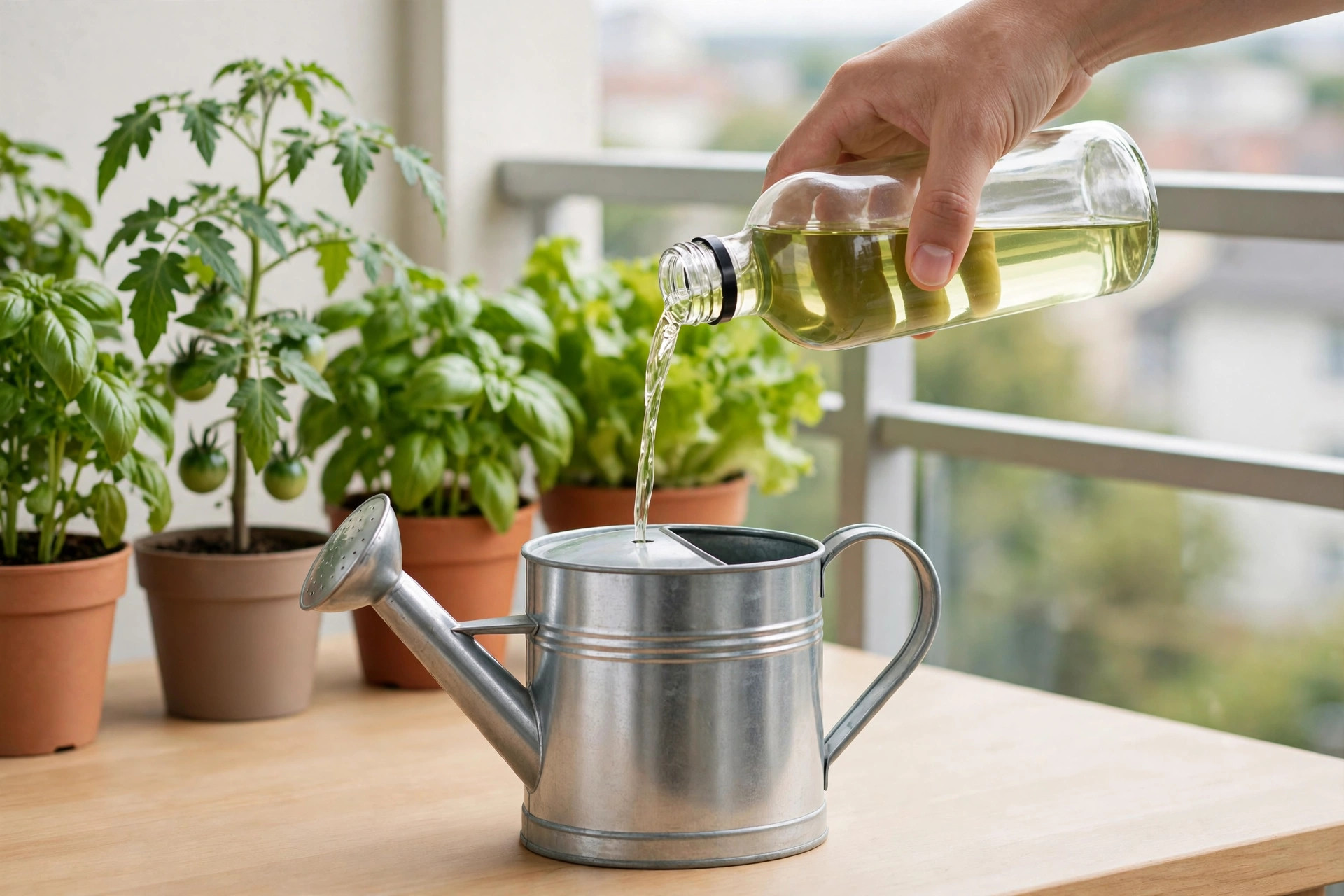
A pot holds a small store of food, and every watering washes a little of it out of the holes. Unlike a garden bed, the mix has no deep ground for roots to draw on.
Hungry plants tell you with pale leaves, slow growth, and few flowers, even when sun and water look right. Fruiting crops suffer first, since each tomato or pepper pulls food from the plant.
Feed with a balanced liquid feed at the rate on the label during active growth. Herbs need a lighter hand, and these balcony herb garden ideas for apartments cover herb care for cooks.
Stop Starting Big Crops in Tiny Pots
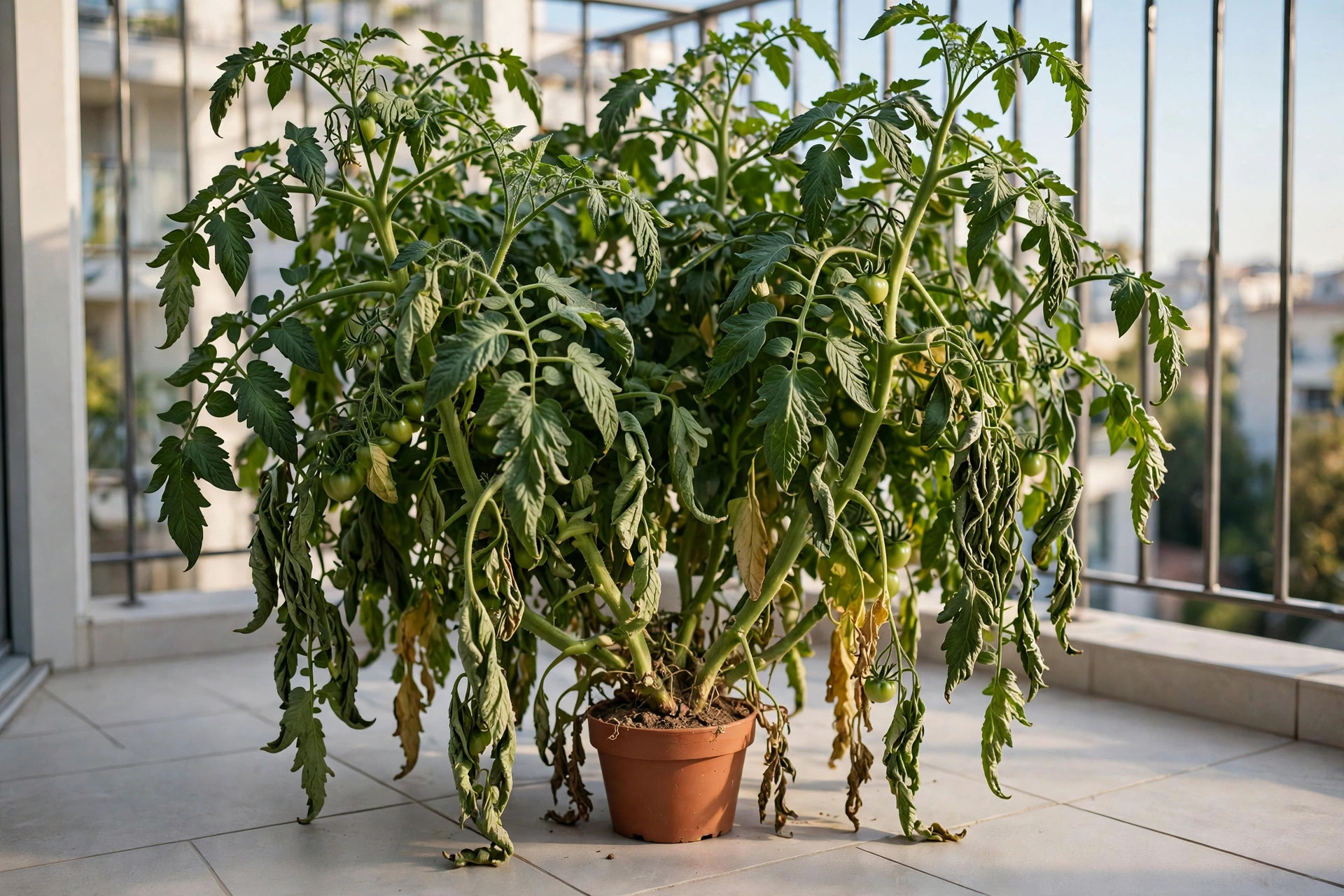
A tomato or pepper planted in a small pot fills it with roots within weeks. Once roots circle the base, the pot dries out daily and the mix swings hot and cold.
The plant wilts each afternoon, then perks up after watering, and that daily stress adds up. Growth slows, lower leaves drop, and the first fruit stays small or falls early.
Start big crops in the pot they will finish in. One tomato or pepper needs 5 gallons (about 19 liters), while herbs, radishes, and lettuce suit pots 10 to 12 inches (25 to 30 cm) wide.
Stop Leaving Saucers Brimming With Standing Water
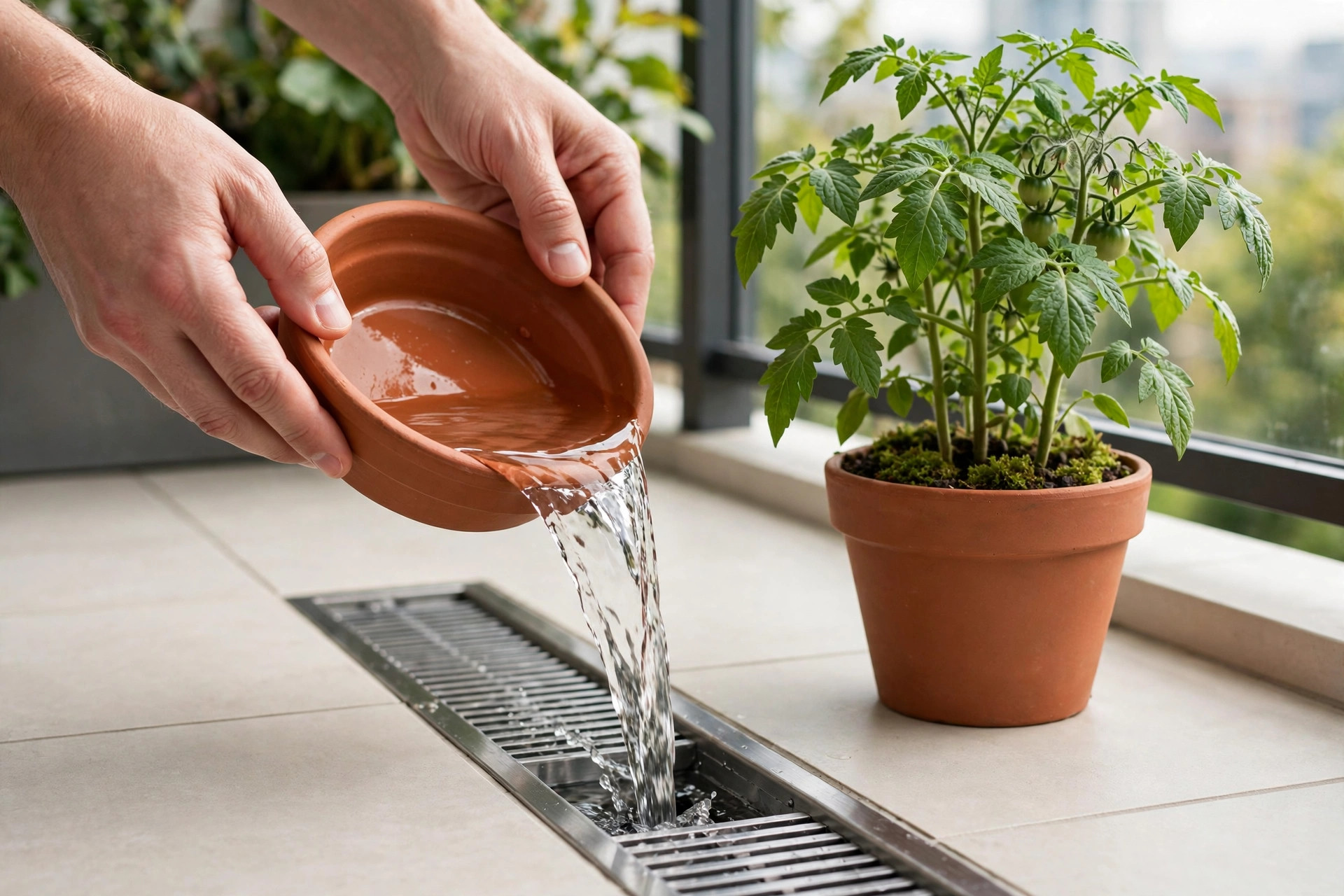
A saucer catches drips well, but a brimming saucer keeps the pot base in water all day. That water wicks back up, so the lowest roots never leave the soak that rots them.
Warm standing water also draws mosquitoes to a small balcony, and algae can film the saucer surface. The pot smells sour, and the plant yellows from the base up over time. Neighbors below also stay dry when saucers stay empty.
Empty each saucer about 30 minutes after watering, once the pot has drained fully. Tip saucers out after rain too, and lift pots on small feet if your balcony floods in storms.
Stop Ignoring the First Pest and Disease Signs
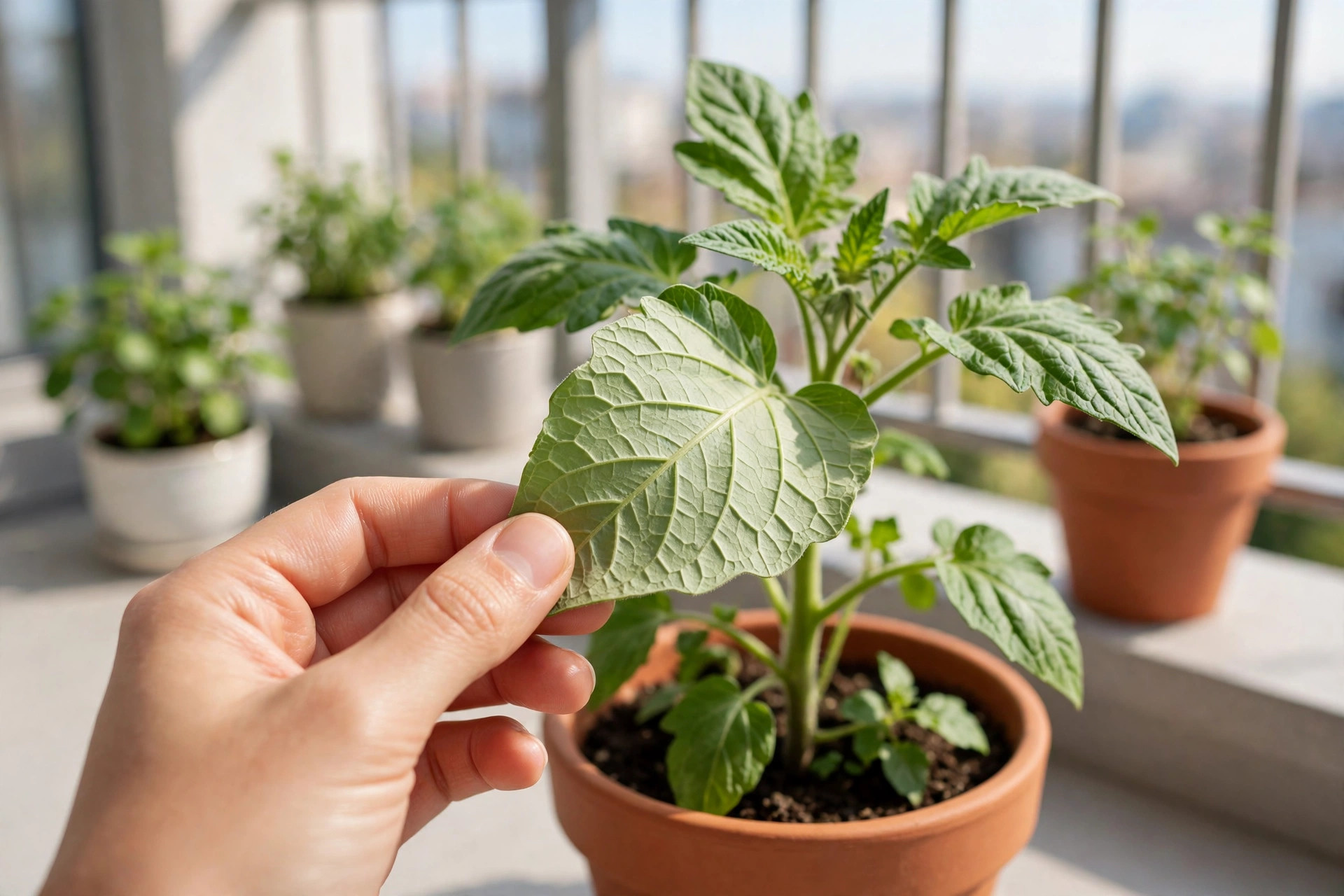
Aphids and other small pests settle on leaf undersides and soft new growth first. A few insects on Monday can cover a stem by the next week if nobody looks.
Leaf spots spread the same quiet way. One spotted leaf sheds spores onto clean leaves below it, and crowded, damp growth lets disease move through a whole pot fast.
Turn one leaf per plant over during the weekly check, and look at the underside. Snip dead and badly spotted growth off with clean snips, and bin it with household trash, not compost. Wash your hands after handling sick leaves each time.
Frequently Asked Questions
Why do leaves turn yellow when the soil feels wet?
Wet mix with yellow leaves points to roots, not thirst. Roots in soaked mix lose air, stop taking up food, and start to rot, and the oldest leaves show that damage first.
Check that the holes drain, tip out the saucer, and let the top inch dry before you water again. If the mix smells sour, repot into fresh mix and trim soft brown roots.
How can I tell if the mix is dry below the surface?
The surface lies after a sunny morning, since the top layer dries first. Push a finger down about 1 inch (2.5 cm). Mix that feels cool and slightly damp at that depth can wait.
Lifting the pot works as a second check. A dry pot feels far lighter than a watered one, and after a few weeks your hands learn the difference fast.
Can I save a plant that dried out fully?
Often, yes, if the stem and crown stay green and firm. Set the whole pot in a tray of water for 20 to 30 minutes, so the mix drinks from below at its own pace.
Then drain it, snip off leaves that stayed crisp and brown, and keep the pot in light shade for a day. Most leafy crops and herbs recover within a few days. Water plainly for the next week, with no feed added yet.
How often should I feed vegetables in pots?
Follow the rate and timing printed on your feed label, since brands differ. Many labels set feeds every 1 to 2 weeks during the fastest growth for fruiting crops in pots.
Leafy crops and herbs need less, and overfeeding them gives soft, weak leaves with poor flavor. When in doubt, feed at the label rate and note the date in your notebook.
When is a sick plant not worth saving?
A plant with most leaves spotted, a soft black stem base, and no clean new growth rarely recovers. Pull it out, bin the plant and its mix, and scrub the pot before reuse.
That hard call protects the pots around it. One badly sick plant left in place can spread spots to every clean plant on a small balcony within weeks. Fresh growth on nearby pots is the real reward here.
Quick Reference
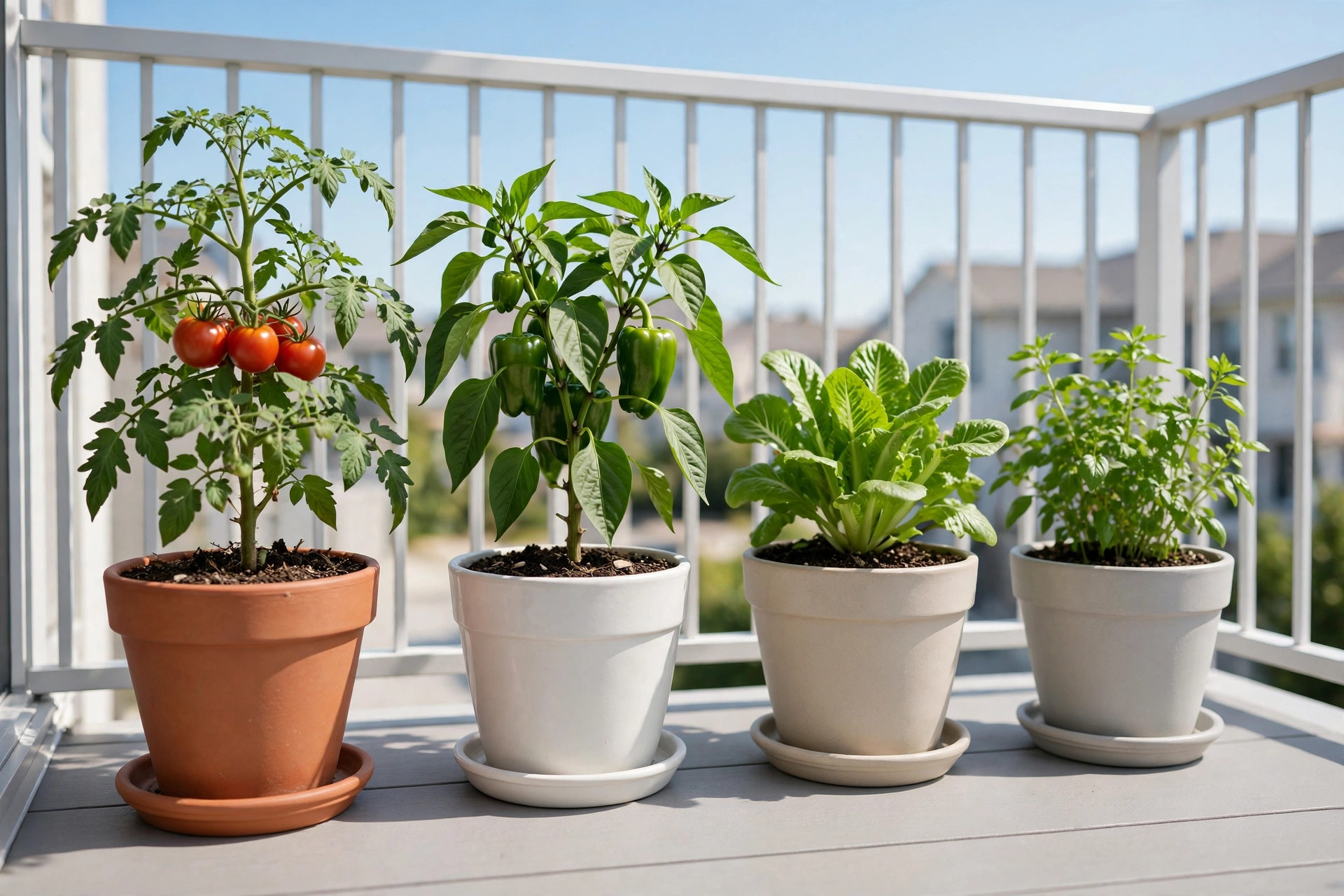
Keep this card near the pots. One line per mistake, with the fix that stops it.
- Fixed calendar watering: check the top inch with a finger, then water only if dry.
- Pots with no drainage holes: swap to holed pots, or lift the inner pot and tip out caught water.
- Garden soil in pots: refill with bought potting mix made for containers and food crops.
- Crowded big plants: one tomato or pepper per 5 gallon pot, thinned seedlings for small crops.
- Fruiting crops in shade: move them to 6 to 8 hours of sun; greens take 3 to 4.
- Drought then flood swings: water deep and slow, and soak a fully dry pot for 20 to 30 minutes.
- No feed: use balanced liquid feed at the label rate during active growth.
- Big crops in tiny pots: start them in their final pot, 5 gallons for one tomato or pepper.
- Brimming saucers: empty each saucer about 30 minutes after watering and after rain.
- Missed pest signs: check leaf undersides weekly and snip dead growth off with clean snips.
Most pots can be saved once you spot which trap caught them. Work down the list, fix one mistake at a time, and watch the plant answer within a week or two.
Setting up fresh this season? Our guide on how to start a container vegetable garden from scratch walks the setup order that avoids container gardening mistakes that kill beginner vegetables.
Pick the worst mistake on your balcony and fix that one this week. Save this guide to your container garden board for later, and note the date in your notebook.


