

15 First Home Decorating Ideas for Couples Merging Styles
Two people, two sofas worth of stuff, and one small living room: the first home merge can feel like a contest nobody meant to enter.
It does not have to be a contest at all. These first home decorating ideas for couples use shared rules, traded choices, and repeat colors to blend two tastes.
Each idea gives both people a clear win in the room. One leads here, the other leads there, and the pieces that clash get time out of sight.
Start before the boxes arrive if you can. A shared plan on paper is calmer than a debate held over a half built bookcase.
None of this asks either of you to give up the pieces you love most.
It asks for a fair order, a shared palette, and a place where each taste can be seen without taking over the whole room. The room will thank you both for it.
This post contains affiliate links. If you buy through them, we may earn a small commission at no extra cost to you. See our Affiliate Disclosure.
1. Make Two Lists Before Any Box Is Unpacked

Each person writes two short lists: keep forever, and happy to let go. Swap lists, read them in full, and ask about the stories behind the top three items.
The keep forever list is short by rule, five pieces each at most. A short list protects the pieces that carry family history or real daily use.
Everything not on either list is open for debate. That middle pile is where duplicates and weak pieces leave without a fight.
Keep the lists on the fridge for the first month. They settle small disputes fast, because past you already made the hard calls.
2. Choose One Shared Palette Before Either Style Enters

Color is the glue that lets unlike pieces share a room. Pick three or four shared colors together, drawn from one item you both already like.
A rug, a poster, or a quilt can supply the palette. Pull two calm base tones and one stronger accent, then test every later buy against those swatches.
Our neutral apartment living room ideas show calm base palettes that accept bold accents from either partner without a clash.
Write the palette on the same fridge list. A named palette ends the nightly debate about one more cushion in a brand new color.
Photograph both lists before the move. Boxes get lost and memories blur, and a photo of the agreed lists keeps the plan steady.
3. Keep Large Pieces Calm and Let Accents Carry Taste
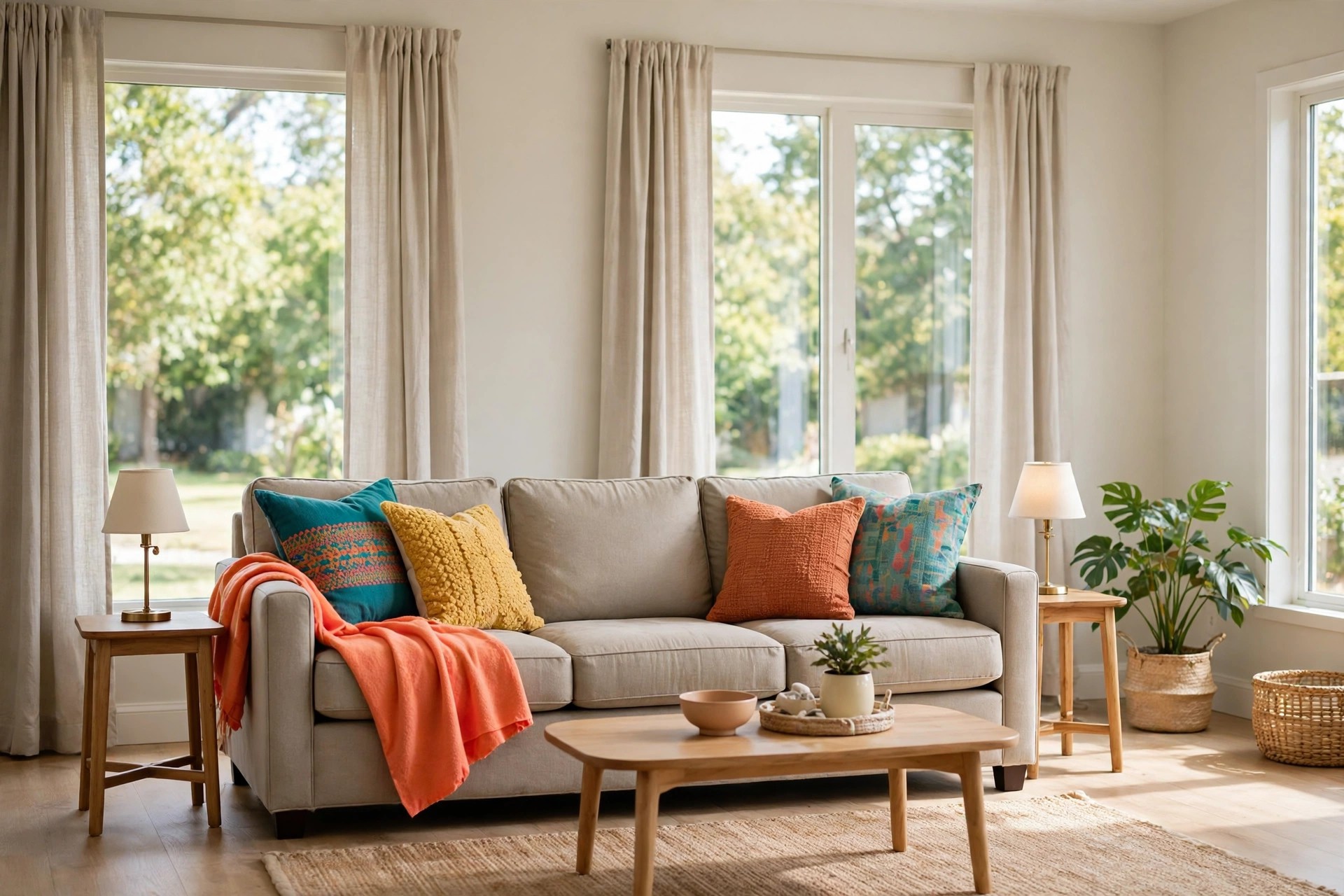
Big pieces set the room volume, small pieces carry the flavor. A plain sofa and plain curtains let both partners show taste in cushions, art, and lamps.
This split lowers the stakes of every small choice. A bright cushion from one side and a dark throw from the other can share one calm seat happily.
If a large piece arrives loud from a past home, calm it down. A plain throw or slipcover in a palette tone quiets it without selling it.
Swap accents with the seasons if you both get restless. Small pieces move cheaply, and the room feels new without a new sofa debate.
4. Trade the Lead on Big Choices, One Piece at a Time

Split decisions by piece, not by vote on everything. One partner leads on the sofa, the other leads on the rug, and the lead swaps with each big buy.
The non lead partner keeps one veto for size or comfort only. Taste vetoes stall merges for weeks and leave rooms half empty.
Write the trade order down with the lists. Memory edits itself after a long shopping day, and paper keeps the deal fair.
Our room tour in first apartment living room ideas shows how single lead choices still add up to one calm, shared room.
5. Repeat Each Wood Tone at Least Twice in the Room
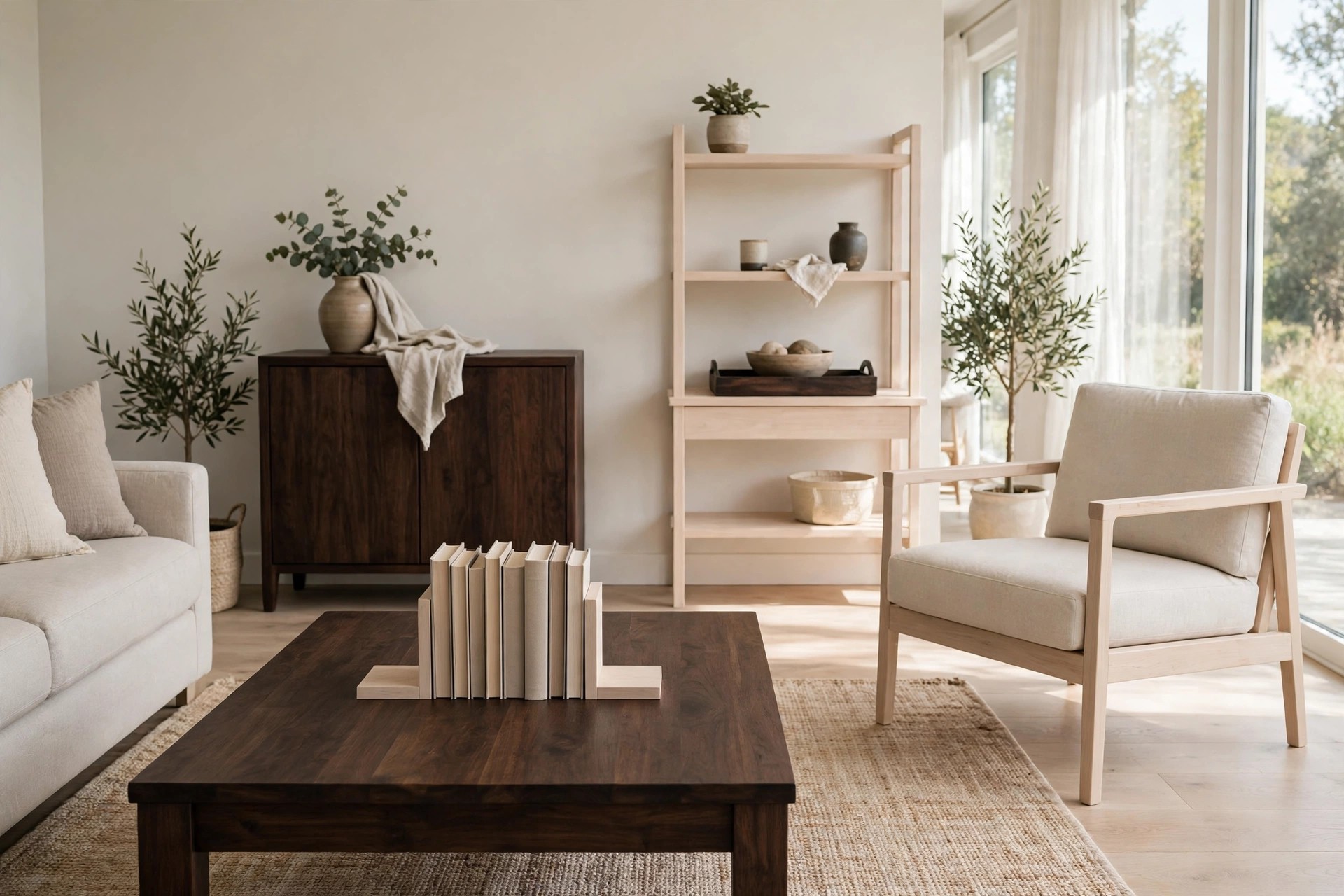
Mixed wood is where two households often clash first. A dark table from one home and pale shelves from the other can work if each tone appears twice.
Repetition makes wood look chosen. Add a small dark tray on the pale shelf, or pale bookends on the dark table, and the pair starts to rhyme.
Avoid lining all dark pieces on one wall and all pale pieces on the other. That split turns the room into two camps at a glance.
If a tone appears once and cannot repeat, move that piece to another room. Hallways and bedrooms forgive single tones that living rooms do not.
6. Give Each Person One Corner or Shelf With No Debate

Shared rules go down easier with one free zone each. A shelf, a side table, or a reading corner where each person places what they love, no comments allowed.
Keep the free zones the same size and both in view. Equal space signals equal standing in the home better than any speech about fairness.
Free zones also quarantine the hardest pieces. The odd lamp or bright vase lives happily on its owner shelf instead of fighting the sofa palette.
Guests often love these corners most. They are the spots where the home shows two real people instead of a showroom set.
7. Pair One Older Piece With One New Piece in Each View
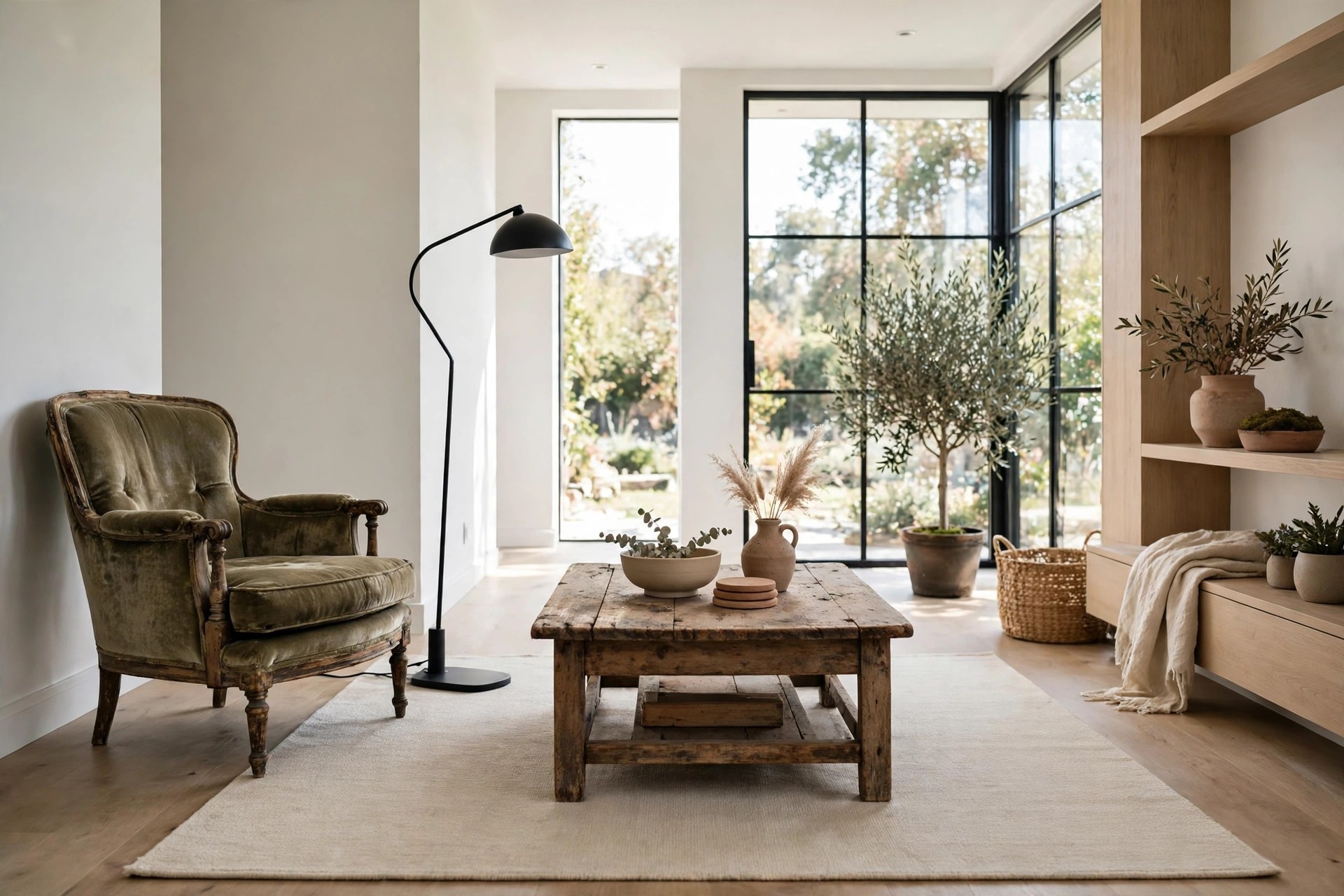
A room of only his old things or only her old things feels like a takeover. Pairing one older piece with one newer shared piece in each view balances the room.
Try the inherited chair beside a new shared lamp. Or the old coffee table under a new shared rug, sized to fit the room you have now.
Our vintage living room ideas show how older pieces hold their own beside plain new basics without looking dated.
This pairing rule also paces spending. Each old piece that earns a new partner stays, and pieces that never pair well reveal themselves.
Photograph the room once the pairing is done. A photo flattens the view and shows at once which side of the room feels heavier.
8. Use Textiles to Settle a Bold Piece Into a Calm Room

A bold chair or bright rug does not need to leave. Surround it with textiles in the shared palette and the piece reads as the planned accent.
Pull one color out of the bold piece and repeat it small. A cushion or throw carrying that one color links the piece to the rest of the seat.
Keep other patterns quiet near a loud piece. Two strong patterns side by side start an argument the eye cannot settle.
For shared spaces with roommates as well as partners, our first apartment ideas for roommates use the same textile peace talks.
9. Hang Art in Pairs, One From Each of You, in Same Frames
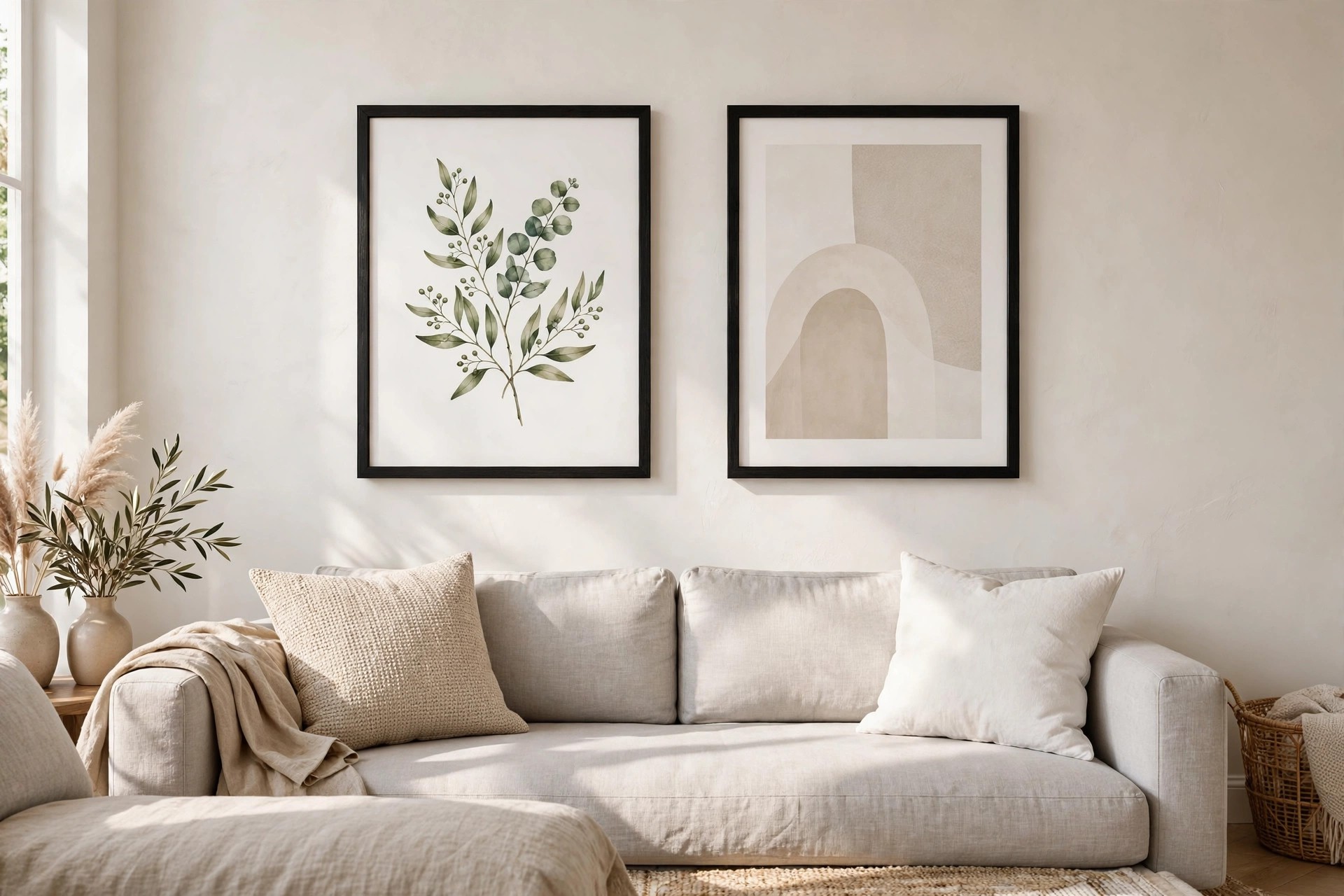
Art shows taste more plainly than furniture does. Hang pairs instead of sides: one print from each of you, side by side, in matching simple frames.
The shared frame does quiet diplomacy. Two unlike prints in the same wood or black frame read as a set the moment they share a wall.
Hang pairs at the same height over the sofa or dresser. Level tops calm mixed art faster than any talk about style.
If one piece is much larger, give it the solo wall and pair the smaller works elsewhere. Scale balance matters more than equal wall counts.
10. Keep the Best of Each Duplicate and Release the Rest
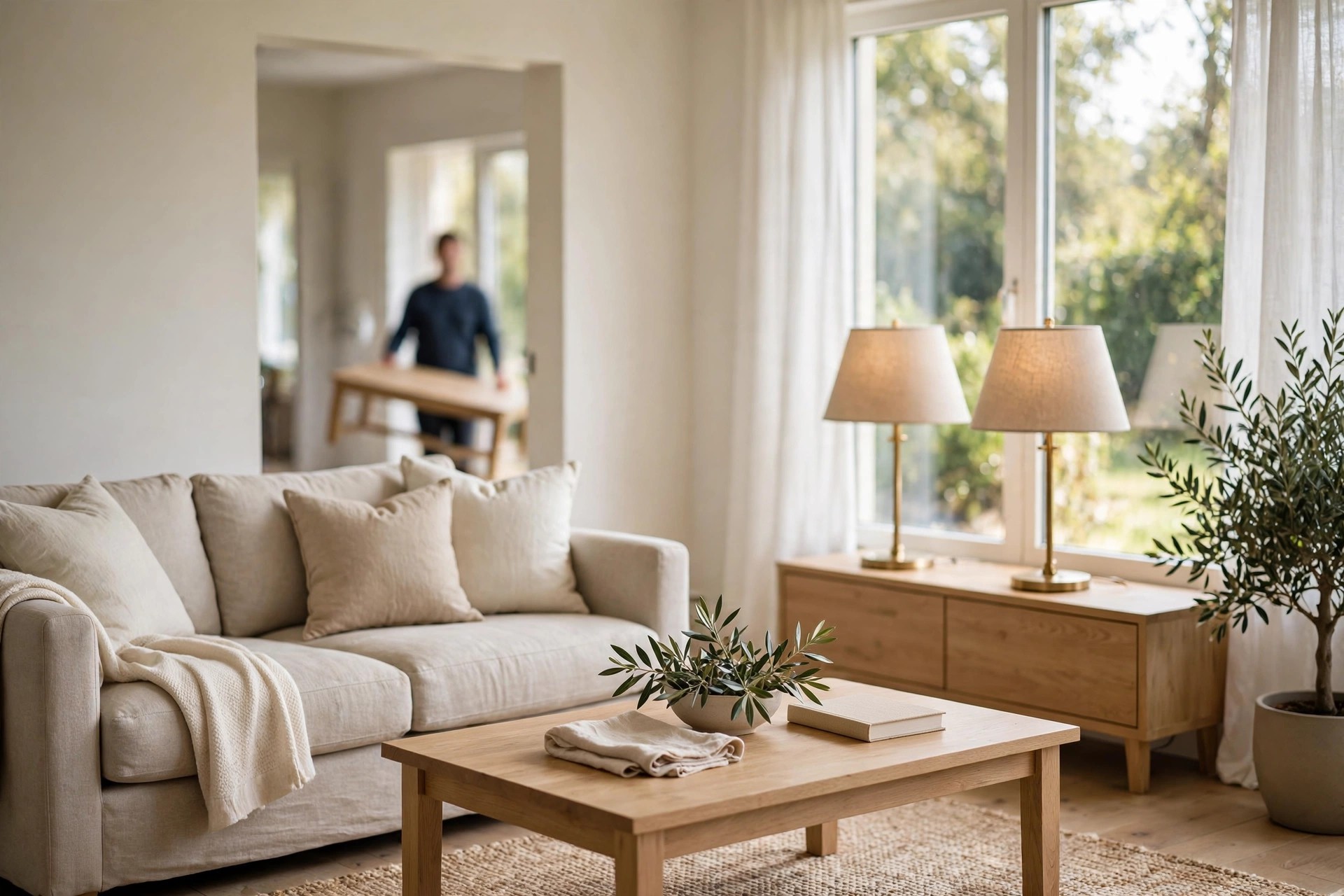
Two homes bring two of everything: two coffee tables, two toasters of the living room world, two sets of lamps. Keep the better fit and release the spare kindly.
Judge duplicates by the room, not by owner. The table that fits the rug and leaves shin room wins, whoever brought it through the door.
Store the spare out of the room for one month before it leaves for good. A short trial apart confirms the choice without a same day regret.
Pass spares to friends setting up their first places. A released piece with a new home feels like a gift, not a loss.
11. Agree on the View From the Front Door Together
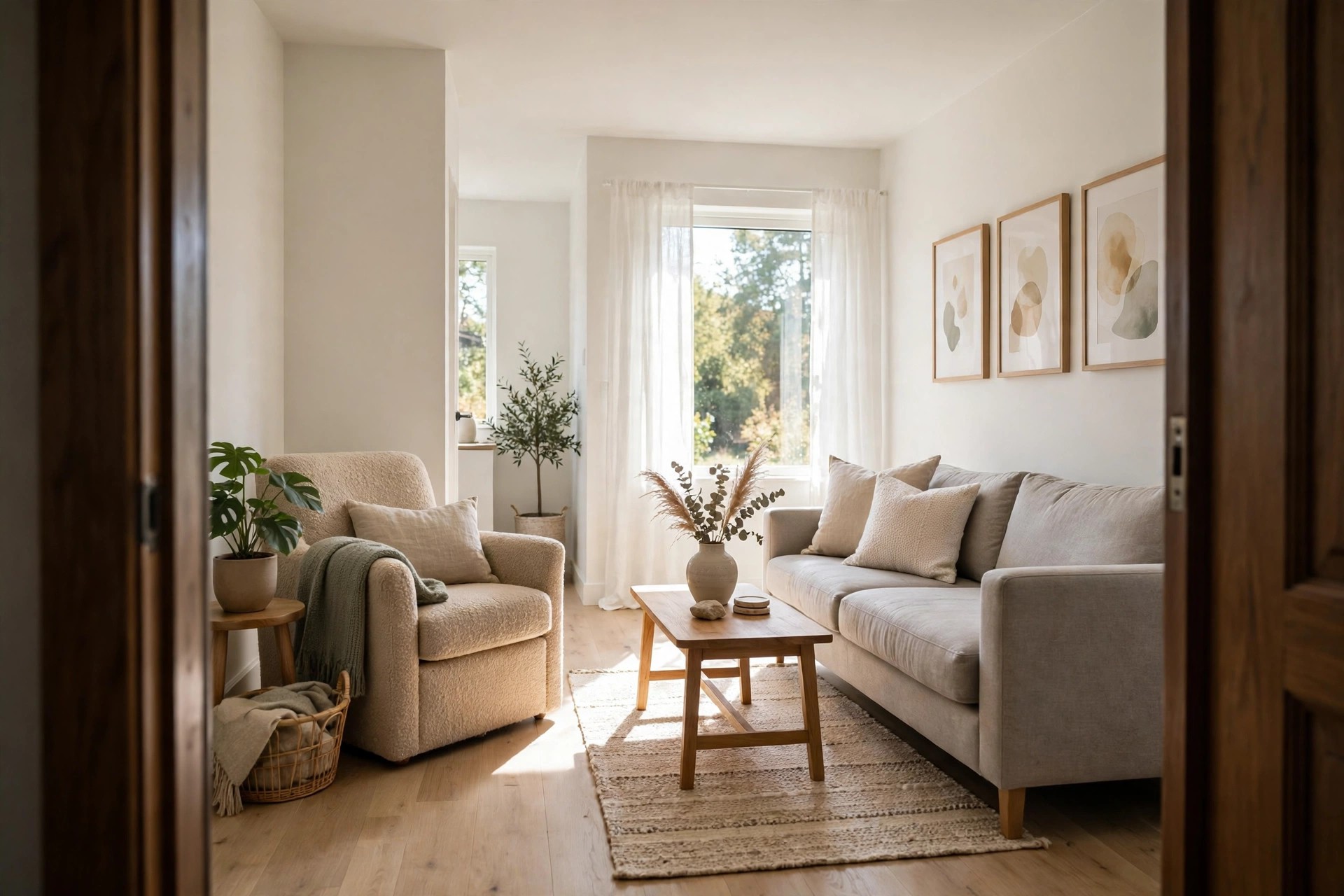
Stand in the doorway together and name what you see. The entry view is the home you both come back to, and it should please you both at a glance.
Move one beloved piece into that view for each person. A chair from one side and art from the other can share the first sight line happily.
Keep the doorway view free of storage piles and drying laundry. First views set mood, and clutter there greets you louder than anywhere else.
Recheck this view after each big change. Rooms drift as pieces arrive, and a five minute doorway check pulls them back into line.
12. Test the Room at Night Before Buying More Light or Decor
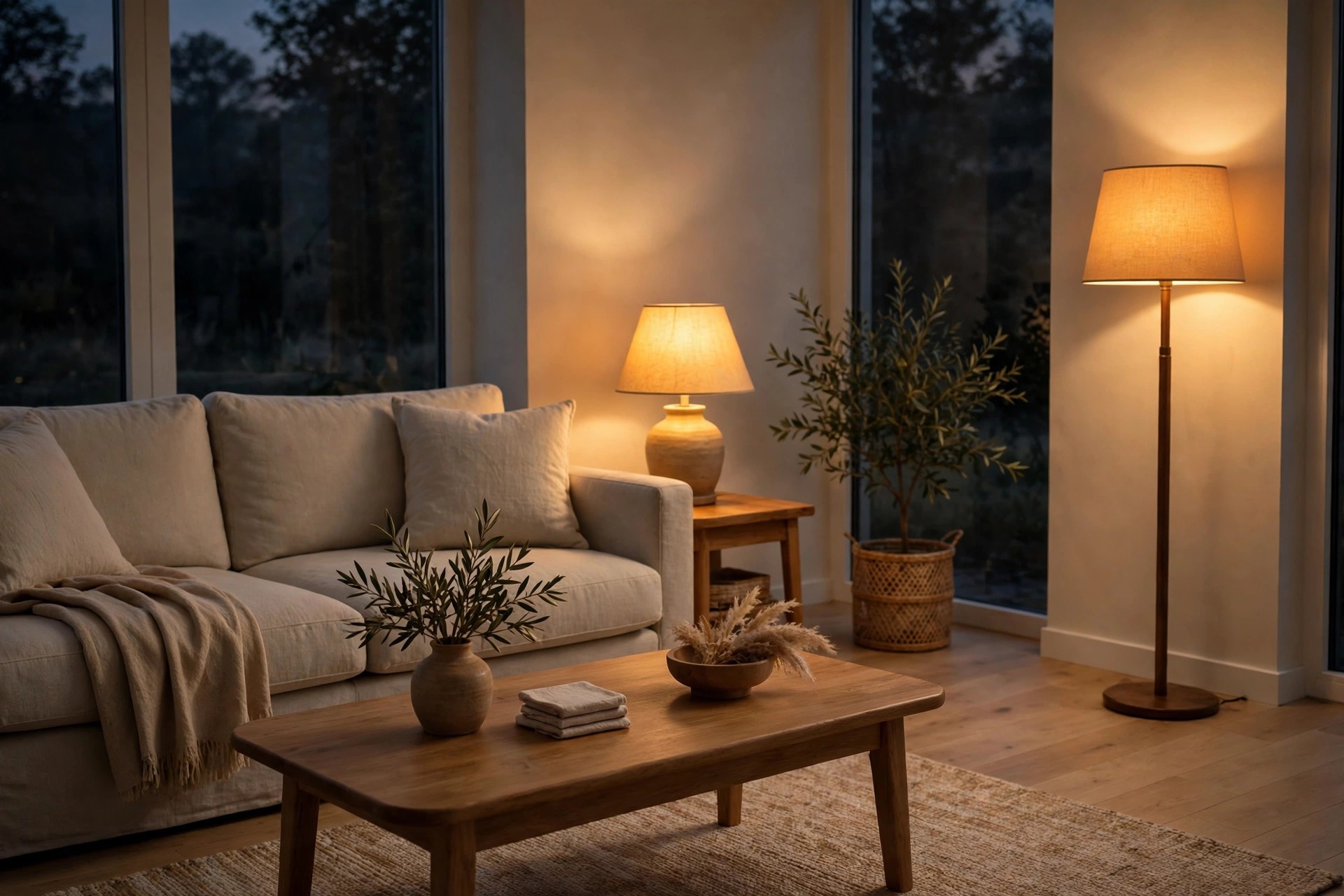
Rooms merge differently after dark. Sit together one evening with only the lamps on and note which corners feel warm and which feel bare or harsh.
Many style fights are really light fights. A cold bulb can make a loved wood table look orange and cheap, and a warm bulb ends the debate.
Match bulb warmth across the shared room. Mixed bulbs split the room into zones that fight, no matter how well the furniture blends.
Buy the next lamp for the darkest shared corner, together. Light chosen as a pair rarely becomes a style dispute later.
Take turns naming the corner you would fix with one small buy. The answers often match, and the shared fix jumps the queue.
13. Add One New Thing You Chose Together, Early
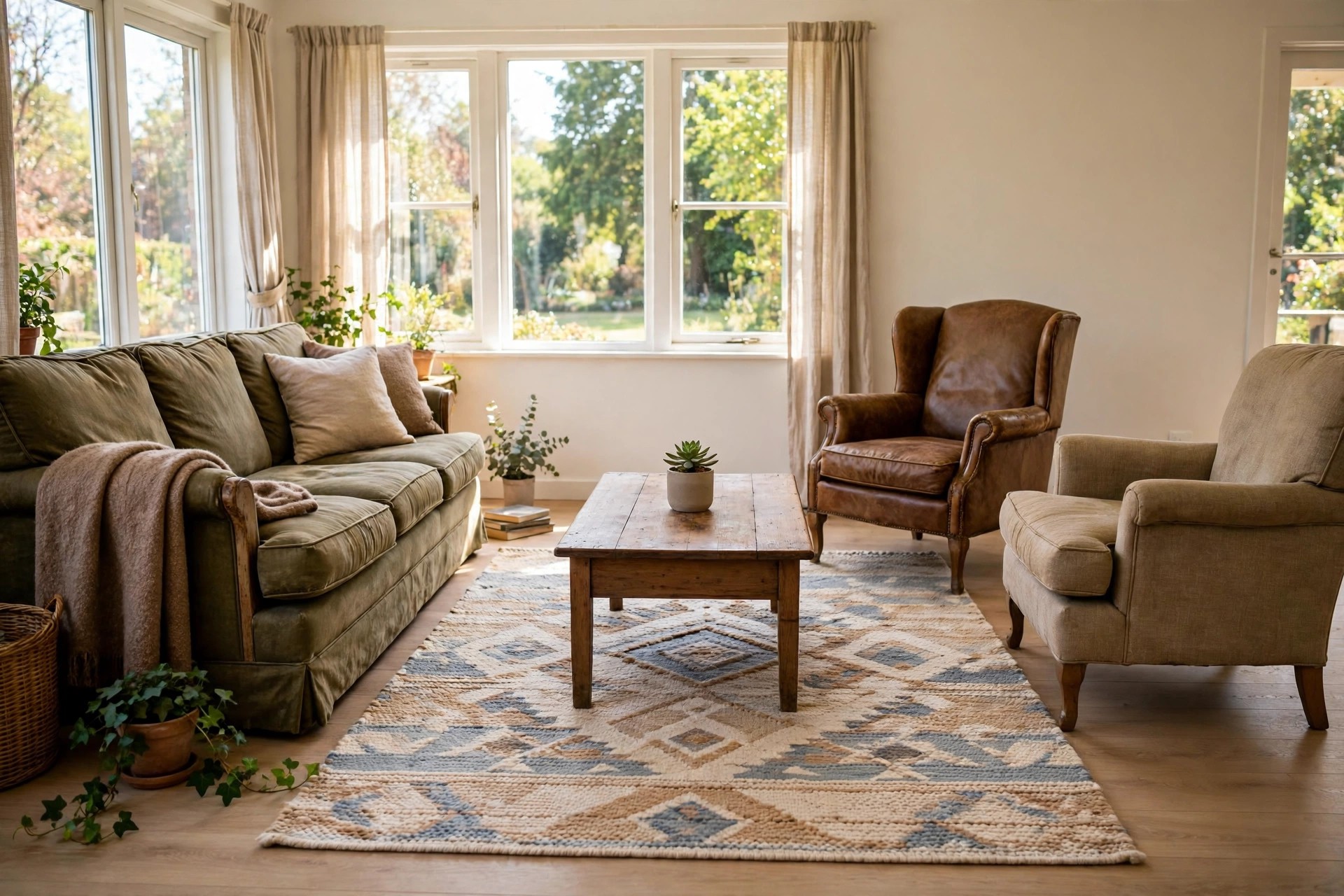
A merged home needs at least one piece with no past. Choose one new thing together early: a rug, a plant, or a print that belongs to this home only.
Keep it modest and central. The shared piece should sit where you both see it daily, a small flag for the new household.
For houses where the door opens straight into the room, our first home entryway ideas give that first shared view a borrowed foyer.
Mark the day you place it with a meal at home. Small rituals attach good feeling to shared choices, and rooms remember their stories.
14. Store Pieces You Cannot Agree On, Out of Sight, for a Season

Some pieces spark the same fight every week. Box them, label them, and store them out of sight for one season instead of forcing a verdict today.
Distance cools most disputes. After a season, many pieces return as welcome accents, and the rest leave with no fresh argument attached.
Keep stored pieces clean, wrapped, and listed on paper. A fair trial needs the piece to come back in the same shape it left.
Agree the review date when the box closes. An open ended store becomes a sore spot, while a set date feels like a plan.
Set a firm end date for the season and write it on the box itself in marker.
Write the review date on the box lid in plain marker. A date turns a vague plan into a shared promise you can both point to.
15. Review the Whole Room Together After One Month
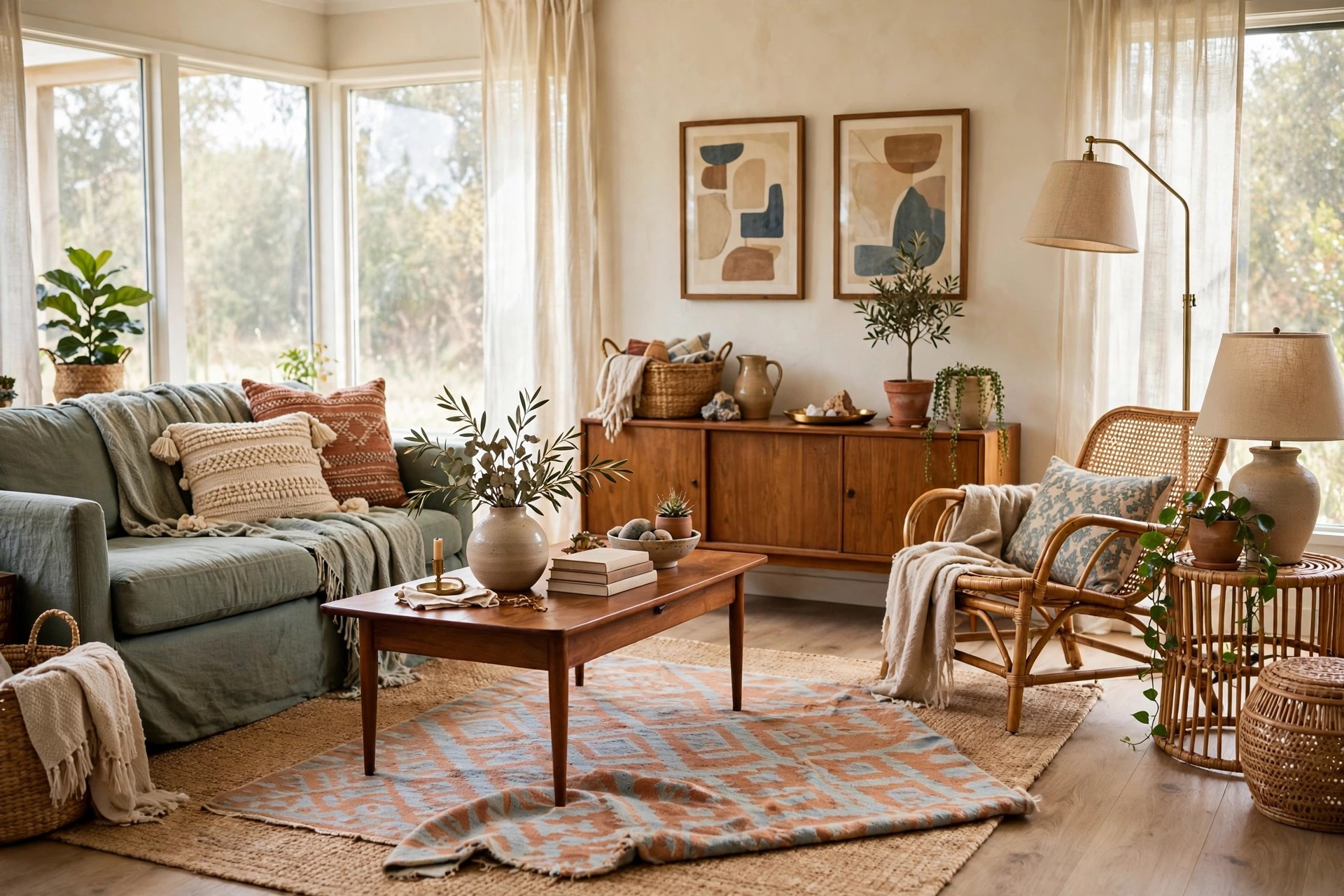
Set a date one month in to walk the room together. Bring the fridge lists, the palette, and fresh eyes, and name three things that work and one to change.
Change only one thing at a time after the review. Small moves let you both see cause and effect, and keep the peace you have built.
Expect tastes to keep shifting as you live together. The merged style is not a finish line, it is the look your shared life keeps editing.
Celebrate what the room already does well. Two people who can share a doorway view can share almost any decor choice that follows.
Merging styles works when the rules are shared and the wins are traded fairly. Lists, a palette, and paired pieces turn two households into one calm home.
These first home decorating ideas for couples will not settle every taste debate, but they keep each debate small, kind, and about the room.
Save this list to your first apartment ideas board before moving day, and write your two lists tonight while the boxes are still taped shut.
Bring one small shared buy to the review and place it together that same evening at home.


