
Modern Industrial Living Room Design Ideas: Elevate Your Space with Raw Beauty
The modern industrial design trend continues to dominate interior spaces, offering a perfect balance between rugged character and contemporary comfort. With roots in converted warehouses and urban lofts, this aesthetic blends raw materials, functional elements, and minimalist sensibilities into stylish environments. If you’re looking to transform your living room into a space that feels open, bold, and uniquely chic, these Modern Industrial Living Room Design Ideas bring together creativity and practicality to help you craft an unforgettable space.
Whether you’re designing from scratch or renovating an existing area, the following ideas will spark inspiration and provide clear direction to create an industrial living room that feels modern, warm, and effortlessly cool.
This post contains affiliate links. If you buy through them, we may earn a small commission at no extra cost to you. See our Affiliate Disclosure.
1. Exposed Brick as the Foundation of Industrial Charm
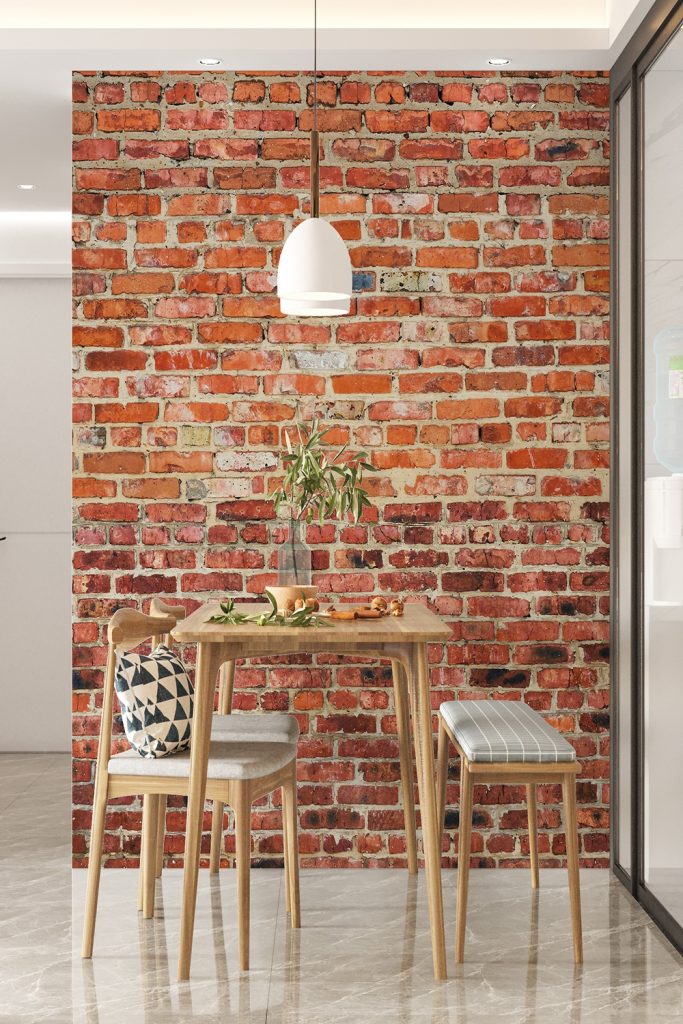
One of the most iconic elements of industrial design is exposed brickwork — and for good reason. A raw brick wall sets a powerful tone, adding texture and depth to your living room without overwhelming the senses. Whether you go for a fully uncovered brick surface or a partially exposed accent wall, the result remains impactful.
Exposed bricks naturally bring warmth through their earthy tones, while also maintaining the rough‑hewn appeal synonymous with industrial spaces. Pair them with sleek metal furniture, soft fabrics, and warm lighting to strike a balance between hard and soft elements. Even if your space doesn’t originally have brick, faux brick panels or textured wallpaper can introduce that urban loft feel in a way that’s both affordable and visually striking.
2. Concrete Floors Polished to Perfection

Concrete floors are a hallmark of industrial interiors, reflecting the utilitarian origins of warehouse spaces. However, in a modern living room, concrete doesn’t need to feel cold or unfinished. Polished, sealed, and paired with area rugs, it can become a stylish foundation that’s easy to maintain and incredibly durable.
The neutral gray palette of concrete lets you experiment with colors in furniture and décor — from vibrant accents to muted tones — without clashing. Area rugs with plush textures soften the space and make it feel cozy underfoot. For an elevated look, consider adding geometric pattern rugs or layered rugs that pull in warmth and personality.
3. Metal and Wood: Contrasting Materials that Complement
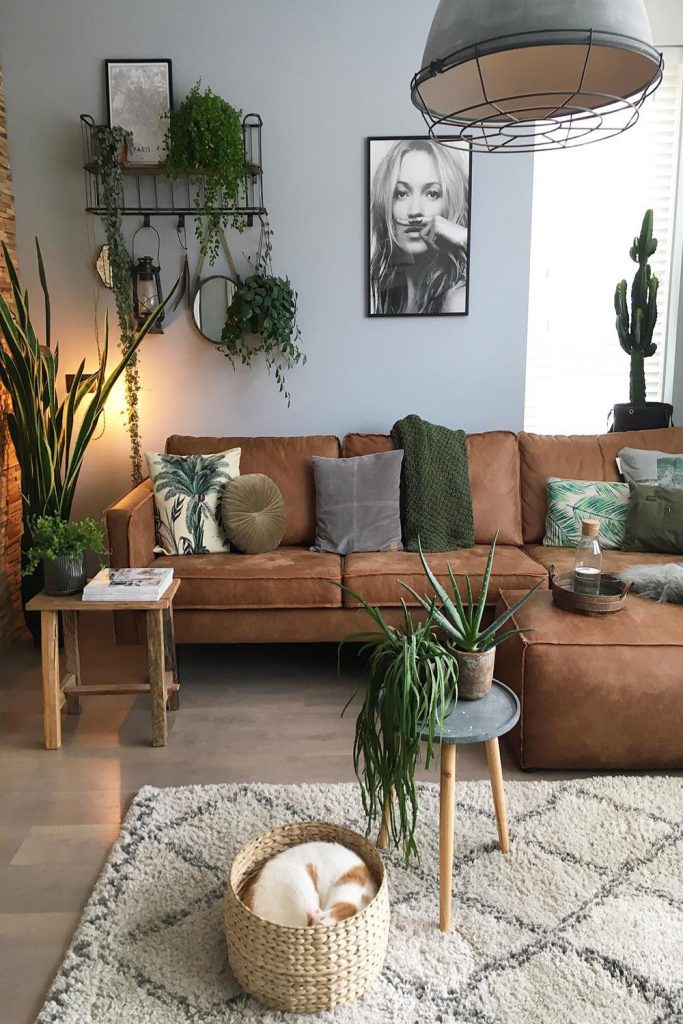
A defining trait of industrial design is the contrast between metal and wood, capturing both strength and organic warmth. Introducing furniture pieces that blend these materials creates visual interest while staying true to the aesthetic. Think reclaimed wood coffee tables with iron legs, sleek metal shelving units with wooden surfaces, or steel‑framed sofas with wood accents.
These combinations strike a balance between rugged durability and tactile appeal. Wood’s natural grains add softness to the metallic elements’ bold lines, making it easier to create a room that feels welcoming yet modern. Whether you choose new pieces with industrial character or repurpose vintage finds, this pairing elevates your living room with textured depth and timeless appeal.
4. Statement Lighting with Industrial Flair
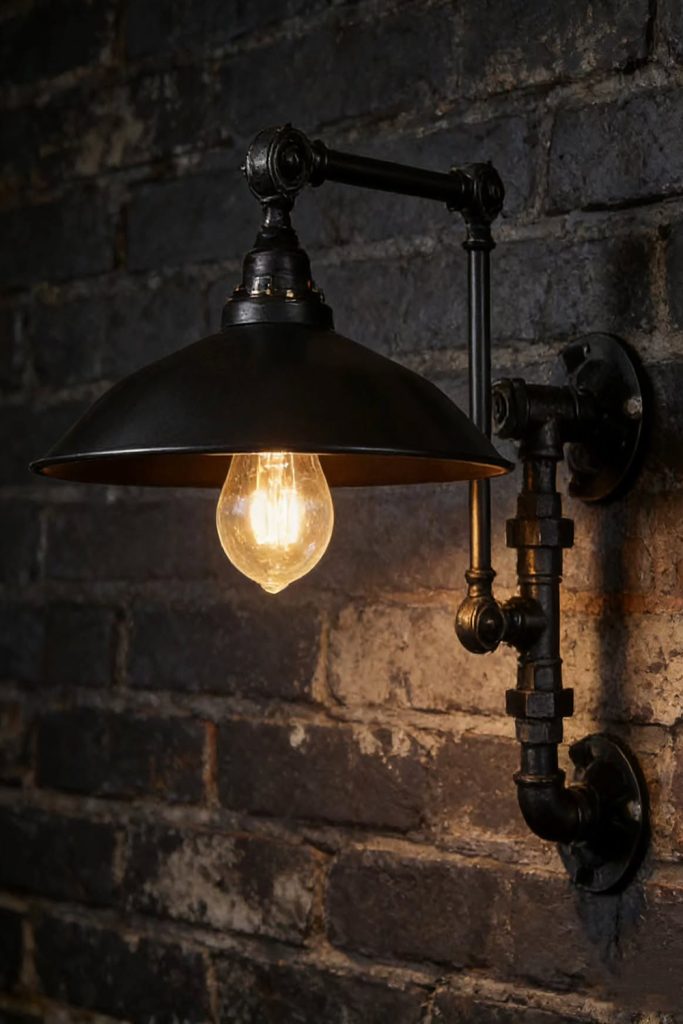
Lighting is an essential element of interior design, and in industrial living rooms, it becomes a bold statement piece. Opt for oversized pendant lights, Edison bulb fixtures, or metal chandelier designs that echo urban loft vibes. These fixtures not only illuminate but also serve as artistic focal points.
Fixtures in matte black, brushed steel, or aged bronze complement concrete, metal, and brick surfaces beautifully. Consider layering lighting with floor lamps to add warmth and create cozy corners for reading or relaxing. Adjustable industrial lamps — with exposed bulbs and articulating arms — offer both function and aesthetic appeal, bringing character to every corner of your living room.
5. Neutral Palette Elevated by Texture
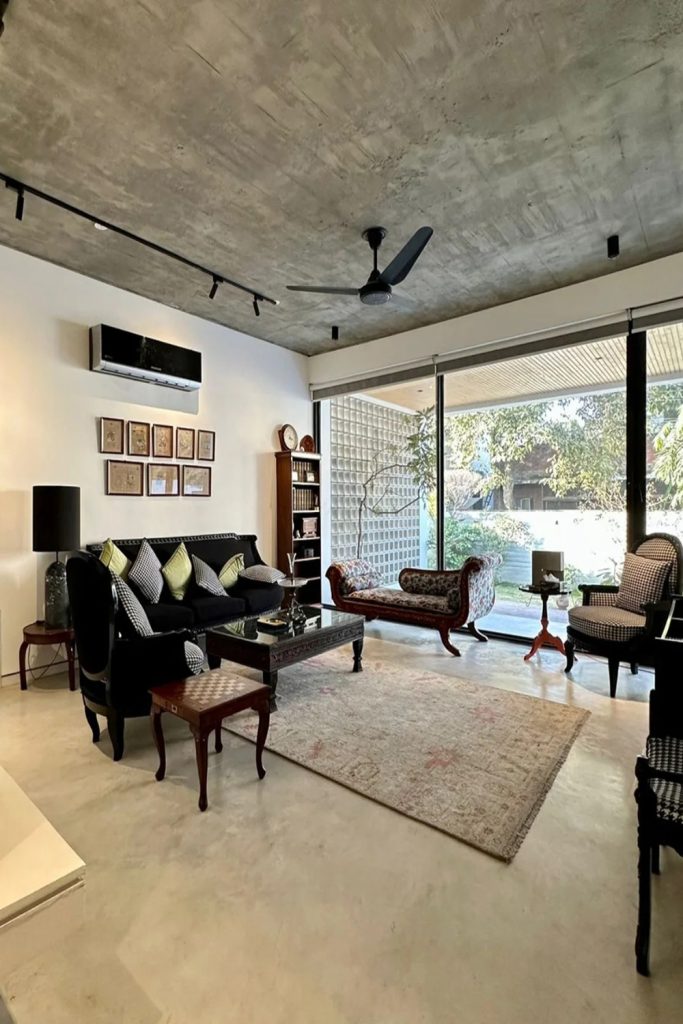
Industrial spaces often lean on a neutral color palette — think grays, blacks, browns, and whites — but what makes a modern industrial living room feel vibrant and engaging is the use of texture. Soft textiles, woven throws, layered rugs, and tactile cushions add visual richness to a minimalist color scheme.
Rather than relying on bright colors, focus on the interplay between surfaces: a soft linen sofa against a rugged brick wall, a chunky knit throw on a leather chair, or a fur rug atop polished concrete. These textural contrasts make your living room feel cozy and inviting, preventing it from feeling stark or cold.
6. Open Shelving for Display and Function
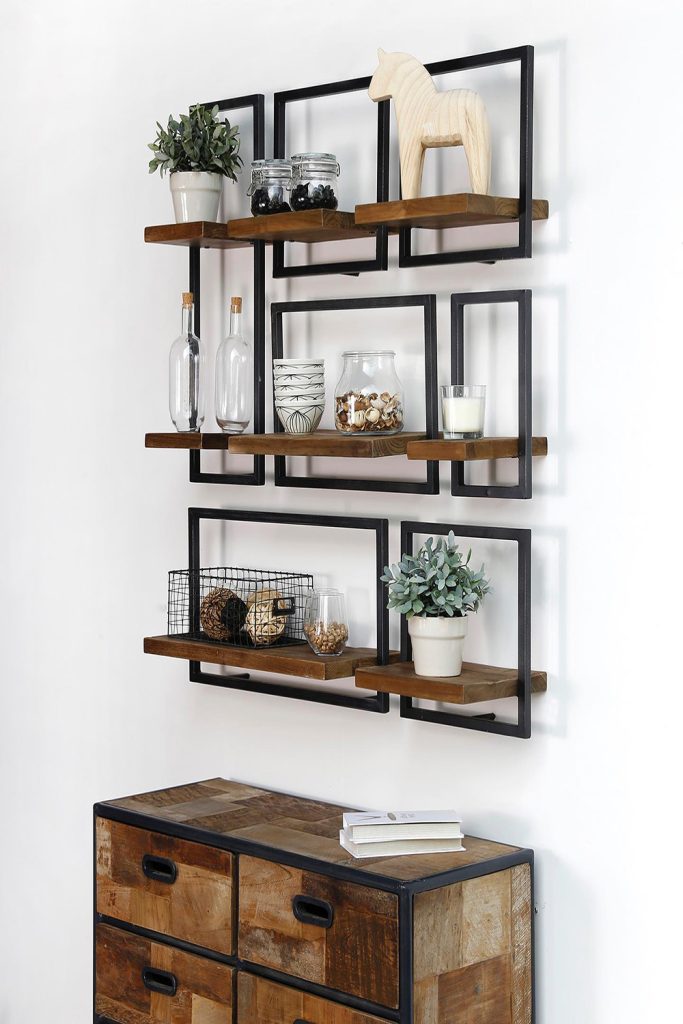
Open shelving is both practical and stylistically aligned with industrial design principles. Instead of closed cabinets, floating shelves made of reclaimed wood and supported by metal brackets create storage that feels integrated with your living room’s character. These shelves become a canvas for showcasing curated décor, books, plants, and personal items.
This storage approach promotes a sense of openness, keeping walls visually light while encouraging personal expression. Consider arranging objects by height and texture for visual balance. Between books, metal sculptures, ceramics, and framed art, open shelving adds personality without sacrificing industrial integrity.
7. Leather Furniture: Timeless and Rugged
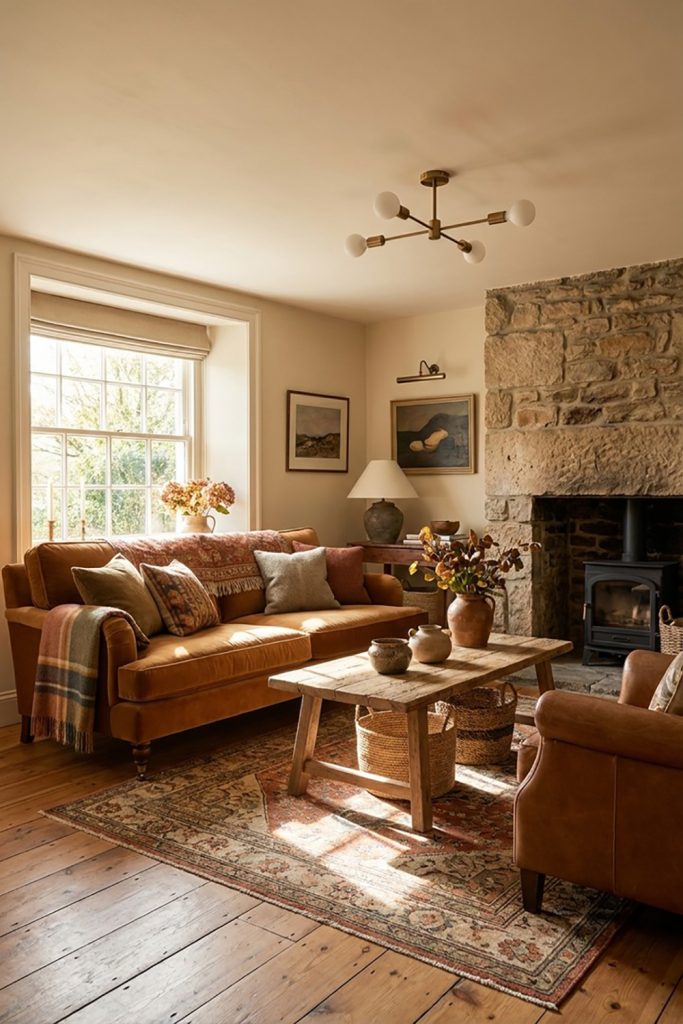
Leather furniture — especially in rich brown or deep black — anchors an industrial living room with classic appeal. A leather sofa or armchair serves as a central piece, offering both durability and sophistication. Over time, genuine leather develops a patina, enhancing the lived‑in aesthetic that industrial interiors embrace.
Couple leather seating with soft cushions and throws in neutral hues to soften the overall look. If you want to keep the palette cohesive yet lively, introduce subtle pops of muted color like mustard, charcoal, or deep teal in accent pillows. Leather’s tactile quality adds warmth and draws the eye, making it a staple for industrial living areas.
8. Art and Wall Decor with Minimalist Expression
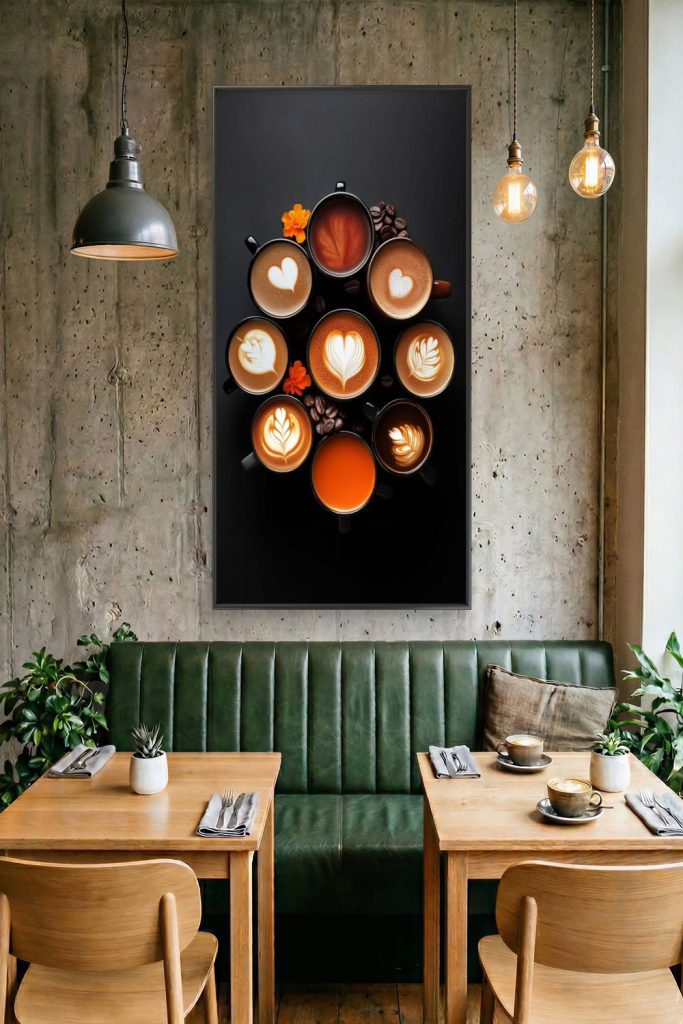
Industrial spaces don’t need elaborate decoration to look intentional. Minimalist art and wall décor can create a bold statement without cluttering the space. Simple black‑and‑white prints, oversized abstract canvases, or metal wall art can enhance the industrial aesthetic while adding personality.
Choose pieces with strong lines, geometric shapes, or subtle textures that echo the room’s structural elements. You can also experiment with unframed art or large pieces that lean against the wall for a relaxed, gallery‑like feel. With the right curation, minimal wall décor becomes a striking backdrop that complements industrial features.
9. Greenery to Soften Industrial Edges
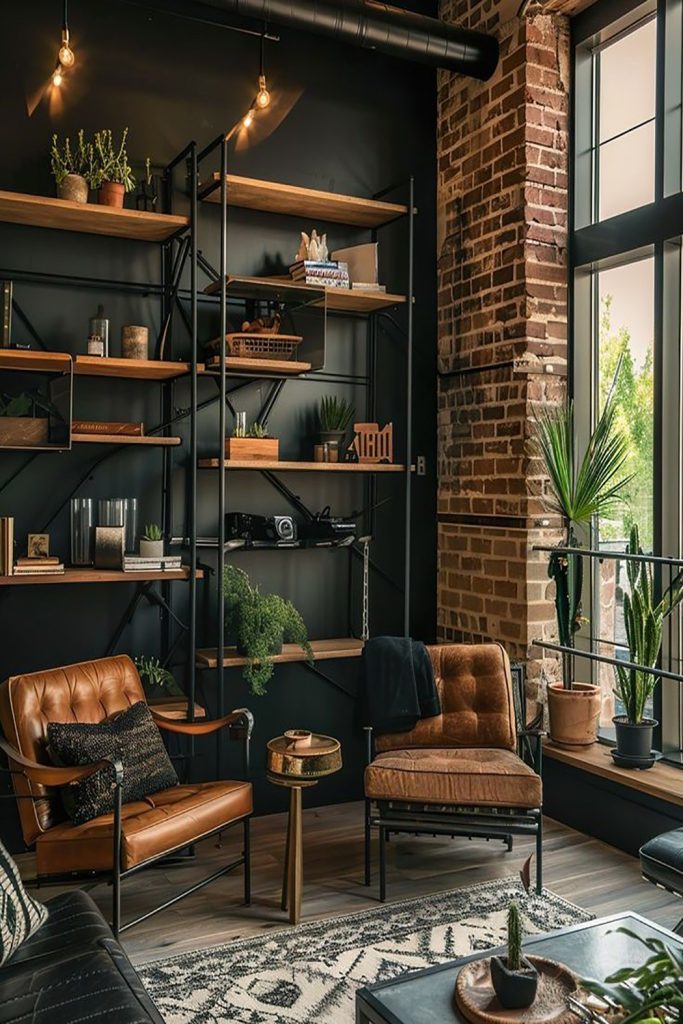
Bringing nature indoors is a powerful way to counterbalance hard industrial materials like metal, concrete, and brick. Indoor plants — from tall statement pieces like fiddle leaf figs to small succulents — introduce life and color into a space that otherwise skews neutral and raw.
Plants improve air quality and draw focus with organic shapes that contrast geometric lines. Place them in textured planters made of concrete, metal, or ceramic to reinforce the industrial theme. Strategic placement, like beside a sofa, on shelving units, or clustered in corners, ensures greenery enhances the room without overwhelming the design.
10. Rug Layering for Comfort and Depth
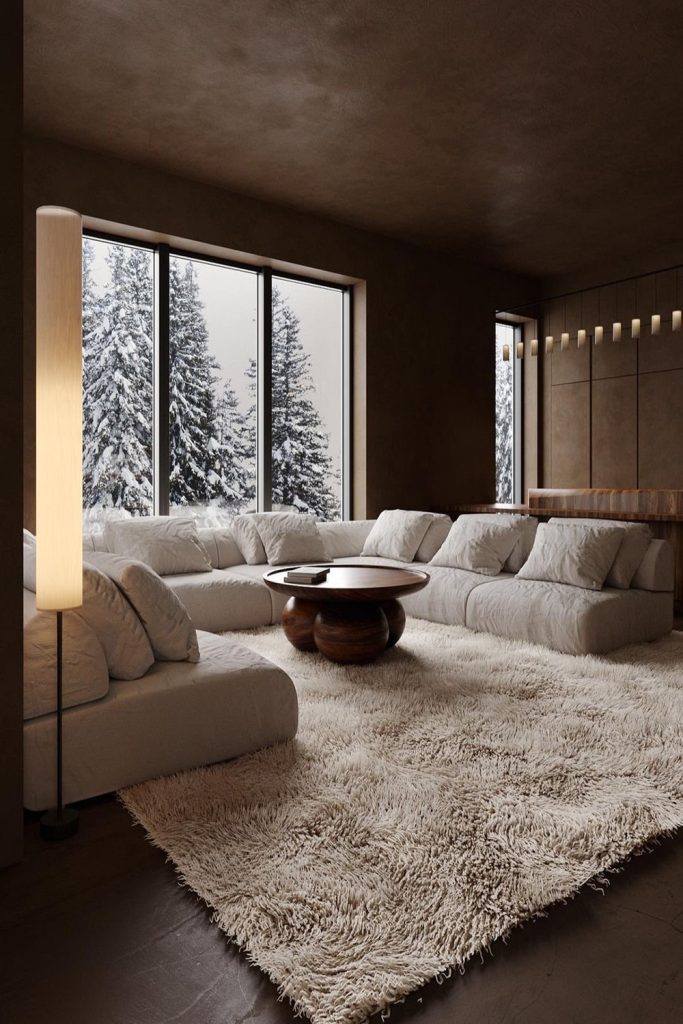
While industrial living rooms often start with hard surfaces, creating comfort is essential. Layered rugs elevate the look and feel of your space while adding depth to the design. Start with a larger, neutral rug to define the seating zone, then place a smaller, patterned or textured rug on top for visual interest.
This technique brings warmth and a sense of dimension. Rugs also help break up large floor expanses, especially in open‑plan designs. Consider materials like wool or jute that add softness without clashing with industrial elements. Layered rugs are a versatile way to make your living room feel more inviting and dynamic.
11. Functional Accent Tables with Industrial Grit
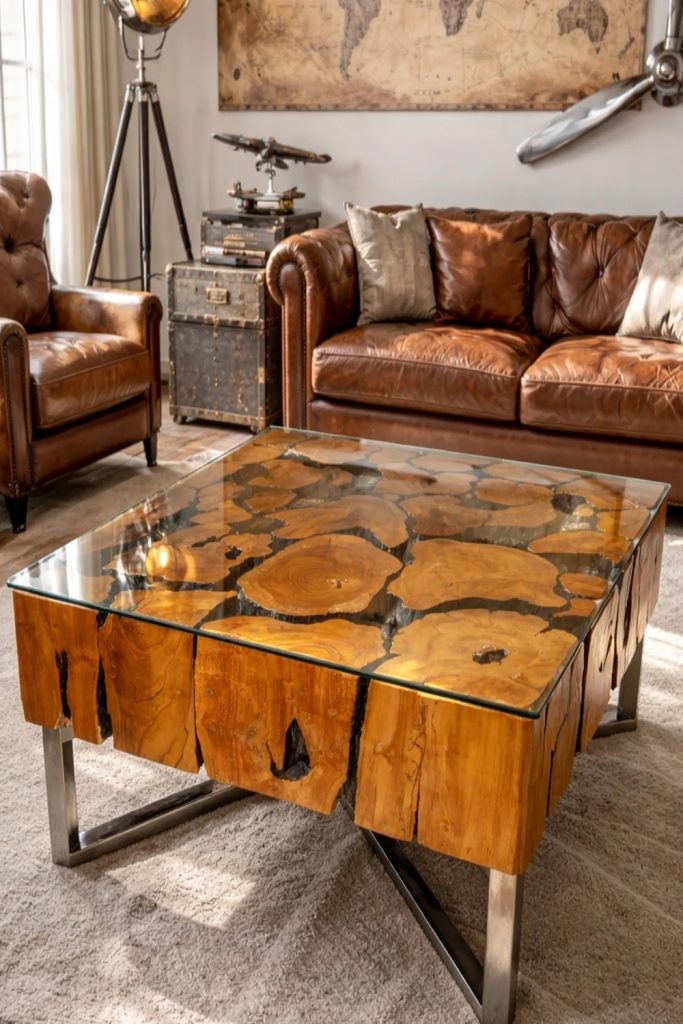
Accent tables provide practicality but also serve as important design statements. Look for tables made from reclaimed wood, distressed metal, or concrete to maintain that industrial vibe. Whether placed beside a sofa or at the center of the seating arrangement, these tables reinforce the aesthetic while serving everyday needs.
Nesting tables offer flexibility in smaller spaces, while larger coffee tables with unique textures draw attention. You can also repurpose industrial carts or toolboxes as creative side tables that serve double duty. Functionality paired with rugged texture ensures your living room remains both stylish and practical.
12. Statement Fireplace with Industrial Edge
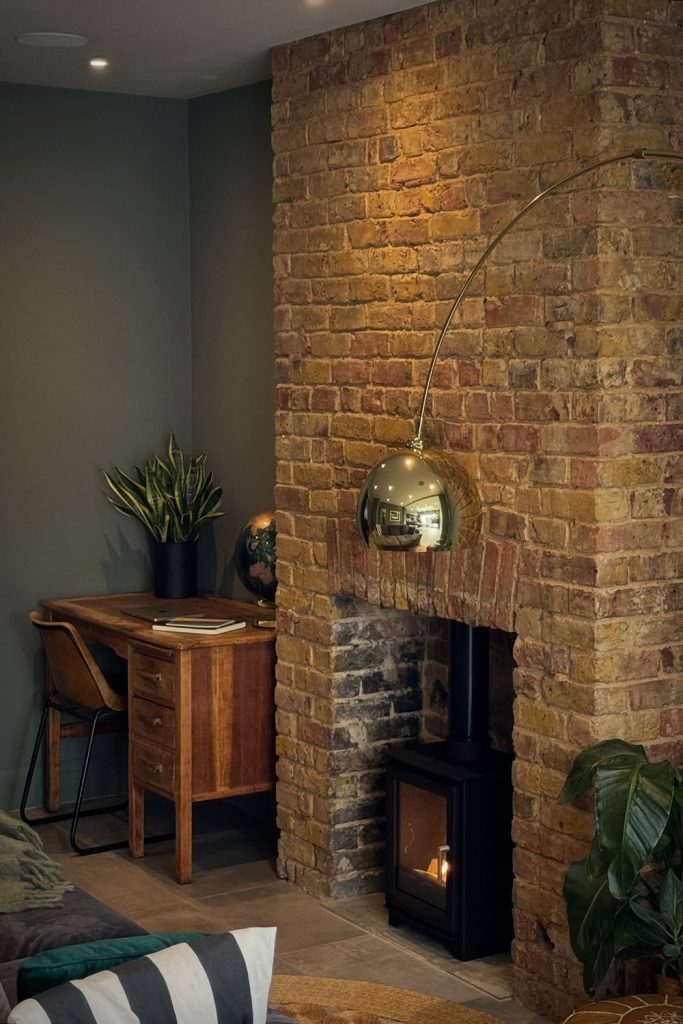
If your living room includes a fireplace, make it a standout industrial feature. Opt for a sleek, minimalist design in matte black or brushed metal, or frame the hearth with reclaimed wood and raw stone. This creates a compelling focal point that feels cozy and modern.
For a more contemporary look, choose linear fireplaces with clean lines and minimal trim. Surrounding décor should be kept simple to highlight the fireplace’s architectural presence. Comfortable seating arranged around the hearth encourages a gathering atmosphere while reinforcing the room’s character.
13. Accent Walls with Industrial Textures
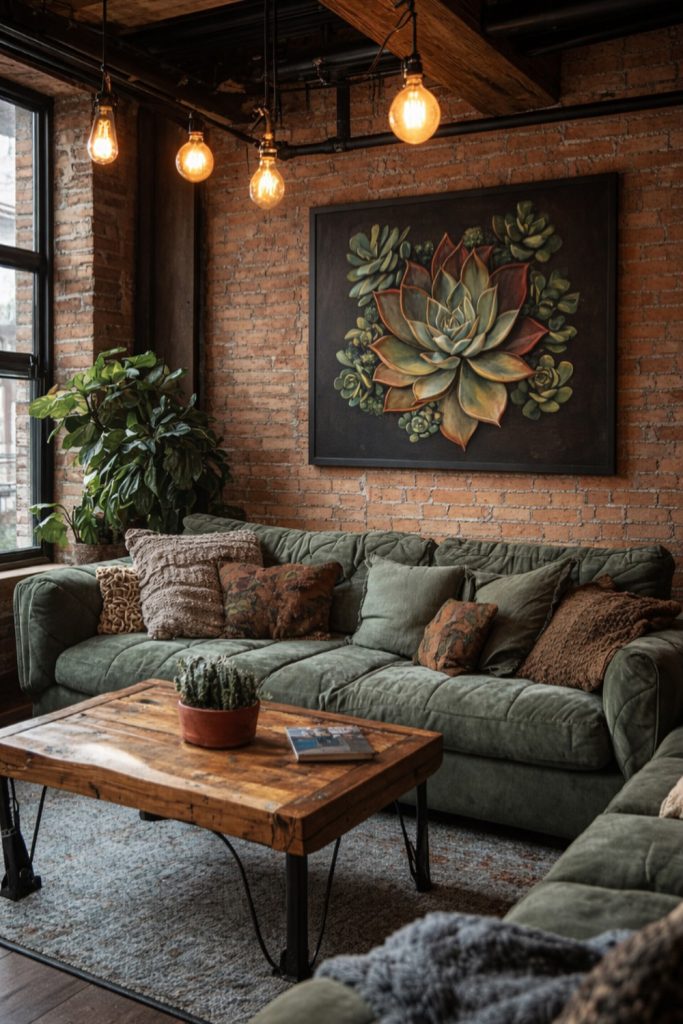
Beyond brick, industrial living rooms benefit from other textured accent walls such as corrugated metal panels, distressed wood planks, or plaster finishes that resemble concrete. These elements add visual intrigue and reinforce the industrial foundation without overwhelming the design.
Accent walls work best when balanced with smoother surfaces elsewhere. For example, pair a textured backdrop with sleek furniture and soft textiles to prevent the room from feeling too heavy or busy. This layering approach creates contrast that feels both bold and harmonious.
14. Minimalist Window Treatments to Maximize Light
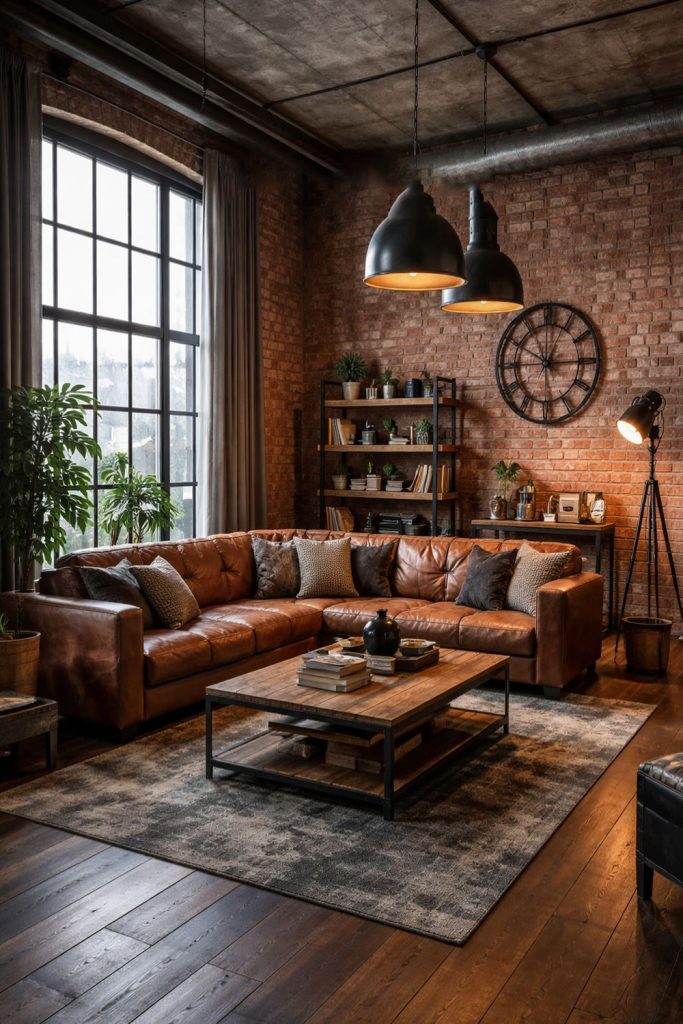
Natural light plays a pivotal role in enhancing modern industrial design. Instead of heavy drapes that obscure light and fullness, opt for simple sheer panels, roller shades, or bare windows with industrial‑style hardware. These treatments allow light to flood in, softening the room’s harsher structural features.
Large windows with black metal frames amplify the industrial aesthetic while creating a visual link between indoor and outdoor spaces. Maximize this element to make your living room feel brighter, more open, and welcoming — all while preserving privacy and style.
15. Personal Touches with Vintage and Curated Finds
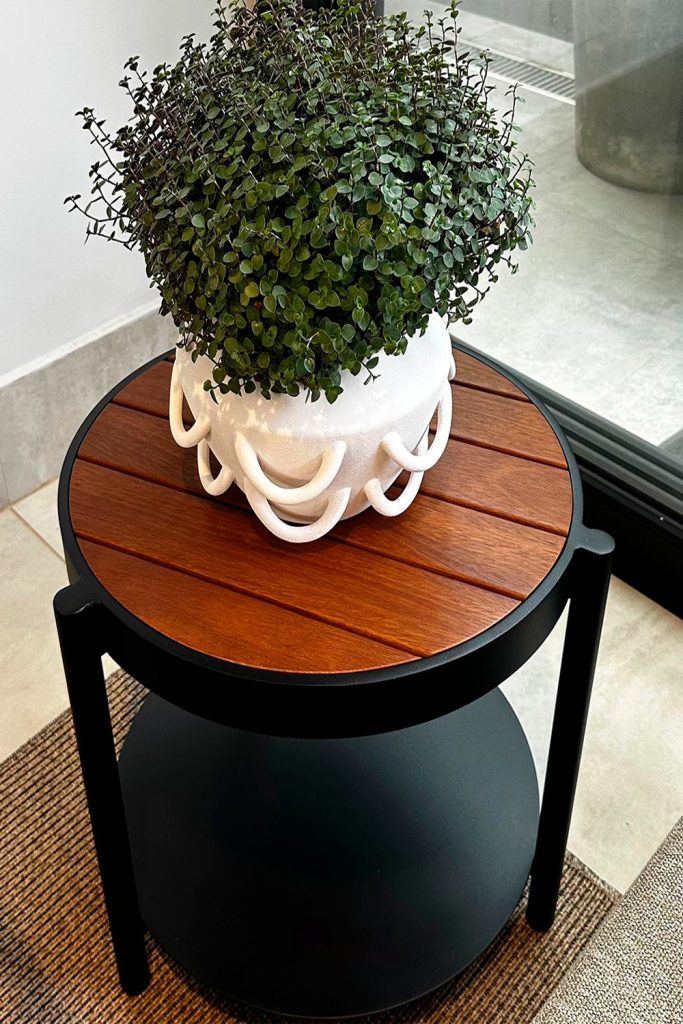
Industrial living rooms feel authentic and engaging when they reflect the people who use them. Incorporate vintage finds, curated accessories, and personal mementos that tell a story. Whether it’s an antique clock, retro signage, or a collection of unique ceramics, these items bring personality to the space.
Keep displays intentional and well‑curated to avoid a cluttered look. Group pieces by theme, color palette, or material to achieve a cohesive arrangement. Personal touches make your industrial living room feel lived‑in and thoughtfully designed, adding warmth to an aesthetic rooted in raw materials.
Conclusion
The beauty of modern industrial living room design lies in its fusion of raw materials, functional elements, and intentional styling. From exposed brick and concrete floors to metal fixtures and curated décor, each idea brings a layer of texture and personality that resonates with both urban cool and comfortable living.
By embracing natural materials, balancing hard and soft elements, and incorporating personal touches, you can create a space that feels bold yet inviting. These design concepts offer a roadmap to elevate your living room into a space that’s modern, expressive, and deeply stylish.
Frequently Asked Questions
What defines modern industrial living room design?
Modern industrial living room design is characterized by its raw, urban aesthetic — featuring exposed structural elements like brick, metal, and concrete — paired with minimalist décor and functional furniture. The overall look balances rugged textures with comfort and contemporary style.
How can I make an industrial living room feel cozy?
To add warmth, incorporate soft textiles like area rugs, cushions, throws, and layered lighting. Bringing in indoor plants and using warm wood tones also helps soften the hard materials typical of industrial spaces.
Are industrial styles only suitable for large spaces?
No. While industrial design originated in spacious lofts, strategic use of textiles, scaled furniture, and intentional lighting helps translate the aesthetic into smaller living rooms without overwhelming the space.
What colors work best in modern industrial living rooms?
Neutral colors such as gray, black, white, and warm, earthy tones are foundational. You can introduce subtle accent colors through décor, textiles, or furniture for depth and visual interest.
How do I blend industrial design with other styles?
Mixing industrial design with mid‑century modern, Scandinavian, or minimalist influences can soften the overall look while preserving character. Focus on blending materials and picking complementary furniture to achieve a cohesive mix.


