

15 Pastel Kids Bedroom Ideas: Calm, Not Candy
Pastel rooms tip into candy land fast when every wall, rug, and toy shouts pink, mint, and lemon at once.
These pastel kids bedroom ideas calm not candy use a quieter recipe. Two pastels, one steady neutral, natural wood for weight, and bright toys stored out of sight at bedtime. The room stays soft for sleep and still fun at playtime.
For the broader tour, our dream bedroom ideas for kids cover many styles. This list stays inside the pastel palette and the calm habits that make it work day after day.
Pick the palette first, then let every later choice answer to it.
This post contains affiliate links. If you buy through them, we may earn a small commission at no extra cost to you. See our Affiliate Disclosure.
1. Pick Two Pastels and One Neutral, Then Stop
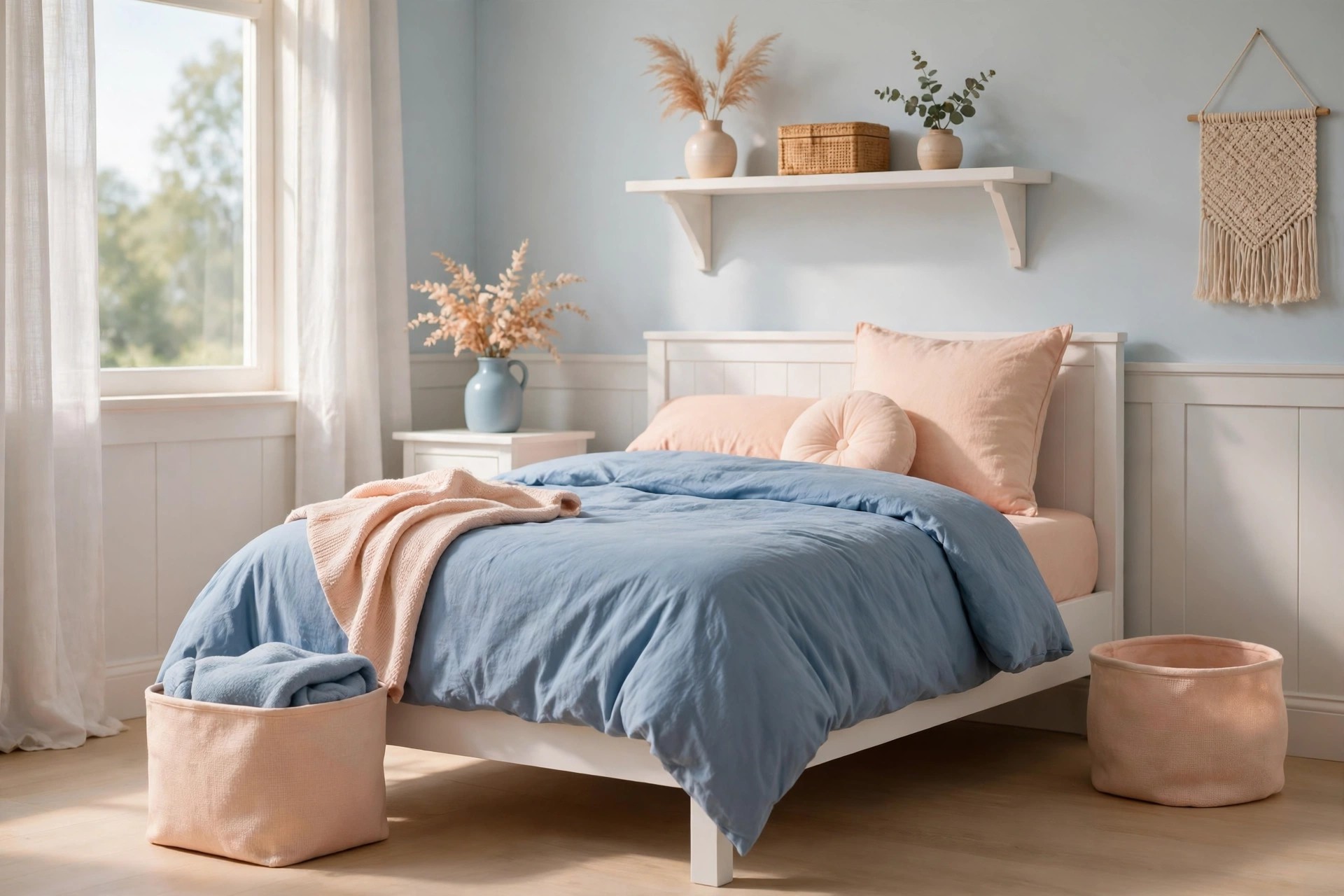
Calm comes from limits. Choose two pastel colors, say soft blue and pale peach, and pair them with one neutral like warm white or light gray. Every buy after that must match one of the three.
Write the three colors on a card for shopping trips. Grandparents and gift givers mean well, and a clear palette stops the slow drift into rainbow clutter. A photo of the card on your phone works too.
Let your child pick which of the two pastels leads. The lead color takes the bedding and rug. The second pastel stays in smaller pieces like cushions, bins, and art.
Keep a spare cushion cover in the second pastel. Swapping the lead and support colors twice a year refreshes the room for almost no cost. Kids love announcing the seasonal color change like an event.
2. Put the Softest Color on the Largest Area
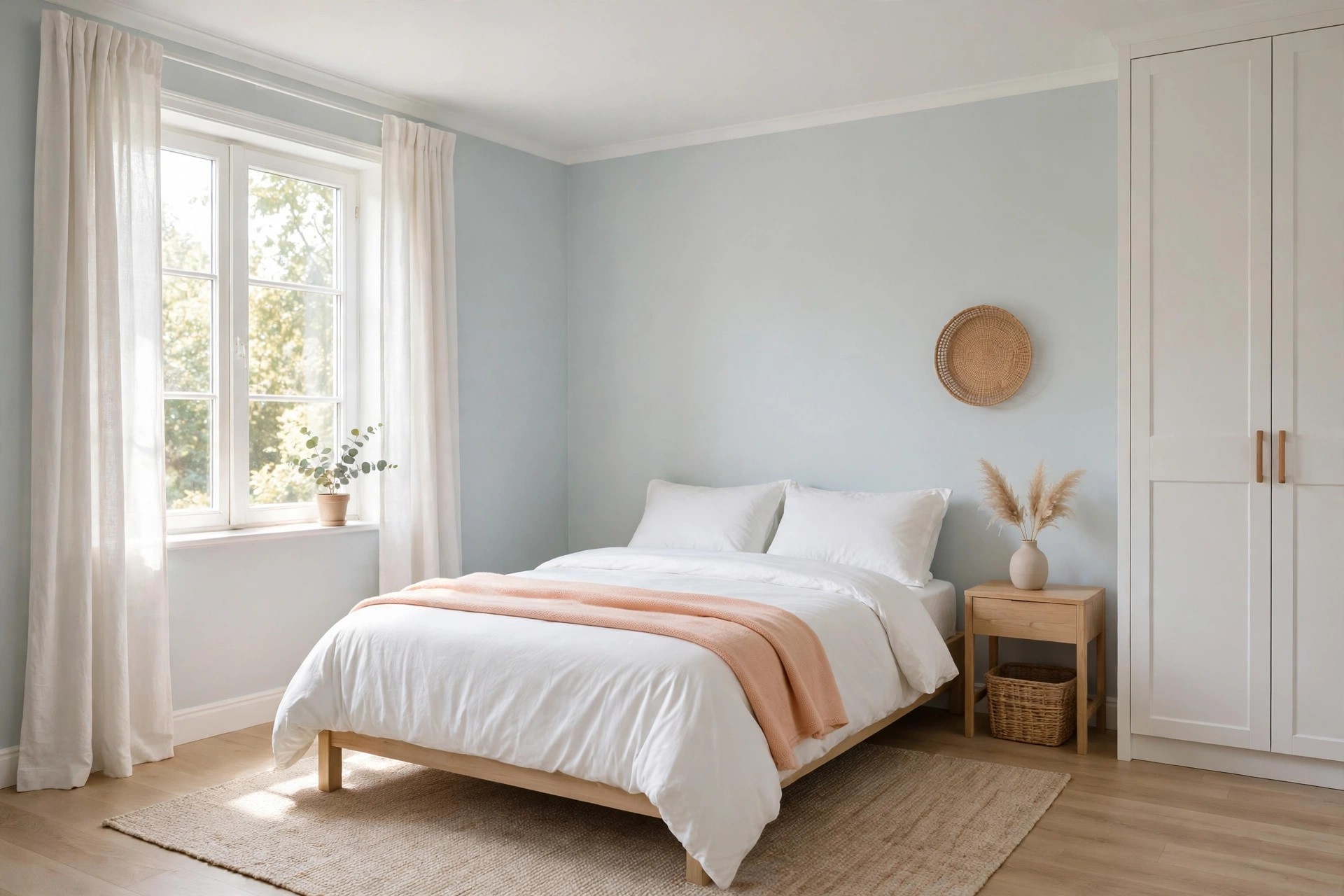
The biggest surface sets the mood. If walls get a pastel, make it the palest, grayest version of the color. Soft tones on large areas read calm; the same color turned up bright reads like a sweet wrapper.
Test wall paint in morning and evening light. Pastels shift more than parents expect, and a blue that looks gentle at noon can glow at sunset. Large swatches on two walls prevent a full room surprise.
Keep the ceiling plain white. A white ceiling holds light and stops the room feeling dipped in color. Kids sleep better in rooms that feel open above them, not enclosed.
If painting feels like too much, start with the wall behind the bed only. One soft wall gives most of the pastel effect with a single can of paint. The other walls can follow later, or never.
3. Use White Furniture to Keep Pastels Grounded

White beds, dressers, and shelves give pastel walls and bedding a clean frame. The furniture disappears in a good way, so the soft colors carry the room without competition from dark wood tones.
White also hands down well between siblings. A white bed serves a pastel room now and any color later. That flexibility matters when rooms rotate as kids grow.
Wipe marks are the honest cost. Keep a melamine sponge in the dresser drawer for weekly scuff patrol. Two minutes on Sunday keeps white furniture looking fresh instead of tired.
4. Add Natural Wood to Stop the Sugar Feel
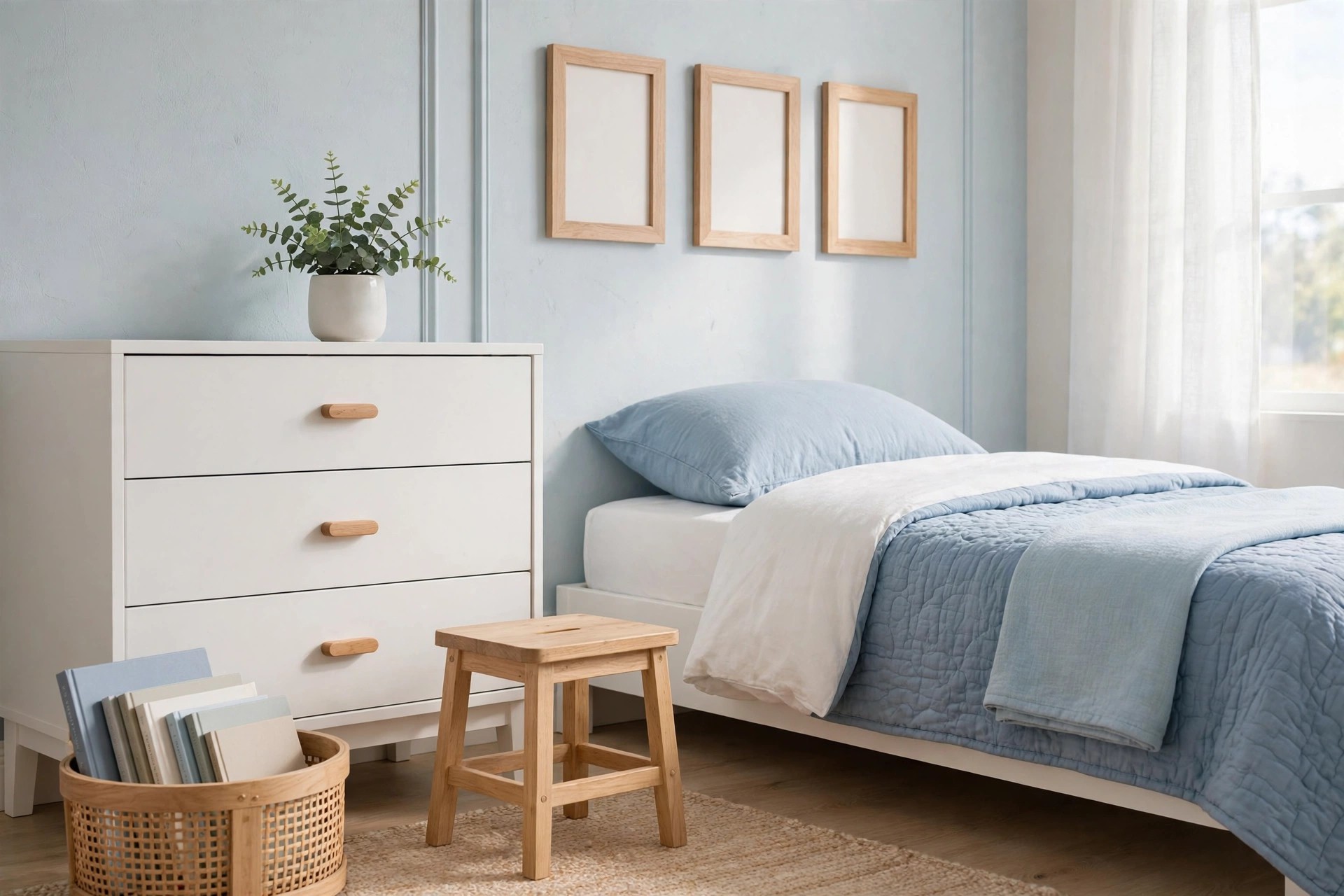
A room of only pastel and white can feel like frosting. Natural wood adds the weight that keeps it calm. A wood book basket, a small stool, or picture frames in light oak tone do the job.
You do not need matching wood pieces. Mixed light woods read as one warm family. Aim for three wood touches spread around the room: floor level, bed level, and shelf level.
The same grounding works for older girls, as our teen girls bedroom decor ideas show with wood accents in soft rooms. Start the habit early and the room grows up smoothly.
5. Choose One Pattern and Keep It Small in Scale
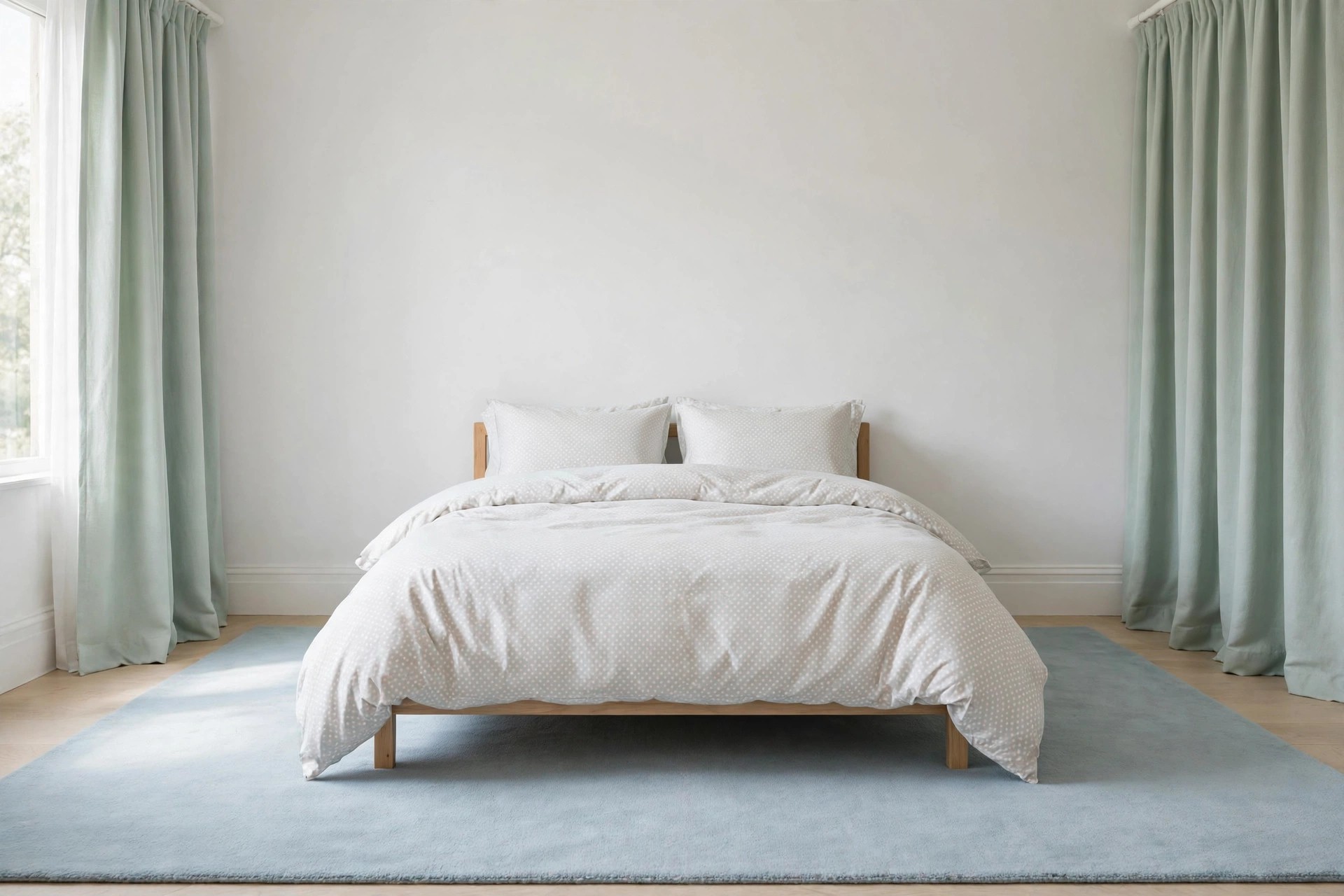
Multiple busy patterns in pastel still read busy. Pick one pattern for the room, such as a small dot, thin stripe, or tiny star, and repeat it in only two places, like bedding and one cushion.
Small scale patterns calm the eye. Large prints in soft colors still shout by size. If your child loves a bold print, frame one piece as art where its size feels planned.
Solid colors do the rest of the work. Solid curtains, a solid rug, and solid storage bins give the single pattern room to be the fun note in an otherwise quiet room.
Take a photo of the room before adding any new patterned piece. Screens show clutter our eyes excuse in person. If the photo already looks busy, the new piece waits for a swap, not an addition.
6. Layer Pastels Through Bedding, Not Wall to Wall Paint
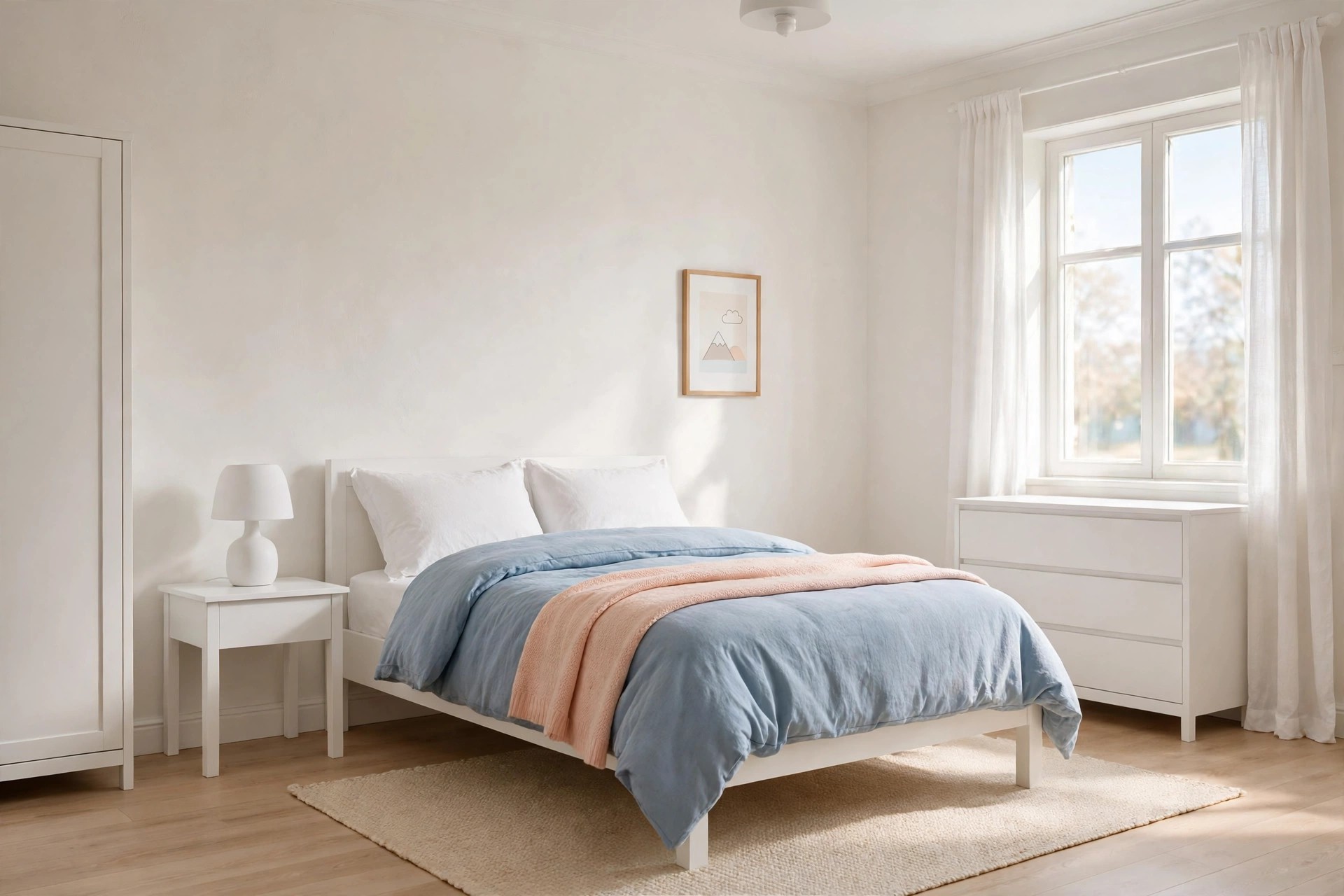
Bedding is the easiest pastel layer to change, so let it carry the stronger pastel. A soft blue duvet with a pale peach throw gives the full pastel look while walls stay warm white and calm.
This order also protects your budget. When the favorite color changes from mint to lilac, one bedding set swaps. Nobody repaints, and the white furniture and wood pieces still fit.
For the wall above the bed, prints from our bedroom wall art ideas for teenage girls include soft options that suit growing kids. Framed prints swap in minutes as tastes change.
7. Keep the Floor Rug Plain and Slightly Deeper in Tone
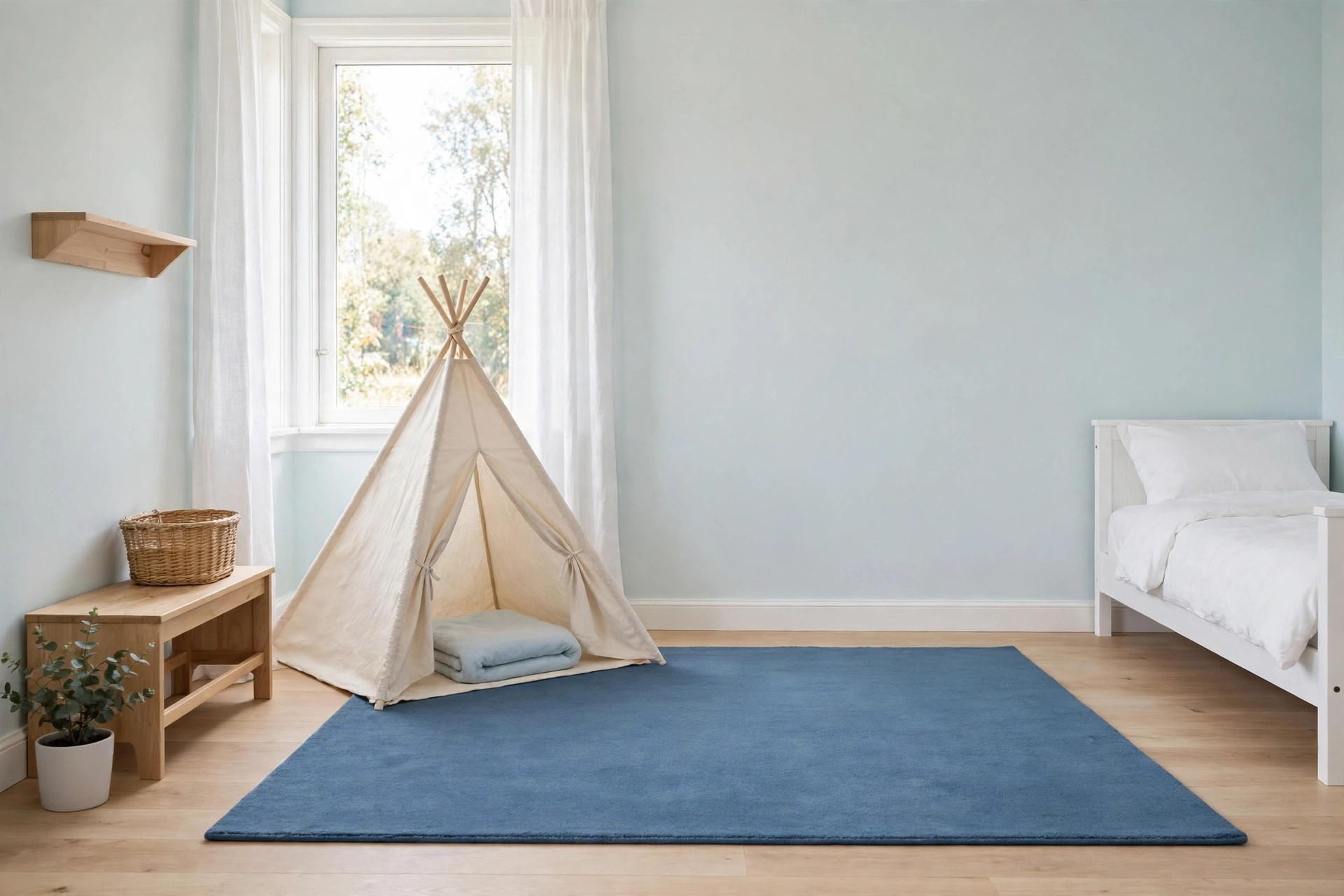
A pale rug vanishes, and a bright rug steals the room. The sweet spot is a plain rug one shade deeper than the walls. It grounds the floor, hides crumbs between vacuums, and still reads pastel.
Choose a low, tight pile for a kids room. Toy cars roll, puzzle pieces show, and spills wipe up without soaking in. A rug pad underneath stops the sliding that drives parents mad.
Size the rug to the play area, not the whole room. Bare floor around the edges makes cleaning faster and the room feel bigger. Play happens on the rug; storage stays off it.
8. Use Warm White Bulbs for a Calm Evening Light
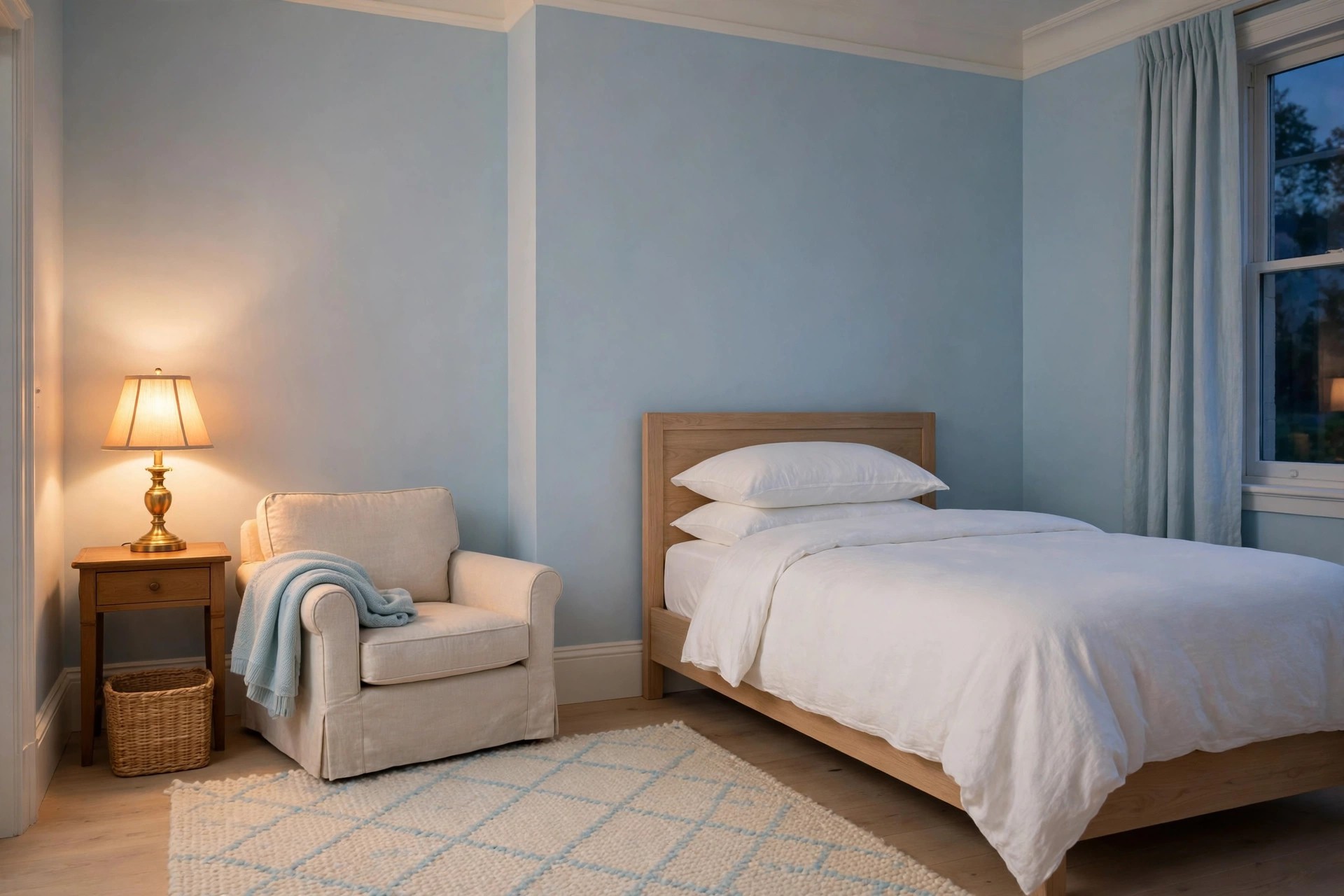
Bulb color changes pastel rooms more than paint does. Cool white bulbs turn soft blue walls icy and peach bedding gray. Warm white bulbs keep every pastel true and make bedtime light feel like evening, not office.
Add one low lamp for the last hour before bed. A small lamp by the reading corner or dresser lets the ceiling light go off early. Lower light tells young bodies the day is ending.
Keep night light color warm too. A soft amber night light suits pastel rooms and lights the path to the bathroom. Bright white night lights wake kids more than they help.
9. Store Bright Toys in Closed Bins Out of Sight
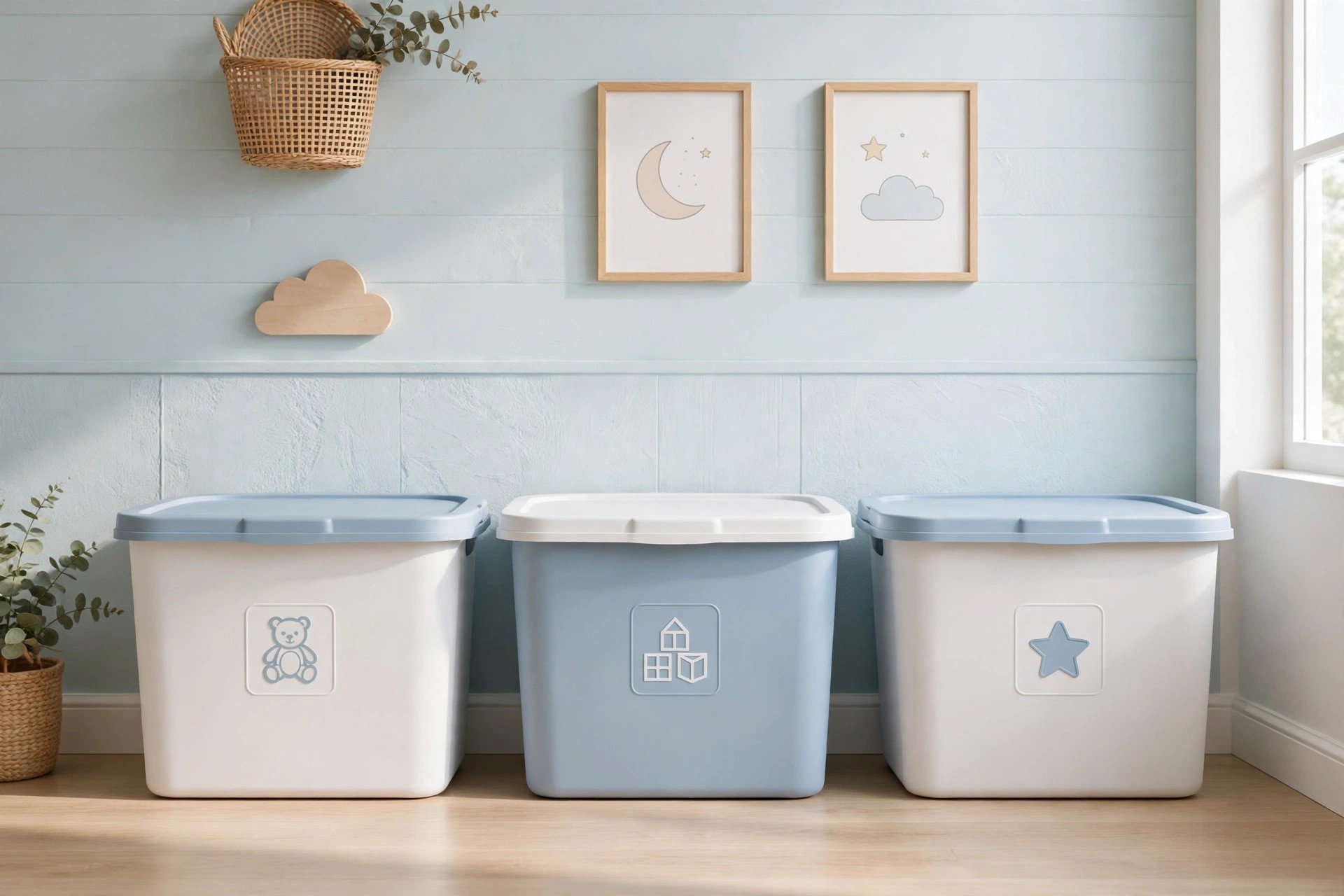
Most toy clutter is bright primary plastic, and it fights a pastel room all day. Closed bins in white, wood, or the room’s pastels hide that color clash. The room looks calm even ten minutes after play ends.
Keep bins at kid height with picture labels. A child who can see what goes where can clean up alone. Two or three big bins beat ten small ones for fast tidy ups.
End playtime with a two minute tidy song. When the song ends, lids go on and the room resets. A routine tied to music sticks better than repeated parent reminders across the evening.
When the room is shared or themed, closed storage matters even more, as our sports themed kids bedroom ideas show for gear heavy rooms. Calm surfaces make any theme look better.
10. Hang Simple Art With Plenty of White Space
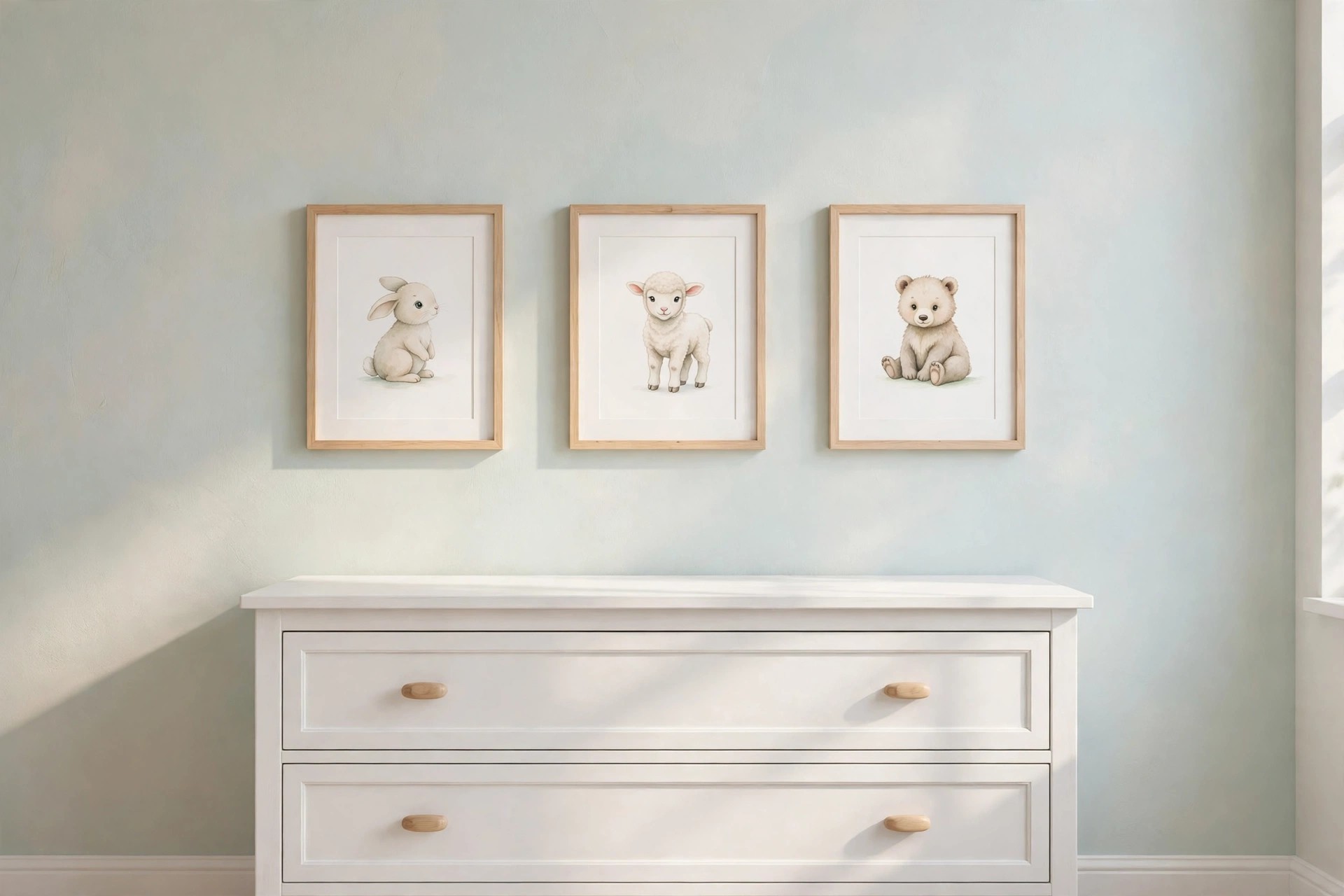
Art for a calm pastel room should breathe. Choose prints with lots of white background and one soft shape or animal. Busy collage walls raise the energy of the whole room, which fights bedtime.
Hang art at your child’s eye level, not adult height. A gallery that speaks to the person who lives there gets looked at. One row of three frames beats a scattered wall of nine.
Rotate art seasonally from one storage folder. Fresh prints every few months keep the wall interesting without new purchases. School artwork earns the middle frame on rotation, which kids love.
Let your child choose the rotation from three options you preselect. Choice inside a calm frame keeps the wall peaceful and still feels like their gallery. Hang frames with removable strips if your walls mark easily.
11. Make a Quiet Reading Corner in the Palest Corner
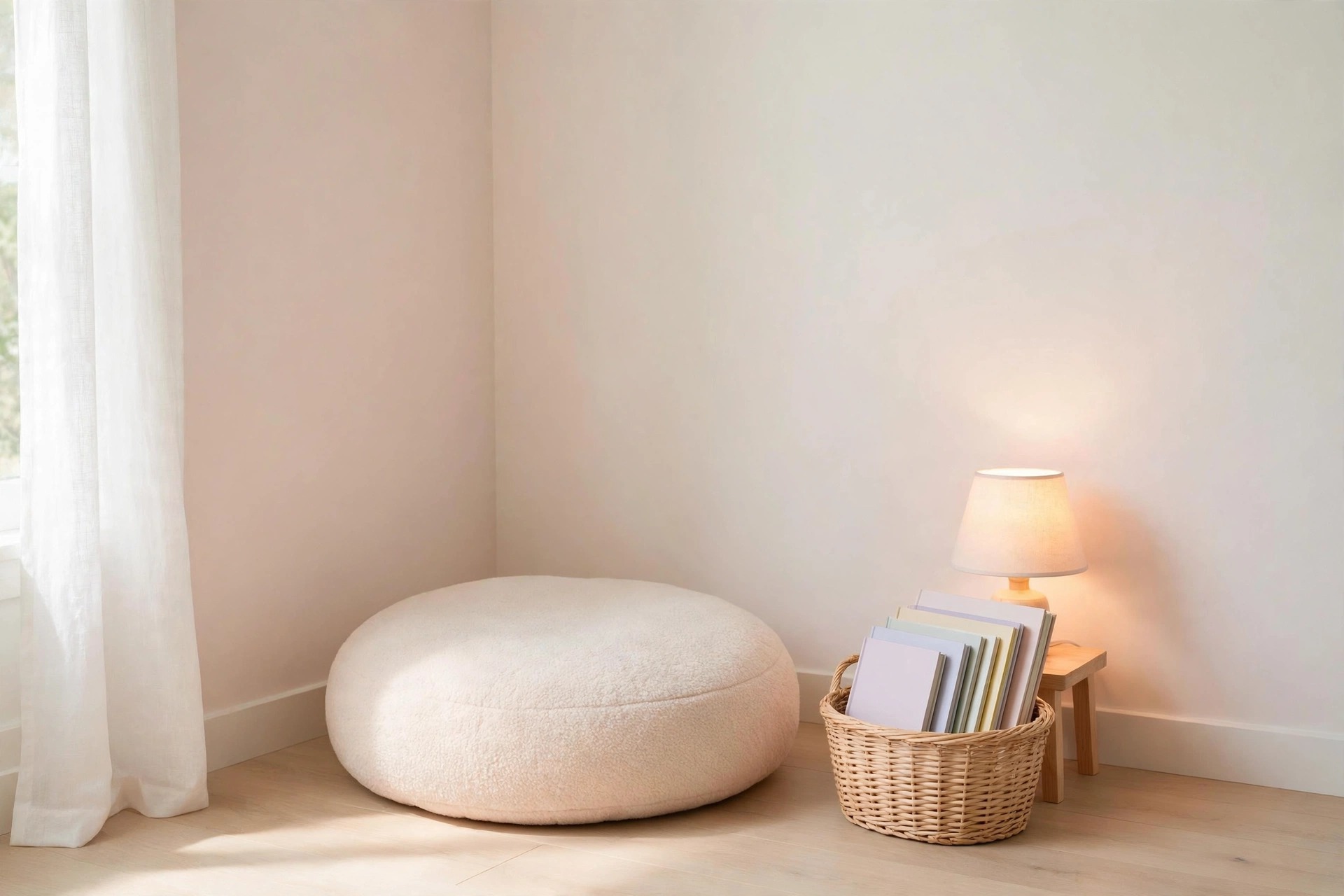
Every calm room needs one spot with a single job. A floor cushion, a small basket of books, and the palest wall corner make a reading spot that also serves as a cool down space on hard days.
Keep the corner free of toys and screens. Books, a soft blanket, and one stuffed friend are enough. When everything in a corner is quiet, kids learn the corner itself means quiet.
A small lamp or nearby window light matters here. Reading in dim corners strains young eyes and ends the habit early. Aim for light that falls over the shoulder onto the page.
12. Choose Washable Paint and Fabrics From the Start

Pastel rooms show marks, so plan for washing instead of hoping for care. Washable matte paint handles crayon and sticky fingers with a damp cloth. Removable cushion and duvet covers go straight in the machine.
Keep a small caddy of cleaning basics in the room itself. A cloth, a sponge, and mild soap within reach means marks get wiped the day they happen, not discovered at spring cleaning.
Test one wash on bedding before buying a second set. Some pastel dyes fade unevenly. A set that survives the first wash with color intact earns its matching spare.
13. Mix in One Deeper Accent for Contrast
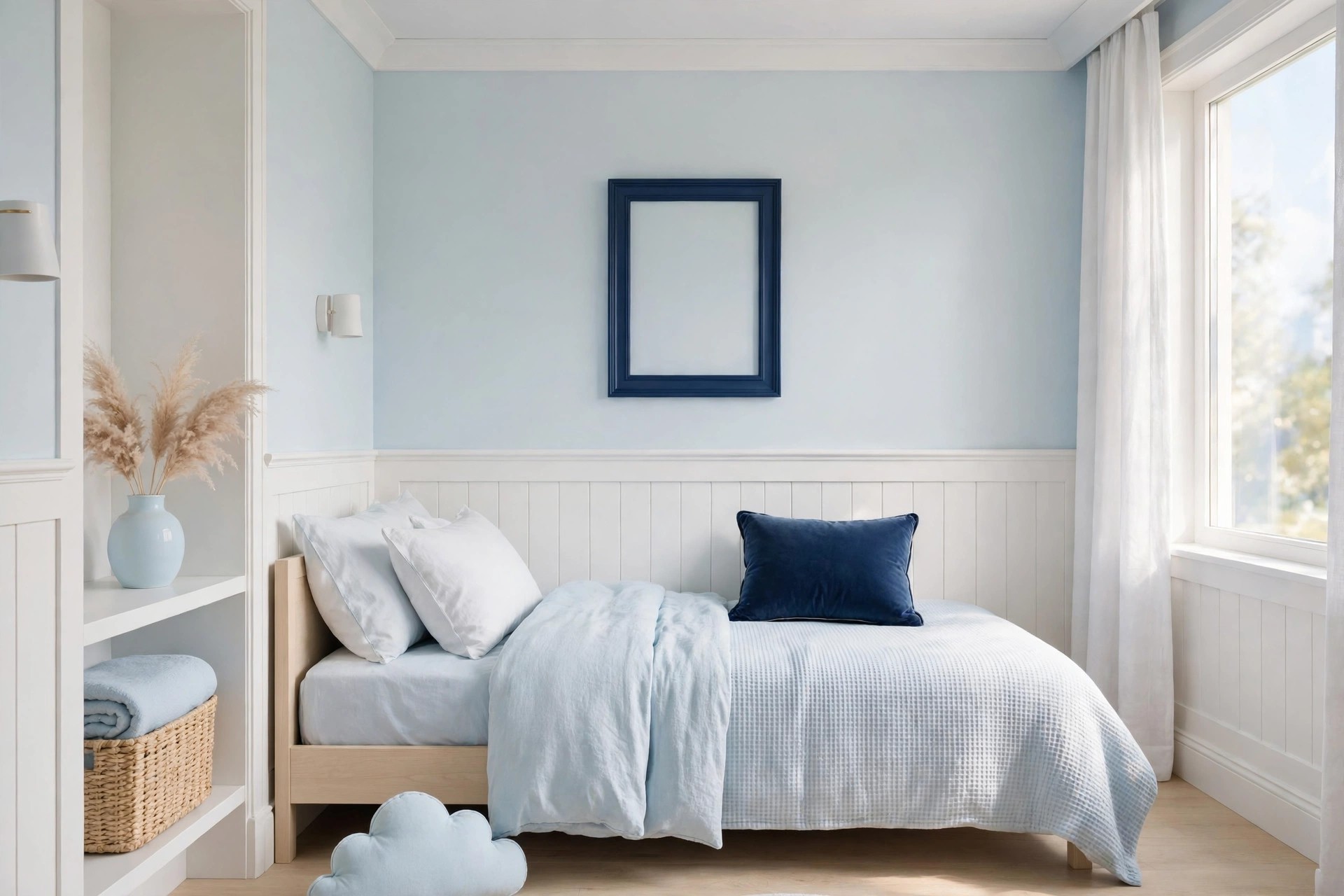
All pale rooms can feel washed out by midday. One deeper accent, like a navy cushion, a forest green book bin, or a charcoal frame, gives eyes a resting point and makes the pastels look softer by contrast.
Keep the accent small and repeat it twice. One navy cushion plus one navy frame reads planned. A single dark item alone looks like it wandered in from another room.
When your child outgrows the pastel phase, that accent color can lead the next stage of the room. A planned refresh, like our weekend teen bedroom redo plan, works in steps instead of full restarts.
14. Keep Window Coverings Simple and Light
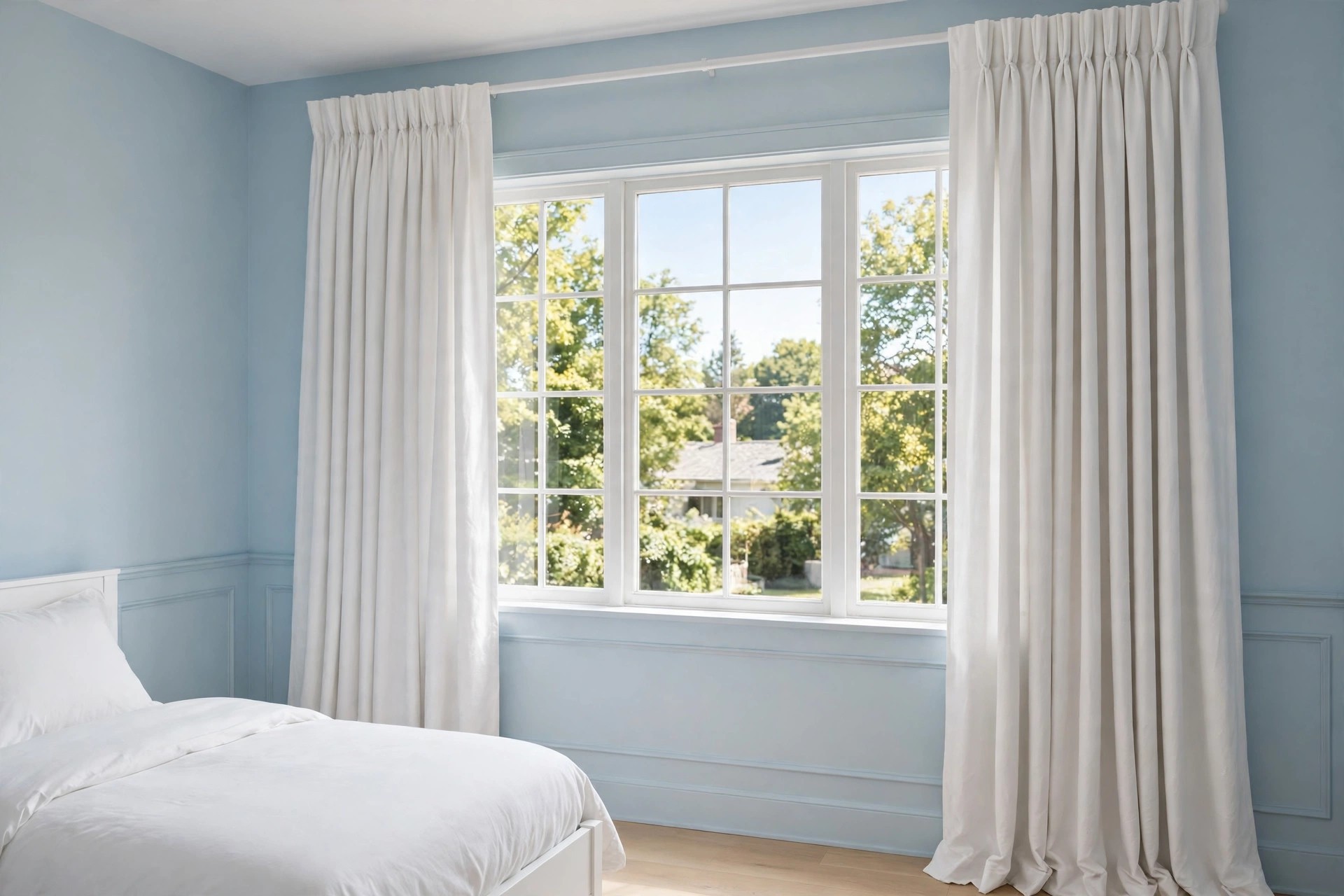
Heavy patterned curtains overwhelm a soft room. Plain curtains in white or the palest room pastel keep windows calm and let daylight do the decorating. Blackout lining behind them still protects sleep.
Hang curtains high and wide so open panels clear the glass. Full daylight makes pastel colors look their best and helps kids wake naturally on school mornings.
Skip tiebacks with small parts for young kids. Simple panels that pull by hand are safer and faster for little arms at bedtime. The closing of curtains can even anchor the bedtime routine.
15. Leave One Wall Mostly Empty
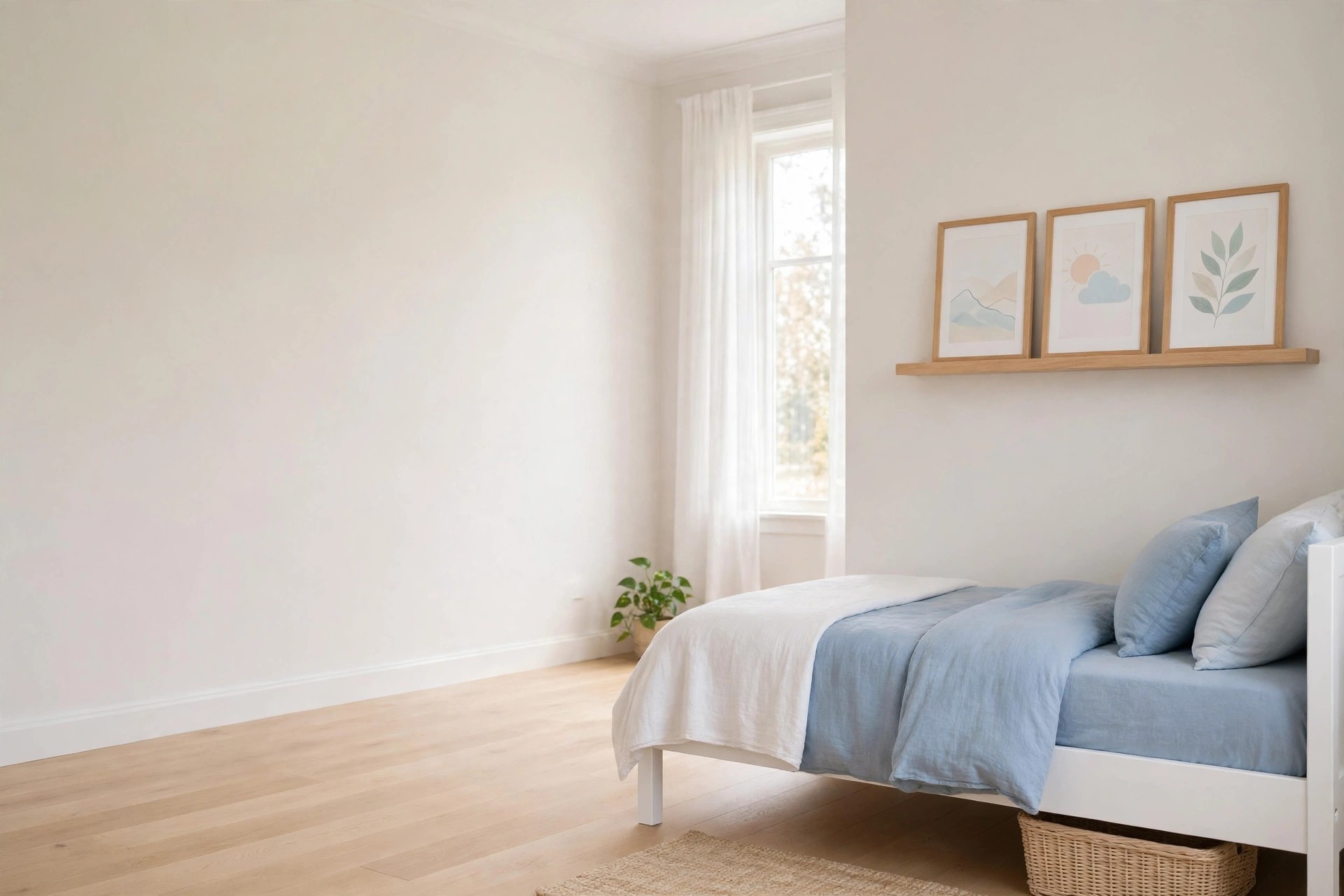
The boldest calm move is an empty wall. One wall with nothing but paint lets the room exhale. Kids also gain a blank backdrop for shadow play, puppet shows, and growth charts marked in pencil.
Empty walls make the decorated walls look better. Art and shelves get full attention when they are not competing with every other surface. Restraint is a design choice, not a missing purchase.
If an empty wall feels too bare, add one large, quiet print with a wide white mat. Scale calms better than count. One big calm piece beats six small busy ones every time.
Calm pastel rooms come from limits, not from buying more soft things. Two pastels, one neutral, white furniture, natural wood, and closed storage for bright toys will hold the look through daily play and growth spurts.
Start with the palette card and the bedding layer, then fix storage. Save these pastel kids bedroom ideas calm not candy to your kids bedroom board so the palette travels with you on shopping trips.


