

How Many Vegetable Plants Per Pot? How to Decide
Crowded pots look full in spring and struggle by midsummer, and the how many vegetable plants per pot how to decide question sits behind most of that trouble. Roots compete below the surface, and broad leaves compete above it.
Three tomato seedlings in one pot share the same water, food, and light. Each plant stays smaller than it should, and the pot often gives less fruit than one strong plant grown alone with room to branch.
This guide sets out a plain deciding method for the potting bench. Read the mature width on the label, match the pot volume to that width, then count the smaller crops by their final spacing instead of by seedling size.
The method takes about ten minutes with the seed packet in hand, and the skill level suits a beginner. It works for bought starter plants, for seedlings raised at home, and for pots you already own and trust.
This post contains affiliate links. If you buy through them, we may earn a small commission at no extra cost to you. See our Affiliate Disclosure.
Time: 10 minutes with the seed packet in hand · Difficulty: Beginner
What You Need
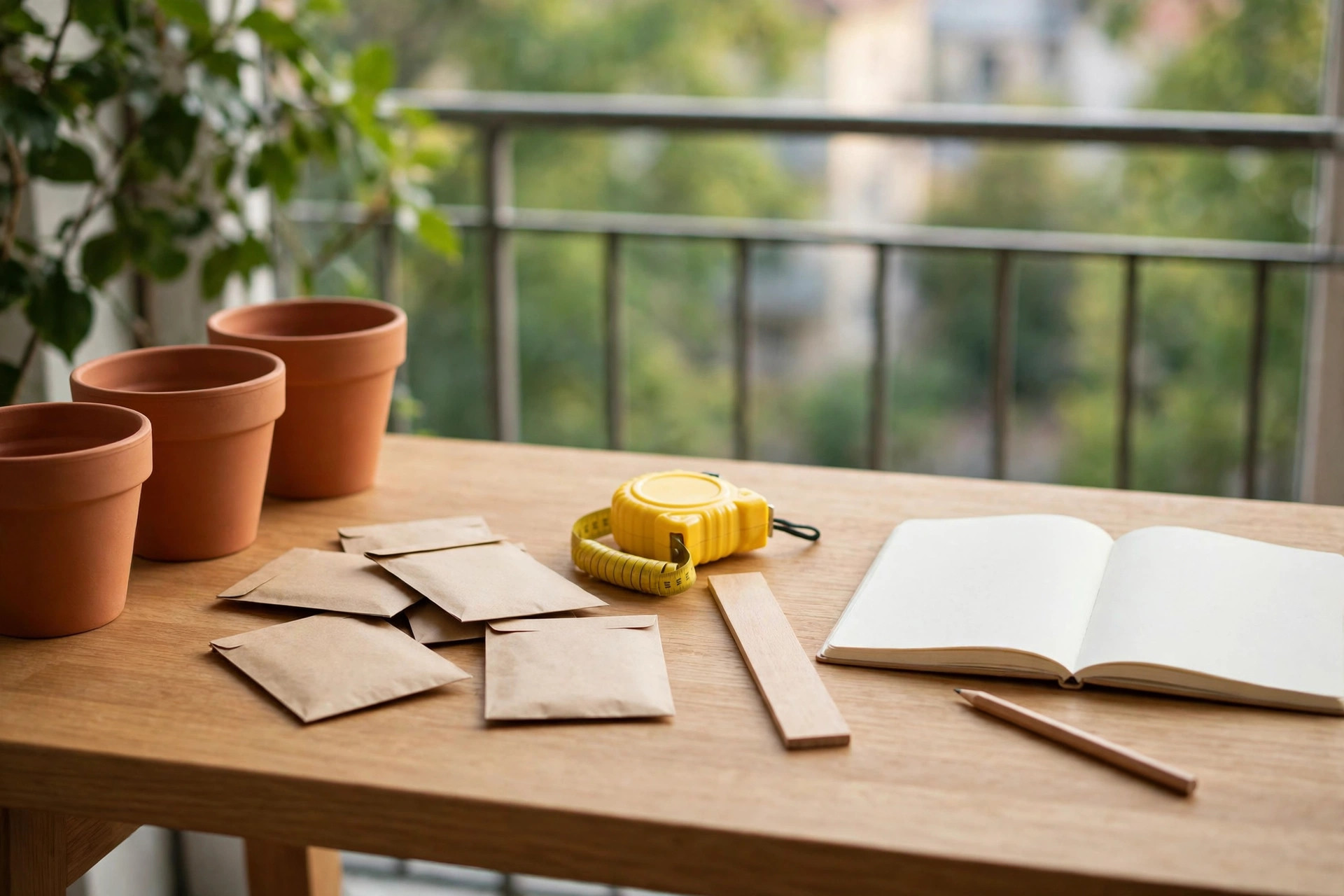
Gather these four things before you plant anything. The count for each pot comes from the label and the pot itself, so guesswork drops away once both sit in front of you on the table.
Standard pot sizes make the counting far easier. These apartment balcony pots ideas show common shapes and sizes, and these small balcony plant ideas help you plan how many filled pots your space can hold.
- Seed packets or plant labels: the back or tag prints the mature width and the final spacing for the crop, and those two numbers drive every decision in this guide.
- Tape measure or ruler: a quick check across the top of a pot gives its true width, which often differs from the size a shop name suggests.
- Pots in the standard sizes: keep a small herb pot, a medium salad pot, and a large 5 gallon or 10 gallon pot in mind as your three counting sizes.
- Notebook and pencil: a short line per pot, with the crop, the pot size, and the final count, stops repeat crowding when you plant the next batch.
Work through your pots one at a time with these four things in reach. Read the width, check the pot, write the count down, and plant to that count, even when the pot looks bare at first.
Read the Mature Width on the Label
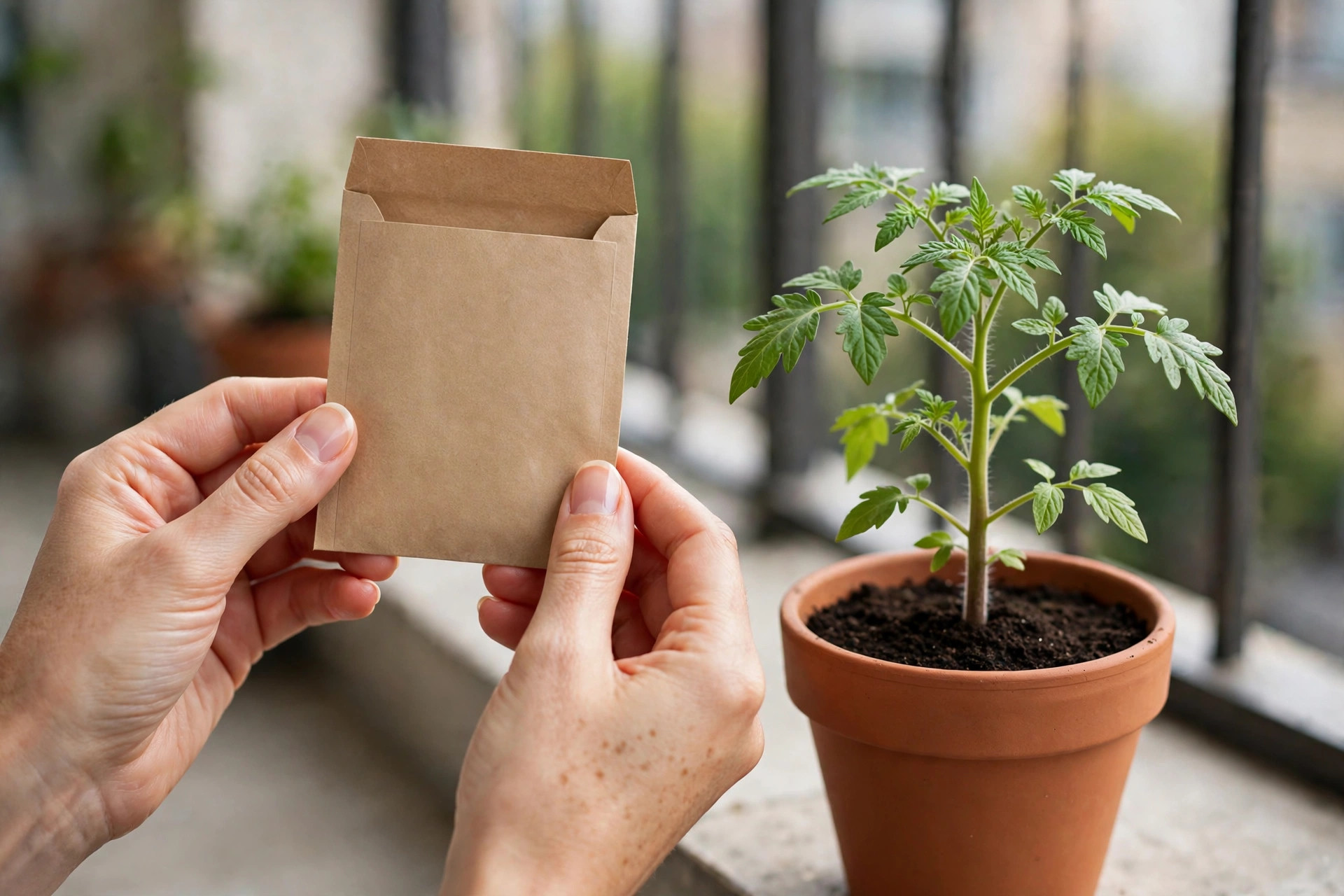
Turn the packet or label over and find the spacing line first. A tomato label may list a mature width of 24 to 36 inches (60 to 90 cm), far wider than the seedling in your hand.
That mature width is the number to trust. Seedlings look small for a few weeks, then leaves and roots claim the full width the label promised, often during the first spell of warm weather.
Compact types list a far smaller width. A dwarf tomato such as ‘Tiny Tim’ stays compact, so its label gives a width a large tomato could never match.
Match Pot Volume to That Width
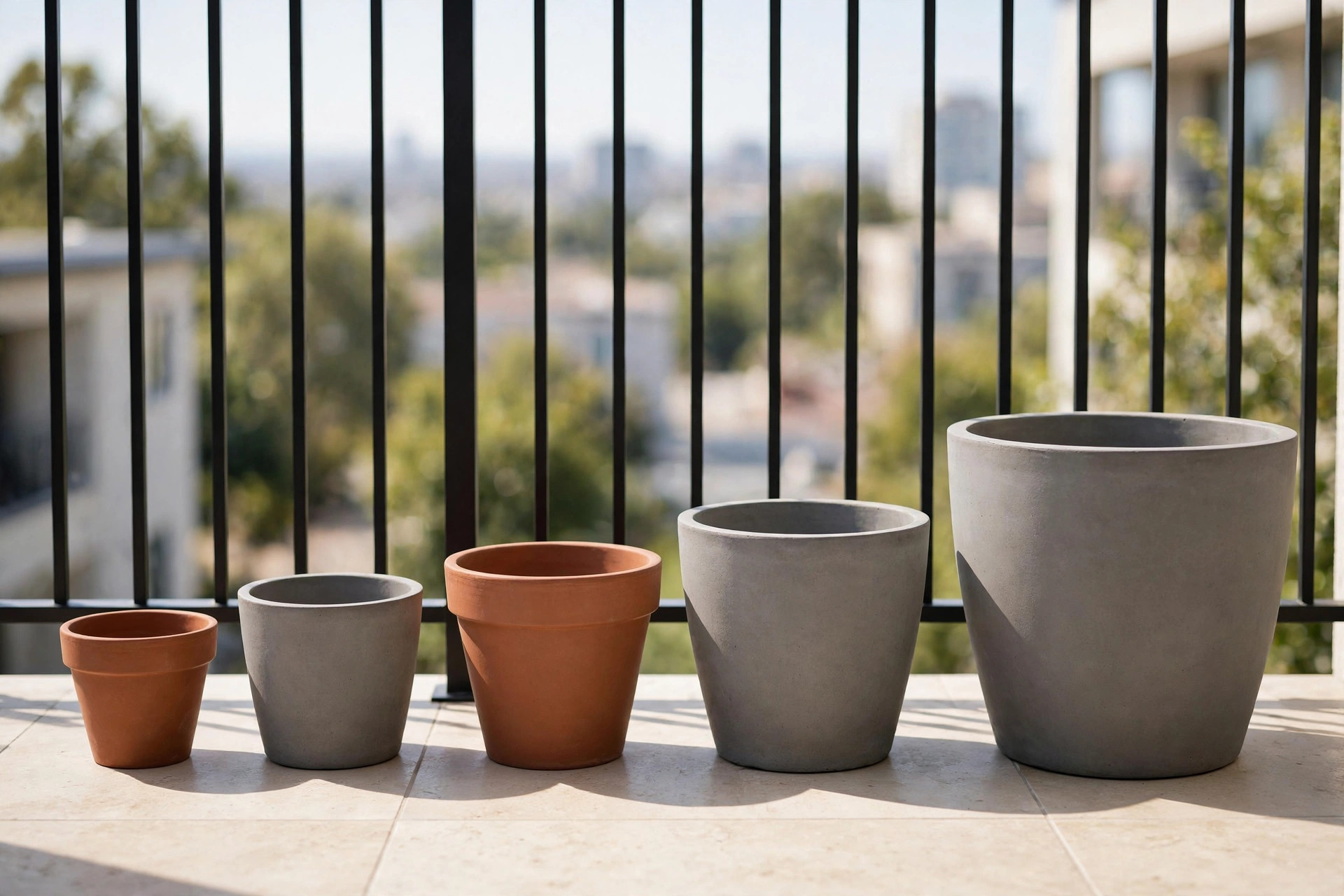
Pair a wide crop with a wide, deep pot. One plant that spreads past 24 inches (60 cm) needs about 5 gallons (about 19 liters) of mix for its roots, water store, and food.
Narrow crops need far less volume per plant. Herbs, radishes, and salad leaves grow well in pots 10 to 12 inches (25 to 30 cm) wide, with several small plants sharing the mix.
Keep true mini crops in true mini pots. Our guide to vegetables that grow in small pots, 8 inch or less, covers the crops that stay happy at that scale.
Give Big Crops One Plant Per Pot
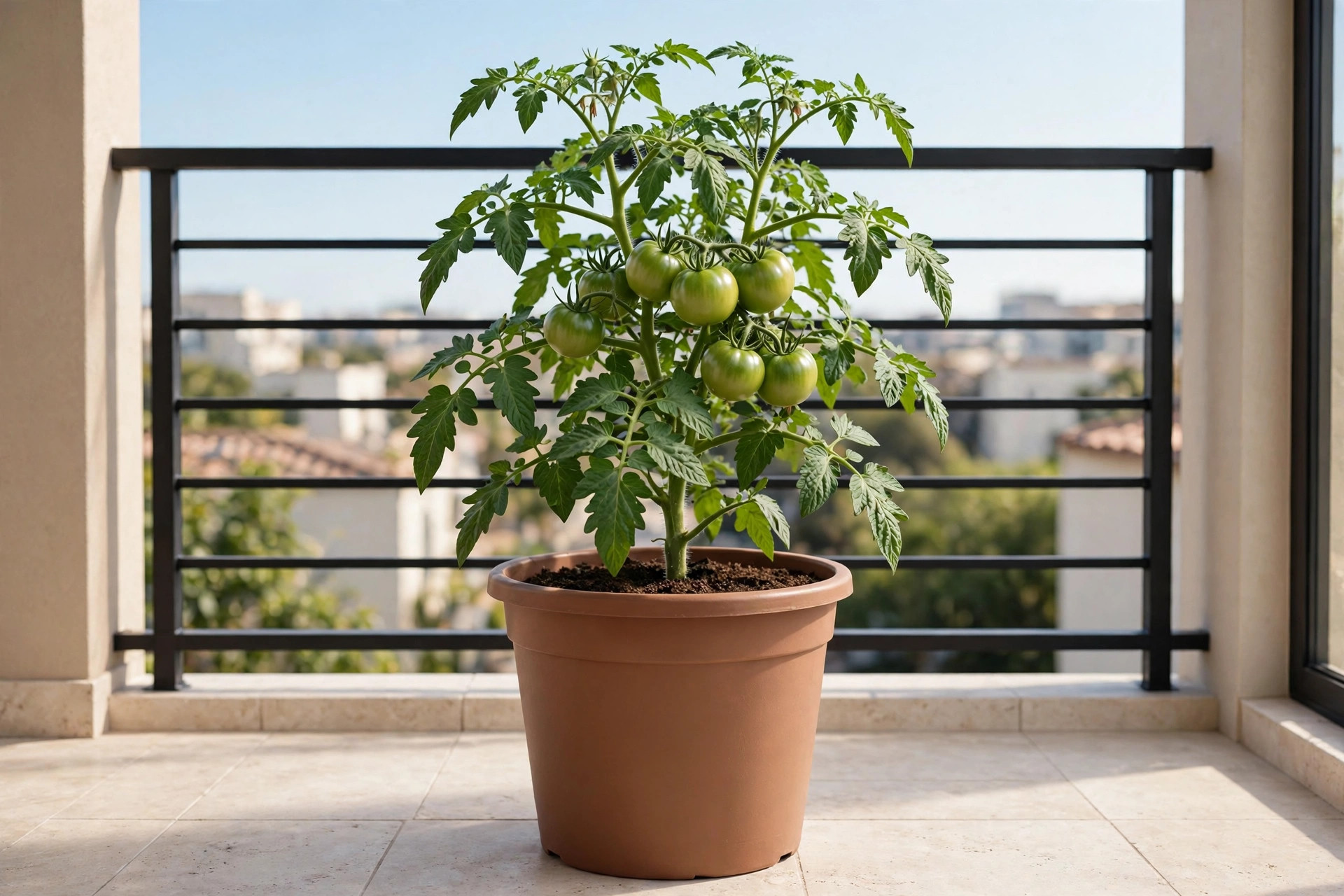
Plant one tomato per 5 gallon (19 liter) pot, and give a large type a 10 gallon (38 liter) pot. One plant gets the full water store, with no rival at its roots.
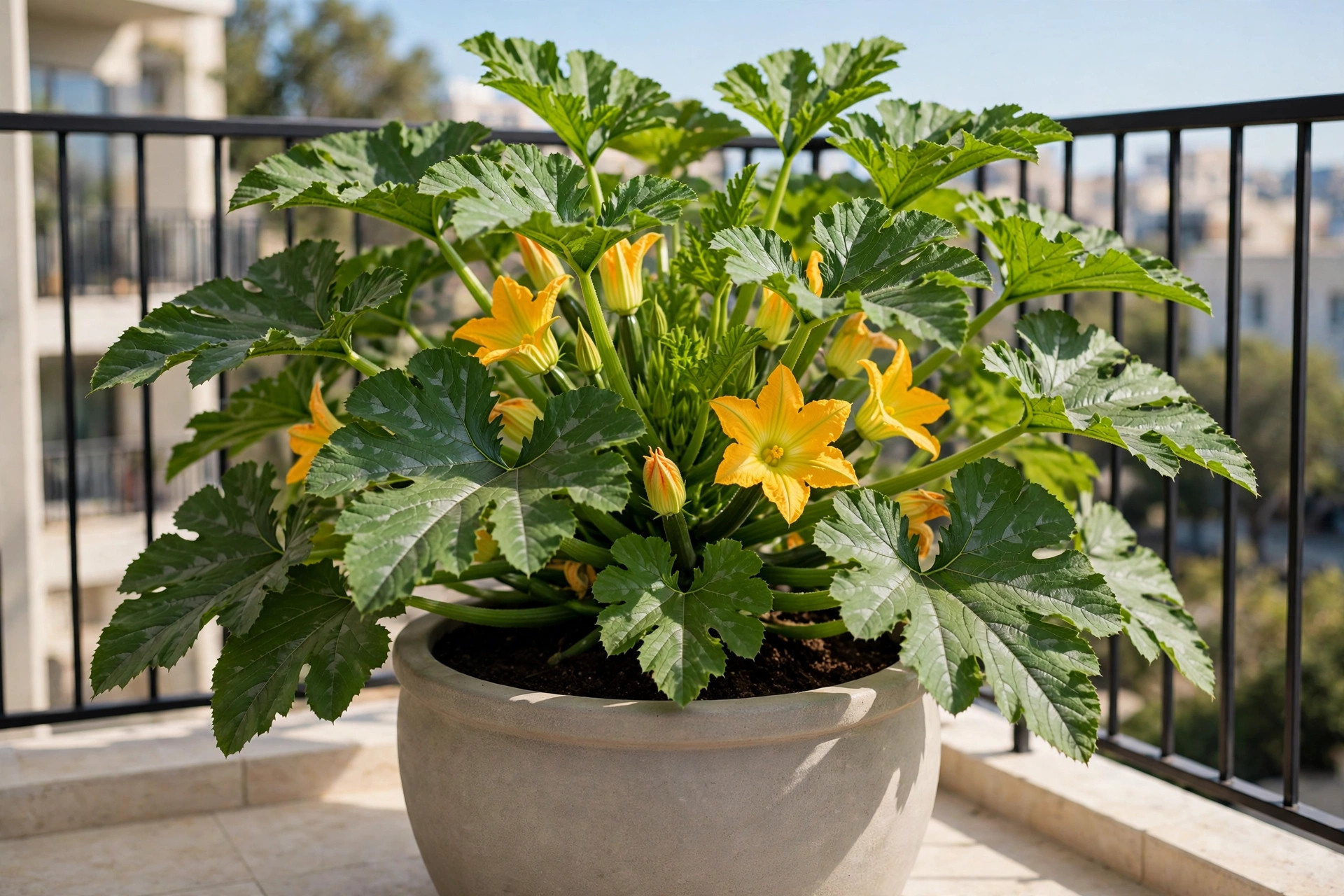
Plant one zucchini (courgette) per large pot, with ‘Astia’ a sound compact choice for containers. Its broad leaves can cover the whole pot surface, so a second plant has nowhere to grow.
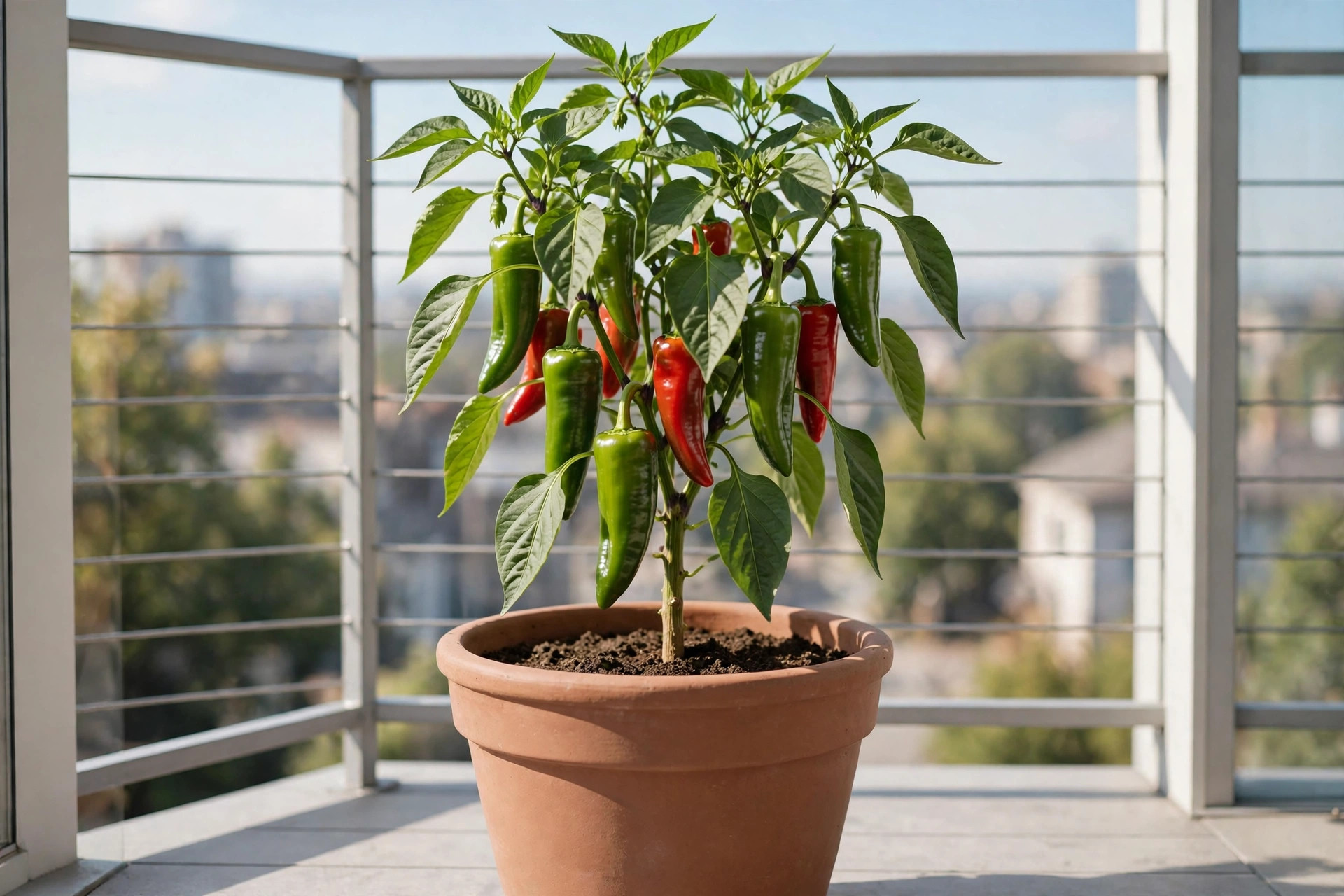
Plant one pepper per 5 gallon (19 liter) pot, and set two plants in a pot only at 10 gallons (38 liters). A compact cucumber such as ‘Spacemaster’ follows the same one plant rule.
Count Small Crops by Final Spacing
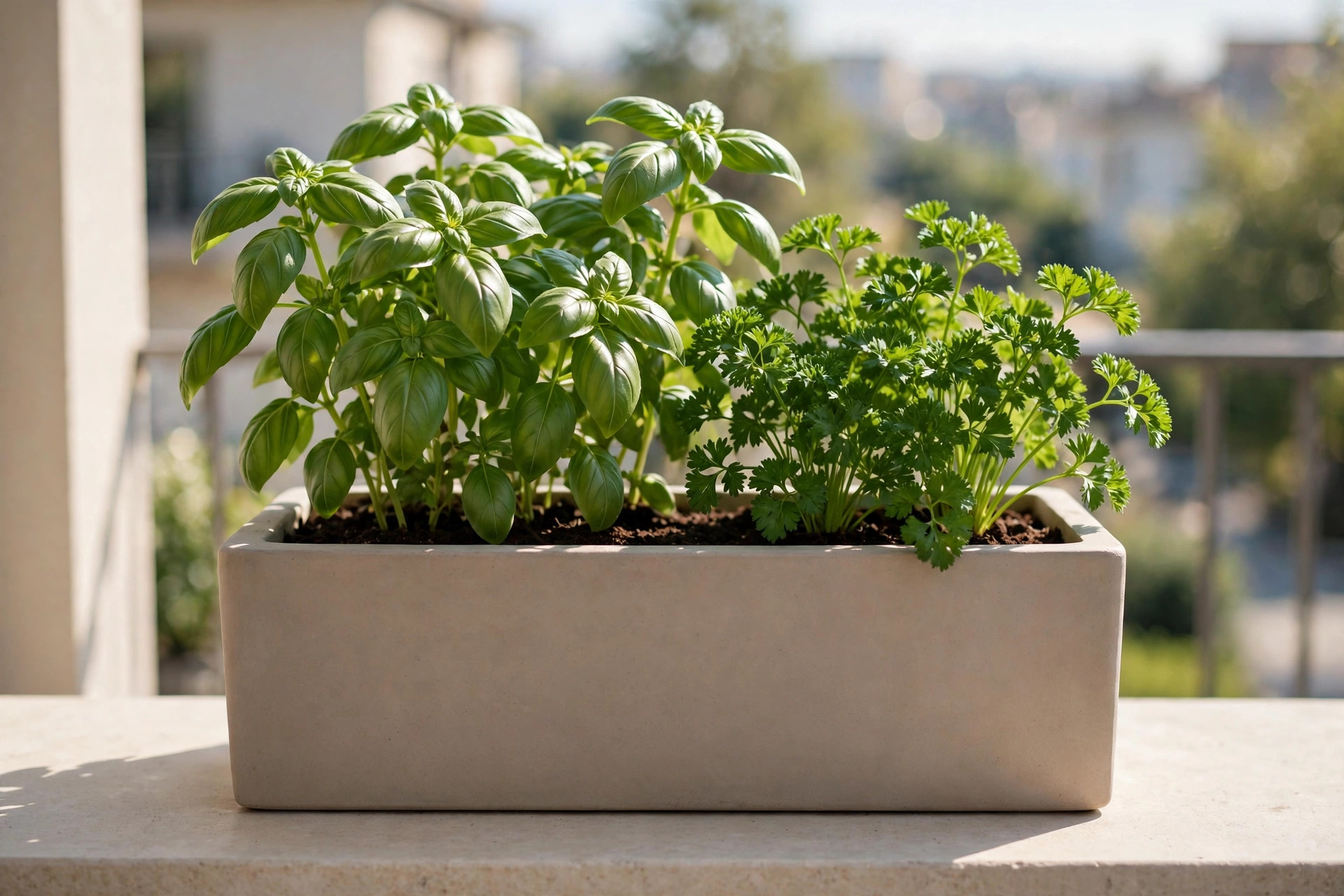
Count herbs by the clump they form, not by the tiny plants in the starter tray. Several basil and parsley plants can share one pot 10 to 12 inches (25 to 30 cm) wide.
For styling and herb pairings, these balcony herb garden ideas for apartments cover the decor side. Keep the count tied to spacing, so roots and leaves keep air between them.
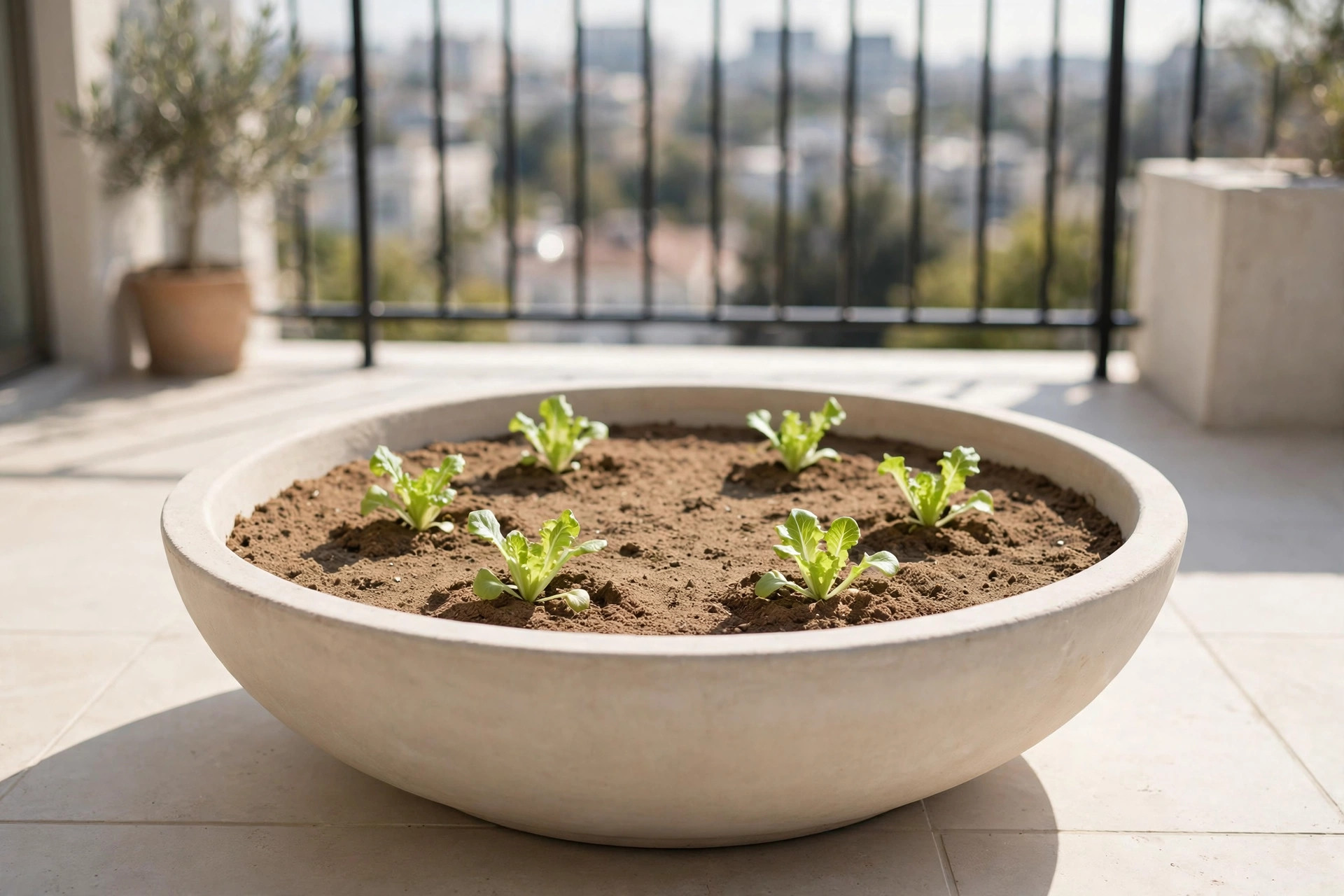
Space lettuce at its final width, with plants about 6 inches (15 cm) apart in a wide bowl. A kale such as ‘Lacinato’ needs wider spacing, so give one plant its own medium pot.
Sow Thick, Then Thin Seedlings to the Final Count
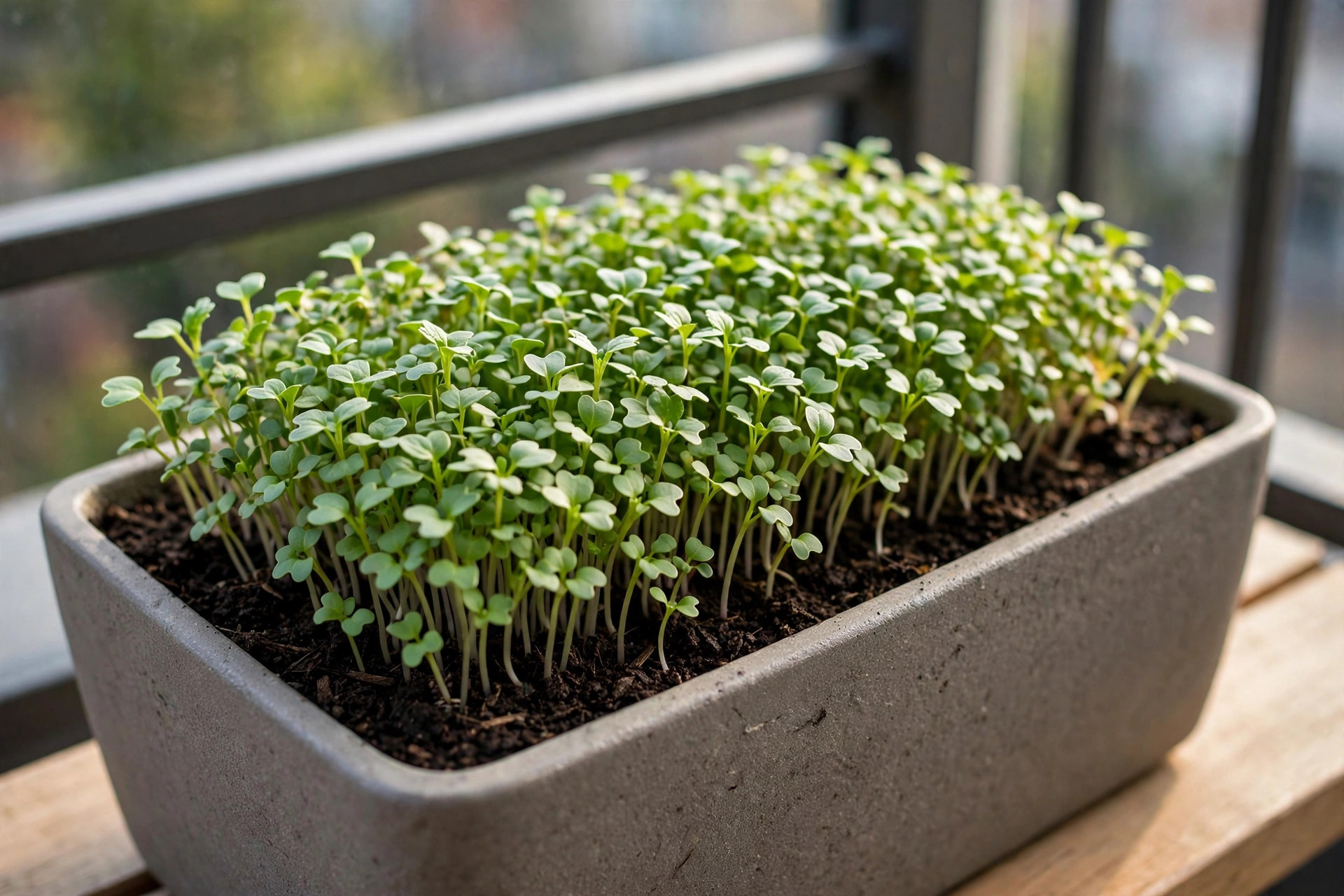
Sow a few extra seeds for crops you start from seed, since some seeds fail and some seedlings stall. Extra seedlings cost little, and they let you keep the strongest plants.
Thin radishes to 2 inches (5 cm) apart and lettuce to 6 inches (15 cm) apart once the seedlings show true leaves. A root that has room around it fills out, while a crowded root stays thin.
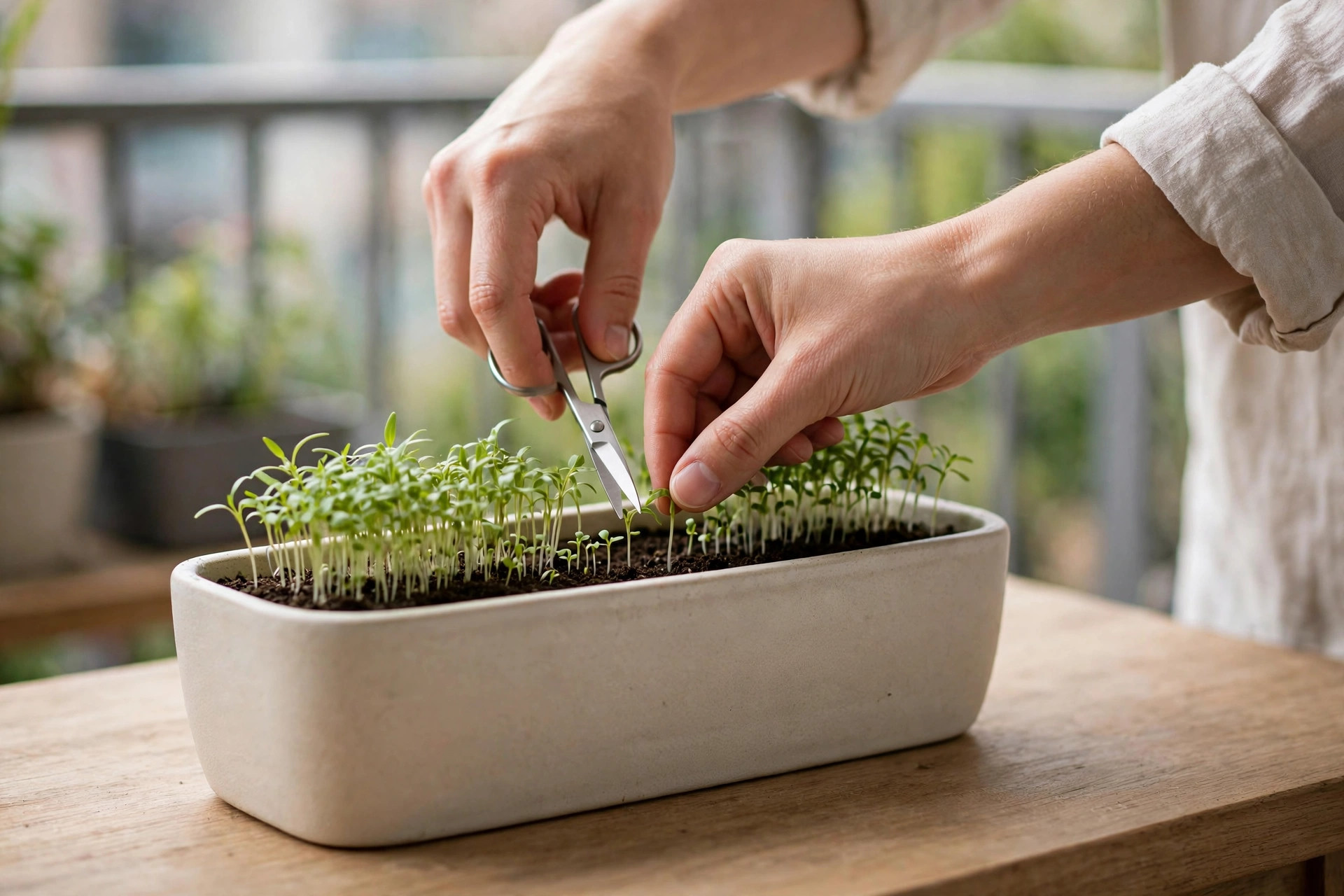
Snip unwanted seedlings at soil level with clean scissors rather than pulling them out. Pulling tears the roots of kept plants, while a snipped seedling leaves those roots settled.
Pro Tip: Thin in two passes, a week apart. The first pass halves the crowd, the strongest seedlings show themselves, and the second pass leaves the final count without a hard choice made too early.
Split a Crowded Pot Before the Roots Lock
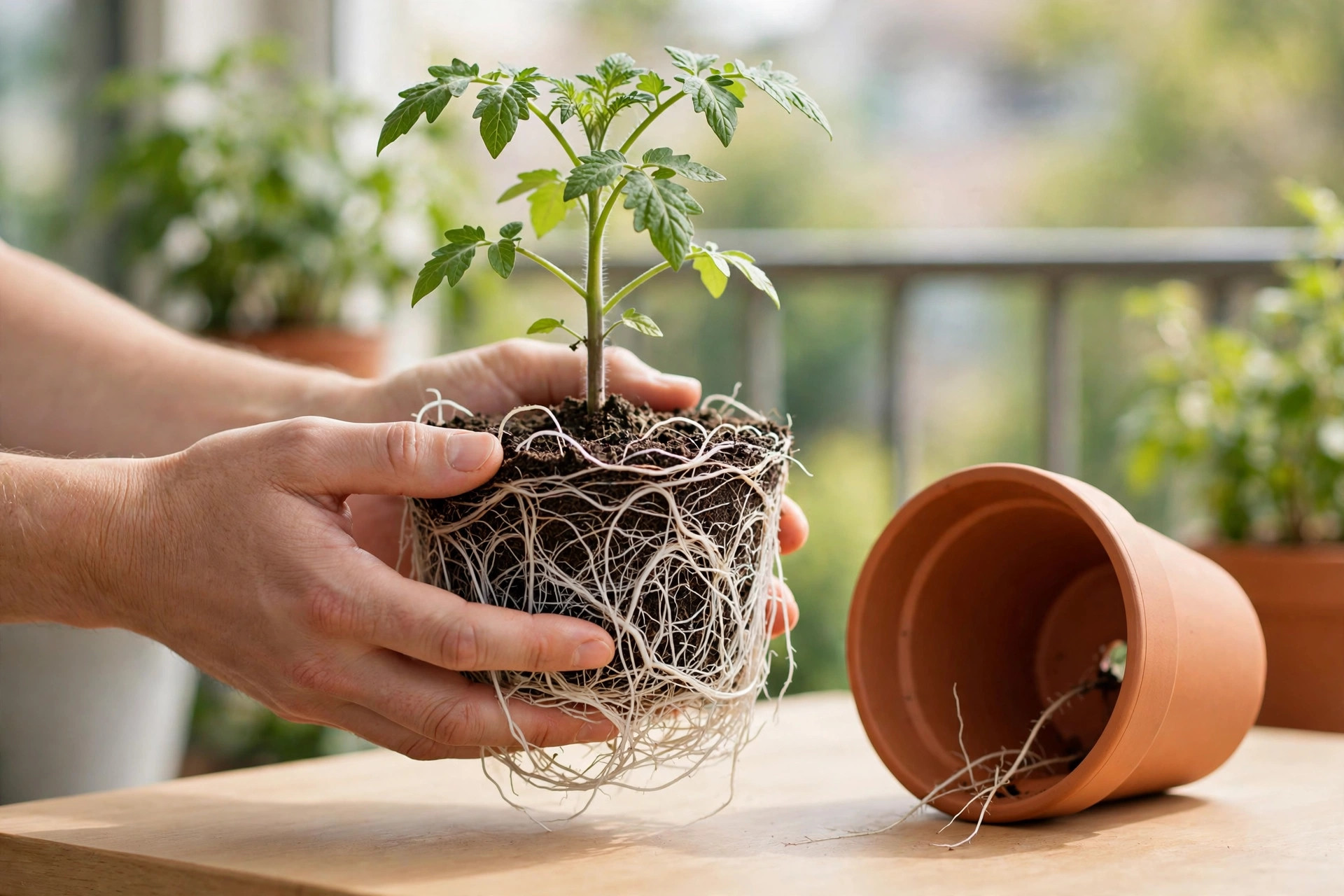
Act while the plants still lift apart cleanly. Roots circling the drainage hole, water vanishing within hours, and stalled growth all warn that a pot holds too many plants.
Water the pot first, tip the root ball into your hand, and tease the plants apart with care. Replant each one at the right count in fresh mix, water it in, and shade it for a day.
A split plant settles faster with steady water. A self-watering container for vegetables can help a crop through that first week, since its store keeps the mix damp between checks.
Common Mistakes
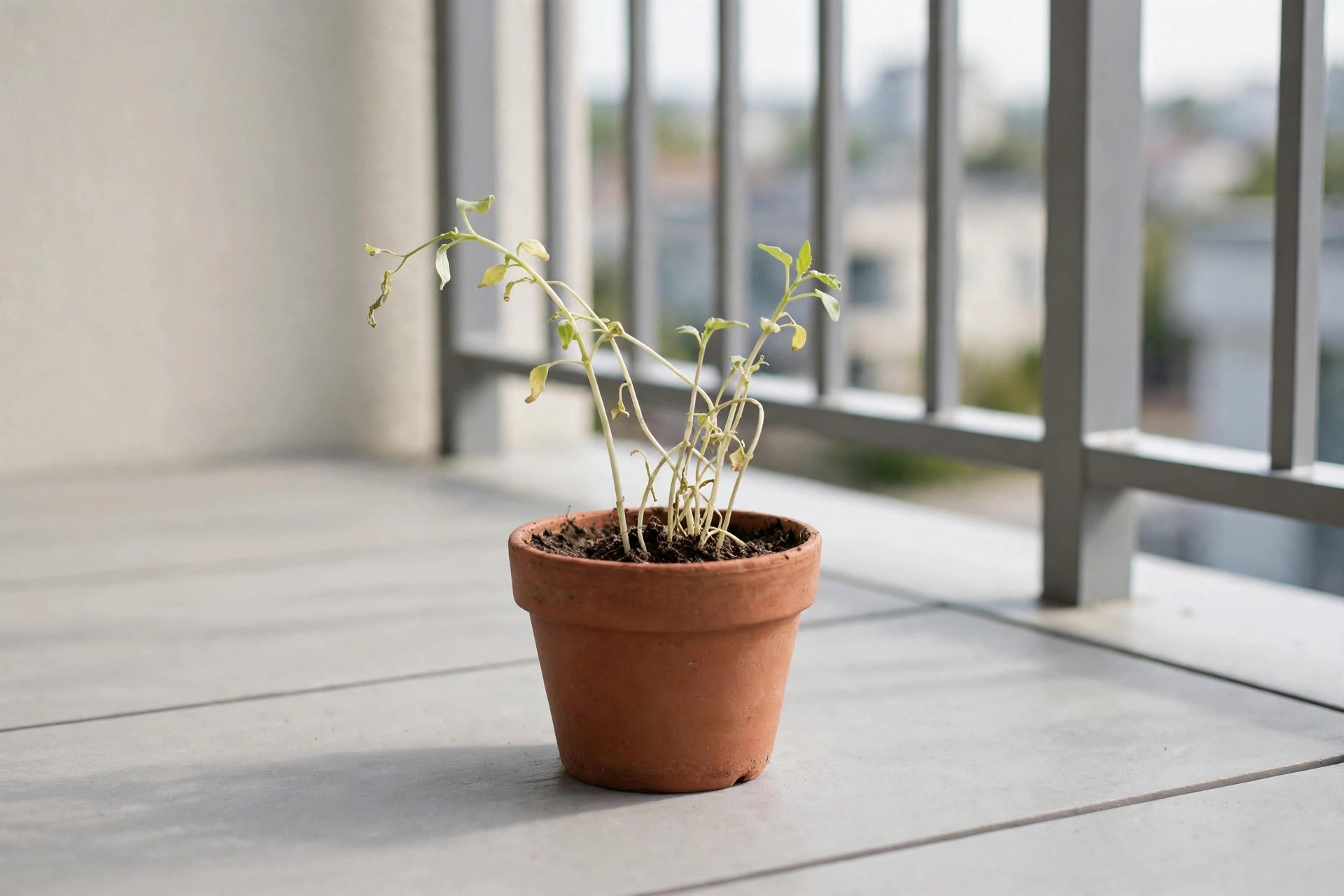
Counting seedlings instead of mature plants. A tray of small seedlings fits in one hand, so the pot looks empty at planting time. Six weeks later those same plants can shade each other, split the water, and stall as a group.
Giving every crop the same pot size. One pot size for all crops starves the big plants and wastes mix on the small ones. Match volume to mature width first, then sort the pots you own by crop.
Leaving the thinnings in place. A spare seedling looks healthy, so it stays, then it grows into a rival. Thin to the final count on time, and move spare lettuce or herb seedlings to a spare pot instead.
Filling gaps with one more plant. A bare patch of mix in week one is room the crop has yet to claim. Extra plants added to fill that patch take the light and water the main crop needs later.
Splitting a crowded pot too late. Roots lock together as plants grow, and a late split tears them badly. Split young plants early, on a mild day, and keep the new pots watered while the roots settle again.
Planting mint in a shared herb pot. Mint roots run fast and claim the whole pot, while the other herbs fade around it. Give mint a pot of its own from the start, set apart from the shared herb pot.
Frequently Asked Questions
Can two pepper plants share one pot?
Yes, in a large pot only. Set two pepper plants in a pot of 10 gallons (38 liters), with space between the stems, steady feeding, and a full check on water during hot spells.
In a 5 gallon (19 liter) pot, keep the count at one plant. Two peppers in that volume compete all season, and both plants tend to fruit less than one plant grown alone.
What if the label shows no mature width?
Use the final spacing line instead, since the two numbers tell the same story in a different way. A crop spaced 12 inches (30 cm) apart in a bed needs a pot at least that wide for one plant.
For a seed packet with neither number, search the variety name on the seed firm site before you plant. Variety pages list spacing for older packets and for saved seed with no packet at all.
How many herb plants fit in a 12 inch pot?
Plan on several small herb plants in a pot 12 inches (30 cm) wide, set so each young plant has room to form a clump. Three to four basil or parsley plants make a full, useful pot.
Give a woody herb such as rosemary a pot of its own as it grows. Rosemary forms a shrub over time, and a shrub crowds soft herbs out of a shared pot within one season.
When is the right time to thin seedlings?
Thin once the seedlings show their first true leaves and you can pick out the strongest plants. At that stage the roots are still small, so snipping at soil level leaves the kept plants calm.
Do a second pass a week later if the row still looks tight. Radishes and lettuce grow fast, and a crowded row can pass the right moment for a clean thin within a few warm days.
Can I replant the seedlings I thin out?
Lettuce, kale, and herb seedlings often move well if you lift them young with a spoon and keep the roots damp. Pot them at once, water them in, and shade them for the first day.
Radish thinnings rarely repay the work, since the root is the crop and a moved root grows forked or small. Compost radish thinnings, and eat baby lettuce thinnings in a salad rather than replanting every one.
Does pot shape matter, or only the volume?
Both matter, though volume comes first. A deep pot suits tomatoes, peppers, and zucchini (courgette), since their roots run down as well as out, and a wide shallow bowl suits lettuce and radishes with short roots.
Check the width at the top as well. A pot that narrows at the rim can hold enough mix yet leave too little surface room for the spacing the label asks for at planting time.
Quick Reference
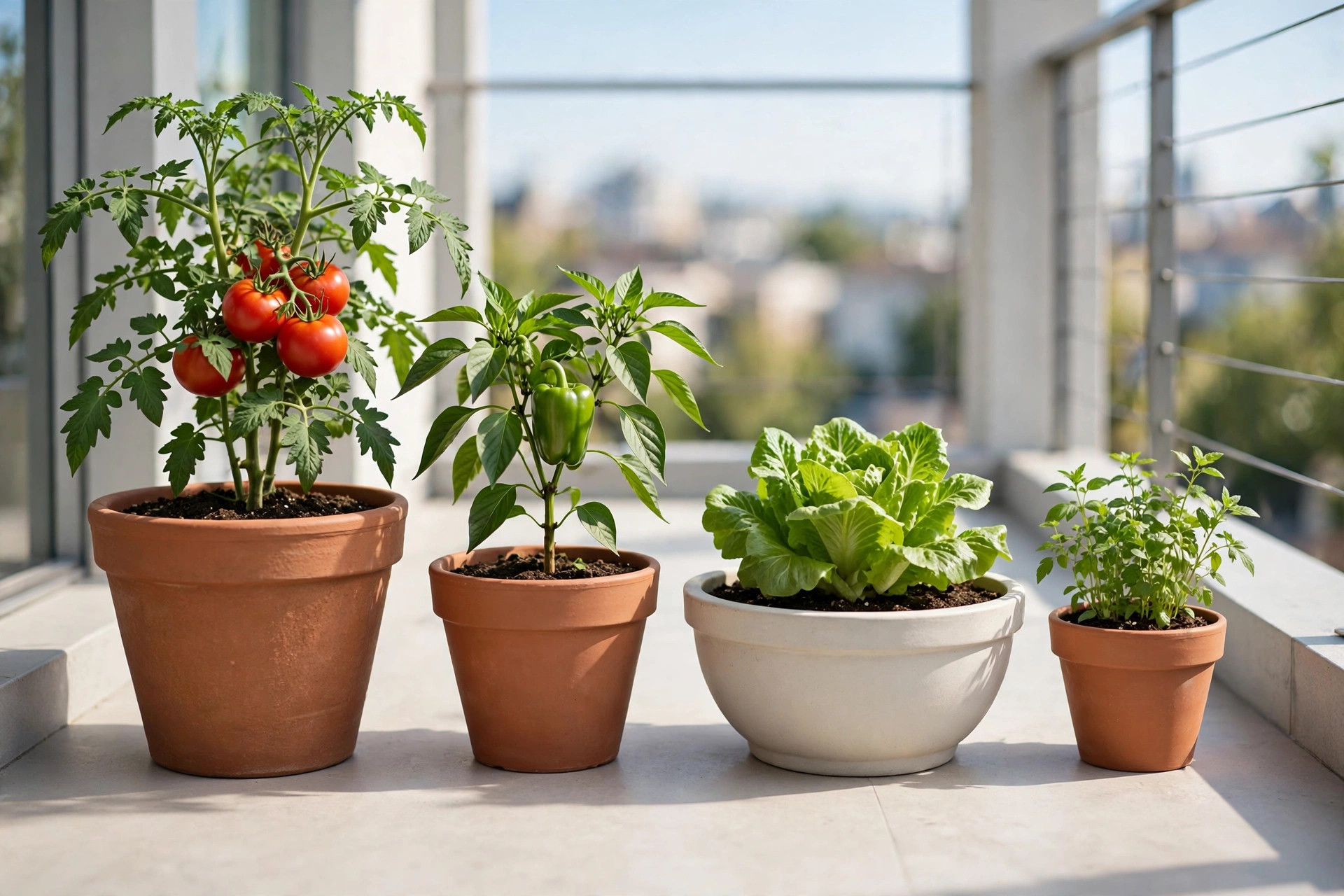
Use this rundown at the potting bench. One line per crop, with the pot size and the final count that the steps above rest on.
- Tomato: one plant per 5 gallon (19 liter) pot, one per 10 gallon (38 liter) pot for a large type.
- Pepper: one plant per 5 gallon (19 liter) pot, two plants only in a 10 gallon (38 liter) pot.
- Zucchini (courgette): one plant per large pot, with 10 gallons (38 liters) a sound size for one plant.
- Cucumber, compact types: one plant per 5 gallon (19 liter) pot, with a short support for the vines.
- Basil and parsley: several plants per pot 10 to 12 inches (25 to 30 cm) wide.
- Lettuce: space plants 6 inches (15 cm) apart, about four plants in a 12 inch (30 cm) bowl.
- Radishes: thin seedlings to 2 inches (5 cm) apart, in a pot at least 6 inches (15 cm) deep.
- Kale: one plant per medium pot, spaced as a wide leafy plant rather than a salad leaf.
- Dwarf tomato, such as ‘Tiny Tim’: one plant per pot, in a smaller pot than a standard tomato needs.
- Seed sown crops: sow extra seed, then thin to the spacing lines above once true leaves show.
Start each pot with the label, not with the seedling in your hand. The mature width, matched to the pot volume, gives a count you can trust for big crops and small crops alike.
After a season of notes, the how many vegetable plants per pot how to decide question gets far easier. Your notebook shows which counts fed well, which pots dried too fast, and which crops needed more room.
Save this guide to your container garden board for the next planting day. Then pick one crowded pot on your balcony, split it early, and watch how fast the freed plants respond.


