

15 Small Front Yard Garden Ideas for Beginners
A small front yard can feel like a lot of pressure. It is the part of your home everyone sees, yet it is often just a tired patch of lawn, a straight path and one shrub that came with the house. The good news is that beginner-friendly gardening is not about doing everything at once — it is about a few simple, well-chosen ideas, done neatly. A tidy edge, a handful of forgiving plants and one clear focal point will transform the space faster than an ambitious plan you cannot keep up with.
Start by thinking of your front yard as a series of small zones: the entrance, the path, the house wall and the boundary. Give each zone one job and one simple treatment, and the whole yard suddenly feels planned. If you already enjoy nurturing plants in tight spaces, like these small balcony plant ideas, you already have the right instincts — front-yard gardening simply gives those plants a little more room to breathe.
This guide walks you through a calm, step-by-step plan first, then shares fifteen achievable ideas you can mix, match and add over several seasons. Pick two or three ideas for your first year, enjoy them, and let confidence grow with the plants. Every idea here uses basic tools, widely available plants and simple techniques — no landscaping experience, and no perfect garden, required.
This post contains affiliate links. If you buy through them, we may earn a small commission at no extra cost to you. See our Affiliate Disclosure.
How to Plan a Small Front Yard Garden as a Beginner, Step by Step
Before you buy a single plant, spend a few days simply watching your yard. Notice where the sun falls in the morning and afternoon, which corners stay shady, where water sits after rain and which spots the wind catches. At the same time, check any local rules or homeowners’ association guidance that may apply to front yards in general terms, such as height limits near pavements or shared boundaries, so your plans start on the right side of the paperwork. Then choose just one bed to start with: the one by the door or along the path, where your work will be seen and enjoyed every day.
With your first bed chosen, keep the planting simple and forgiving. Pick plants described as easy, drought-tolerant once established or suitable for beginners, match them to the sun and soil you actually have, and repeat a small number of varieties rather than buying one of everything. Add mulch over the soil and a clean edge around the bed — these two finishing touches make even a brand-new planting look tidy and help hold moisture in. Finally, set a simple watering routine you can actually keep: a thorough soak once or twice a week for new plants, ideally in the morning, rather than a daily sprinkle. Small, regular attention beats a single exhausting weekend every time.
1. Start With a Simple Curved Flower Bed Along the Path
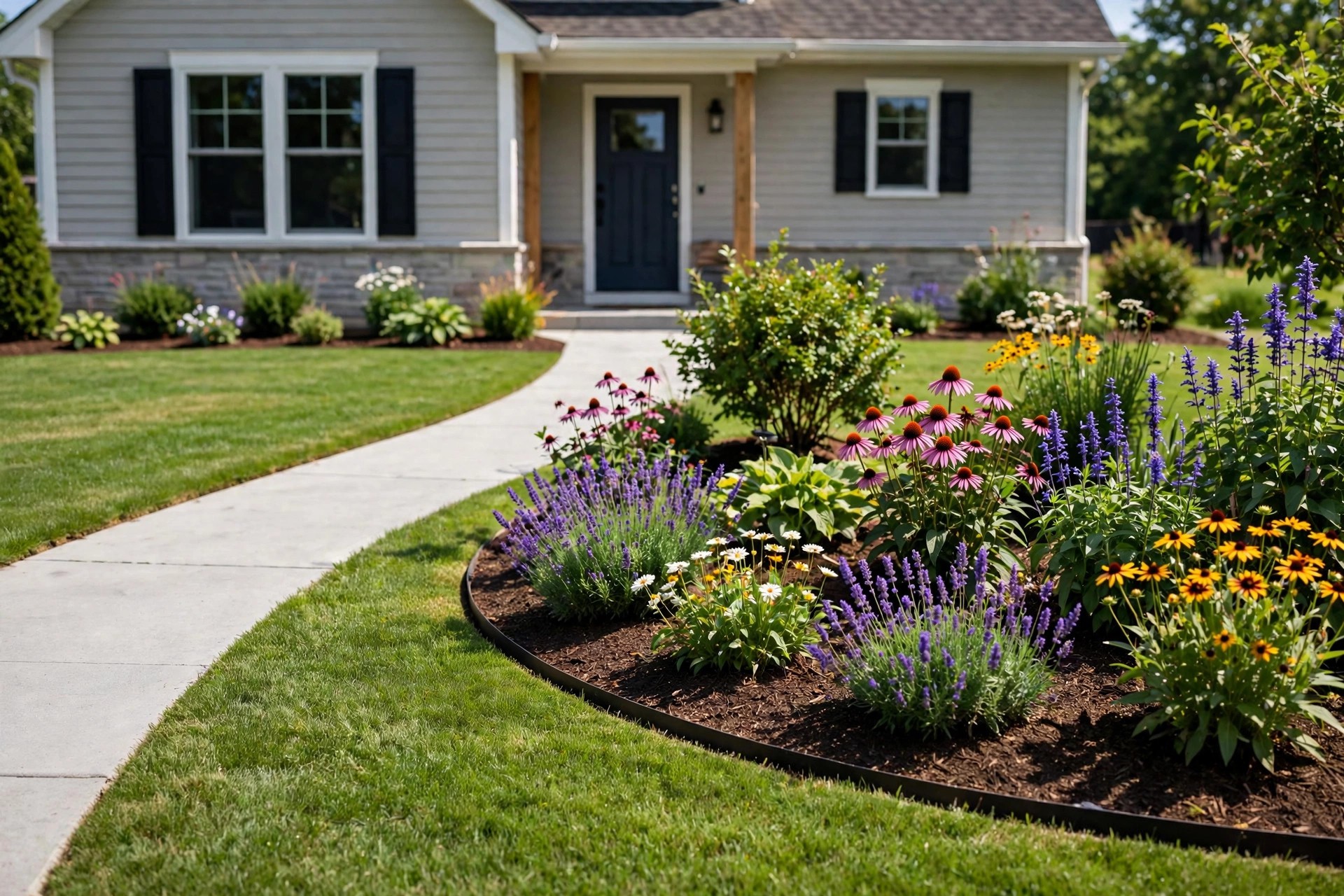
A gentle curve is the easiest way to make a small front yard feel designed rather than accidental. Mark a soft, sweeping edge from the front door path toward a corner of the yard using a garden hose or a line of flour, step back and adjust it until it looks relaxed, then cut along the line and remove the turf inside. Fill the bed with a simple mix of one shrub, a few clumps of easy perennials and a groundcover along the front edge, keeping taller plants toward the back.
2. Use Low-Maintenance Evergreen Shrubs as a Backbone
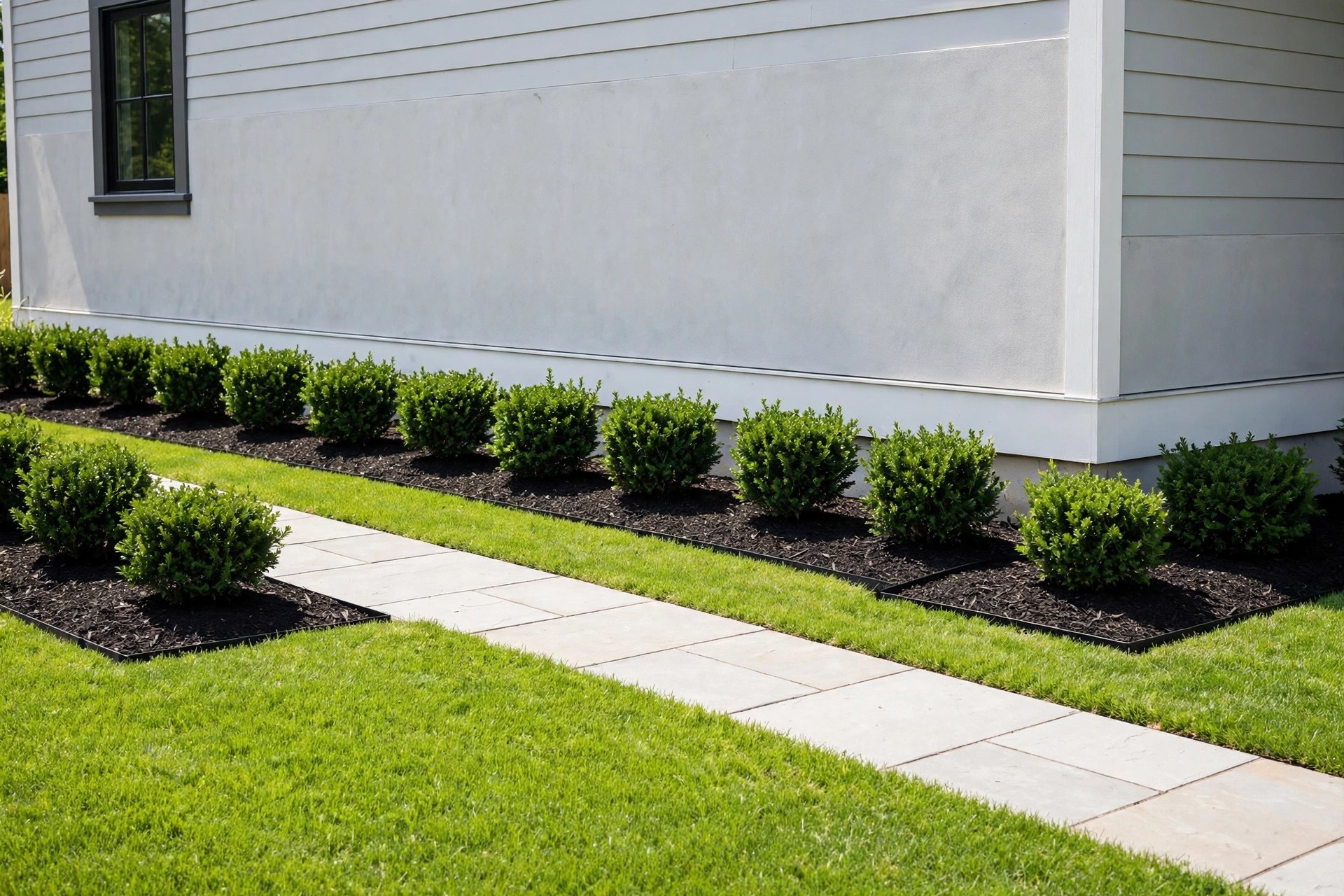
Evergreen shrubs do the quiet, year-round work in a small front yard. Plant two or three compact, slow-growing varieties along the house wall and at the corners of your beds, choosing sizes that will stay modest at maturity so they never swallow the windows or the path. Their steady green shapes hold the garden together in winter, frame brighter seasonal flowers in spring and summer, and need little more than a light trim once a year.
3. Plant a Colourful Perennial Border That Returns Each Year
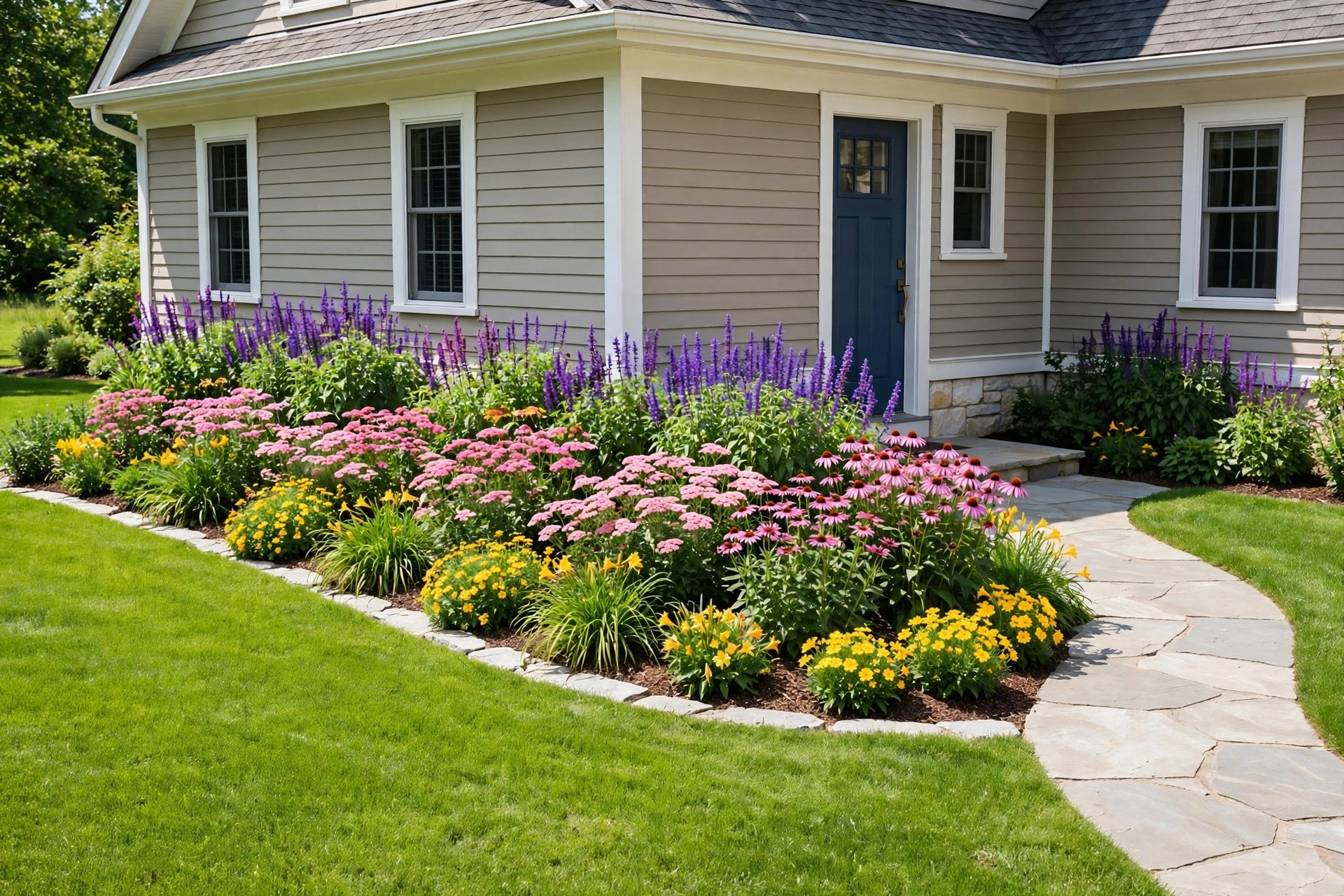
Perennials are a beginner’s best friend because you plant them once and they return, bigger and better, each spring. Choose a small palette of three or four colours that suit your house, then repeat the same few forgiving plants in groups of three along the border so the planting looks intentional rather than spotty. Stagger heights with taller plants at the back and low mounds at the front, and include something that flowers early, something for midsummer and something for late season so there is always a little colour.
4. Flank the Front Door With Matching Container Pots

If digging feels like a big first step, start with pots. A matching pair of generous containers either side of the front door instantly makes the entrance feel finished, and containers let you experiment without committing to a bed. Use pots with drainage holes, fill them with fresh potting mix, and plant a simple recipe: one upright plant in the centre, a few flowers around it and something soft trailing over the edge.
5. Make One Small Flowering Tree the Focal Point
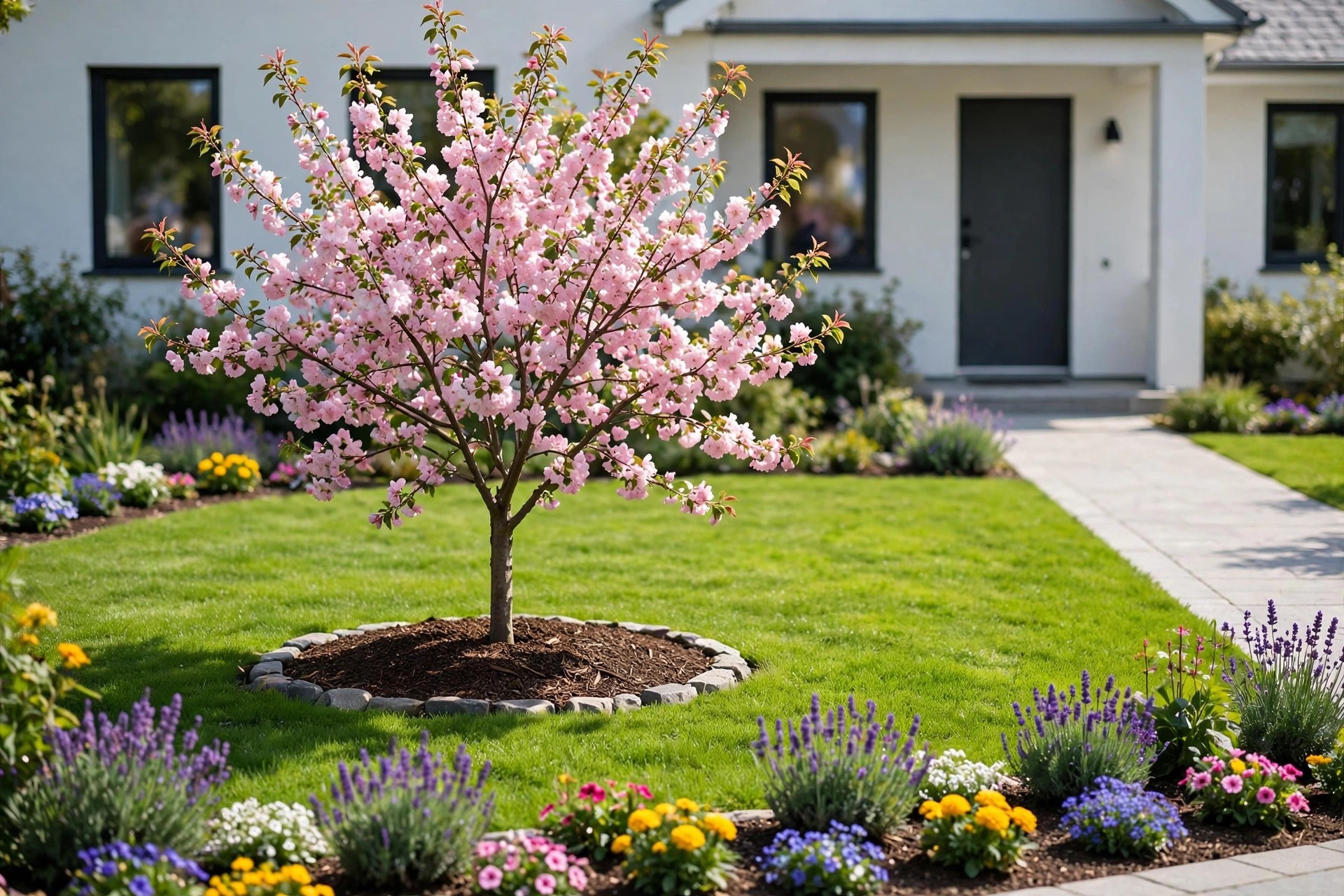
Every small garden benefits from one clear focal point, and a compact flowering tree earns that role in all four seasons — blossom in spring, shade and green leaves in summer, colour or berries later in the year and an elegant branch shape in winter. Choose a variety bred for small gardens, check its mature size honestly against your space, and plant it where it can be seen from the street and from inside the house.
6. Add Window Boxes for Instant Cottage Charm
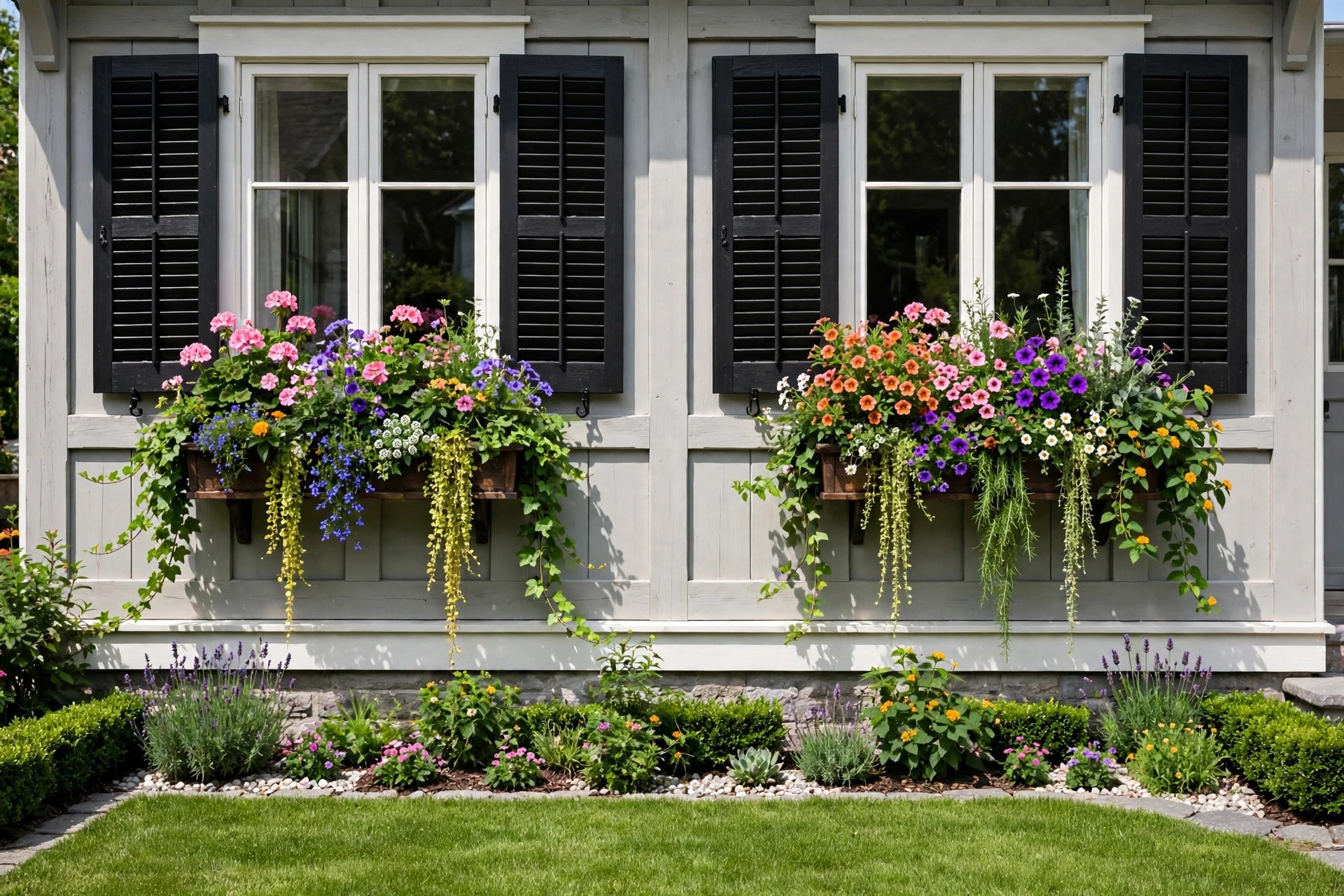
Window boxes bring flowers right up to the house, which is perfect when ground space is limited. Fix sturdy boxes securely beneath your front windows, line them if needed, and fill them with potting mix and plants that trail, mound and spill in layers. If you love this look on a smaller scale, the same planting recipe works for balcony flower box ideas too, so you can repeat the style around the home.
7. Keep a Tidy Edged Lawn With One Island Bed
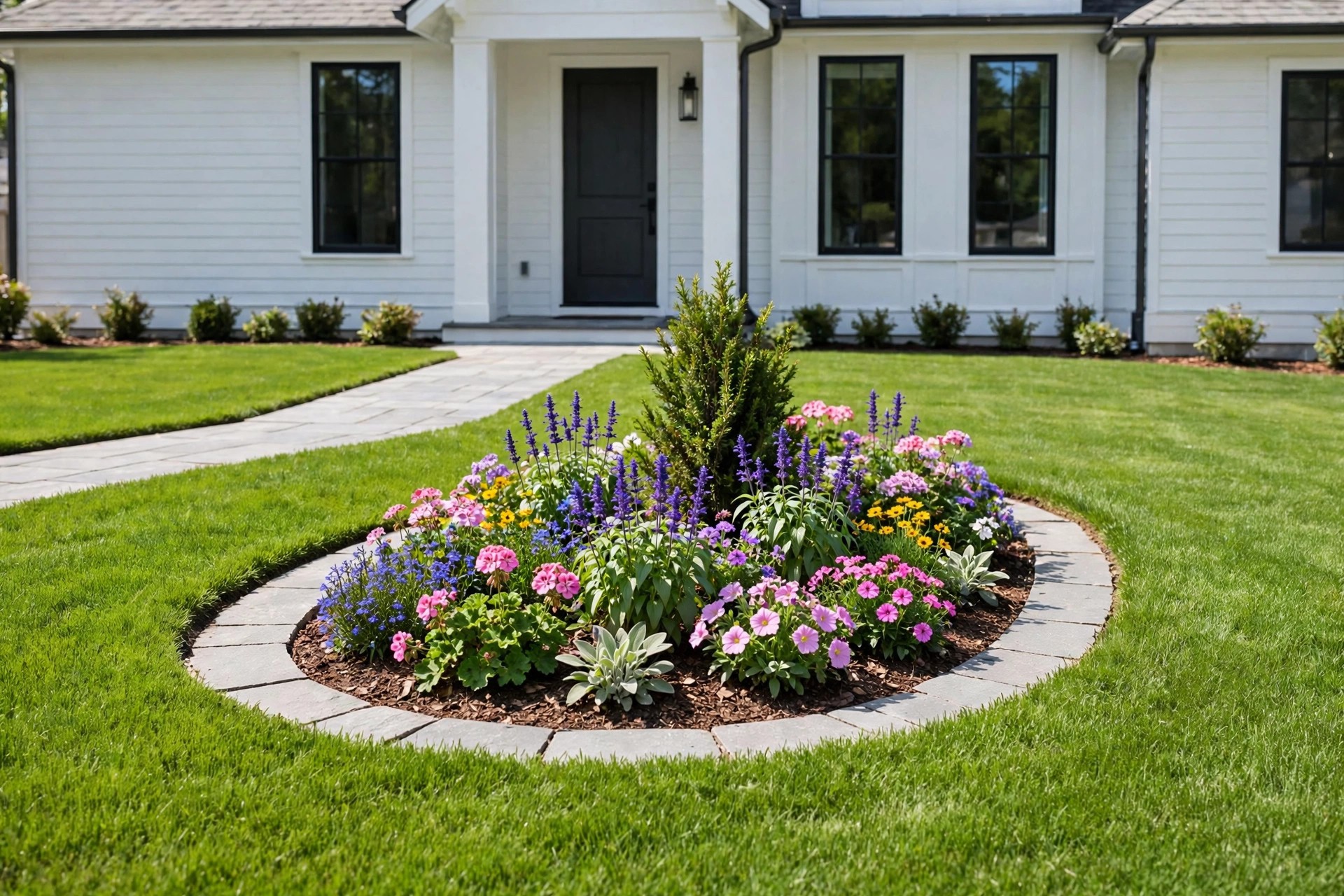
You do not need to remove the lawn to have a garden. A small, crisply edged lawn with a single island bed in the middle often looks smarter — and feels far more manageable — than lots of fiddly borders. Cut a simple oval, circle or kidney shape, edge it cleanly, and plant it with a layered mix of a small shrub, perennials and groundcover. One good bed, tended well, always beats five neglected ones.
8. Welcome Bees With an Easy Native Pollinator Patch
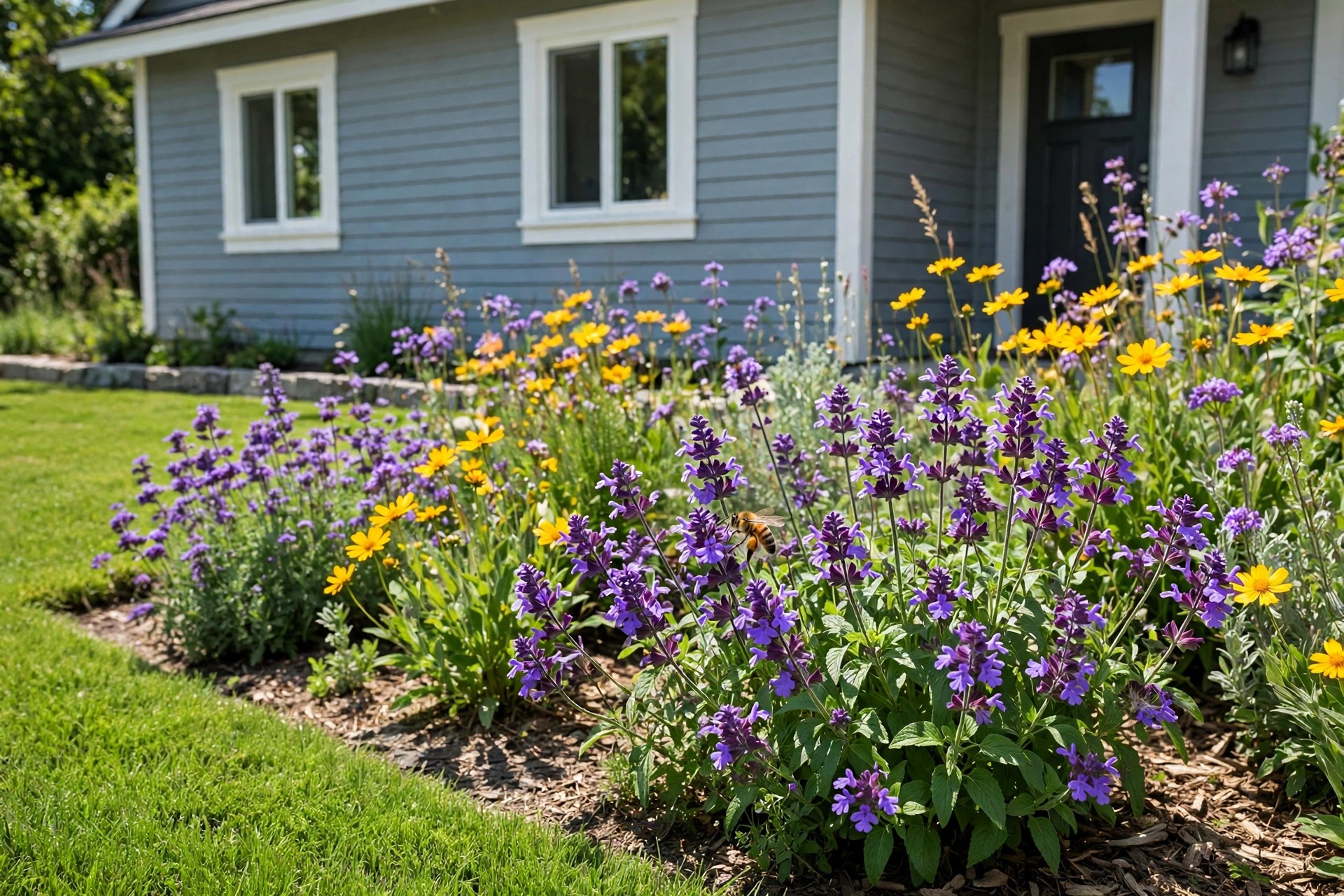
A sunny corner planted for pollinators is one of the most rewarding first projects. Choose flowering plants suited to your local area, plant them in generous drifts rather than singles, and aim for blooms across as much of the season as you can. Leave seedheads standing into autumn for birds and shelter, avoid spraying open flowers, and add a shallow dish of water with a few pebbles as a simple drinking spot.
9. Try a Gravel Garden for Dry, Sunny Spots
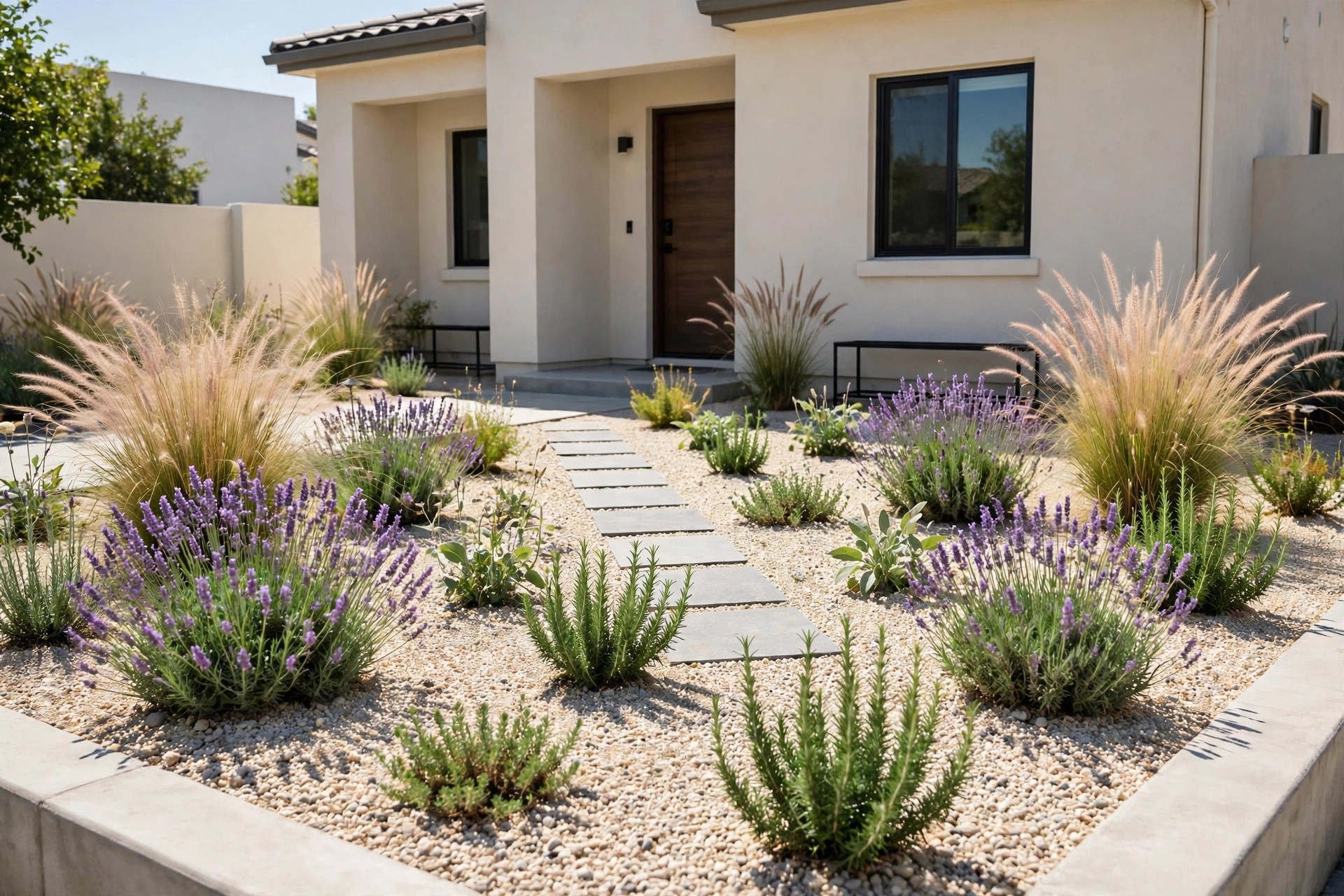
That dry, sun-baked strip where grass always struggles is an opportunity, not a problem. Turn it into a simple gravel garden: clear and level the area, lay a permeable membrane if you wish, plant drought-tolerant Mediterranean-style herbs and grasses through slits in it, then cover the surface with gravel. The gravel keeps weeds down, warms the soil and gives the planting a calm, modern backdrop.
10. Flank the Driveway With Slim Raised Beds
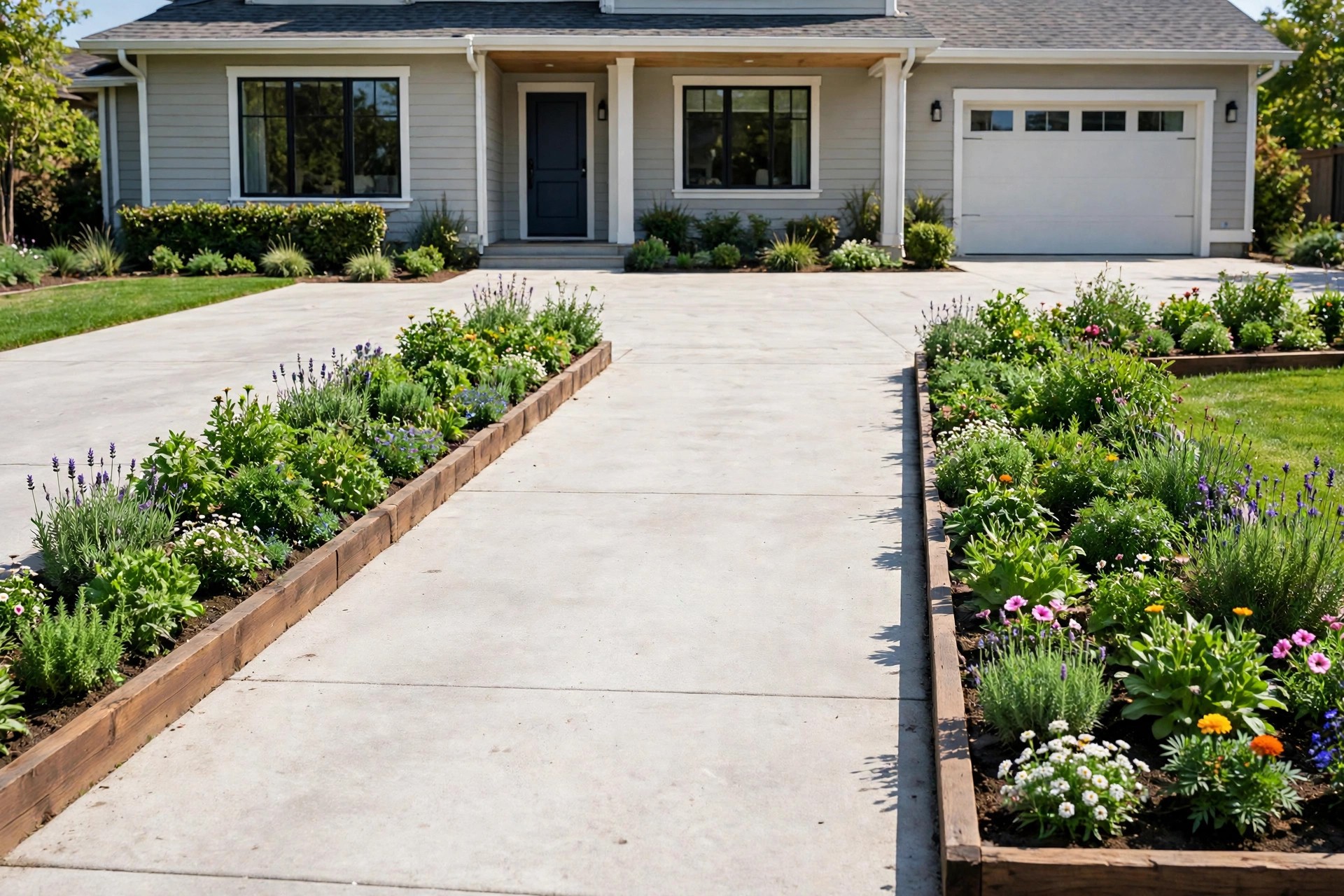
Driveways often leave two narrow, wasted strips of ground. Slim raised beds make them useful and handsome, lifting plants away from car doors and giving you good, workable soil at a comfortable height. Build or buy simple timber or metal beds, fill them with a mix of topsoil and compost, and plant them with tough, compact choices that will not flop onto the cars. For more comfortable gardening at height, see these raised bed garden ideas for seniors, which share the same no-dig, easy-reach principles that suit beginners perfectly.
11. Edge the Front Path With Herbs You Can Use
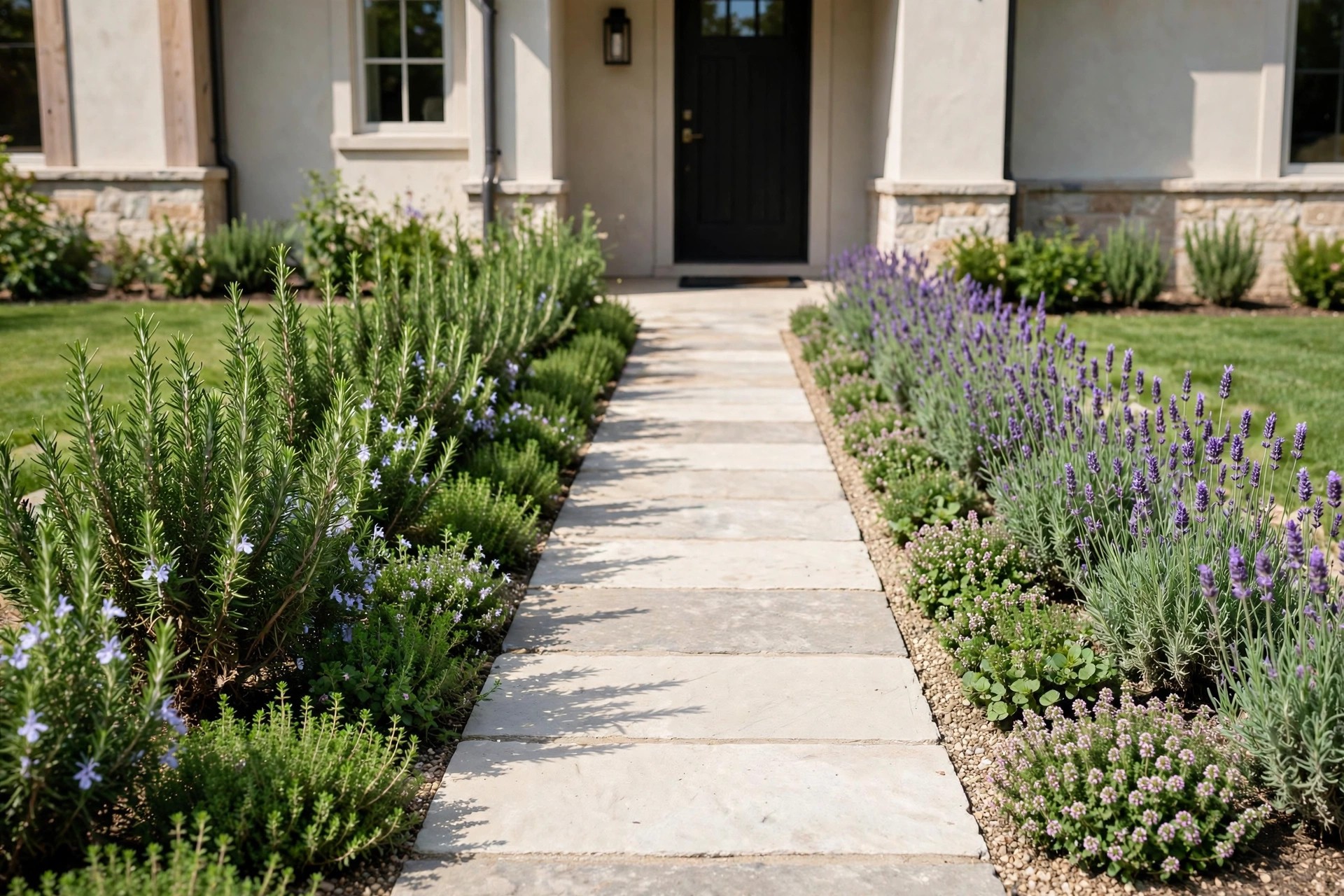
An edible edge makes a front path feel generous and welcoming. Plant compact herbs in a row along the sunny side of the path — low mounds that release scent as visitors brush past and that you can snip for cooking. Keep mint in a pot sunk into the ground or in a container, as it loves to spread, and give Mediterranean herbs sharp drainage and the sunniest spot you have. If you enjoy growing herbs in tight spaces, these balcony herb garden ideas for apartments translate surprisingly well to a front-yard edge. Harvest little and often to keep plants bushy.
12. Light the Way With Simple Solar Path Lights
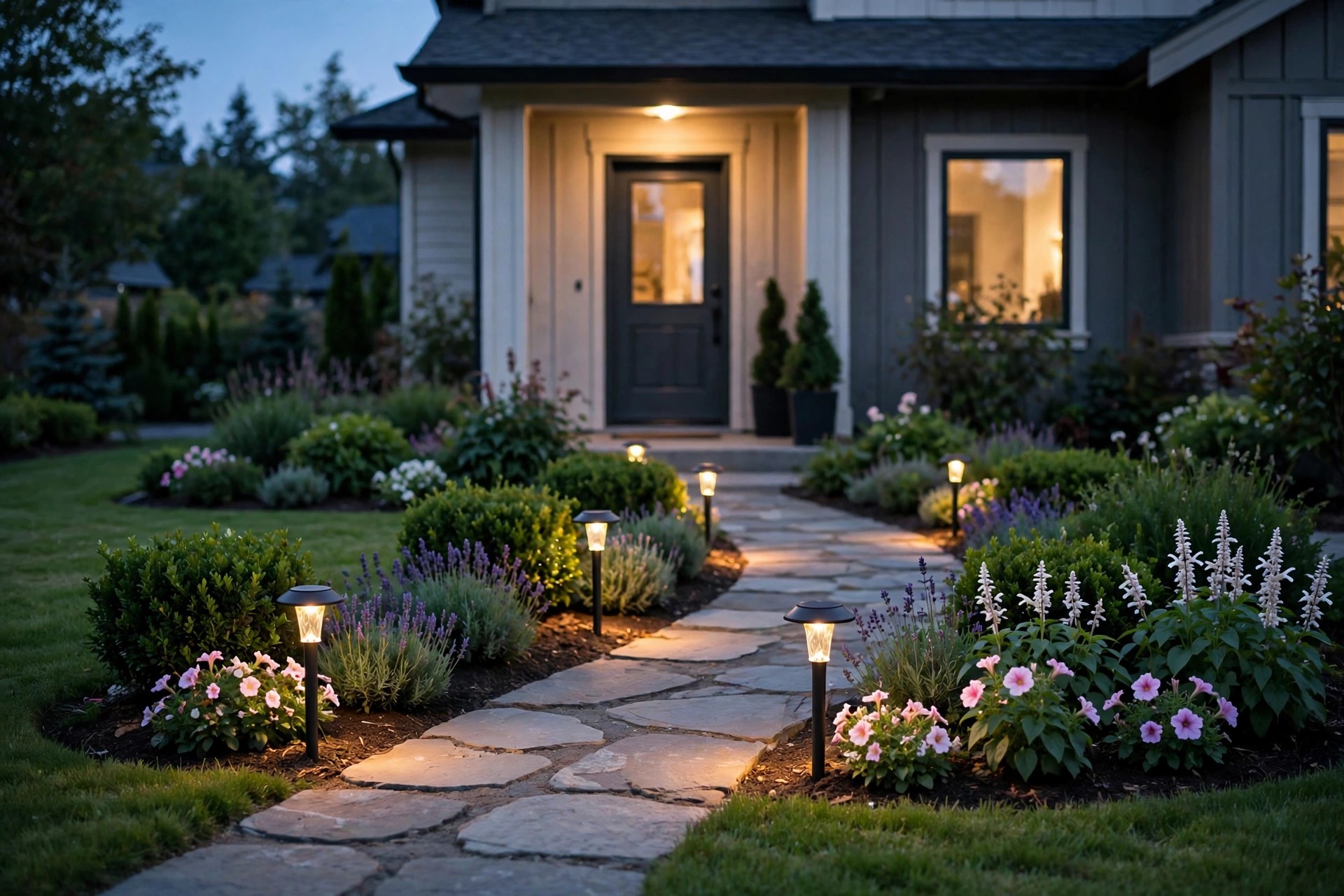
Good lighting makes a small front yard feel cared for after dark and helps guests find the path safely. Solar stake lights are the easiest place to start: no wiring, no electrician, just push them into soft soil along the path edge, spacing them evenly and keeping them clear of overhanging leaves so their panels catch the sun. A warm glow looks softer and more welcoming than a harsh white one.
13. Tuck a Small Bench Into the Planting
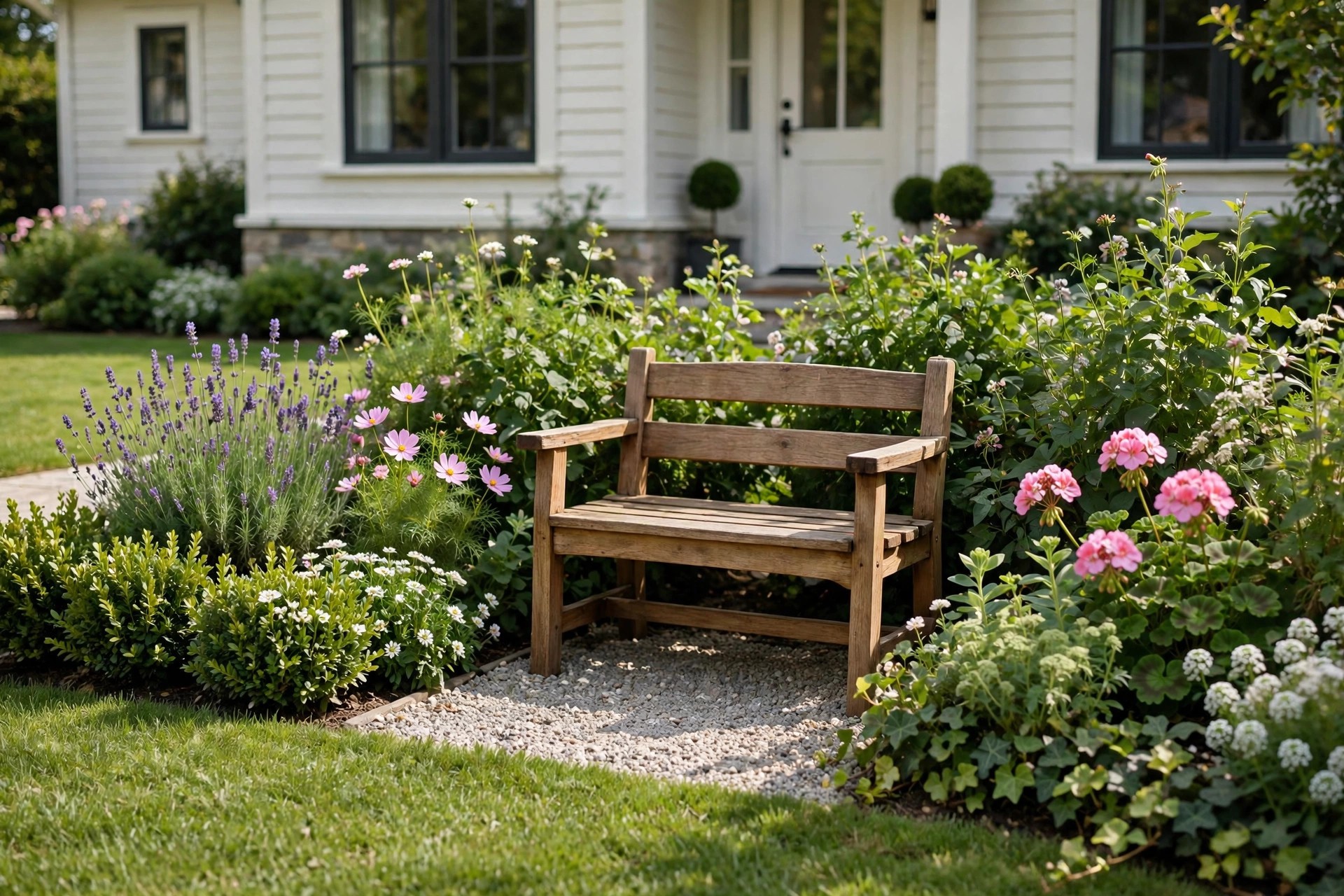
A bench changes how a front yard feels — suddenly it is a place to sit with a morning coffee, chat with neighbours and enjoy the garden you made, not just a route to the door. Choose a compact, weather-resistant bench and settle it on a small paved or gravel pad tucked into a bed, with planting softening its sides and something scented or flowering nearby.
14. Layer Spring Bulbs for an Easy Seasonal Show
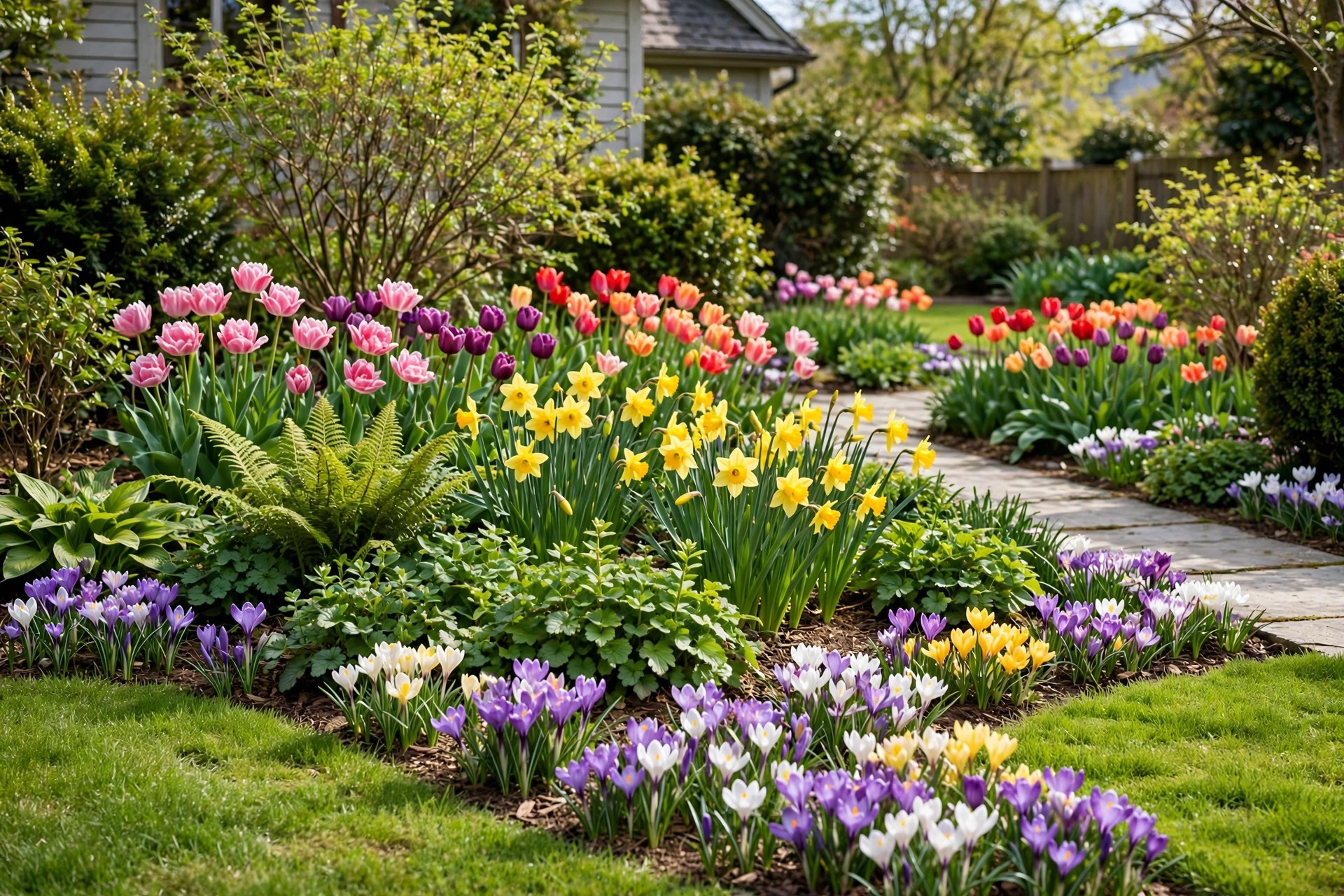
Bulbs are the simplest way to guarantee a joyful start to spring. In autumn, plant them in generous handfuls between your perennials and under shrubs, pointy end up, at roughly three times their own depth, then forget about them until shoots appear. Layer early, mid and late varieties in the same bed so the show rolls on for weeks, and let the foliage die back naturally after flowering so the bulbs recharge for next year.
15. Finish With a Low Hedge or Picket Edge
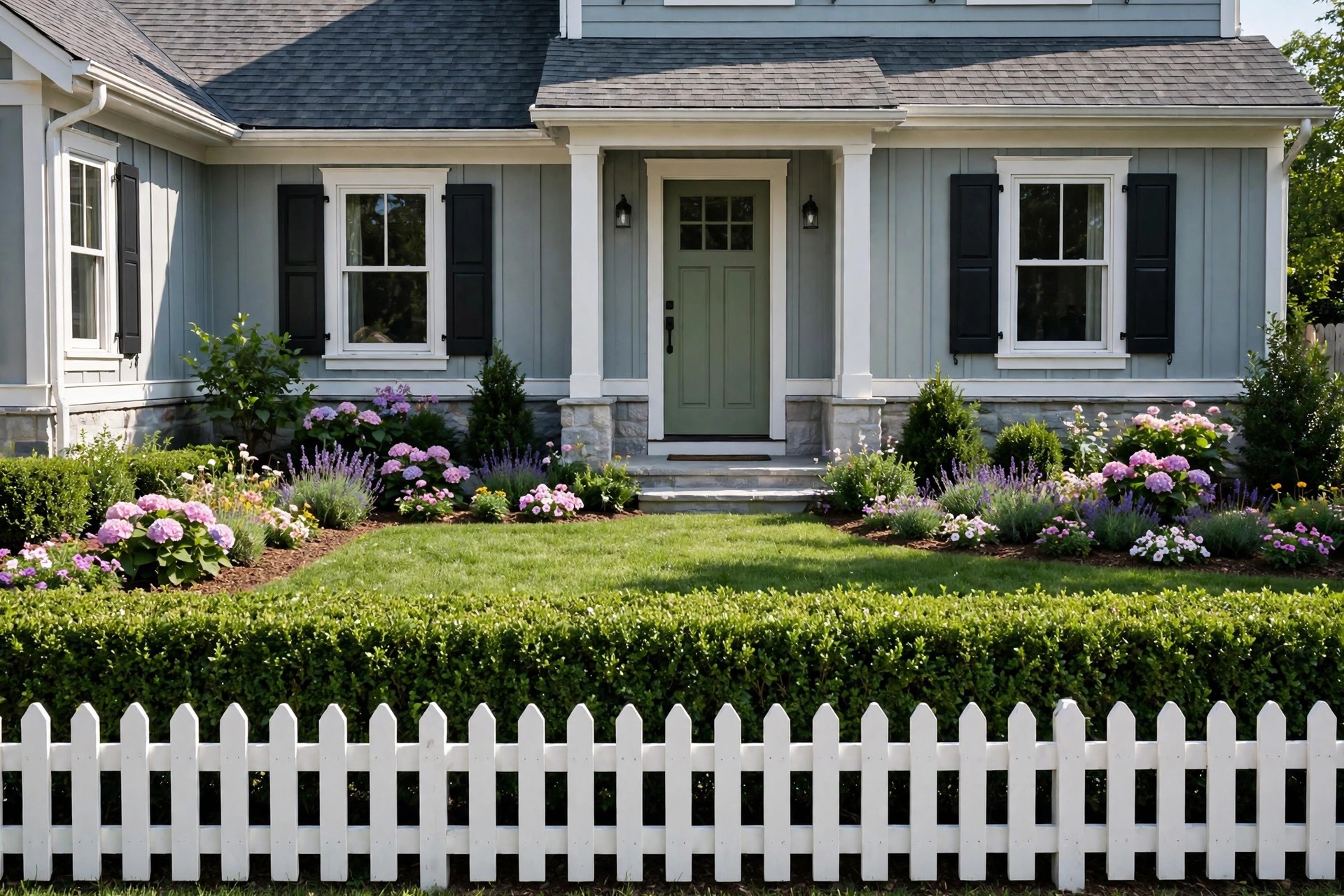
A defined front boundary pulls the whole yard together. A low, slow-growing hedge gives a soft, green finish and a little privacy, while a short picket-style edge gives instant cottage character and a clear line for mowing against. Whichever you choose, keep it low so the yard still feels open and friendly, plant or install it in a straight, level line, and trim or repaint little and often rather than tackling a big rescue job later.
Common Mistakes to Avoid
1. Planting without checking the sun. A plant that needs full sun will sulk in shade, and a shade-lover will scorch by a sunny wall. Watch your yard for a day or two, read labels honestly and match plants to the light you have, not the light you wish you had.
2. Choosing plants that will outgrow a small yard. That cute shrub in a small pot may be planning to become a tree. Always check the mature height and spread before buying, leave space for growth, and favour compact varieties bred for smaller gardens.
3. Skipping edging and mulch, so it looks messy. Even lovely planting looks untidy without a clean edge and a finished soil surface. Cut a crisp edge, refresh it a few times a year and keep beds mulched — it is the fastest, cheapest way to make a beginner garden look intentional.
Frequently Asked Questions
What is the easiest first project for a small front yard?
Start with a pair of container pots by the front door or one small curved bed along the path. Both are quick, forgiving and visible every day, so your early success encourages you to do more.
How do I keep a small front garden low-maintenance?
Choose fewer, tougher plants, repeat them in groups, mulch every bed and edge it cleanly. Water deeply but less often once plants are established, and spend ten minutes tidying little and often instead of saving up big jobs.
When is the best time to start a front yard garden?
Spring and early autumn are the kindest times to plant most shrubs and perennials, as roots settle while the weather is mild. Containers can be planted almost any time in the growing season, and bulbs for spring go in during autumn.
How can I make a small front yard look bigger?
Keep the palette simple, repeat the same plants, use one clear focal point and keep edges crisp. Curves soften boundaries, low planting keeps sightlines open, and good lighting makes the space feel welcoming rather than cramped.
Final Thoughts
A beautiful small front yard is not built in a weekend — it grows, one bed, one season and one good decision at a time. Start with the plan, choose two or three ideas from this list that genuinely suit your light, your soil and your schedule, and do those few things neatly and well. Tidy edges, healthy mulch and plants matched to their spot will carry your garden further than any complicated design.
For more small-space inspiration, explore indoor garden ideas for apartments with no balcony alongside your outdoor plans. Most of all, give yourself permission to learn in public. Every gardener has lost a plant, misjudged a size or left an edge uncut for a month. Your front yard does not need to be perfect to be welcoming — it just needs to look loved. Begin small this season, enjoy watching it change, and add the next idea when you are ready.


