

15 Low-Maintenance Container Vegetables for Busy People
The watering can is still by the kitchen sink on Thursday, and the tomato you meant to water on Monday is somehow still alive.
That plant survived because its pot held a deep reserve of water, not because you found extra time. Good weeks and busy weeks should both work in a small garden.
This list is built around container vegetable gardening for busy people low maintenance picks that forgive a missed day, a late feed, and a weekend away.
Every pick below uses a big pot, steady water, and very little pruning or fuss. Set the pots up well once, then spend minutes a week, not hours.
Three habits do most of the work here. Use the largest pot the space allows, water deeply instead of often, and choose crops that can wait for harvest.
None of these plants needs staking towers, daily picking, or a strict feeding chart. A jug of water, a monthly feed, and a quick look while coffee brews will cover most weeks.
This post contains affiliate links. If you buy through them, we may earn a small commission at no extra cost to you. See our Affiliate Disclosure.
1. ‘Tiny Tim’ Cherry Tomatoes in a Self-Watering 5-Gallon Pot
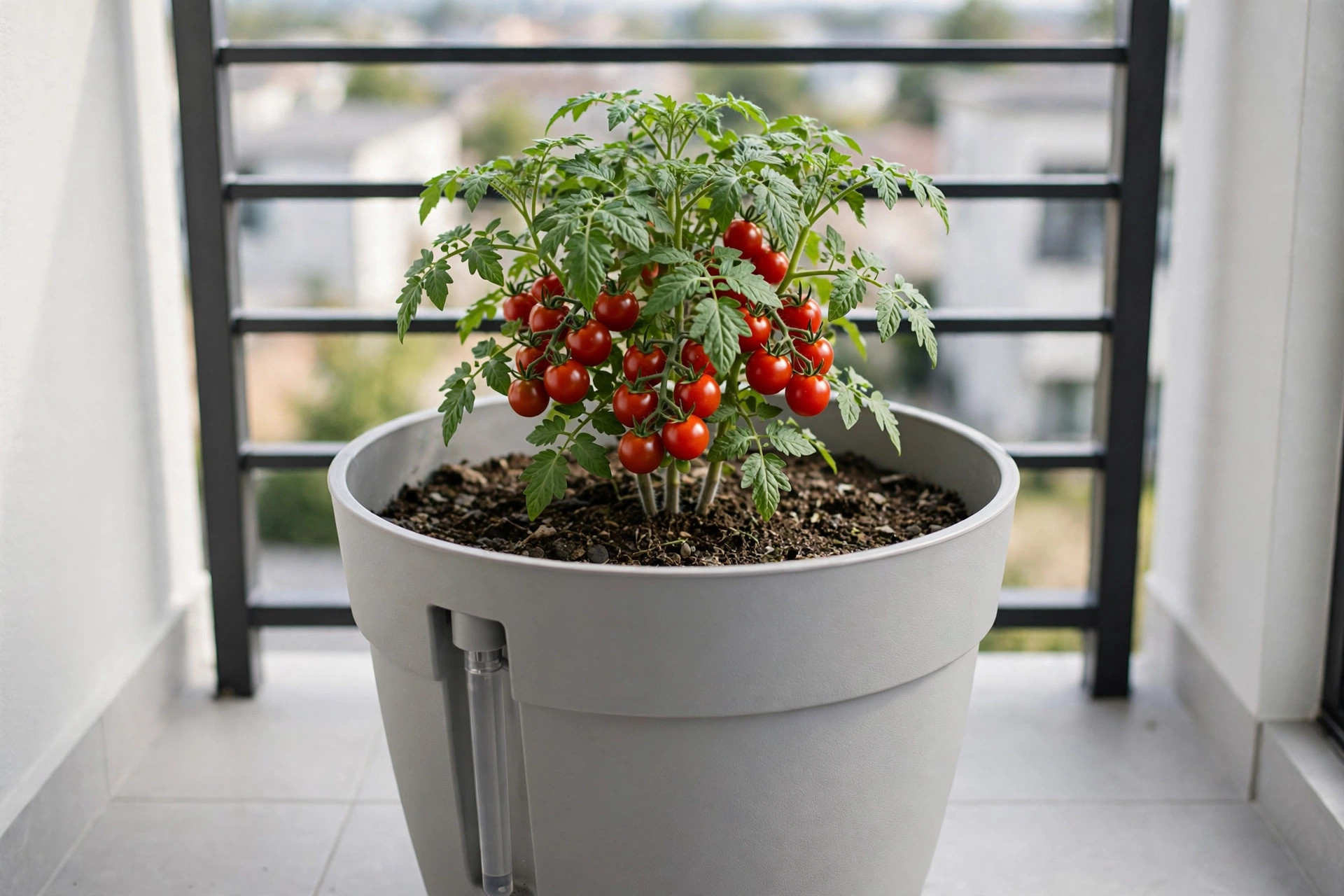
A tomato only looks needy when its pot is too small. In a self-watering 5-gallon (19 litre) pot, about 12 inches (30 cm) across, ‘Tiny Tim’ stays compact and rarely wilts.
The reservoir under the pot does the daily work for you. Fill it at the kitchen sink with a jug twice a week in hot weather, and the roots drink as they need.
Give the plant 6 to 8 hours of sun and one liquid tomato feed each week once flowers open. No pruning is needed, since this dwarf type stops at a tidy size.
For the full verdict on reservoirs, read our guide to self-watering containers for vegetables before you buy a set.
2. ‘Lacinato’ Kale That Waits Weeks for You to Pick It
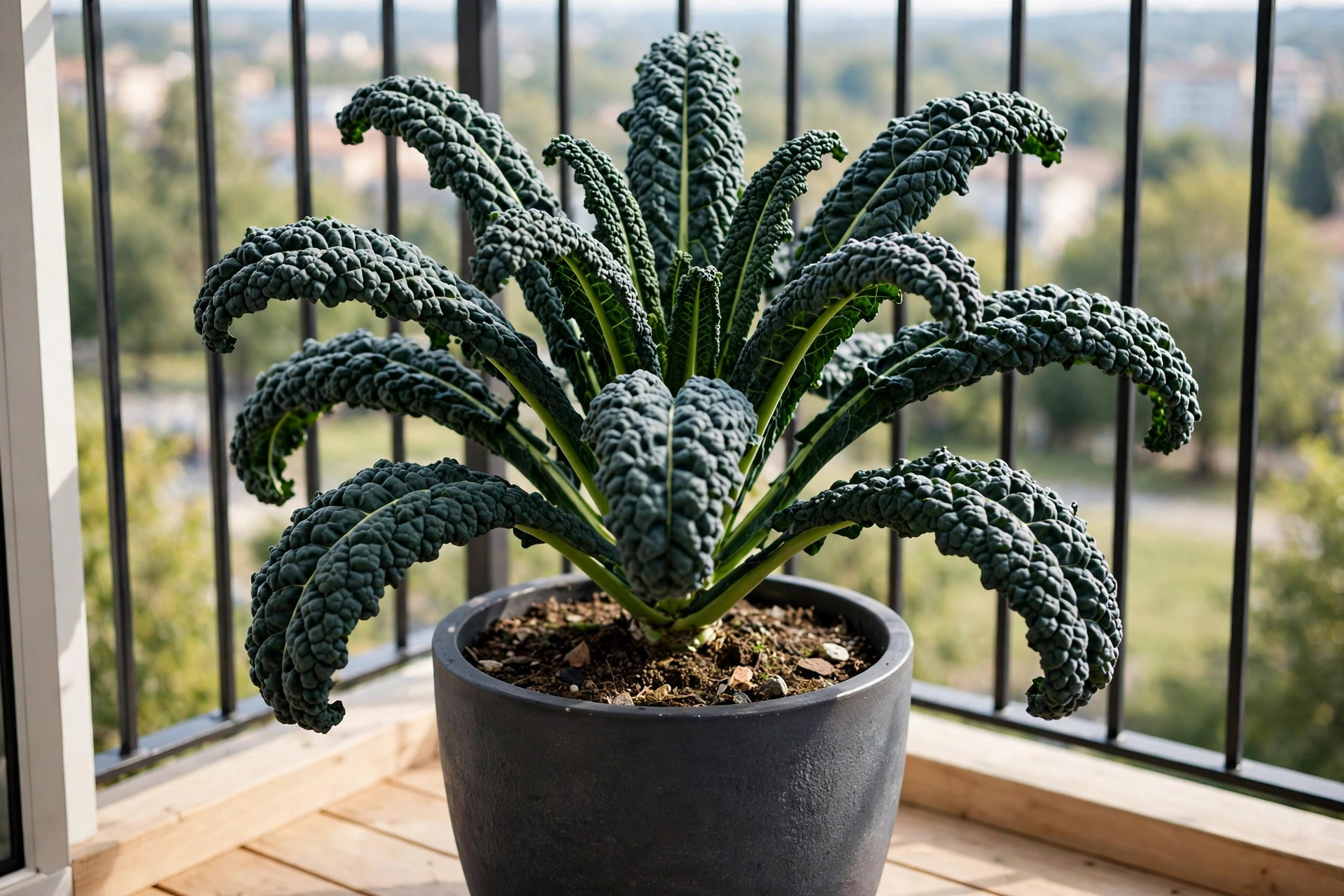
Kale solves the harvest timing problem in a simple way. The leaves stay good on the plant for weeks, so a busy spell costs you nothing at all.
Set one ‘Lacinato’ plant in a deep pot, at least 12 inches (30 cm) deep and 12 inches (30 cm) wide. Crowded kale stays small, so one plant per pot is the rule.
It grows well on 3 to 4 hours of sun, which frees your bright corner for fruiting crops. Water deeply twice a week, and feed once a month with a general liquid feed.
Pick the outer leaves from the bottom up and leave the center alone. On a windy third-floor rail, tie the pot down or set it inside a heavier outer pot.
3. Bush Beans That Feed Themselves and Ask for Almost Nothing
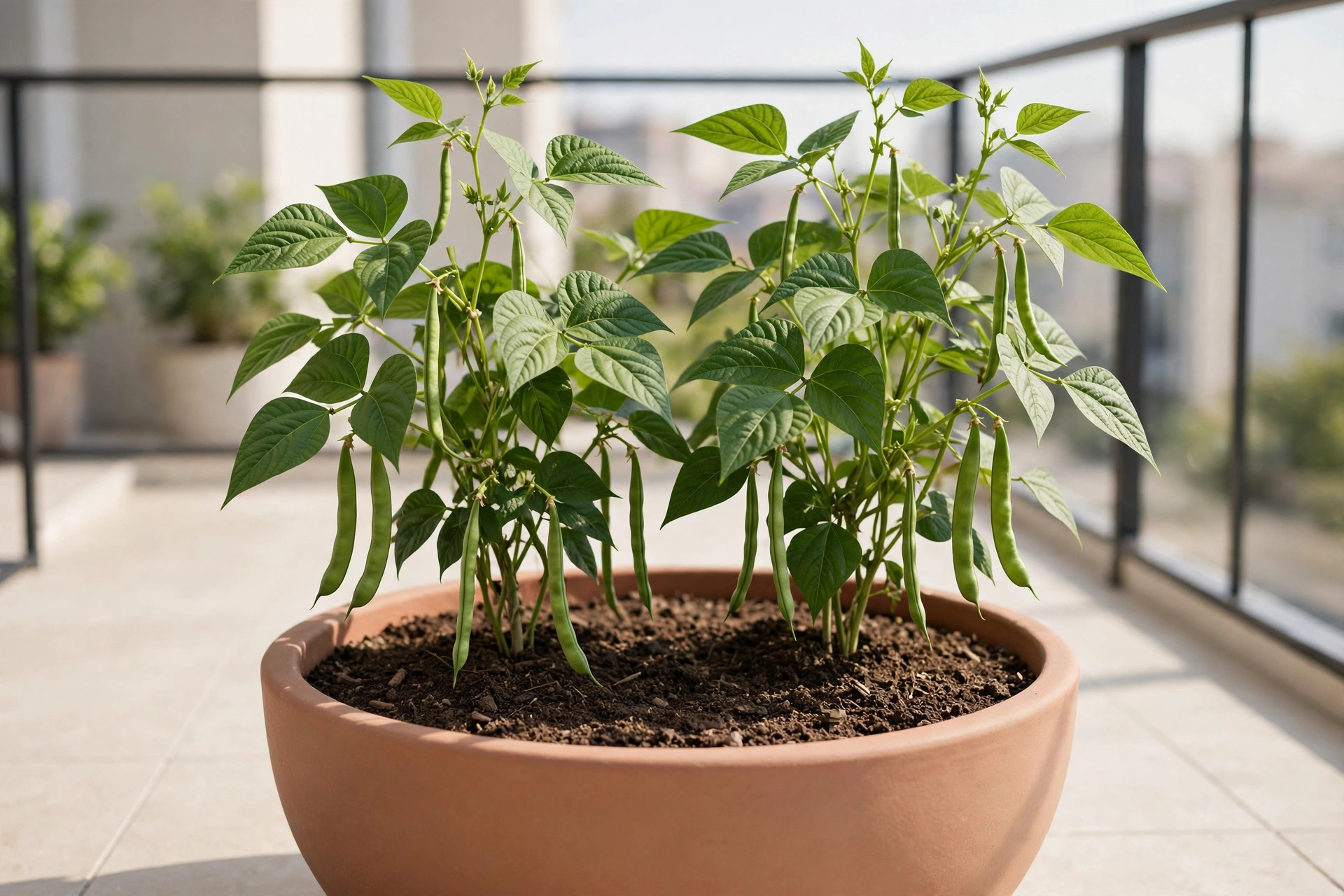
Here is the tiny rule that makes beans the easiest crop on this list: skip the feed. Beans pull nitrogen from the air, so rich feeding just grows leaves.
Sow seed 1 inch (2.5 cm) deep in a wide pot, at least 12 inches (30 cm) across and 10 inches (25 cm) deep. Thin seedlings to 4 inches (10 cm) apart.
Bush types need no stakes and no tying in. Give them 6 hours of sun, water at the base every few days, and keep the mix damp while pods swell.
Sow after your last frost, then sow a second pot a month later. That stagger means pods keep coming without one huge harvest landing on your busiest week.
4. ‘Astia’ Zucchini in One Very Big Pot
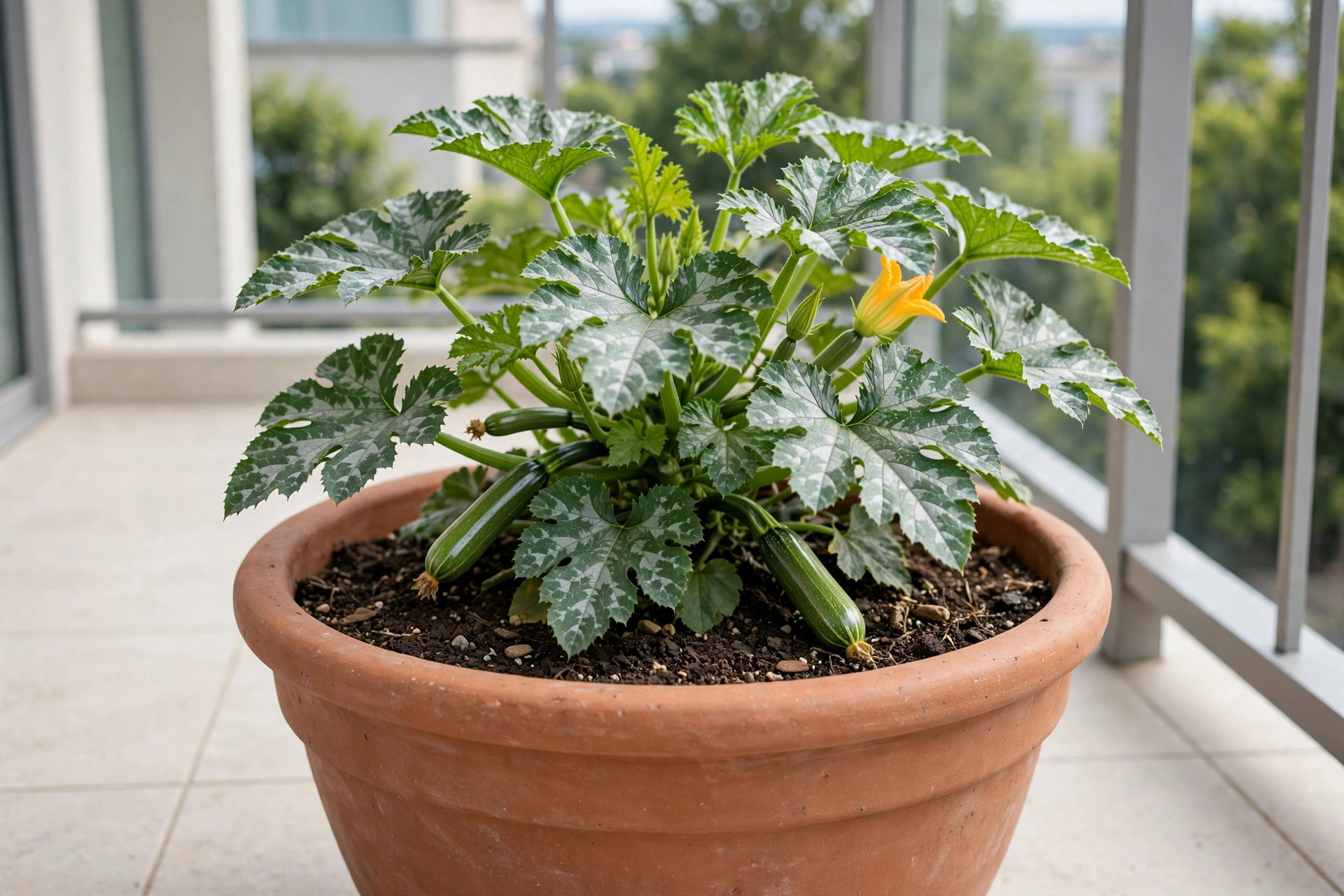
Most people give zucchini (courgette) too little room, then blame the plant for sulking. ‘Astia’ was bred as a compact mound, but it still wants the biggest pot you own.
Use at least 5 gallons (19 litres), 14 inches (35 cm) wide, for one plant only. Fill it with bought potting mix and set it where it gets 6 to 8 hours of sun.
Water at the base most days in hot weather, since those big leaves lose moisture fast. A thick layer of straw on the surface cuts that job down by a day or two.
Pick fruit at about 6 inches (15 cm) long. Steady picking keeps new fruit coming, and small fruit that waits three extra days still tastes fine.
5. ‘Bright Lights’ Chard That Shrugs Off Heat and Neglect
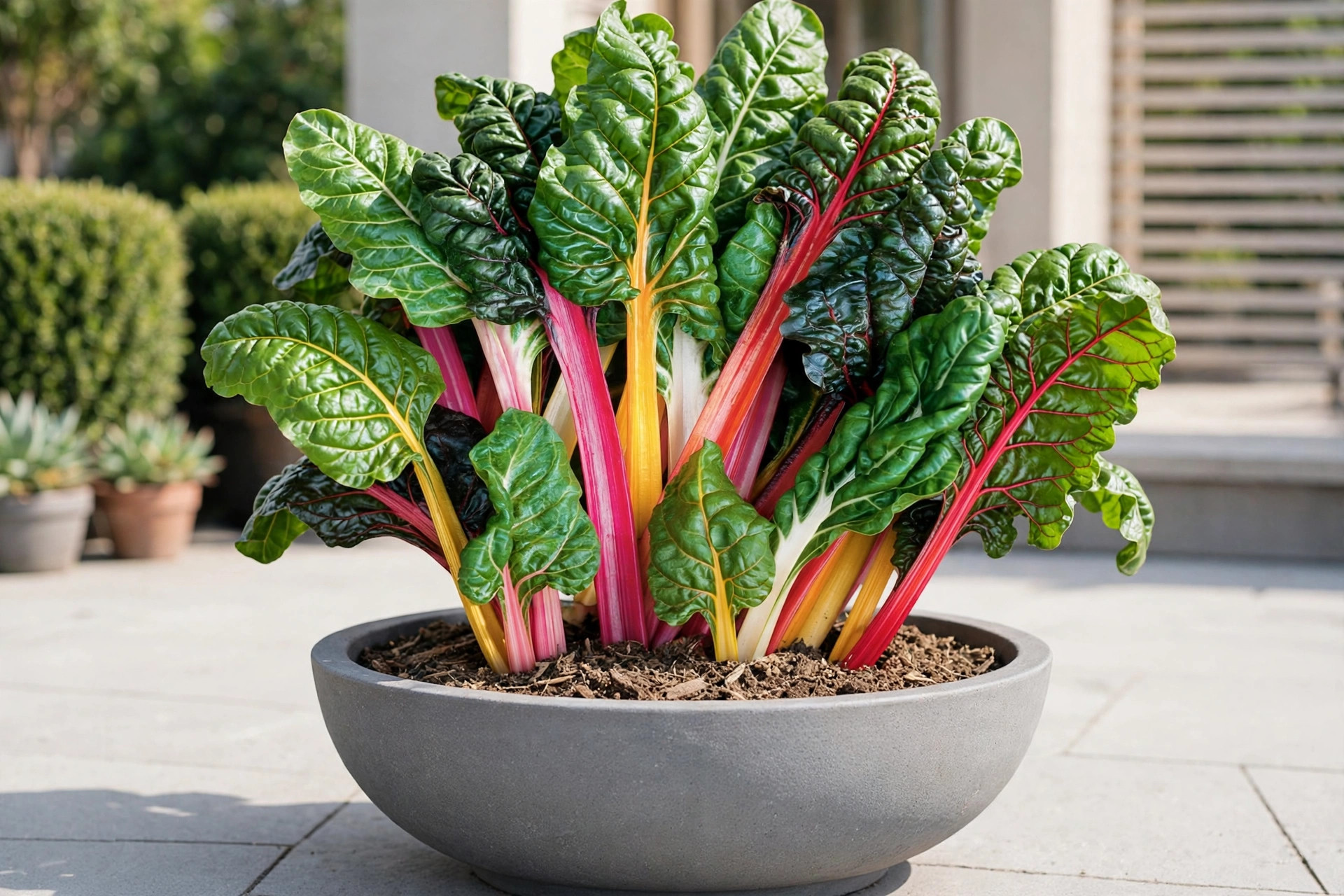
Spinach bolts at the first warm week, but chard keeps its nerve. ‘Bright Lights’ gives red, gold, and pink stems from one sowing, and it rarely rushes to seed.
Give one plant a pot 10 to 12 inches (25 to 30 cm) wide and just as deep. Chard roots run deep for a leafy crop, so depth matters more than width here.
It grows on 4 to 6 hours of sun and asks for water twice a week in most weather. Feed once a month, and cut the outer stems at the base as you need them.
The center keeps pushing new leaves for months. A plant started in spring can still feed you in fall, with almost no care between pickings.
6. Radishes Ready Before You Forget You Planted Them
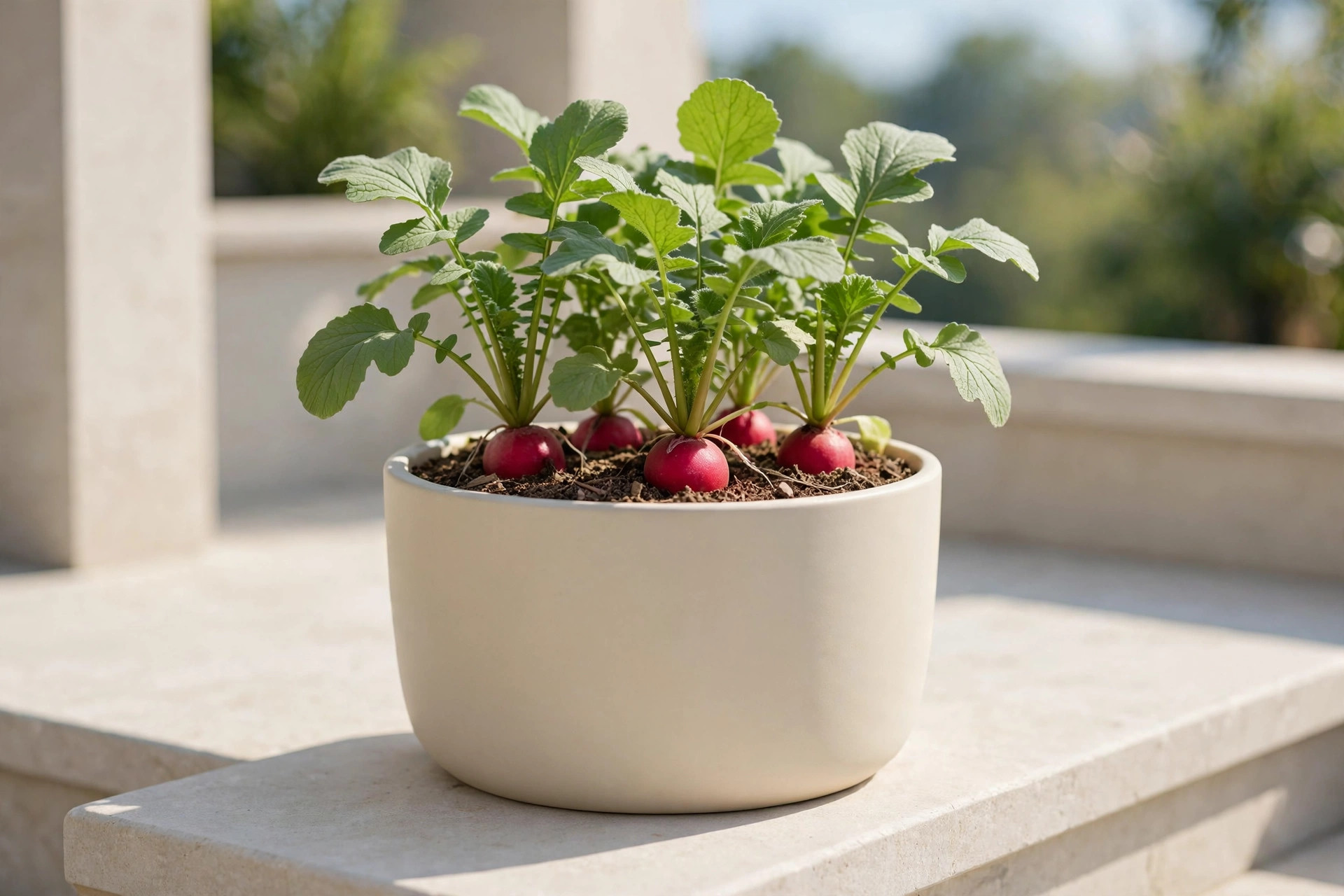
A row of radishes on a sunny step can go from seed to salad in about a month in warm weather. That speed is the whole point for a busy grower.
Use any pot at least 6 inches (15 cm) deep. Sow thinly, cover with 1/2 inch (1 cm) of mix, and thin the seedlings to 2 inches (5 cm) apart.
Keep the mix damp with a quick splash each morning while seeds sprout. Once leaves show, water every other day, and skip feeding altogether, since roots swell fast on plain mix.
Sow a short row every two weeks instead of one long row. Small sowings mean small harvests that fit real life, with no woody roots waiting too long.
7. Loose-Leaf Lettuce That Is Slow to Bolt
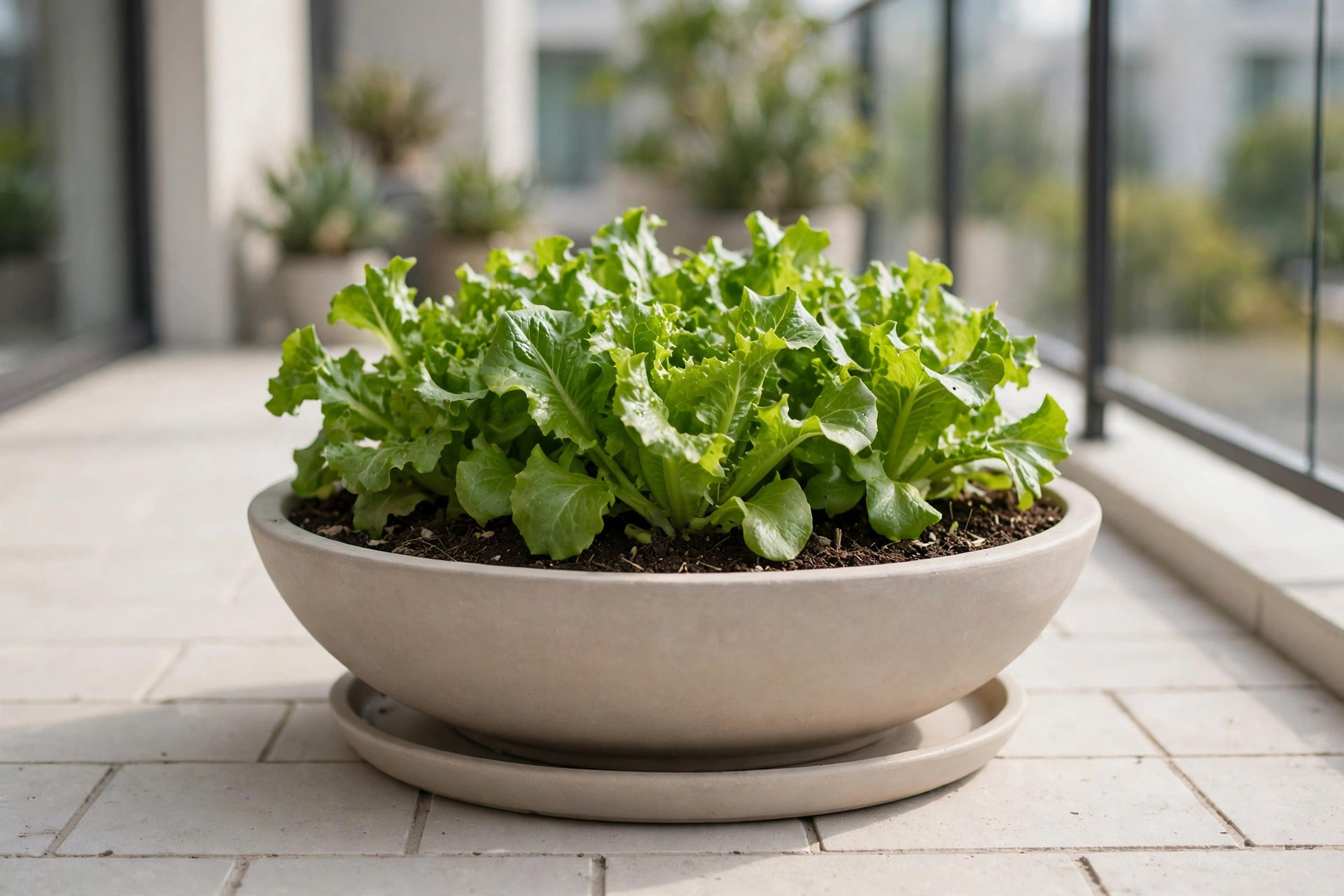
Loose-leaf lettuce beats head lettuce for busy people on one count: you pick the outer leaves and walk away. There is no single harvest day to miss.
Choose a slow-to-bolt loose-leaf type and sow it in a wide, shallow bowl, about 8 inches (20 cm) deep. Scatter seed thinly and thin plants to 6 inches (15 cm) apart.
Greens manage on 3 to 4 hours of sun, so the bowl can sit in light shade. That shade also slows bolting when warm weeks arrive in late spring.
Water little and often, since shallow bowls dry fast. If you are unsure when to water, these simple rules for watering vegetables in pots settle it in seconds.
8. Peppers in a Big Pot That Forgive a Missed Watering
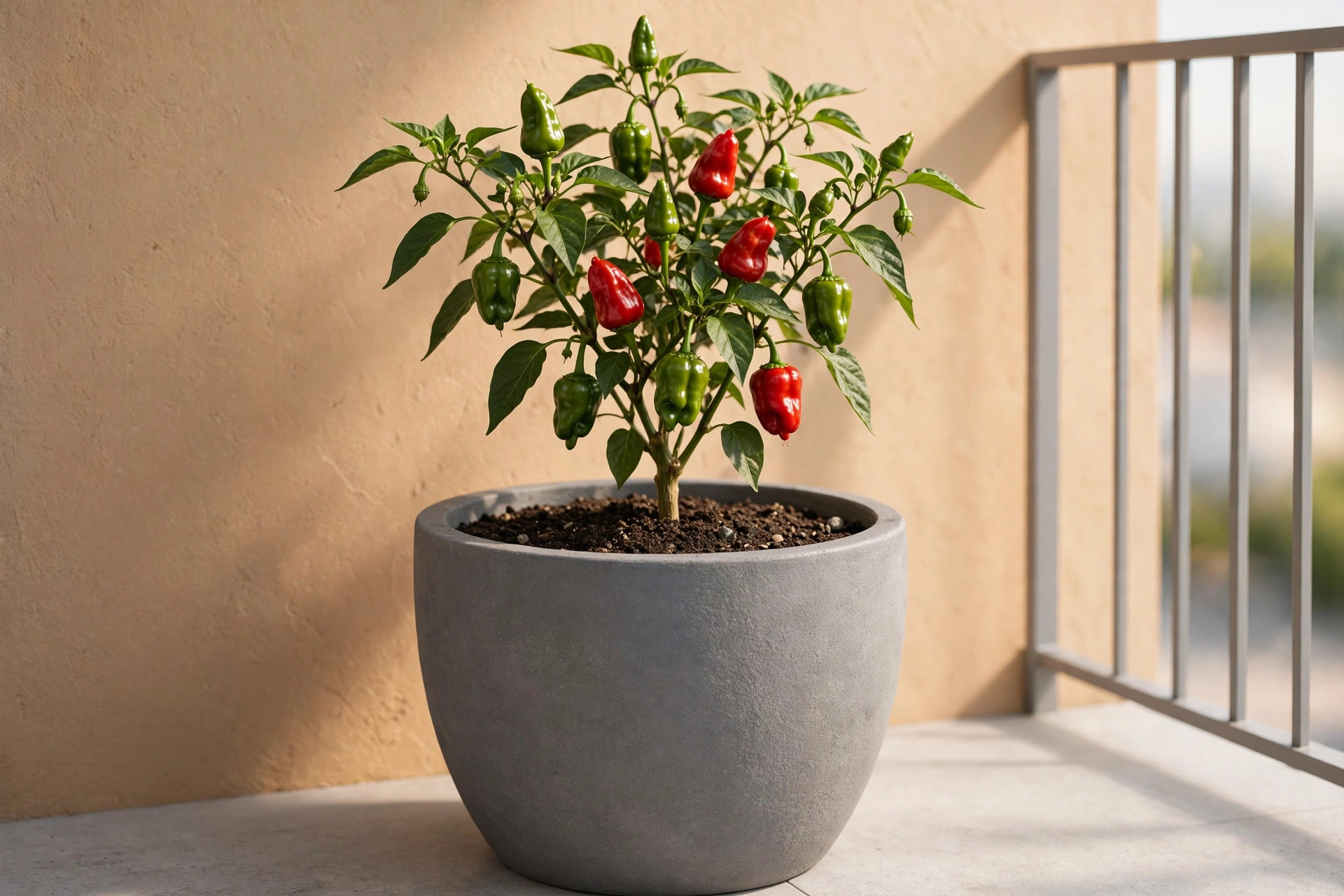
Peppers have a calm habit that suits a busy week. They grow slowly, they rarely fall ill, and ripe fruit can wait on the plant while you deal with life.
Set one plant in a 5-gallon (19 litre) pot, about 12 inches (30 cm) across, against a warm wall. Peppers need 6 to 8 hours of sun and shelter from strong wind.
Water deeply when the top inch (2.5 cm) of mix feels dry, then leave the plant alone. Feed every two weeks with a liquid tomato feed once the first fruit sets.
Push one short cane in early, before fruit adds weight. A loaded plant on the windy third-floor rail can lean hard after one stormy night.
9. ‘Spacemaster’ Cucumbers on a Short Trellis

Long cucumber vines eat a whole afternoon in tying and untangling. ‘Spacemaster’ stays near 3 feet (90 cm), so one short trellis holds the whole plant with ease.
Grow one plant in a 5-gallon (19 litre) pot at the base of the trellis. Weave the young stems through the supports once a week, before they grab the rail or a chair.
Cucumbers need 6 hours of sun and steady water to keep fruit mild. Check the reservoir or the mix every other day in hot spells, and never let the pot dry right out.
Feed every two weeks while fruit forms. Pick cucumbers young and often, since fruit left to swell slows the whole plant down within days.
10. Scallions in a Slim Trough You Can Ignore for Days
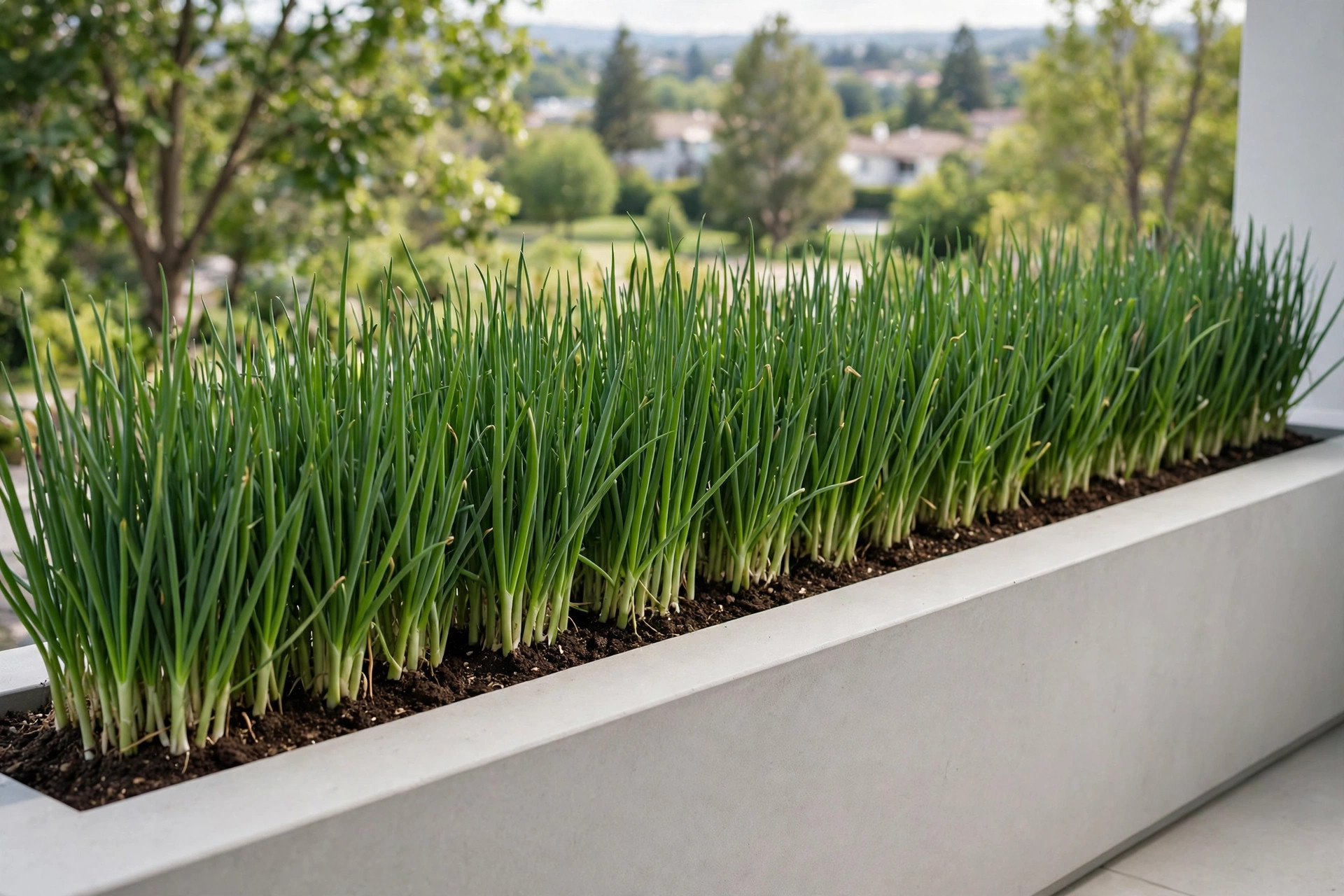
Scallions ask for so little that the main risk is forgetting they exist. They stand in a slim trough for weeks, ready whenever a meal needs a green top.
Sow seed thickly in a trough 6 inches (15 cm) deep, then thin to about 1 inch (2.5 cm) apart. A trough fits a rail ledge or a step where round pots will not sit.
They grow in 4 to 6 hours of sun and need water twice a week in most weather. No feed is needed in fresh potting mix for the first two months.
Snip what you need with kitchen scissors and the rest keeps growing. For more crops that suit tight rails, see these small balcony plant ideas for tight spaces.
11. Short Carrots That Wait Underground Until You Are Ready

A carrot crop has no deadline, and that is rare in a garden. The roots sit in the mix for weeks after they size up, waiting for a day that suits you.
Pick a short, round type such as ‘Parisian Market’ for pots. Fill a pot 10 to 12 inches (25 to 30 cm) deep with loose, stone-free mix, and sow after your last frost.
Cover seed with 1/2 inch (1 cm) of mix and keep the surface damp. Carrots sprout slowly, often in 2 to 3 weeks, so a board laid over the pot helps hold moisture.
Thin seedlings to 2 inches (5 cm) apart, water weekly, and skip feeding. Pull a few roots when you cook, and leave the rest in place.
12. Sugar Snap Peas That Need Cool Weather, Not Constant Care

Early spring is a busy season for most people, and peas match it well. They grow in cool weather, crop fast, and finish before summer chores pile up.
Sow in a pot at least 10 inches (25 cm) deep, 1 inch (2.5 cm) deep in the mix, with twiggy sticks for support. Thin seedlings to 3 inches (8 cm) apart.
Peas manage on 4 to 6 hours of sun in spring, since bright heat shortens their season. Water twice a week, and skip feeding, since peas make much of their own nitrogen.
Pick pods while they are glossy and plump. If a week slips by, the peas inside still cook well, which is more mercy than most crops offer.
13. Potatoes in a Grow Bag With a Harvest That Waits
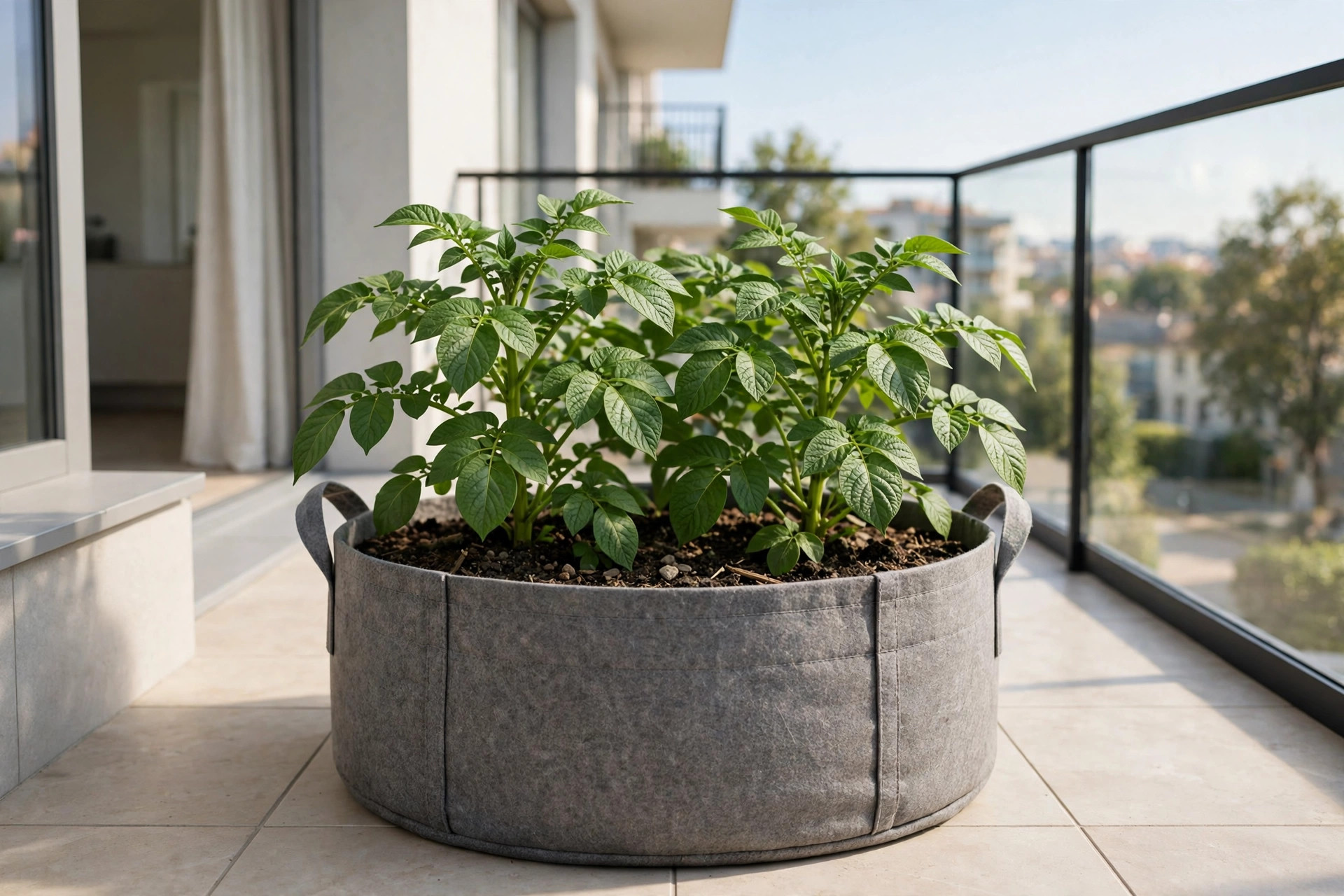
Potatoes may be the kindest crop of all for a busy grower. Once the bag is filled and watered, the plants grow on their own, and the harvest waits underground.
Use a grow bag of about 10 gallons (38 litres), roughly 16 inches (40 cm) wide. Set two or three seed potatoes on 4 inches (10 cm) of mix, then cover with 4 inches (10 cm) more.
As stems rise, add more mix to cover the lower leaves, twice in total. Give the bag 6 hours of sun and a deep water twice a week in dry spells.
Tip the bag out when the tops yellow and die back. Until that day, there is nothing to pick, prune, or tie, which suits a full diary well.
14. ‘Patio Baby’ Eggplant for One Warm Corner
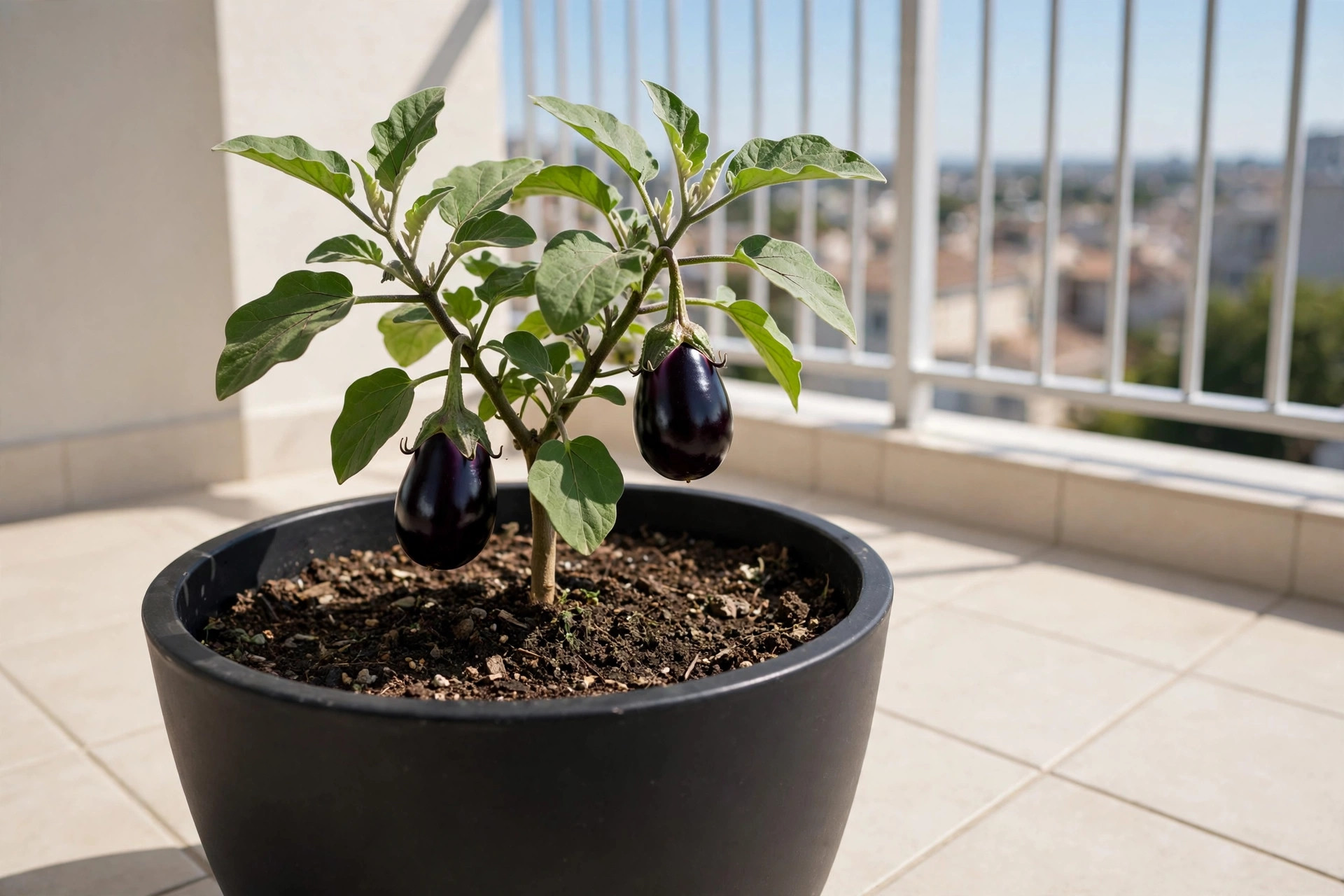
Eggplants get a hard name, yet a compact type in the right spot asks for very little. ‘Patio Baby’ fruits small and early, so it fits a short, busy season.
Set one plant in a black 5-gallon (19 litre) pot, about 12 inches (30 cm) across. The dark pot holds warmth around the roots, which this heat-loving crop needs at night.
Start after your last frost, once nights stay warm, and give it 6 to 8 hours of sun. Water deeply twice a week, and feed every two weeks once flowers open.
Pick fruit while the skin is still glossy and firm. For layout help on a tight footprint, these small balcony garden ideas show where a big pot earns its corner.
15. Beets for Greens Now and Roots When You Get to Them
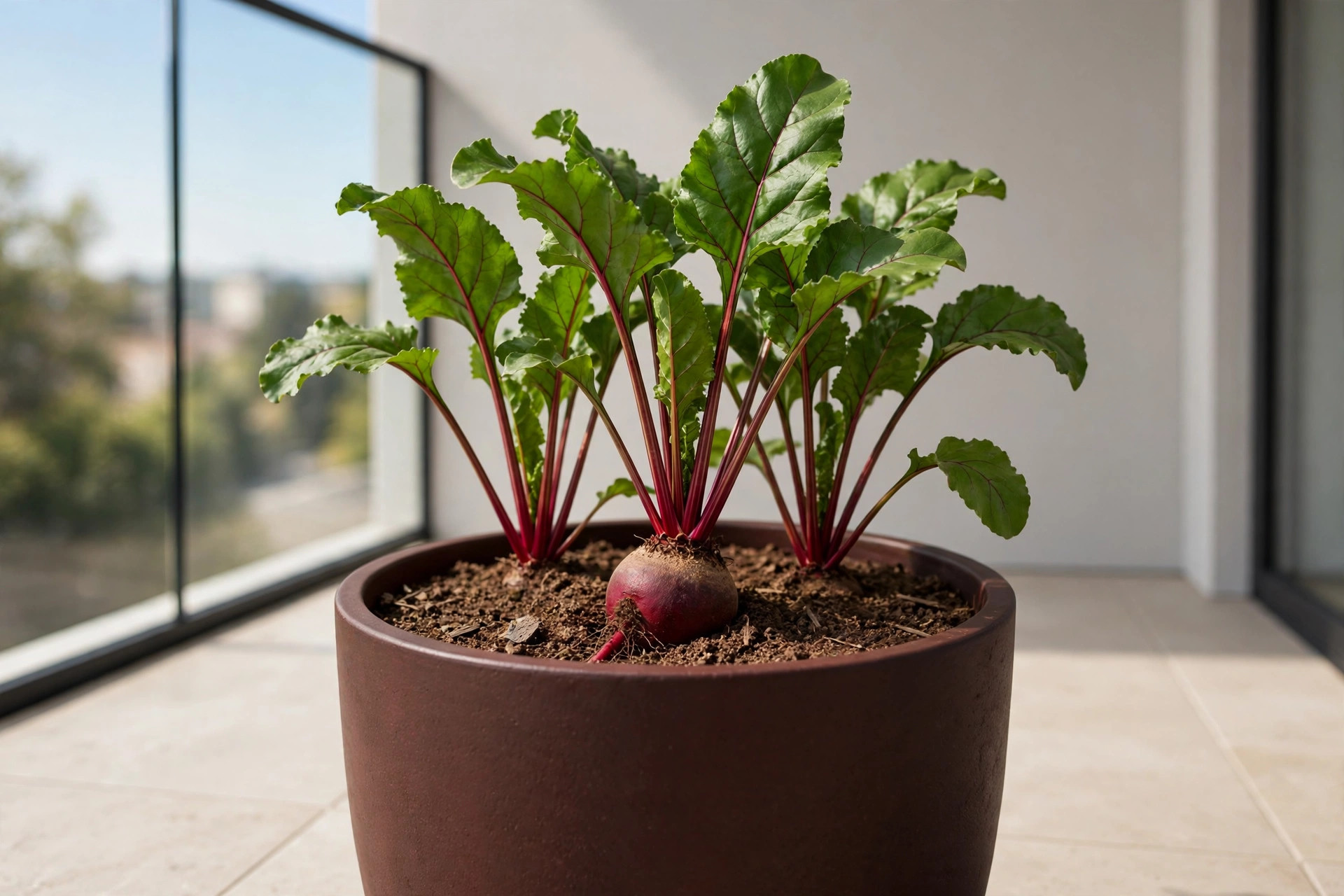
Beets give you two crops for one lot of care. The leaves cook like chard within weeks, and the roots wait in the pot until you have time to pull them.
Sow a type such as ‘Detroit Dark Red’ in a pot at least 10 inches (25 cm) deep. Sow seed 1/2 inch (1 cm) deep and thin seedlings to 3 inches (8 cm) apart.
They grow on 4 to 6 hours of sun, which makes them a good pick for a partly shaded spot. Water once or twice a week, and feed just once, midway through the season.
Twist off a few outer leaves per plant as you cook. These smart balcony garden ideas show other low-fuss ways to fit food into a small outdoor space.
Big pots, deep water, and crops that wait for you: that is the whole system. None of these plants needs daily care, and most forgive a full week of neglect.
Start with two or three pots near the door, where you pass them each day. Save this list to your container garden board for later, and add one more pot each month.
That slow build is the heart of container vegetable gardening for busy people low maintenance picks: one forgiving pot at a time, season after season, with food close to the door.


