

15 Rug Size Mistakes in Small Living Rooms, Fixed
A rug that is the wrong size can make a small living room feel cramped, even when the sofa, chairs, and coffee table are all in the right place. The room looks fine in parts, yet the seating area never quite settles.
The good news is that most sizing errors come from a few small choices, and each one has a plain fix. You do not need a new room or new furniture to sort them out.
You need a tape measure, a clear look at your seating group, and a rug that fits that group.
This list covers rug size mistakes in small living rooms fixed one by one, with a fix you can check before you buy.
It stays close to real rooms where one wrong rug size changes how the whole space feels, with tips drawn from small living room ideas for apartments that keep the focus on fit, not on buying more decor.
This post contains affiliate links. If you buy through them, we may earn a small commission at no extra cost to you. See our Affiliate Disclosure.
1. The Rug That Only Fits Under the Coffee Table
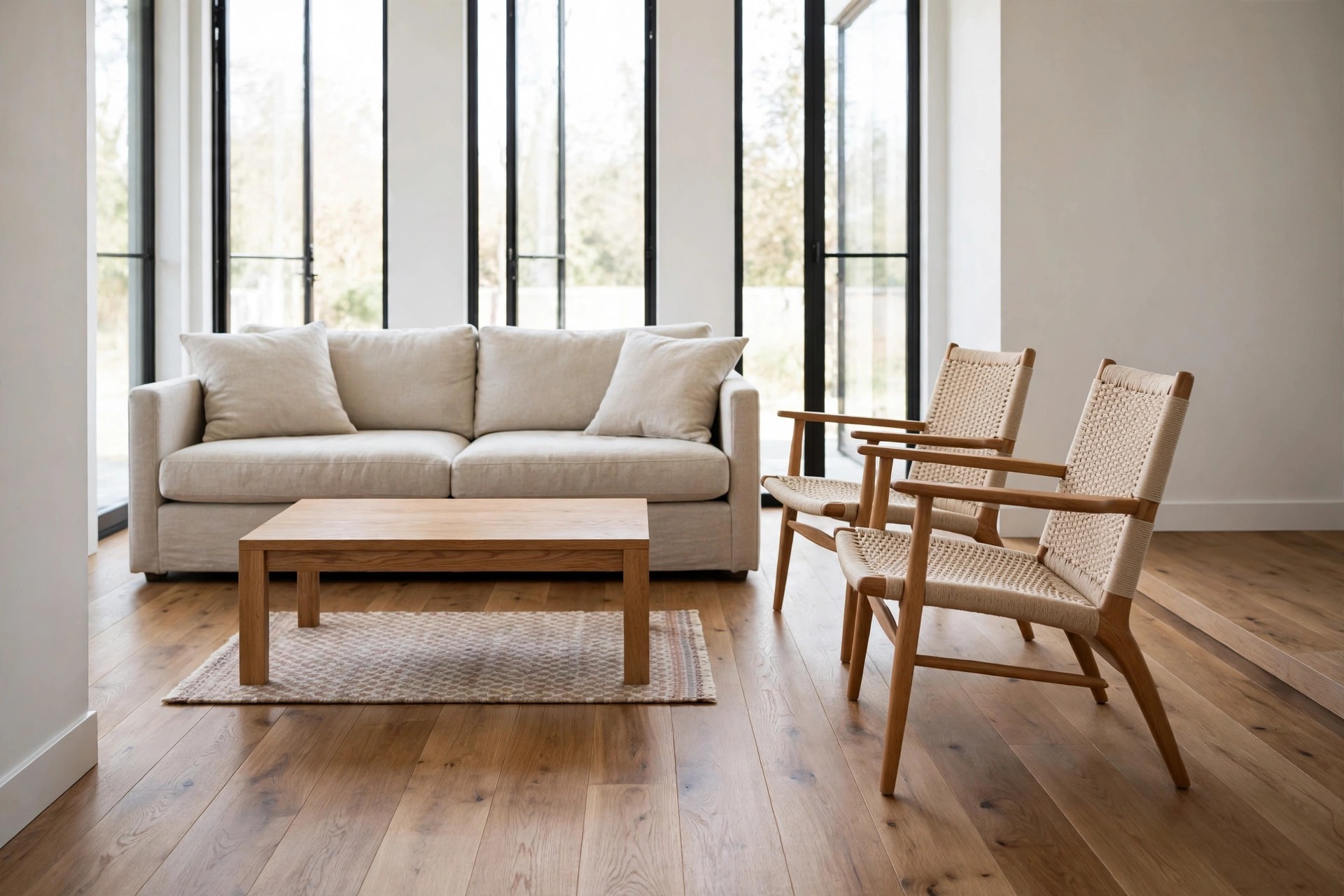
A small rug parked under the coffee table leaves the sofa and chairs standing on bare floor. The seating group looks split in two, with a neat island in the middle and nothing to hold the edges together.
The fix is to size the rug to the seating group, not to the table. Let the front legs of the sofa and the chairs rest on the rug, so the whole group reads as one area.
Before you shop, push the coffee table aside and stand where each seat sits. If your feet land on bare floor when you sit down, the rug is too small for that group.
2. Every Leg Off the Rug
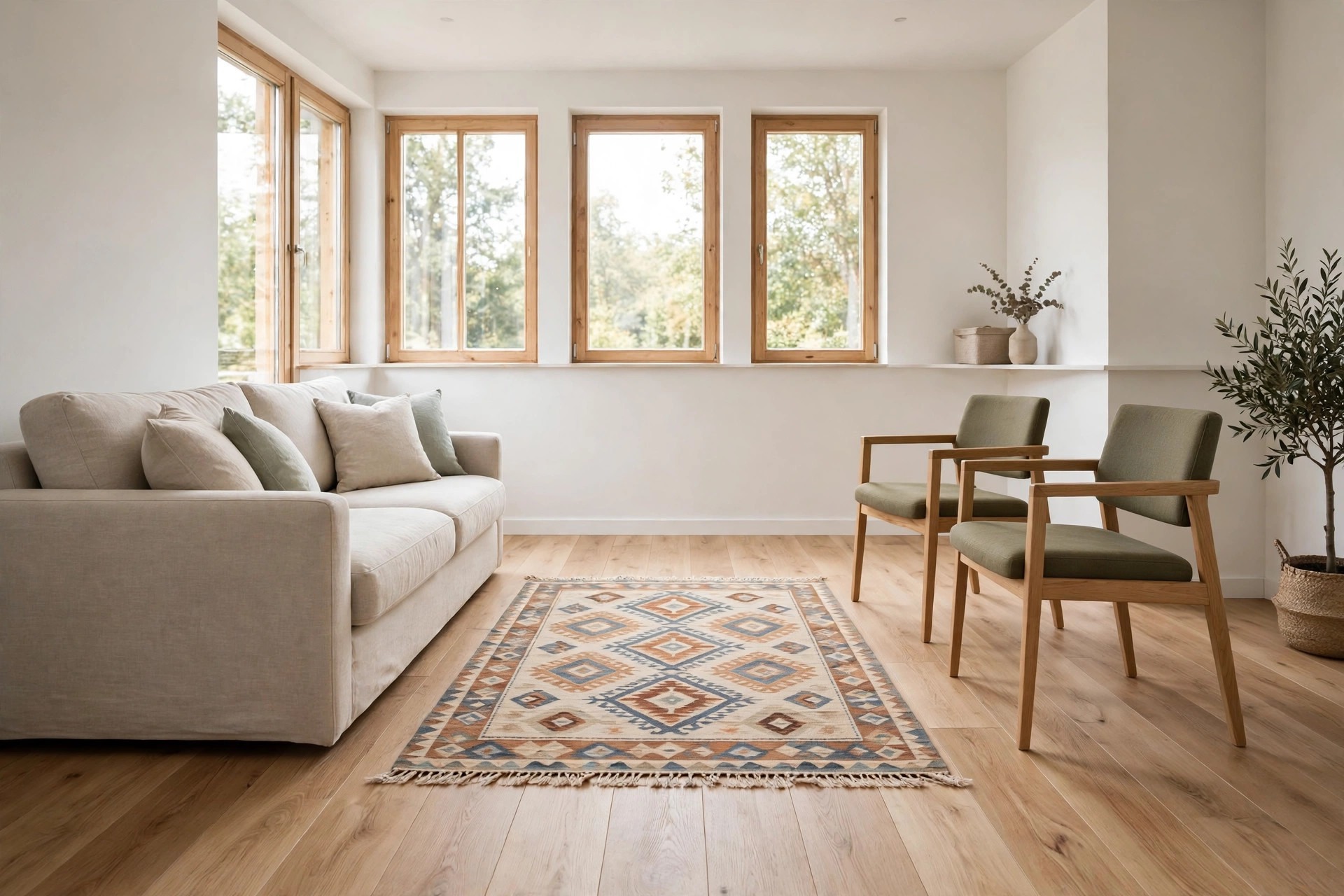
When no furniture touches the rug, the rug floats in the middle of the room like a mat that wandered in from another space. The eye skips over it, and the seating area loses its anchor.
The fix is simple: at least the front legs of the main seats should sit on the rug. That one change pulls the sofa, chairs, and table into a single zone.
Try this check at home. Slide the rug until the sofa front legs rest on it, then pull each chair forward until its front legs meet the rug edge too.
That floating look also makes cleaning harder, since the rug edge curls where feet catch it. A rug with seats on it stays put and stays flat.
3. Sofa Legs On, Chair Legs Off
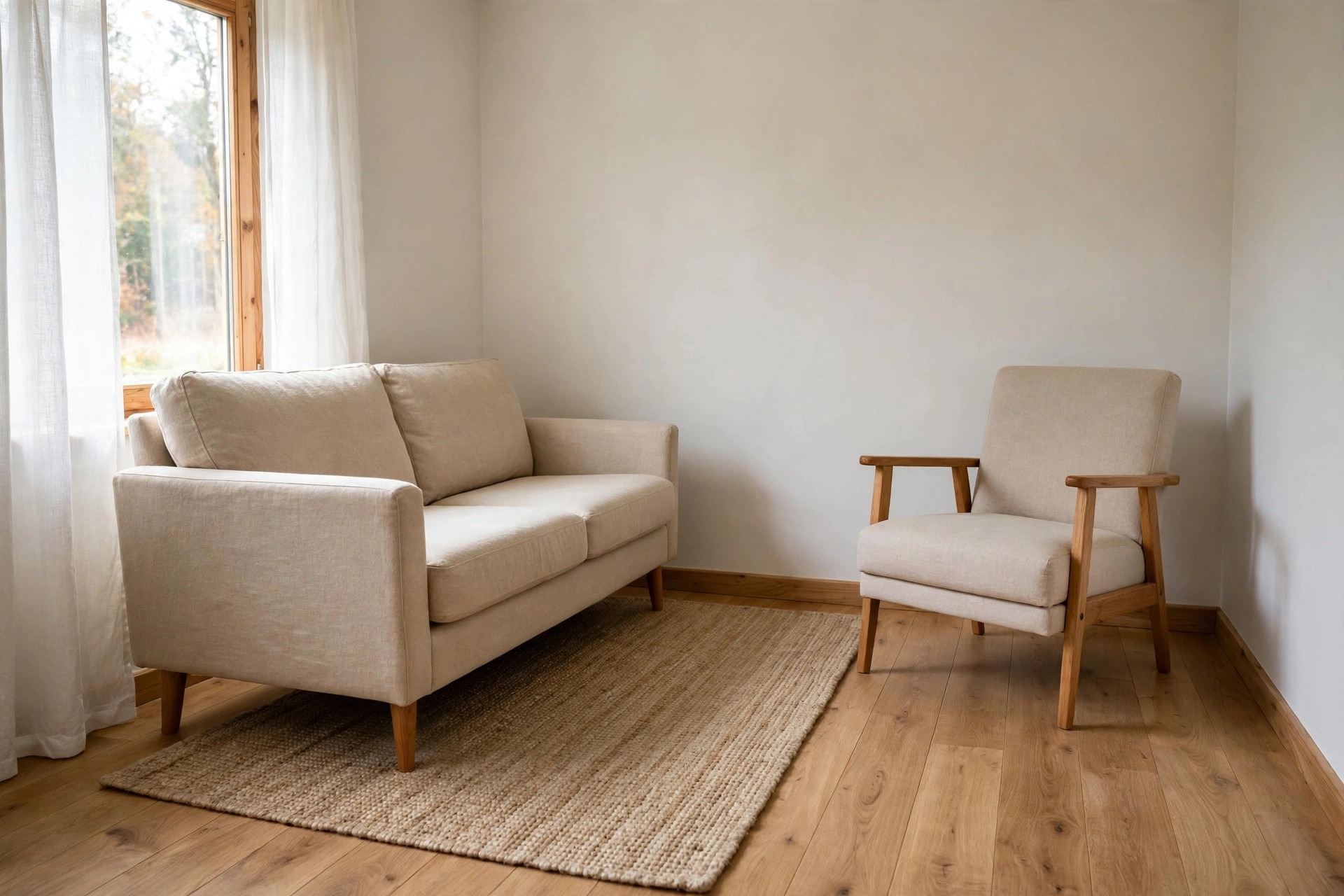
A rug that fits the sofa but leaves the chairs stranded sends a mixed message. Half the group looks grounded and half looks like it arrived later, even when the chairs match the sofa well.
The fix is to use one rule for every seat in the group. If the sofa front legs sit on the rug, the chair front legs should sit on it too, with no exceptions.
This is also where color and pattern choices matter, and living room rugs with a beige couch show how one rug can tie a whole seating group together. Measure from the farthest chair leg, not just from the sofa.
4. A Rug Narrower Than the Sofa
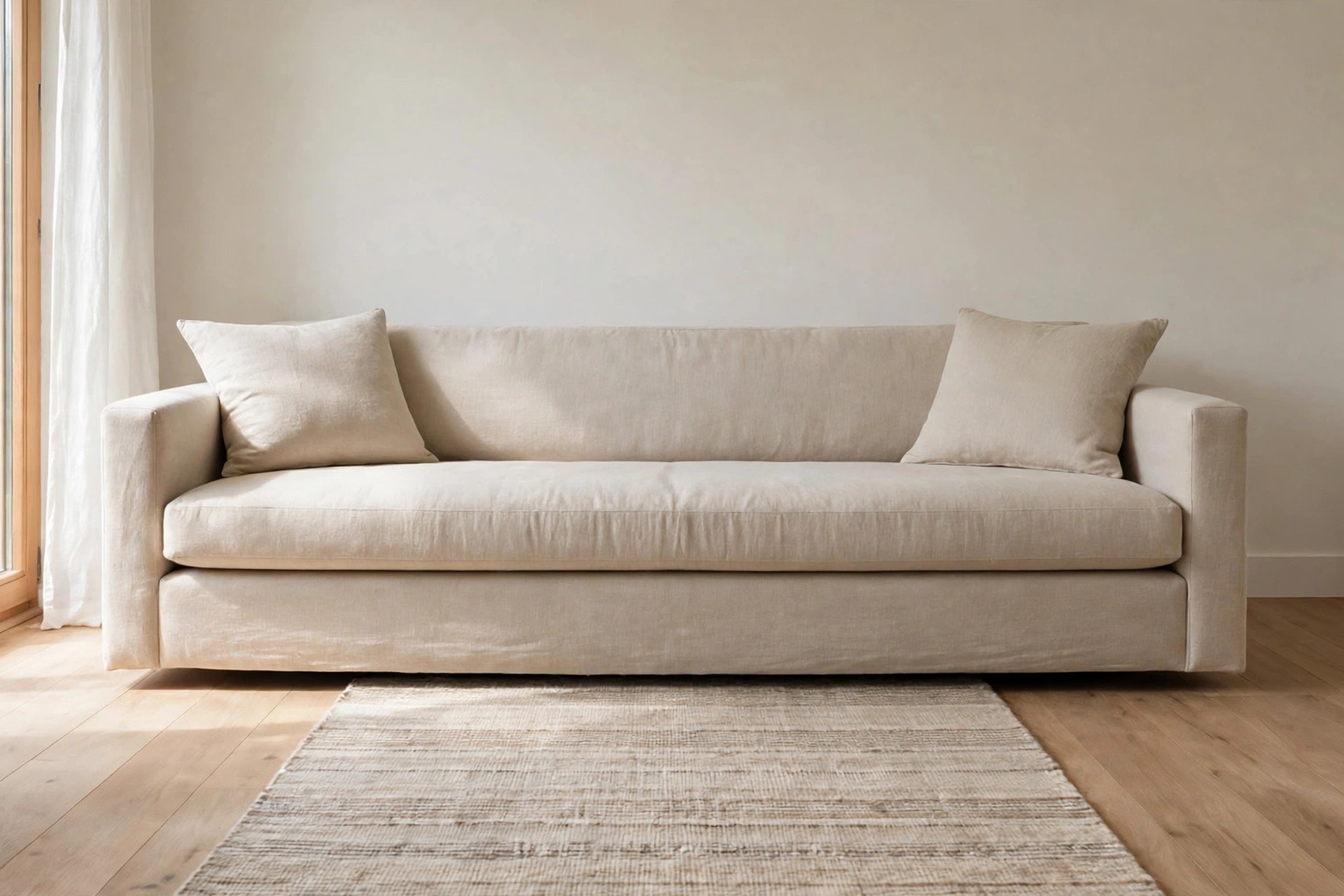
A rug that ends before the sofa arms end makes the sofa look too big for its base. The rug reads like a strip under the middle of the seat, and the arms hang over bare floor on both sides.
The fix is to pick a rug wider than the sofa, with rug showing past each arm. That extra width gives the sofa a base that matches its size.
Measure the sofa from arm to arm, then add room on each side for the rug to show. If the rug is only as wide as the seat cushions, it will always look narrow.
A rug that shows past each arm gives a clear edge to vacuum to, and the sofa no longer looks wider than its base.
5. A Rug So Large It Touches the Walls
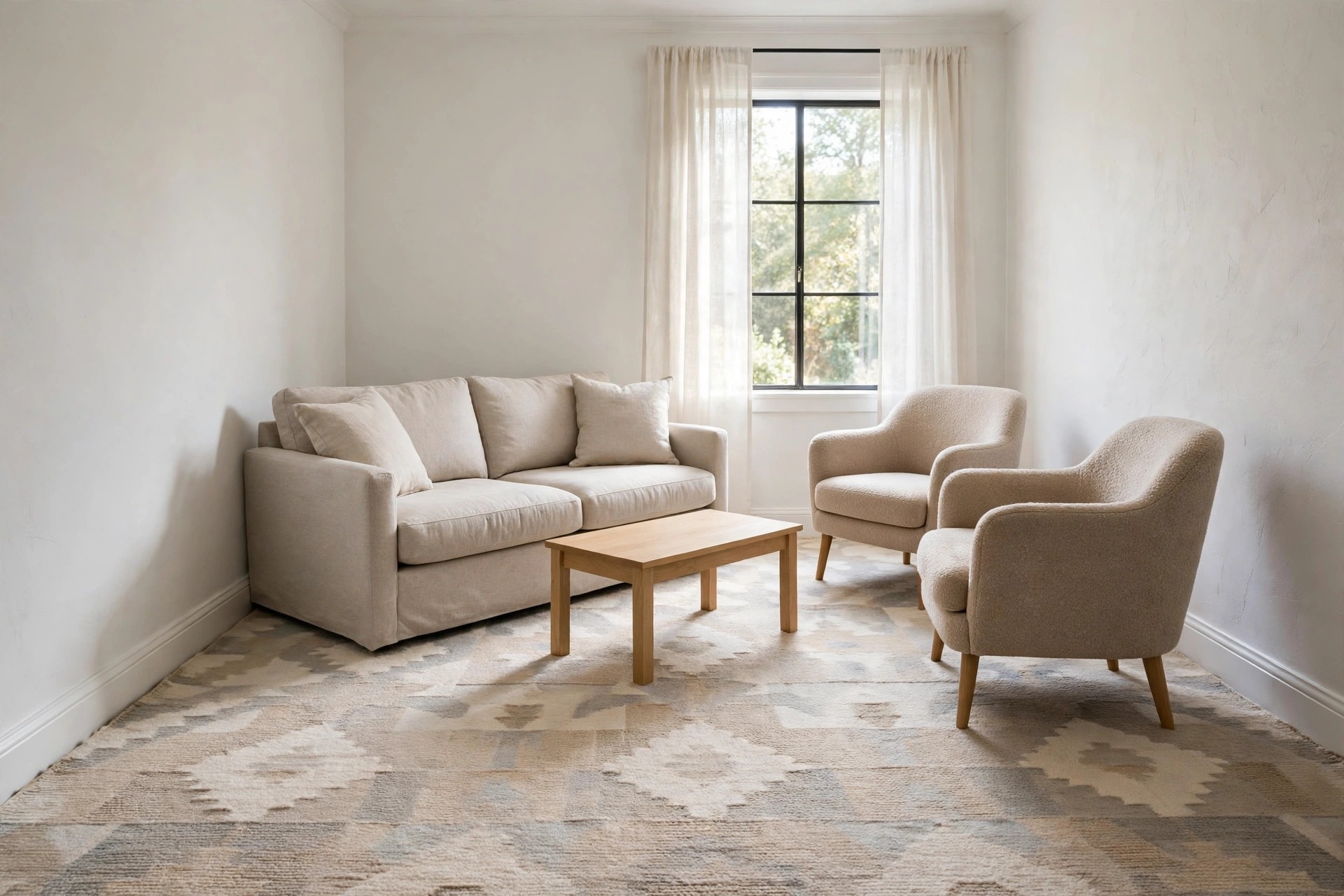
Going too large causes its own trouble. A rug that runs into the baseboards leaves no floor showing, so the room reads as one flat carpeted block rather than a room with a rug in it.
The fix is to leave a border of bare floor around the rug on every side you can see. That border frames the rug and lets the room breathe.
Walk the edge of the rug with your eyes before you buy. If it would touch two walls and cover the floor vents, step down a size and let the floor show.
A visible floor border shows off wood or tile you already own, so the rug reads as a choice.
6. A Round Rug Under a Long Seating Group
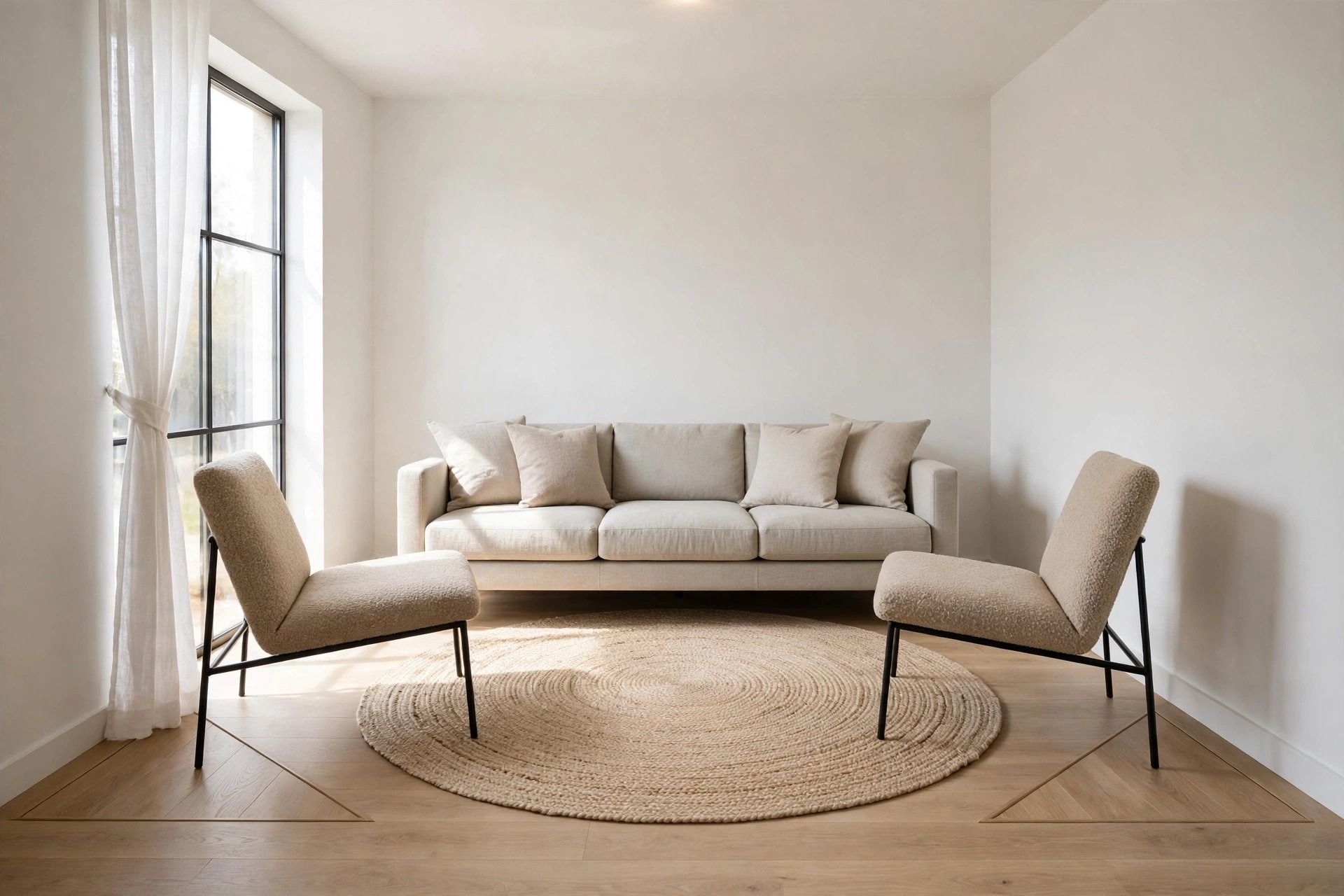
A round rug can look lovely on its own, but under a long sofa and two chairs it leaves odd triangles of bare floor at the corners. The seating group is a rectangle, and the rug shape fights it.
The fix is to match the rug shape to the seating shape. A rectangular group needs a rectangular rug, so each seat gets the same amount of rug under it.
Save round rugs for a round table, a reading chair, or a corner nook. In the main seating area, the rug shape should follow the line of the sofa.
If you love the round rug, move it to a reading corner with one chair, where its shape fits.
7. A Thin Runner Used as the Main Rug
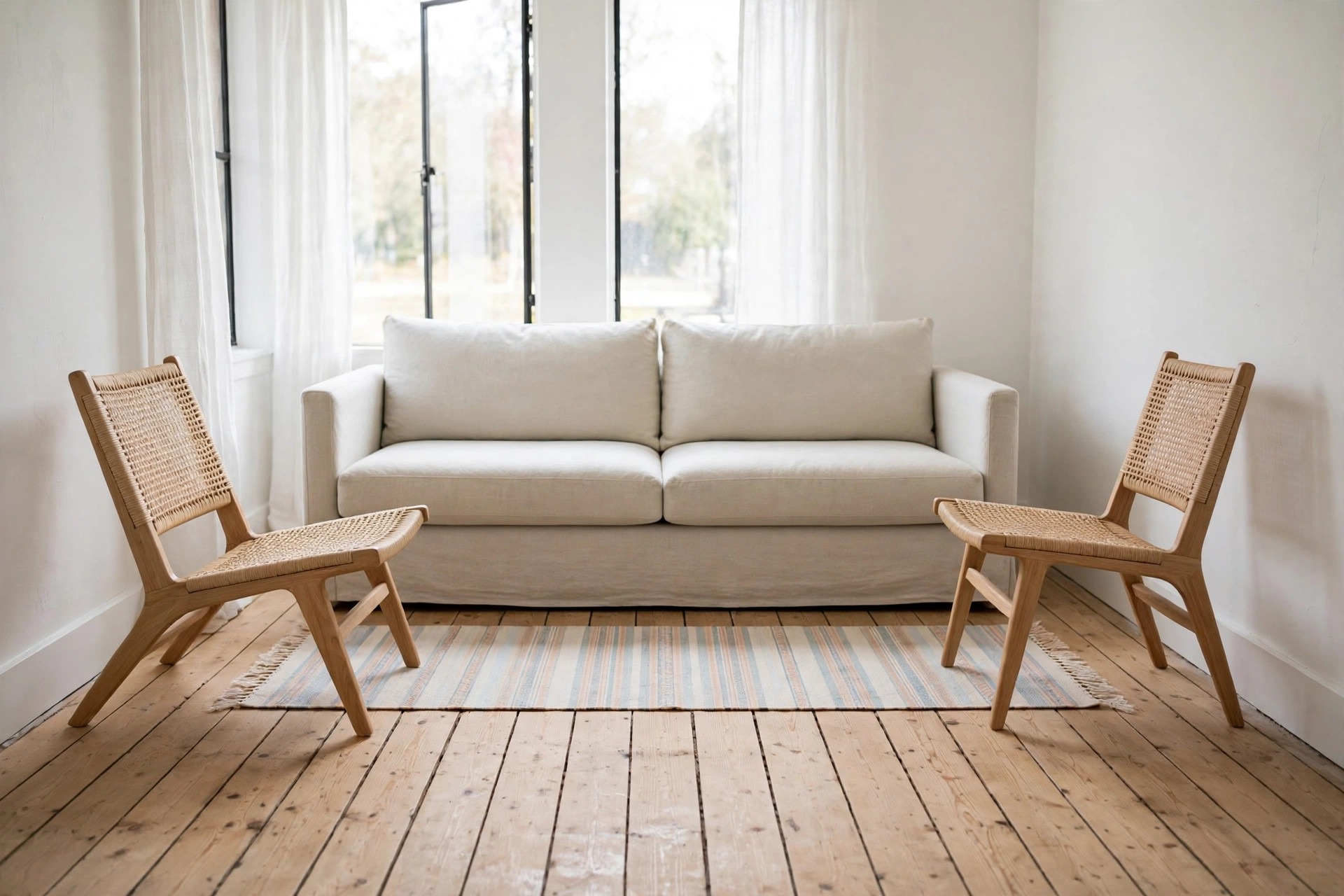
A runner is made for a hall or a path, not for a seating group. Laid in front of a sofa, it gives each person a narrow strip to stand on and leaves the chairs floating off to the sides.
The fix is to keep runners in walkways and choose a full rug for the seating area. The main rug should be wide enough for the sofa and at least one chair on each side.
If you love a runner pattern, use it beside the bed or in the hall. In the living room, width matters more than pattern, and a runner cannot give it.
8. A Rug That Blocks the Door Swing
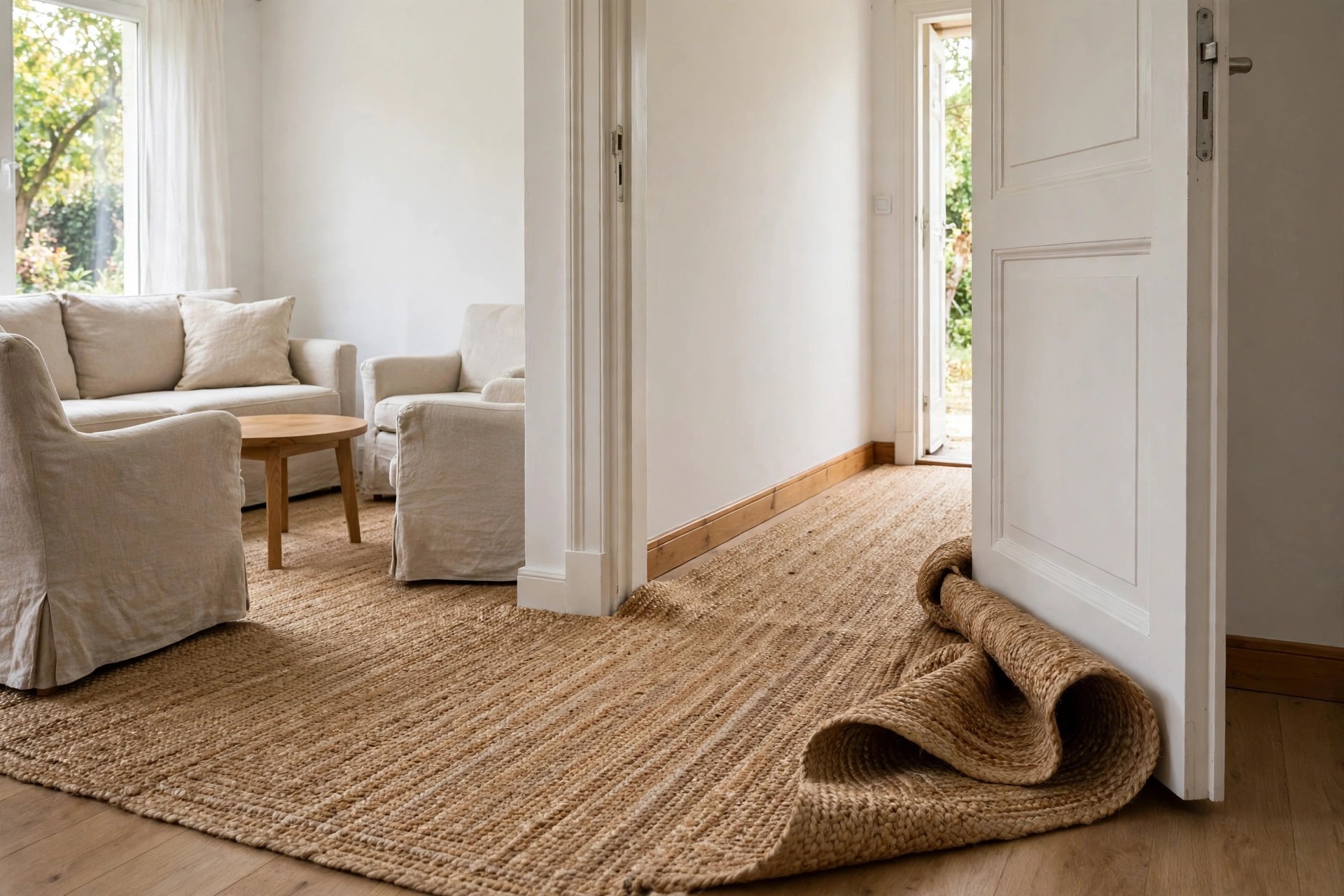
A rug that runs under a door catches every time the door opens. The door drags, the rug edge curls up, and soon someone trips on the fold near the entry to the room.
The fix is to check the door before you place the rug. Open the door fully, mark where it swings, and keep the rug clear of that arc.
Low pile rugs help here, since a thick rug plus a pad can stack high enough to catch a low door. If the door still drags, trim the rug placement, not the door.
Also check closet doors that open into the room, since a rug can clear the main door yet catch a second door.
9. A Rug Laid Across the Main Walkway
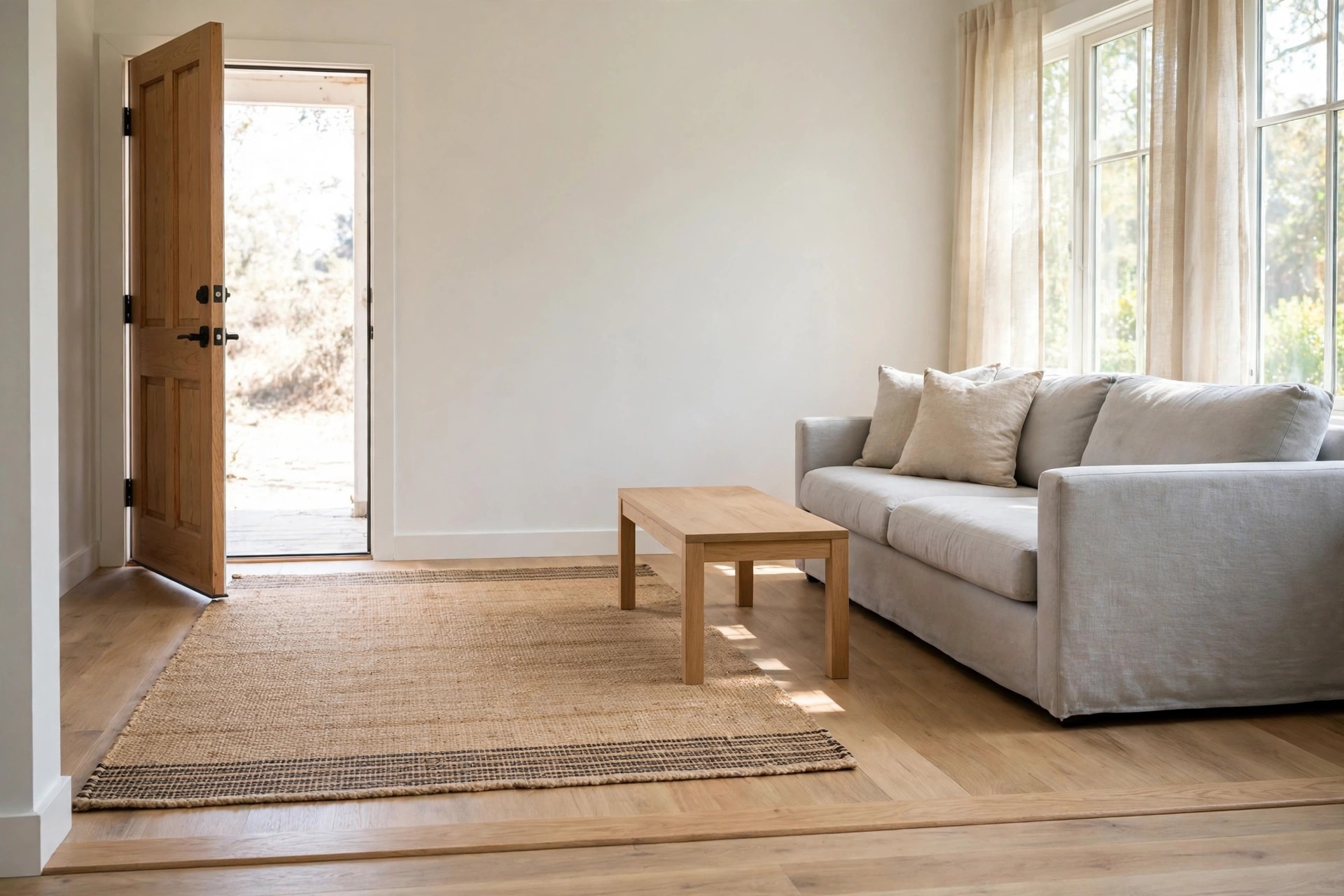
In a small room, the path from the door to the kitchen or hall often cuts straight through the seating area. A rug placed across that path forces every crossing onto its edge.
The fix is to map the walkway first, then place the rug. Keep the main path on bare floor or fully on the rug, never split down the rug edge.
Watch how people move through the room for a day. If shoes keep landing half on and half off the rug, shift the seating group or pick a rug that sits clear of the path.
Guests follow the clearest path, not the prettiest one, and will step on a rug edge that crosses it again and again.
10. Sizing the Rug to the Walls, Not the Seats
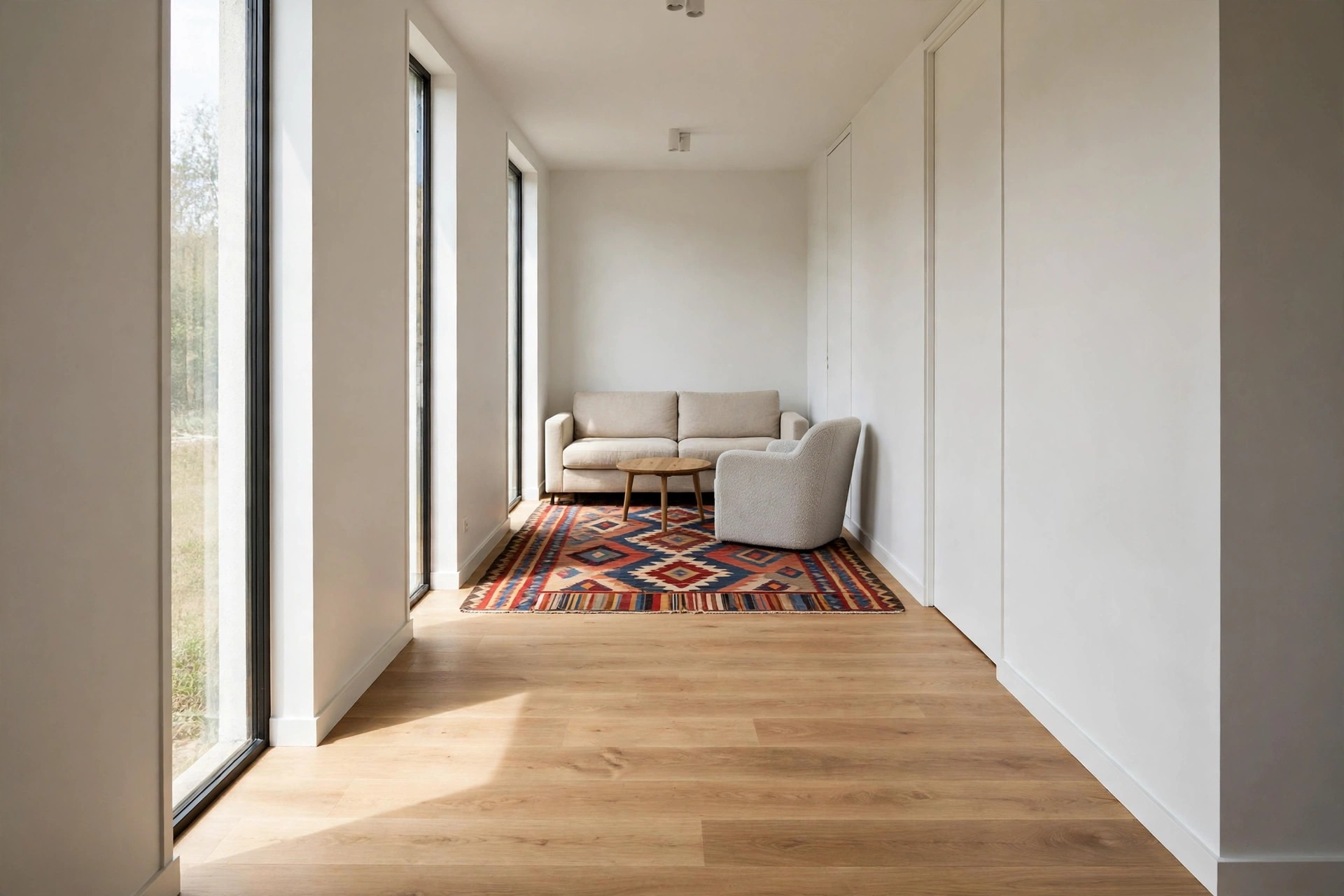
Measuring the whole room and buying to that number is a common trap. The rug then fits the walls but not the people, since the seating group may sit in only one part of the room.
The fix is to measure the seating zone: sofa length, chair depth, and coffee table space. Size the rug to that zone, and let the rest of the room stay as floor.
This matters most in long rooms, where narrow living room layouts show how a seating zone can sit inside a larger room. Start with the seats, and the rug size follows.
Tape the seating zone on the floor for a day. That outline shows the true rug size better than any whole-room number.
11. A Sectional Corner Hanging Off the Rug
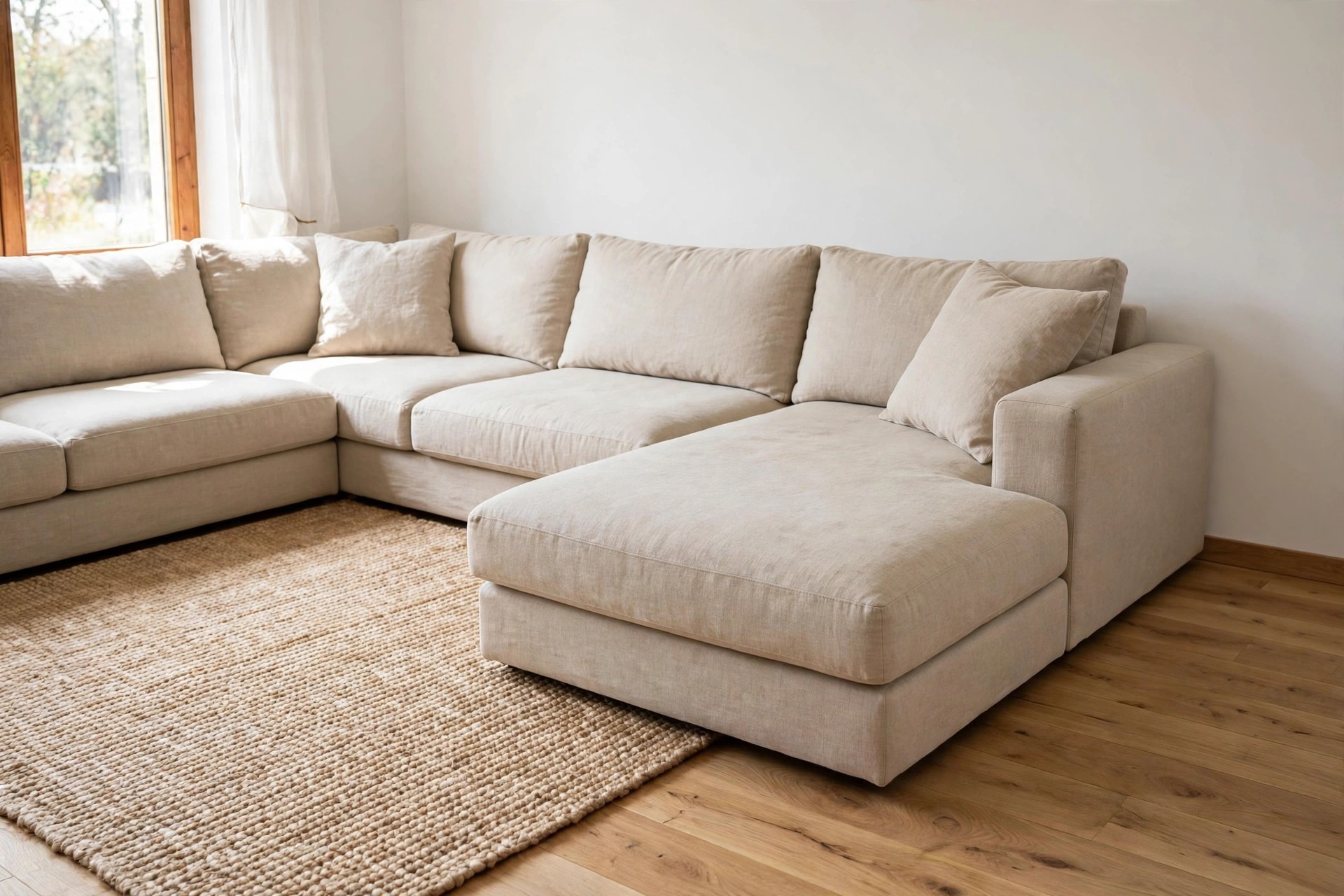
A sectional needs rug under both arms of its L shape. When the rug covers only the long side, the short side sticks out onto bare floor and the corner seat feels cut off.
The fix is to size the rug to the full L, or to shift the sectional so both sides share the rug. Every seat on the sectional should feel part of the same rug zone.
Sit in the corner seat and look down. If your feet rest on bare floor while the other seats rest on rug, the rug is too short on the short side.
Measure both arms of the L before you shop. Shoppers often note the long side and guess the short side, where the gap appears.
12. Two Small Rugs Instead of One Right Size
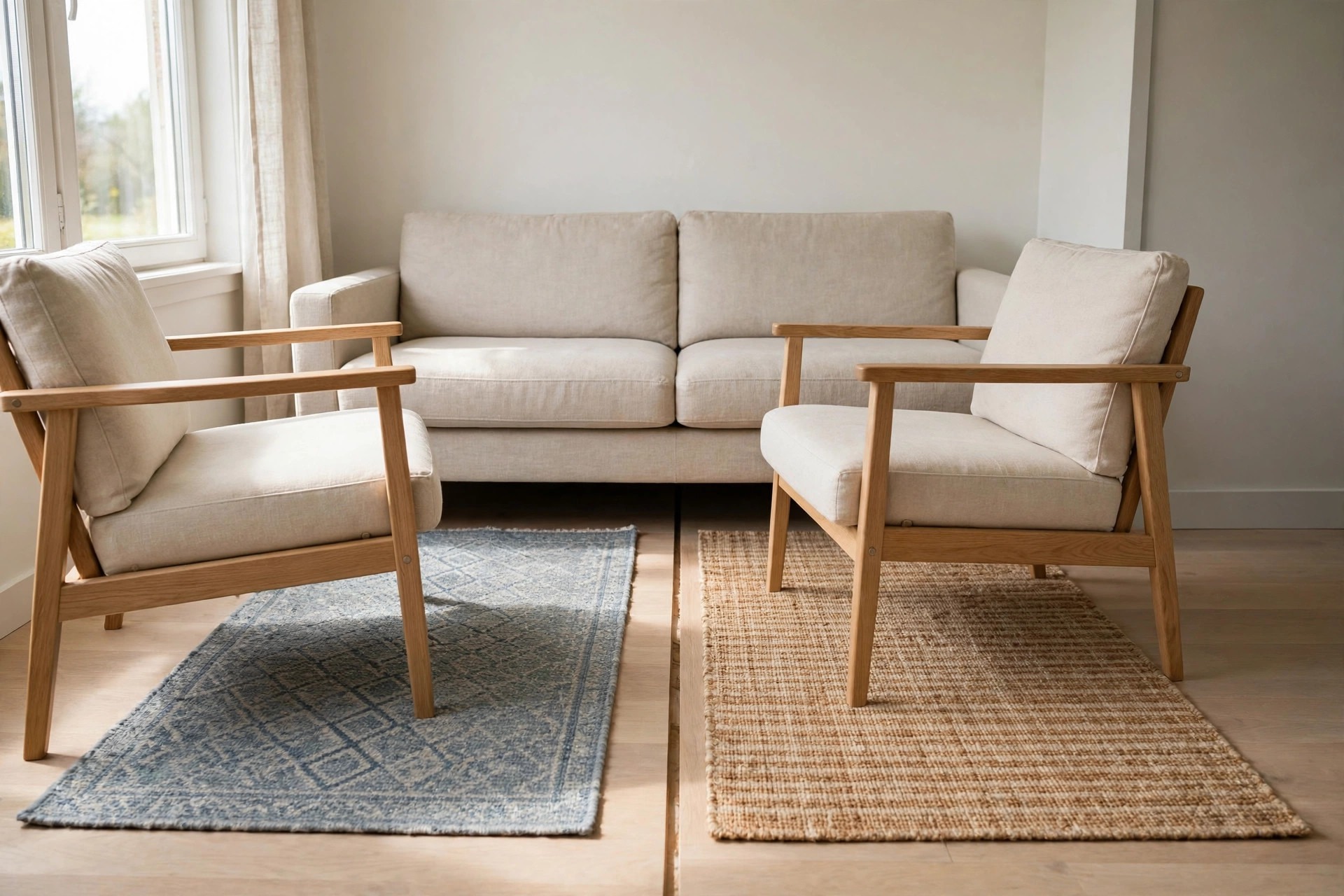
Two small rugs side by side can look like a fix, but the seam between them cuts the seating area in half. Chairs wobble on the join, and the gap collects dust and crumbs.
The fix is one rug sized to the whole group. A single rug gives every seat the same base and removes the ridge where two rugs meet.
This also helps when friends come over, since game night seating needs a steady floor for pulled-up chairs. One rug keeps those extra chairs level and steady.
A single rug also makes the room easier to clean, since there is no seam to trap crumbs. Vacuum lines run straight, and chairs roll or slide without catching a ridge.
13. A Rug Placed Off Center From the Sofa
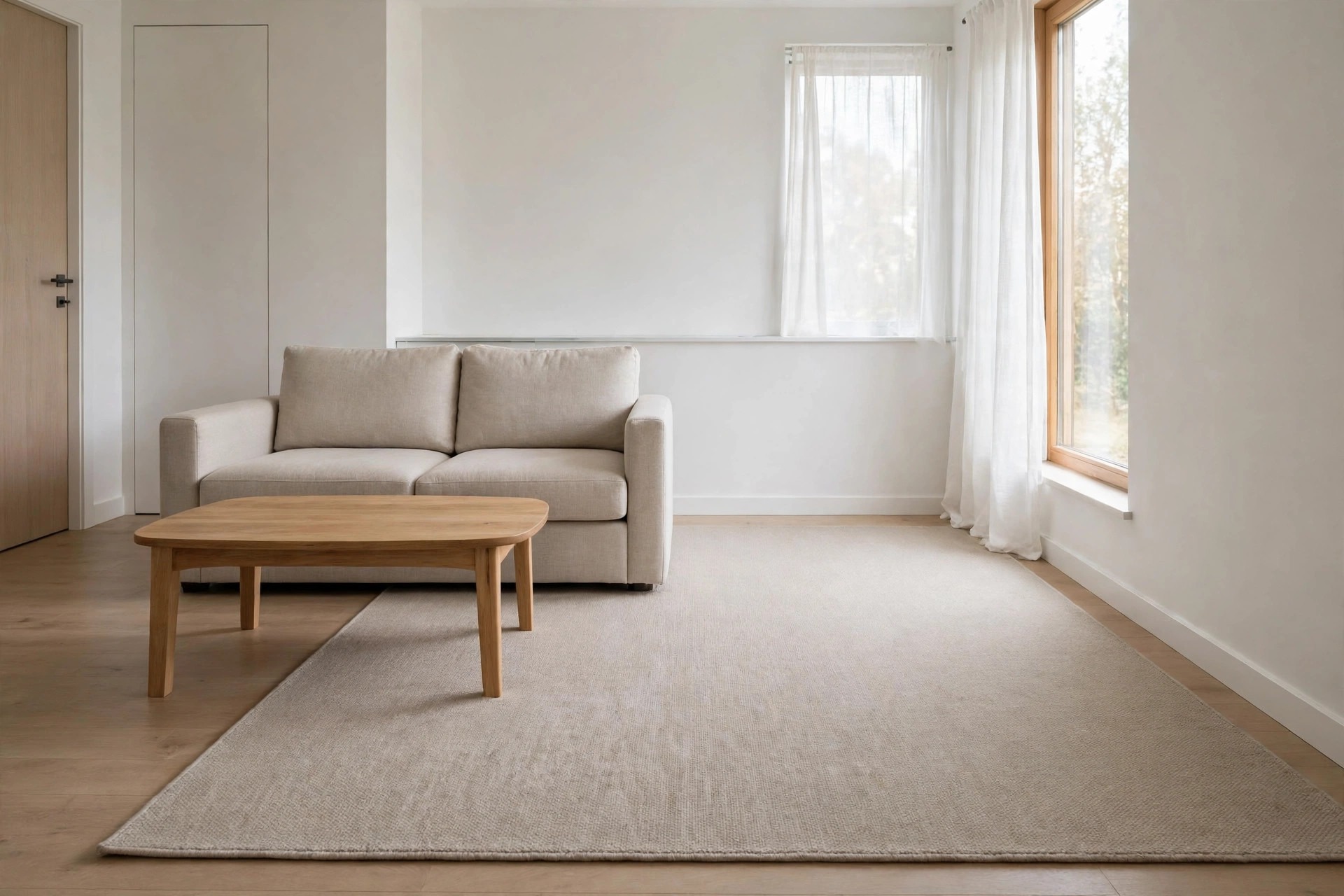
A rug slid to one side makes the whole room look tilted, even when the furniture is straight. The coffee table sits off the rug pattern, and one sofa arm gets more rug than the other.
The fix is to center the rug on the sofa, not on the room. Line up the middle of the rug with the middle of the sofa, then set the coffee table on that same center line.
Stand at the far wall and check both rug edges against the sofa arms. If one side shows much more rug than the other, slide the rug until both sides match.
14. A Rug Too Shallow for Feet and Table
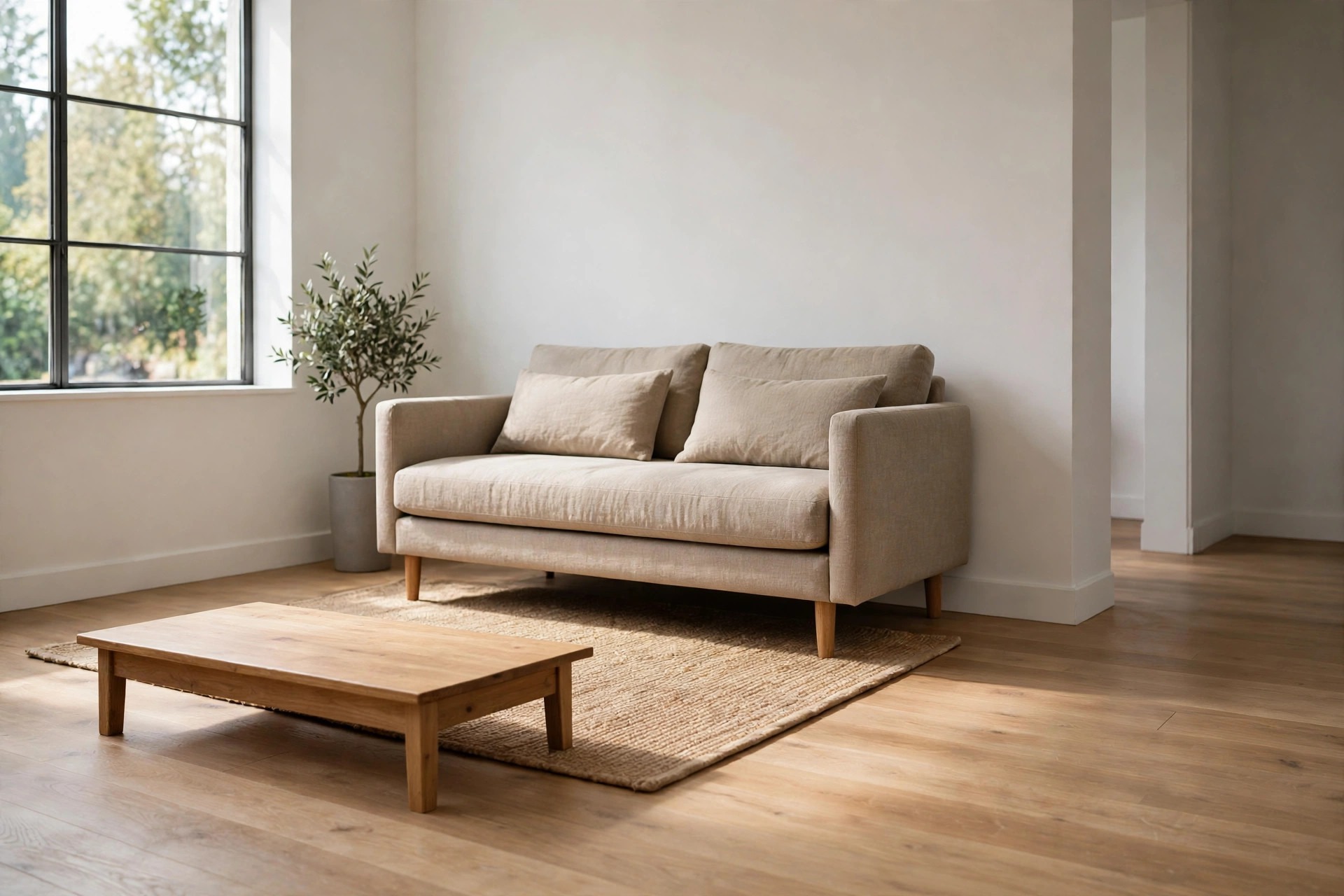
Some rugs are wide enough but not deep enough. The sofa front legs sit on the rug, yet the coffee table sits half off it, and feet land on bare floor when people lean forward.
The fix is to check depth as well as width. The rug should run from under the sofa front legs past the coffee table, with room for feet in front of each seat.
Sit down, put your feet where they naturally land, and look at the rug edge. If your toes pass the rug edge, you need a deeper rug, not just a wider one.
Depth also matters for an ottoman. If it lands past the rug edge, it will drift on the bare floor.
15. Picking the Smaller Size When Between Sizes

When a room falls between two standard rug sizes, the smaller one feels like the safe pick for a small space. In practice, it often repeats the too-small problem, with chair legs off and feet on bare floor.
The fix is to go up a size when you are between sizes, as long as a floor border still shows around the rug. A slightly larger rug grounds the group and makes the room feel calmer.
Tape the outline of both sizes on the floor before you buy. The larger outline usually looks less crowded than feared, because the furniture finally sits fully inside it.
Start with the seating group, measure it twice, and let that measurement pick the rug. A rug that holds the sofa, the chairs, and the coffee table in one zone makes a small room feel settled and easy to use.
Keep this list handy when you shop, and check door swings, walkways, and chair legs before you commit. These rug size mistakes in small living rooms fixed in advance save a return trip and a room that never quite feels right.
Save this to your small living room board for later, so the tape outline trick and the front-legs check are ready when you plan a first apartment move in and the next rug catches your eye.


