

How to Let Your Teen Choose Decor Without Losing the Plot: 15 Ground Rules
Your teen wants a black ceiling, a wall of band posters and a chair shaped like a hand. You want a room that still works in two years.
This guide covers how to let your teen choose decor without losing the plot, through fifteen ground rules that give them real control inside limits you set first.
The rules work in order: money and roles first, taste second, buying last. Most family decor fights happen because those three get mixed up on day one.
For style starting points your teen can react to, browse these teen girl bedroom wall art ideas she picks herself together.
This post contains affiliate links. If you buy through them, we may earn a small commission at no extra cost to you. See our Affiliate Disclosure.
1. Set the Budget in Writing Before Anyone Shops
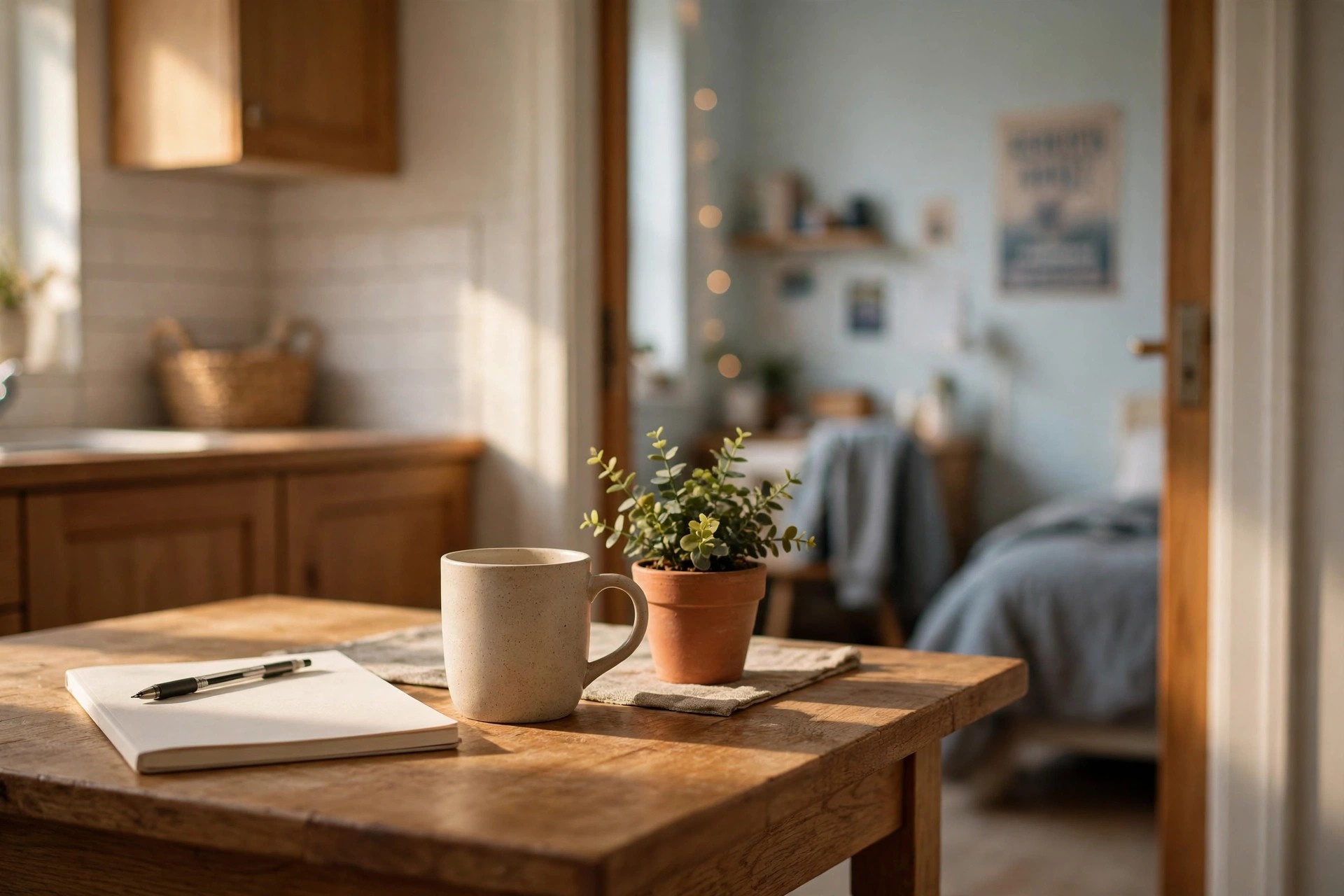
Every decor argument is secretly a money argument. Naming the total budget first, in writing, moves that fight to the start where it is cheap.
Sit down with a notebook and agree one number for the whole refresh. Note what it must cover: paint, bedding, one furniture piece, the small extras.
Show your teen the math of a room. When they see that curtains and bedding eat half the pot, their choices get sharper on their own.
Keep a simple running list as you buy. Watching the remaining amount shrink in real numbers teaches pacing better than any warning from a parent.
If the budget is small, say so plainly and early. A small, honest budget with full control inside it beats a vague one with vetoes later.
2. Your Teen Leads on Style, You Hold Budget and Safety
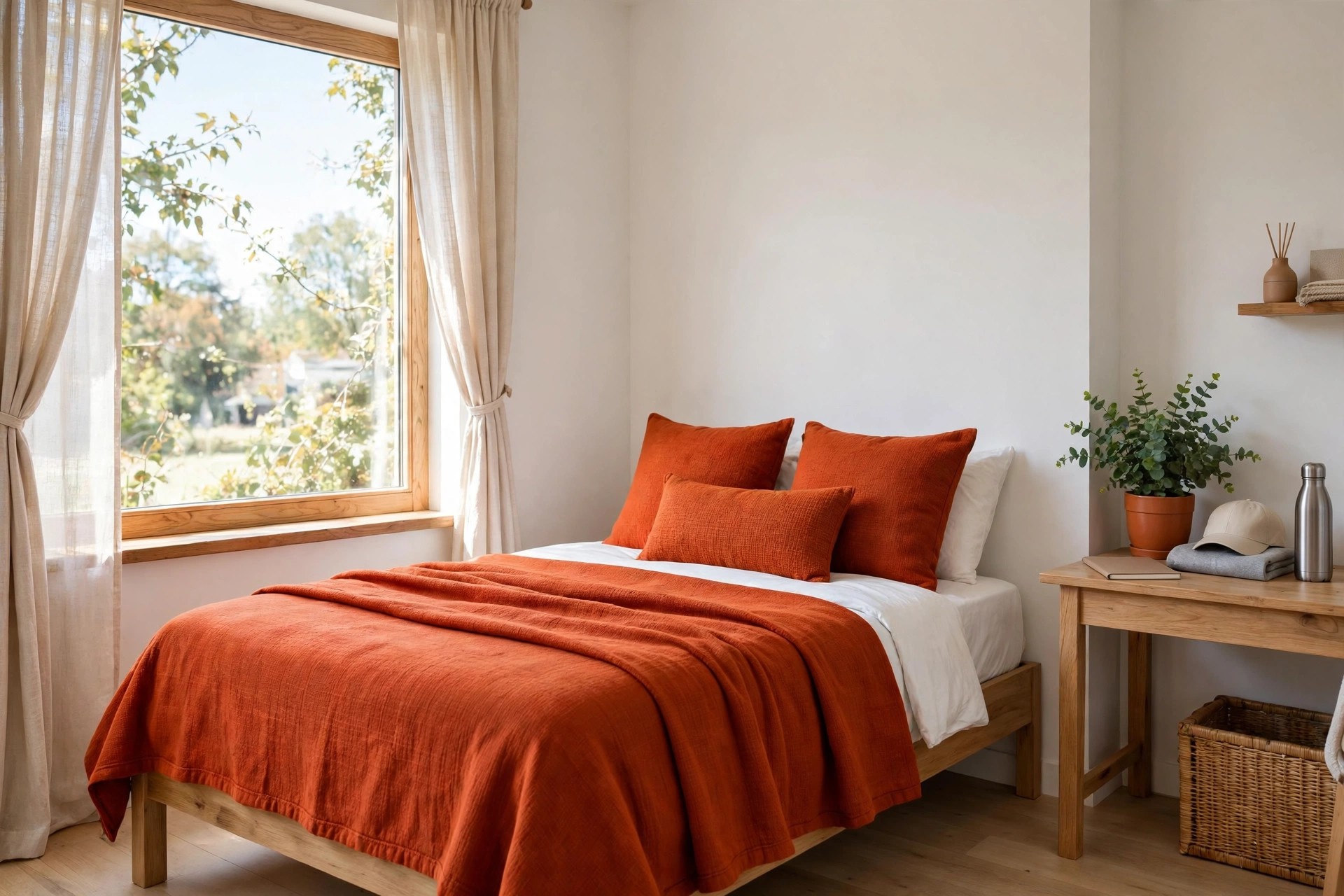
Split the jobs clearly. Your teen leads on color, theme and the feel of the room. You hold the budget line and anything touching safety or structure.
That means paint colors are theirs, even the dramatic ones. Drilling into walls, electrics and anything load-bearing stays a parent decision, no debate needed.
Say the split out loud before shopping starts. Ambiguity is where rows grow: nobody rows about a rule that was stated calmly in advance.
When you do veto, name which hat you are wearing. A budget no lands softer than a taste no, and your teen can tell the difference.
Most teens accept limits from a referee. What they fight is a fellow player who keeps changing which team they are on.
3. Build a Mood Board Before Buying a Thing

A mood board turns vague wishes into something you can both point at. Cork board, a folder of screenshots, or a shoebox of fabric scraps all work.
Ask your teen to fill it before any shopping trip. Colors, three rooms they love, textures, and one wild card item that captures the dream.
Look for the pattern together. Most boards repeat two colors and one mood, even when the teen swears they like everything on it.
That pattern becomes the room’s palette. New ideas get tested against the board: does it match the pattern, or is it a fun detour?
Mood boards also rescue bad days mid-project. When a parent and teen disagree at the shelf, the board they agreed at home settles it.
4. Test Paint on the Wall and Live With It First
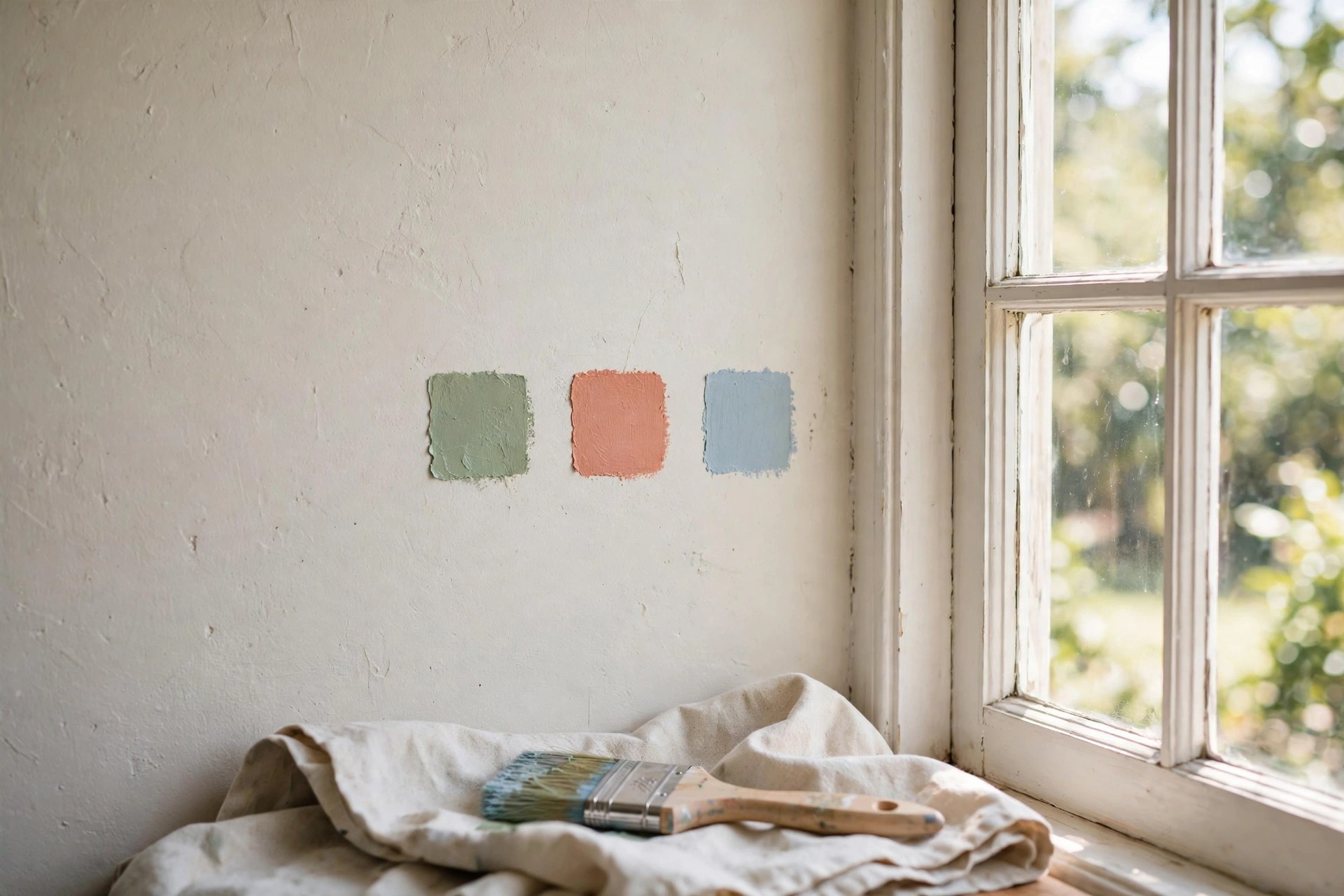
Paint is the loudest choice in the room and the hardest to judge from a tiny card. Big test patches on the actual wall are non-negotiable.
Paint two or three patches, each at least a dinner-plate size, on the wall that gets the most daylight and the wall that gets the least.
Live with them for two full days. Colors shift between morning, evening and lamplight, and the evening version is the one your teen sleeps with.
Let your teen make the final call between the tested colors. Choosing from real patches on their own wall feels like control, because it is.
Keep the leftover paint and the color name written down. Touch-ups and future changes both get easier when the exact shade is recorded.
5. Make One Big Choice at a Time, in Order
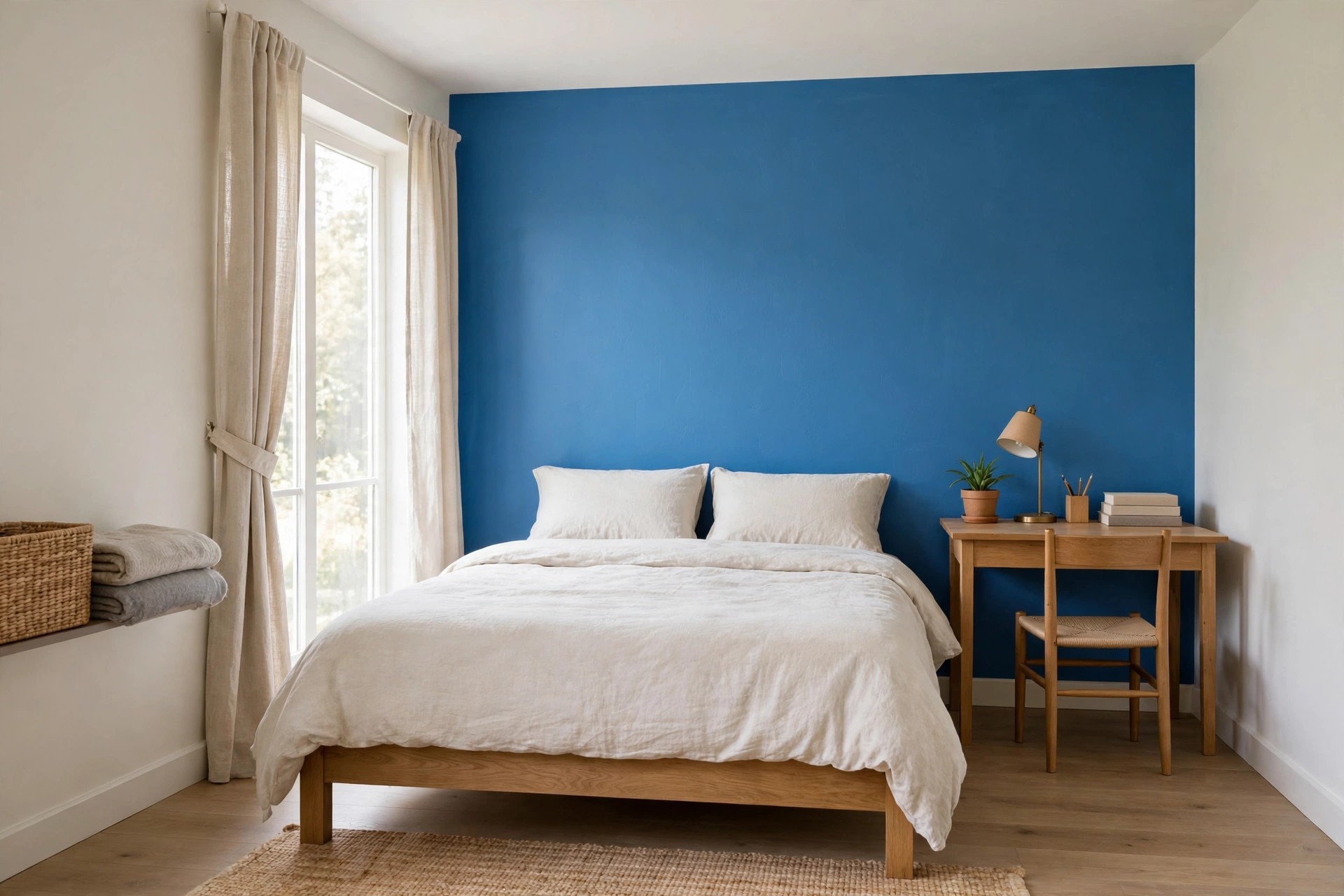
Rooms go wrong when everything is chosen at once in one excited afternoon. Order the big choices: wall color, then bedding, then furniture, then extras.
Each choice locks the range for the next one. Bedding chosen against real walls matches; bedding chosen from memory in a shop often does not.
This order is also how a full redo runs smoothly in practice, as the moves in back-to-school bedroom reset ideas for teens show.
Give each big choice its own day where possible. A teen who chooses one thing well, then sleeps on it, rarely regrets the final room.
Small extras come last on purpose. Posters, cushions and lights are easy to swap later, so they should never steer the expensive decisions.
6. Start With Reversible Changes if You Rent
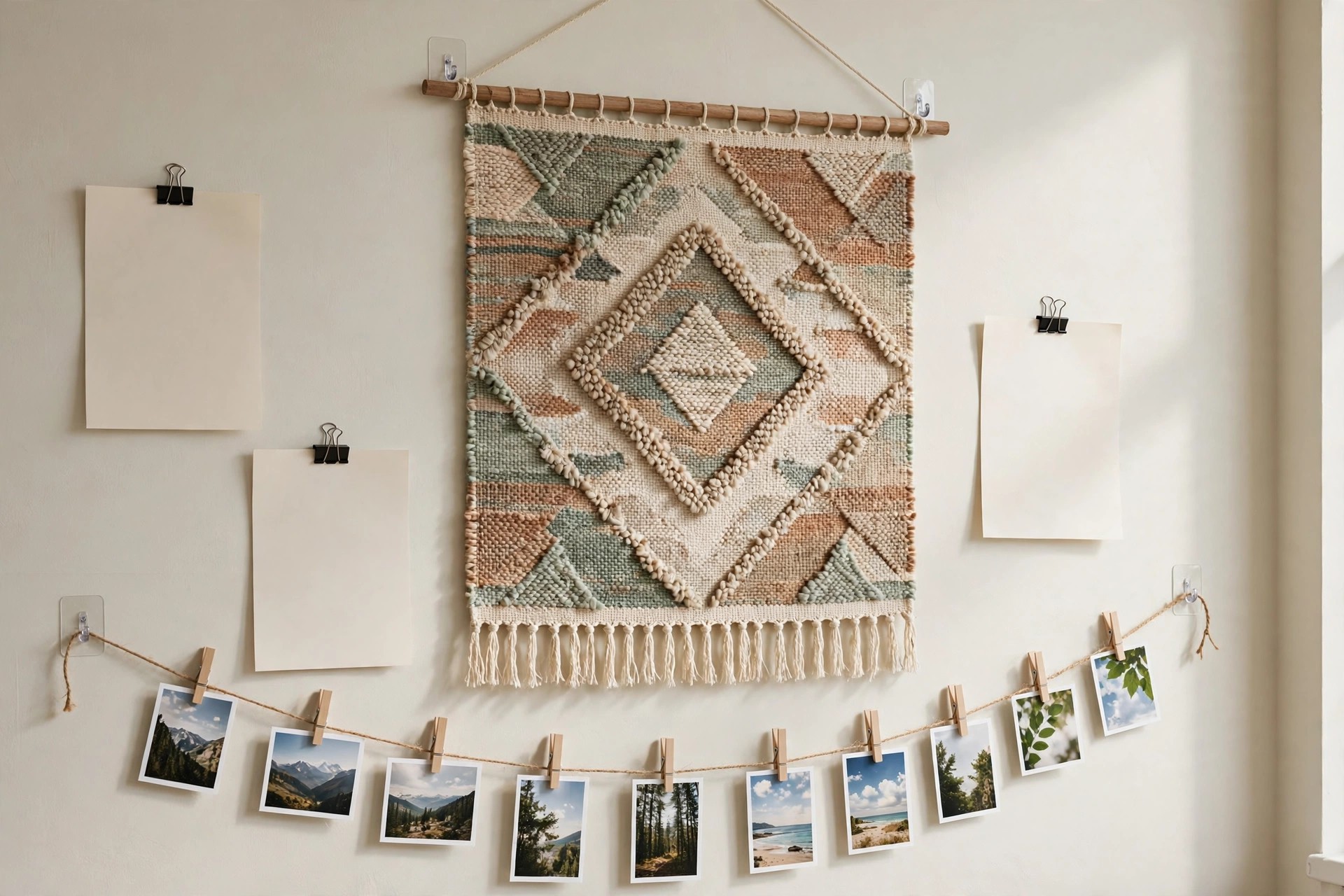
Renting adds one more referee: the landlord. The fix is not fewer ideas, it is ordering them so the reversible ones carry the room.
Bedding, rugs, curtains, lamps and removable wall decor change a room completely and leave no trace at move-out. Start and mostly stay there.
Use clips, strips and hooks rated for removal instead of nails for art and photo strings. Walls stay clean and deposits stay safe.
If paint is allowed, get it in writing and keep the original color noted. One accent wall is usually the safest big move in a rental.
Teens often love the reversible route once they see it as freedom. Everything can change again in a year without a decorating project.
7. Measure the Door and Stairs Before Any Furniture
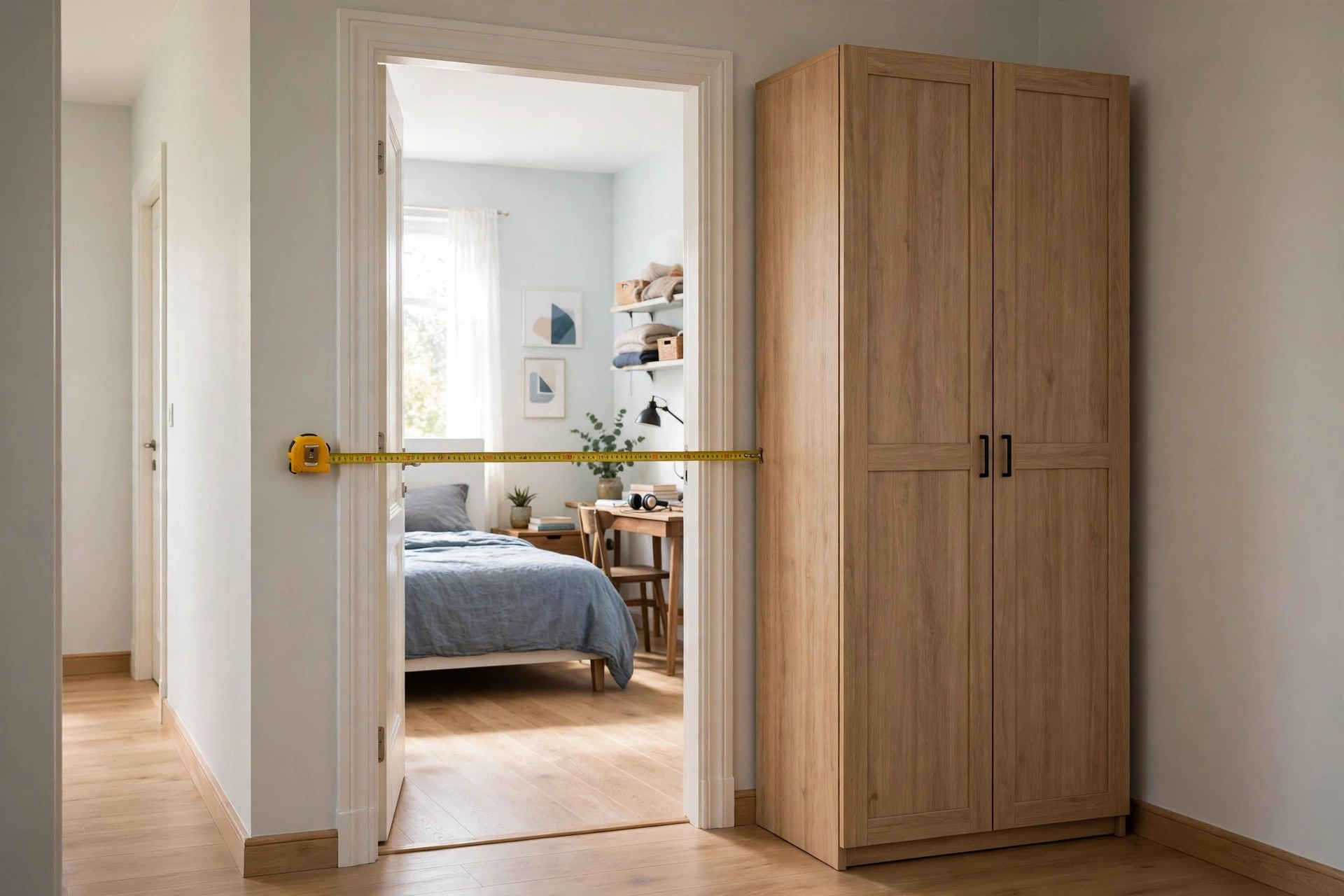
The saddest decor story is the perfect wardrobe that cannot turn the corner on the stairs. Measure the route before falling for any large piece.
Record three numbers: door width, the tightest turn on the stairs or landing, and the wall space waiting in the room itself.
Take the tape measure shopping, physically or as a note in your phone. Check flat-pack box sizes too, since boxes travel the same route.
Teach your teen to do this measuring. It is a life skill disguised as a shopping rule, and it protects their budget from return trips.
If a piece fails the route test, it fails, whoever loves it. The rule decided in advance saves a hard conversation at the shop door.
8. Agree One Parent Non-Negotiable Early

Every parent has one line: blackout curtains for sleep, a proper desk chair, no candles. Name yours early, agree it together, and then stop adding more.
One non-negotiable is a boundary. Five is a takeover. Keep yours to the single thing that genuinely affects health, sleep or safety.
State it as care, not control. Sleep affects school, mood and skin; a parent guarding sleep is doing a parent’s plain job.
Then honor the deal from your side. When your one rule is respected, you do not get to smuggle in extra opinions dressed as rules.
Teens test the boundary once, usually. A calm repeat of the original agreement ends it faster than a fresh argument each time.
9. Shop the House First and Swap Before Buying
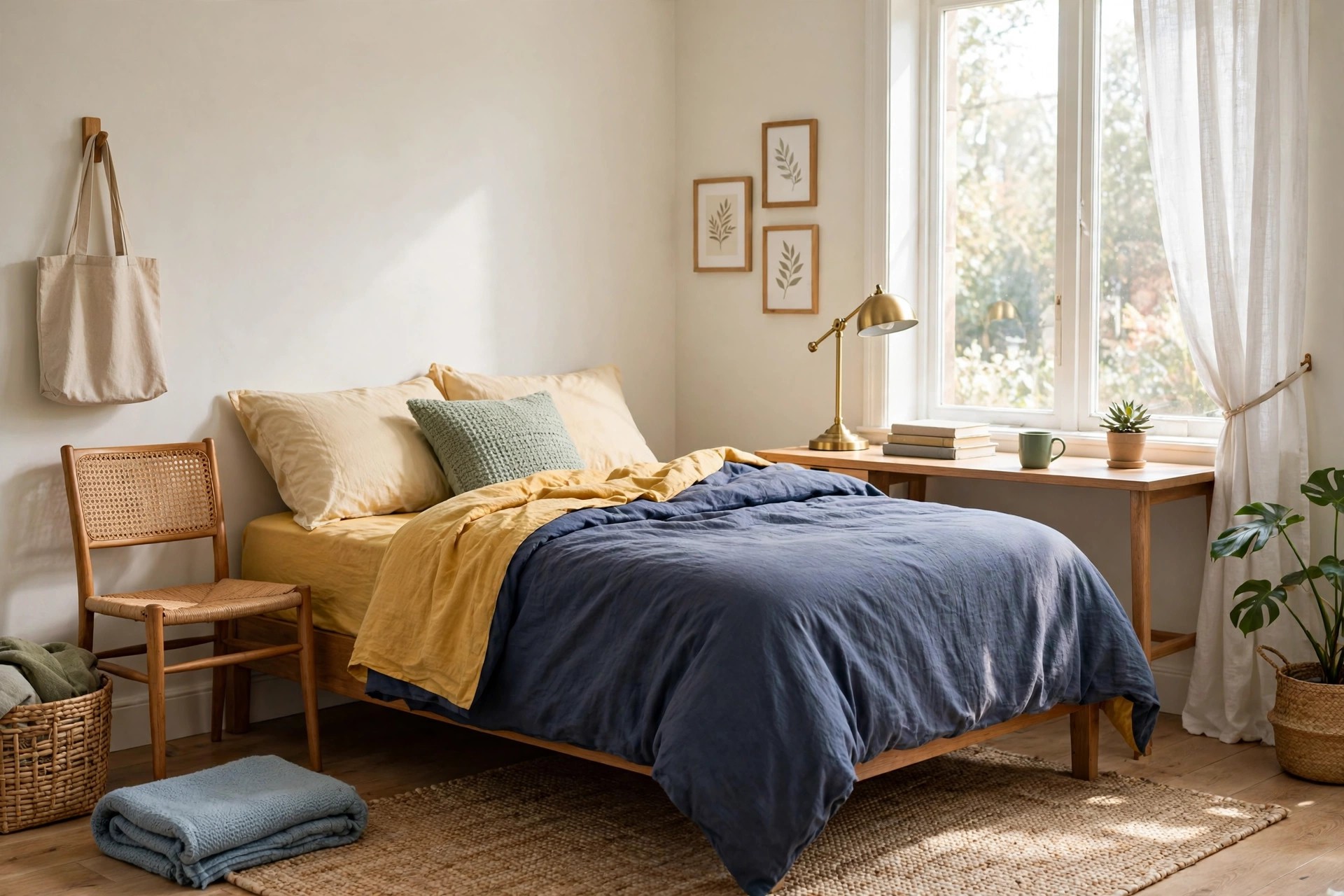
Before any money moves, walk the house with fresh eyes. Spare chairs, lamps, rugs, frames and plants often wait in other rooms, unloved and free.
Swapping a lamp from the spare room or a rug from the hallway can anchor the new look and save a third of the budget for the hero piece.
Let your teen do the hunting. A chair they rescued from the garage feels like a find; the same chair suggested by a parent feels secondhand.
Try swaps in place for a day before committing. Living with the arrangement beats imagining it, and returning a swap costs nothing at all.
Whatever does not work goes back without fuss. The rule is try first, buy later, and it applies to parents’ suggestions most of all.
10. Tape the Layout on the Floor Before Moving Furniture
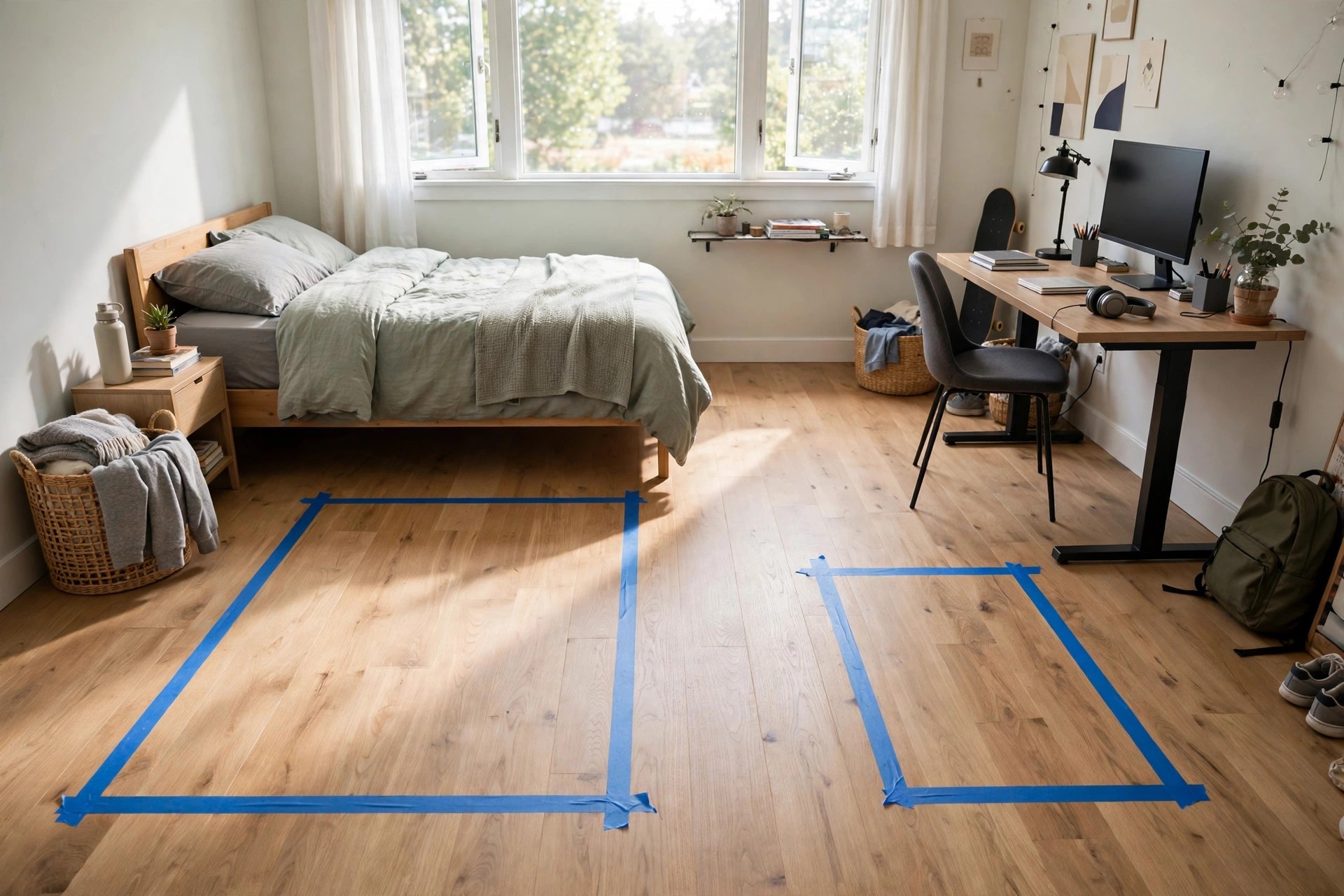
Teen layout ideas often sound wild until they are taped on the floor, when half of them turn out to be genuinely better than the current setup.
Mark each big piece at full size with painter’s tape. Walk the routes, open the door and drawers, and sit where the bed would go.
Live with the tape for a day if you can. Stepping over fake furniture on real trips to the bathroom reveals flaws no sketch shows.
Only then move the real pieces, once, into a tested plan. One move day protects backs, walls and family patience in equal measure.
If the taped plan fails, the cost was a roll of tape. That cheap failure is the entire point of testing before lifting.
11. Spend on One Hero Piece and Keep the Rest Simple
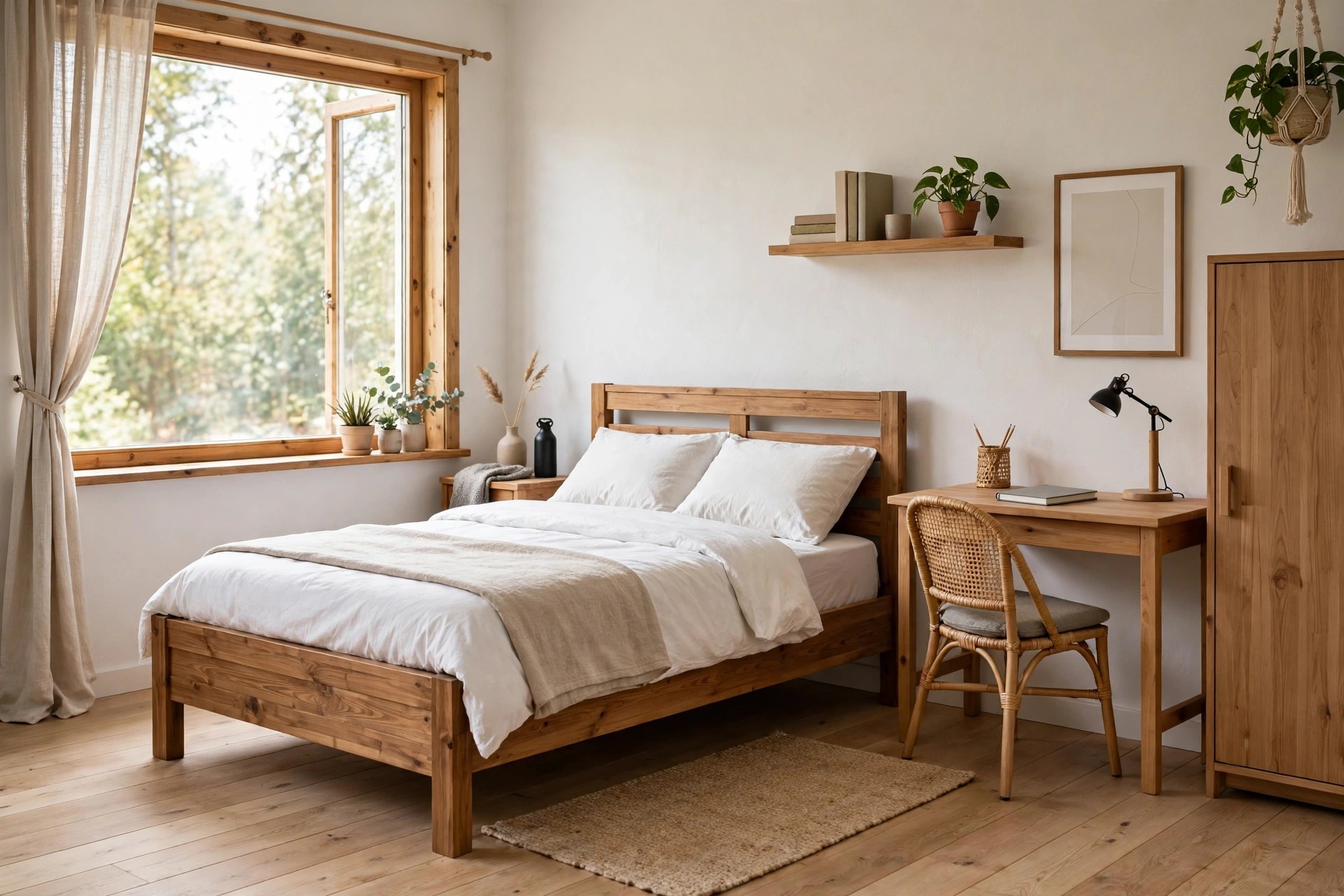
Rooms read as designed when one piece carries the show. Help your teen pick one hero: the bed frame, a great chair, or a bold rug.
The hero gets the biggest share of the budget. Everything else goes simple, plain and cheaper, which makes the hero look even better by contrast.
Wall art is the classic supporting act. These bedroom wall art ideas for teenage boys show how much look plain prints add for little money.
Resist upgrading two pieces at once. Two heroes fight, budgets burst, and the room ends up loud instead of confident.
A hero your teen chose and saved toward gets looked after. Ownership changes how carefully a fourteen-year-old treats a chair.
12. Ban Same-Day Impulse Buys With a Wish List
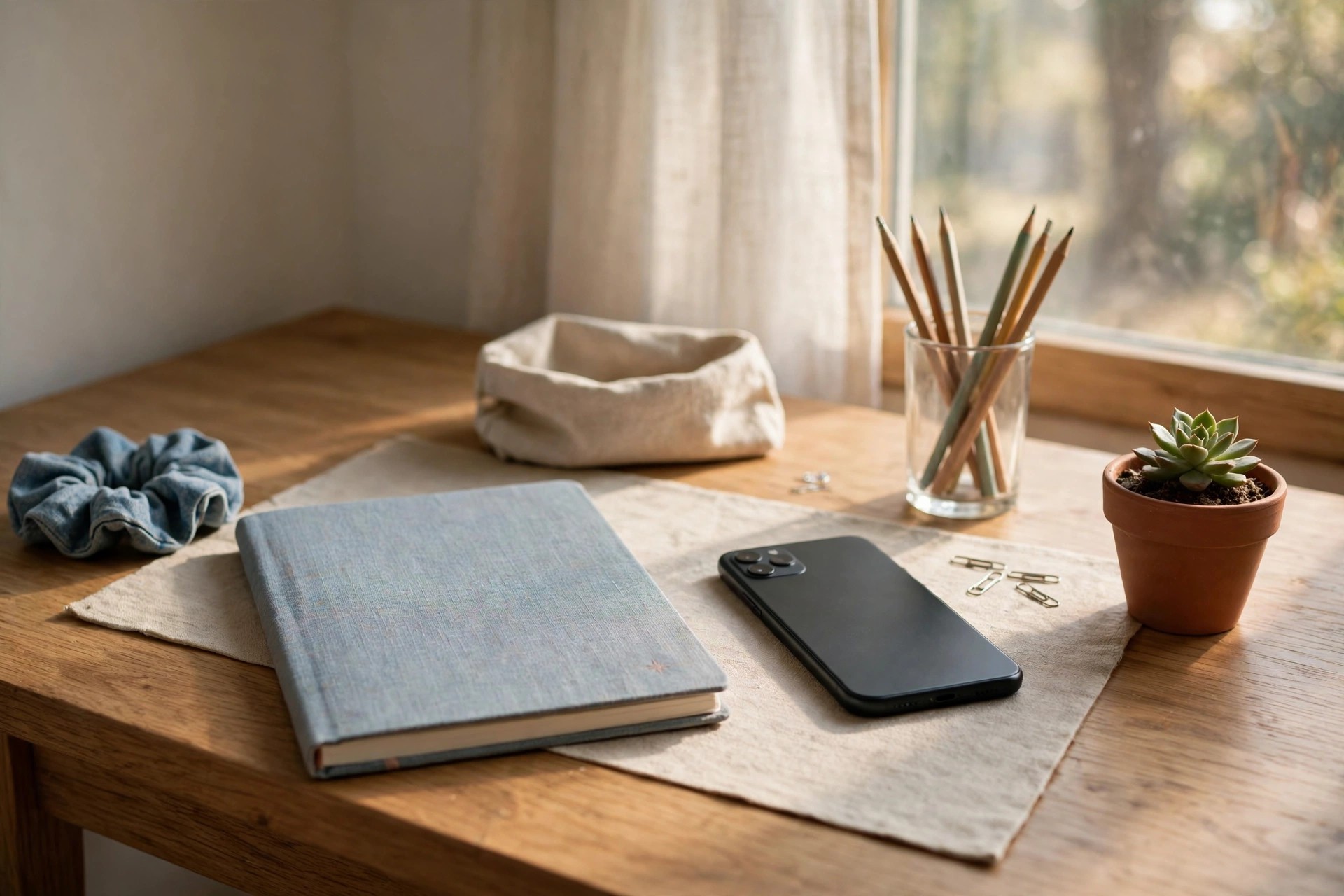
Shops are engineered to make everything feel urgent. A written wish list breaks the spell: if it still matters in a week, it earns discussion.
Any unplanned find goes on the list with its price. The list lives on the fridge or the notes app where both of you can see it.
After a week, most items quietly drop off by themselves. The survivors are real wants, and the budget conversation about them is calmer.
This rule binds parents too. No surprise lamps appearing because they were on offer. Fair rules survive; one-sided rules get sabotaged.
Wish lists also solve birthdays. Relatives asking what to buy get real answers, like the makeover gifts in teen bedroom ideas for a birthday room makeover gift.
13. Tie the New Room to a Simple Care Agreement
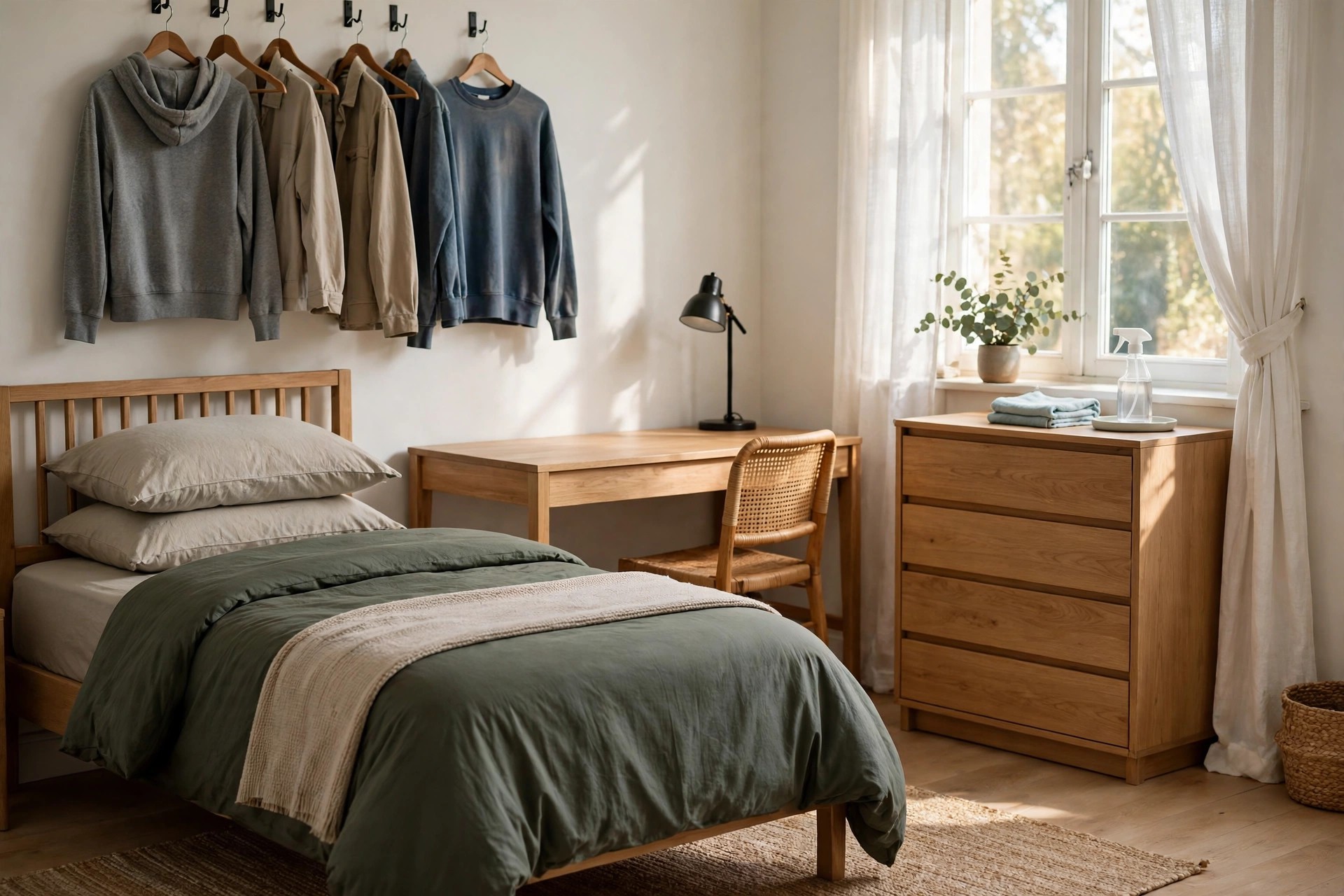
A teen who chooses a room should help keep it. Agree the care basics at the start, while goodwill is high and the paint is still wet.
Keep the list short and visible: bed made most days, floor clear at night, laundry out on the set day, desk reset before bed.
Phrase it as protecting their choices. White bedding they picked stays white because drinks live at the desk, not because a parent said so.
Review after a month, not daily. Nagging erodes the whole project, while one calm monthly check keeps standards without a running commentary.
If care slips, the consequence agreed in advance applies, calmly. Consequences invented mid-argument feel like punishment and poison the next project.
14. Photograph the Room and Edit It Together
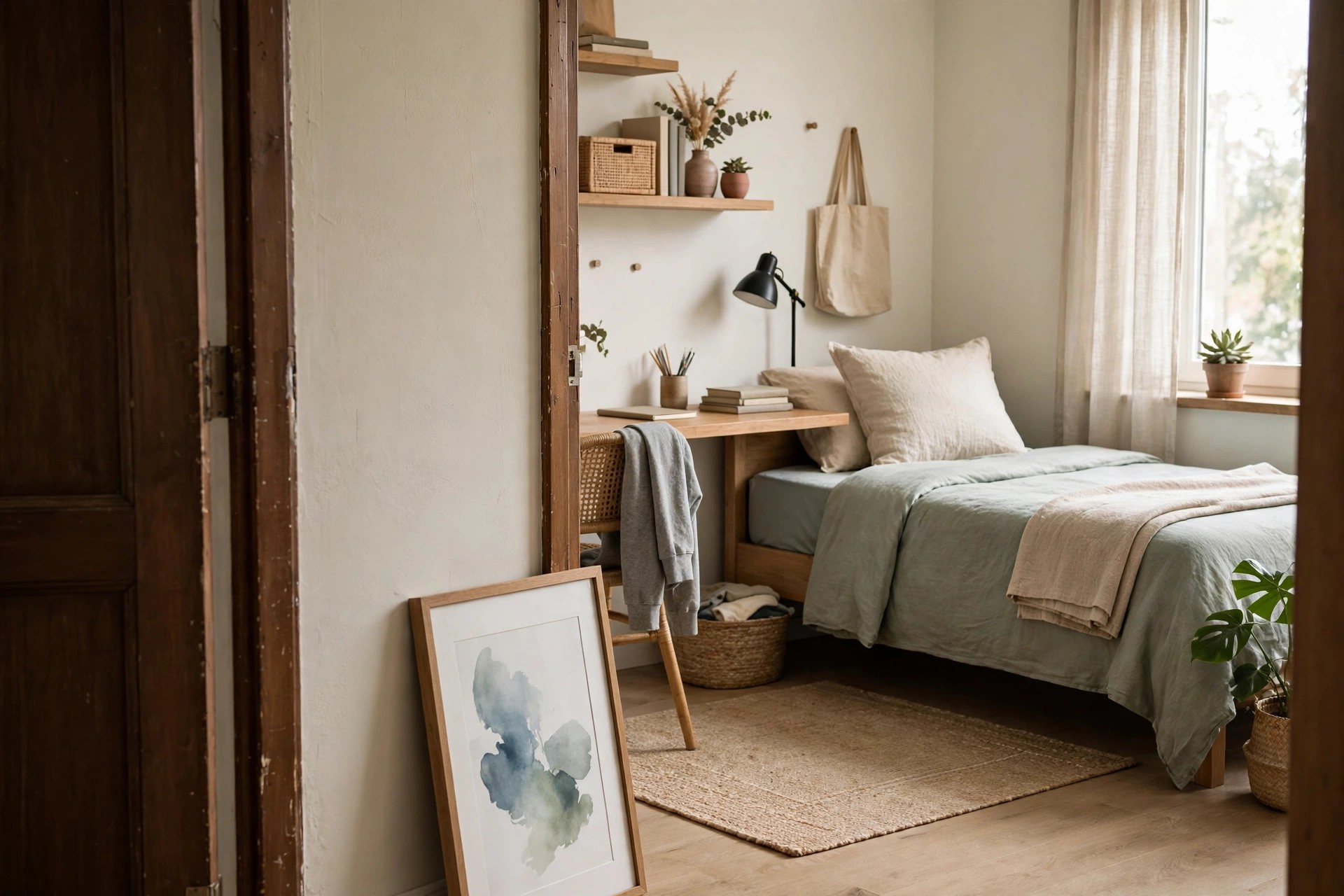
When the room is done, photograph it from the door together. Photos show what eyes forgive: the crowded corner, the one thing that jars.
Pick two or three small edits from the photo, together. Move one item, remove one item, adjust one height. Small edits, big difference.
Your teen leads the edit choices too. It is the last step of the design process, and it teaches them the skill pros use most: taking things away.
Keep the final photo on both phones. On messy days it is the reset target, and on proud days it is the one they send to friends.
Rooms in these dream bedroom ideas for teens all share that edited quality: nothing extra, everything placed on purpose.
15. Set a Revisit Date for the Next Change
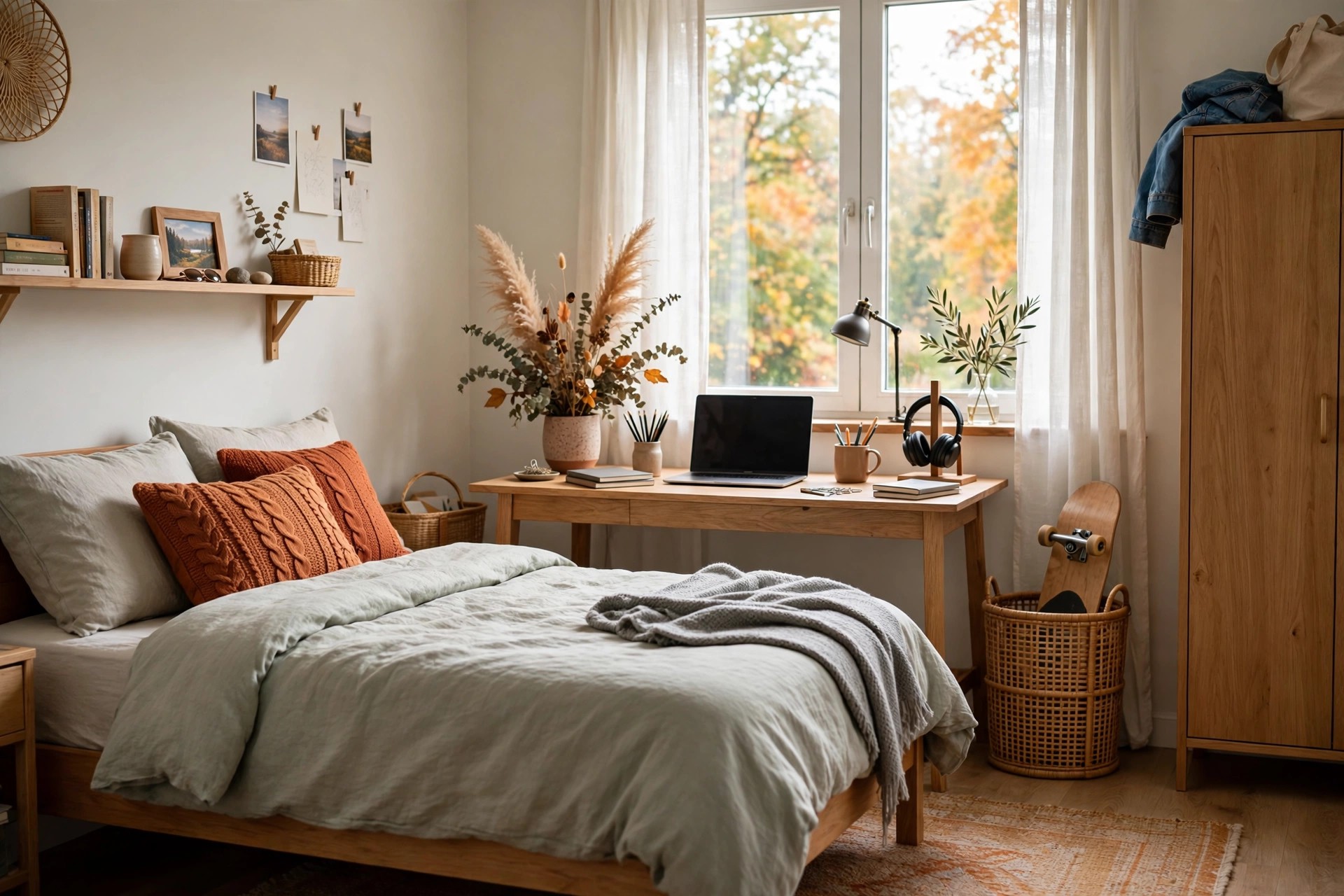
Tastes at fourteen rarely survive to sixteen. Agreeing a revisit date now, say in twelve months or at the next birthday, takes the pressure off forever choices.
Small swaps are allowed anytime within the rules: posters, cushion covers, photo strings. Big changes wait for the revisit, which protects the budget and the walls.
A revisit date makes saying yes easier today. A bold color is easier to allow when everyone knows it has a review date, not a life sentence.
Put the date in the family calendar where it will actually be seen. A promise with a date is a plan; a promise without one is a hope.
When the date comes, run the same rules again. By then your teen will run most of the process, which was the real goal all along.
Knowing how to let your teen choose decor without losing the plot comes down to order: budget and roles first, their taste leading inside them, buying last.
Start with the notebook conversation this week, before any shop visit. If these rules helped, save them to Pinterest for the next room project.


