

Small Bedroom Ideas: Space-Saving Designs for a Cozy, Stylish Retreat
Small bedrooms can be a challenge when it comes to maximizing space, but they can also be transformed into cozy and stylish retreats with the right design approach. Whether you’re living in a studio apartment, a small home, or just trying to make the most of a compact bedroom, the key is to make smart design choices that create the illusion of more space while adding personality and comfort. In this article, we’ll explore a variety of small bedroom ideas, space-saving designs, and clever tricks that will help you optimize your bedroom and create a stylish, functional, and comfortable environment.
1. Embrace Multi-Functional Furniture
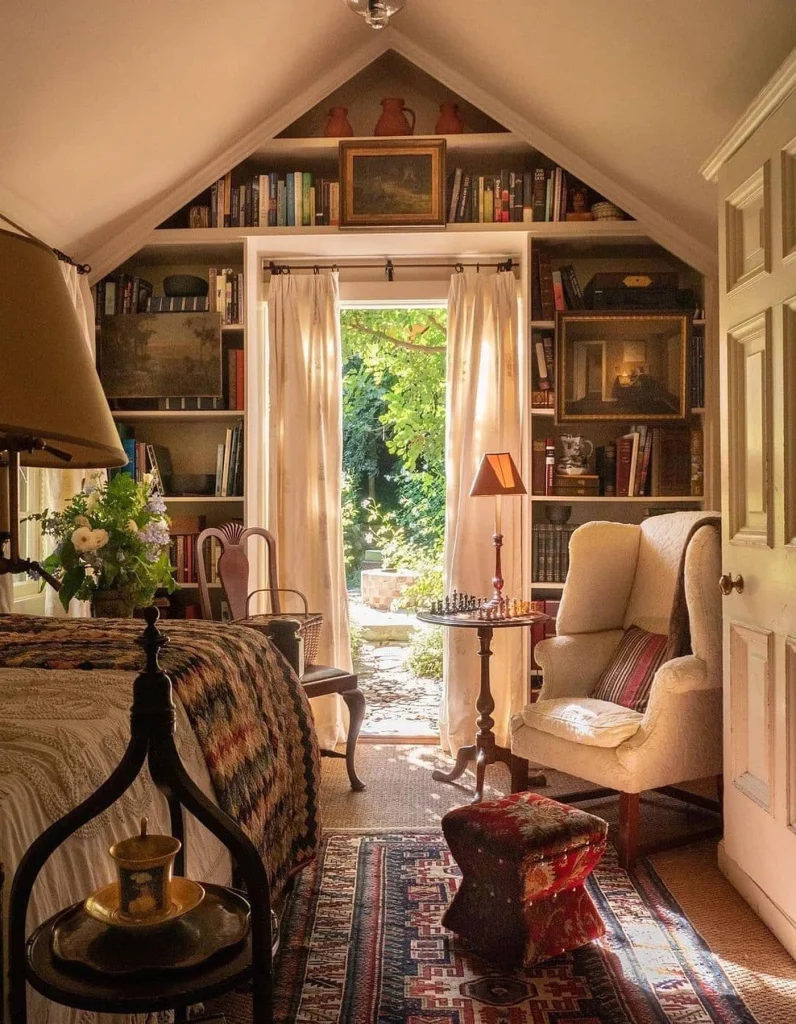
When dealing with a small bedroom, every piece of furniture must earn its place. Multi-functional furniture is your best friend in this scenario. Look for pieces that serve more than one purpose, such as a bed with built-in storage, a fold-out desk, or a nightstand that doubles as a dresser. These types of furniture help free up valuable space, reduce clutter, and keep your room feeling organized.
- Storage Beds: Choose a bed with built-in drawers or a lofted bed that provides space underneath for a desk, seating, or additional storage.
- Foldable Furniture: A foldable desk or chair can be tucked away when not in use, giving you more floor space during the day.
- Convertible Sofa-Bed: If your room doubles as a guest room, a convertible sofa-bed is an excellent option for saving space and providing seating during the day.
Tip: Invest in furniture pieces that are proportionate to the size of your room. Avoid bulky or oversized items that overwhelm the space.
2. Use Light Colors to Open Up the Space

One of the easiest ways to make a small bedroom appear bigger and more open is by using light colors on the walls, furniture, and bedding. Lighter shades reflect more natural light, which helps the room feel airier and more spacious. Soft whites, pale greys, light blues, and neutral tones work wonders in small rooms.
- Walls: Opt for soft, light-colored walls like light grey, off-white, or pale pastel shades.
- Furniture and Bedding: Keep the furniture light in color, especially large pieces like the bed frame or wardrobe. Choose neutral or light-colored bedding to maintain the airy feel.
- Accents: You can use accent colors like muted greens, blues, or blush pinks in small doses, such as through throw pillows, rugs, or curtains, to add depth without overwhelming the room.
Tip: If you love darker colors, consider using them on one accent wall, as it creates a focal point without closing in the space.
3. Maximize Vertical Space with Tall Furniture

When your bedroom is limited in floor space, it’s essential to look up. Tall furniture pieces, such as vertical bookshelves, wardrobes, and shelving units, draw the eye upward and help keep the floor area clear. These vertical pieces allow you to store items like books, accessories, and clothing while preserving precious floor space.
- Shelving Units: Install floating shelves above the bed or along the walls to store and display books, decorative objects, or plants.
- Vertical Storage: Use tall wardrobes or cabinets to store clothes and accessories vertically, rather than using wider furniture that takes up more floor area.
- Wall Hooks and Racks: Wall-mounted hooks or racks near the door or on the back of the bedroom door provide additional storage for coats, hats, or bags.
Tip: Avoid heavy, dark furniture in small rooms. Opt for lighter wood or metal pieces to keep the room feeling open.
4. Incorporate Mirrors for Light and Space

Mirrors are a secret weapon in small bedroom design. Not only do they make a room feel bigger, but they also reflect light, making the space feel brighter and more inviting. Consider adding large mirrors, mirrored furniture, or even smaller decorative mirrors around your room to enhance the illusion of space.
- Large Mirrors: A large mirror placed on one wall can give the room a sense of depth, making it feel more spacious. Position it opposite a window to maximize natural light.
- Mirrored Furniture: If you’re after an elegant touch, consider mirrored furniture pieces, such as a mirrored nightstand or dresser, that reflect light and add a glamorous touch.
- Decorative Mirrors: Smaller decorative mirrors can be placed above your bed, next to windows, or in a gallery wall setup to create visual interest.
Tip: Choose mirrors with slim frames to avoid overwhelming the space.
5. Opt for Sliding Doors and Curtains

Traditional doors can take up valuable space, especially in small rooms. Replace hinged doors with sliding doors for your closet or bathroom to maximize floor space. Sliding doors move along a track, which eliminates the need for clearance space to open the door fully.
- Sliding Closet Doors: Install sliding doors on your closet to avoid the need for swing-out doors, which take up floor space when opened.
- Curtains Instead of Doors: For an even more space-saving solution, consider using curtains instead of doors to enclose your closet or even separate different areas of your room.
Tip: Choose curtains that match your room’s color scheme to create a cohesive look and add a soft, cozy element.
6. Keep the Floor Clear with Floating Furniture

Another effective way to make a small bedroom feel less cramped is by choosing floating furniture. Floating furniture refers to pieces that are elevated off the floor, such as a floating desk, bedside tables, or even a bed with legs. This design trick creates the illusion of more space by allowing light and air to flow beneath the furniture, making the room feel less heavy.
- Floating Bed: A bed with a simple frame and open space underneath can make the room feel less cluttered. Use the space under the bed to store boxes or bins for added functionality.
- Floating Nightstands: Floating nightstands can provide storage while keeping the floor clear, giving the room a more open, airy feel.
- Floating Shelves: Install floating shelves along the walls to store books or small decorative items without taking up valuable floor space.
Tip: Keep the space beneath floating furniture organized and tidy to maintain the feeling of openness.
7. Create Zones with Rugs and Furniture Placement
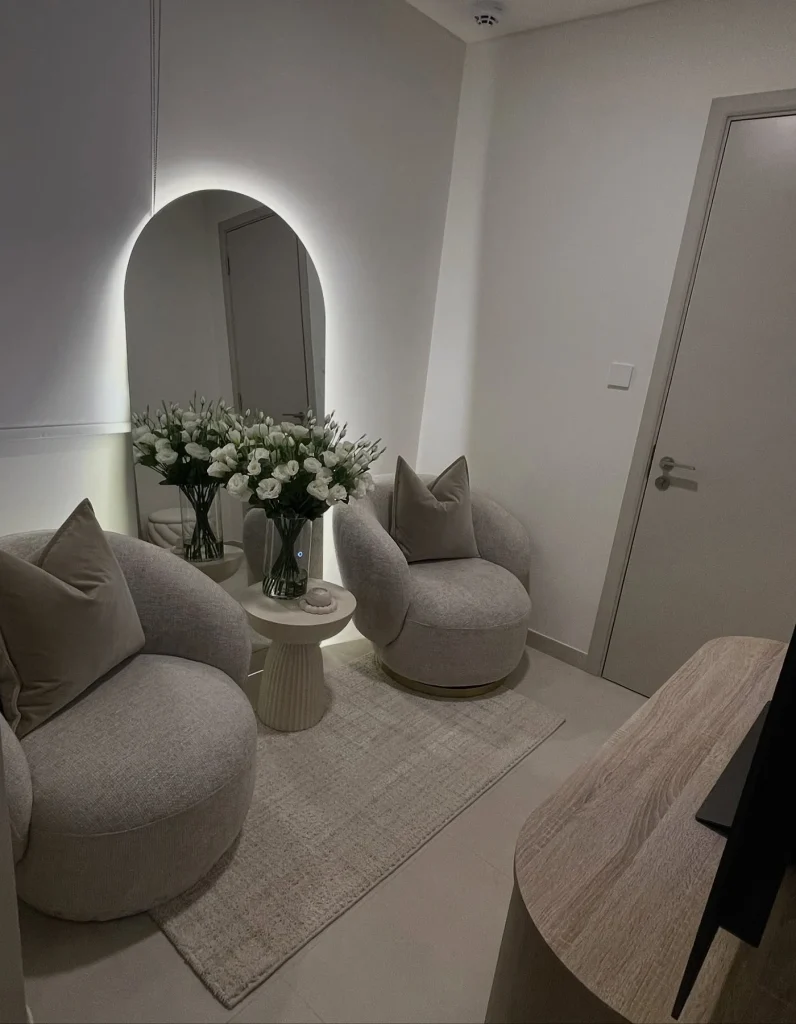
Even in a small room, you can create distinct zones for different activities by using furniture placement and area rugs. For example, create a cozy sleeping nook by positioning the bed in one corner of the room and then add a small seating area or workspace in another corner.
- Use Rugs to Define Spaces: A rug can visually define the sleeping area from the workspace or reading nook, even in a small room.
- Strategic Furniture Placement: Position your furniture so that it maximizes flow and avoids obstructing pathways. For example, placing the bed against the longest wall can free up more space for other furniture.
Tip: Choose a rug that’s large enough to fit under the bed and other furniture pieces to create a unified look.
8. Add Vertical Gardens or Greenery

Plants are a great way to add color and life to your small bedroom. Vertical gardens or hanging plants can be incorporated into your design without taking up precious floor space. You can use wall-mounted planters, hanging baskets, or even vertical racks to display your plants and add a touch of nature to your room.
- Hanging Planters: Install hooks or ceiling mounts to hang plants in baskets or pots.
- Vertical Plant Stands: Use a vertical rack or ladder-style plant stand to display multiple plants in a compact space.
Tip: Choose low-maintenance plants like succulents, snake plants, or pothos that don’t require too much care or space.
9. Declutter and Stay Organized

Clutter is the enemy of small spaces. A tidy and organized room feels much bigger and more comfortable. Use smart storage solutions such as under-bed storage boxes, baskets, or hidden storage in furniture. Keep only the essentials in your room and regularly assess what you truly need to avoid overcrowding.
- Under-Bed Storage: Store seasonal clothing, shoes, or extra linens in storage bins under the bed.
- Closed Storage: Opt for furniture that hides clutter, such as a storage bench, cabinets with doors, or stylish baskets.
Tip: Keep the room organized by regularly decluttering and creating a designated place for everything.
10. Personalize with Stylish Decor

While space-saving designs are important, your bedroom should also feel personal and reflective of your style. Choose a few statement pieces, such as artwork, throw pillows, or a statement light fixture, to add personality to the room without overwhelming it. Keep decor to a minimum to avoid creating a cluttered space.
- Artwork and Wall Decor: A piece of artwork or a gallery wall can add color and style without taking up any floor space.
- Textiles and Throws: Layer soft throw blankets and pillows on the bed to add warmth and texture.
Tip: Select decor that complements the color scheme and furniture to maintain a cohesive look.
Frequently Asked Questions
What are the best bedroom colors for relaxation?
Soft, muted colors like pale blues, soft greens, and neutral shades such as beige or gray can create a calming environment, perfect for relaxation.
How can I make a small bedroom look bigger?
To make a small bedroom feel larger, use light colors, minimal furniture, and mirrors to reflect light. Keep clutter to a minimum and opt for furniture with hidden storage.
What furniture should I include in a modern bedroom design?
For a modern bedroom, focus on sleek, functional pieces such as a platform bed, minimalist nightstands, and floating shelves for added space and style.
How do I incorporate lighting into my bedroom design?
Lighting plays a key role in setting the ambiance. Use a combination of ambient, task, and accent lighting. Consider pendant lights, wall sconces, or adjustable lamps to create the right atmosphere.
How can I add a personal touch to my bedroom?
Incorporate personal items such as artwork, photographs, custom bedding, or unique vintage finds to add personality and warmth to your bedroom design.
What’s the most cost-effective way to update a bedroom?
Focus on small but impactful updates such as adding new throw pillows, changing your bed linens, incorporating a fresh coat of paint, or adding an accent wall with wallpaper.
Can I mix different bedroom styles?
Absolutely! Mixing styles like modern and bohemian can create an eclectic yet harmonious space. Just ensure to blend colors, textures, and furniture in a balanced way.
Conclusion
Transforming a small bedroom into a cozy, stylish retreat requires thoughtful planning, smart furniture choices, and the right design elements. By embracing multi-functional furniture, using light colors, and maximizing vertical space, you can create an open, comfortable, and stylish bedroom that feels larger than its size. With these space-saving designs and ideas, you’ll be able to make the most of your small bedroom and turn it into a personalized sanctuary where you can relax and recharge.


