

15 Best Nesting Mixing Bowl Sets With Storage Lids
15 Best Nesting Mixing Bowl Sets With Storage Lids
Five loose bowls, three missing lids, a colander balanced on top and one cupboard door that will not close: that is how most small kitchens start their mornings, every single day of the week.
A nesting set fixes the stack first, then the storage, because every bowl earns a lid of its own and a place inside the largest one.
The test of a set is simple: can you mix, cover, chill and serve supper without washing a single extra dish?
Material and lid style decide that, so the notes below weigh steel, glass and plastic against the jobs you cook most.
This guide compares the best nesting mixing bowl sets with storage lids by material, lid fit and the jobs each size does well.
If you are stocking a kitchen from zero, start with our first apartment kitchen starter kit list, then add the bowl set that fits your shelves.
This post contains affiliate links. If you buy through them, we may earn a small commission at no extra cost to you. See our Affiliate Disclosure.
1. A Stainless Steel Set That Nests Into One Tall Stack
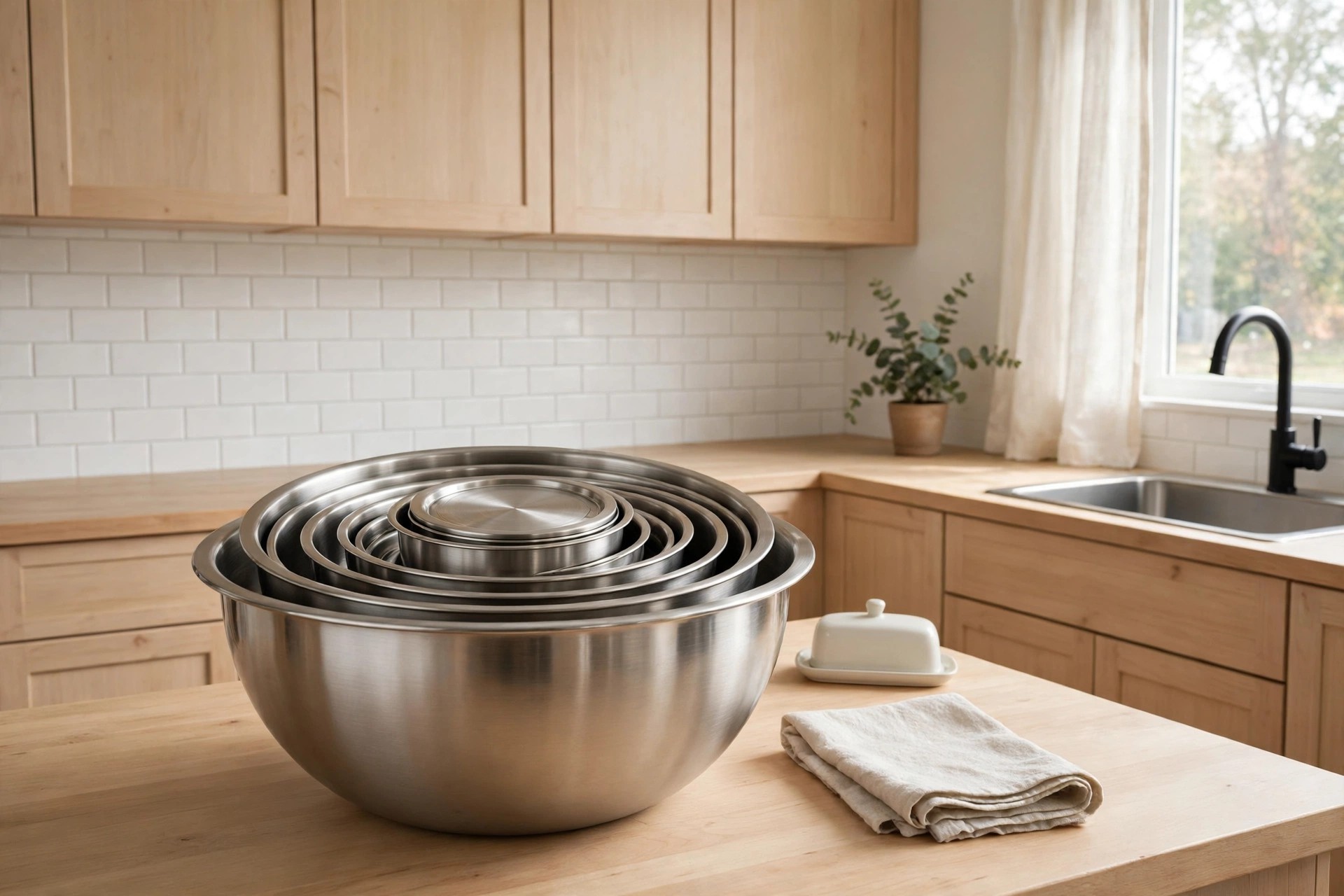
Steel bowls are light for their size, so a full set lifts out of a low cupboard without a two hand heave.
They shrug off hot pancake batter, cold salads and the odd drop onto a tiled floor without complaint.
One stack, one shelf slot, and the cupboard door closes again: that is the whole appeal in a small kitchen.
Dry the stack before you store it, since trapped drips between steel bowls can leave water marks overnight.
Steel will not hold the smell of last week’s onion soup, and it wipes clean without scrubbing.
A rolled rim gives the edge strength, so the bowl keeps its round shape through years of whisking.
2. A Steel Set With Snap On Lids for Fridge Storage
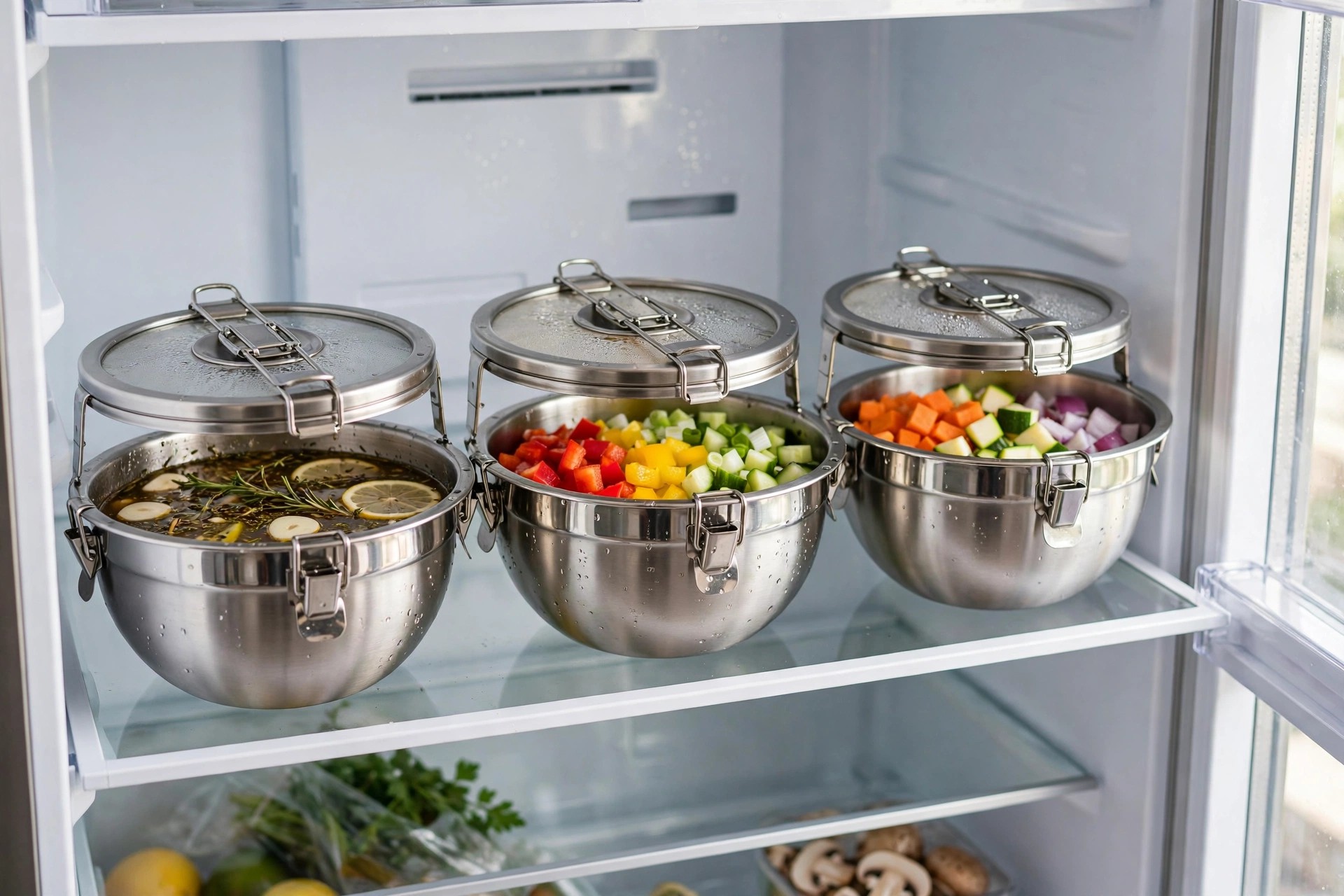
A lid that snaps on firmly turns the mixing bowl into tonight’s storage box, with no cling wrap wrestling.
Marinades, chopped onions and leftover batter can go straight into the fridge in the bowl they were mixed in.
Press the lid from the center outward, so the seal seats evenly and the rim does not lift at one corner.
Write the contents on a small piece of tape on the lid, and fridge shelves stop hiding mystery bowls.
Test each lid on its own bowl after the first wash, since heat can settle a lid into a slightly new shape.
Label lids with a dot of tape in size order until the matching pairs feel automatic to everyone.
3. A Glass Set You Can See Through at a Glance
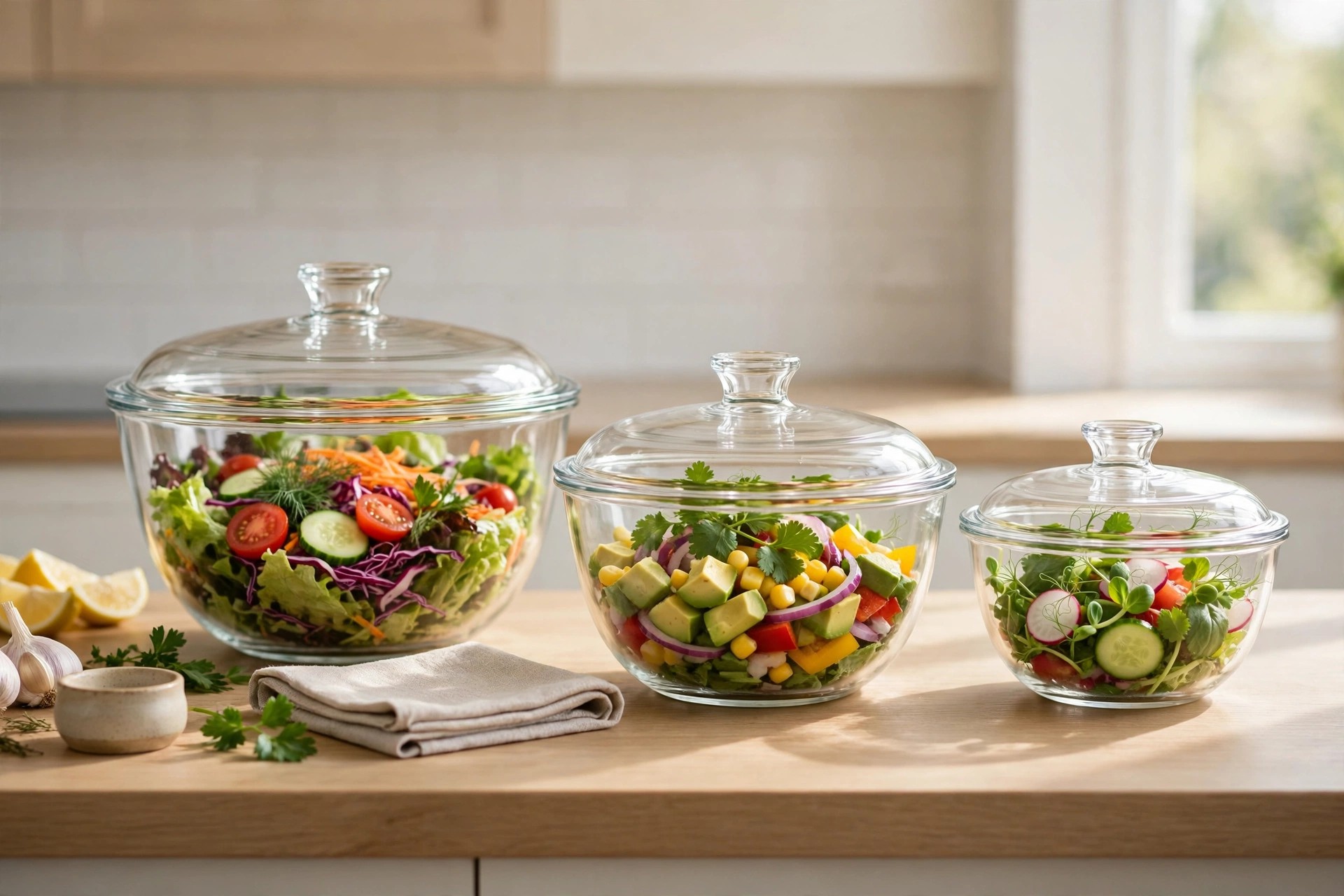
Glass bowls show you what is inside from across the room, which saves the open every lid fridge shuffle.
They also move from mixing to serving without a transfer, so a salad can stay in its bowl at the table.
Glass is heavier than steel or plastic, so store the stack low, where a lift stays short and safe.
Check rims for chips each wash, since a chipped rim is where a lid seal quietly starts to fail.
Glass bowls also show marinade coverage and dough rise through the wall, small helps that add up weekly.
Keep glass away from sudden cold after hot use, and let it rest on a cloth rather than a stone counter.
4. A Plastic Set That Keeps the Whole Stack Light
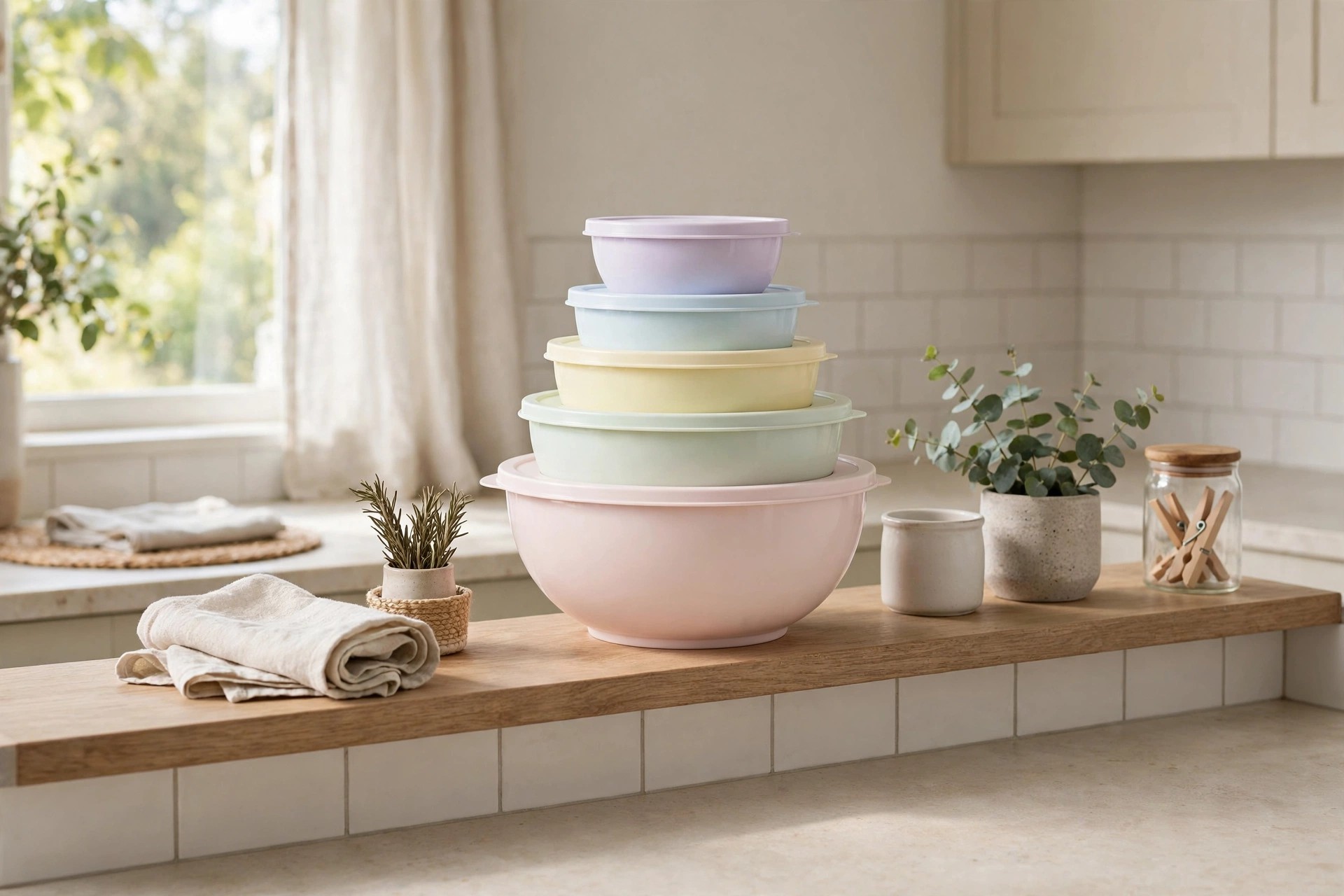
A light set suits high shelves and anyone who cooks with kids helping at the counter edge.
Modern food grade plastic handles daily mixing well, and it will not dent when it meets the sink tap.
Keep plastic bowls away from direct hob heat, and let hot soups cool a little before you pour them in.
Sets in soft colors read calmly on open shelves, which helps a small kitchen feel tidy at a glance.
Plastic sets suit renters and students well, moving house without the weight or the breakage worry of glass.
Tomato sauces can tint light plastic, so keep one darker bowl in the set for curry and ragù nights.
5. A Set With Non Slip Bases That Stay Put While You Whisk
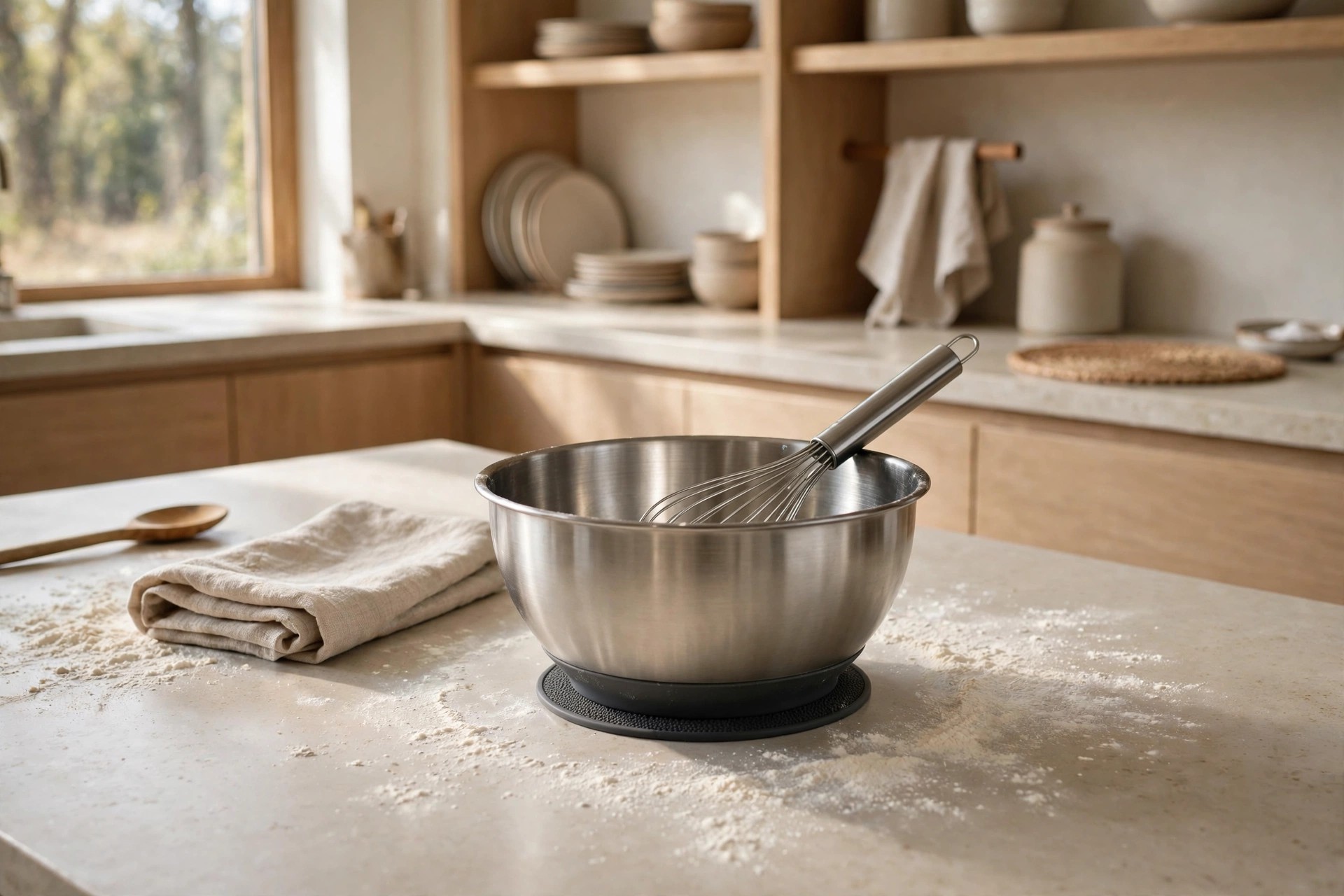
A thin ring of grip under each bowl stops the slow spin that sends flour across the counter.
That grip matters most with stiff doughs and whipped cream, where one hand is busy and the bowl must behave.
Test the base on your own counter if you can, since glossy stone and matte wood grip very differently.
Wipe flour dust off the counter first, because a dusty surface defeats even the best grip ring.
A grip base also helps older cooks and anyone mixing one handed while a child or a phone needs the other hand.
Sit the bowl on a damp folded cloth as backup on very smooth counters, a trick bakers have used for years.
6. A Set With Pour Spouts and Wide Carry Handles
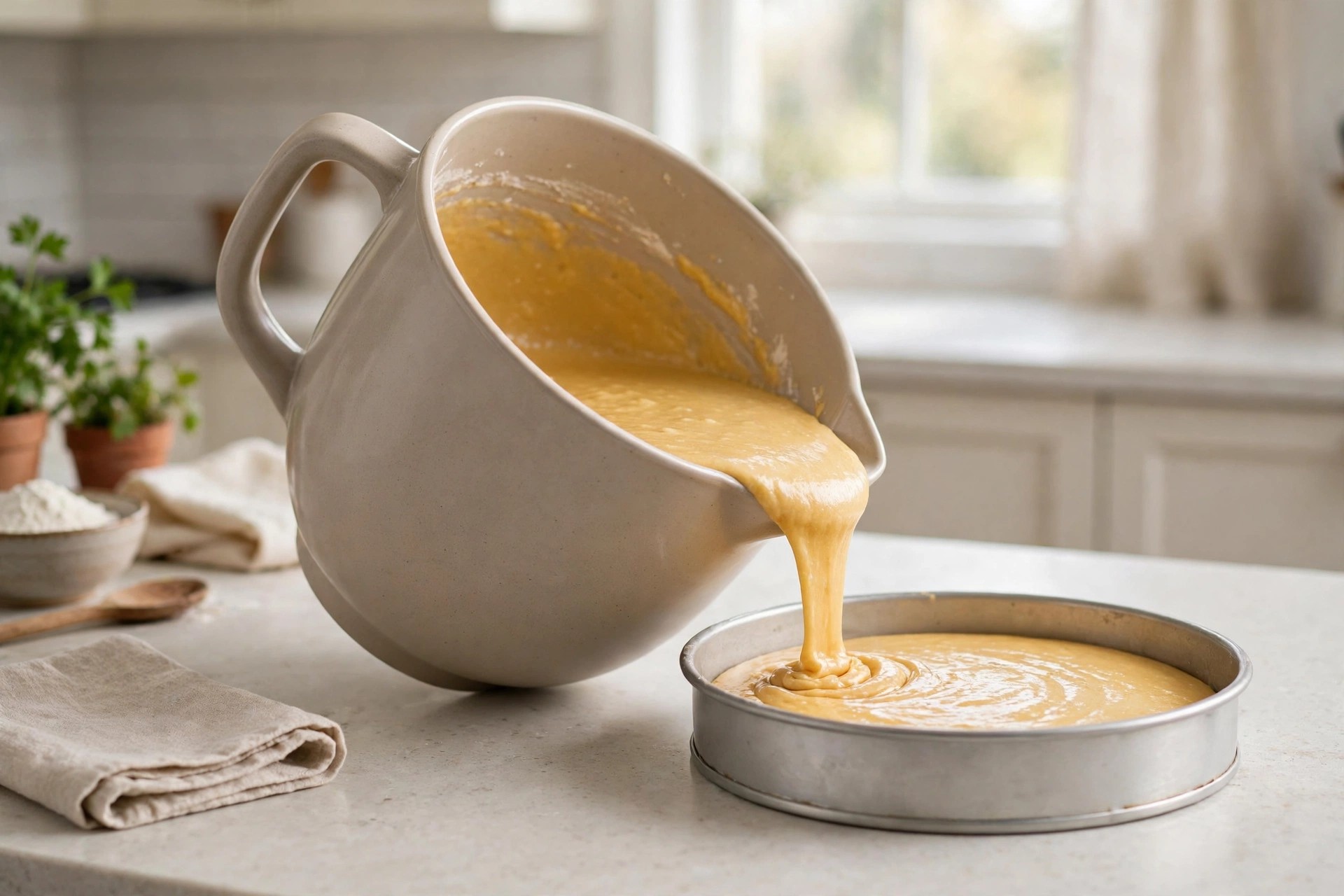
Batter that pours in a clean line lands in the tin, not across the stove top and your socks.
A shaped spout plus a wide handle gives you control when the bowl is full and heavy with mix.
Pour with the handle in your stronger hand and the spout over the center of the tin each time.
The same control helps with the tiny measures in our list of magnetic measuring spoons that nest together, where a steady hand counts.
Handles on both sides beat a single handle when the bowl holds a heavy fruit salad or a full dough.
Rest the spout over the tin and tilt slowly, letting the mix find its level before you pour faster.
7. A Set With Measurement Marks Molded Inside the Walls
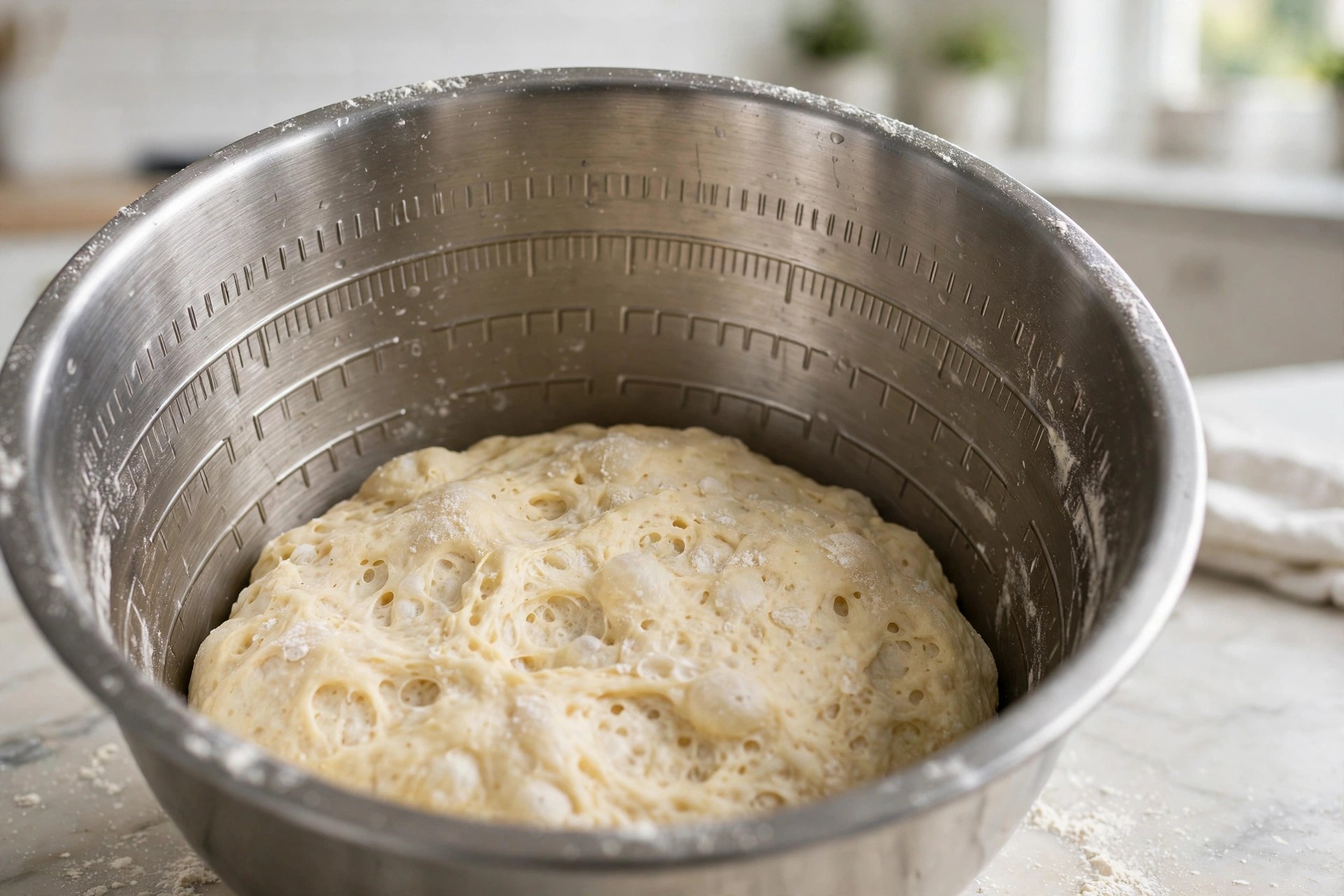
Marks inside the bowl end the guesswork when a recipe says to reduce a sauce or proof a dough.
You can watch dough rise against the lines and know at a glance when it has doubled in size.
Molded marks outlast printed ones, which fade after repeated washing and leave you estimating anyway.
Hold the bowl at eye level on a flat counter for a true and honest read, not tilted in one hand above the sink.
Marks in two scales, cups and milliliters, save a conversion search when a recipe comes from overseas.
Deep bowls hide the lowest marks under batter, so check the reading before the bowl fills past them.
8. A Four Bowl Steel Set With Lids That Store Flat on Top
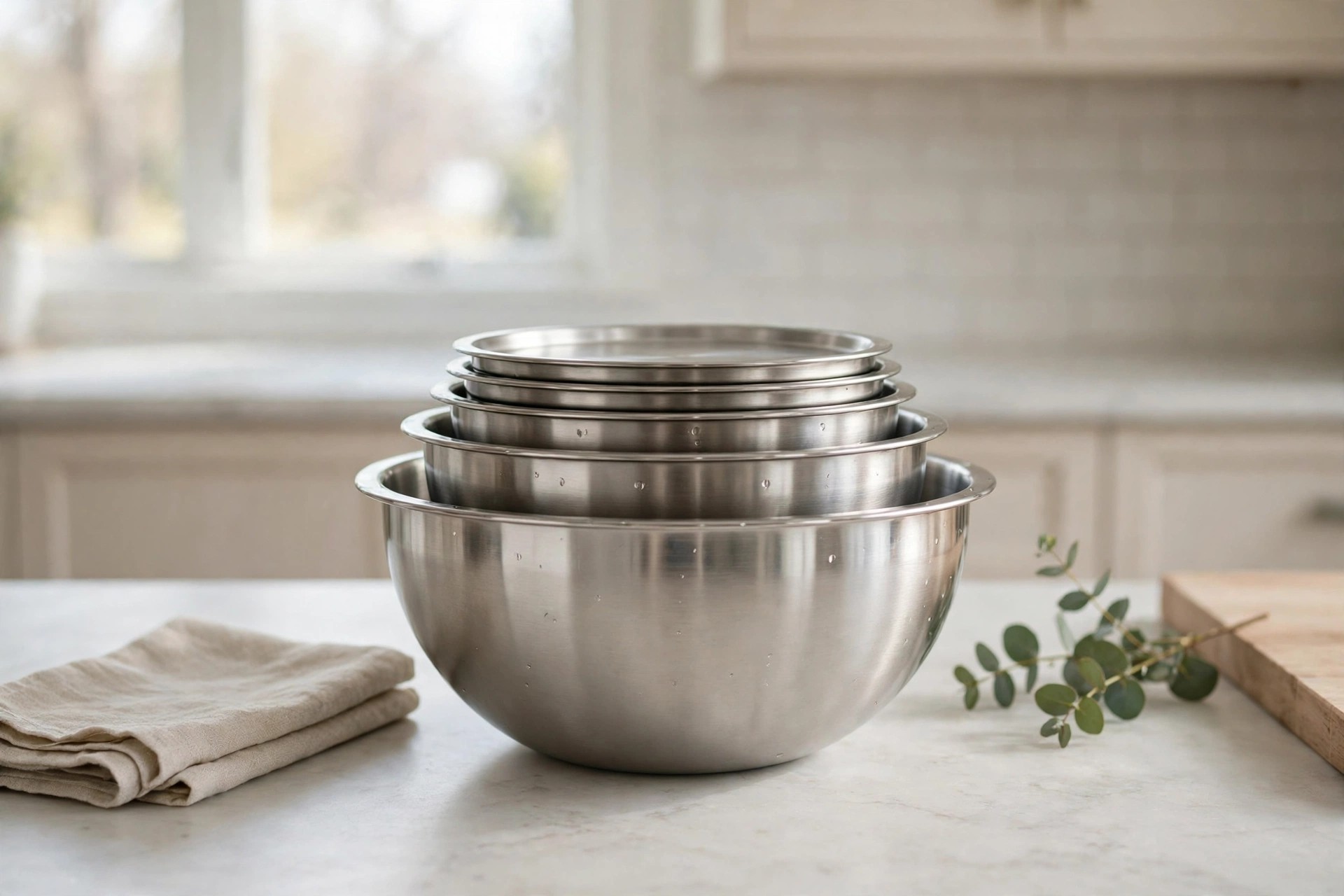
Some sets park every lid in a flat stack on the largest bowl, so no lid goes hunting in another drawer.
The Joseph Joseph Nest Prep and Store steel set works this way, and the maker lists four steel bowls with lids that nest together.
That one stack habit suits the narrow cupboards in our guide to small kitchen ideas for a first apartment, where every shelf is spoken for.
Keep the smallest bowl inside the stack for prep bits like chopped garlic, so it is always first to hand.
Steel bowls with lids also travel well to a shared kitchen or a holiday let, stacked as one sealed unit.
Wash the lids by hand if the maker advises it, since a warped lid ends the whole storage promise.
9. A Wide Shallow Bowl in the Set for Salads and Dough
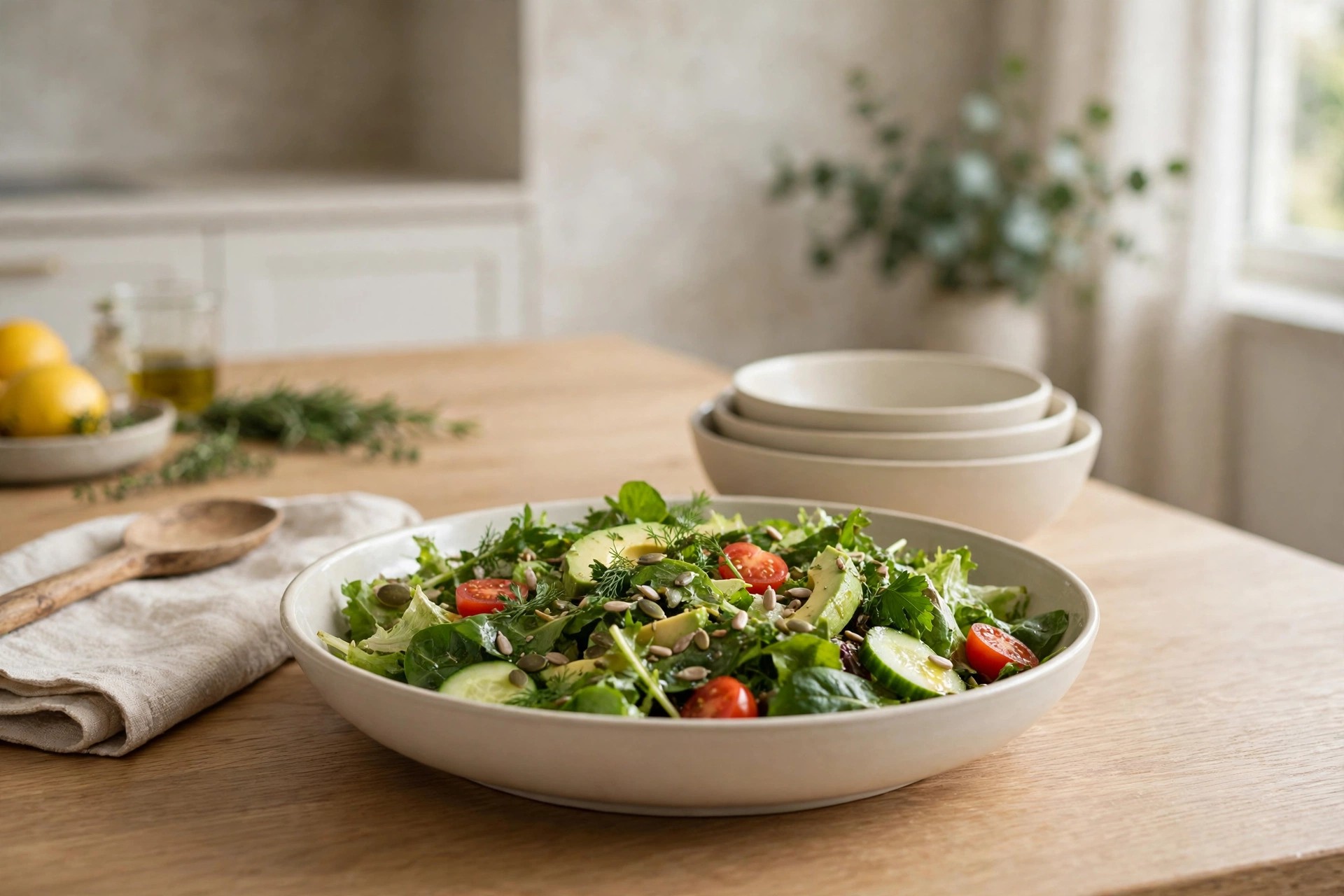
Not every bowl should be deep: a wide, shallow one gives dough room to fold and salads room to toss.
Leaves dress evenly when they can move, instead of packing into a deep bowl and bruising at the base.
Use the wide bowl as your serving piece too, and one less dish needs washing after the meal.
Store it at the bottom of the stack, where its broad base steadies the bowls nested above it.
The wide bowl earns counter room at summer meals, holding a salad that would swamp a deep bowl.
Chill the wide bowl before serving cold dishes, and salads stay crisp through a long table lunch.
10. A Small Prep Bowls Add On for Garlic, Herbs and Spices
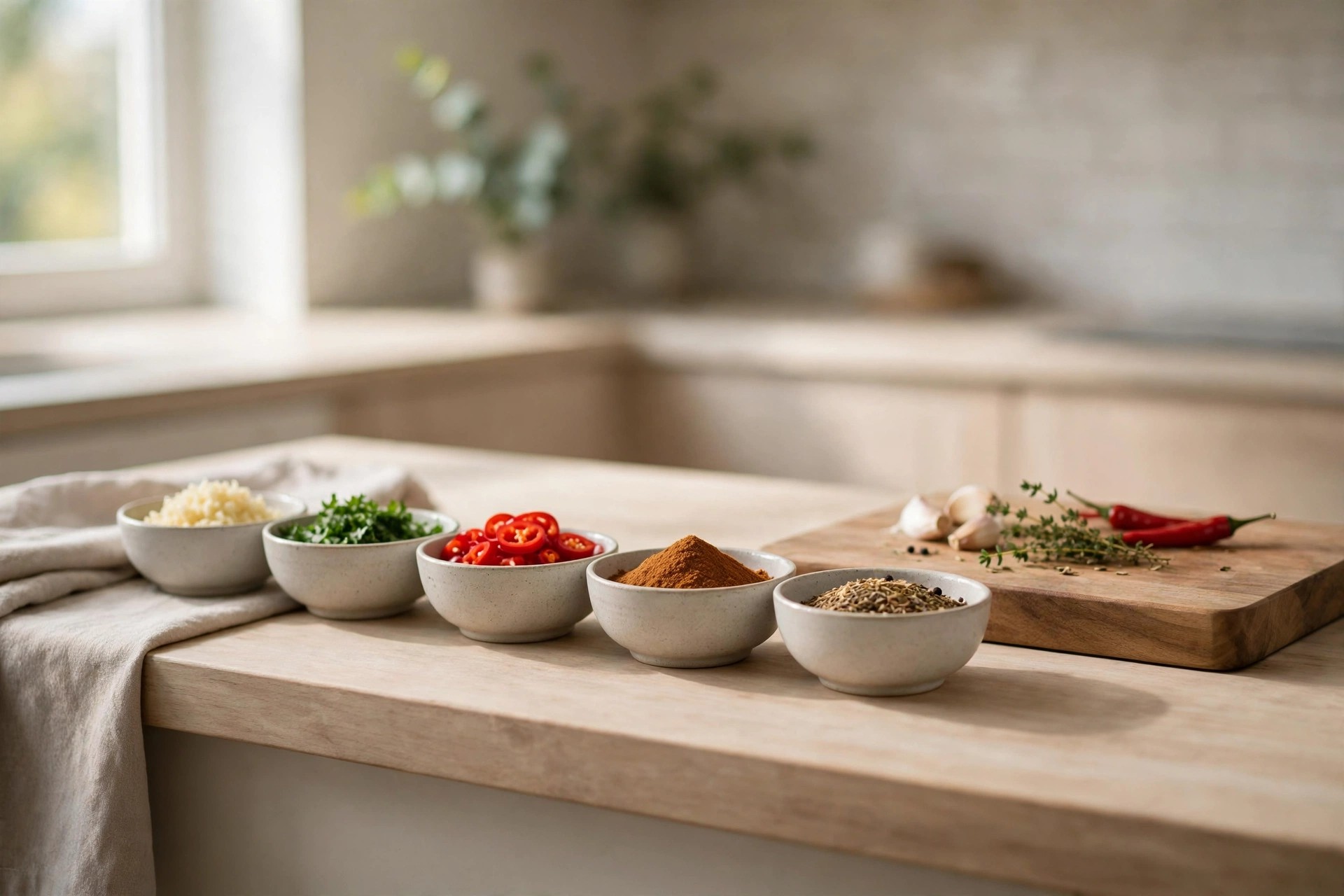
Tiny bowls lined up before you start cooking keep a fast recipe calm, since nothing needs chopping mid fry.
Garlic, chili, herbs and spices each get a bowl, and the main bowls stay free for the big jobs.
Little bowls with lids also hold half a lemon or a knob of ginger neatly in the fridge door.
Wash them in one batch in a tub, the way our collapsible dish tubs for small sink washing up guide handles a crowded sink.
Prep bowls in a row also keep a stir fry calm, since each sauce and spice lands in the pan in order.
Stack the empties as you cook, and the wash up shrinks to one small pile beside the sink.
11. A Set With Airtight Lids for Marinades and Leftovers
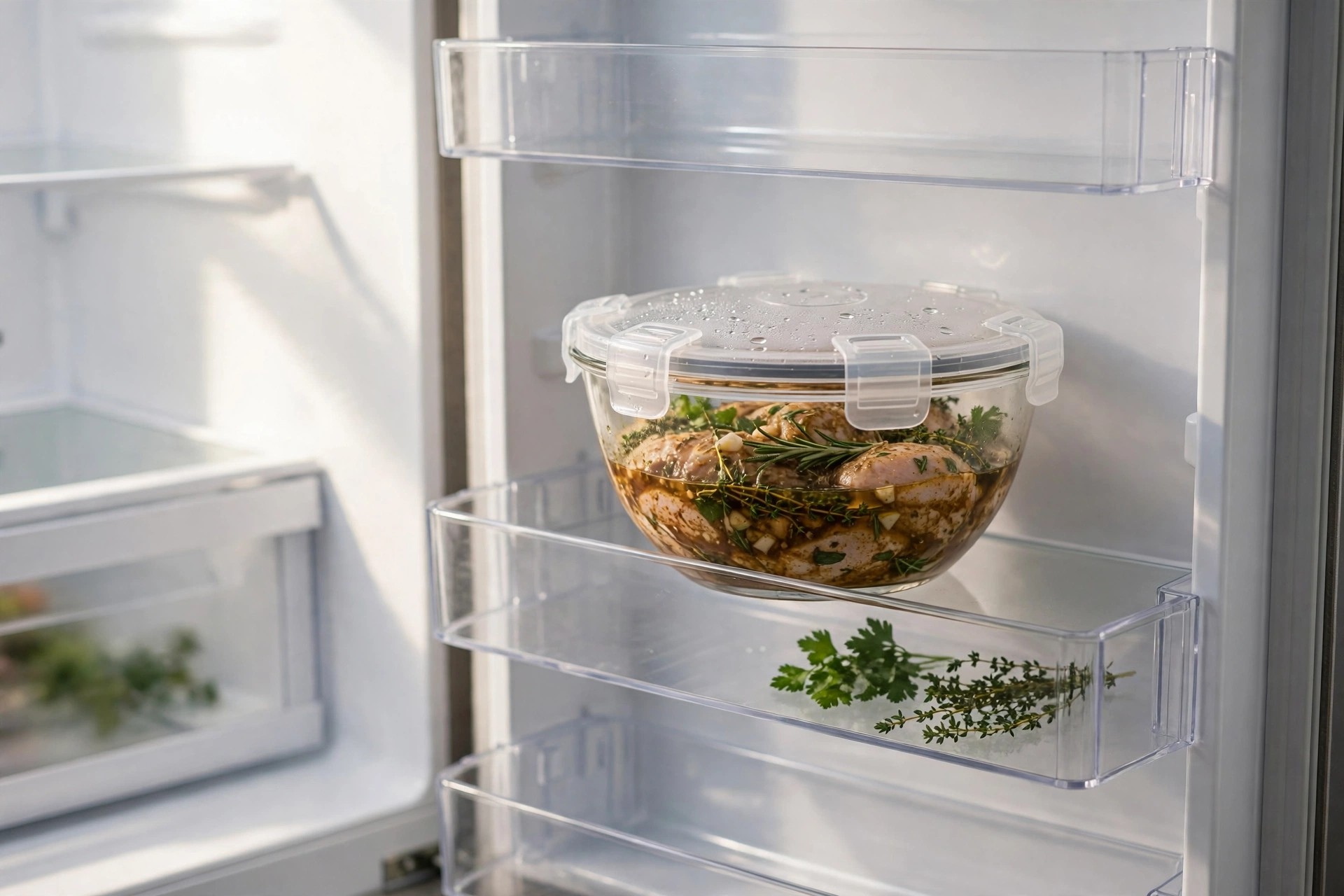
A firm seal keeps marinade smells inside the bowl and fridge smells out of your leftover rice.
It also makes a bowl safe to carry to a friend’s house, lid down in a bag without leaks.
Burp the lid once after sealing warm food, letting steam out so the seal is not pushed loose overnight.
Cool food before you seal it for storage, since trapped steam softens crisp edges and dulls fresh herbs.
Airtight lids vary, so test the seal with water over the sink before you trust it with a soup run.
Store strong smelling food in the smallest bowl that fits it, so less air sits above the food.
12. A Color Coded Set Where Each Size Has Its Own Shade
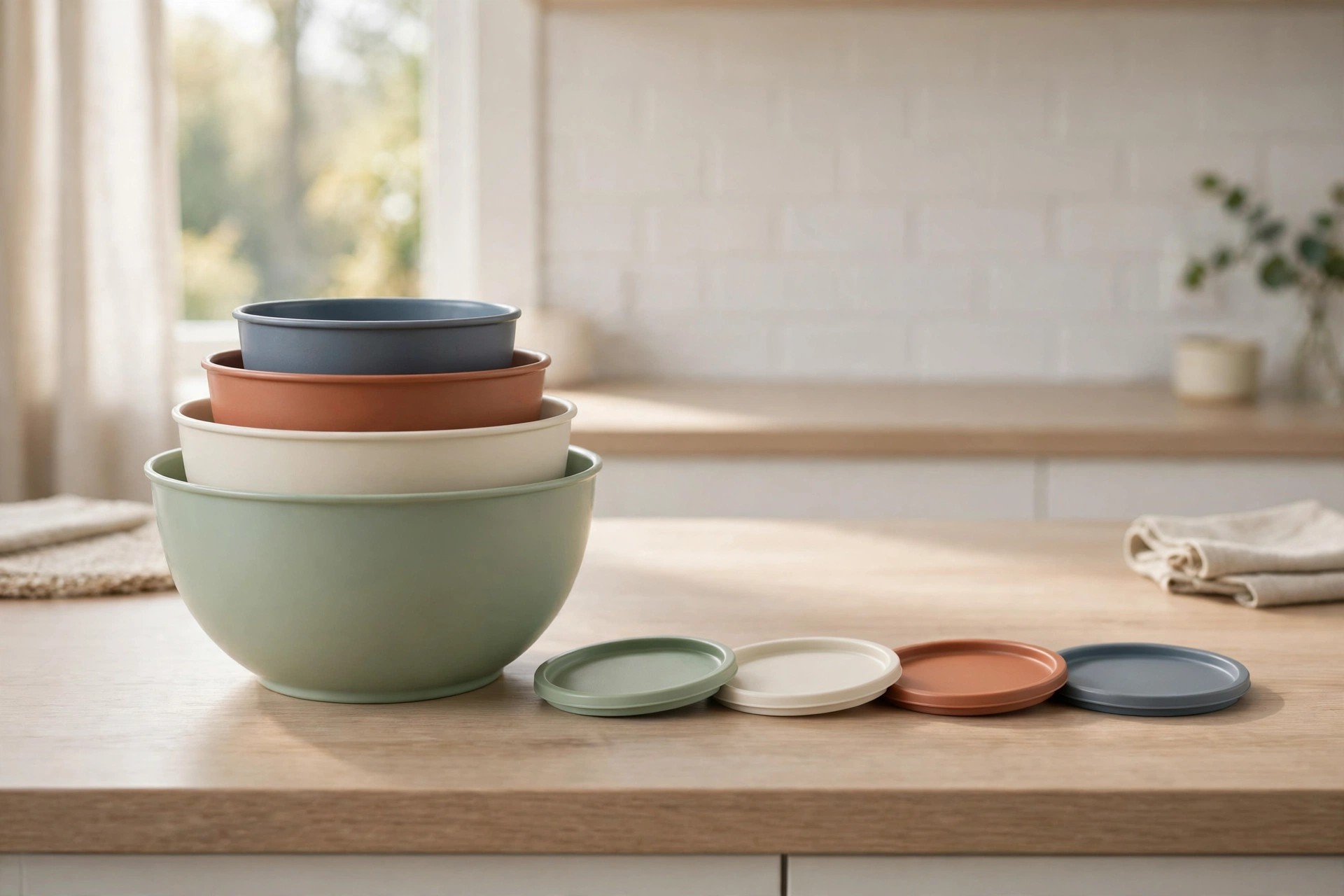
Color coding sounds playful until you are tired and reaching for the mid size bowl without thinking.
One glance tells you which bowl is which, and housemates learn the system without a single label.
Matching lid colors end the rim testing ritual, where four near fit lids get tried on one bowl.
Keep the shades in one family, soft or bright, so open shelving still looks calm, ordered and easy on the eye at breakfast.
Guests learn a color system without being told, which keeps a shared kitchen running kindly.
Keep one spare lid in the set’s color family if you can, since a lost lid orphans a good bowl.
13. A Set Sized for a Single Deep Drawer Instead of a Cupboard
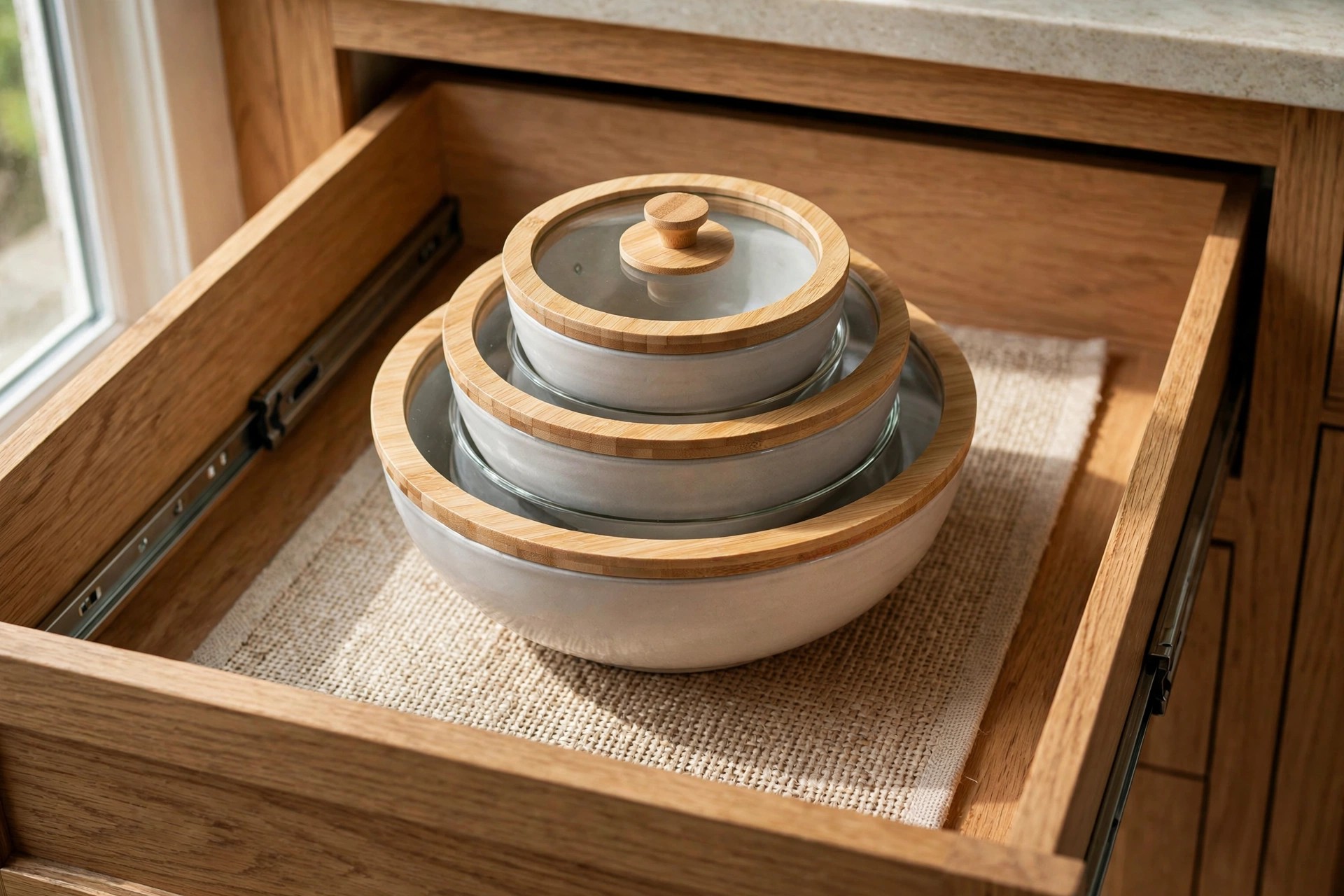
A deep drawer under the counter can hold a whole nested set, pulled out at hip height with no stretching.
Measure the drawer depth first, then choose a stack whose total height leaves a finger of clearance.
Line the drawer base with a thin mat, so the stack stays put when the drawer shuts firmly.
Our notes on kitchen storage ideas for apartments with no pantry cover more drawer first layouts like this one.
A drawer stack needs bowls that nest low, so check the total stack height with every lid in place.
Pull the drawer slowly the first week, until you trust how the stack settles against the mat.
14. A Microwave Friendly Set for Melting and Reheating
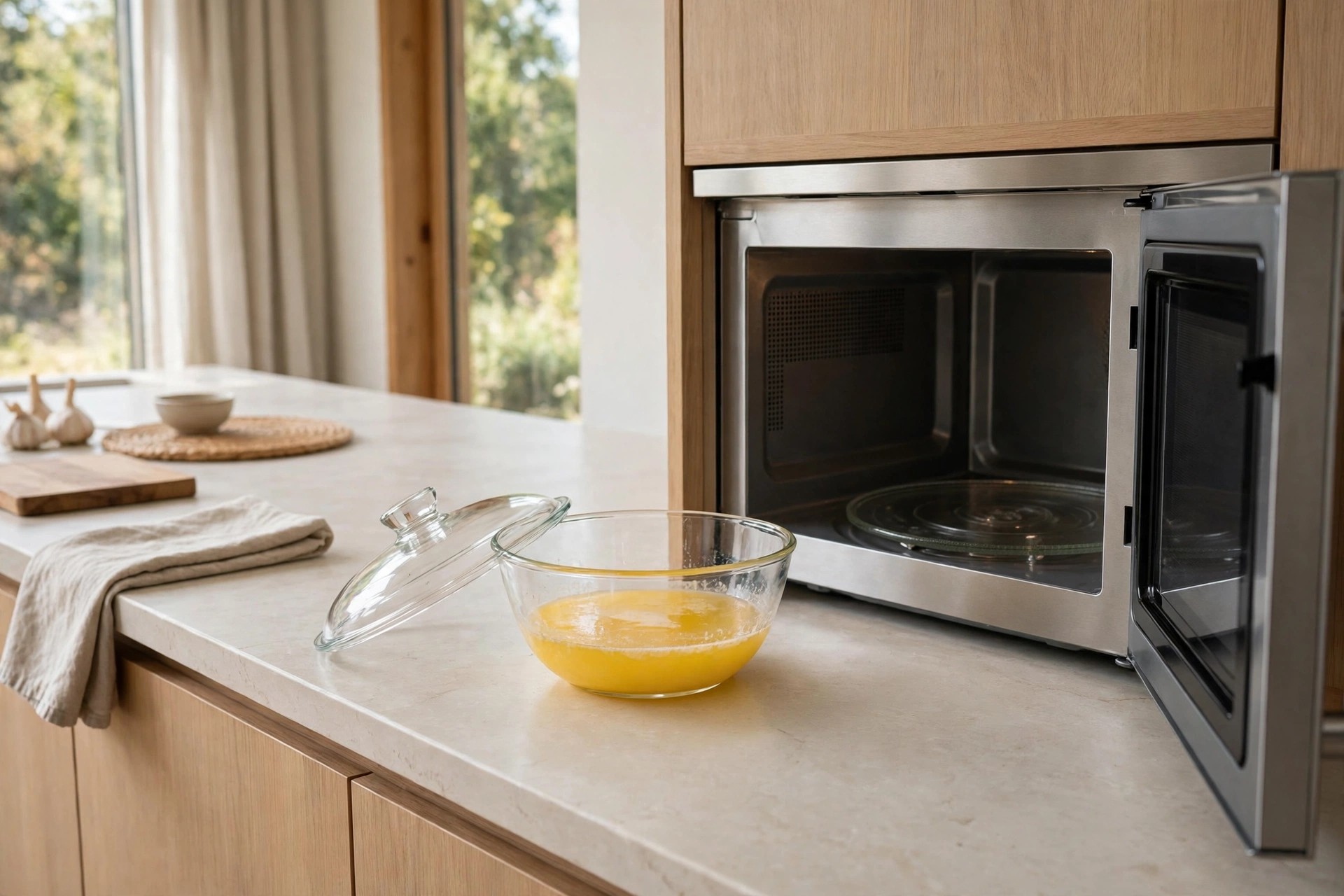
A bowl that can melt butter or warm soup saves a transfer, a second vessel and a second wash.
Check the maker’s care notes before you buy, since steel can never go in a microwave and some plastics should not.
Glass and rated plastic sets handle reheating well, as long as the lid is lifted or vented first.
Never seal a lid tight before reheating: steam needs an escape route, or the lid will pop mid cycle.
Lids for reheating should vent or rest loose, never sealed, so steam escapes without drama.
Let a hot bowl stand a minute before serving, since the base holds heat longer than you expect.
15. A Starter Set of Three Bowls for Very Small Households
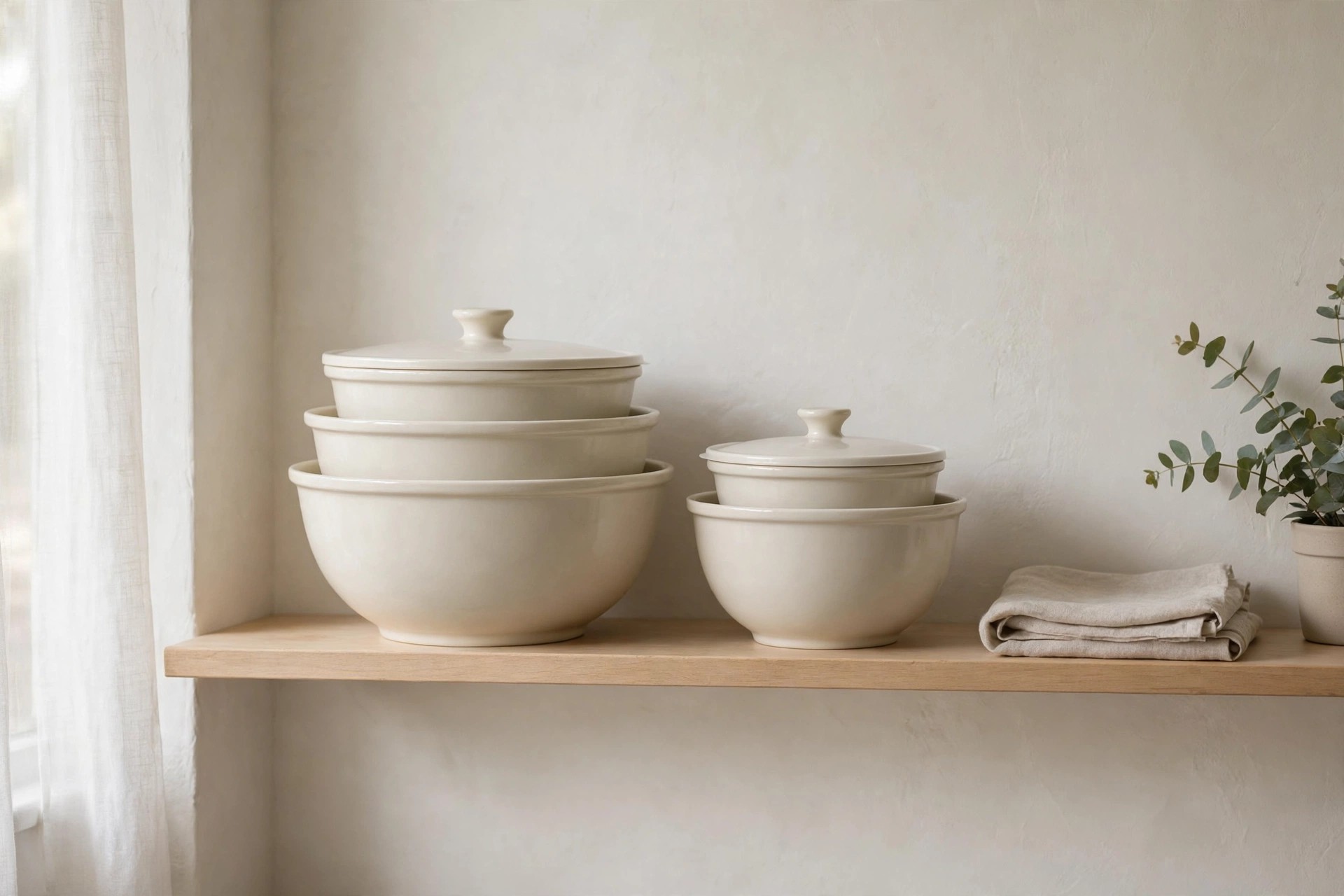
One or two people rarely need six bowls, and a three bowl set covers mixing, serving and storage well.
Small, medium and large, each with a lid, handle nearly every recipe a weeknight throws at you.
The smaller stack leaves shelf room for the pans and boards you reach for just as often.
Add single bowls later only when a real recipe gap shows up, not because a bigger set was on offer.
Three lidded bowls also pack a picnic neatly, one for salad, one for fruit and one for something sweet.
If the set serves you for a year without a gap, it was the right size all along.
The right set is the one whose stack fits your shelf, whose lids you trust in the fridge overnight and whose bowls you reach for daily.
Stack the set once, lid side up, and take a quick photo of the fit before the packaging goes out.
Judge the best nesting mixing bowl sets with storage lids by that fit first, and the extras second.
Save this guide to the Small Kitchen Gadget Ideas board, so the size and lid notes are handy when you shop.


