

15 Neutral First Apartment Ideas: Add Color Later
People say a neutral first apartment is a safe choice that you will regret in a month. The truth runs the other way: neutral done with a plan is the fastest route to a calm home.
The plan is simple. Every big piece stays neutral now, in warm white, cream, beige, and wood, and every color slot stays named and empty until you are ready.
These neutral first apartment ideas add color later by design, not by drift. Each idea sets the neutral base well and marks the exact spot where color will land one day.
This is a different choice from picking a palette on day one. Here, you live in the calm base first, learn your light, and let color arrive with clear eyes.
Nothing in this base is a placeholder. Each piece is chosen to stay for years, so the later color step adds joy, not a second round of big buys.
This post contains affiliate links. If you buy through them, we may earn a small commission at no extra cost to you. See our Affiliate Disclosure.
1. A Neutral Sofa You Can Keep for Years

The sofa is the largest buy in a first apartment, so it carries the neutral plan. A plain beige or warm gray sofa will sit well with any color you add later.
Choose a simple shape with clean arms and a tight back. Busy shapes date fast, while a plain frame lets cushions and throws change the look in minutes.
Pick a fabric you can clean with ease. A first sofa takes meals, naps, and guests, and a calm tone that wipes clean will stay calm for years.
Leave the sofa bare of color for now. Its future color slot is the cushions, and keeping them cream today keeps every later choice open.
2. Warm White Walls That Stay as the Backdrop

Walls are the backdrop for every later move, so warm white is the kind choice now. It brightens small rooms and sits well beside wood, cream, and any future color.
Warm white is not stark white. A soft, creamy tone avoids the blue cast that makes neutral rooms feel cold under plain bulbs and flat daylight.
If your lease allows paint, test the shade on two walls. Light shifts across the day, and the right warm white holds up at noon and at dusk.
Our neutral living room ideas show warm white walls holding pale rooms together, with wood and texture doing the warm work.
3. A Pale Rug With Texture Doing the Work

A neutral rug can look plain in photos and rich in the room. The trick is texture: a clear weave, a low pattern in tone on tone, or a soft pile.
Place the rug so the sofa front legs and the coffee table sit on it. That wide pale field grounds the seating and makes the room feel set, not staged.
Keep the rug out of the color plan for now. Floor color is hard to change later, so a pale rug stays as the base while textiles above it take the color.
Run your hand across samples before you choose. A rug that feels good under bare feet will earn its place long after its tone fades into the base.
4. One Lead Wood Tone in a Neutral Register

Wood is the warmth inside a neutral scheme. Pick one lead tone, like light oak or warm mid brown, and repeat it on tables, shelves, and frames.
A single tone keeps the base calm and joined. Mixed dark and pale woods add noise that later color would only make louder.
Secondhand wood suits this base well, since old pieces often sit in warm mid tones. Clean lines matter more than a flawless finish at this stage.
Wood also gives later color a partner. Rust, sage, and navy all sit well beside warm wood, so the tone you choose now widens your later choices.
5. Cream Bedding With a Reserved Slot at the Foot
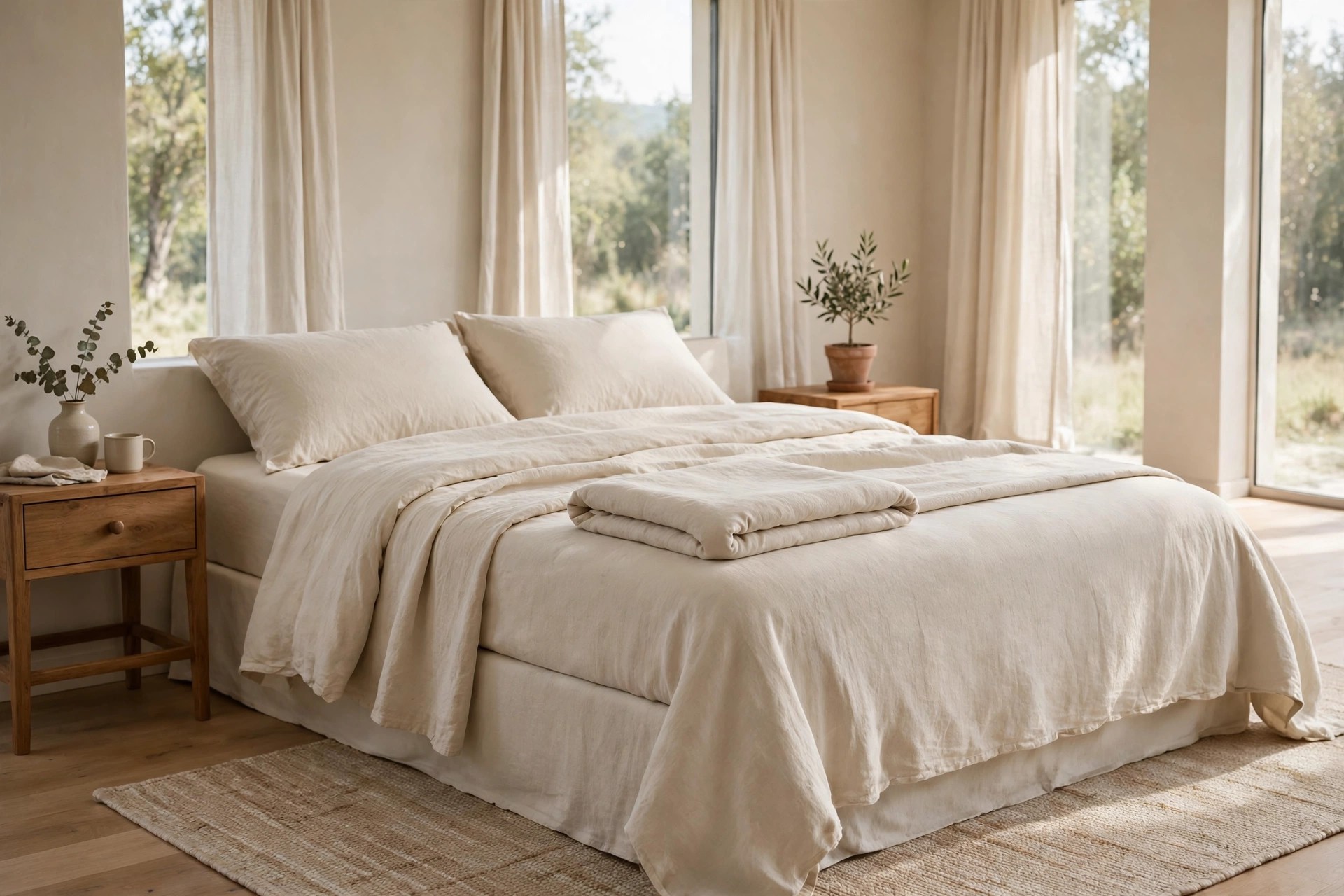
The bedroom is the easiest room to keep neutral, since bedding sets the whole view. Cream sheets, a plain duvet, and two pillows give you a calm, clean base.
Reserve one slot on the bed for later color: the folded blanket at the foot. Leave it cream today, and know that a colored throw can land there any time.
Named slots stop random buys. When a colored cushion tempts you in a shop, you can ask if it fits a slot, and the bed stays calm if it does not.
Our neutral bedroom ideas for renters keep the same pale base, with texture and warm light in place of paint.
6. Plain Warm White Curtains, Ready for a Later Swap

Curtains cover a lot of wall in a small room, so plain warm white is the calm buy now. They soften the glass, lift the light, and clash with nothing.
Hang them high and full from the start. Good hanging is part of the base, and it will serve plain panels today and colored panels later with no new holes.
Note curtains as a top color slot for later. A pair of colored panels can shift a whole room in an hour, which makes them a kind first color move.
For now, let the folds do the decor work. Plain cloth with a soft fall reads finished beside a neutral sofa and a pale rug.
7. Neutral Kitchen Basics With One Empty Color Hook
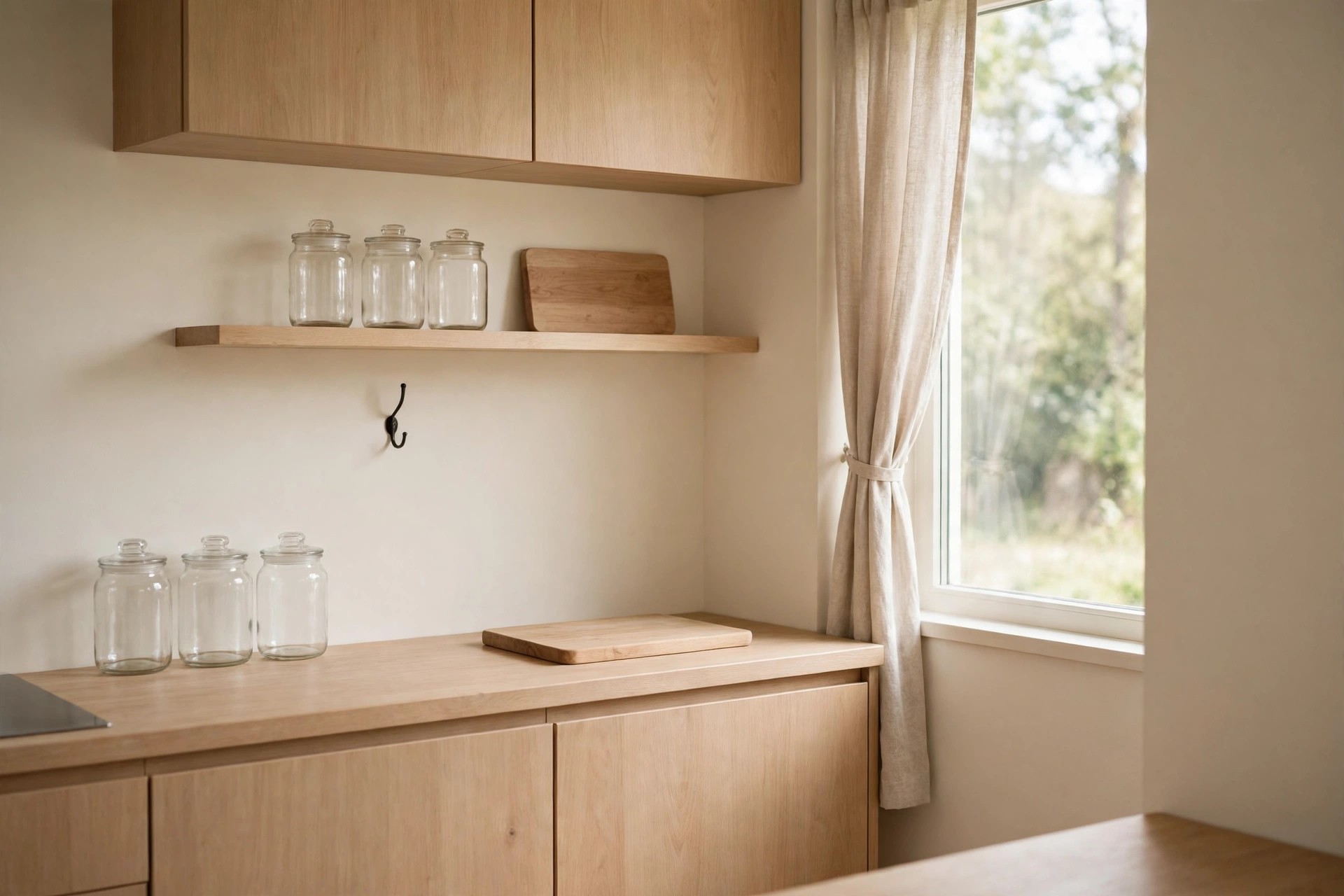
Kitchens fill with objects fast, so a neutral base keeps them calm. Cream and wood boards, plain glass jars, and pale towels give you order from week one.
Leave one hook or one shelf spot empty on purpose. That small gap is the kitchen color slot, ready for a colored towel, a pot, or a bright bowl later.
An empty slot may feel odd for a week. Soon it reads as space to breathe, and it stops the slow creep of random colored bits onto every surface.
Keep daily tools in one tight group by the stove. Grouped basics look planned, and the rest of the counter stays clear for real cooking.
8. Layer Texture Where Color Would Have Gone
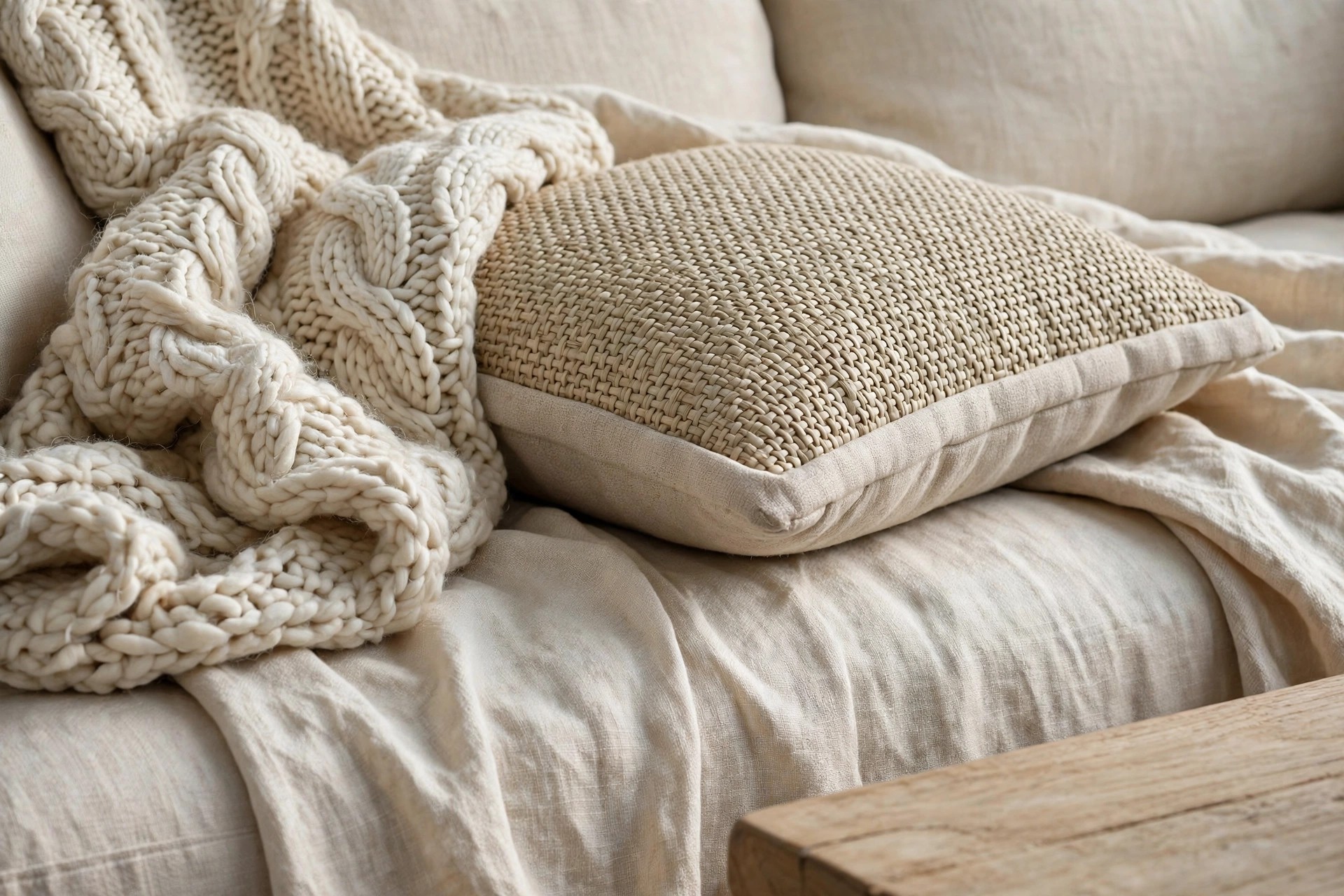
A neutral room stays rich when texture takes the place of color. A chunky knit throw, a woven cushion, and a linen curtain give the eye plenty to read.
Layer the textures on the sofa first. Knit beside weave beside smooth cotton, all in cream and beige, reads warm and full from the door.
Add one grain based texture, like a wood tray or a woven basket. Natural grain breaks up soft textiles and keeps the pale scheme from feeling flat.
This layer also helps later. When color arrives on cushions, the texture mix stays in place, and the new tone lands on a base that already feels deep.
9. Let Small Dark Notes Anchor the Pale Room
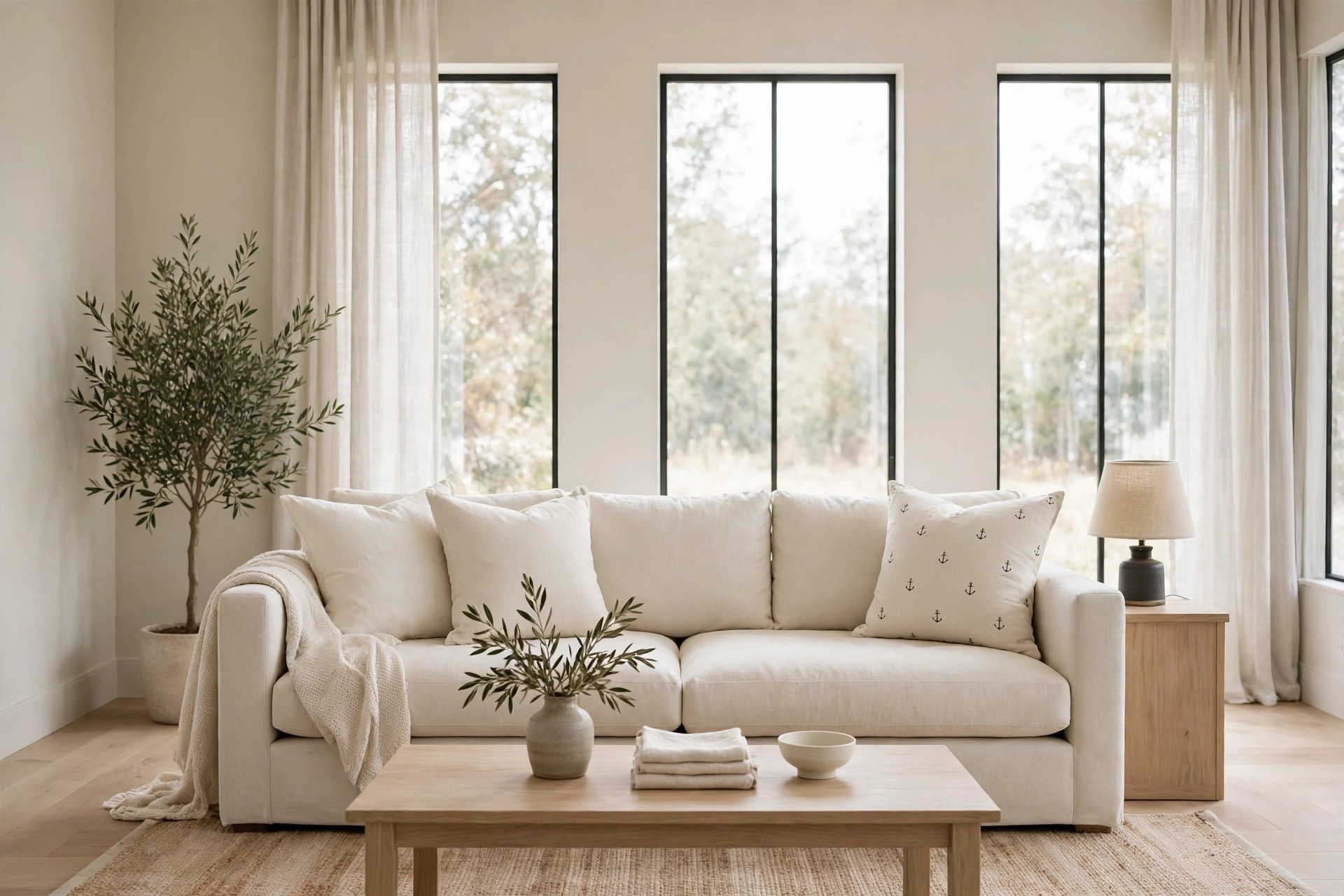
All pale rooms can drift and feel floaty by evening. A few small dark notes, like black window frames, a dark lamp base, or one charcoal cushion, anchor the view.
Keep the dark share tiny and spread out. Two or three notes across the room add depth, while a dark cluster in one corner pulls the eye and stays there.
These anchors are neutral, not color. They will sit just as well beside rust, sage, or navy later, so they never block the color step when it comes.
Check the room at dusk to place them well. The spots that fade first in low light are the spots a small dark note or a warm lamp should hold.
10. Tonal Art Now, in Frames That Suit Color Later
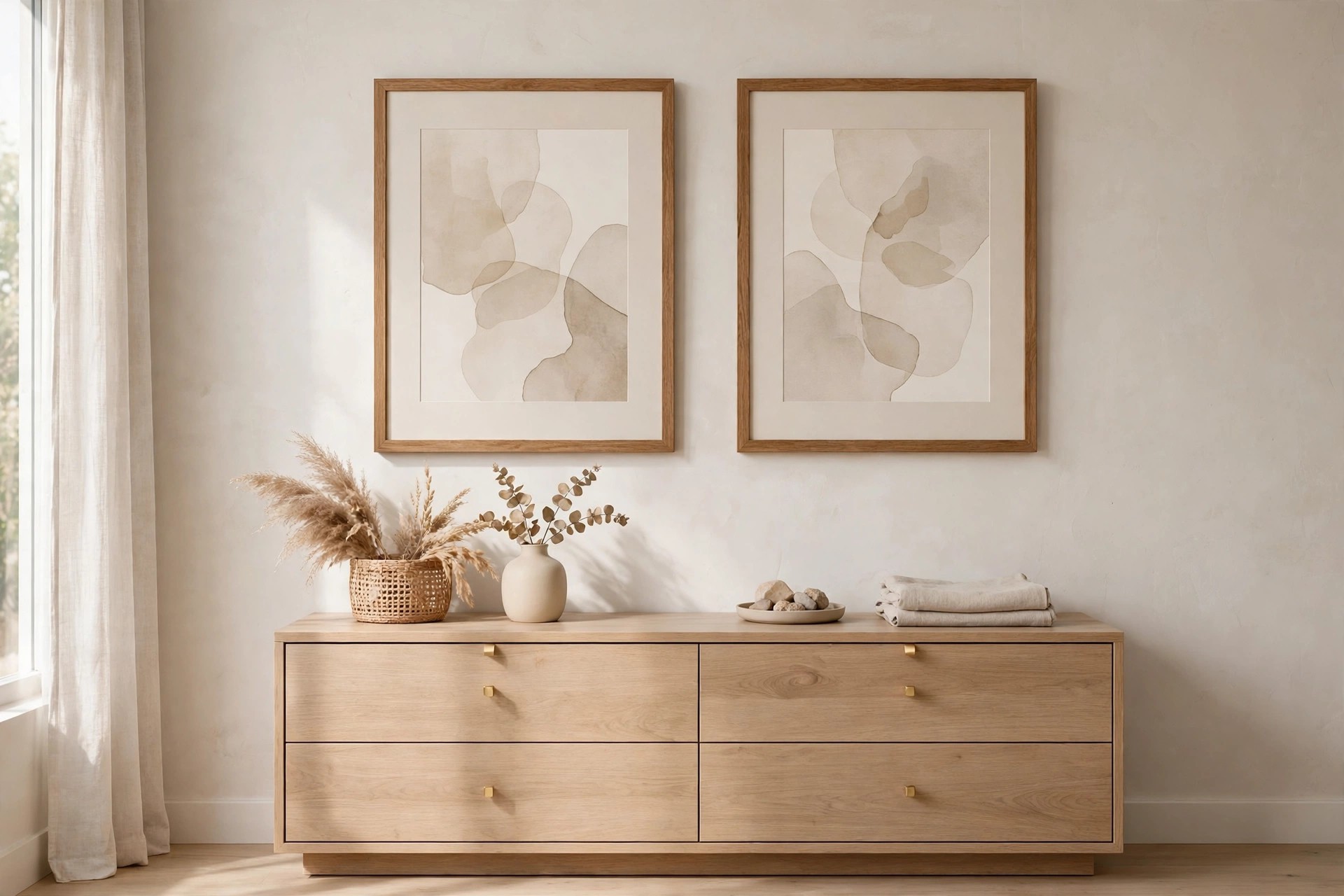
Bare walls make a neutral room feel like a rental. Tonal art in beige, sand, and soft gray fills the walls now, without closing any later color door.
Choose frames in your lead wood tone, with wide pale mats. The same frames will suit colored prints later, so the art can change while the frames stay.
Hang one large piece or a calm pair, low over the sofa or dresser. Art in tone with the room reads as part of the base, not as a focal fight.
Our neutral apartment living room ideas use tonal art in this way, with mats and wood frames linking the walls to the floor.
11. Plain Cream Lamp Shades That Let Color Arrive Around Them

Lamp light is half the mood of a neutral room at night. Plain cream shades with warm bulbs give a soft glow that flatters pale tones and wood alike.
Keep lamp bases simple in wood, ceramic, or warm metal. A plain base will still look right when colored cushions and art arrive around it later.
Place lamps at seat height and bed height, not on high shelves. Low warm pools of light make neutral rooms feel rich, where one ceiling light makes them feel thin.
Match the bulbs across the room to one warm tone. Mixed bulb colors show fast in a pale scheme and can make one corner look dirty beside the rest.
12. Cushion Covers as the First Color Move, When You Are Ready
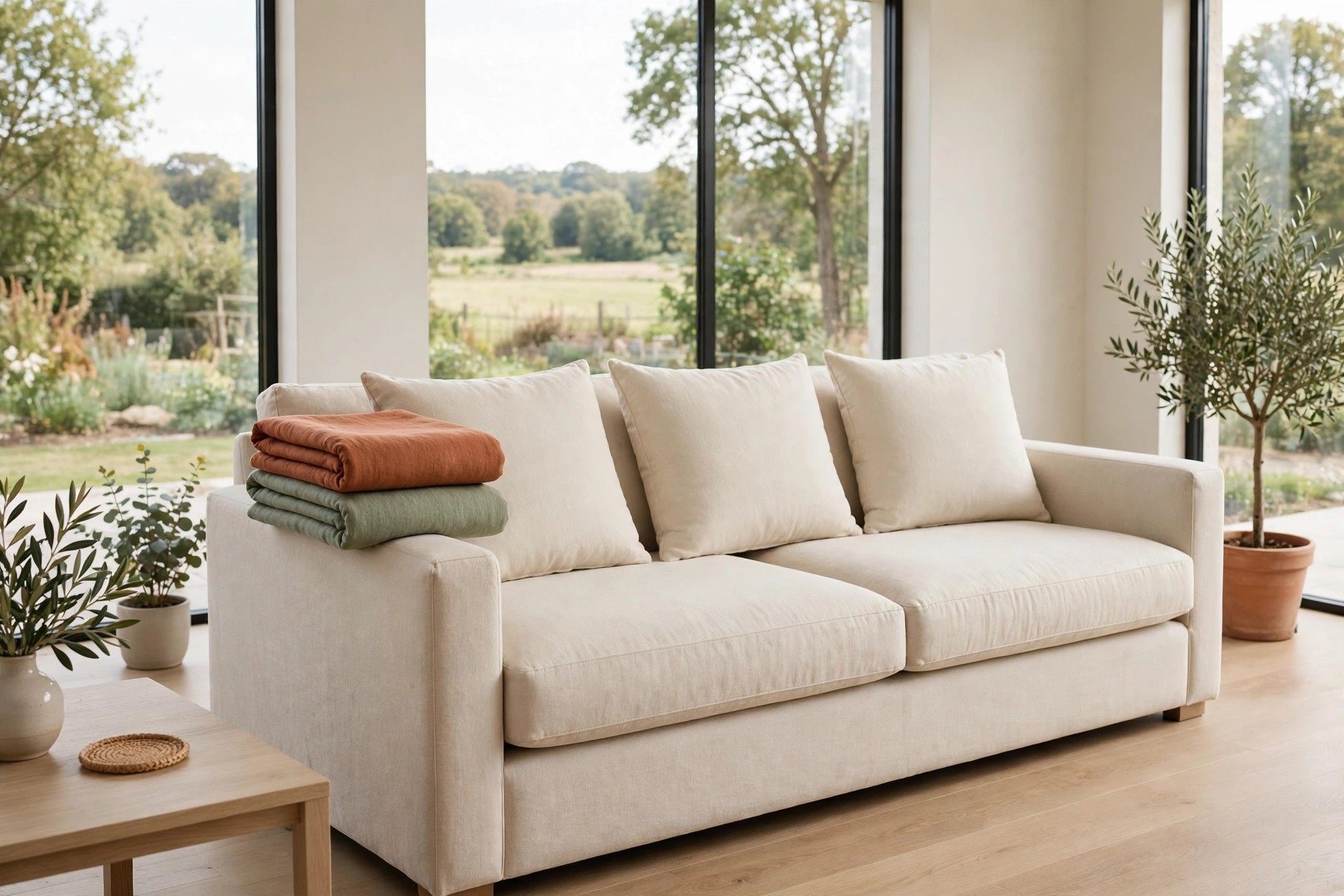
When the color day comes, cushions are the safest first move. Covers cost little, swap in minutes, and come off just as fast if the tone feels wrong.
Keep a small stack of test covers folded and ready if you like. One rust set and one sage set let you live with each tone for a week before you judge.
Test one color at a time across the whole sofa. Mixed test colors cloud the result, while a single tone shows you its real effect in your light.
This slow test is the heart of the plan. Color earns its place by living well in the room, not by looking good on a shop shelf.
13. One Shelf Kept Half Empty for the Color Chapter

A shelf filled to the edge on day one leaves no room to grow. Keep one shelf half empty, with books and a basket low, and clear space above them.
That space is a named color slot in three dimensions. A colored vase, a stack of art books, or a small plant in a bright pot can land there later.
Empty space also calms the room today. A shelf with air in it reads calm and planned, and it makes the pieces you do show feel chosen.
Resist filling it with neutral bits as months pass. The slot has a job, and holding it empty is what keeps the later color step easy and cheap.
14. Plants as the Only Green While the Rest Stays Neutral

A neutral room still needs one living note, and plants give it without breaking the plan. Leaf green is a natural tone that sits well with cream, beige, and wood.
Group plants at the bright window, in plain clay or cream pots. The pots stay neutral, the leaves do the color work, and the group reads as one calm corner.
Plants also teach you your light before color arrives. The corner where a plant thrives is the corner where colored textiles will show their best tones.
Keep plant care simple while the home is new. A few sturdy plants that suit your light will look better than a large set that fades one by one.
15. Add Color to One Room First and Live With It

When you feel ready, add color to one room only. The living room is the kind test bed, since you see it daily and its color slots are all textile based.
Use the slots you named months ago: cushions, the throw, the art, and the curtains. Color that lands in planned slots looks settled from the first day.
Live with the room for a full month before the next one. Taste settles with time, and the second room will gain from what the first room taught you.
Our guides on how to decorate a first apartment room by room and what to buy first for a new home help you order that next step.
A neutral base is not a pause in decorating. Warm white walls, a plain sofa, a pale textured rug, and one lead wood tone form a finished home that you can live in with calm from week one.
The color later plan is what makes it work. Named slots on the bed, the sofa, the shelf, and the window wait empty, so color can arrive slowly, tested, and in the right order.
Save these neutral first apartment ideas add color later to your first apartment ideas board, and set your base with the sofa and rug first.


