

How Much Weight Can a Balcony Hold for Pots? A Safe Loading Guide
Wet soil is far heavier than it looks, and that gap worries many renters out of growing anything at all. Knowing how much weight can a balcony hold for pots safe loading guide style, with real weighing, gives a calm answer.
There is no single safe number that fits every balcony, and any guide that hands you one is guessing. What works is a method: find your building limit, weigh your own pots, and count the whole load.
This guide walks through that method in order. You will weigh one fully watered pot, scale the count to your whole setup, spread the load well, and pick lighter gear where the count runs tight.
The weighing takes one afternoon with a bathroom scale. After that, every new pot gets a quick check against numbers you trust, because you measured them on your own floor.
This post contains affiliate links. If you buy through them, we may earn a small commission at no extra cost to you. See our Affiliate Disclosure.
Time: About 1 hour to weigh, count, and record your load · Difficulty: Beginner, with care when lifting
What You Need
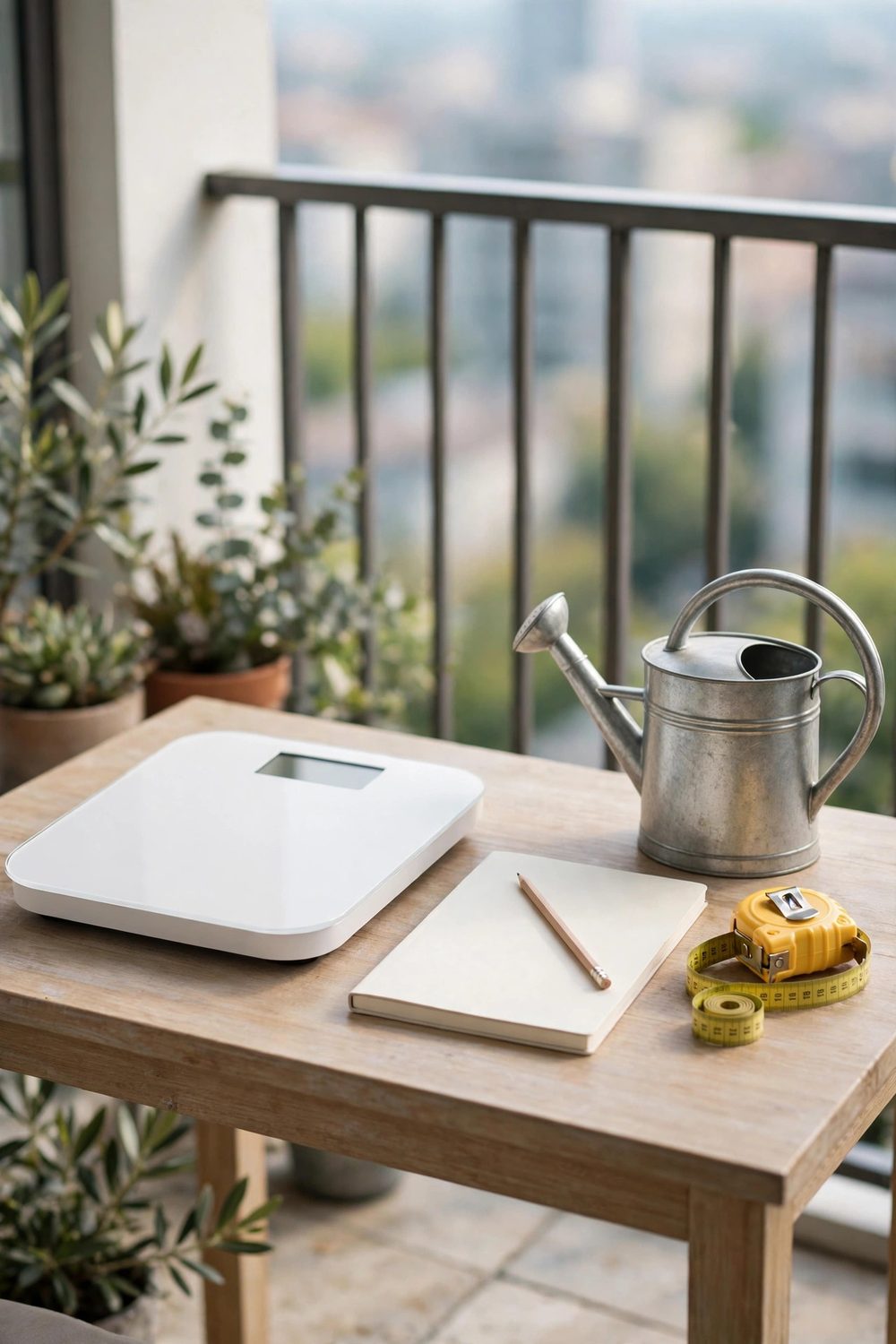
The method needs household gear, not lab tools. A bathroom scale and a notebook do most of the work.
- Bathroom scale: a flat household scale that reads body weight, used to weigh pots one at a time or by the hold and subtract method.
- Your lease and building rules: the documents that carry your own balcony terms, weight notes, and any limits on planters, storage, or rail loads.
- Notebook and pen: one line per pot with its watered weight, plus stand, saucer, and tray weights, so the count stays honest over time.
- Watering can: for soaking a test pot to its heaviest real state before weighing, since a dry pot tells you almost nothing useful.
- Tape measure: for pot sizes and for marking where loads sit on the floor, near walls or toward the middle of the span.
- A second pair of hands: a helper for lifting large watered pots onto the scale safely, since a wet 10 gallon pot strains one back.
Find Your Building Guidance and Lease Terms First
Start with paper, not pots. Read your lease for balcony clauses, then ask building management or the landlord for any load guidance they hold for your exact building and floor.
Balconies differ by age, material, span, and repair history, so a figure from a neighbor, a forum, or a general article cannot stand in for your building terms. Treat outside numbers as background only.
Write down whatever limit or guidance you receive, with the date and the name of the person who gave it. If no figure exists, say so in the notebook and work with a wide safety margin.
Weigh One Fully Watered Large Pot Honestly
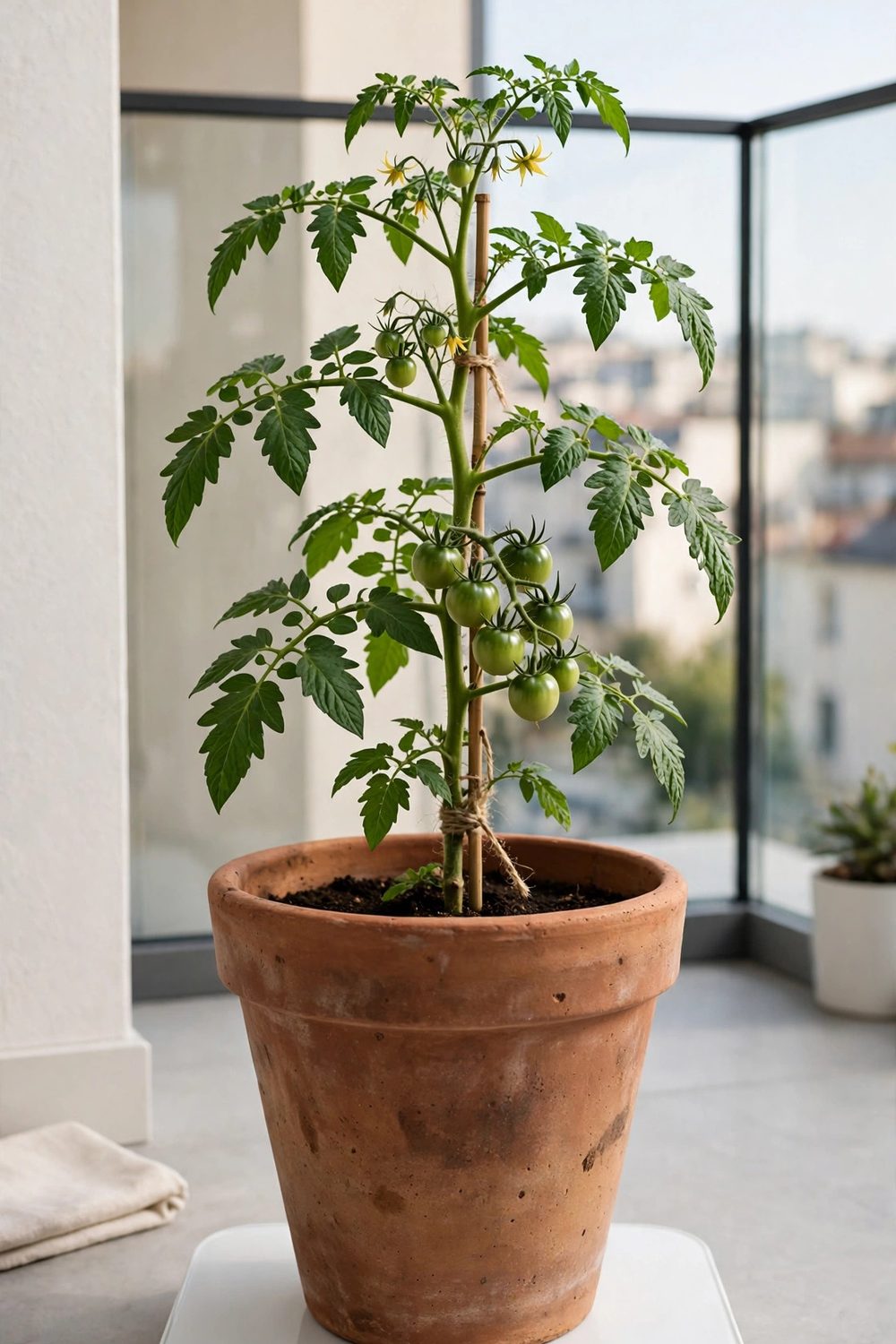
Pick your largest planted pot and water it deeply until it drains, then wait 30 minutes for the saucer to fill and empty it. That soaked state is the honest weight to record.
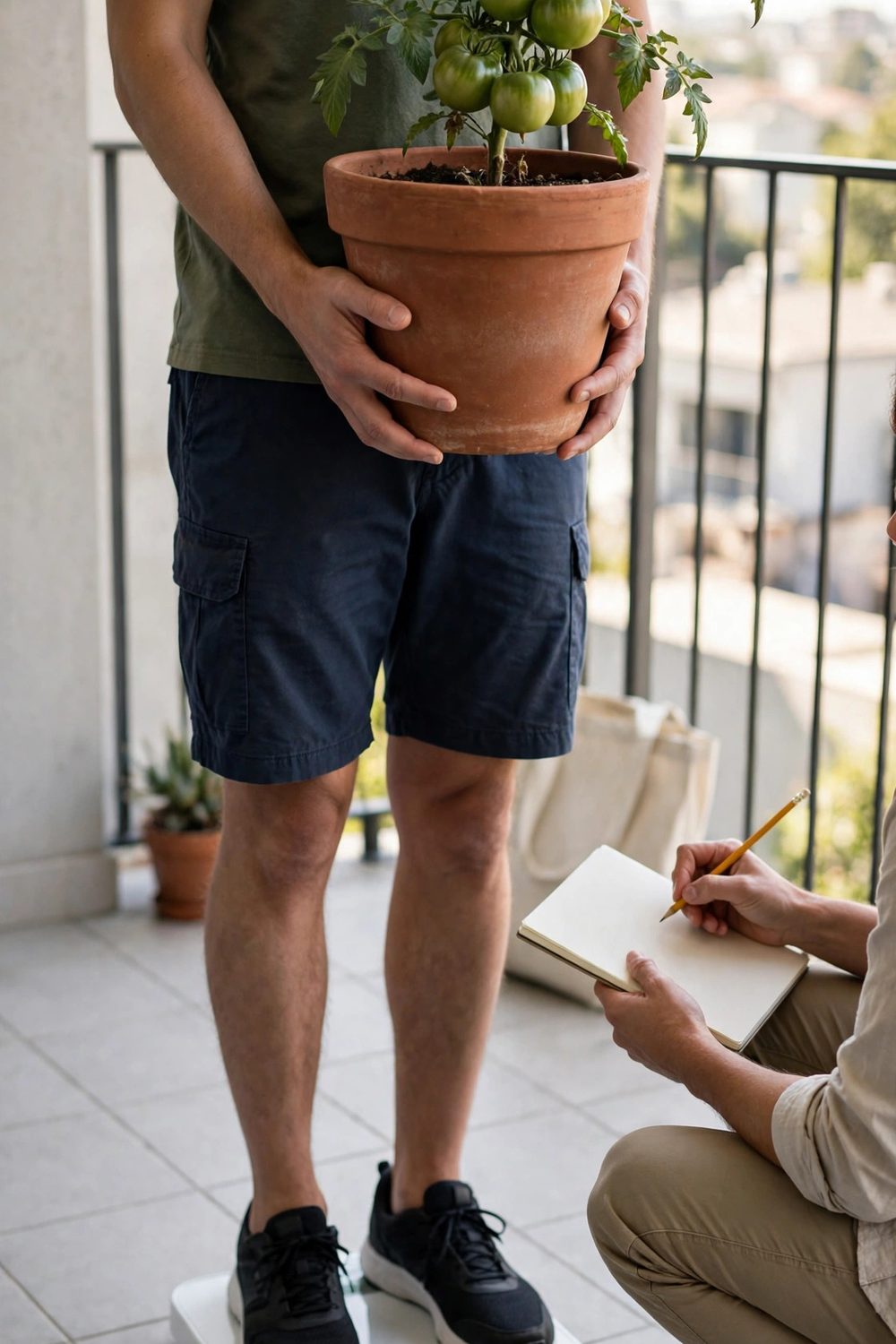
Set the pot on the bathroom scale if it fits and you can lift it safely. For a wide pot, weigh yourself holding it, then weigh yourself alone, and subtract the second figure from the first.
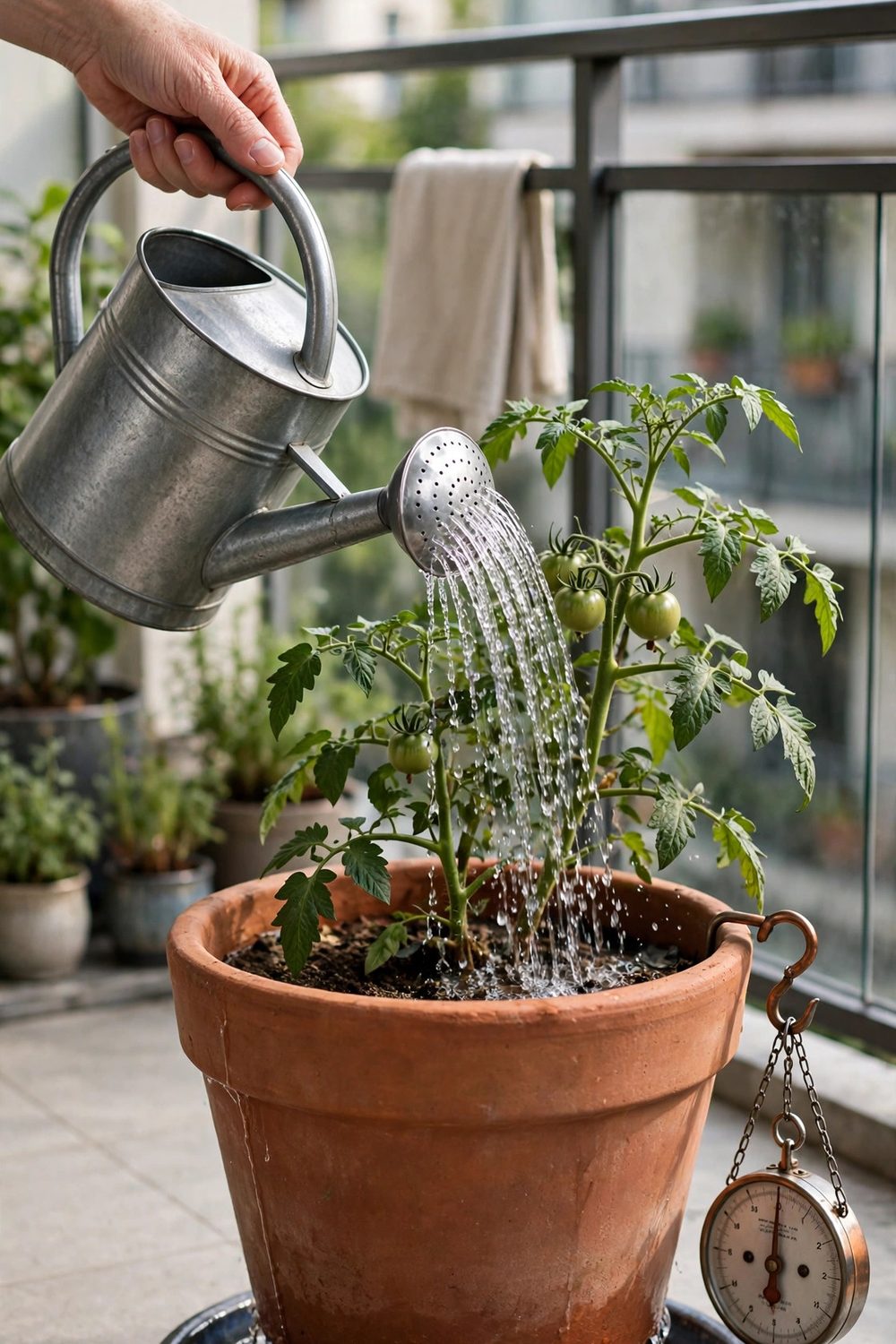
As a rough guide only, a watered 5 gallon (19 litre) pot often lands around 40 to 55 pounds (18 to 25 kg). Mix, pot material, and plant size shift that range a lot.
Terracotta adds far more pot weight than plastic or fabric at the same size. Record your own measured figure in the notebook and use it, not the rough range, for your count.
Count the Whole Load, People Included
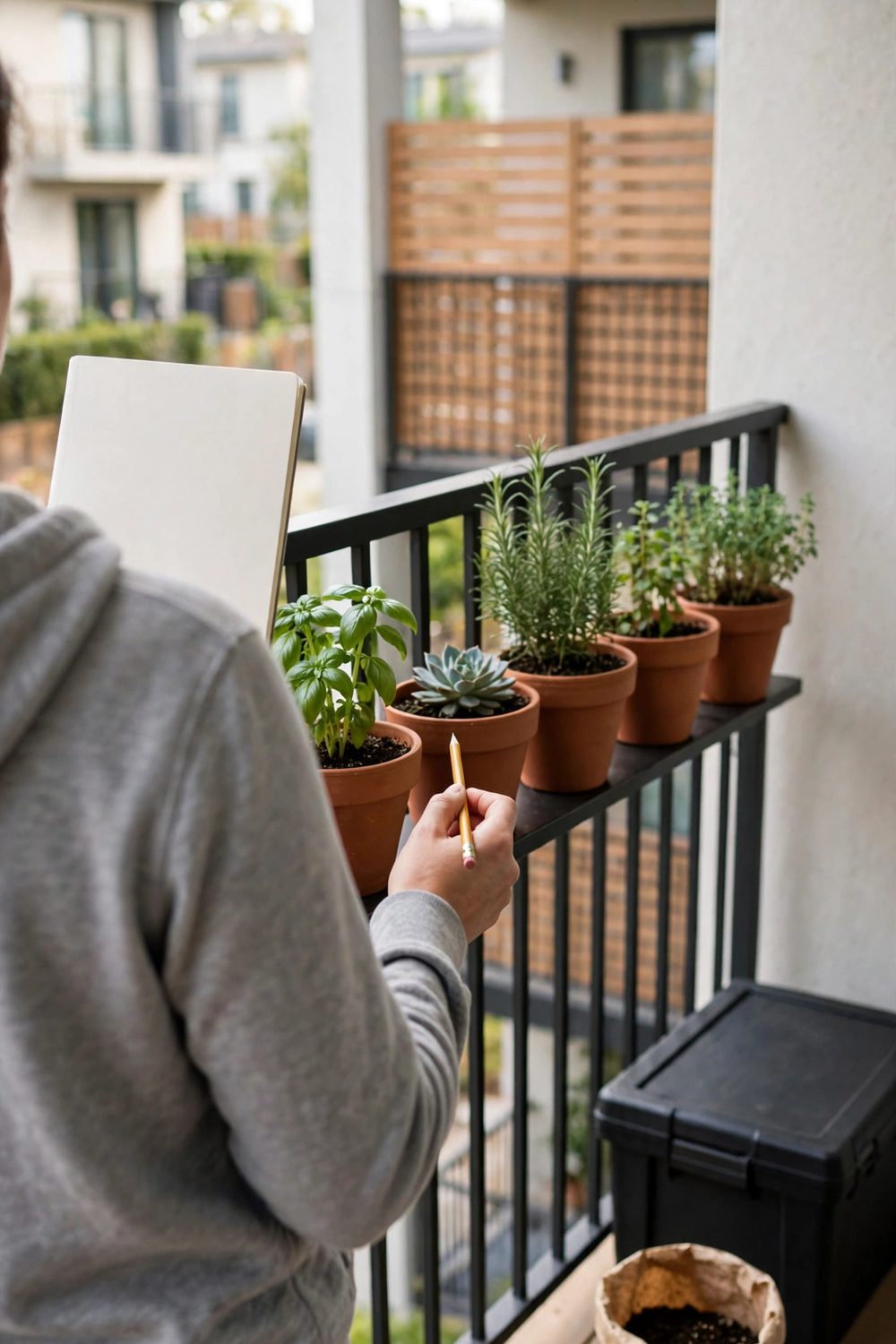
List every item that rests on the balcony floor: pots at their watered weight, saucers, stands, trays, the storage box, and bags of mix. Add plant growth, since a cropped tomato weighs more than a seedling.
Add the people who stand out there at the same time. Two adults by the rail during a harvest can outweigh several pots, and they often stand right where the pots cluster.
Total the list and compare it with the building guidance from step one. Keep a clear margin under any limit you were given, since rain, guests, and new pots all push the count upward.
Keep one line per pot in the notebook, with its watered weight and its spot on the floor. When a pot moves or a new one arrives, update its line the same day rather than trusting memory.
Growth adds weight through the season as well. A tomato in full crop, heavy with fruit and wet leaves after rain, can weigh far more than the same plant did at planting time in spring.
Spread Weight Toward Walls and Edges
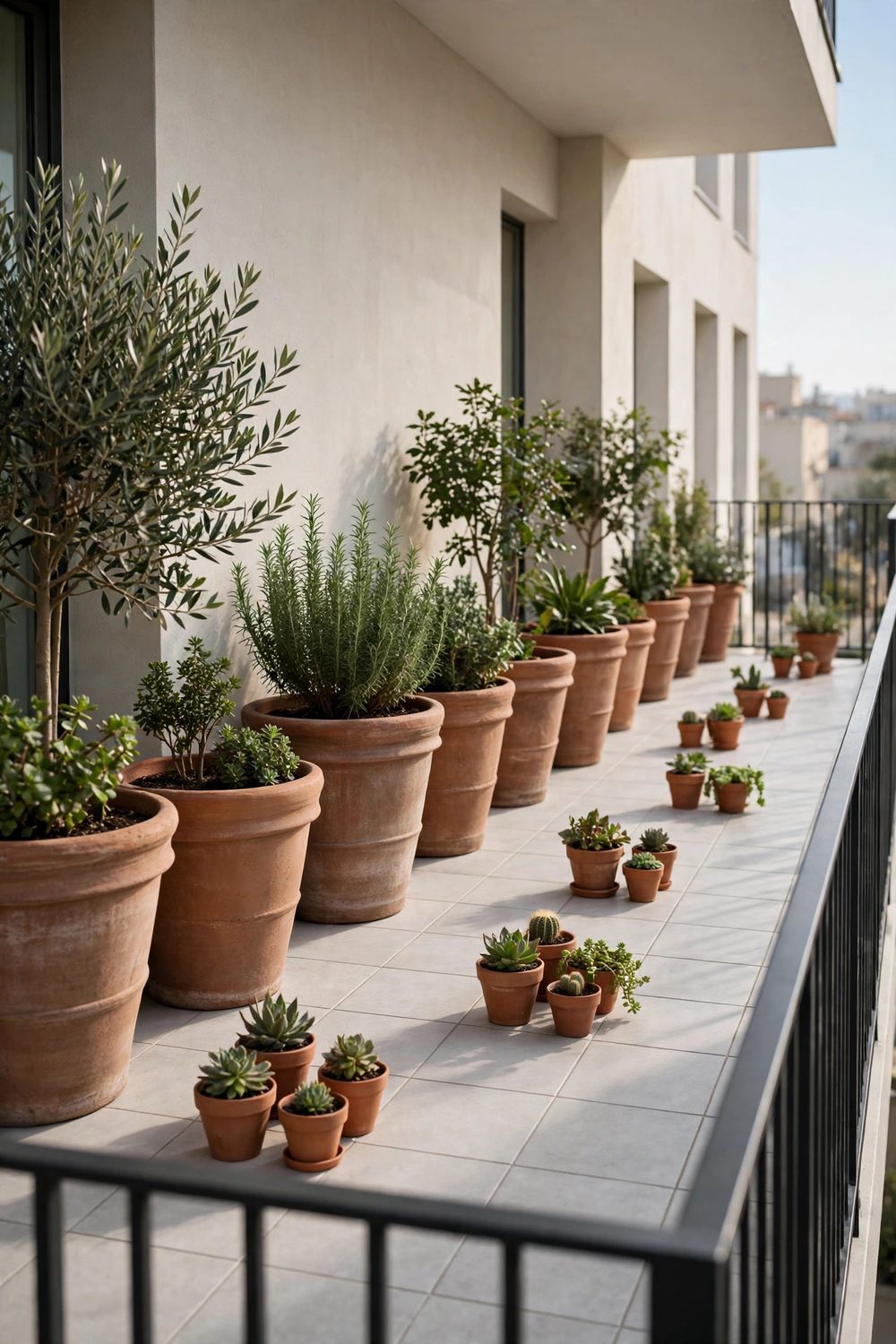
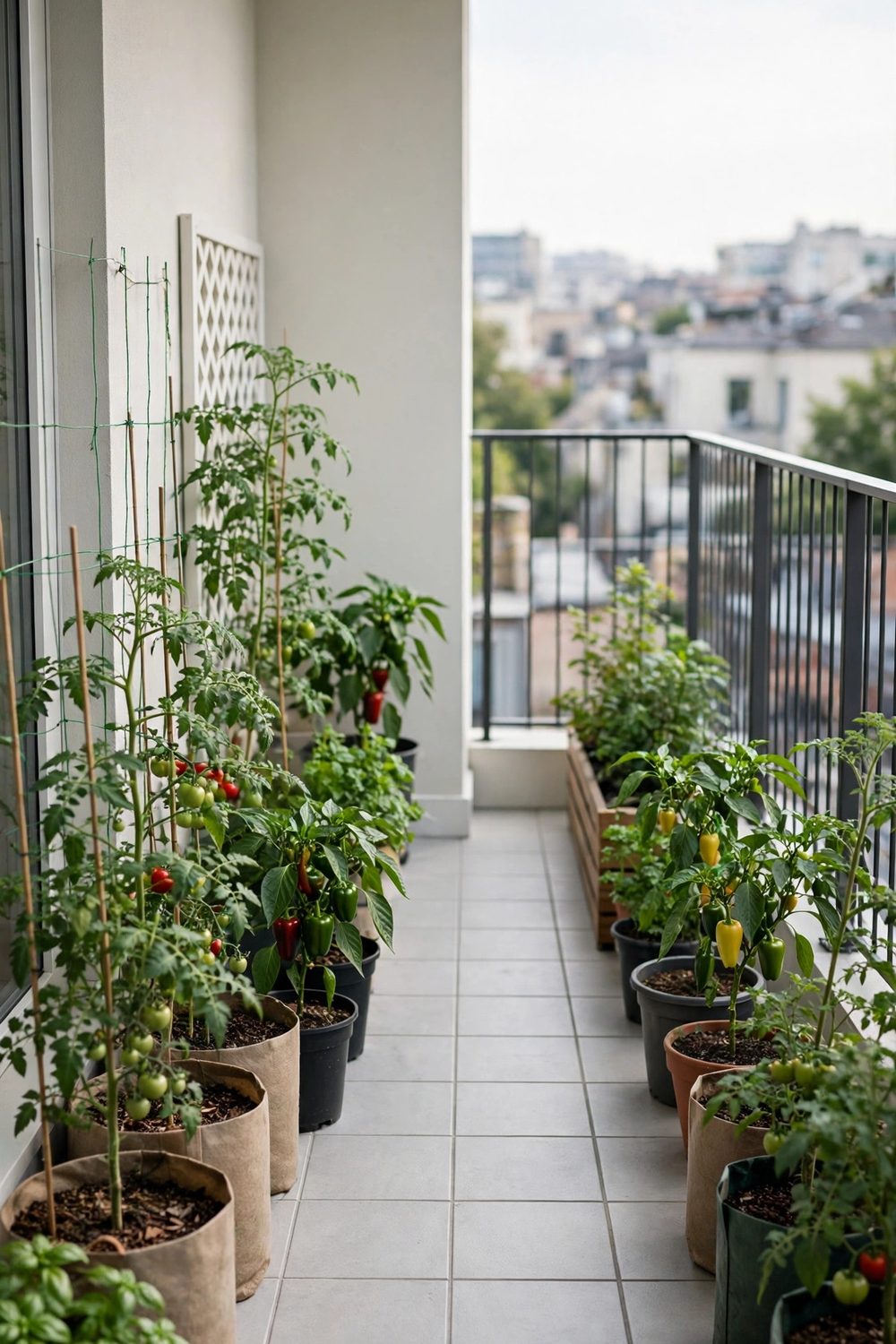
Place the heaviest pots against the building wall and toward the supported edges of the floor, where the structure carries load best. Keep the middle of the span for light pots, herbs, and your chair.
Spread large pots along the wall line rather than stacking the whole collection in one corner. A single corner cluster loads one small patch of floor with the full weight of the garden.
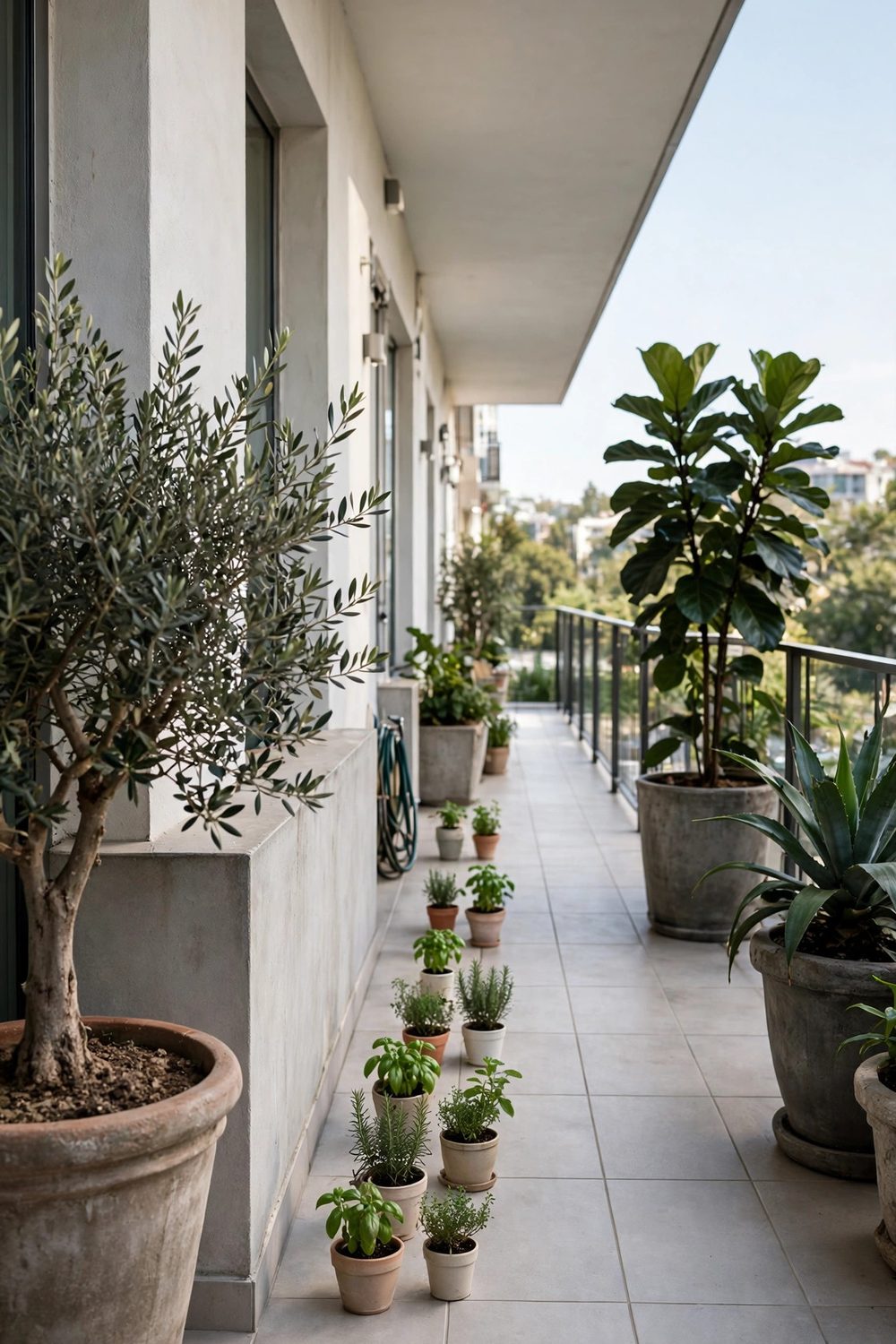
Raised stands spread a pot load over their feet, but they do not reduce the total. Count stand weight in the list, and keep tall stands against the wall where they cannot tip.
Layout by size and weight works well with the plans in our balcony vegetable garden layout ideas by balcony size, which group pots by footprint.
Choose Lighter Options Where the Count Is Tight
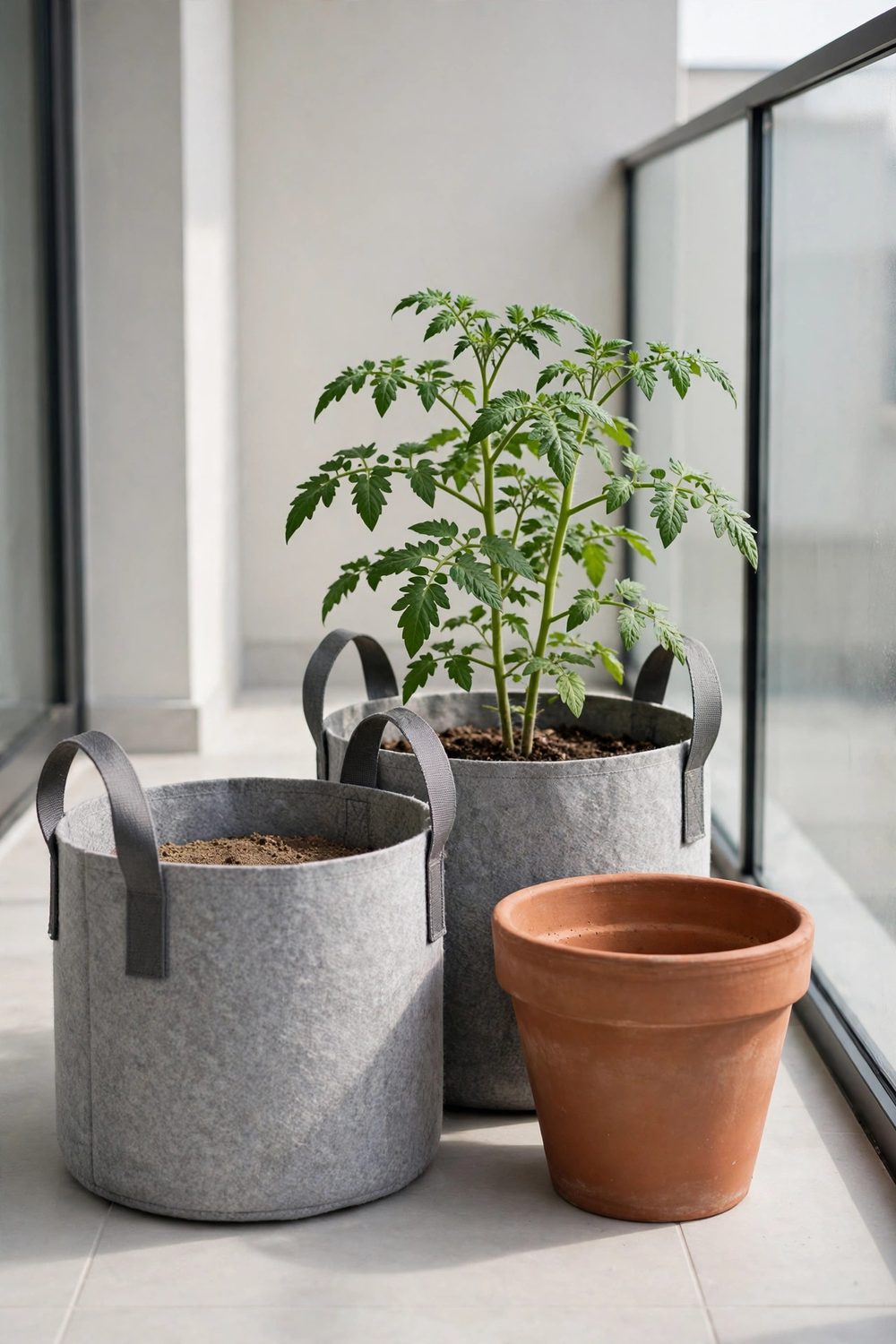
Fabric grow bags weigh a fraction of terracotta at the same volume, and they fold flat at moving time. Our comparison of grow bags vs pots for vegetables weighs the trade offs in full.
Plastic and resin pots also cut pot weight hard compared with clay or stone. As a rough guide only, swapping one large terracotta pot for plastic can save around 10 to 20 pounds (5 to 9 kg).
Mix choice helps too, since mixes with perlite or coir weigh less than dense, soil heavy blends when wet. On a very small floor, such as the setups in our balcony vegetable garden on a tiny 3 foot balcony guide, light gear rules.
Recheck the Load After Rain
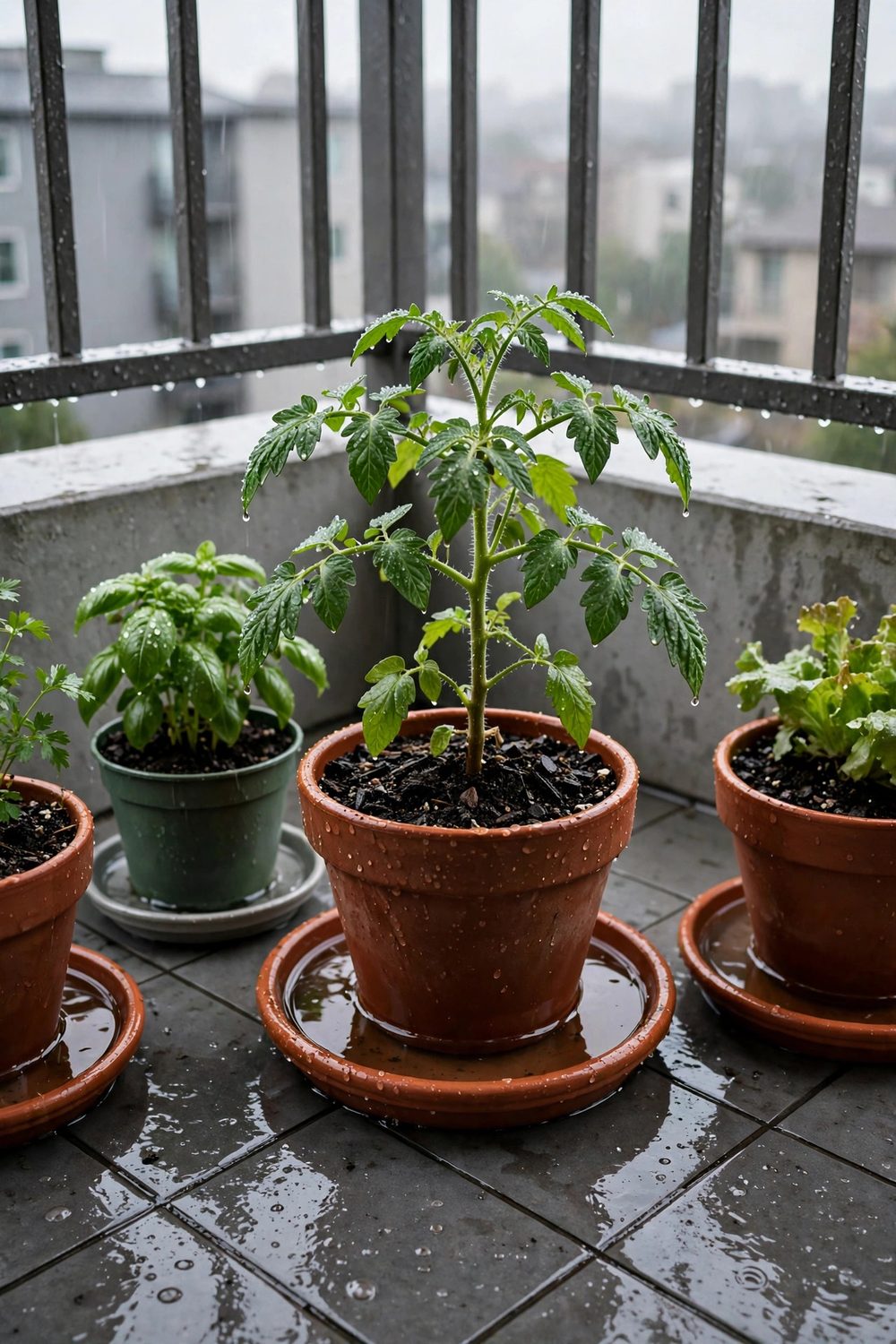
Rain loads every pot to its maximum at once, including pots you water sparingly by hand. After the first heavy storm of the season, walk the balcony and review the count with that in mind.
Check that saucers have not brimmed and added standing water weight across the whole row. Tip them out, and note any pot that gained a spot where roof runoff pours into it.
Repeat the quick count whenever you add a large pot, a stand, or a storage box. Two minutes with the notebook keeps the garden honest as it grows through the season.
Heads Up: If you ever see new cracks, a floor that feels springy, or a door that starts to stick, stop adding weight and contact building management at once.
Common Mistakes
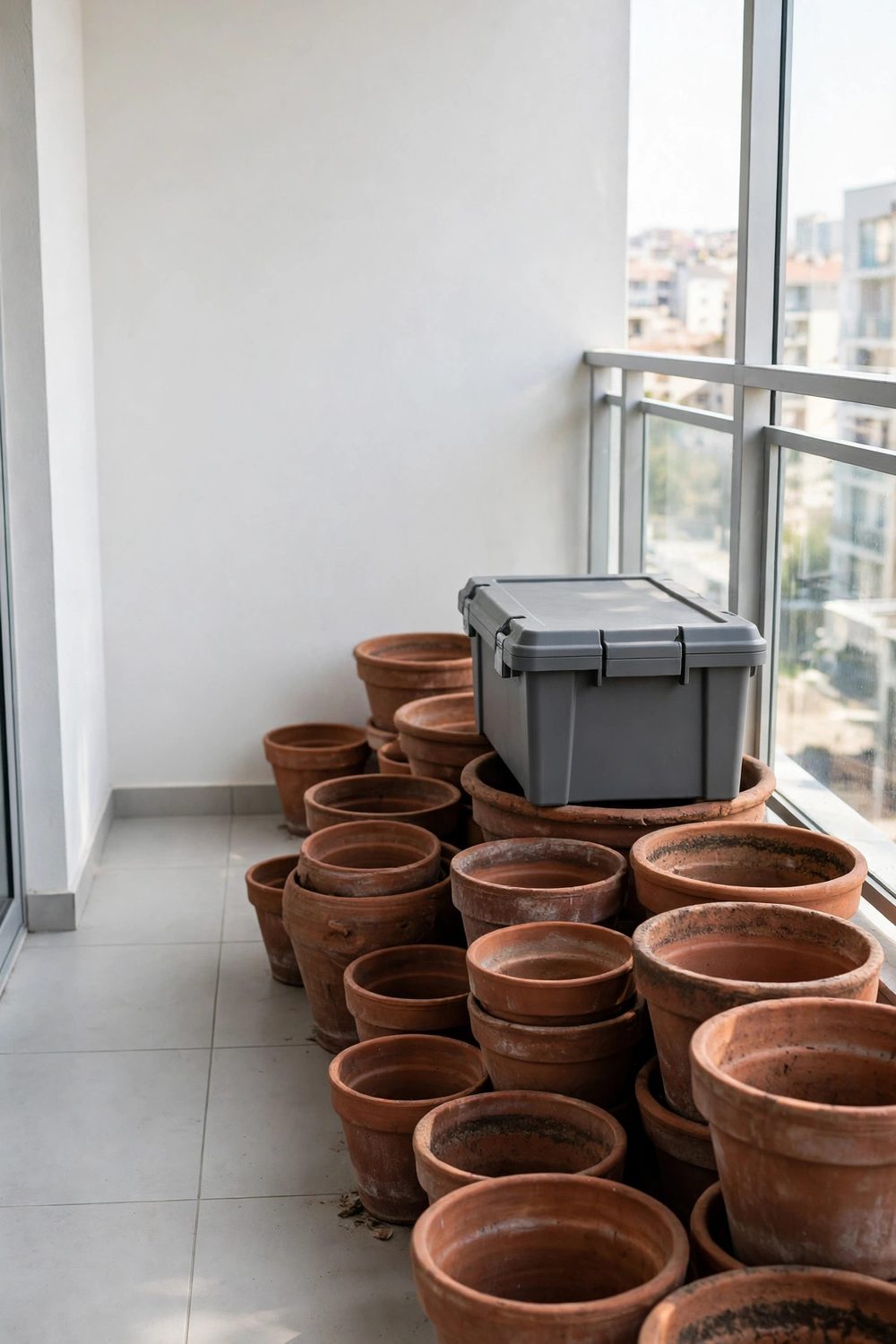
Most load problems come from counting errors, not from weak floors. Each habit below understates the real weight on the slab.
Checking dry weight only. A dry pot can weigh half of its soaked weight, so a dry count flatters the total badly. Always weigh after a deep watering and a drain, at the heaviest state the floor ever carries.
Clustering every pot in one corner. One corner takes the full load on a small patch of floor, often far from the wall support. Spread heavy pots along the wall line and keep the span middle light.
Forgetting people and stored gear. Gardeners, guests, a full storage box, and a spare bag of mix all rest on the same floor. Count them in the same list as the pots, every time you update the total.
Trusting a general number from the internet. No shared figure can know your building age, span, or repairs. Use web figures as rough background only, and let your lease and building management set your limit.
Buying the largest pots first. A row of big terracotta pots can use up a tight load budget before a single plant goes in. Start with the sizes your count allows, and trade up only where the figures leave room.
Pot material picks also shift the count, as the weights in our roundup of the best pots for growing vegetables on a balcony make plain.
Frequently Asked Questions
How much weight can my balcony hold?
There is no universal figure, because balconies vary by design, age, material, and condition. Any single number quoted for all balconies would be a guess, and a risky one to plan around.
Ask your landlord or building management for the guidance for your building, and keep your counted load well under it. That building figure, plus your own weighing, is the sound basis.
How do I weigh a pot that is too wide for the scale?
Use the hold and subtract method. Weigh yourself holding the watered pot, then weigh yourself alone right after, and subtract. Ask a helper to read the scale while you hold the pot steady.
For a pot too heavy to hold, weigh the parts: empty pot, dry mix by the bag weight, and water by the litre, since 1 litre of water weighs 1 kg. Add the plant as a rough allowance.
Are grow bags really that much lighter?
The bag itself weighs very little next to terracotta or stone, so the saving is real at large sizes. The wet mix inside still carries most of the load, so bags cut weight rather than erase it.
Bags also spread their load over a wide, soft base, which floors handle well. Weigh one filled and watered bag before you line up a row of them along the wall.
Does a plant stand reduce the load?
No. A stand spreads the load across its feet and lifts the pot off the floor, but the total weight on the balcony stays the same, plus the weight of the stand itself.
Stands still earn their place for air flow, light, and floor care. Count them in the load list, keep them against the wall, and load the heaviest pots at floor level instead.
What about rail planters and hanging pots?
Rail planters load the rail and its fixings rather than the floor, which is a separate limit many leases address on their own. Check your building terms before hanging anything heavy on the rail.
Weigh a watered rail planter the same way as a floor pot, and keep planters on the inside face. Rusty or loose rail fixings are a stop sign until a manager clears them.
Quick Reference
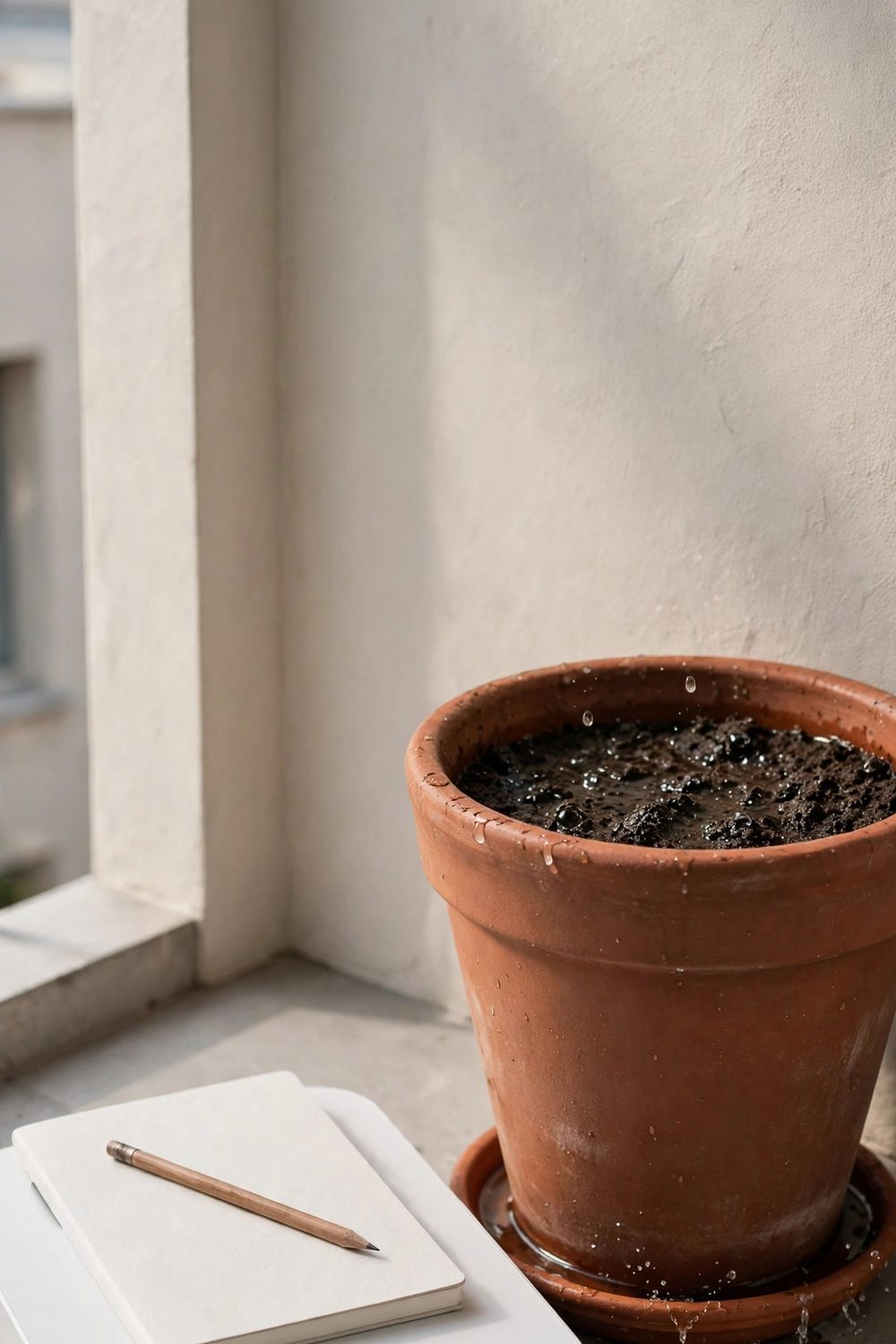
Keep this load check list in the notebook. Run it at setup, after the first storm, and whenever a large pot joins the garden.
- Ask first: lease and building management set your own limit; no universal figure exists.
- Weigh wet: soak the largest pot, drain 30 minutes, then weigh it.
- Method: scale under the pot, or hold and subtract; record every figure.
- Count all: pots, saucers, stands, stored gear, mix bags, and people together.
- Spread: heavy pots along the wall and edges; keep the span middle light.
- Lighten: grow bags and plastic over terracotta; lighter mixes where counts run tight.
- Recheck: after heavy rain, and after any large pot, stand, or box arrives.
Safe loading rests on three habits: ask your building, weigh your own pots wet, and count everything that shares the floor. That method answers the weight question for your balcony alone.
Weigh your largest pot this weekend and start the notebook list. Once the first honest figure sits on paper, every later choice about pots and layout gets calmer and clearer.
Save this guide to your container garden board for later. Recheck the count after the first big rain, and keep the margin you planned when new pots tempt you.


