

15 First Apartment Mistakes That Waste Money Beginners Make
The fastest way to empty a moving budget is to buy the same thing twice, in the wrong size, for a room that is not ready for it yet.
Most first apartment mistakes that waste money beginners make are not wild splurges. They are small, eager buys made in the first two weeks, when every empty corner feels like an emergency.
This list walks the whole apartment, from the front door to the bedroom closet. Each mistake comes with the cheaper move that works, so you can keep the cash for pieces that last.
Read it before your next shopping trip, not after. One skipped set, one measured wall, and one night of waiting can save more than any sale ever will.
The good news is that nearly every costly slip has a plain cause: buying too soon, too big, or too matched. Spot the pattern once, and you can dodge it in the kitchen, the bedroom, and the living room alike.
This post contains affiliate links. If you buy through them, we may earn a small commission at no extra cost to you. See our Affiliate Disclosure.
1. Buying a Full Matching Furniture Set on Day One
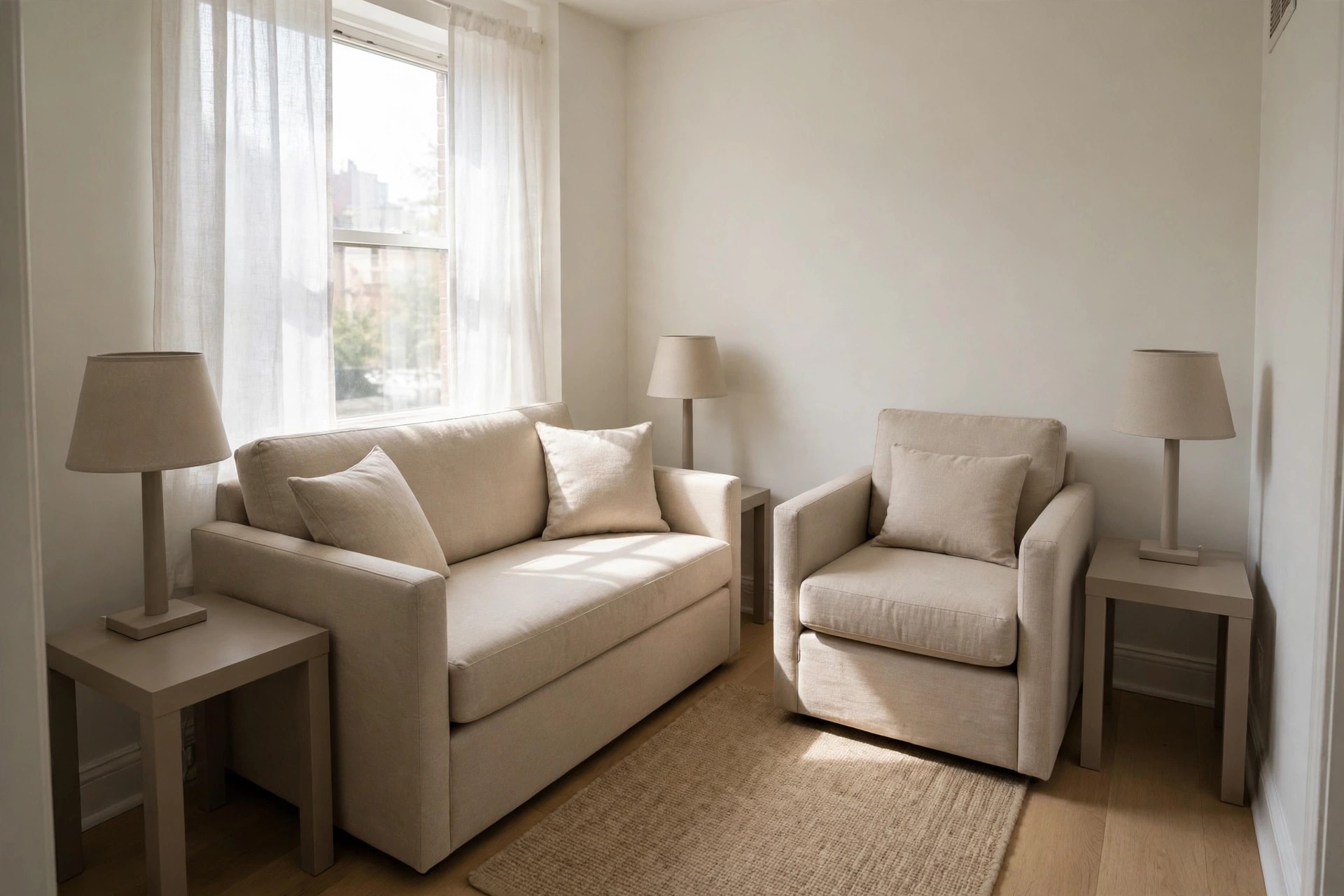
A matching sofa, chair, table, and lamp set looks like an easy answer in the store. At home it often fits badly, dates fast, and leaves no room to change one piece later.
Sets also lock your layout. The chair only works in one corner, the tables only flank the sofa, and a move to a new flat can break the whole group.
Buy the sofa alone first. Live with it, then add pieces that suit the real room, mixing a thrifted table or a hand me down lamp where they fit.
Mixed pieces can be replaced one at a time when money allows. A set has to be sold as a group, and secondhand sets rarely fetch much.
2. Filling Every Room at Once Instead of One at a Time
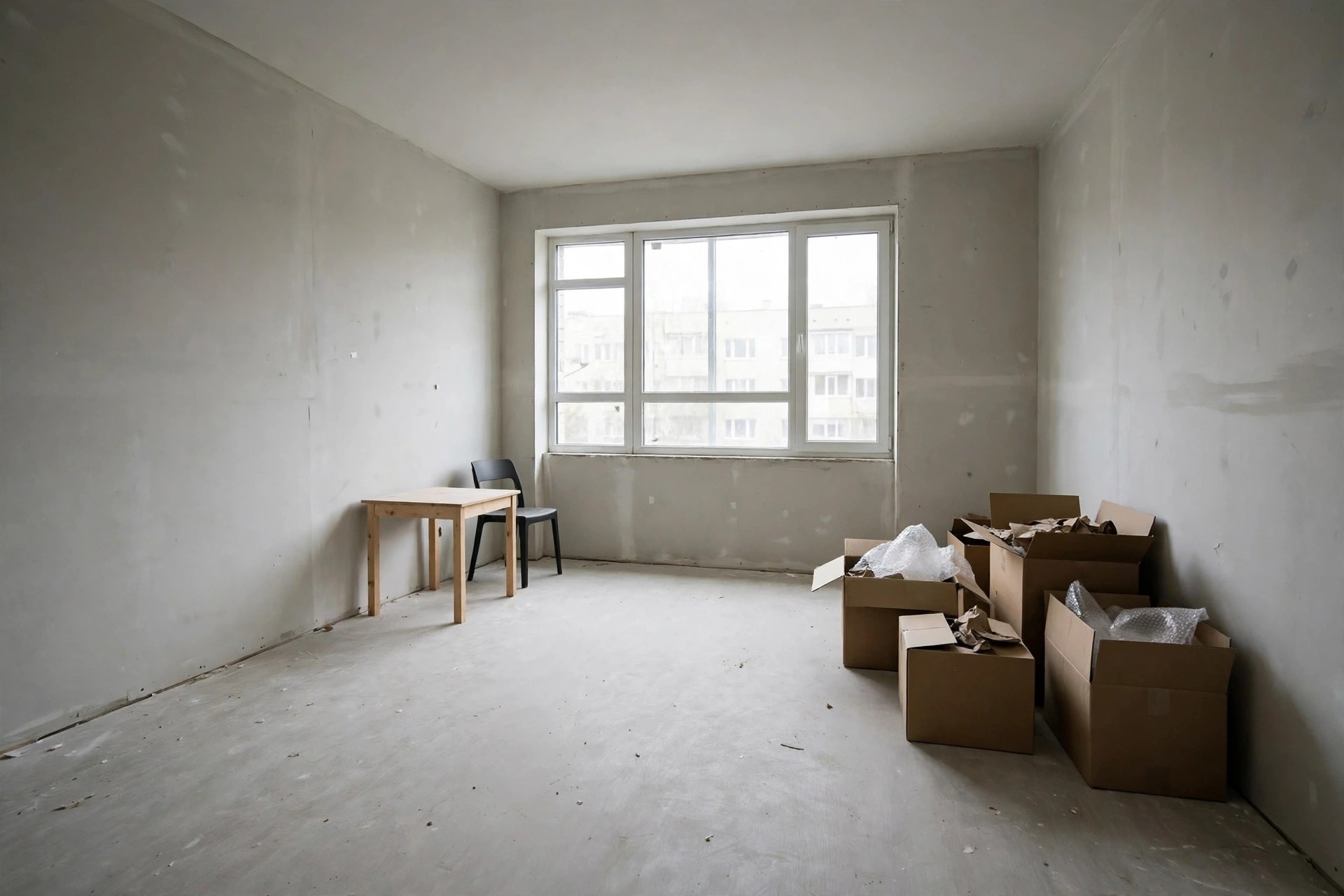
New keys make every empty room feel urgent. Spreading a thin budget across five rooms at once buys five half finished spaces and nothing you truly love.
The bedroom ends up with a cheap frame, the kitchen with a wobbly table, and the living room with a sofa you will replace within a year. That is paying twice.
Finish one room properly, then move on. Sleep and cooking come first, and guests can sit on cushions for one visit without anyone minding at all.
Our room order guide on how to decorate a first apartment room by room shows the sequence that keeps spending calm.
3. Skipping Measurements and Paying for Returns
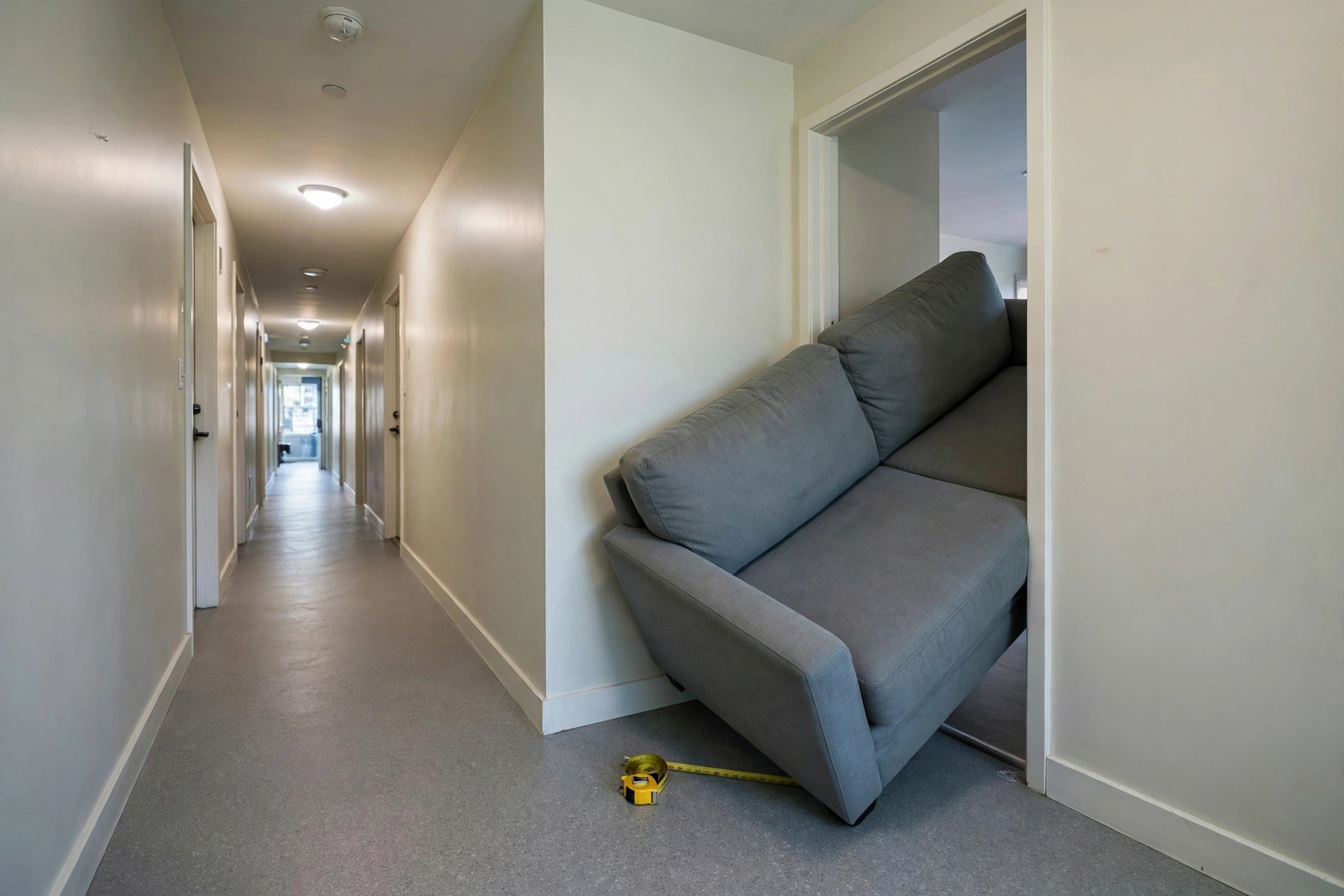
A sofa that will not turn in the hallway is the classic first apartment loss. Delivery fees, return fees, and a week of waiting follow one skipped tape measure session.
Rooms lie in photos too. A wide lens makes a small living room look generous, and the dresser that seemed fine online eats the whole bedroom wall.
Measure the room, the door, and the tightest turn before you order anything large. Write the numbers in your phone and check them at the store, every time.
Work through how to measure a first apartment before buying furniture once, and keep that list for every later buy.
4. Buying a Rug That Is Too Small for the Room
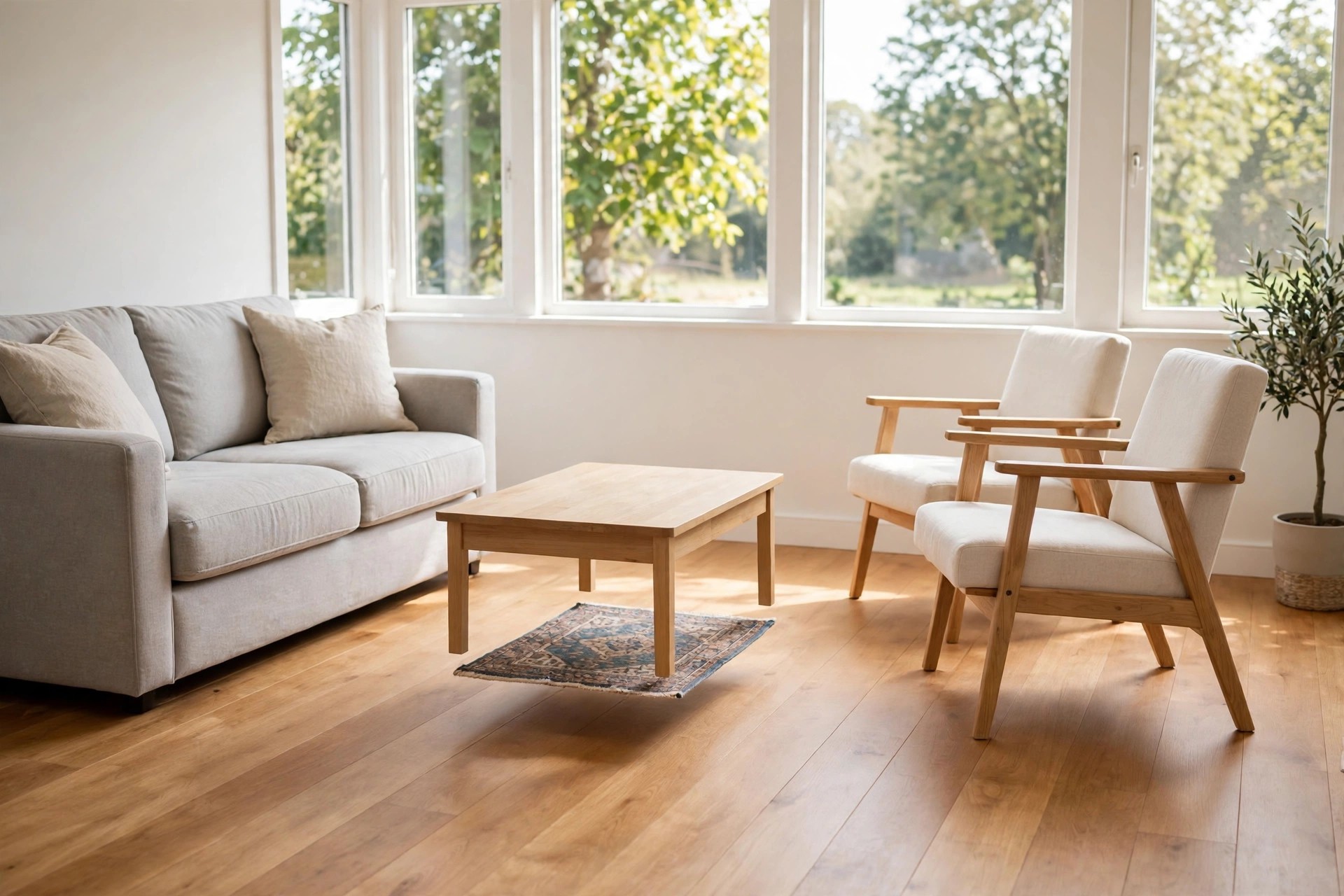
Small rugs cost less on the day and more over the year. A tiny rug under a coffee table makes the room look cut up, and most people replace it fast.
The front legs of the sofa and chairs should sit on the rug. That one rule sizes most living room rugs better than any guess at the store.
If the right size strains the budget, wait and use bare floors for a month. Floors look plain for a while; a wrong rug looks wrong every day.
Read the common sizing traps in rug size mistakes in small living rooms fixed before you order, and tape the outline on the floor first.
5. Spending the Decor Budget Before the Basics Work
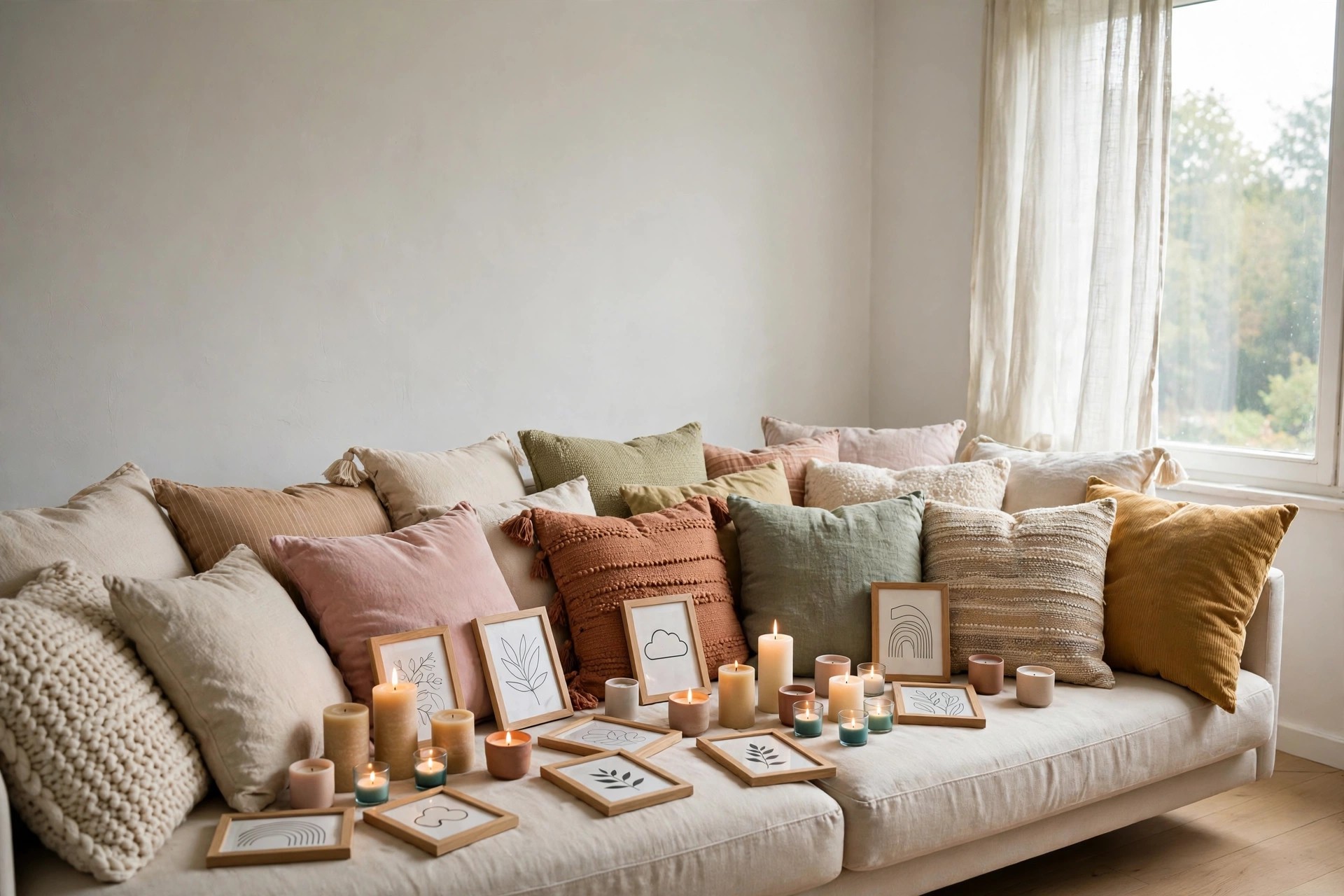
Cushions, candles, and prints are fun to buy, so they often come home first. Then the bill for a bin, a shower curtain, and basic tools lands with no money left.
Basics are dull in the store and vital at home. You notice a missing trash can, lamp bulb, or bath mat every single day of the first month.
Write the boring list first and buy it first. Decor money is what remains after sleep, cooking, washing, and light all work without a workaround.
Keep a small treat in the plan if it helps. One print or one plant bought on purpose feels better than a cart of small things bought in a rush.
6. Buying Cheap Versions of Things You Use Every Day
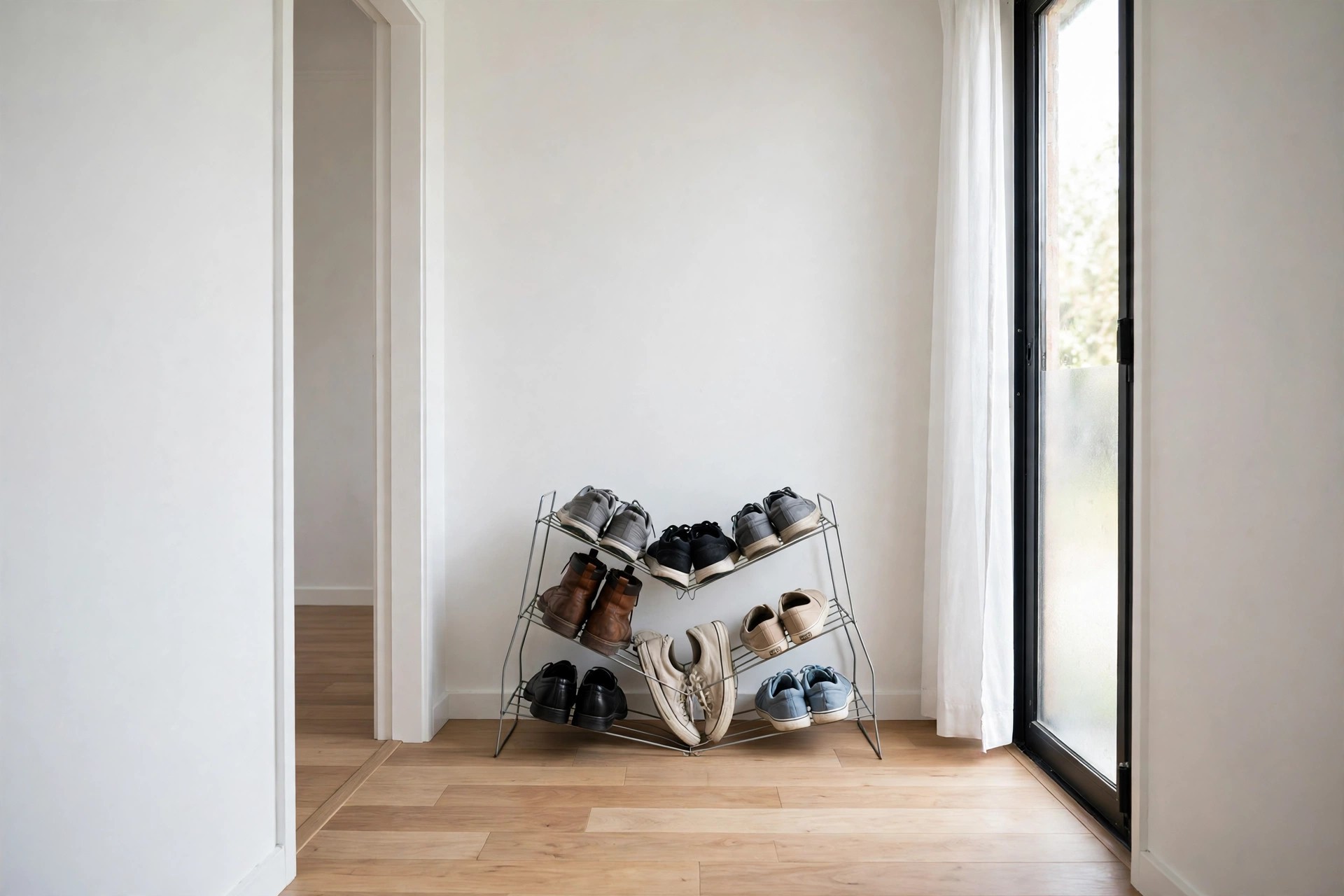
Some cheap buys are smart. A flimsy pan, a soft mattress, and a shoe rack that bends are not, because daily use wears them out in months.
The pattern is simple: the more often you touch it, the more quality matters. Sleep, cooking, and sitting gear earn their keep every day of the year.
Put the money into fewer, better basics and go cheap on the rare use items. A guest cushion can be basic; your own pillow should not be.
Secondhand solid pieces often beat new flimsy ones at the same cost. A heavy used pan or a real wood stool will outlast three light new copies.
7. Copying a Show Home Layout That Does Not Fit Your Life
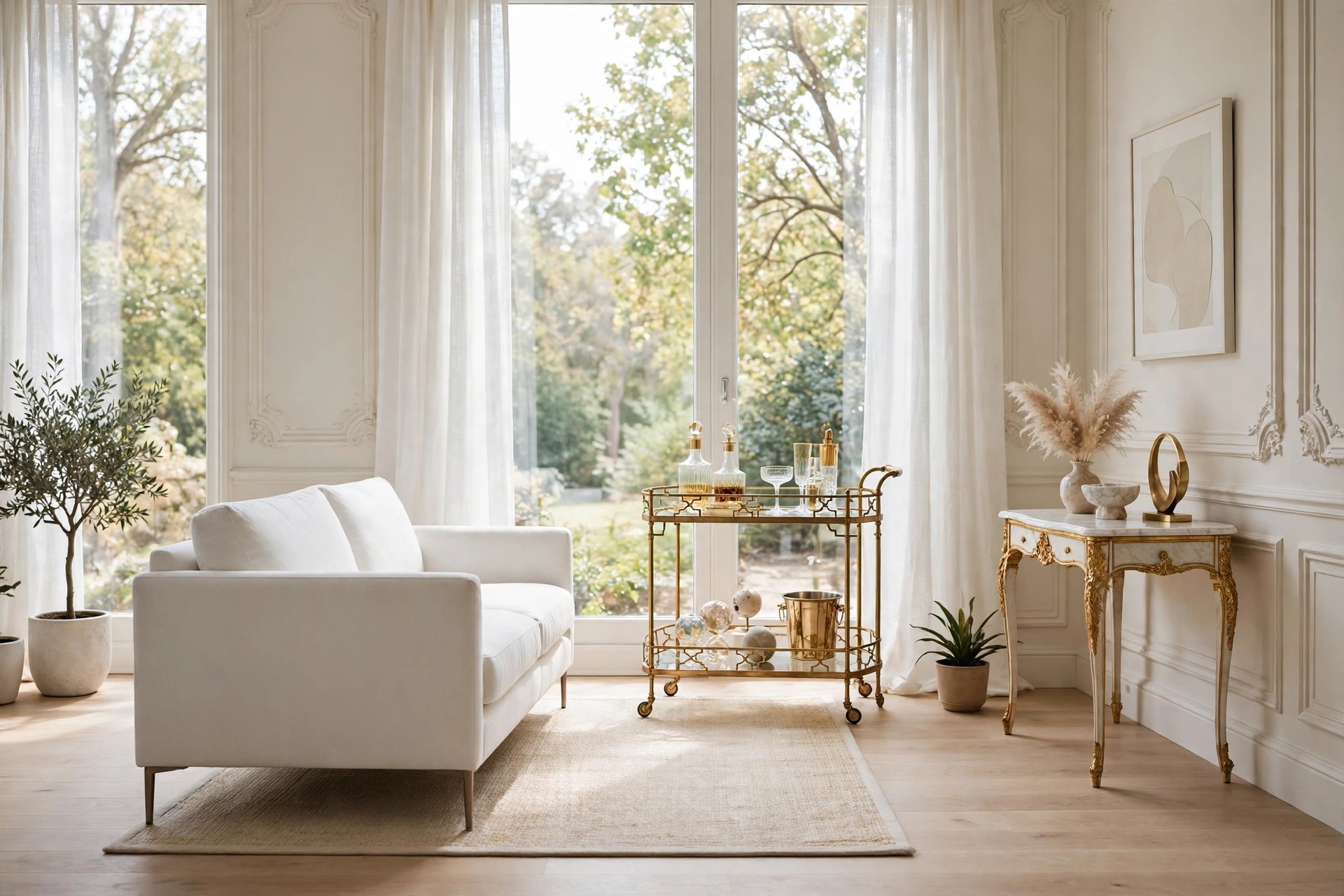
Styled photos hide daily life. There is no drying rack, no work bag, no charger cable, and no laundry basket in the corner of a show home shot.
Copy that layout and you buy pieces for a life you do not lead. The desk you never use and the bar cart nobody touches both eat floor and cash.
Plan around your real week instead. Where do you eat, work, dry clothes, and drop your bag? Those four answers should shape the room before any style choice.
The honest room tour in first apartment living room ideas shows layouts built for daily use, not photo shoots.
8. Buying Storage Before You Know What Needs Storing
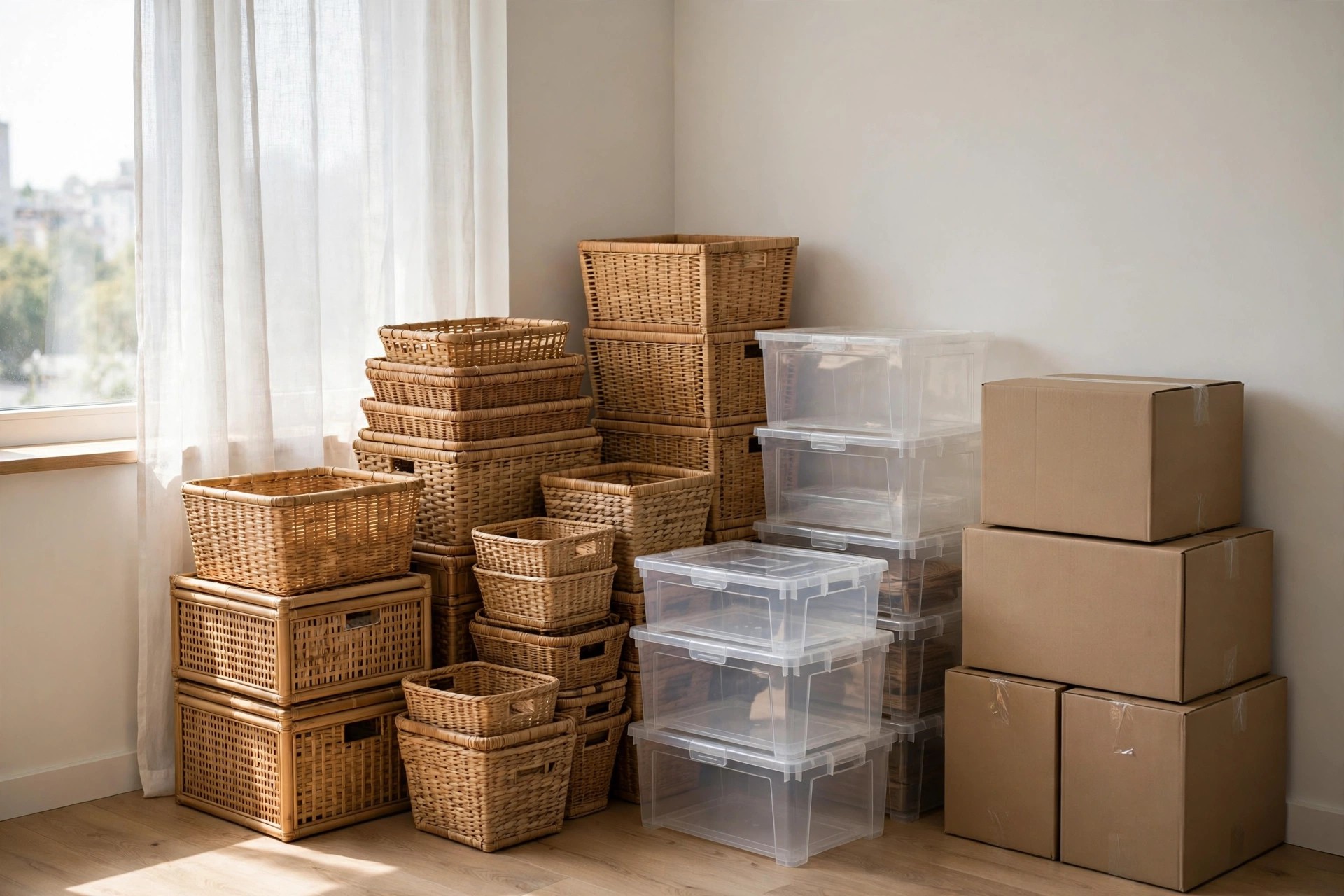
Storage bought in week one is a guess. Boxes, baskets, and shelf units chosen before unpacking ends often fit neither the things nor the wall they land on.
Unpack fully and live with the piles for a few days. The piles tell the truth: too many shoes by the door, papers on the counter, games under the table.
Then buy one piece per pile, sized to it. A basket that fits the actual blanket stack gets used; a huge unit bought on hope becomes a new pile.
Label nothing and buy nothing extra for a month. If a spot still fails after daily use, that is the storage worth paying for next.
9. Paying Twice for Duplicates You Already Own
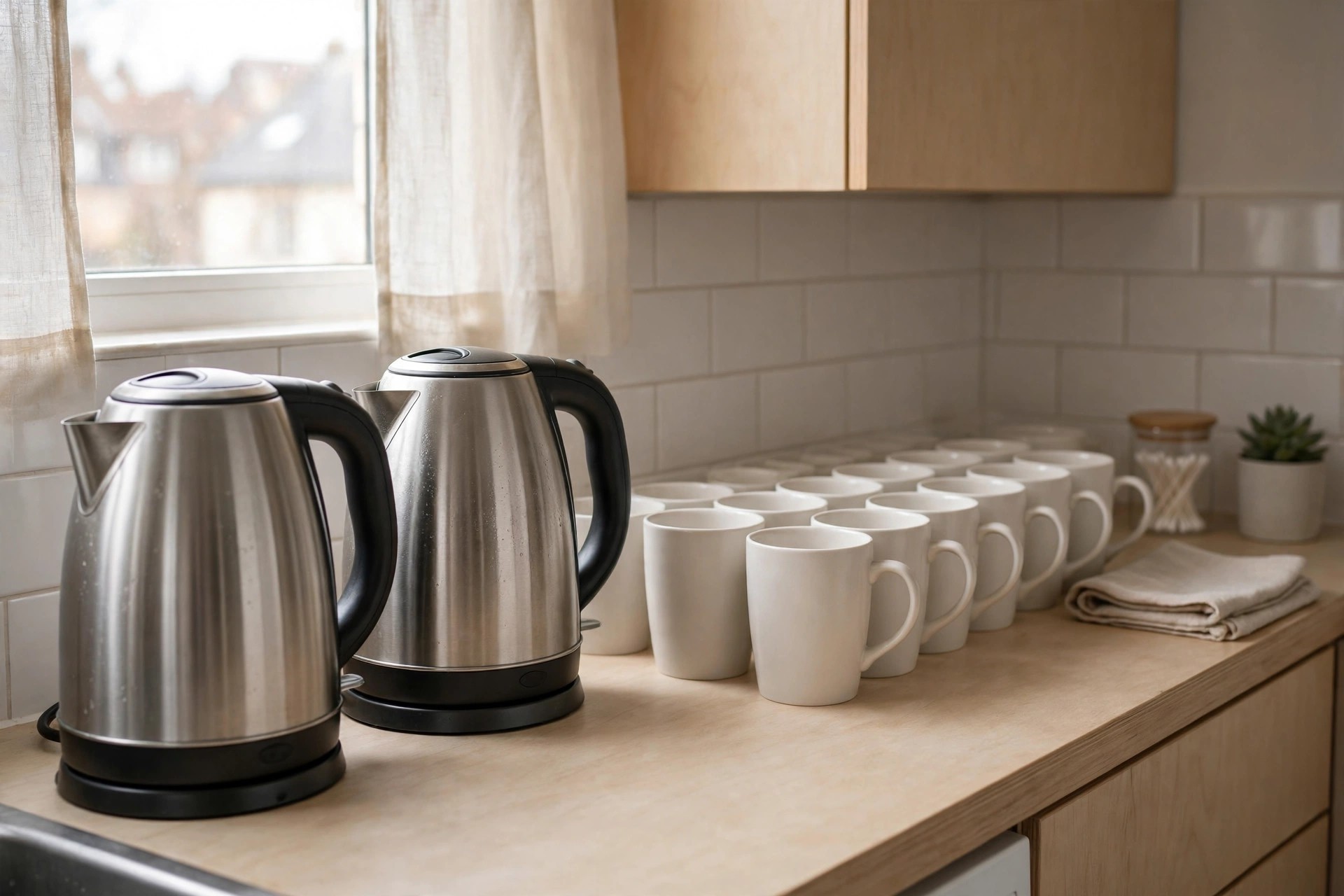
Packed boxes hide what you own. Many beginners buy a second kettle, more mugs, extra towels, and tools that are sitting in a sealed box in the spare corner.
Open every box before the first big shop. Make a plain list of what you have by room, and keep that list open while you shop online or in store.
Family offers help too, if you ask with a list. A spare lamp you need beats three gifted vases you do not, and asking kindly is free.
Return windows close fast, so check duplicates within days. A quick sort in week one can put several buys straight back for a refund.
10. Choosing Trendy Color Pieces Before Neutral Basics
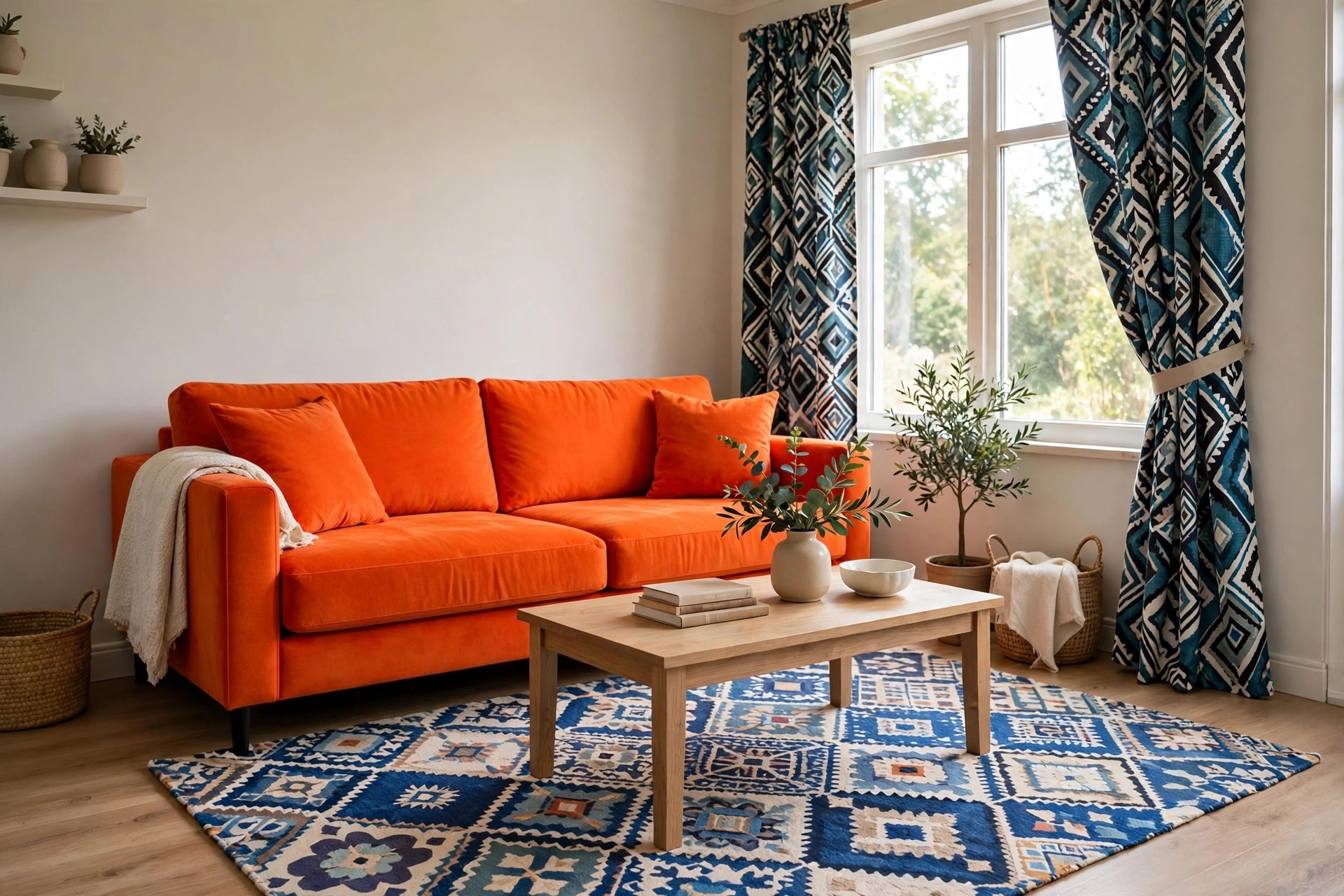
A bold sofa or a bright rug can be lovely, and it can also trap you. Big pieces in strong colors limit every later choice and date the room fast.
Beginners feel this cost at the second buy. The new chair clashes, the curtains fight the rug, and fixing the mix means replacing the biggest item you own.
Keep large pieces calm and put color in small, cheap places. Cushions, throws, art, and a plant pot can carry a trend for a season and leave for little.
When the basics are calm, one bold piece can join later on purpose. Chosen last, it looks brave; bought first, it runs the whole budget.
11. Buying One Big Statement Piece That Locks the Layout
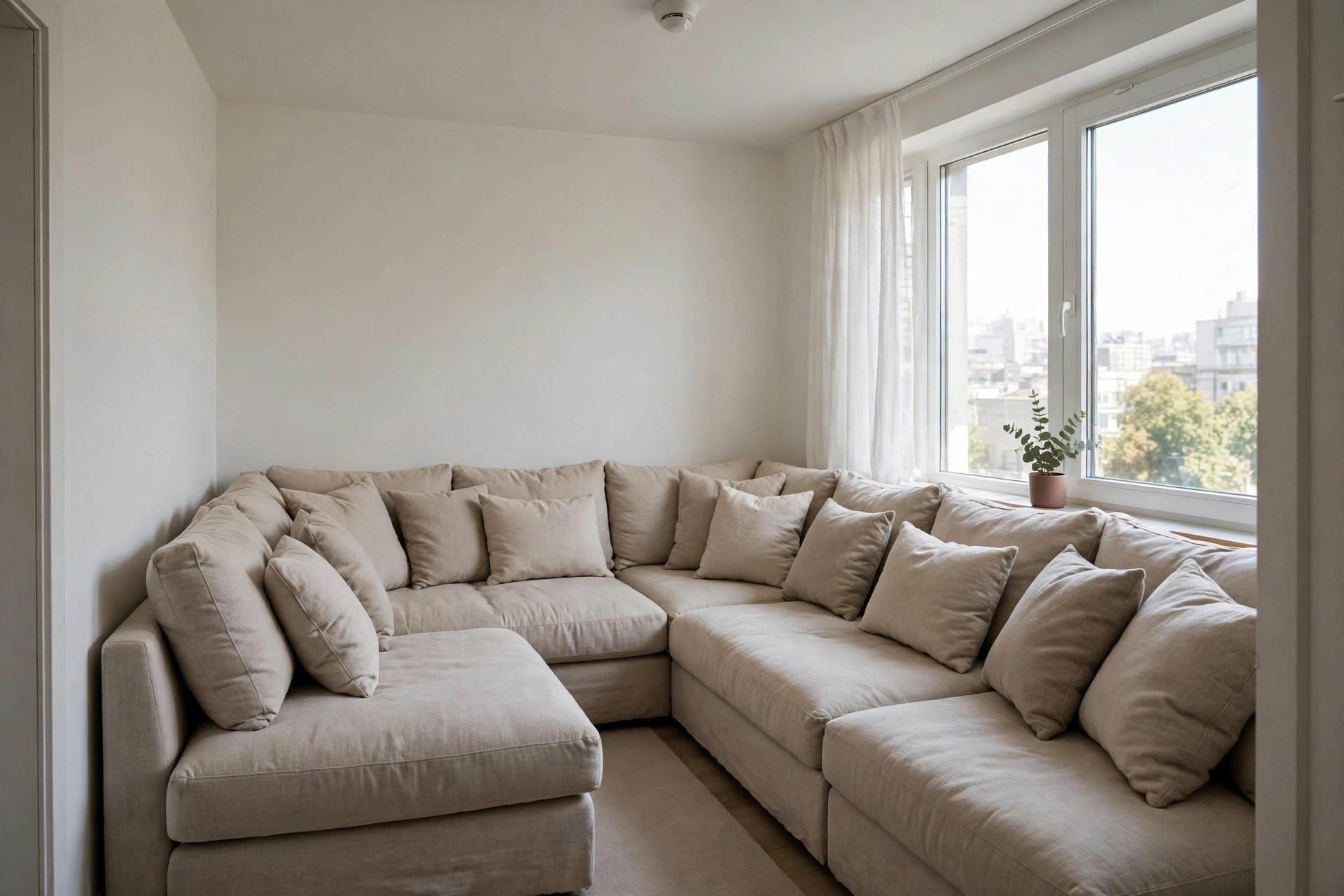
A huge sectional, a wall size media unit, or a king bed in a small room can end every other plan. Once it is in, the room can only work one way.
Lock in is the hidden cost. You cannot host a desk, seat a guest, or shift the room for a new job because one piece owns the floor plan.
Leave one wall or corner free of fixed plans. Flexible space is worth money in a first home, where work, guests, and hobbies change within the year.
For the sizing side of this trap, small living room mistakes that make it feel smaller shows how one oversized piece shrinks a whole room.
12. Forgetting the Entry, Lighting and Small Daily Costs
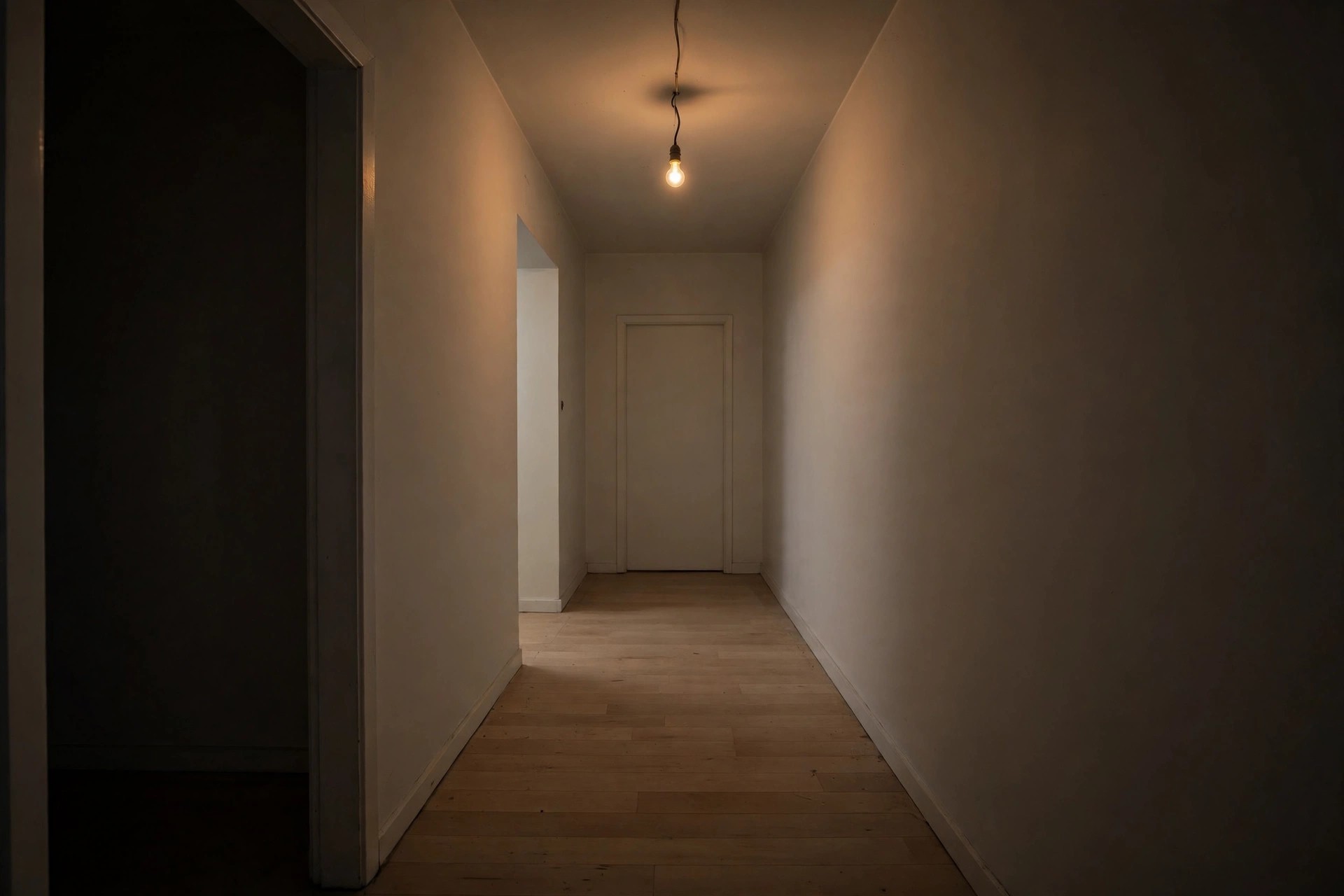
Budgets usually list furniture and forget the small daily layer. Bulbs, hooks, a door mat, cleaning basics, and a lamp for the dark hallway all arrive as surprise costs.
Each one is small, and together they sting. Worse, skipping them makes pricey furniture work badly: a good sofa in a dark room still feels wrong at night.
Walk the flat at dusk before you shop for decor. Note every dark corner, bare hook spot, and floor that needs a mat, then price that list first.
These small fixes also protect deposits and floors. A mat at the door and pads under chair legs save wear that costs far more at move out.
13. Signing Up for Sets and Bundles You Do Not Need
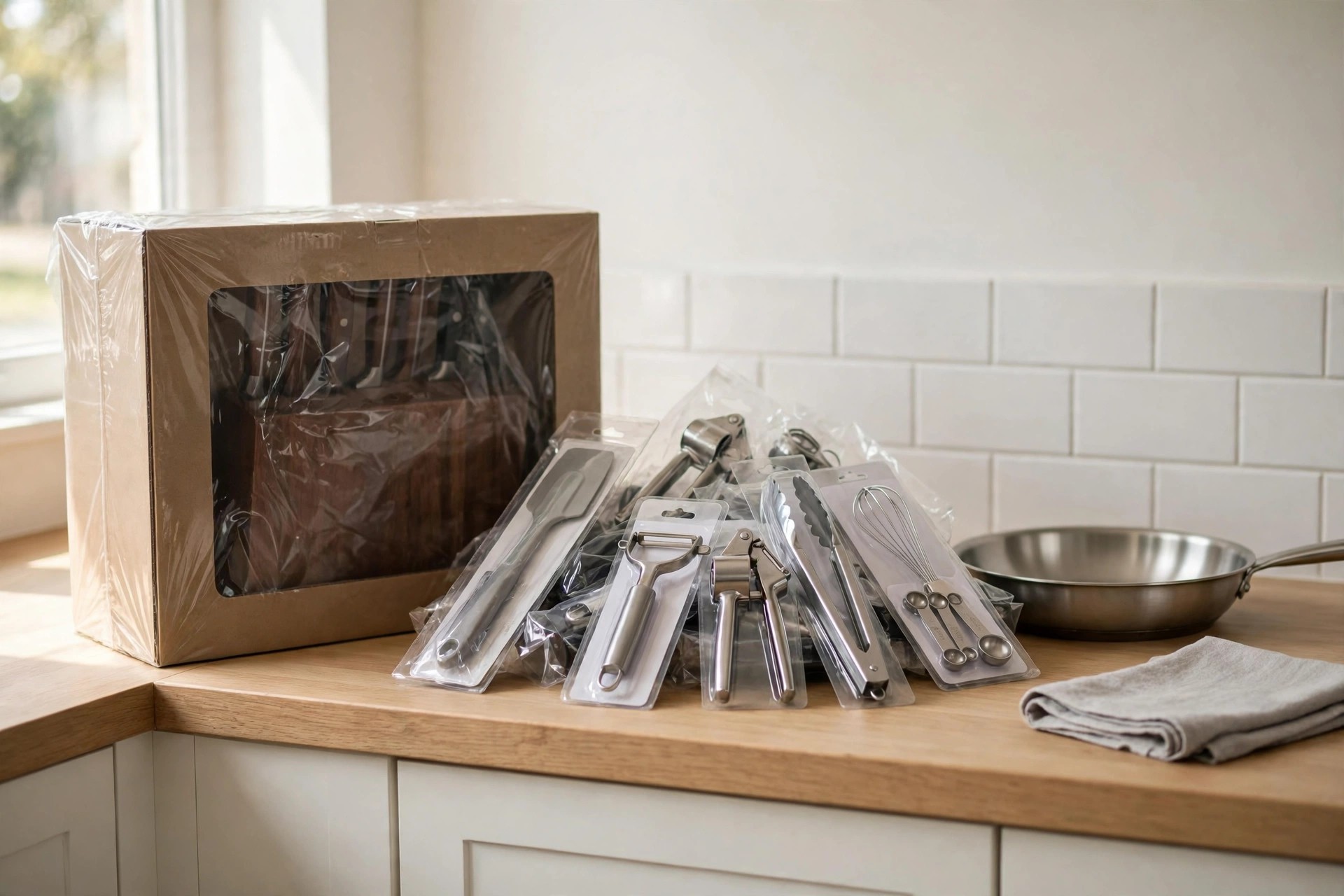
Bundle deals feel like saving and often are not. A twelve piece kitchen set with four tools you never use costs more than the five pieces you cook with daily.
The same trap hides in bedding packs, tool kits, and cleaning bundles. Half the box goes to a cupboard, and you paid for storage, not use.
List the tasks first, then buy the pieces for those tasks. One good knife, one board, and one pan you use daily beat a full block of dull extras.
Check the per piece sense of every bundle. If you cannot name a job for an item, leave it in the store and keep the cash.
14. Ignoring Secondhand for Solid Wood and Simple Pieces
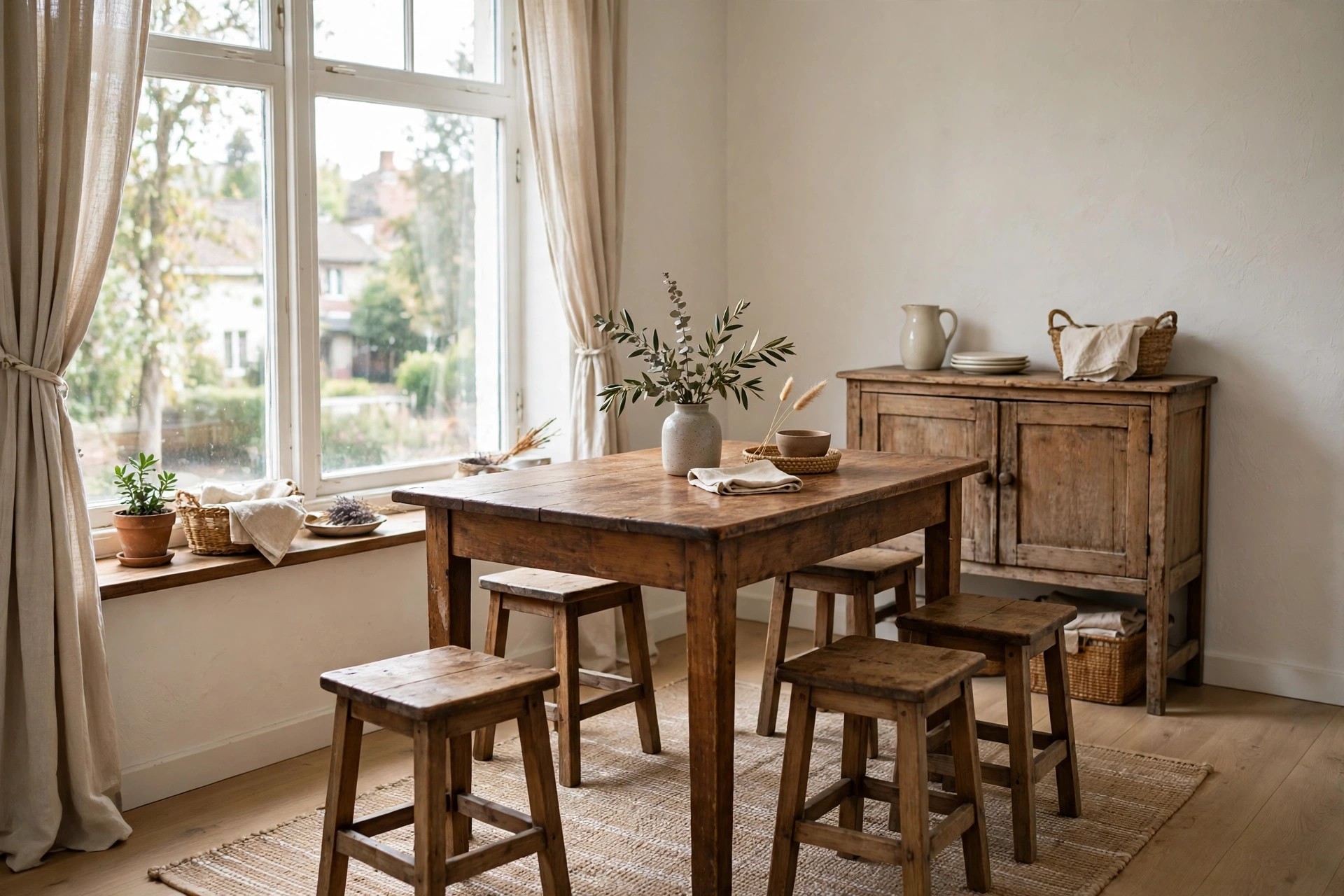
New is not always better. Flat pack pieces in thin board can cost more than a solid used table that has already survived ten years of dinners.
Thrift stores and local listings suit first apartments well. Wood stools, simple shelves, lamps, and frames are common, sturdy, and easy to clean up at home.
Check each piece with your hands. Sit on it, open the drawer, look for wobble and woodworm, and smell for damp before you pay and carry it home.
Save new money for soft and personal items like a mattress and pillows. Hard furniture is where secondhand saves the most with the least risk.
15. Rushing the Last Details Instead of Living in the Room First
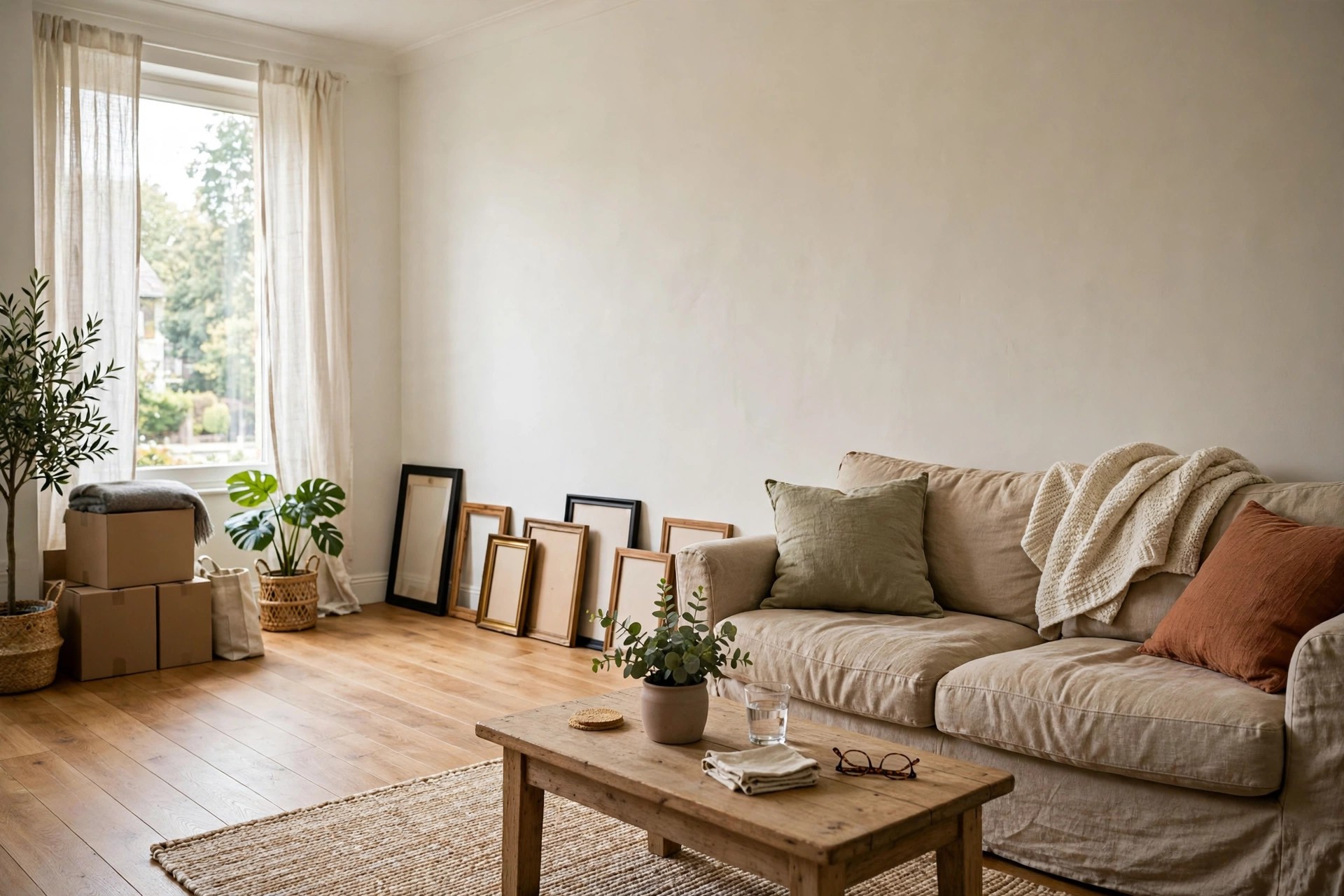
The last mistake is speed itself. Art bought before the sofa settles, curtains bought before the rug, and shelves fixed before the layout is tested all get redone.
Each redo costs twice: the wrong item, then the right one. Paint, holes, and return trips add up across a year of small corrections.
Give each room a trial month with the basics in place. You will learn the light, the cold corner, and the seat everyone chooses, and details will choose themselves.
When you do buy the finish, use our sequence in what to buy first for a new home so kitchen, bedroom, and living room needs stay in a sane order.
Most money lost in a first home goes on timing, not taste. Sets, duplicates, wrong sizes, and rushed details are the quiet drains, and the list of first apartment mistakes that waste money beginners make is mostly a list of buys made too soon.
Slow the first month down. Measure, unpack, live in the rooms, and let real life tell you what to buy next, one room and one piece at a time.
Save this list to your first apartment ideas board for later, and check it before any big shop during your first season in the new place.


