

15 Early Tomato Varieties for Short Summers in Pots
Short summers punish slow tomatoes. A beefsteak that needs ninety warm days will still be green when the first cold night arrives, and the plant has wasted your sunniest pot.
Choosing early tomato varieties for short summers in pots changes that math. The varieties below ripen in around 42 to 60 days from transplant, so a late May planting can give ripe fruit by late July.
Most are compact determinate or dwarf plants that suit a 5 gallon pot, about 19 litres, on a small balcony. Give each plant 6 to 8 hours of direct sun, steady water, and a weekly tomato feed once flowers open.
Days to maturity here count from transplant, not from sowing. Add the indoor weeks when you plan, or a 55 day variety will look late through no fault of its own.
Timing matters as much as variety, so check when to plant tomatoes in pots by region before you sow. Then pick two or three varieties here and start them indoors 6 to 8 weeks before your last frost.
‘Sub-Arctic Plenty’ for the Coldest, Shortest Season
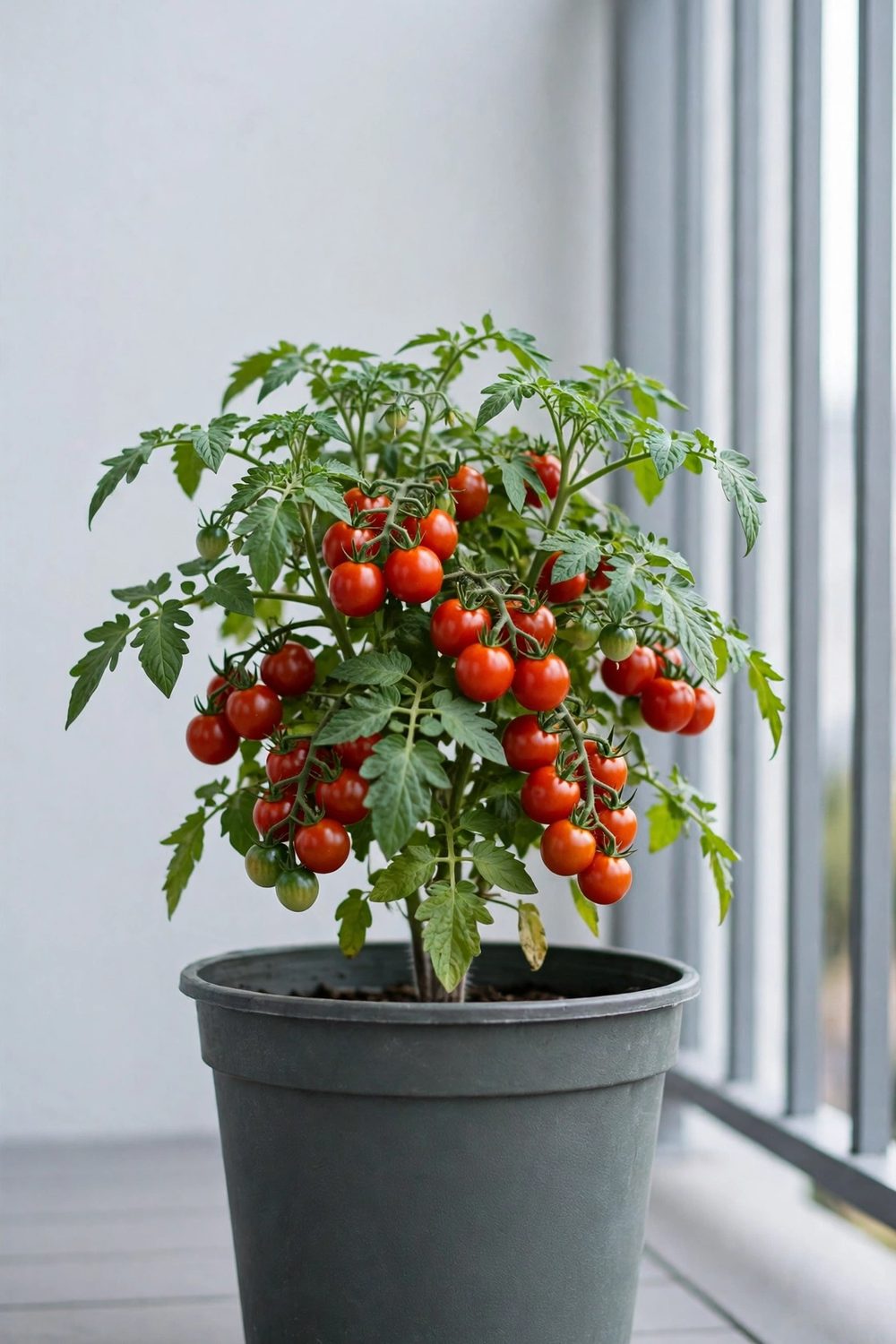
‘Sub-Arctic Plenty’ is a determinate heirloom bred in Alberta, Canada, for very short seasons. Seed catalogues list ripe fruit in around 42 days from transplant, among the fastest of any tomato.
The fruit is small and red, about 2 to 4 ounces, carried in clusters on a compact bush. Flavor is mild and sweet rather than rich, which is a fair trade for such speed.
Grow one plant in a 5 gallon pot, about 19 litres, with a short cage for support. It suits a northern balcony where nights stay cool and the frost free window is brief.
Start seed indoors early, then set the plant out after your last frost under fleece for the first week. On a windy third floor rail, tie the cage to the rail so a full, wet pot cannot tip.
‘Glacier’ for Cool Nights and Steady Setting
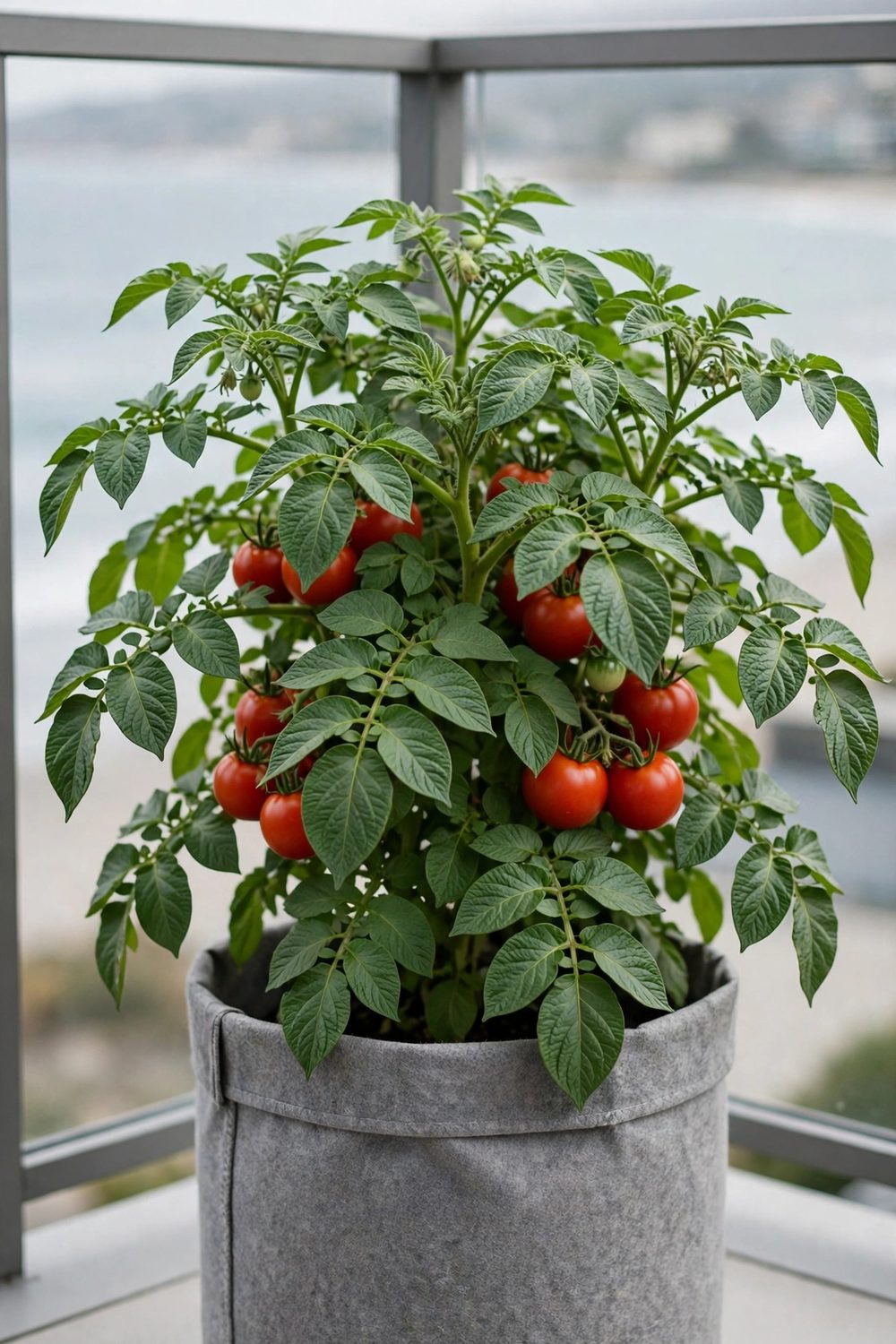
‘Glacier’ is a Swedish heirloom, listed as determinate or semi determinate by different catalogues, with ripe fruit in around 55 days from transplant. It keeps setting fruit when nights turn cool.
The fruit is red and round, about 2 to 3 ounces, with a sweet taste that surprises people for such an early variety. Plants stay bushy and manageable in a pot.
Use a 5 to 10 gallon pot, about 19 to 38 litres, and a medium cage. It suits a coastal balcony where spring warms slowly and autumn arrives early.
Water at the base in the morning from a can filled at the kitchen sink. Even moisture matters here, because swings in watering can split the thin skins as fruit colors.
‘Stupice’ for Early Fruit With Real Flavor
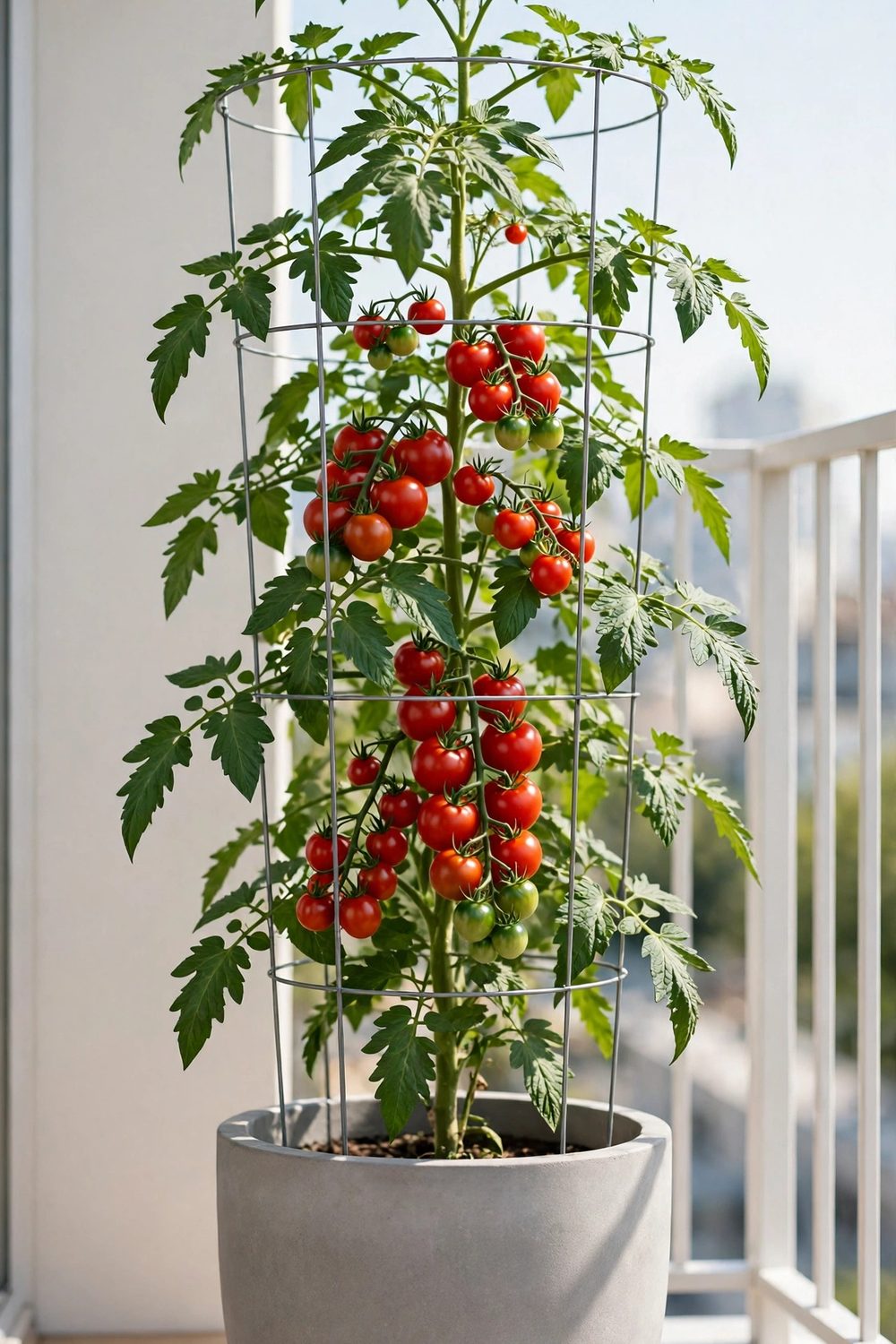
‘Stupice’ is a Czech heirloom with potato leaf foliage, listed in catalogues at around 52 to 55 days from transplant. Growers in cool climates return to it for flavor first, speed second.
The fruit is small and red, about 2 to 4 ounces, juicy with a bright, rich taste. The plant is usually listed as indeterminate, so it keeps cropping until frost.
Give it a 10 gallon pot, about 38 litres, and a tall cage or stake. It suits a sunny balcony where you have room for one taller plant rather than several small ones.
Pinch side shoots to one or two stems so air moves through the plant. Pick fruit as it colors, and the plant will keep setting new trusses into early autumn.
‘Oregon Spring’ for Seedless, Meaty Early Slices
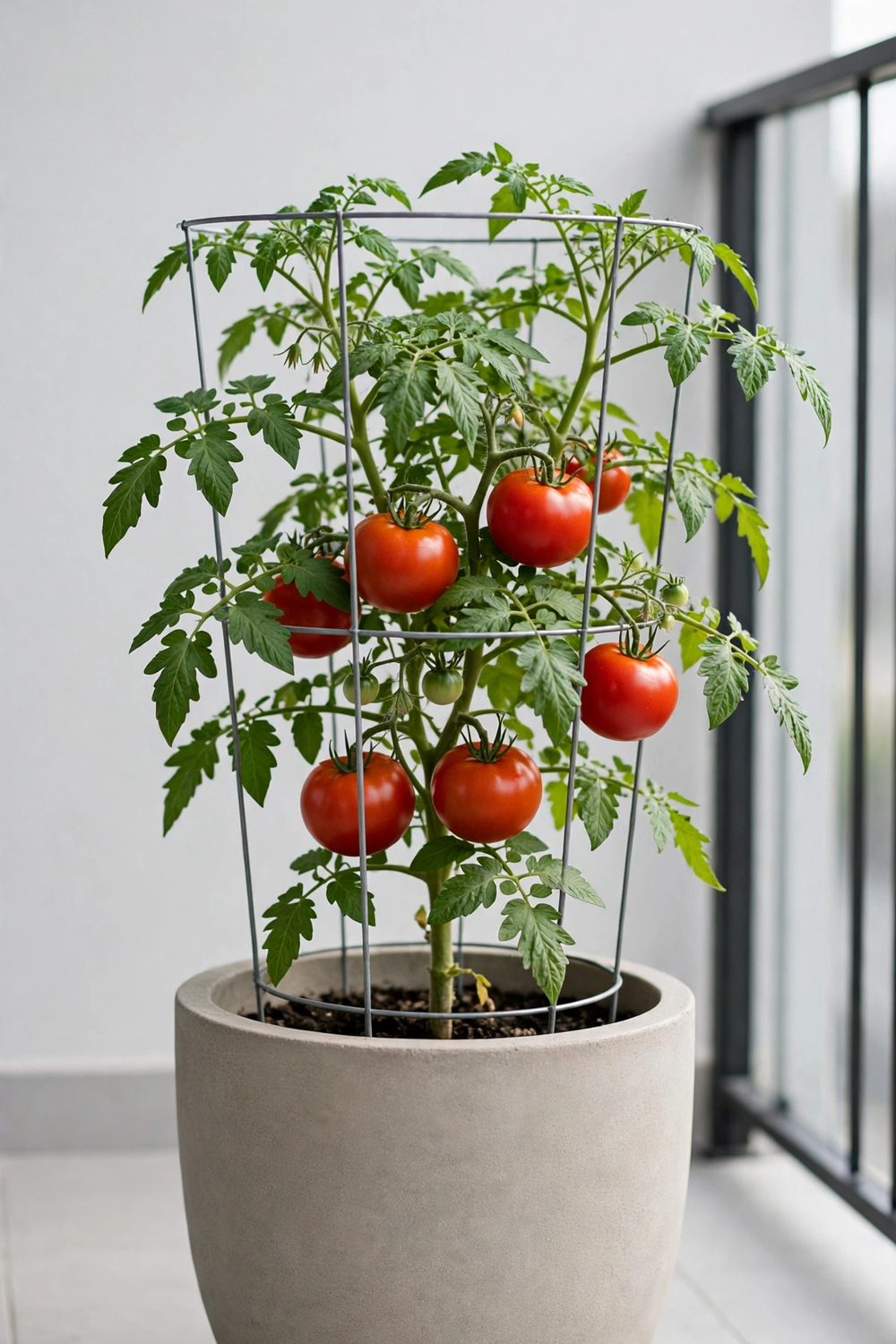
‘Oregon Spring’ is a determinate variety bred by Oregon State University for cool, short seasons. Catalogues list it at around 58 days from transplant, and it sets fruit without full pollination.
The fruit is medium red, about 4 to 6 ounces, meaty and nearly seedless, with a mild, low acid taste. Slices hold together well for sandwiches and simple salads.
Grow it in a 5 to 10 gallon pot, about 19 to 38 litres, with a sturdy cage. It suits a balcony in a cool coastal area where bees are scarce in spring.
Because the crop comes in a fairly concentrated wave, sow a second plant two weeks later if you want slices over a longer stretch. Mulch the surface to hold moisture between waterings.
‘Fourth of July’ for the First Red Slicer
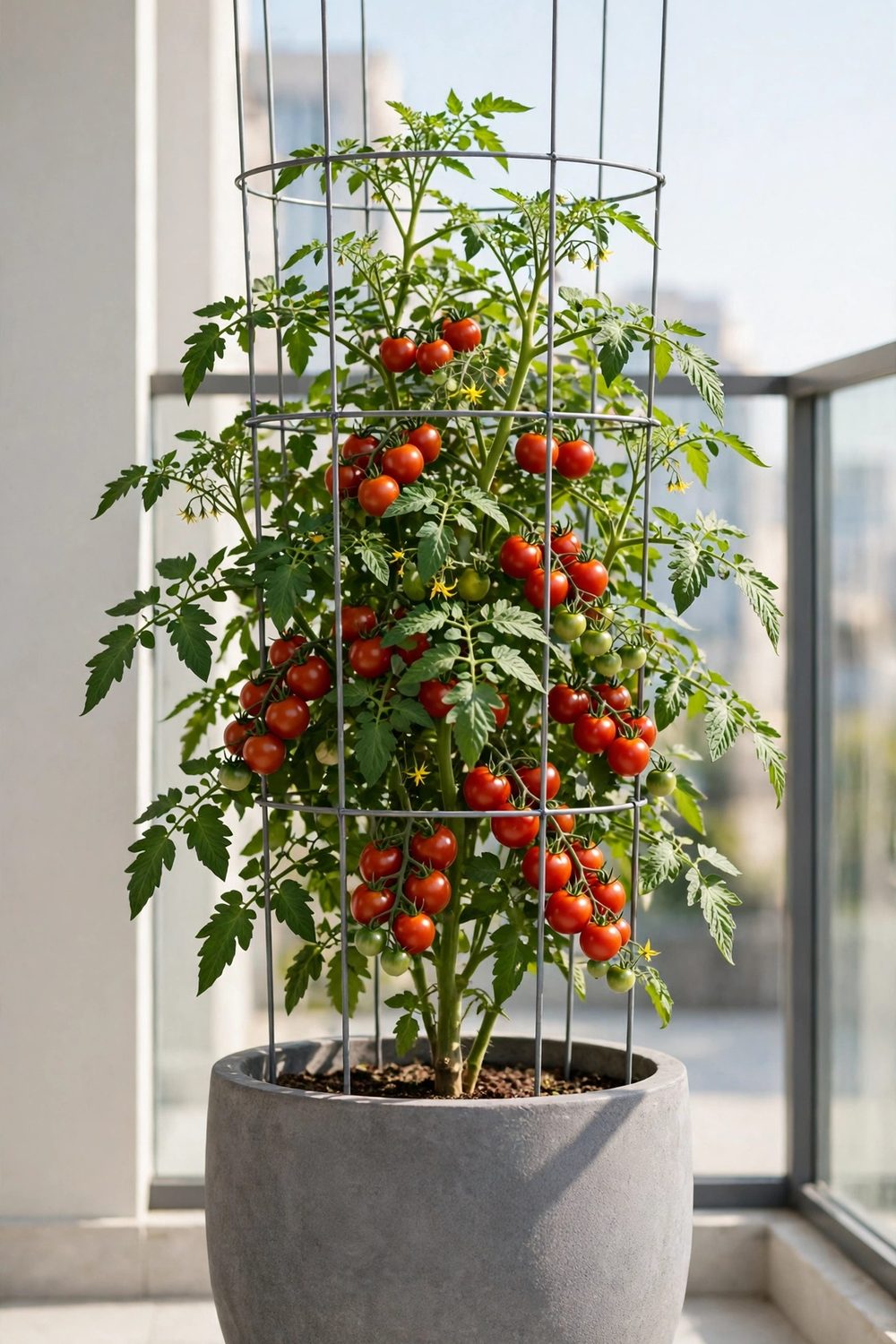
‘Fourth of July’ is an indeterminate hybrid bred by Burpee, listed at around 49 days from transplant. The name promises early fruit, and in a warm pot it often delivers it.
The fruit is small and red, about 4 ounces, round and firm, with a classic tomato taste. Plants are vigorous, so expect steady growth once summer warmth arrives.
Use a 10 gallon pot, about 38 litres, and a tall, strong cage from planting day. It suits a balcony with a long run of sun and space for one climbing plant.
Tie the main stem in loosely every week as it grows. Feed weekly once the first flowers open, and keep the mix evenly moist so the early fruit sizes up well.
‘Early Girl’ for a Reliable Early Harvest
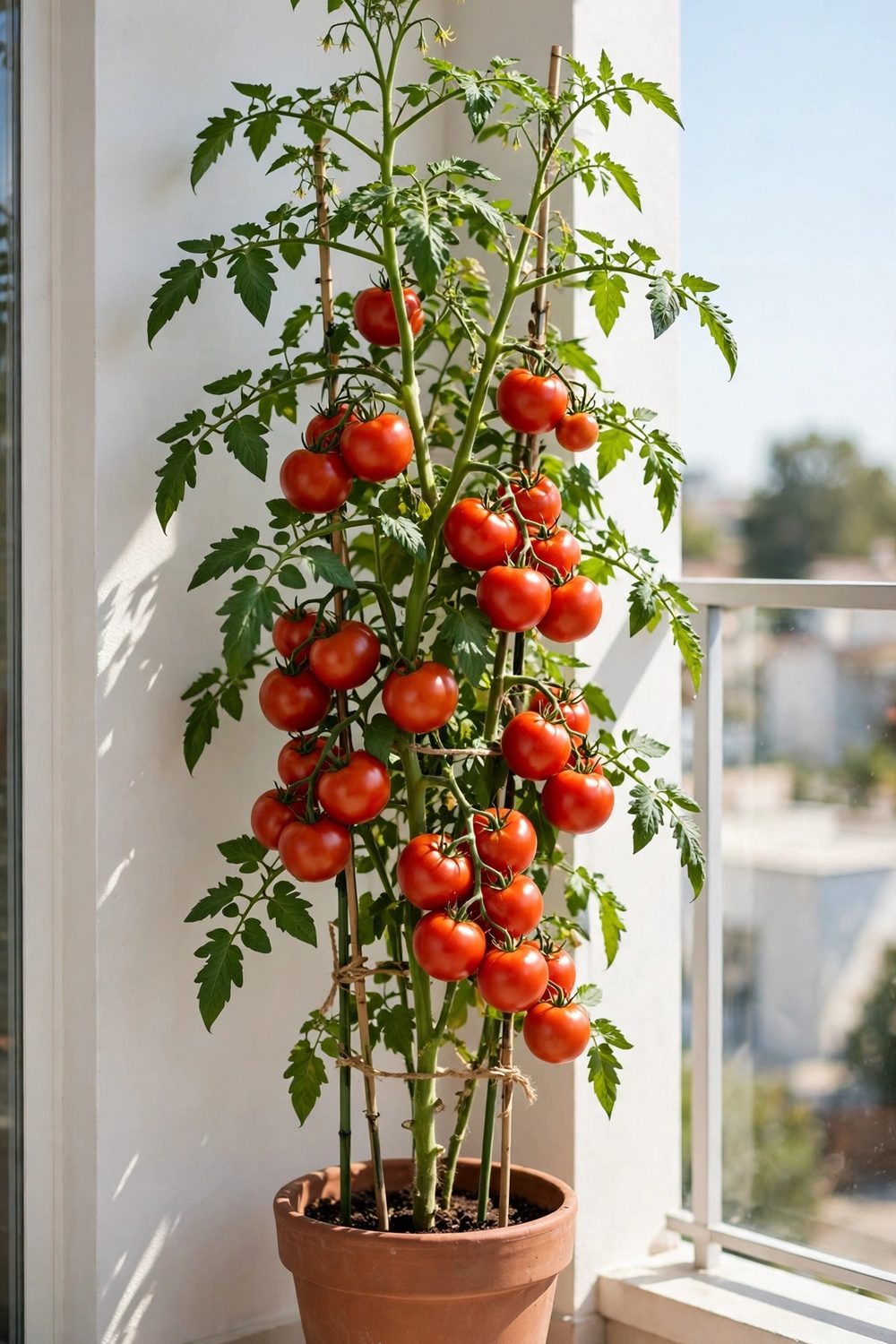
‘Early Girl’ is an indeterminate hybrid listed by seed catalogues at around 52 days from transplant. It has been a standard early choice for decades because it crops heavily and handles varied weather.
The fruit is red and globe shaped, about 4 to 6 ounces, with full tomato flavor. Plants grow tall and need support, but they reward that space with fruit all season.
Grow it in a 10 gallon pot, about 38 litres, in the sunniest spot you have. It suits a balcony where one proven plant matters more than trying five unknown ones.
For pot size basics, see the best pots for growing vegetables on a balcony. A pot that is too small dries daily and stalls this variety fast.
‘Bloody Butcher’ for Small Fruit, Big Clusters
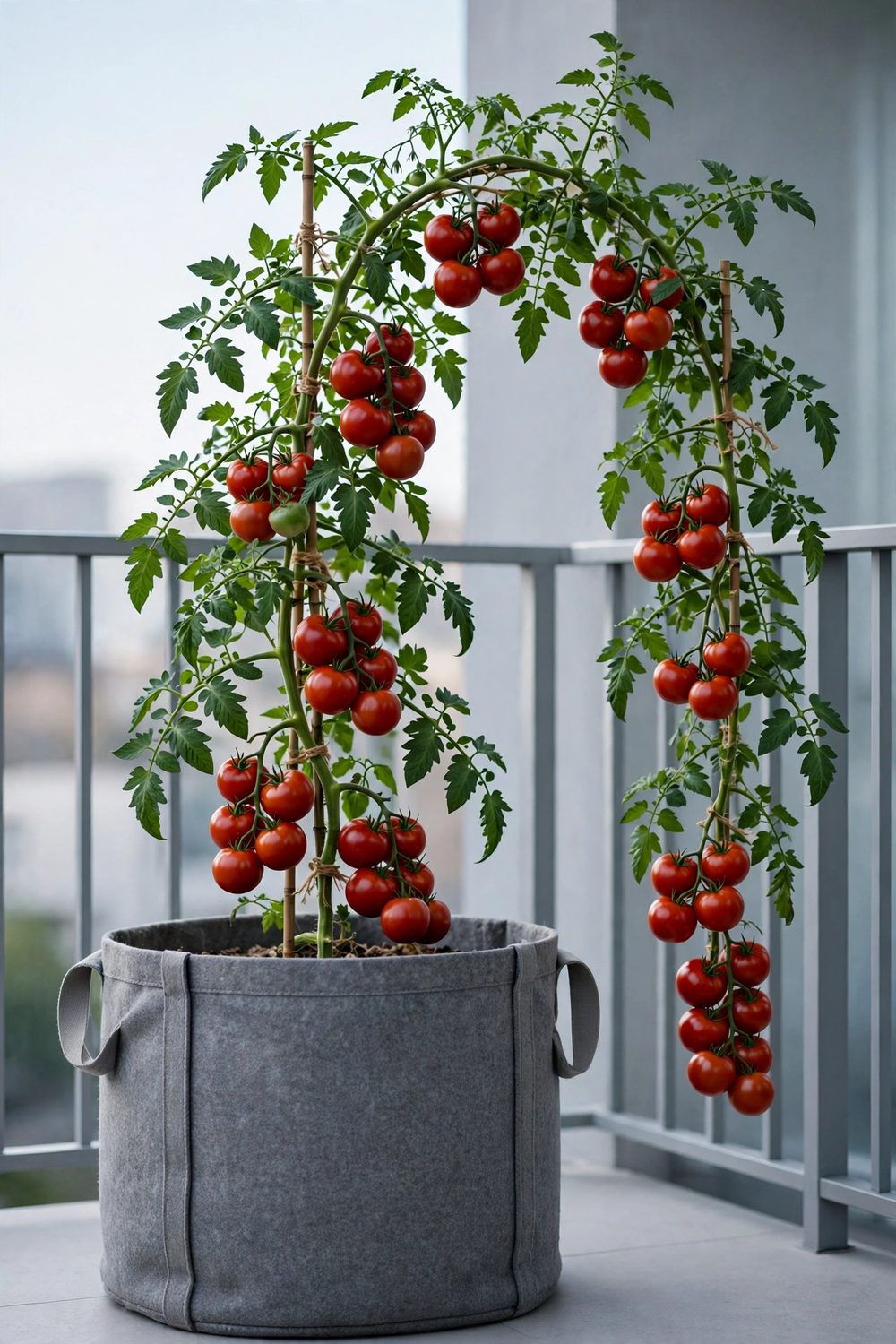
‘Bloody Butcher’ is an early heirloom listed by Cornell variety records as an indeterminate cherry type, ripening in around 55 days from transplant in many catalogues. It is grown for speed and yield.
The fruit is deep red, about 2 inches across and 3 to 4 ounces, carried in clusters of five to nine. Flavor is rich for an early tomato, with a good balance of sweet and sharp.
Use a 10 gallon pot, about 38 litres, and a tall cage, because the vines grow long. It suits a balcony where you want early handfuls for salads rather than large slices.
Harvest clusters as most fruit colors, then let the last ones finish on the counter at room temperature. Never put unripe fruit in the fridge, because cold stops ripening and dulls flavor.
‘Moskvich’ for a Larger Early Slicer
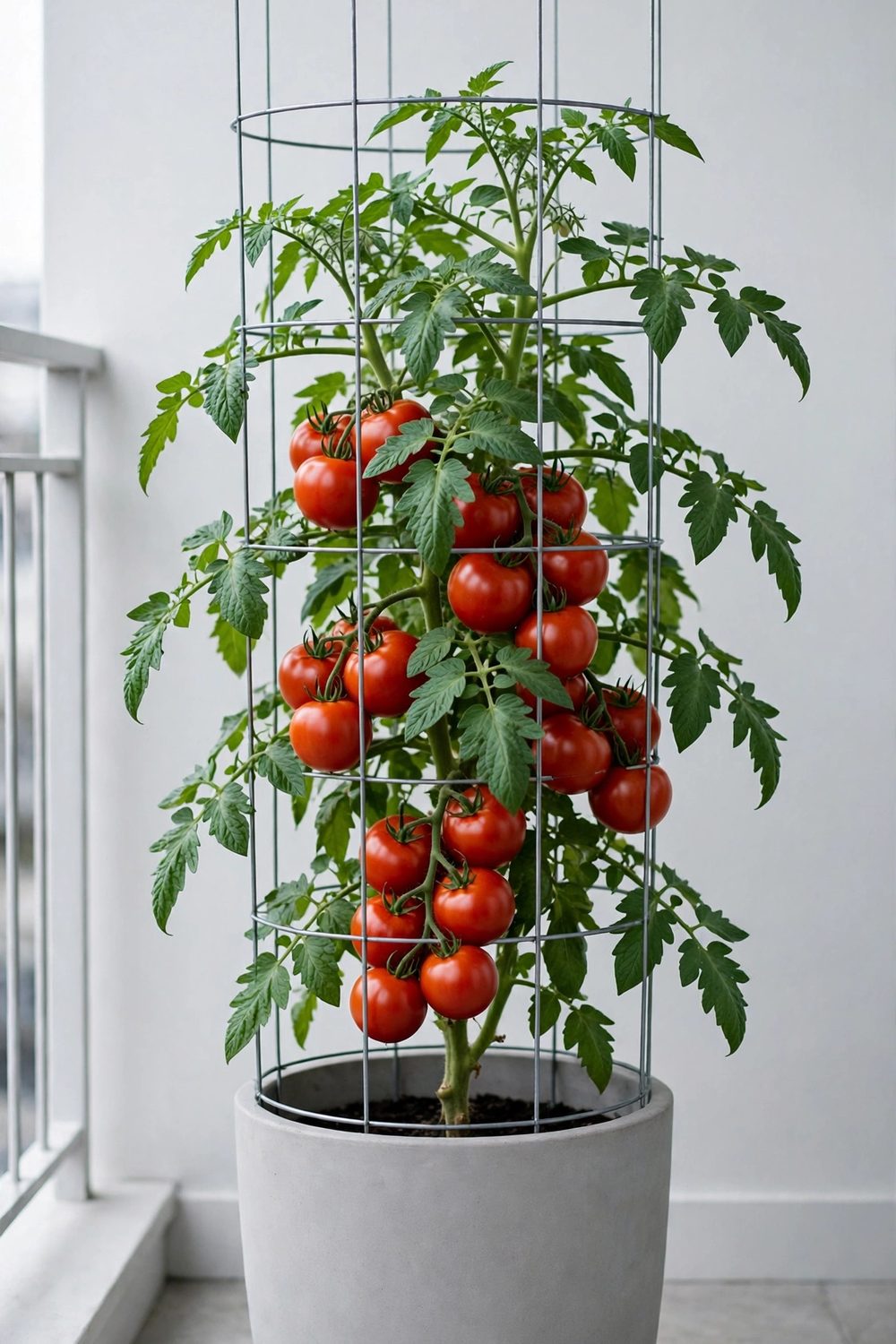
‘Moskvich’ is a Russian heirloom, an indeterminate slicer listed at around 60 days from transplant. It was selected for cool conditions, and it still sets fruit when nights dip.
The fruit is deep red, about 4 to 6 ounces, smooth and globe shaped, with a rich taste that beats many early types. That size makes it a true sandwich tomato, not just a salad filler.
Grow it in a 10 gallon pot, about 38 litres, with a cage at least five feet tall. It suits a short summer balcony where you still want proper slices, not only small fruit.
Leave the shade leaves over ripening fruit in a heatwave, because exposed fruit can scald. Water deeply, then check moisture with a finger before watering again, as the guide to how often to water vegetables in pots explains.
‘Siberian’ for Fruit Set in Cold Weather
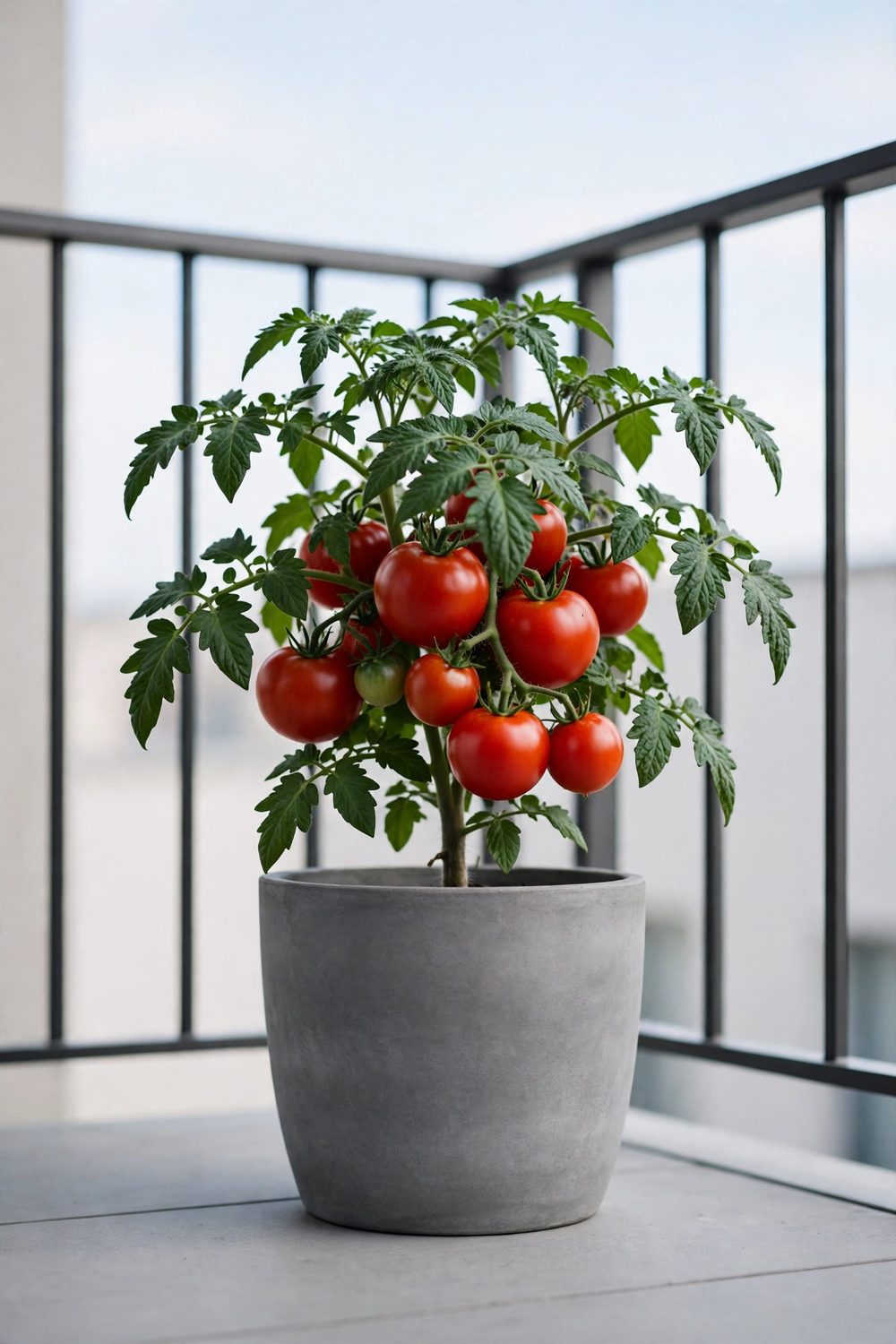
‘Siberian’ is an open pollinated variety from Russia, listed by Reimer Seeds at around 48 days from transplant. Catalogues note that it sets fruit at lower temperatures than most tomatoes can manage.
The fruit is bright red, about 2 to 5 ounces, on a compact plant that stays easier to manage than tall vines. Flavor is mild and pleasant, best eaten fresh soon after picking.
Use a 5 gallon pot, about 19 litres, with a short cage or stake. It suits an exposed balcony where spring nights stay cold long after the last frost date passes.
Group its pot beside other pots on the coldest nights, because shared shelter cuts wind chill. A fleece cover over the cage adds a small but real buffer until nights settle.
‘Sasha Altai’ for Flavor From a Cold Climate
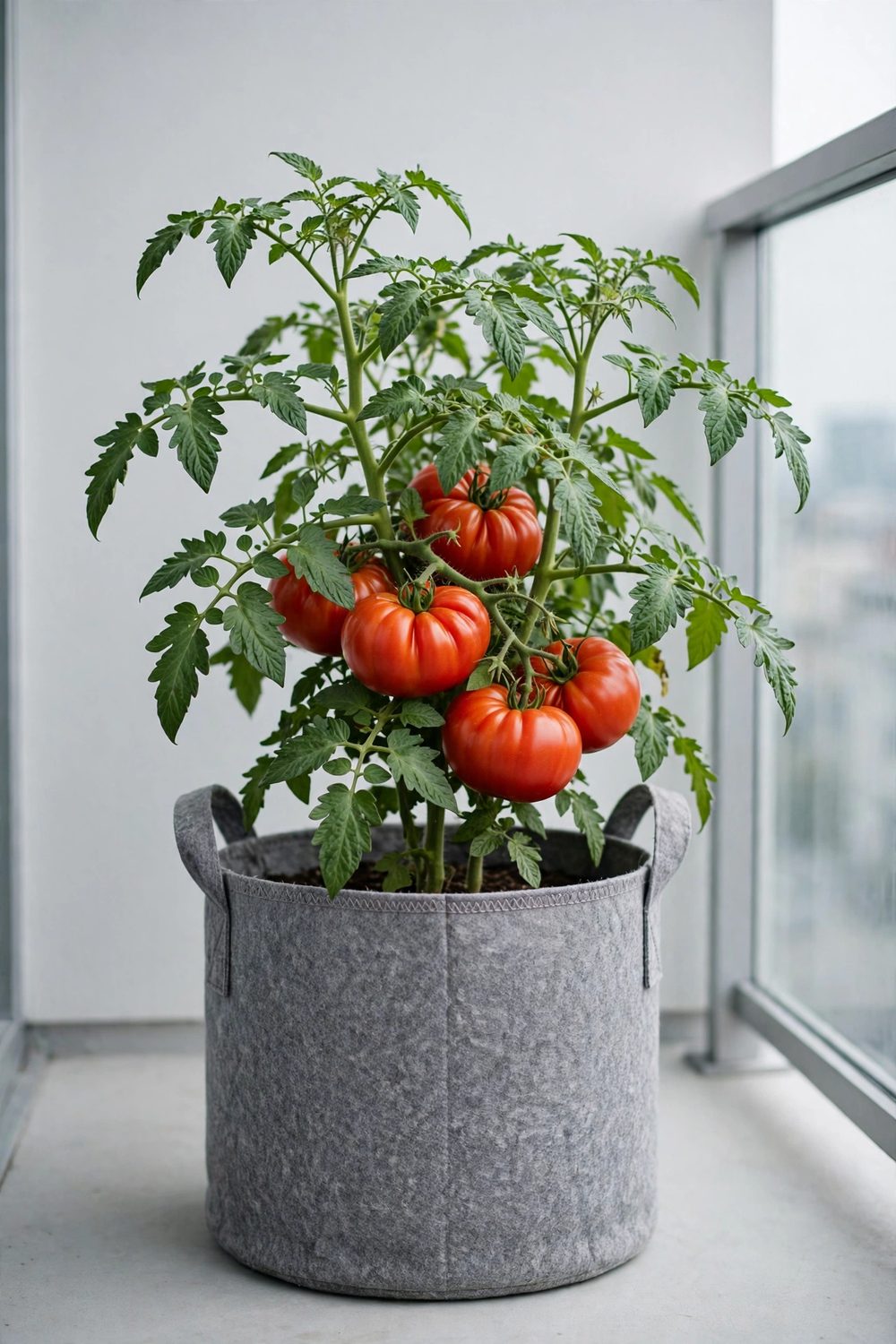
‘Sasha Altai’, also sold as ‘Sasha’s Altai’, is a determinate heirloom from the Altai Mountains of Siberia. Reimer Seeds lists it at around 57 days from transplant, with a strong record in cold areas.
The fruit is bright red, about 4 to 6 ounces, slightly flattened, meaty and juicy. It was named among the best early tomatoes in magazine trials, which is rare praise for a fast variety.
Grow it in a 5 to 10 gallon pot, about 19 to 38 litres, with a medium cage. It suits a high or northern balcony where the season is short but summer days are bright.
Sow indoors 6 to 8 weeks before your last frost, as with the spring balcony vegetables to sow first. Sturdy, stocky transplants establish faster outside than tall, pale ones raised in low light.
‘Sophie’s Choice’ for Large Fruit on a Small Plant
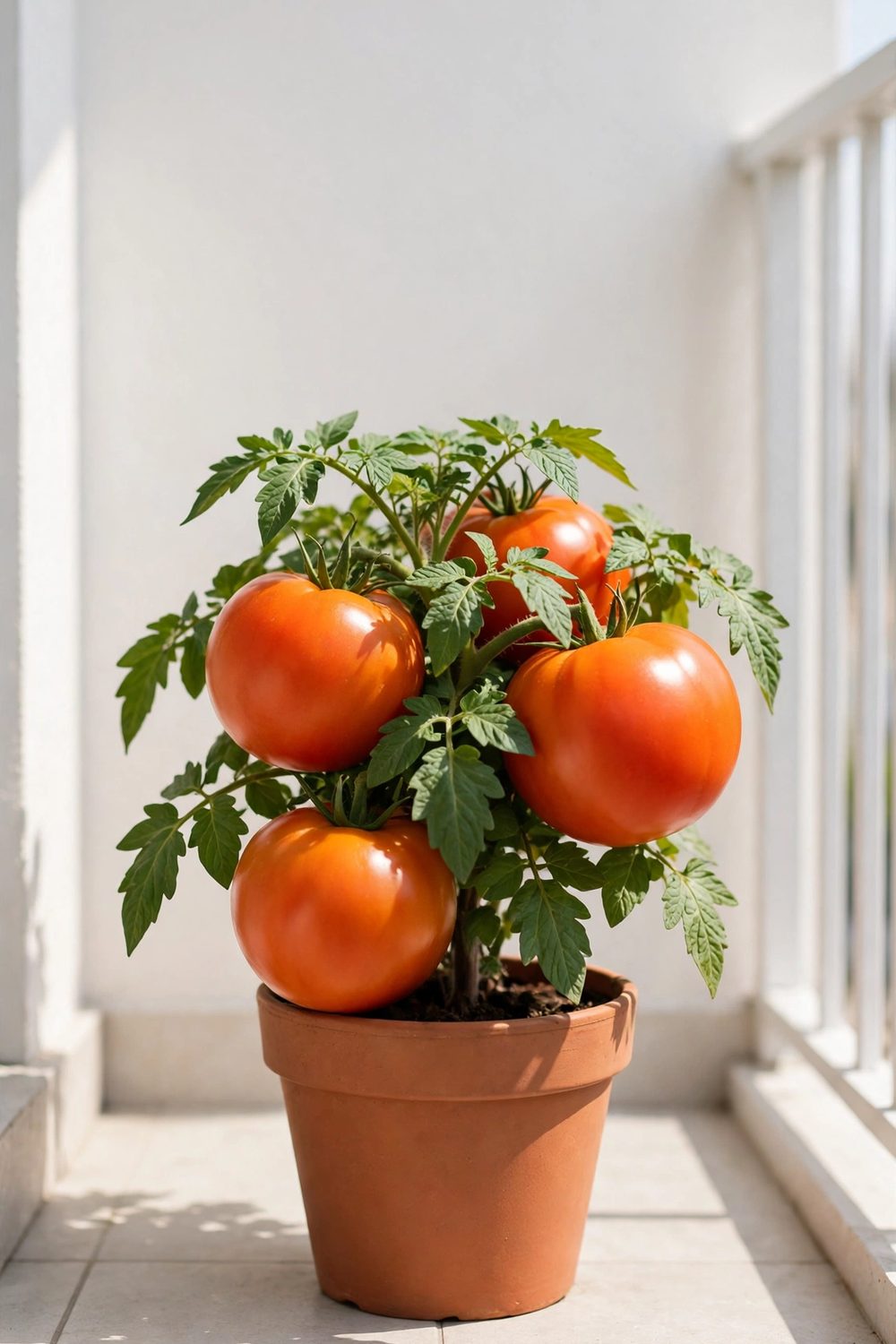
‘Sophie’s Choice’ is a determinate heirloom from Edmonton, Canada, listed at around 54 days from transplant. The plant stays short, about 18 to 24 inches, yet the fruit is surprisingly large.
Catalogues list orange red fruit at about 8 to 10 ounces, sweet and full flavored, though home growers report smaller fruit in some seasons. Either way, it is a lot of tomato for a small plant.
Grow it in a 5 gallon pot, about 19 litres, with a short cage to carry the heavy fruit. It suits a tiny balcony or a wide windowsill ledge with full sun.
If space is your main limit, compare it with the dwarf tomato varieties for small balconies and pots before you order seed. Both routes work, but the plant shapes and supports differ.
‘Manitoba’ for Prairie-Tested Reliability
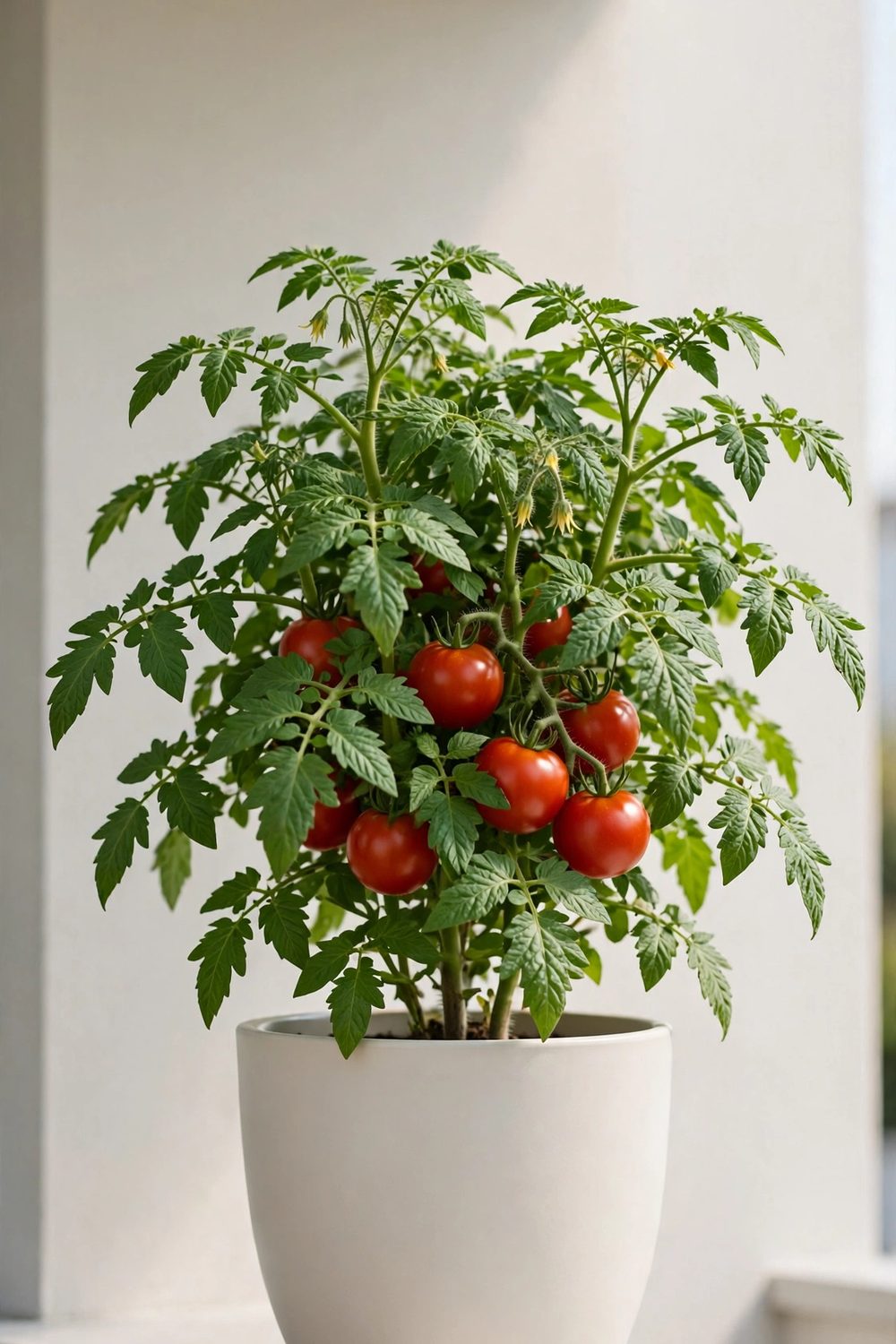
‘Manitoba’ is a determinate variety developed for the Canadian Prairies, listed at around 58 days from transplant, with some catalogues giving 55 to 60 days. Dependability is its whole reputation.
The fruit is medium sized and red, smooth and firm, made for slicing and salads. Plants are compact and, per McKenzie Seeds, need no staking, though a short cage helps in wind.
Grow it in a 5 gallon pot, about 19 litres, on a sunny, sheltered balcony. It suits growers whose summer is short, hot in the middle, and cold at both ends.
Mulch with a clean layer once the plant settles, because prairie style swings between wet and dry stress fruit. Keep watering steady, and blossom end rot, a calcium uptake problem tied to uneven moisture, stays rare.
‘Scotia’ for Cool, Damp Coastal Summers
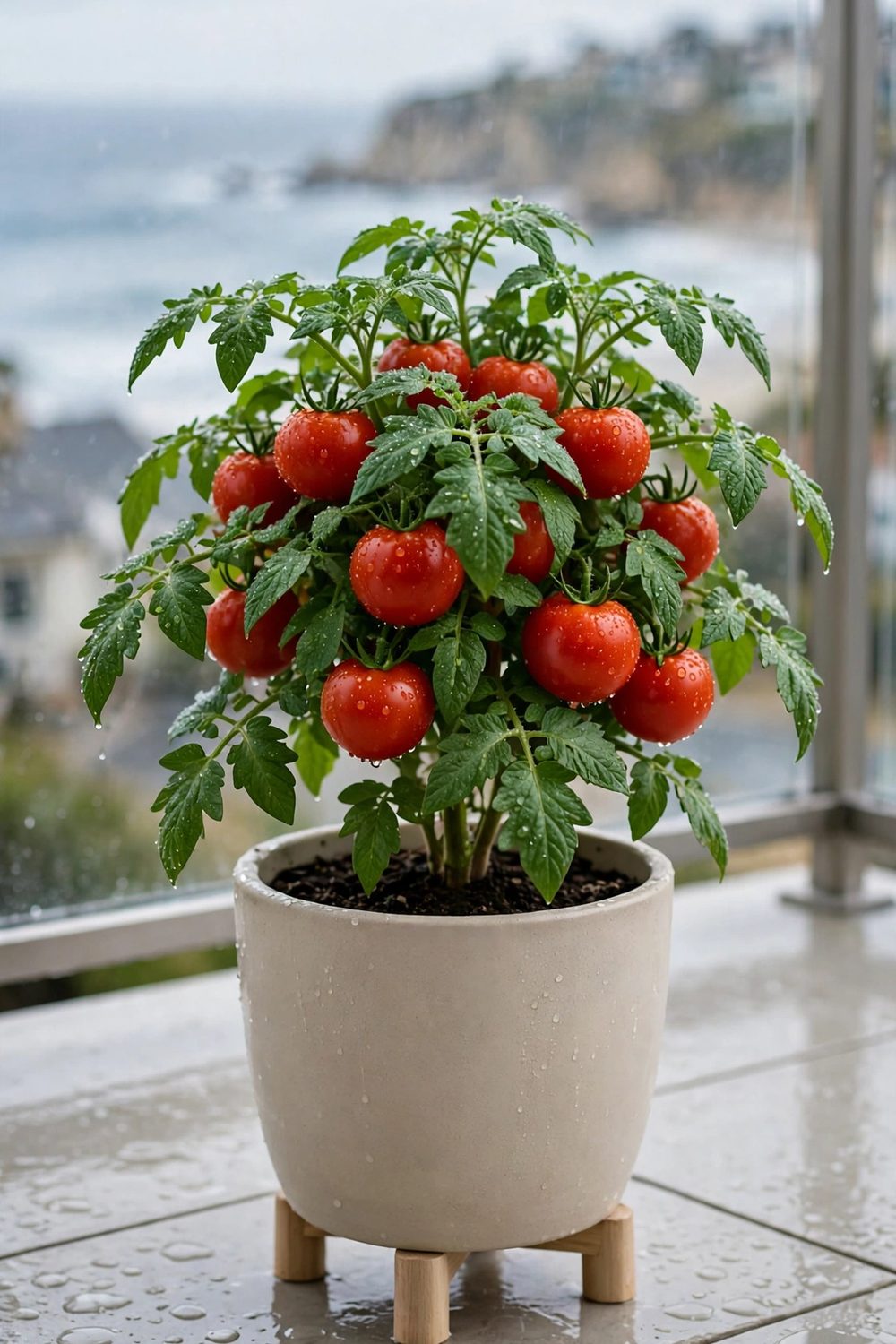
‘Scotia’ is a determinate variety developed in Nova Scotia for short, cool summers, listed at around 60 days from transplant. It first appeared in Canadian catalogues in the early 1960s.
The fruit is medium sized and red, with a mild taste, carried on a compact bush. It was bred for places where summer rain and cool air slow other varieties down.
Use a 5 to 10 gallon pot, about 19 to 38 litres, and raise the pot on feet so drainage stays free. It suits a coastal balcony where pots sit damp after rain.
Empty the saucer after heavy rain, because a pot standing in water loses air at the roots. On a balcony above a neighbor, that habit also stops the saucer overflowing onto the rail below.
‘Polar Baby’ for an Alaska-Bred Bush Plant
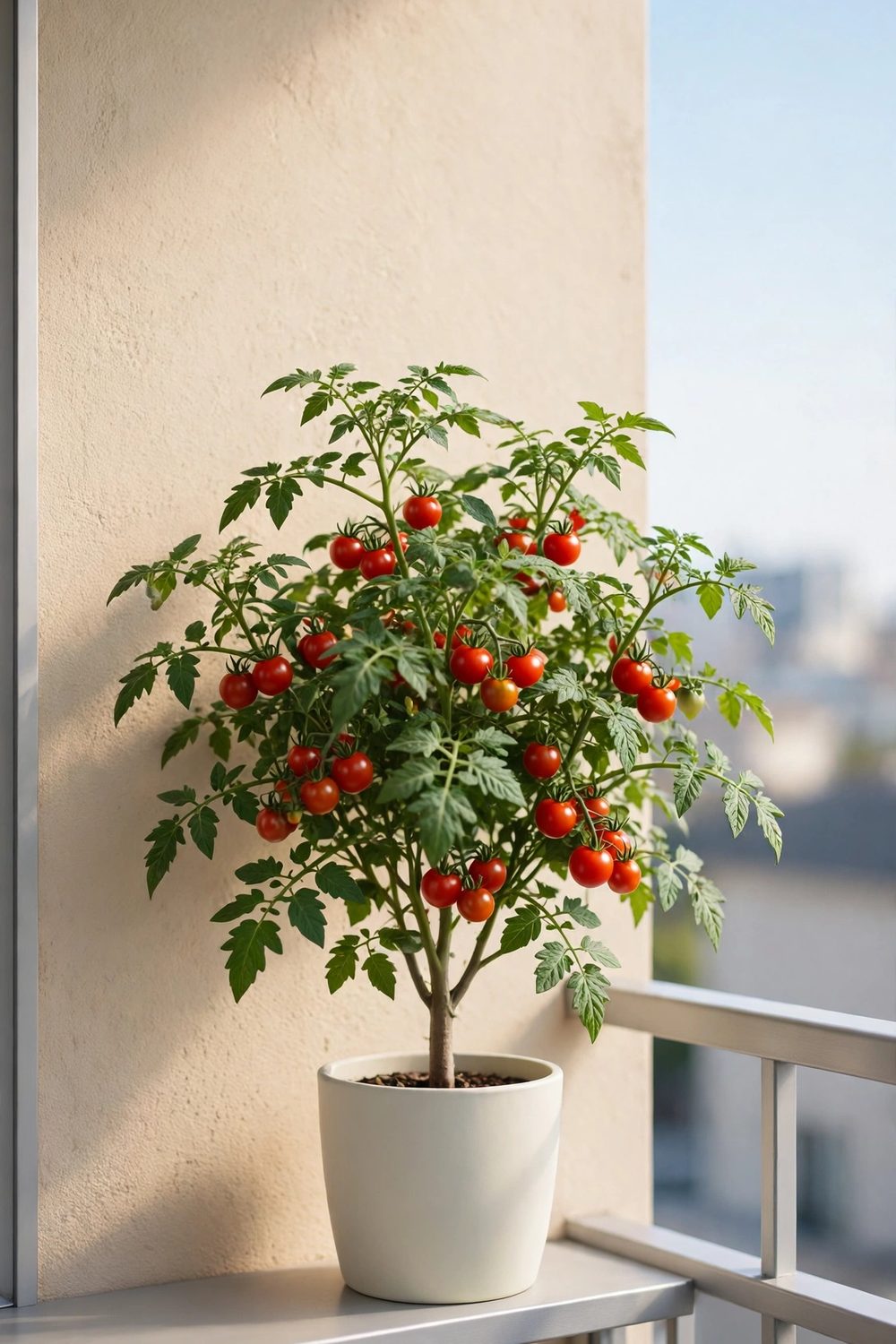
‘Polar Baby’ is a determinate variety bred in Fairbanks, Alaska, listed at around 60 days from transplant. Variety roundups note that it sets fruit even when nights fall into the 40s Fahrenheit.
The fruit is small to medium and red, carried on a small bush plant. It will not outcrop a large slicer, but it was bred to crop at all where large slicers fail.
Grow it in a 5 gallon pot, about 19 litres, with a short support. It suits the coldest balcony on this list, a high floor with wind and a very brief warm spell.
Move the pot against a sun warmed wall on cool evenings, because the wall gives back stored heat overnight. That small shift can keep flowers setting through a chilly week in June.
‘New Big Dwarf’ for Beefsteak Fruit on a Short Plant
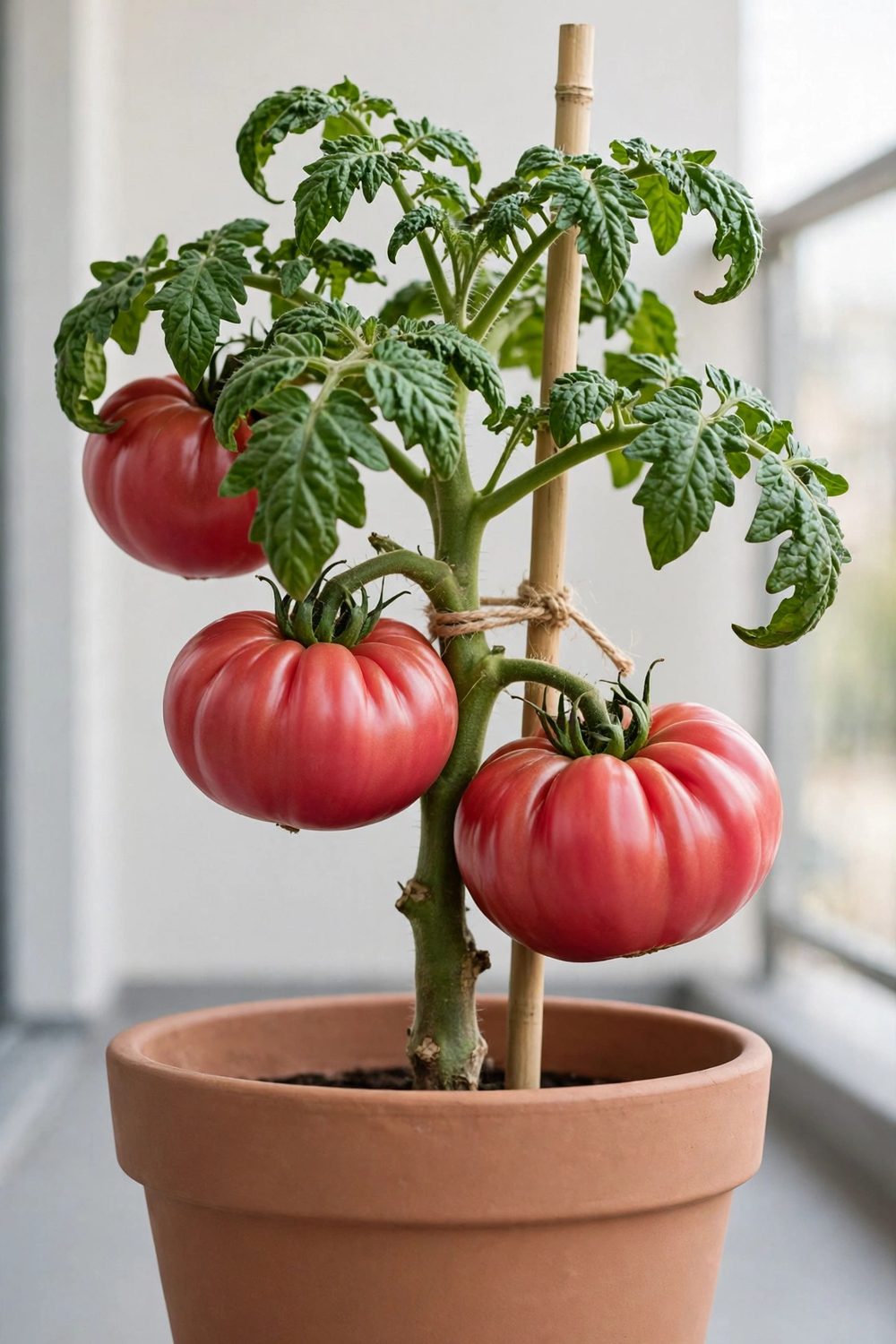
‘New Big Dwarf’ is a dwarf heirloom from 1909, a cross of ‘Ponderosa’ and ‘Dwarf Champion’. Some catalogues list ripe fruit in around 60 days, while others place it later, so treat it as the slowest pick here.
The fruit is deep pink, about 8 to 12 ounces, flattened and lightly ribbed, with a balanced sweet taste. The plant stays about 2 feet tall, with a thick stem and dense, crinkled leaves.
Grow it in a 5 to 10 gallon pot, about 19 to 38 litres, with one sturdy stake. It suits a balcony where height is limited but you still want one large slicing fruit.
Start this one earliest of all, a full 8 weeks before your last frost, to buy back its slower pace. In a short summer, that head start decides whether the largest fruit ripens outside.
Start with two or three varieties, not all fifteen. One ultra early bush, one early slicer, and one dwarf will teach you more in one season than a crowded rail of unknowns.
Match each plant to its pot size, keep water steady, and note which variety colored first on your balcony.
Save this guide to your tomato board for later, and order seed early. The best early tomato varieties for short summers in pots sell out first each spring, so a short list ordered in winter beats a late scramble.


