

When to Plant Tomatoes in Pots, by Region
A tomato plant put outside two weeks too early can sit and sulk for a month. Cold nights stall its growth, chill its roots, and leave it weak when real warmth arrives. Knowing when to plant tomatoes in pots by region saves that lost month.
Pots forgive a late start better than garden beds do. Soil in a pot warms faster in spring sun, and you can carry a pot under cover on a cold night. That small freedom helps in every region.
This guide works from two honest anchors: your last frost date and your night temperatures. It asks for no special kit and no gardening experience. A first season grower can follow it as easily as a tenth season grower.
By the end, you will hold three dates: a sowing date, a hardening off week, and a transplant date. You will also hold a backup plan for your region, and one for a late start.
Time: about 20 minutes to plan your dates, then light daily care for 6 to 8 weeks of seedlings · Difficulty: Easy
What You Need
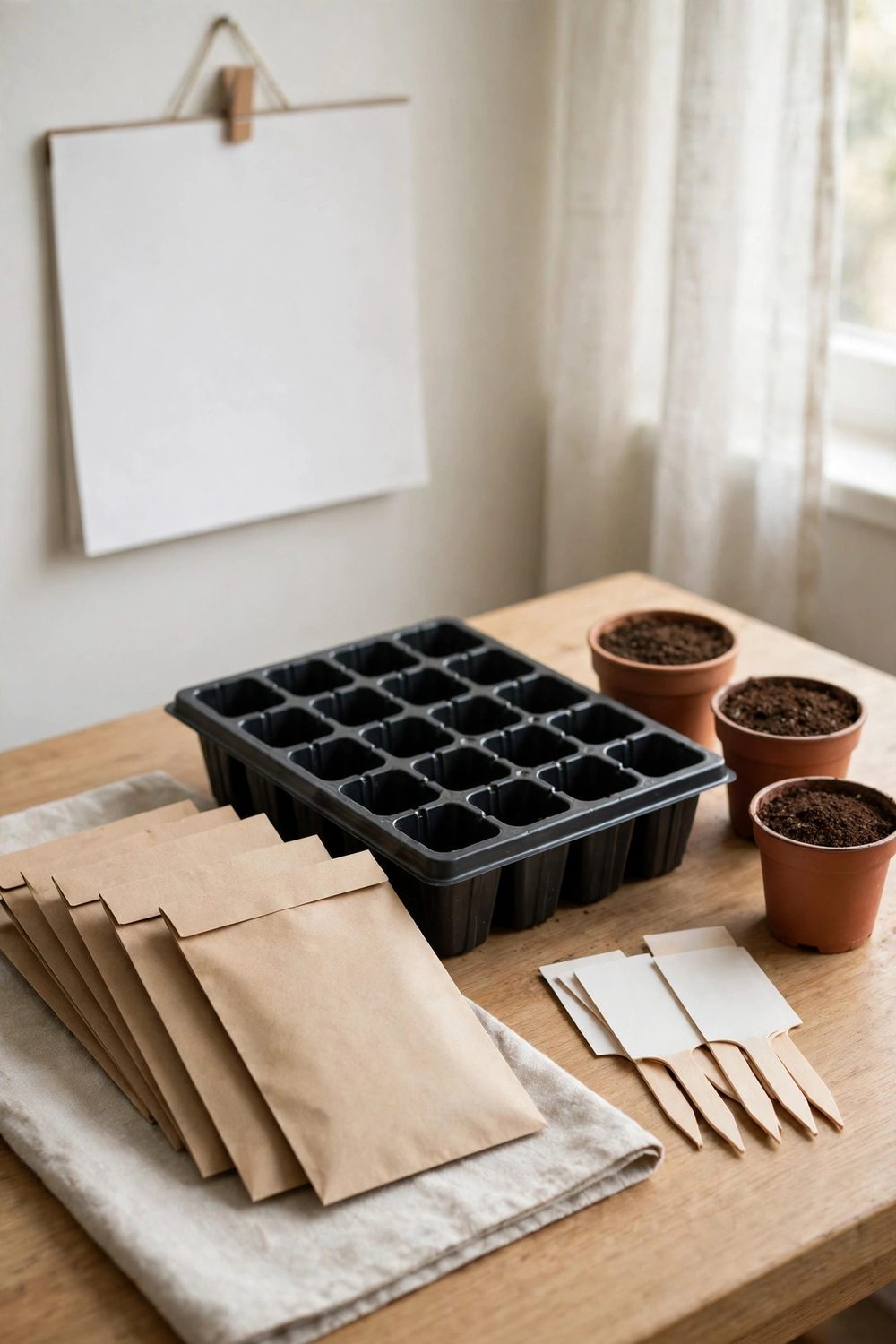
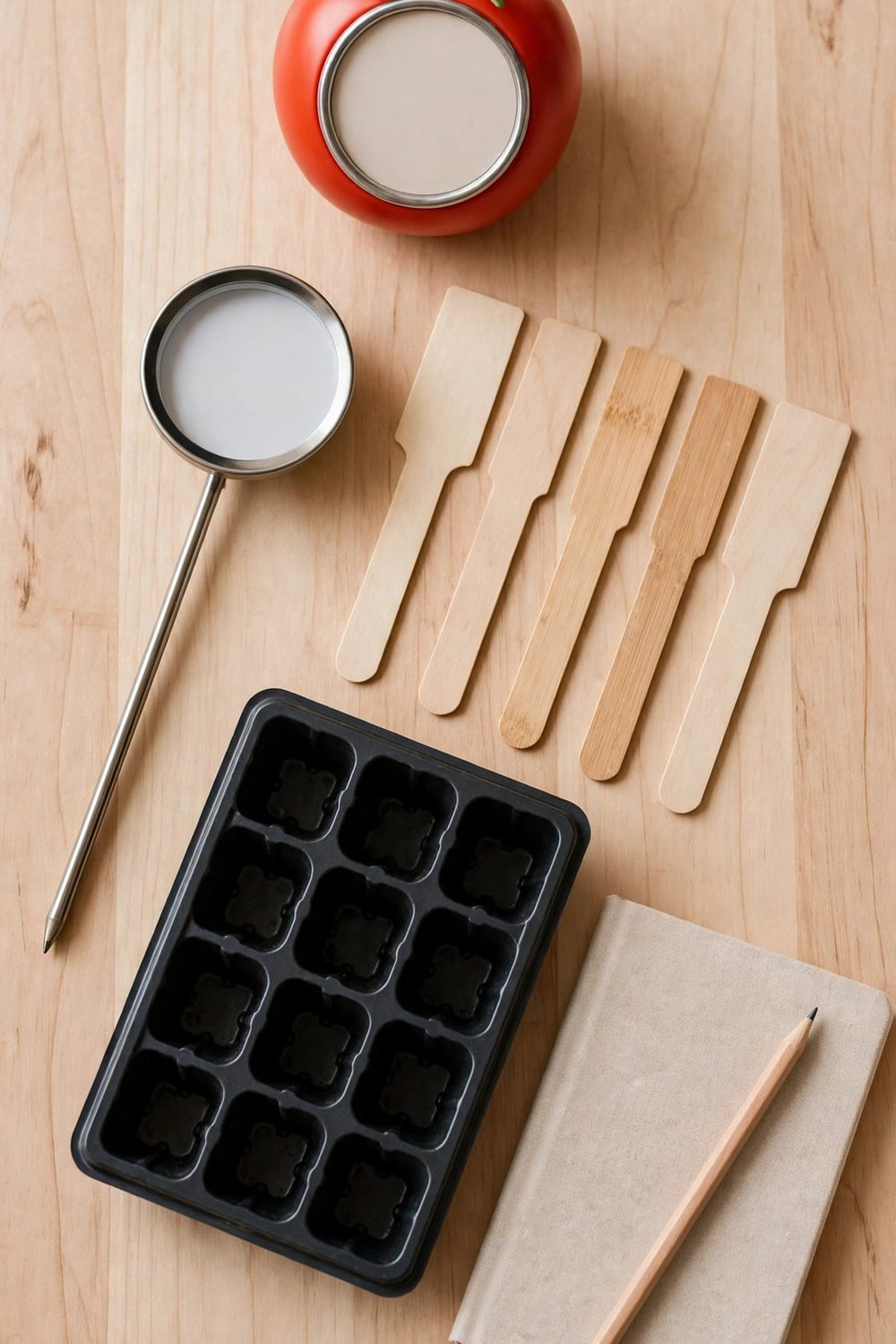
- Tomato seeds or sturdy transplants: seed gives you the widest choice of varieties. Bought plants save six weeks if your spring is already under way.
- Seed trays or small pots: cells or pots around 3 to 4 inches (8 to 10 cm) across hold seedlings until transplant day.
- Seed starting mix: a fine, fresh potting mix holds moisture evenly. Old garden soil packs down and can carry disease into young roots.
- Final pots: one standard tomato plant needs a 5 gallon (19 litre) pot at least. A 10 gallon (38 litre) pot holds moisture far better.
- Frost fleece or row cover: one light sheet, cut to drape over a young plant. It buys a few degrees of warmth on a surprise cold night.
- A soil thermometer or a simple outdoor thermometer: night air and pot soil tell you the truth that a calendar cannot. Guessing is how plants get chilled.
- Labels and a notebook: write the variety and sowing date on each label. Note your frost date and transplant date where you will see them weekly.
- A bright windowsill or a simple grow light: seedlings need strong light from day one. Weak light makes tall, pale plants that struggle outdoors.
If this is your first container season, the wider method in how to start a container vegetable garden from scratch pairs well with the dates below. Read it once, then come back to your frost date.
Find Your Last Frost Date Honestly
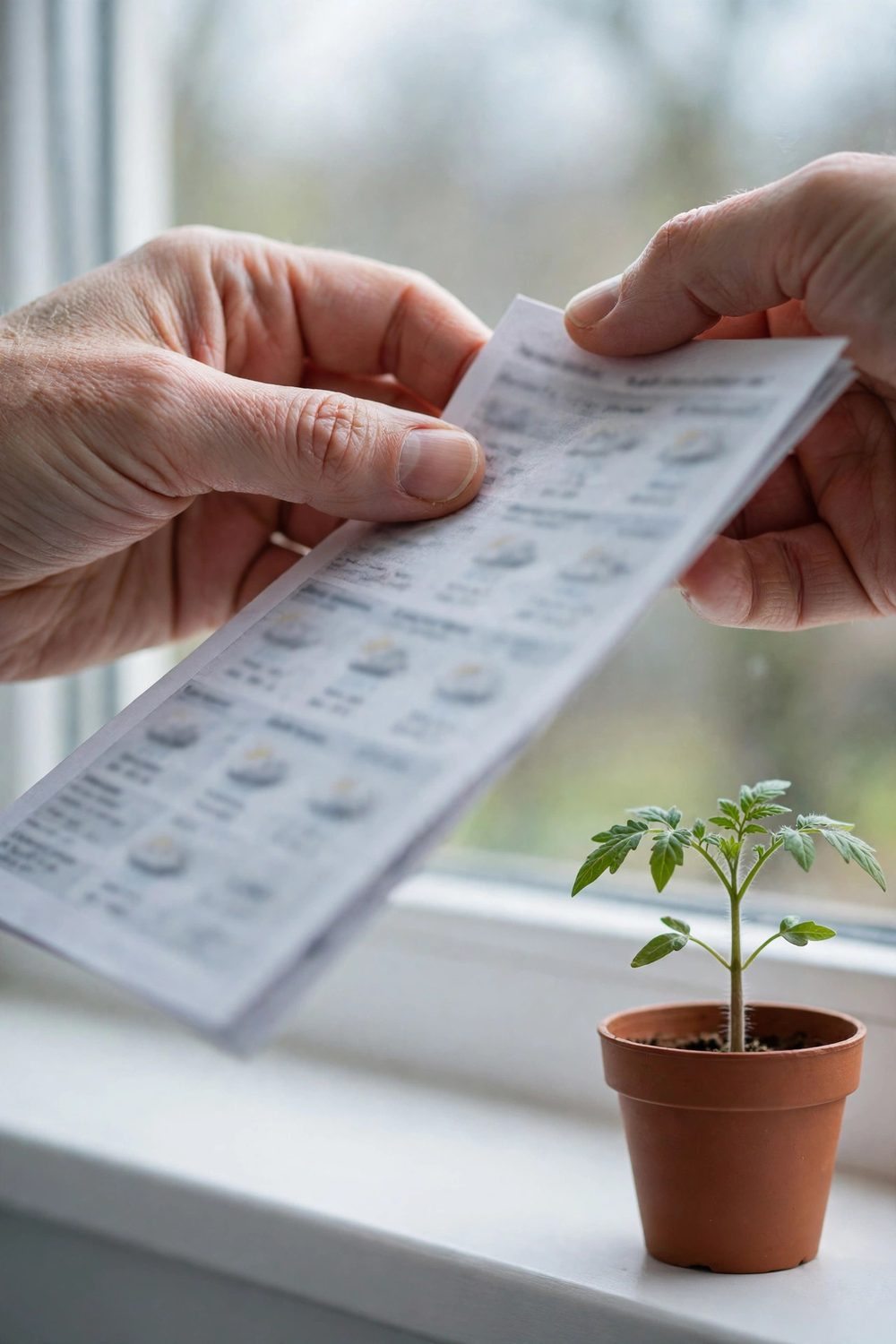
Look up the average last frost date for your own town, not your whole state. Local extension services, weather sites, and seed companies all publish one. Town level detail matters, because valleys and hilltops can differ by weeks.
Treat that date as an average, never a promise. In any given year, the last frost can land two weeks either side of it. Your plan should expect a late frost, not hope against one.
Write the date down and mark the week after it as your earliest transplant window. Every other date in this guide counts from that one line in your notebook.
Count Back Six to Eight Weeks for Indoor Sowing
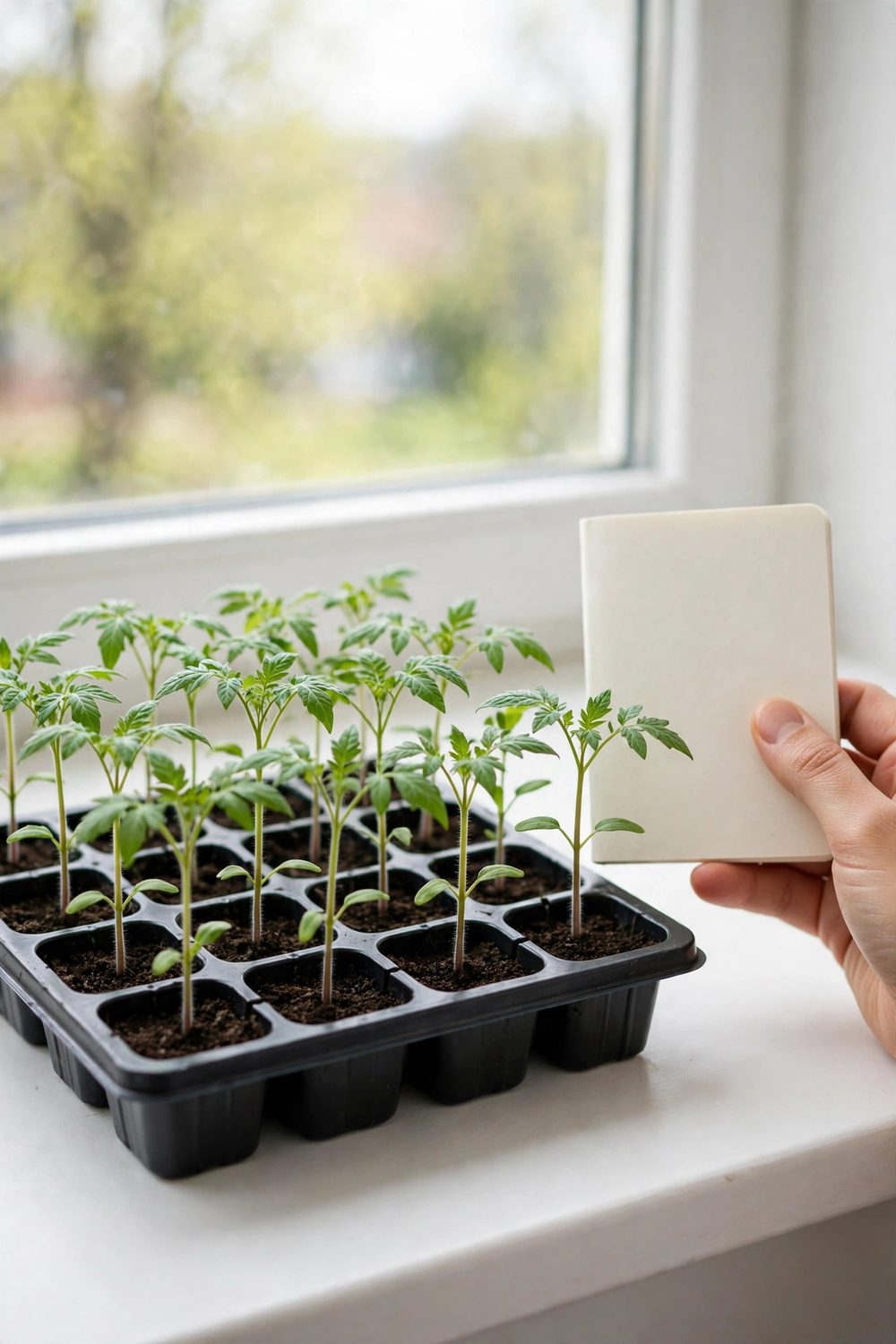
Count back 6 to 8 weeks from your last frost date. That window is your indoor sowing time. Seeds sown then reach transplant size, around 6 to 10 inches (15 to 25 cm) tall, as the weather turns.
Sow earlier and the plants outgrow their pots indoors. They turn leggy on the windowsill and suffer when they finally move out. Sow later and the plants stay small, but they catch up fast in warm soil.
If your spring plans are still rough, the sowing order in spring balcony vegetables to sow first shows where tomatoes sit beside quicker crops. Tomatoes go in early indoors, but they move out late.
Sow Seeds Indoors at the Counted Date
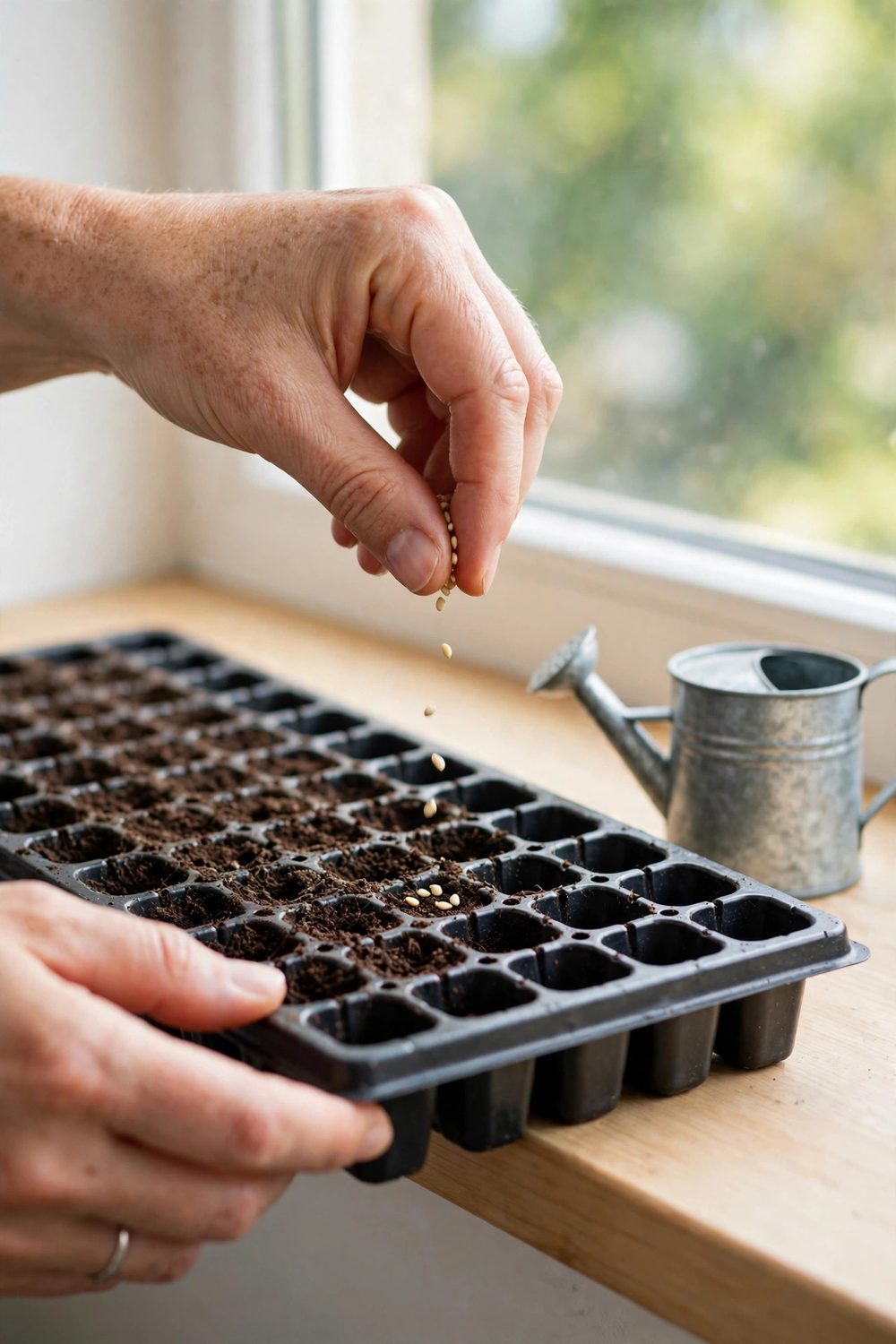
Fill your trays with mix, water them, and let them drain. Sow seeds about one quarter inch (6 mm) deep, two per cell. Cover lightly and keep the tray somewhere warm, around 70 to 80°F (21 to 27°C).
Warmth matters more than light until the shoots appear. A spot near a boiler or on a fridge top often works well. Once green shows, move the tray to your brightest light at once.
Keep the mix damp, never soaked. Thin each cell to one strong seedling when the first true leaves open. A small fan on low, run for a few hours daily, helps stems grow stocky.
Check That Nights Stay Above 50°F (10°C)
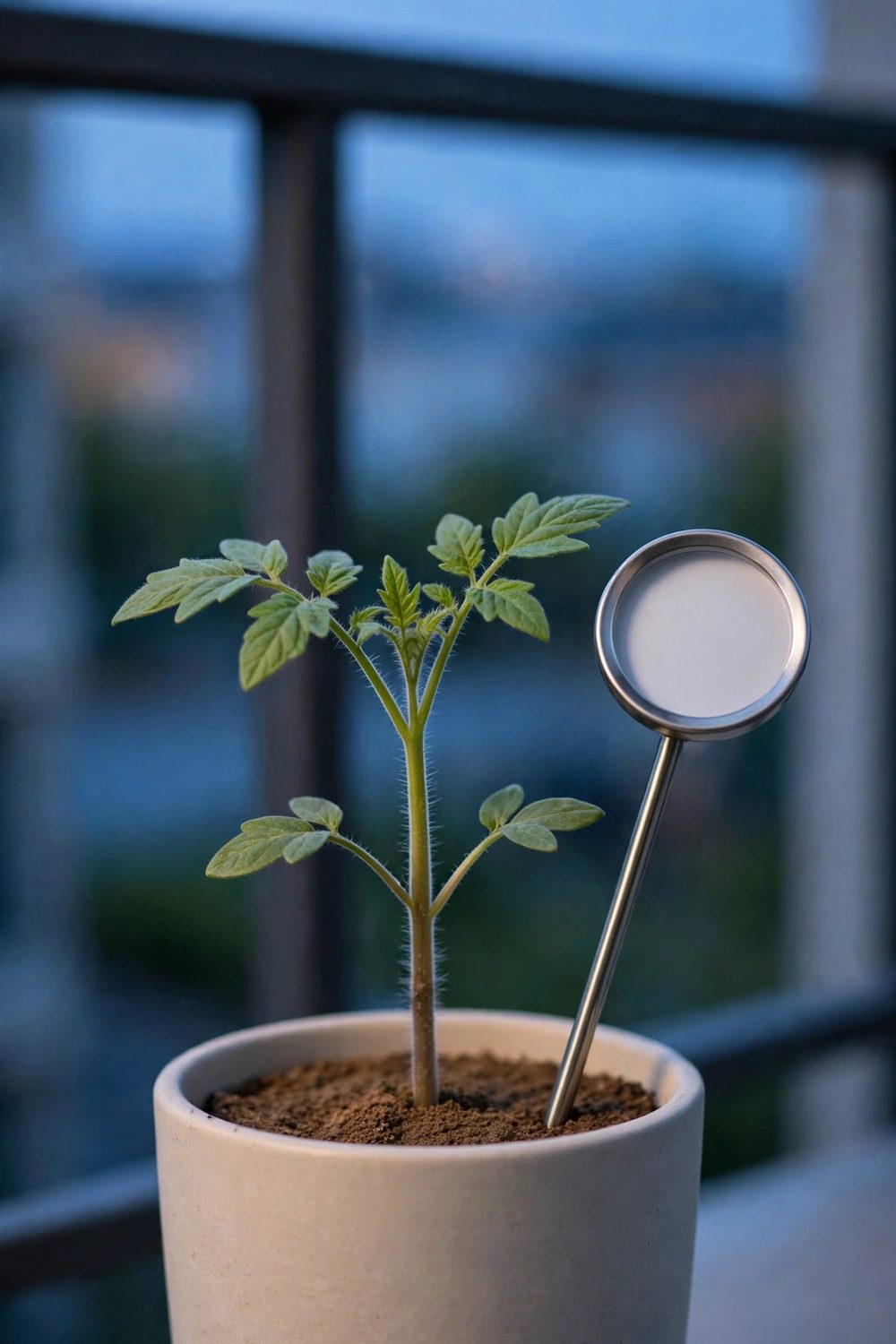
Hold your transplant until nights stay steadily above 50°F (10°C). One warm night proves nothing. Look for a run of about a week of nights at or above that line, with no cold snap in the forecast.
Below that line, tomato roots slow right down and leaves can take a purple tint. The plant rarely dies, but it stops growing. A chilled plant often loses two or three weeks to a plant set out later.
Pro Tip: push a soil thermometer into the pot in the early morning. Pot soil at or above 55°F (13°C) on three straight mornings is a sound green light.
Harden Off Seedlings Before They Move Outside
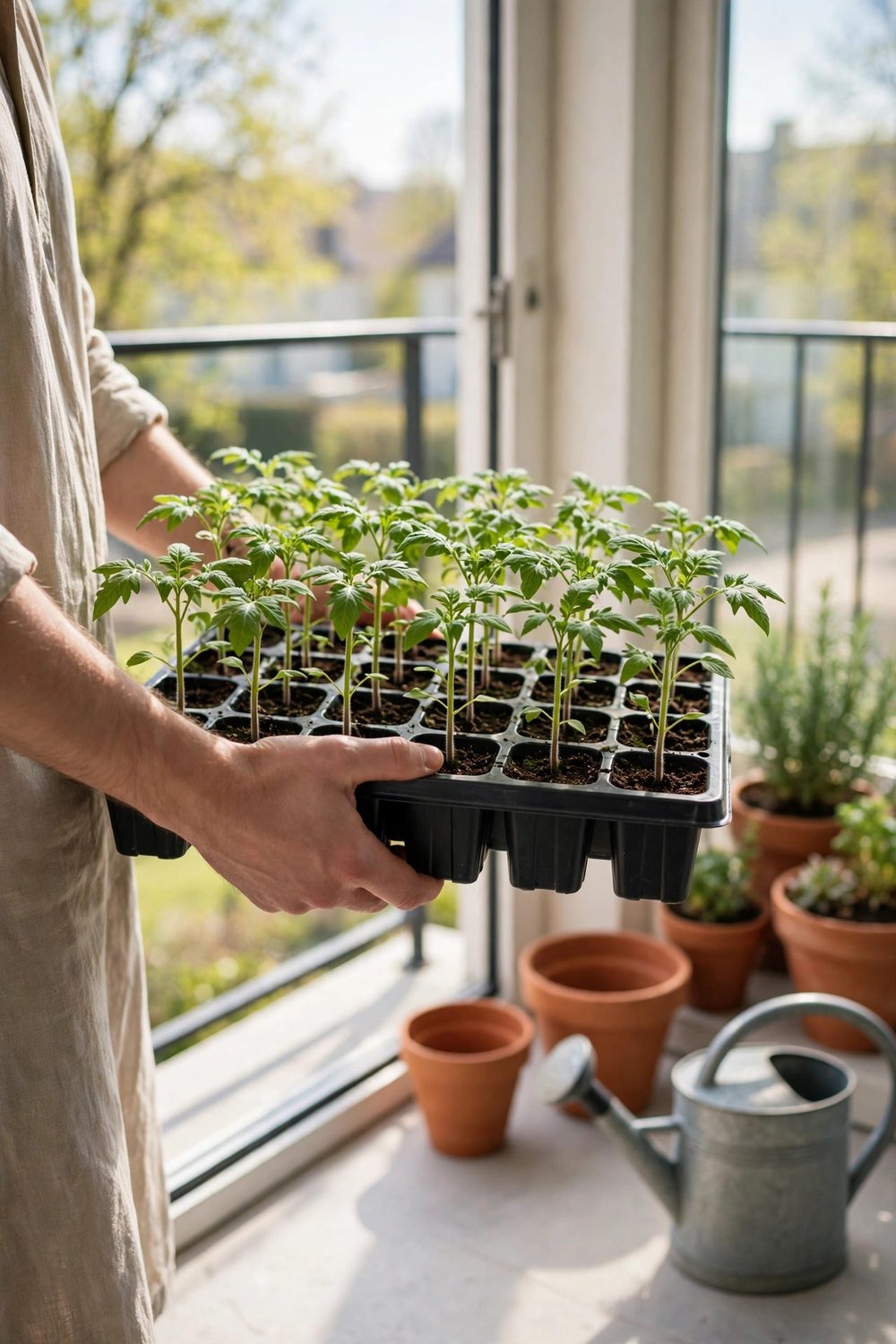
Give seedlings 7 to 10 days of hardening off before they live outside full time. Start with one or two hours in shade on a calm day. Add time and sun a little each day.
Indoor leaves are thin and burn fast in direct sun. A rushed move scorches them white and sets the plant back. Slow steps build thicker leaves that handle wind, sun, and cool evenings.
Bring the tray in at night during the first half of the week. By the final two nights, leave plants out if the forecast stays above 50°F (10°C).
Transplant Into the Final Pot on a Mild Evening
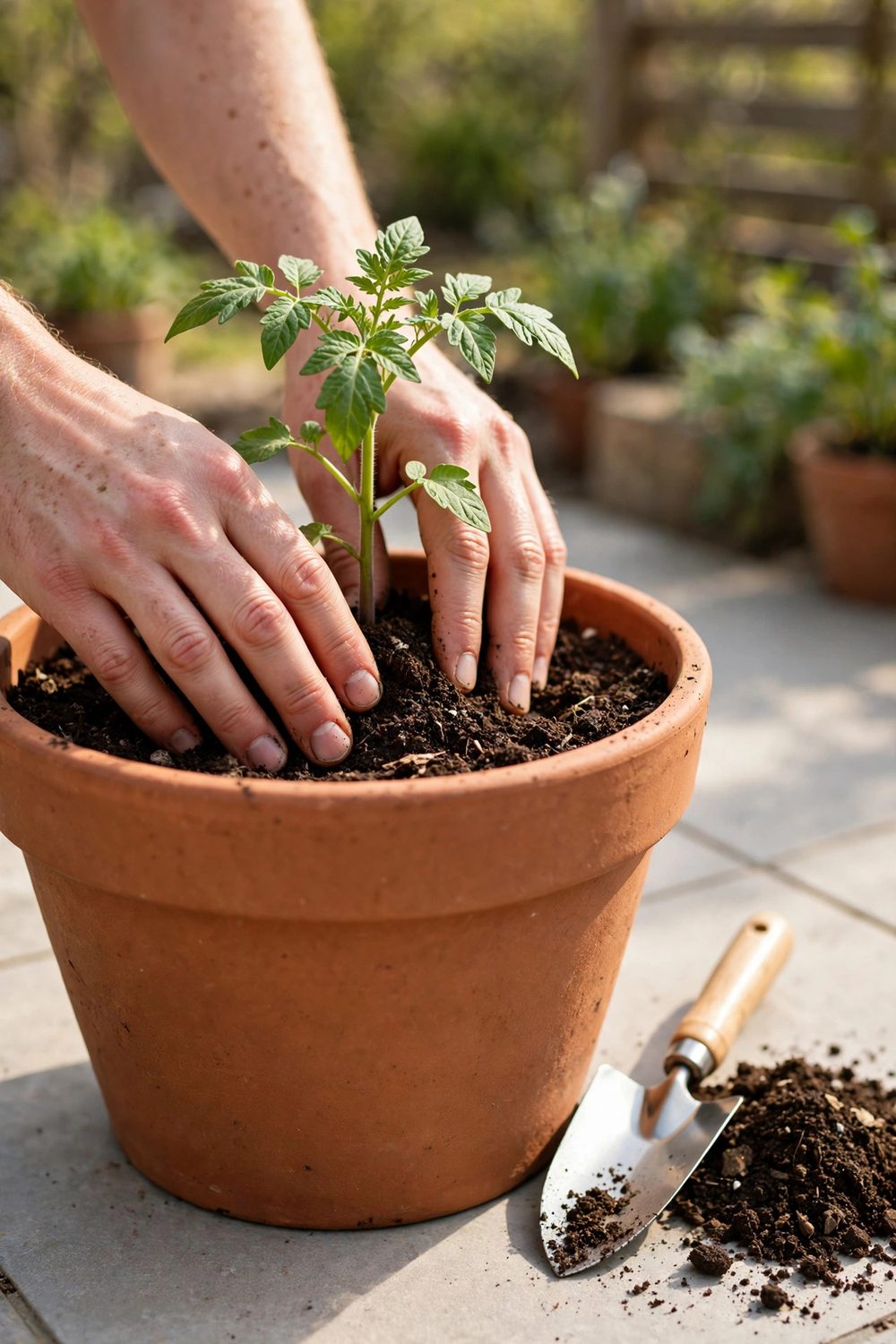
Pick a mild, calm evening for the move into the final pot. Evening planting spares the plant a full day of sun while its roots settle. Water the seedling well an hour before you start.
Bury the stem deeper than it sat in its small pot, up to the first true leaves. Tomatoes root along a buried stem, and a deep plant stands steadier in wind. Firm the mix, then water slowly.
Set the cage or stake in the pot on the same day. Adding support later spears roots that have already spread. The full growing method in how to grow tomatoes in a pot covers feeding and care from this point on.
Adjust the Date for Short Northern Summers
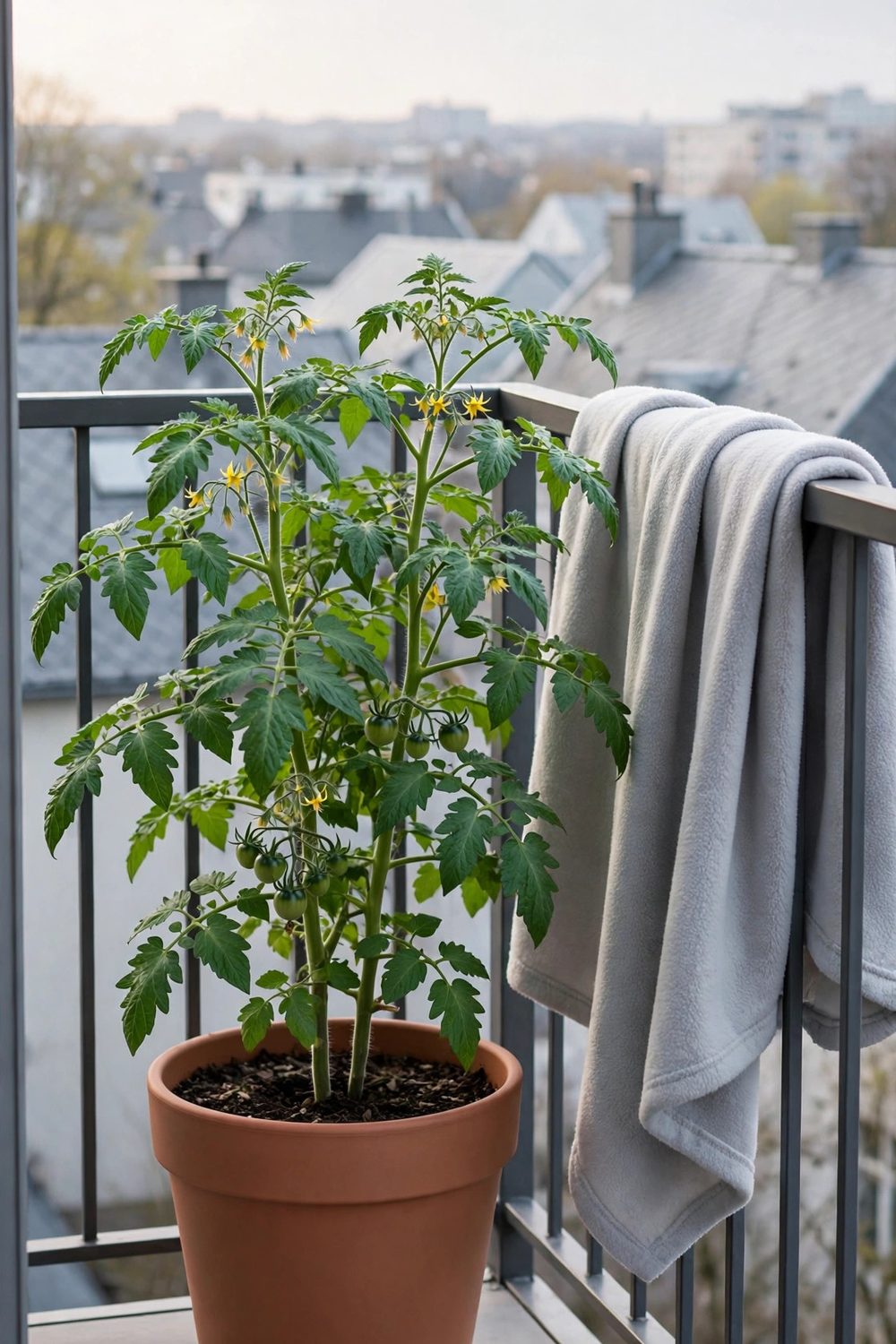
Cold northern areas and high ground get a late last frost and an early autumn (fall) frost. Your outdoor window can be short, so sow at the early end of the count back, a full 8 weeks before last frost.
Variety choice carries real weight here. Early types bred for cool, short seasons fruit weeks ahead of long season beefsteaks. Our list of early tomato varieties for short summers in pots names the ones worth your shelf space.
Keep fleece ready through the first outdoor weeks. One clear, still night can drop frost into a sheltered yard well after the average date. Pots near a warm wall gain a small but real edge.
Adjust the Date for Mild Coastal and UK Gardens
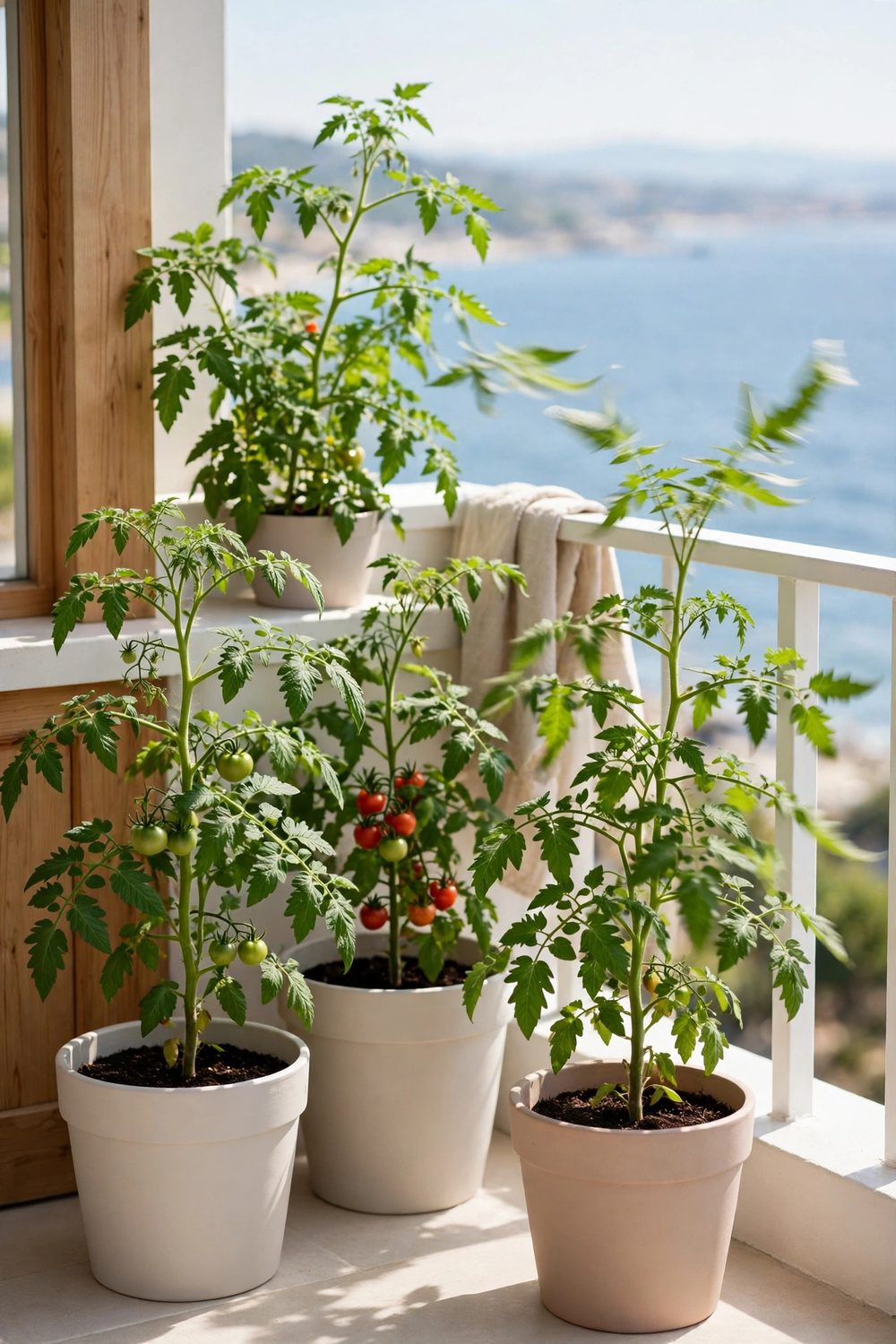
Mild coastal areas and much of the UK see few hard frosts, yet spring nights stay cool for a long time. The frost date looks kind on paper. The night temperature test is the one that counts here.
Cool coastal soil warms slowly, even in a pot. Push a soil thermometer into the pot on a few mornings before you decide. Grey weeks can hold soil below 55°F (13°C) long after the last frost has passed.
Wind is the other coastal tax. A young plant on an open balcony loses heat and moisture fast. Start hardening off in the most sheltered corner you have, and move the pot into full sun in stages.
Adjust the Date for Hot Summer Climates
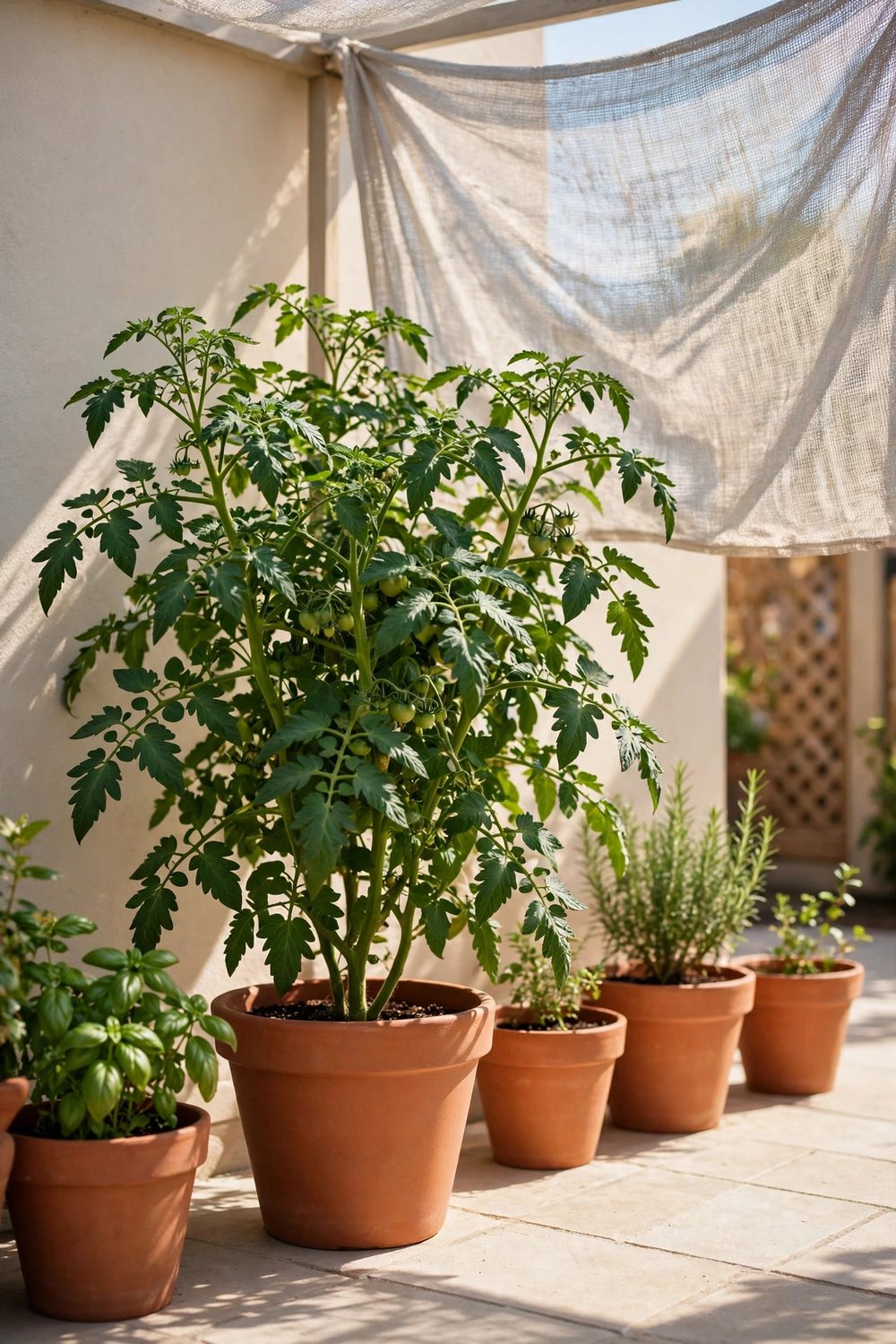
Hot regions in the southern US and similar climates plant early, often weeks ahead of cooler states. The risk flips: the goal is fruit set before deep summer heat arrives. Tomatoes drop blossom when days and nights run very hot.
Sow indoors at the early end of your count back and transplant as soon as nights clear 50°F (10°C). An early plant sets its first trusses in mild spring weather, ahead of the heat.
Plan a second round for late summer where summers run long. Sow heat set types such as ‘Florida 91’ or ‘Solar Fire’ in early summer, and transplant them as the worst heat eases. These types set fruit in warmth that stops standard varieties.
Catch Up Fast If You Are Starting Late
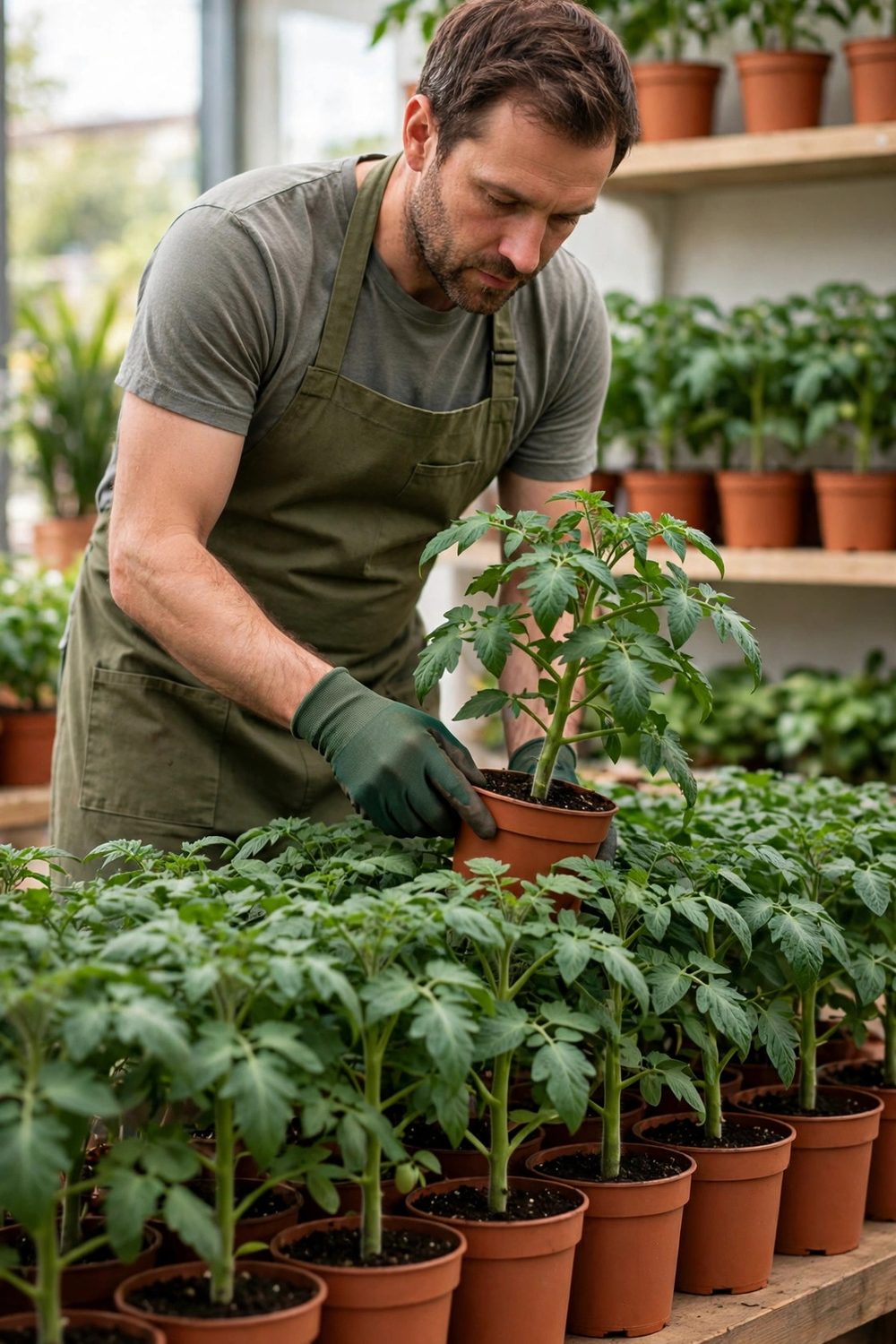
A late start is a smaller problem than most gardeners fear. Buy sturdy transplants with thick stems and deep green leaves, and you skip the whole indoor stage. One good plant in a big pot beats three weak ones.
Choose early varieties for the weeks you have left. Types such as ‘Glacier’, ‘Stupice’, and ‘Oregon Spring’ fruit fast and cope with cool nights. Cherry types also ripen sooner than large beefsteaks, and they forgive a short season.
Give a late plant every edge: the sunniest spot, a 10 gallon (38 litre) pot if you have one, and steady water. Skip late sowing of long season varieties. They will flower as frost arrives, and that helps no one.
Common Mistakes
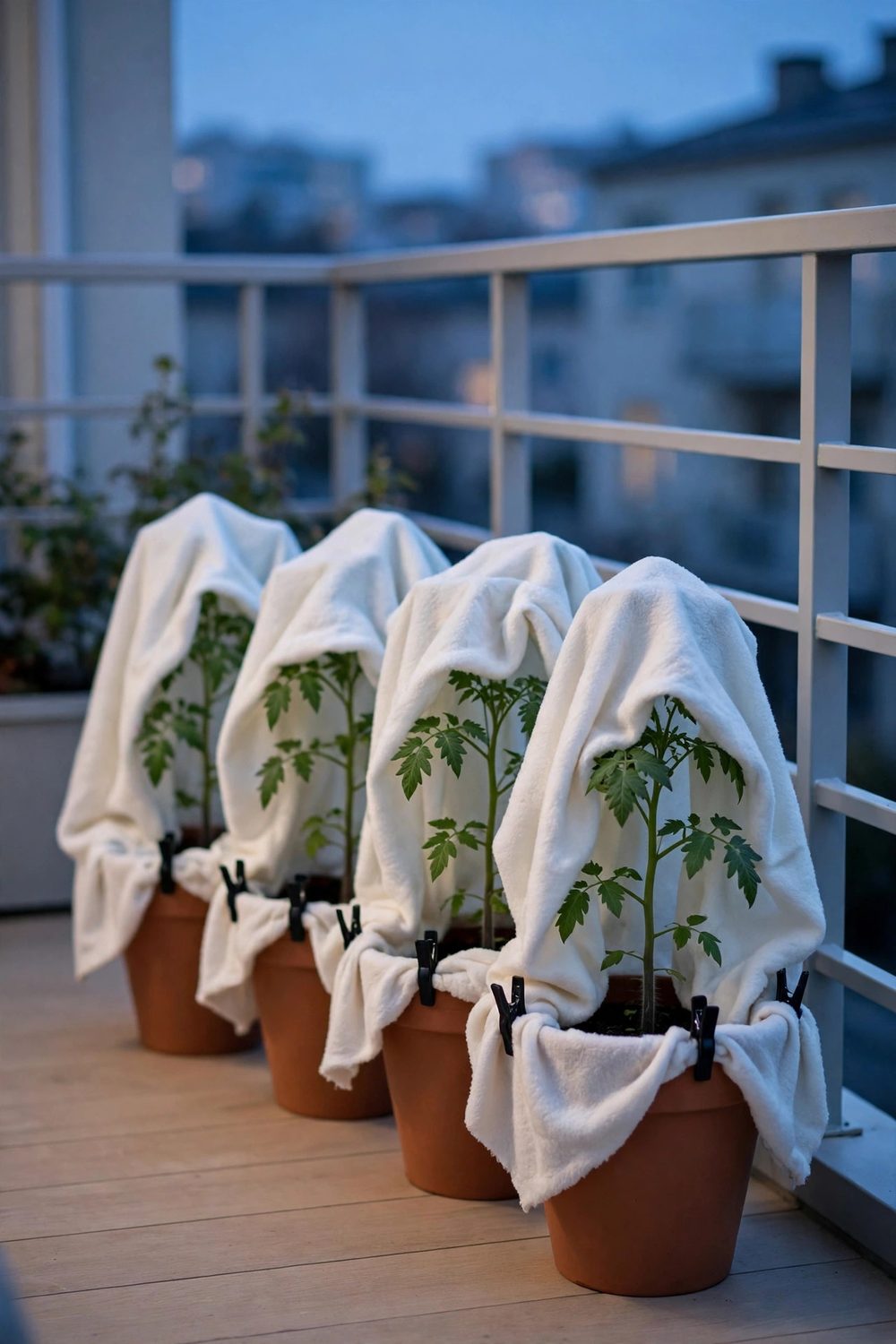
Trusting one warm weekend. A sunny spell in early spring tempts plants out too soon. One frost night after it can end the season. Wait for the run of warm nights, not the warm weekend.
Using a state or national frost date. Broad dates miss local frost pockets by weeks. A date for your town, checked against your own forecast, is the only one worth writing down.
Sowing far too early indoors. Seedlings held inside for ten or twelve weeks grow tall, pale, and root bound. They sulk after transplanting. Six to eight weeks is the window for a reason.
Skipping hardening off. A plant moved straight from a windowsill to full sun scorches in a day. The damage looks like disease, but the cause is haste. Seven slow days prevent it.
Forgetting that pots chill faster than beds. A small pot on a cold patio loses heat from every side. Group pots together, raise them off cold stone, and fleece them on borderline nights.
Frequently Asked Questions
Can I plant tomatoes in pots before my last frost if I cover them?
You can, with care, but the gain is small. Fleece over a pot protects against a light frost, yet cold soil still slows the roots. Most growers do better waiting a week and planting into warmer mix.
What night temperature is too cold for potted tomatoes?
Growth stalls below about 50°F (10°C), and frost at or below 32°F (0°C) can kill an unprotected plant. Between those lines, plants survive but sit still. Steady nights above 50°F are the signal worth waiting for.
How late is too late to sow tomato seeds?
Count forward from your first autumn (fall) frost. A variety needs its growing weeks plus ripening time before that date. If the count runs short, buy transplants and pick an early type instead of sowing seed.
Do pots really warm up faster than garden soil?
Yes, in spring sun a pot warms faster than the ground, which is one real edge of container growing. The same pot also cools faster at night. That swing is why the morning soil check matters.
I do not know my last frost date. What should I do?
Search for your town name plus the words last frost date, and cross check two sources. Local gardening groups and extension offices give the most honest local figures. Then let the night temperature test make the final call.
Quick Reference
- Sow indoors: 6 to 8 weeks before your last frost date.
- Seed depth: about one quarter inch (6 mm); warmth for sprouting: 70 to 80°F (21 to 27°C).
- Harden off: 7 to 10 days, adding sun and time a little each day.
- Transplant test: last frost passed, plus nights steadily above 50°F (10°C) for about a week.
- Soil check: pot soil at or above 55°F (13°C) on three straight mornings.
- Short northern summers: sow at 8 weeks, pick early varieties, keep fleece ready.
- Mild coastal and UK: trust night temperatures over the frost date; watch wind.
- Hot climates: plant early, and sow heat set types in early summer for a second round.
- Late start: buy sturdy transplants and choose early or cherry types.
Good tomato timing is not a date circled in red. It is a short chain: an honest frost date, a calm count back, and nights that stay warm.
That chain is the whole answer to when to plant tomatoes in pots by region. Get those three right and the plant does the rest.
Your next step is small. Find your town frost date today and write down your sowing week. It takes five minutes and settles the whole season. Save this guide to your tomato board so the dates stay close when spring comes round.


